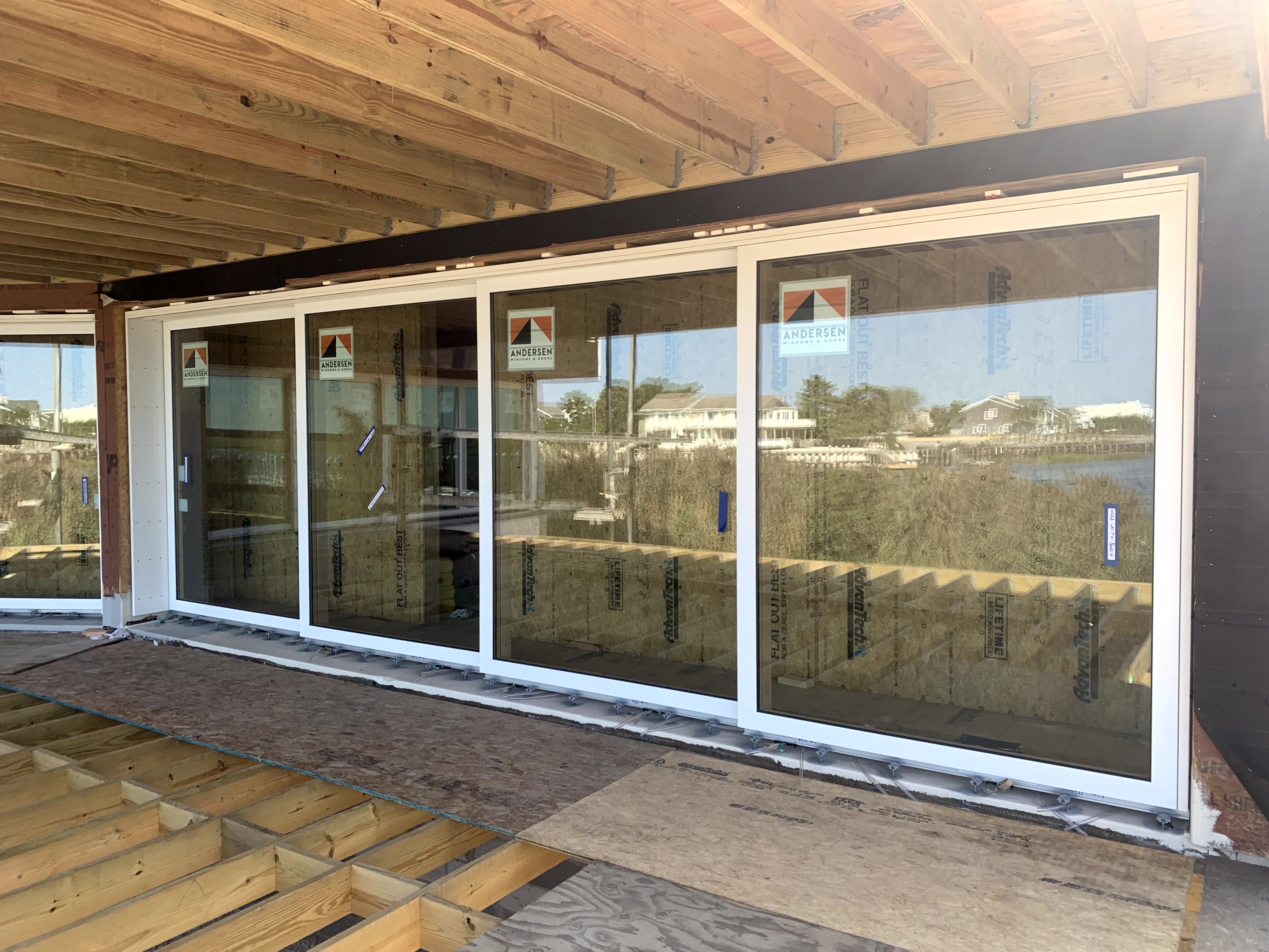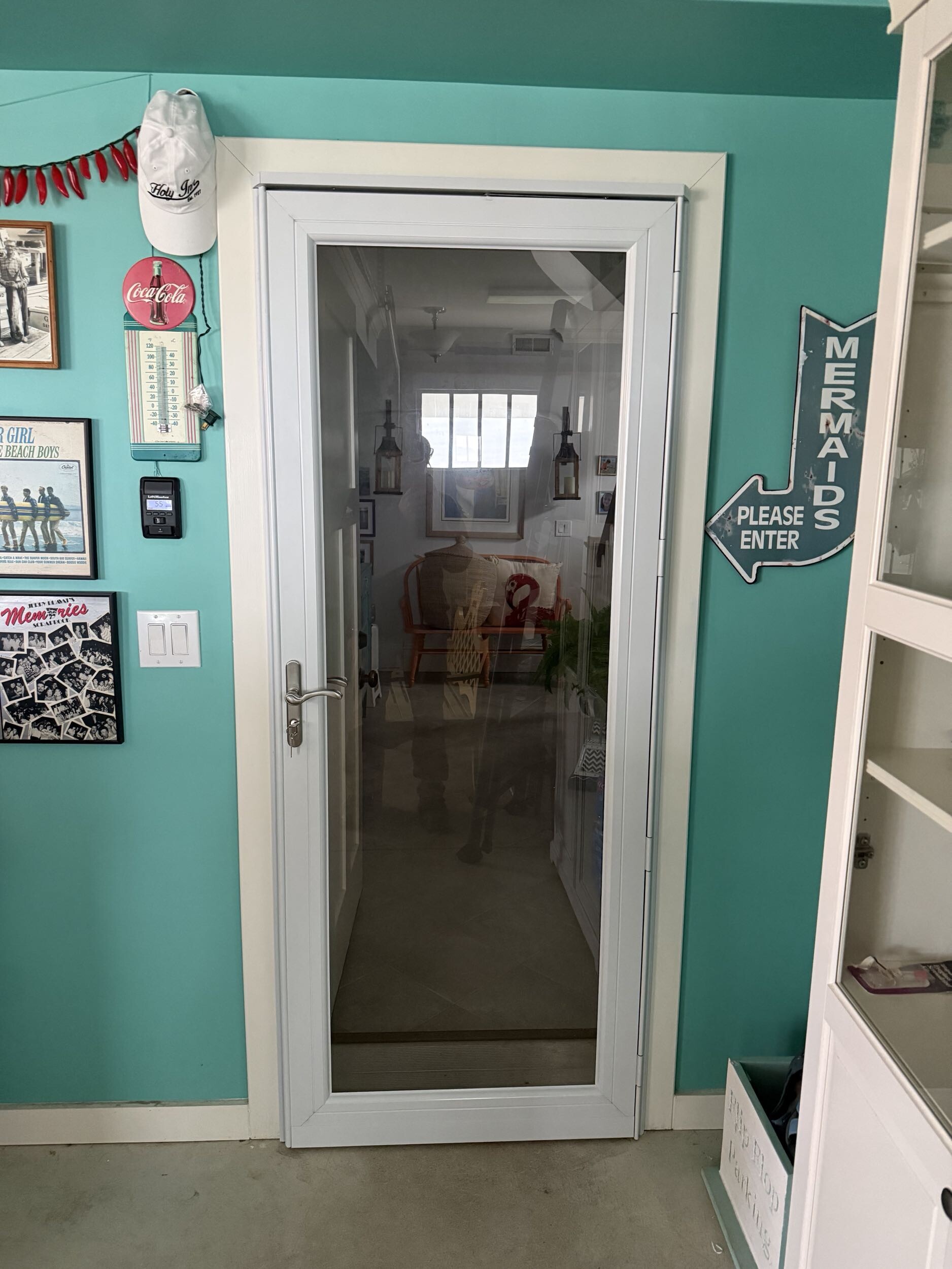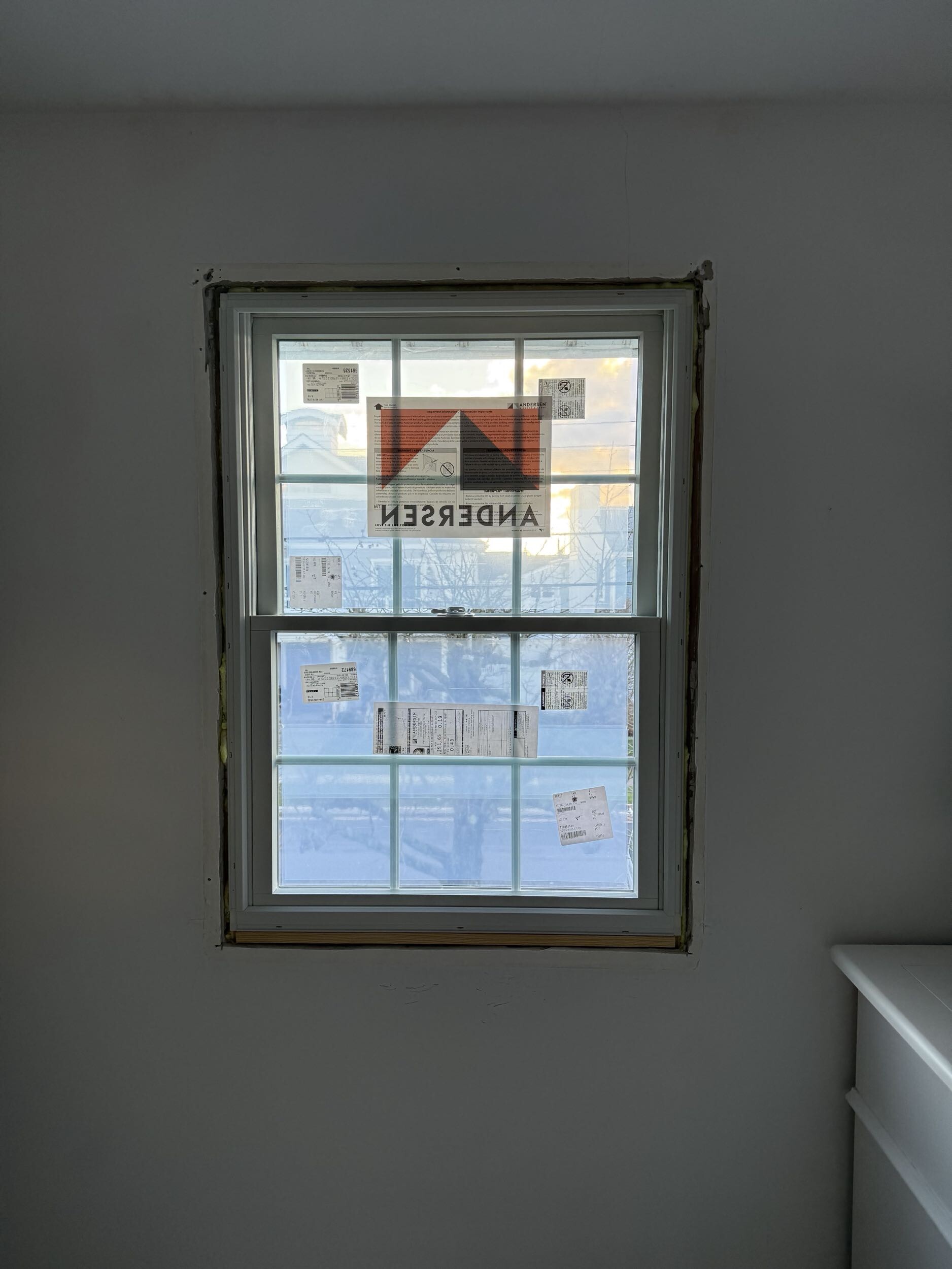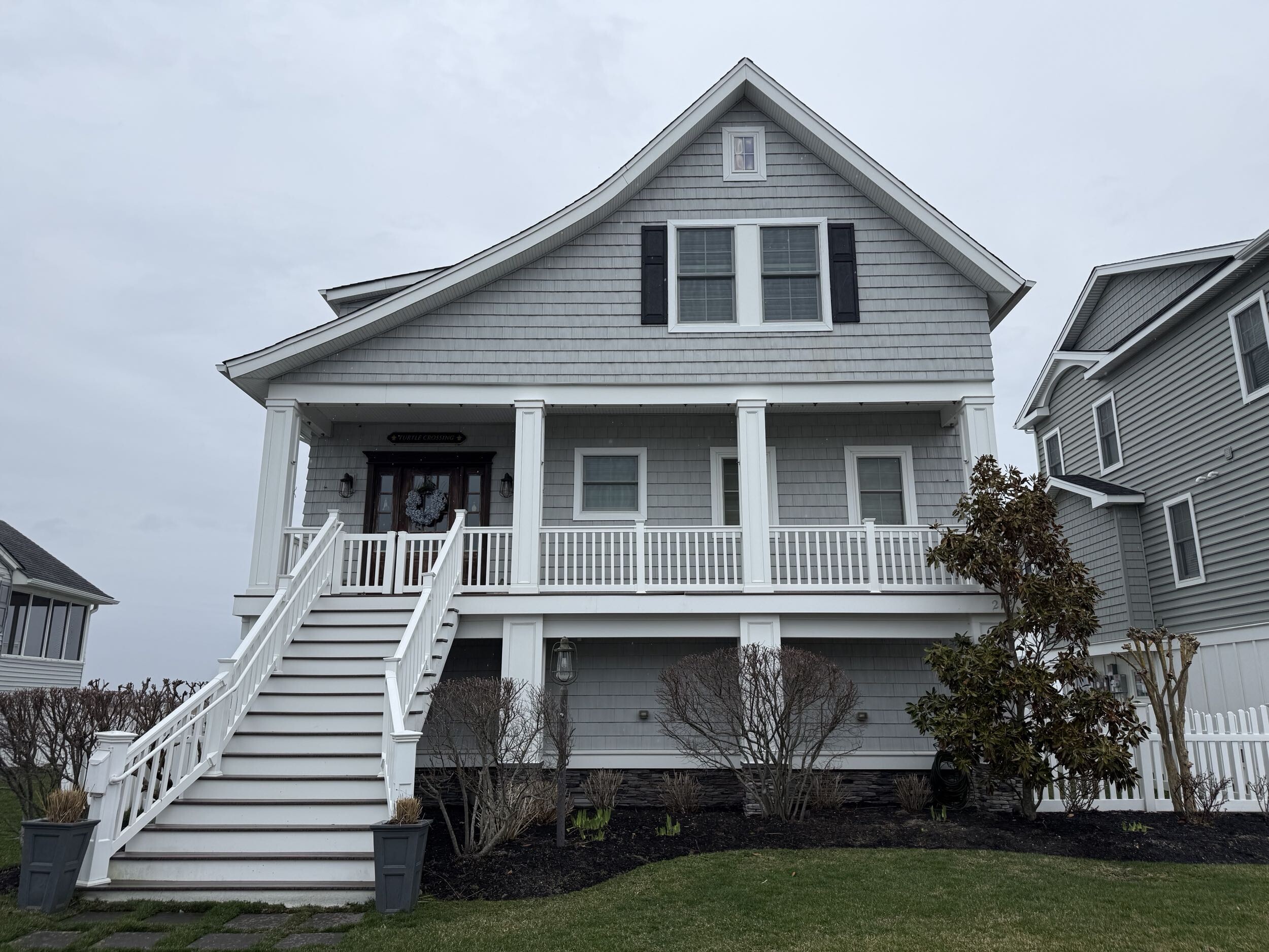



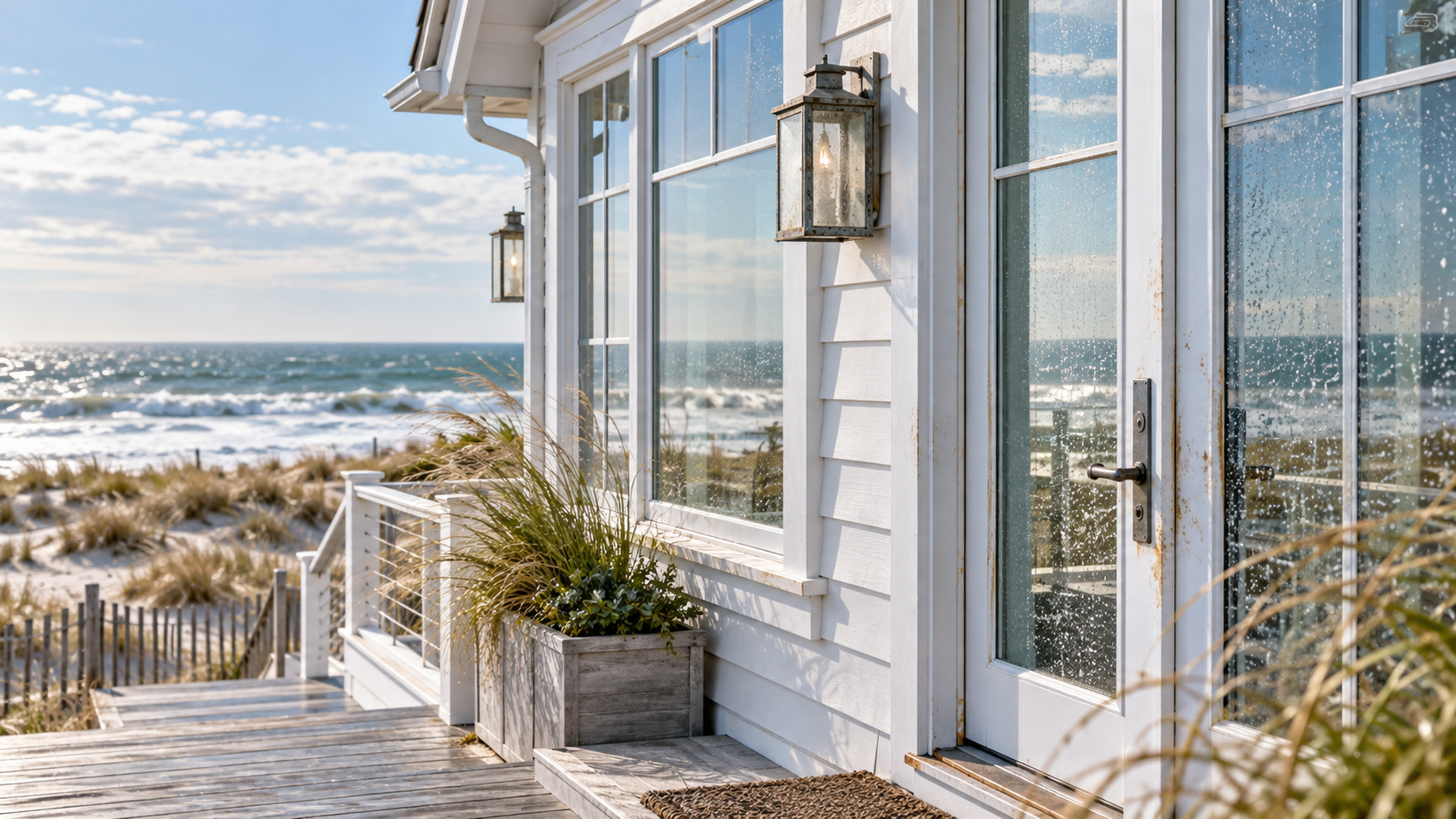
Salt air is one of the reasons I do not treat Avalon and Stone Harbor window and door projects like ordinary inland replacements. The product, hardware, finish, sealants, flashing, and maintenance plan all need to be reviewed with coastal exposure in mind.
Salt Air Finds Weak Points
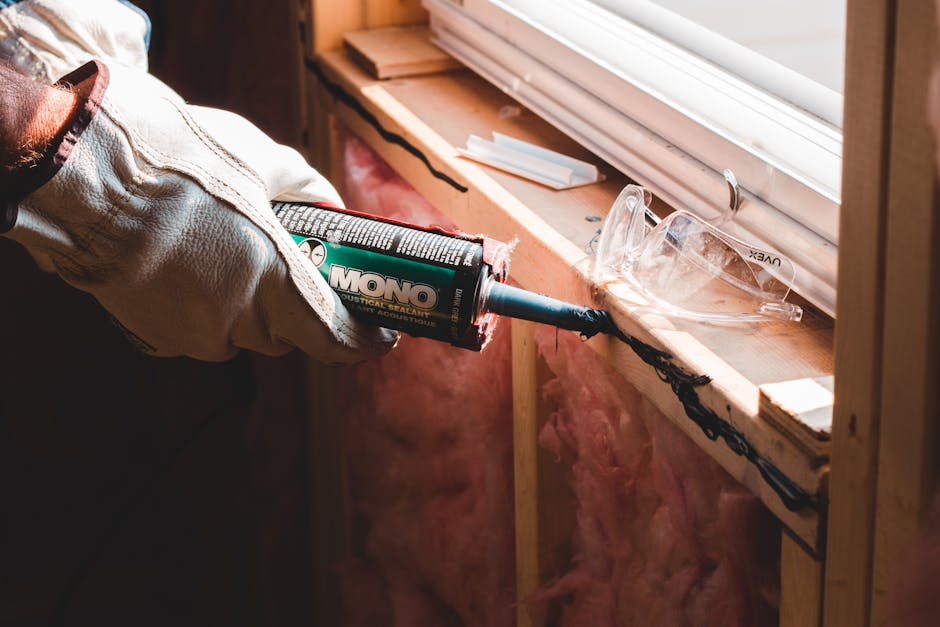
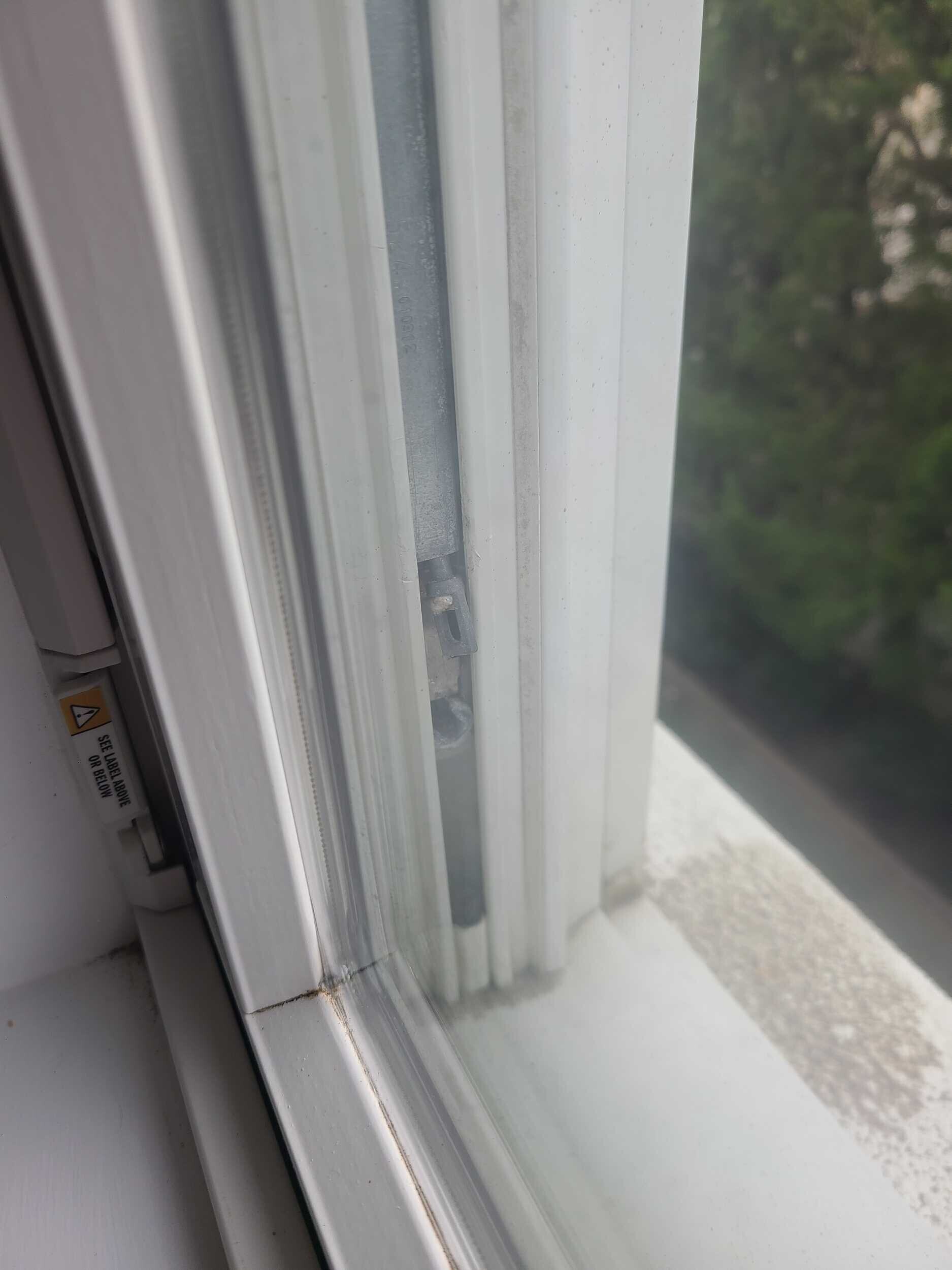
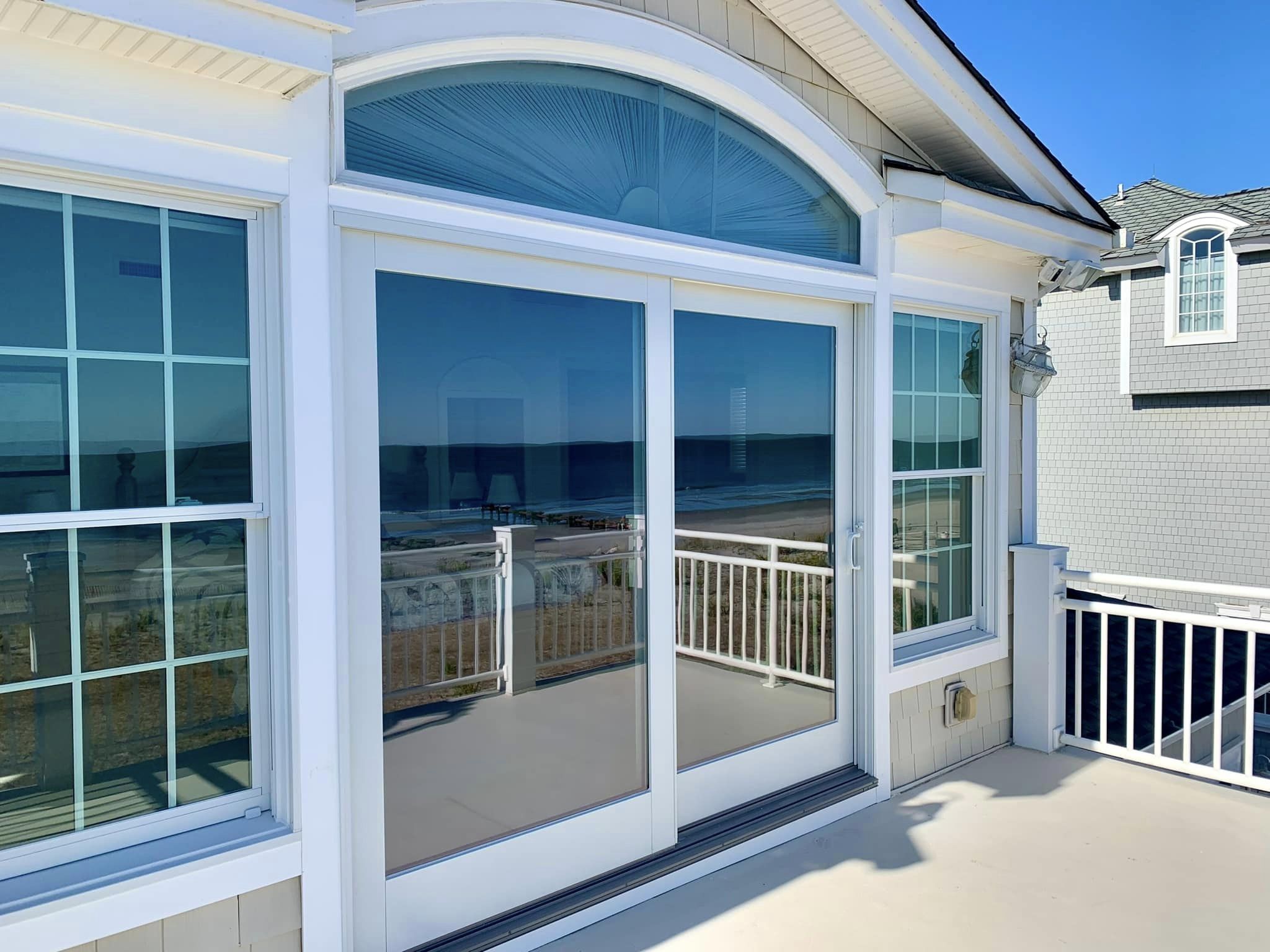
Salt air can accelerate wear on exposed hardware, screens, fasteners, thresholds, locksets, hinges, and exterior finishes. It also makes small installation shortcuts more noticeable over time because moisture and wind keep testing the opening.
This does not mean every product fails near the shore. It means the product and installation detail have to be selected carefully.
Hardware and Finish Choices Matter
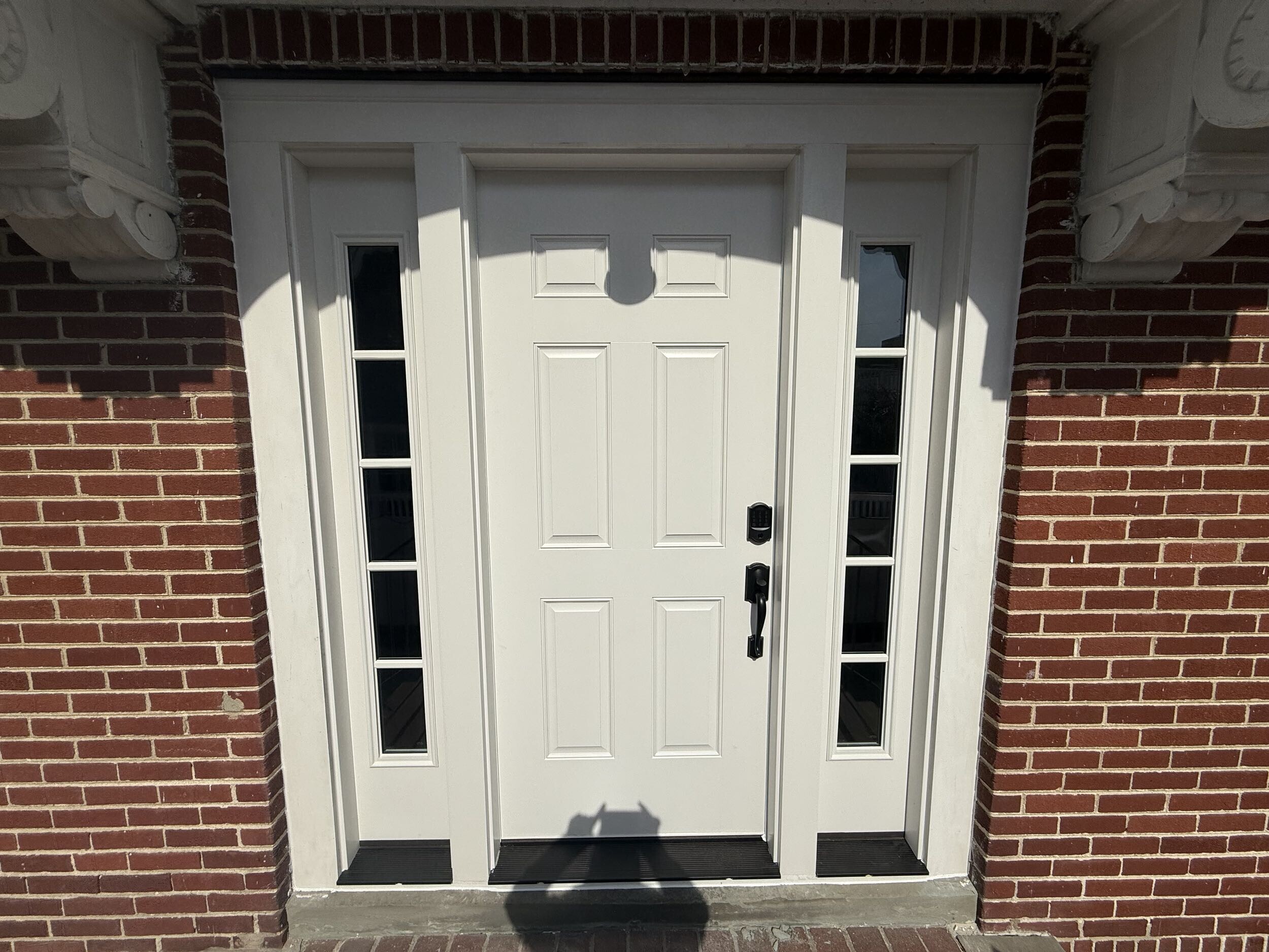
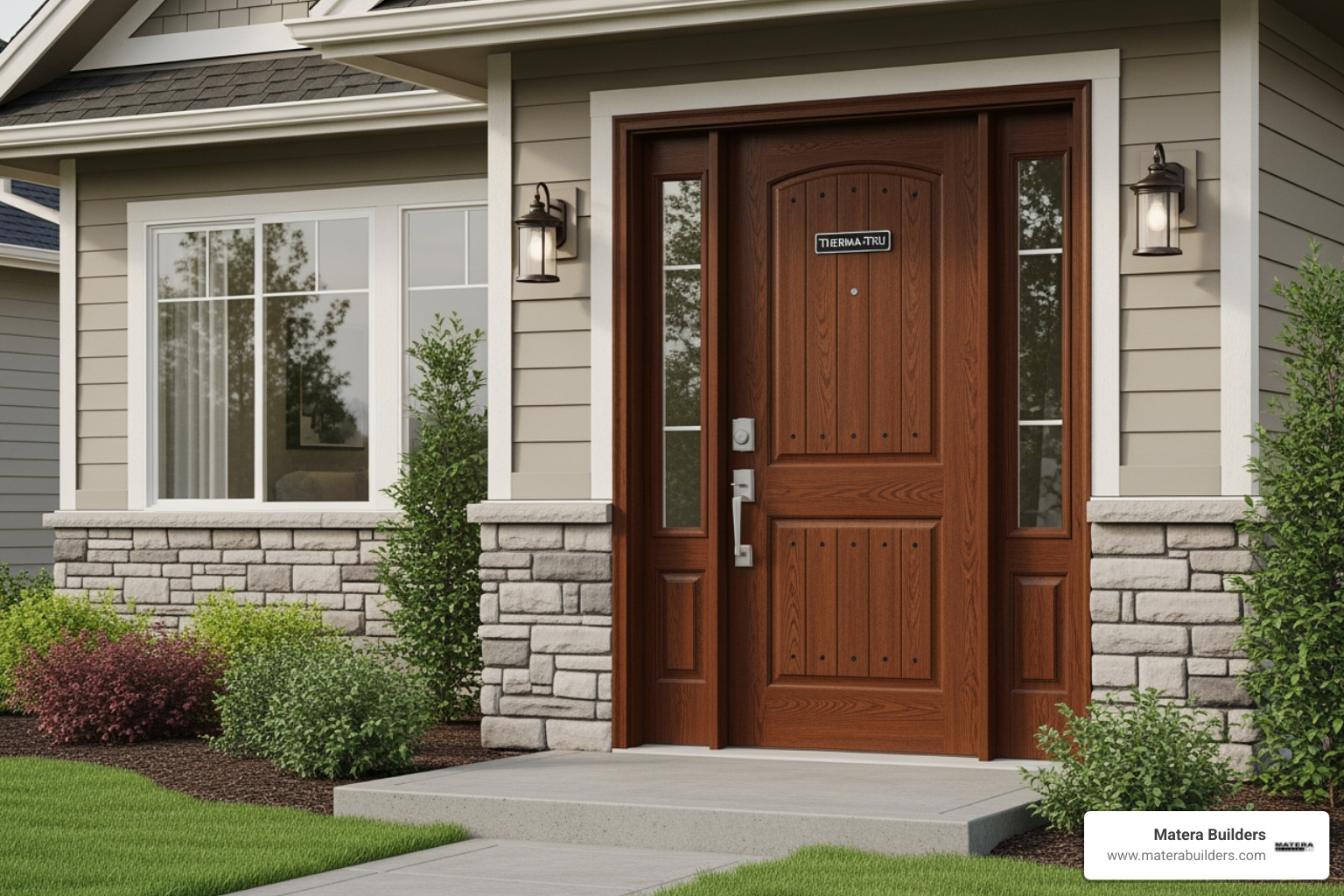
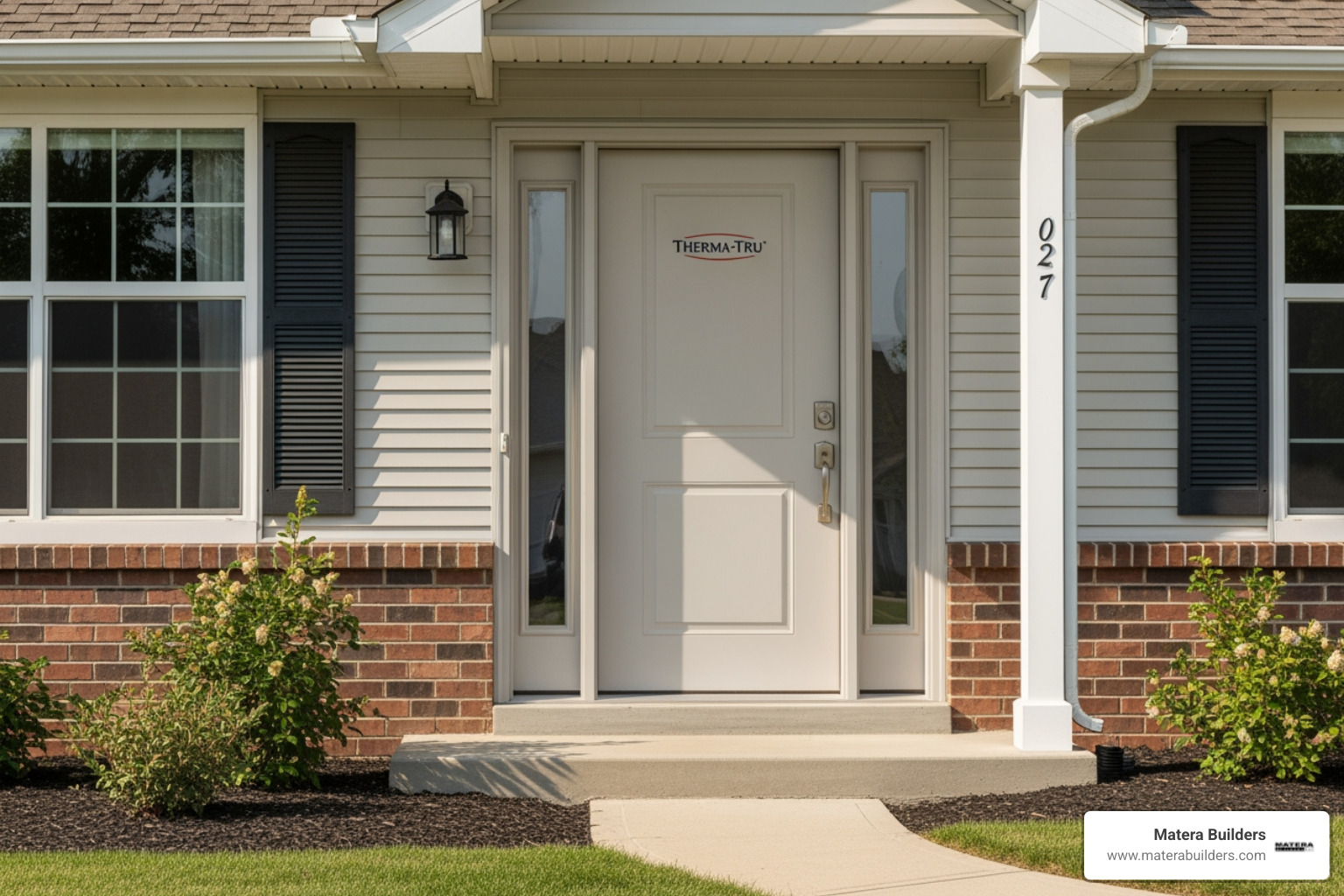
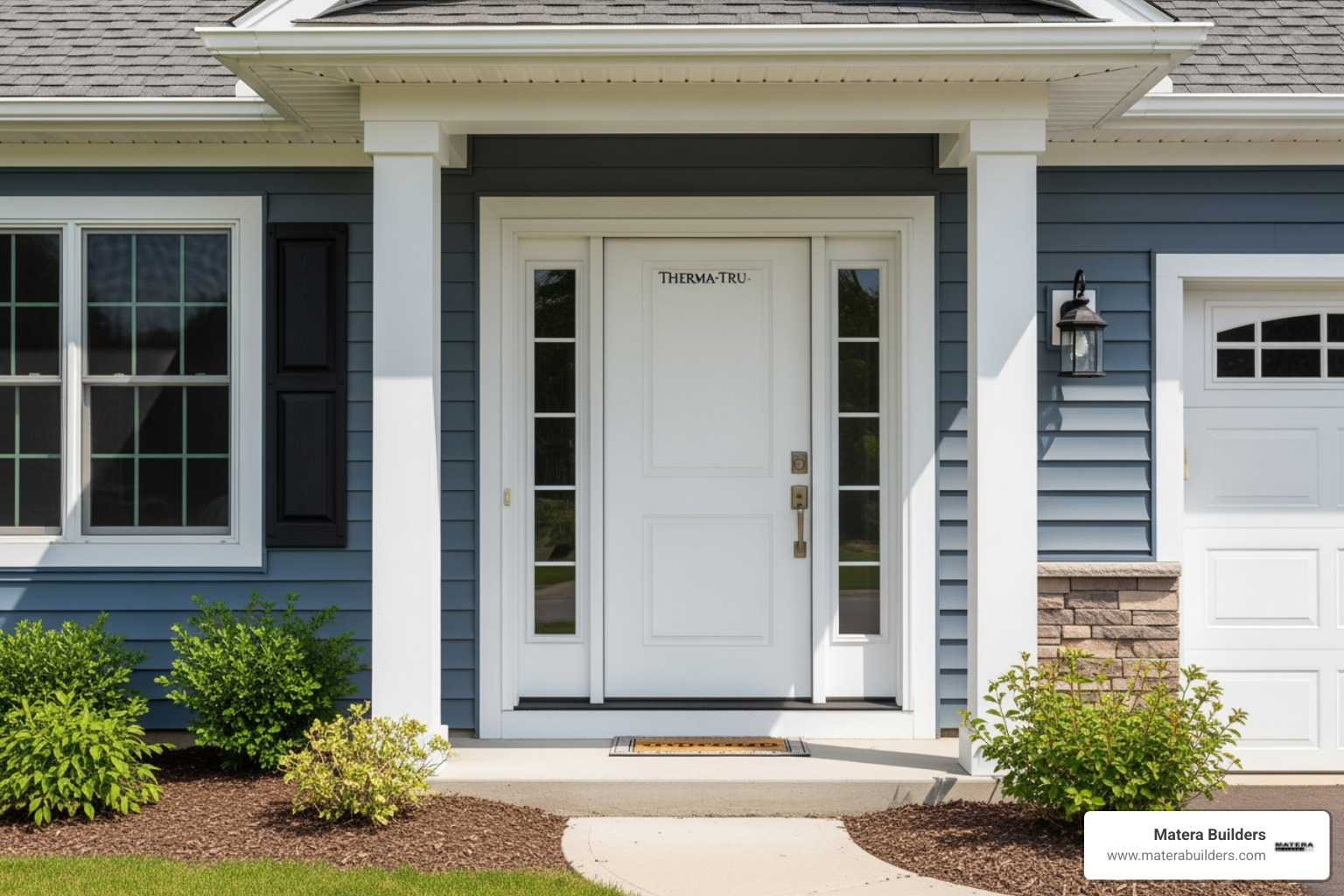
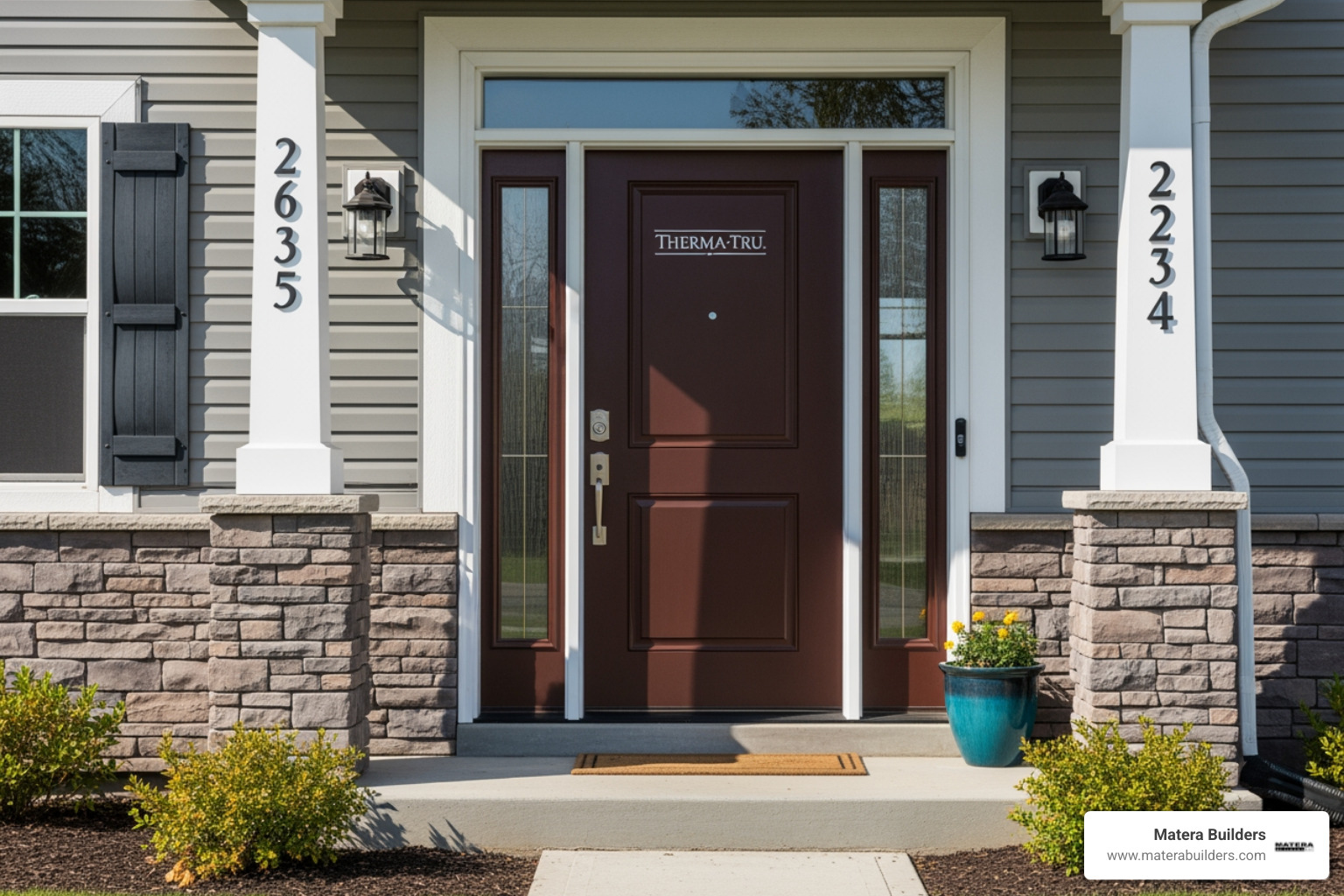
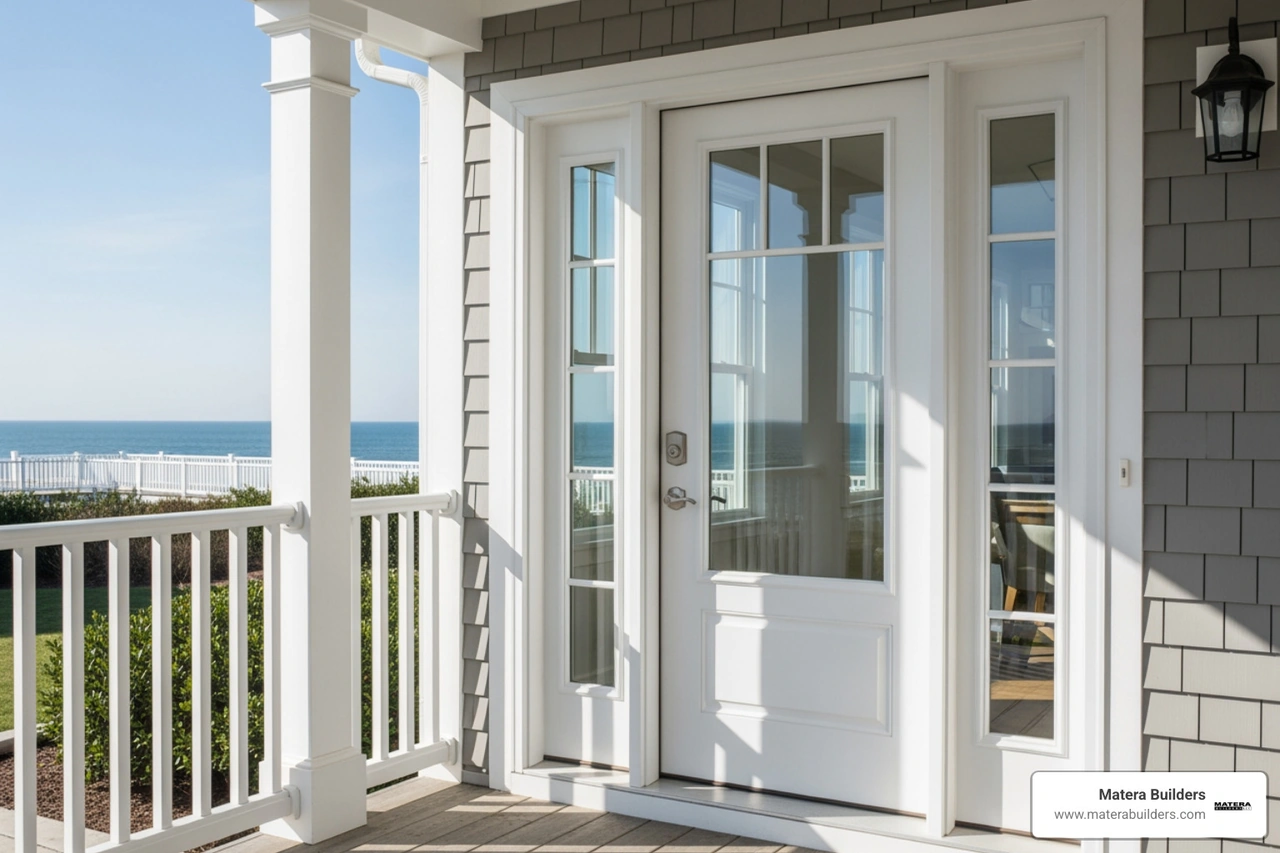
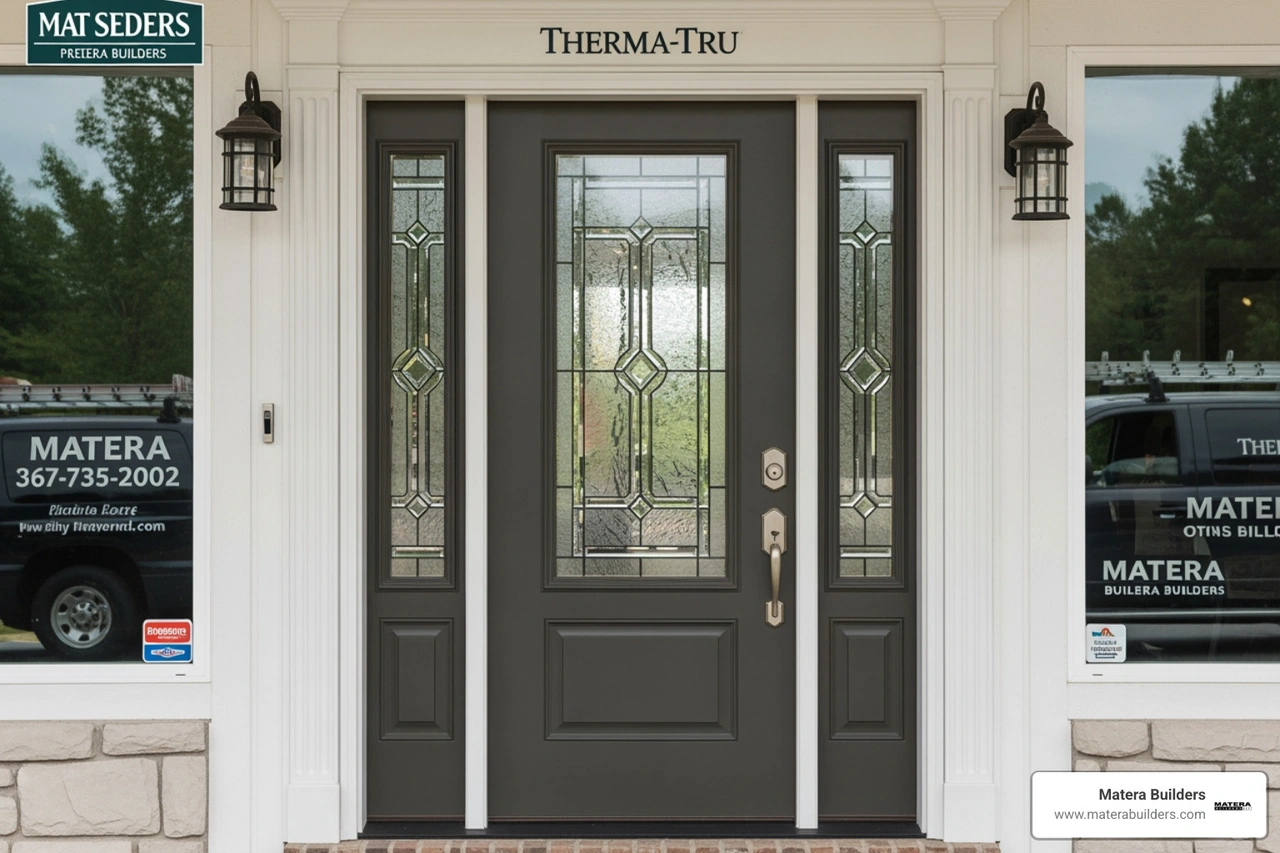
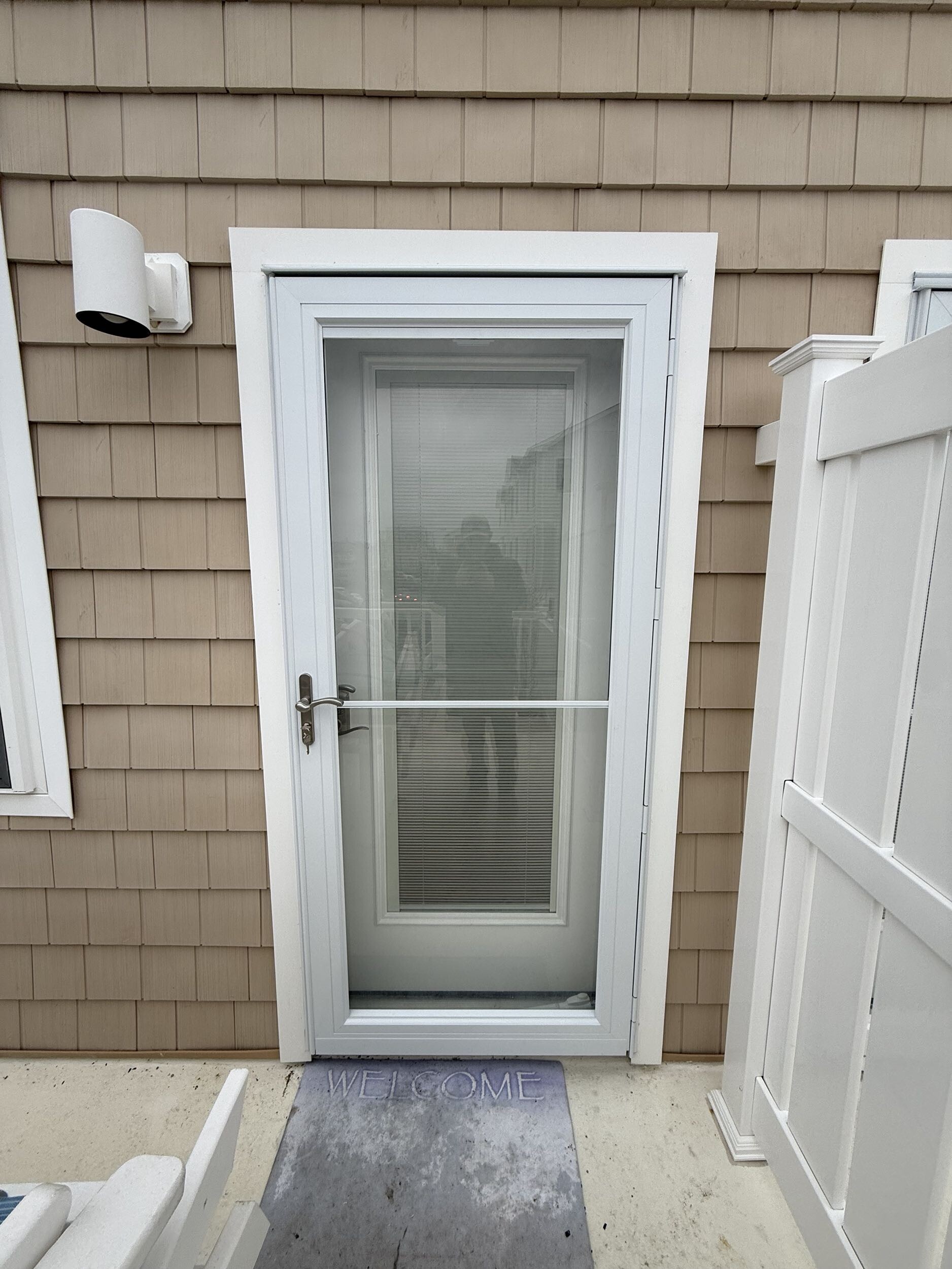
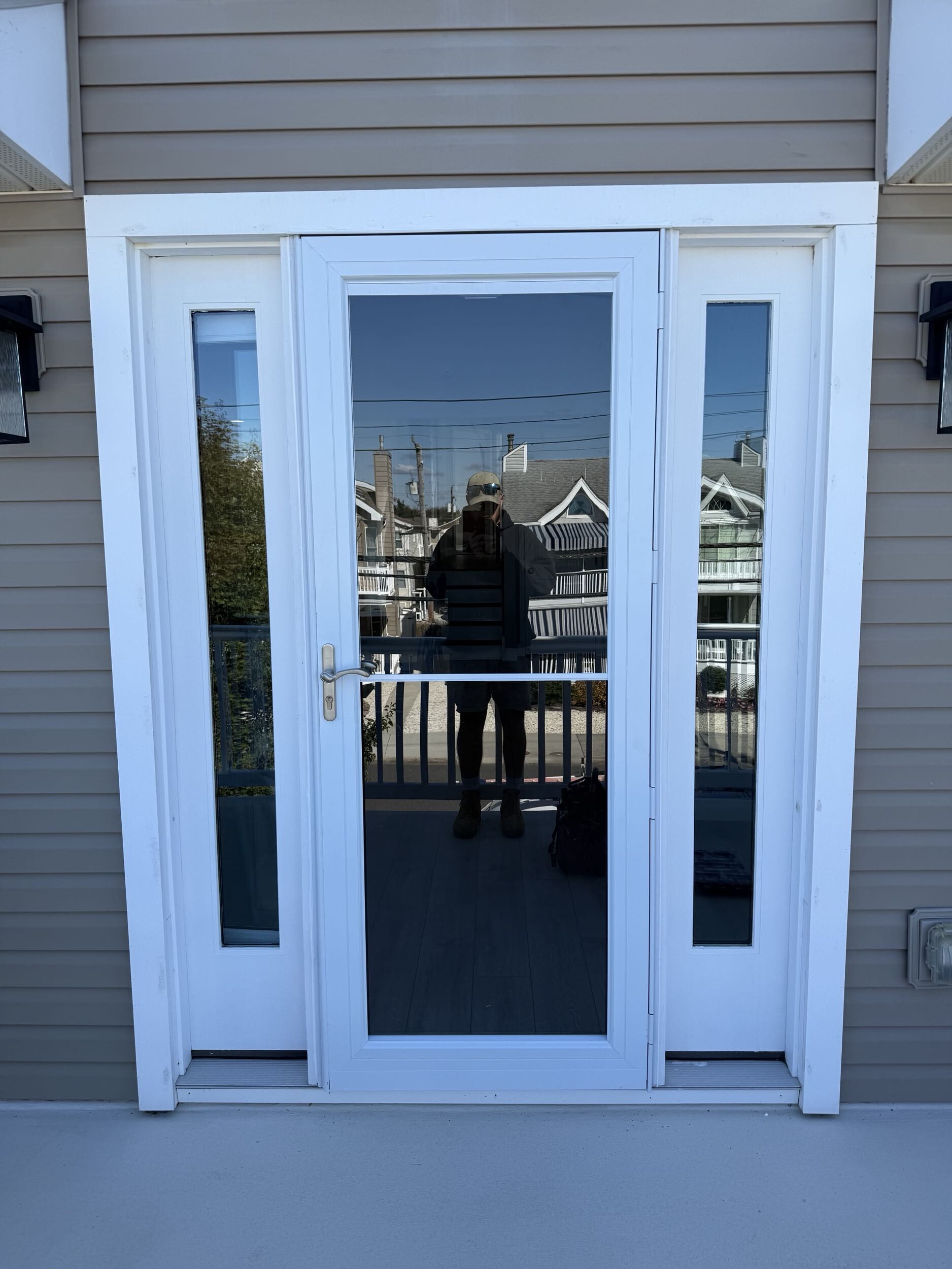
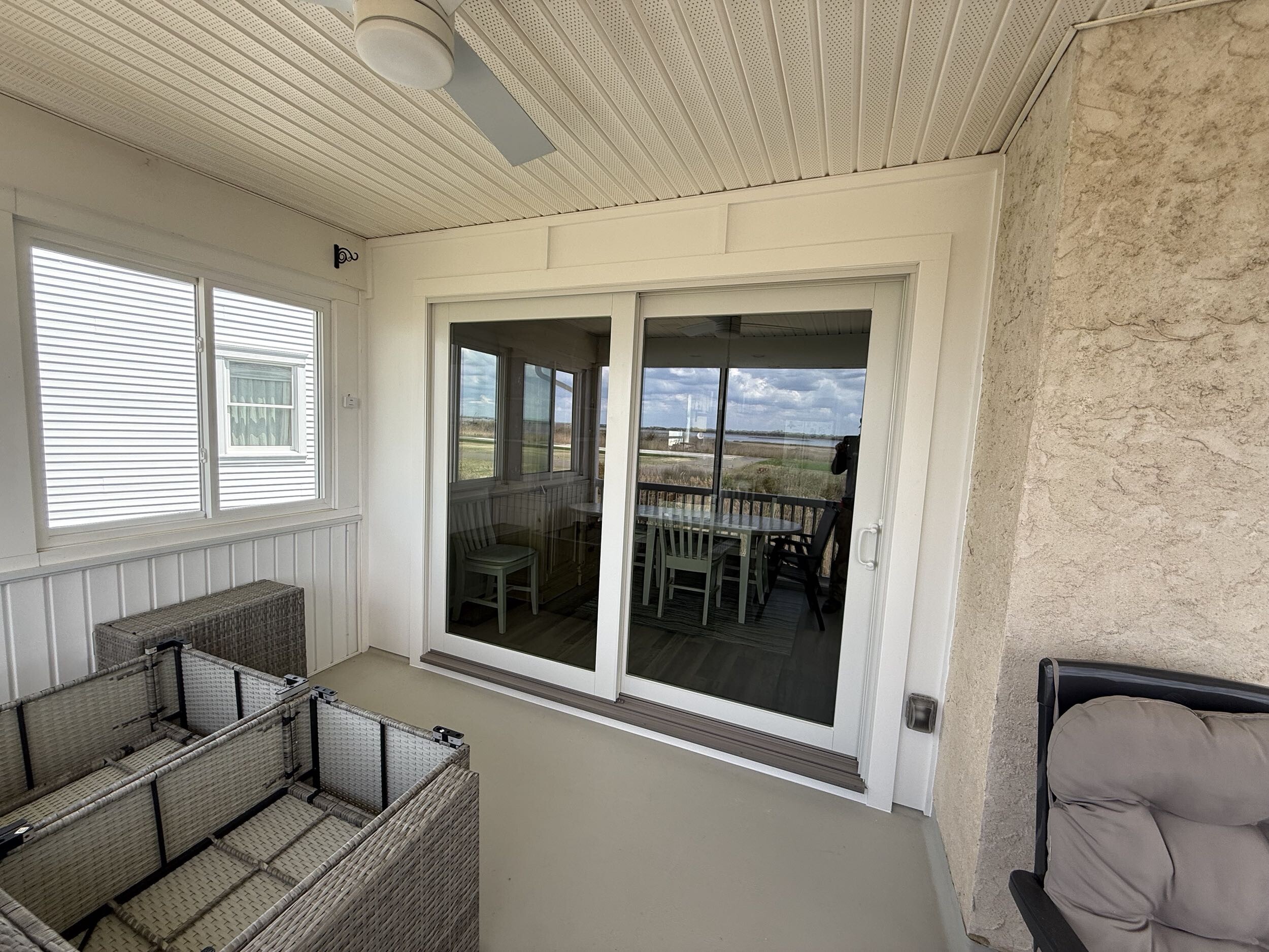
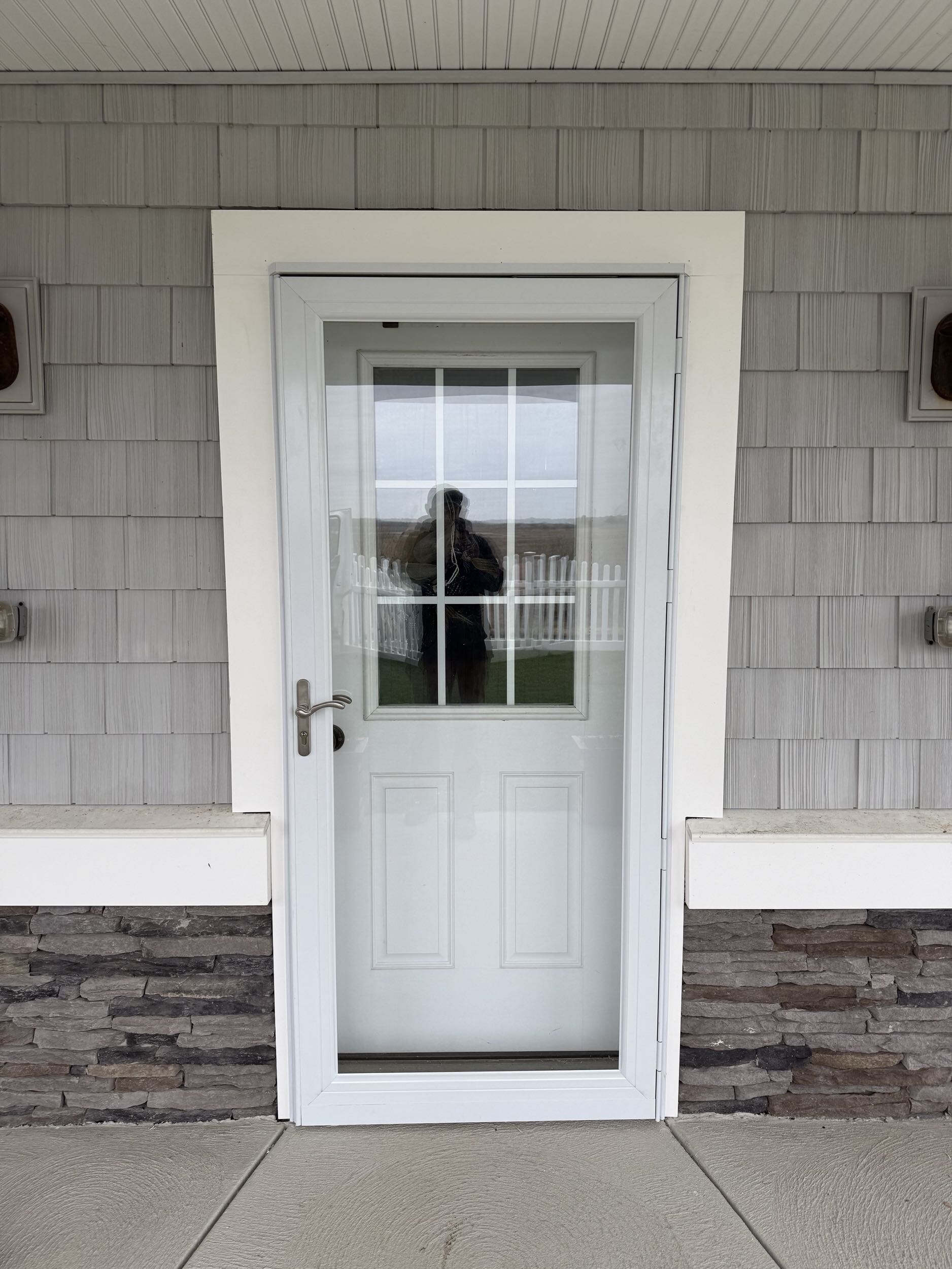
When we discuss Andersen windows and doors or Therma-Tru entry systems, I want homeowners to understand the difference between the door or window itself and the surrounding components. Hardware, sill systems, weatherstripping, trim, and fasteners are part of the performance story.
Maintenance Is Part of the Plan
Coastal products still need homeowner attention. Cleaning, inspection, and early repair help prevent small issues from turning into larger problems. I prefer to explain that before the project starts rather than pretend any product is maintenance-free.
Planning Table
Item
Why it matters
Area
Salt-air concern
Hardware
Corrosion risk increases when hardware is exposed and not maintained.
Sealants
UV, salt, and movement can shorten the useful life of weak sealant work.
Thresholds
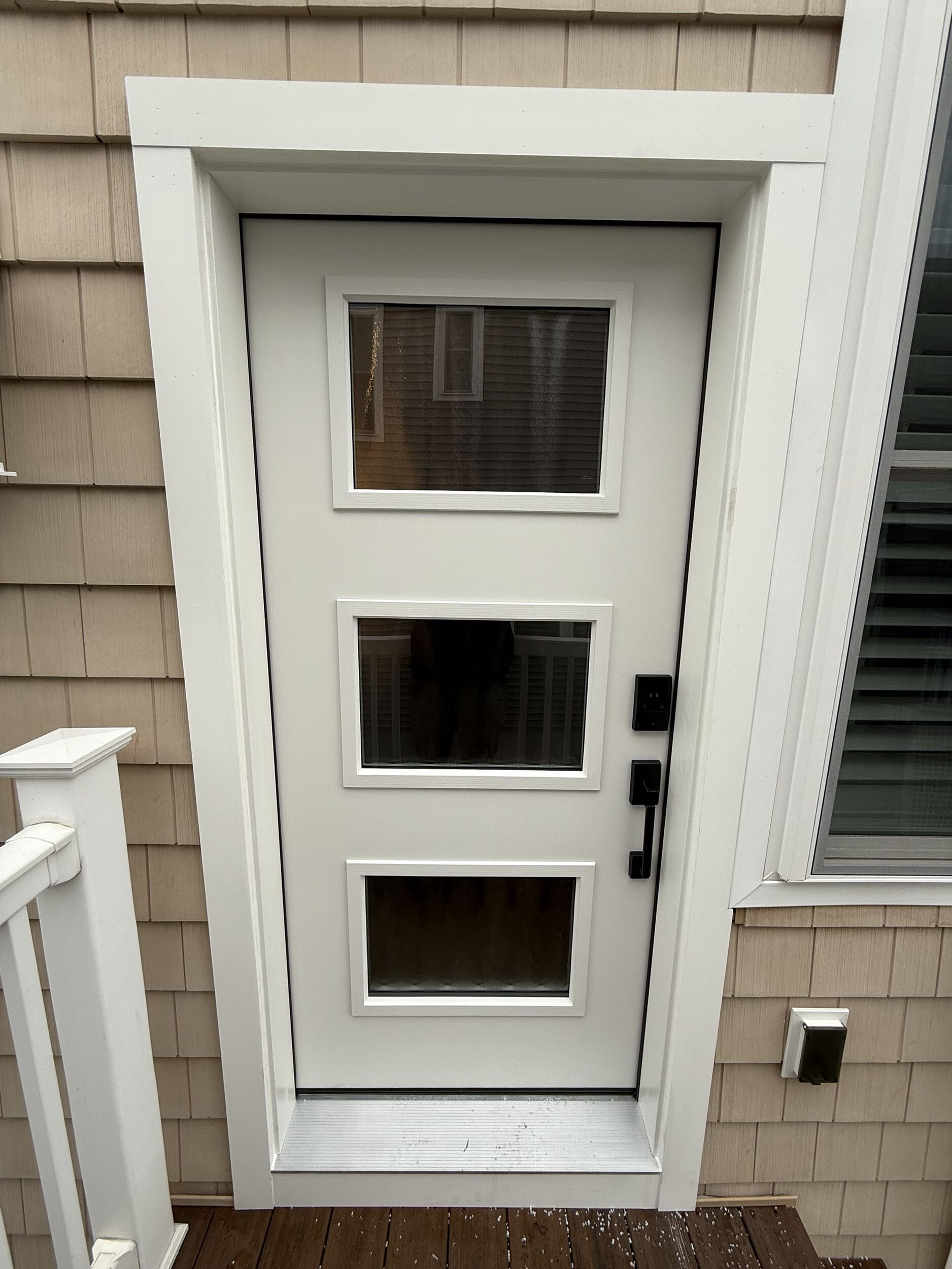
Door bottoms need careful drainage and weather protection.
Screens
Screens and frames can show wear faster in exposed locations.
Trim
Exterior trim details should shed water and avoid trapping moisture.
Field Checklist
- Identify the most exposed elevations first.
- Review hardware finish and maintenance expectations.
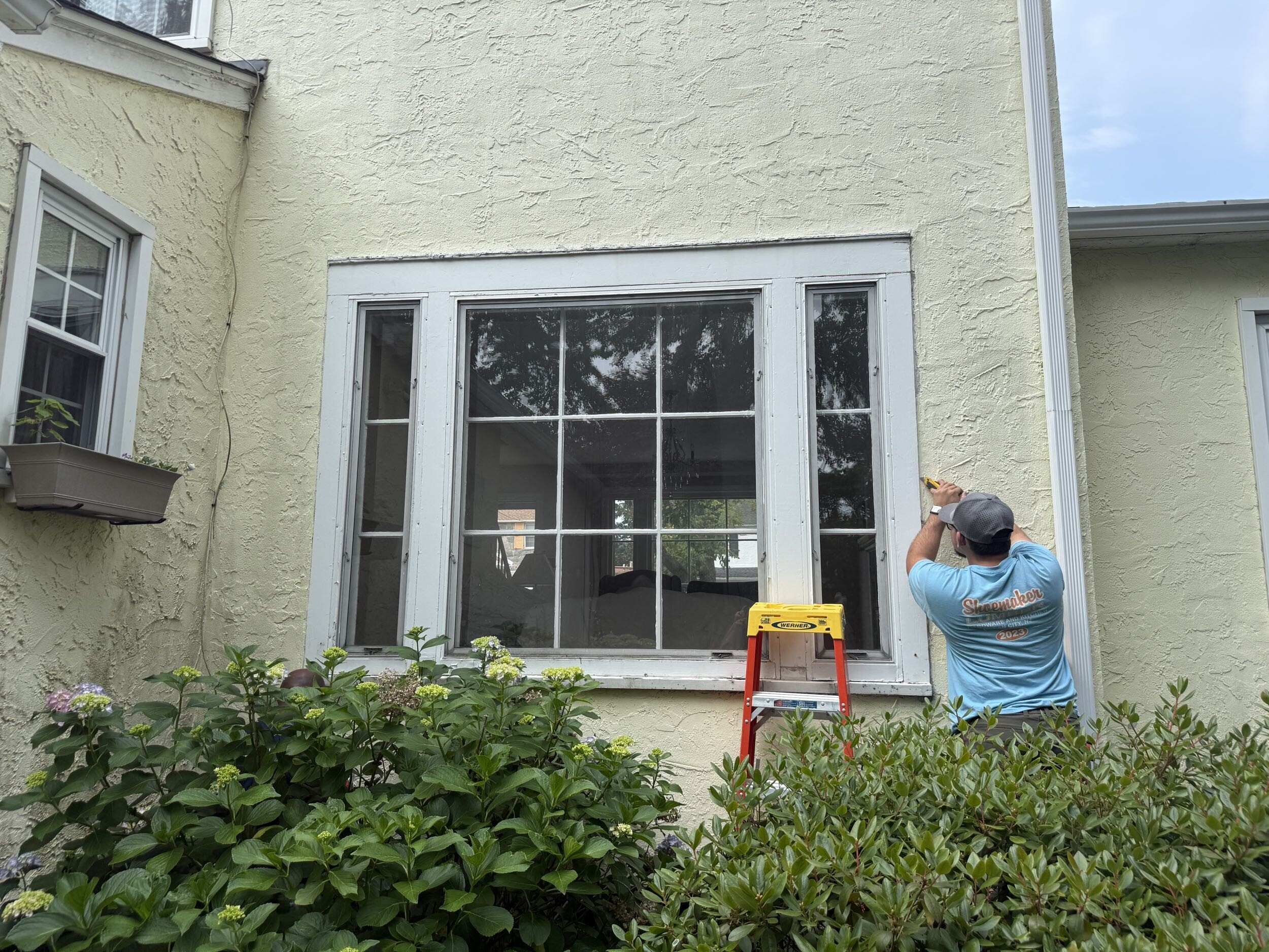
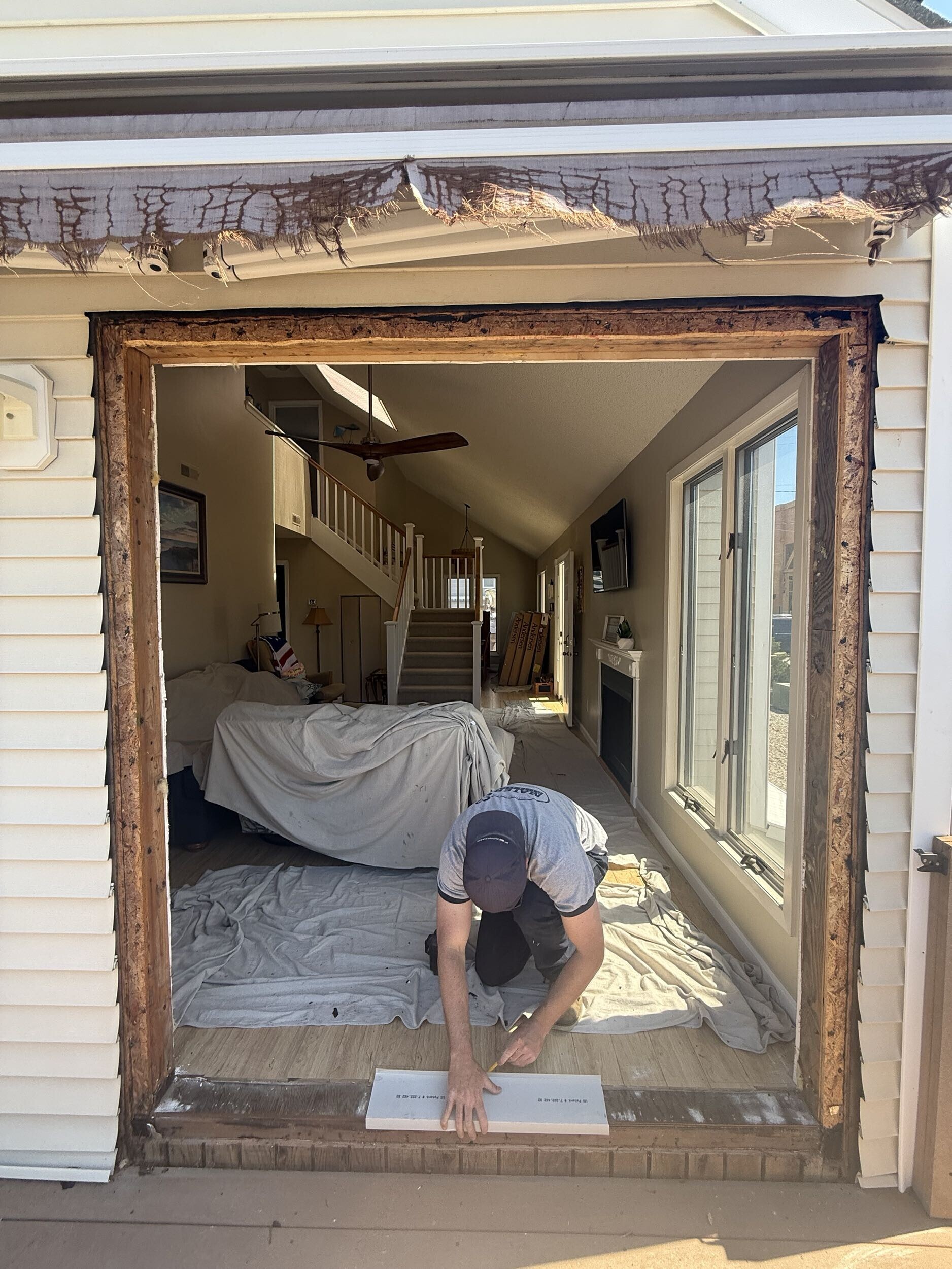
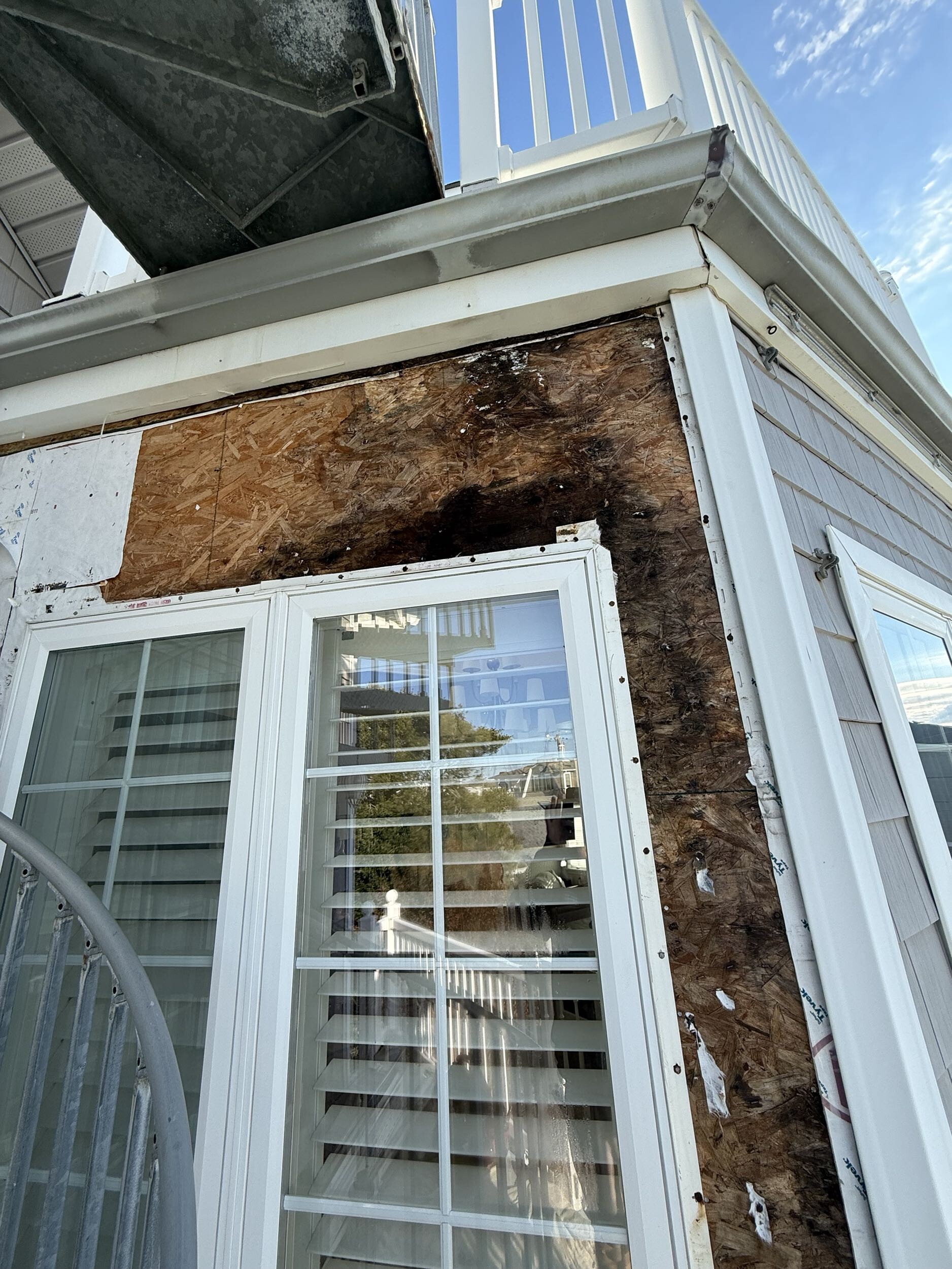
- Inspect thresholds and sills for existing damage.
- Do not hide old deterioration behind new trim.
- Choose products and details with real shore exposure in mind.
Why Installation Details Matter
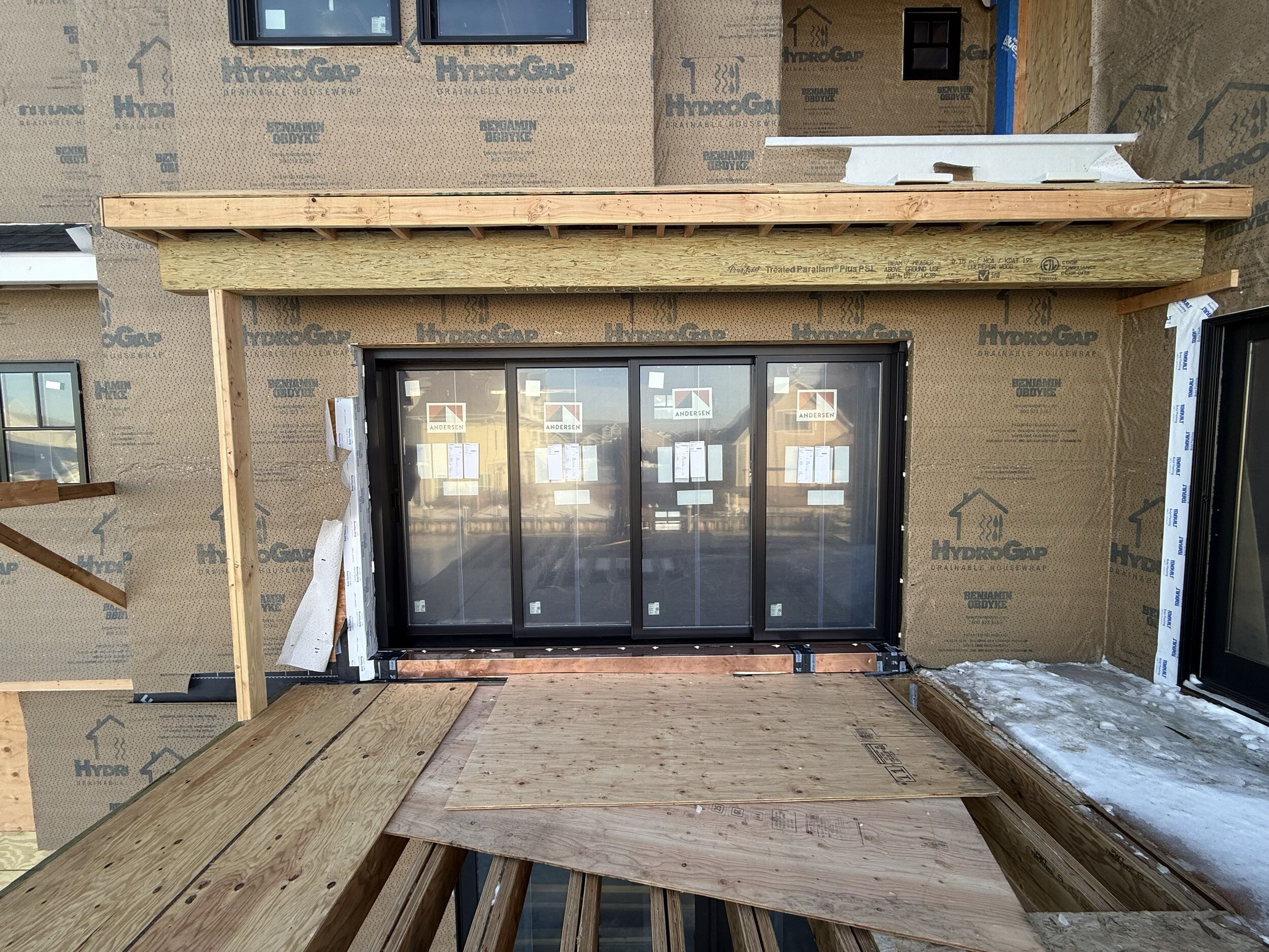
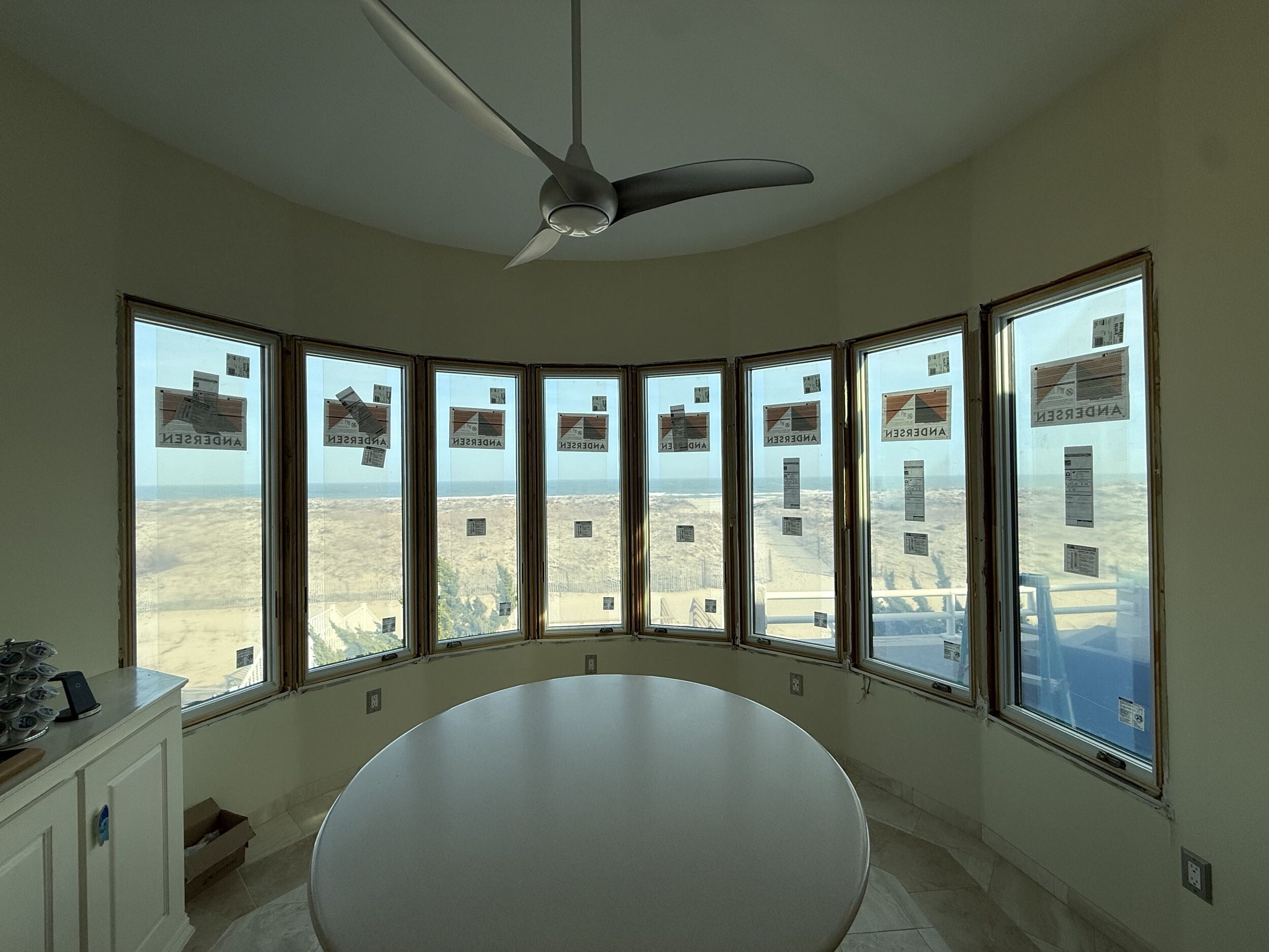
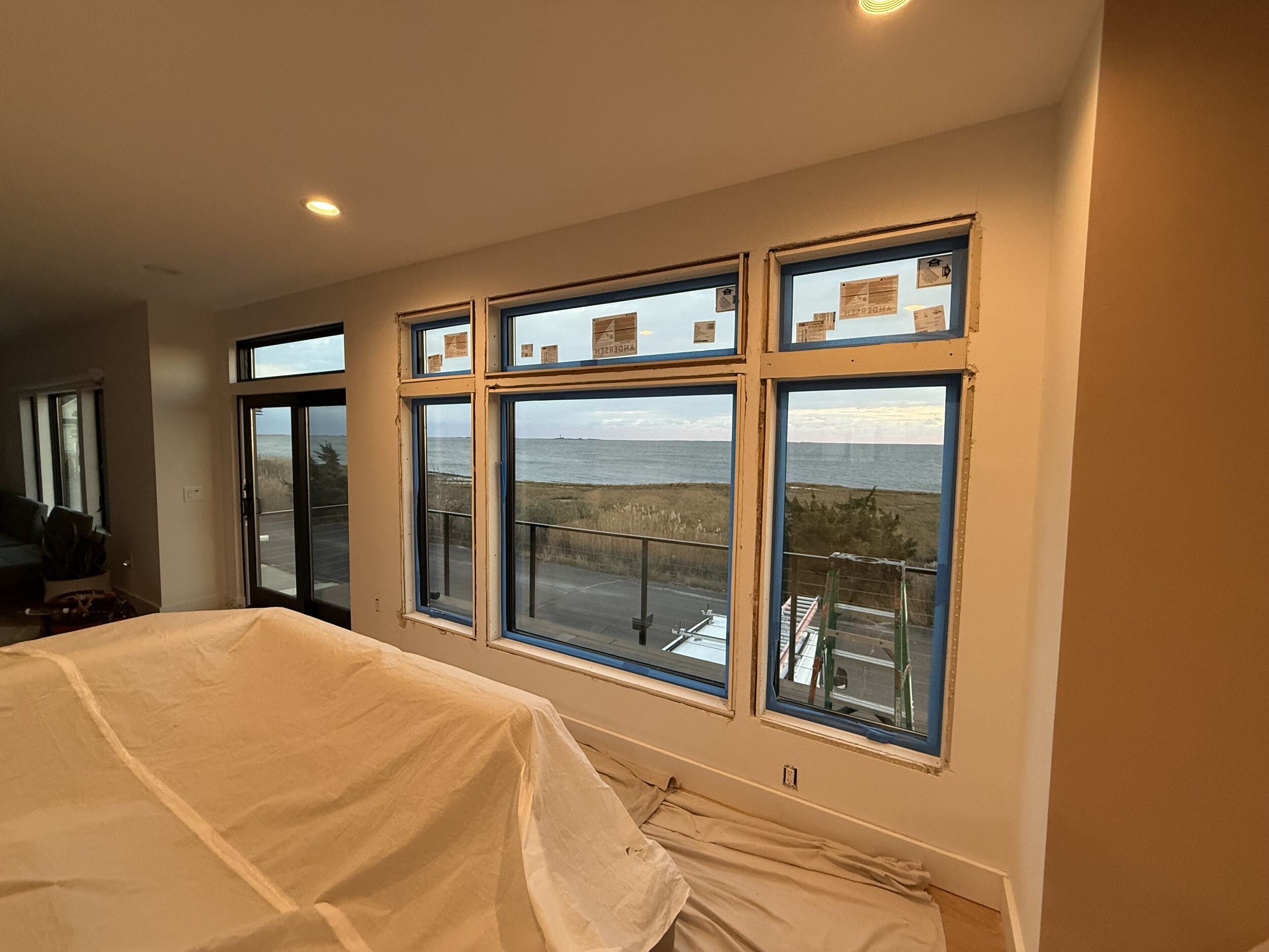
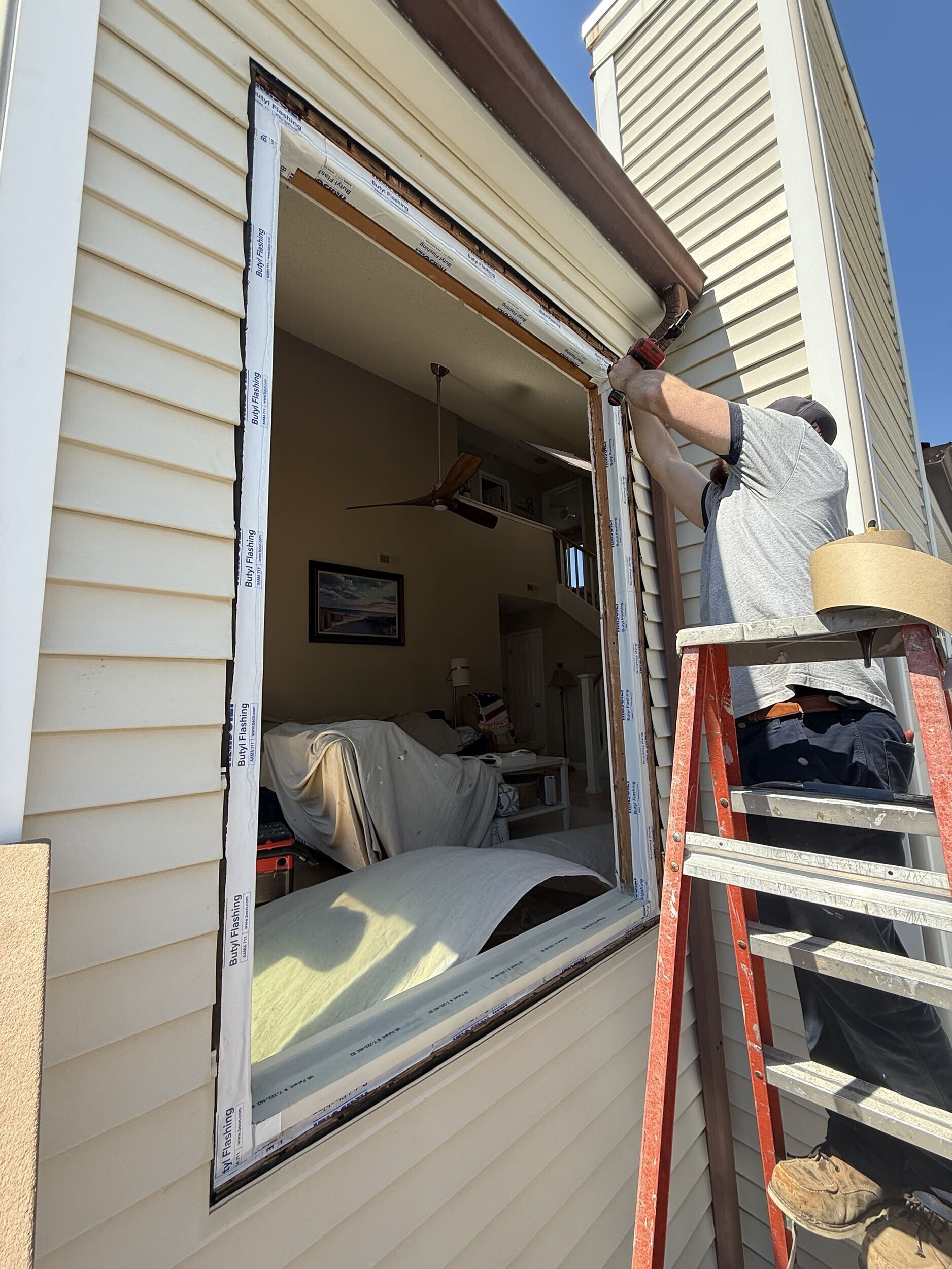
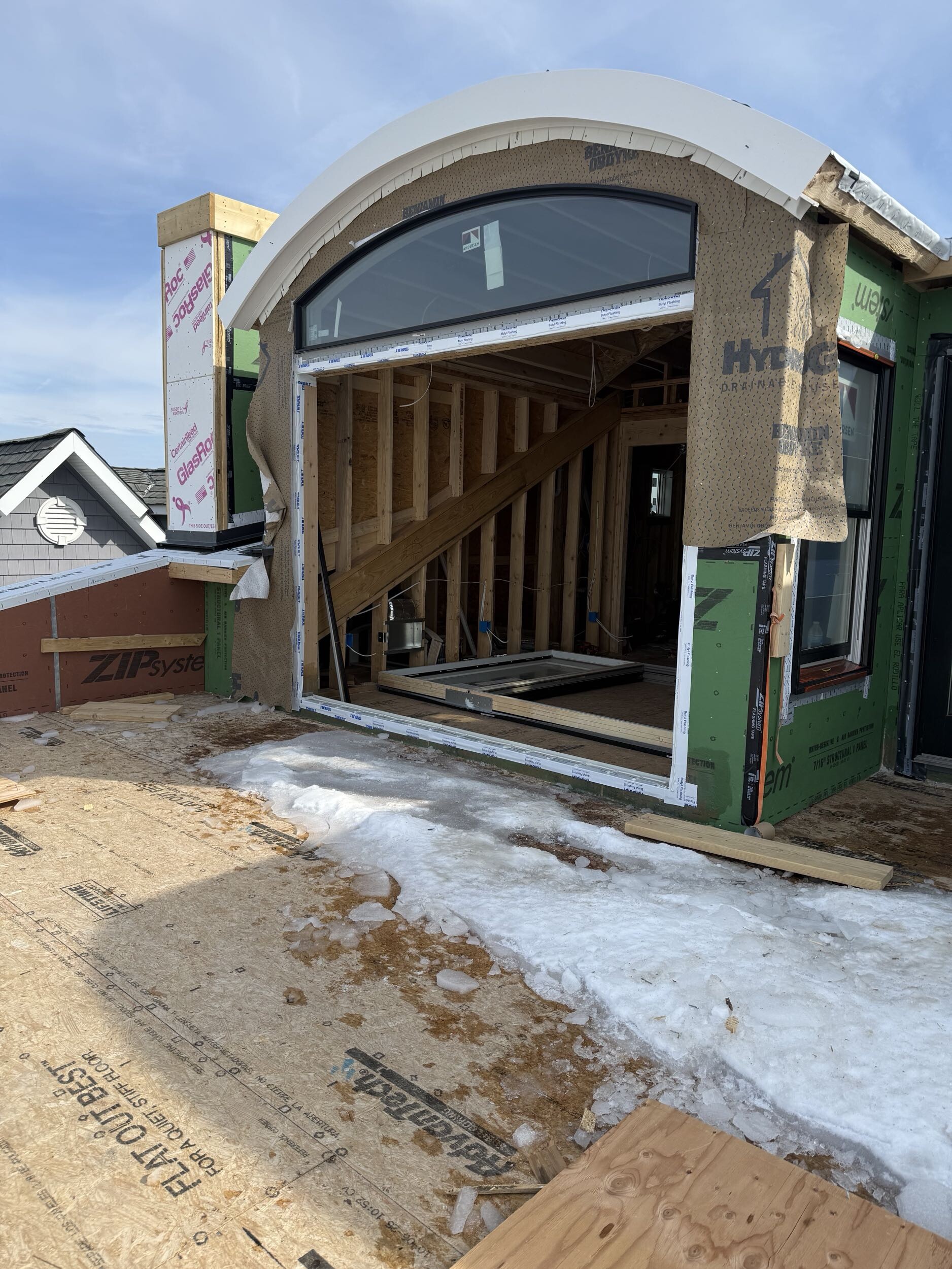
For salt-air exposure in Avalon and Stone Harbor, the installation plan has to match the conditions at the opening. We look at the framing, sill, drainage path, flashing, fastening, air sealing, exterior trim, and exposure before deciding how the unit should go in. Those details are what connect the product on paper to the way it performs on the house.
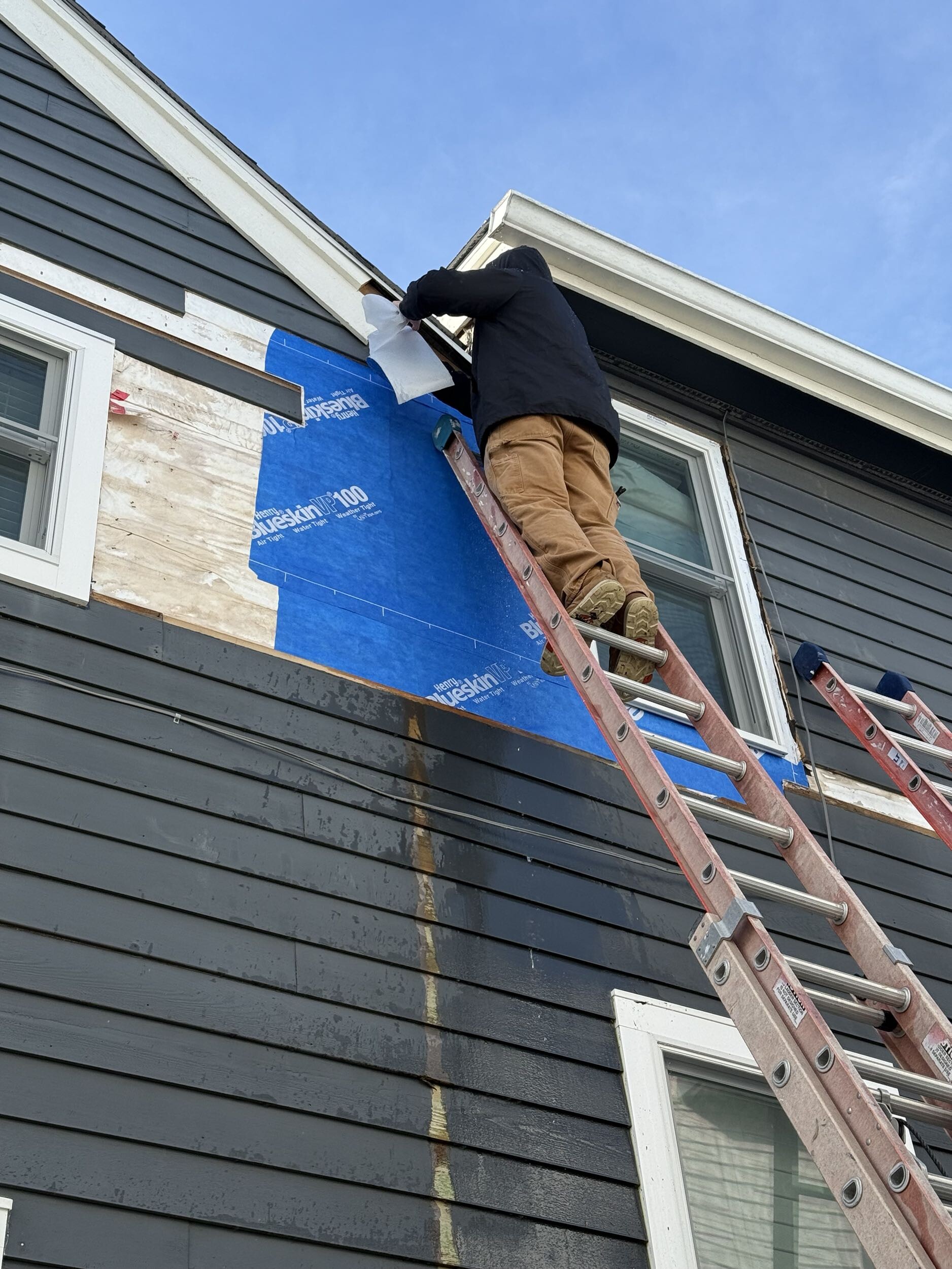
A shore project also deserves a close look at existing deterioration and water movement. If an opening has hidden damage or a weak drainage path, covering it with a new unit does not solve the underlying issue. The preparation should address the condition first, then support the Andersen or Therma-Tru product selected for the project.
Common Mistakes I Would Avoid
One mistake on a salt-air exposure in Avalon and Stone Harbor project is making the product decision before the opening and exposure have been evaluated. The unit has to fit the conditions, not the other way around.
Another is assuming a detail that works on a protected elevation will work the same way on a wind- or salt-exposed side of a shore home. Ocean City, Avalon, Stone Harbor, and Sea Isle City can put very different demands on individual openings.
I would also avoid comparing bids by product price alone. The scope should make clear what happens to the sill, flashing, trim, damaged material, air sealing, and finish work so homeowners know what is actually included.
Frequently Asked Questions
Does salt air damage all windows and doors?
Salt air can accelerate wear, especially on exposed hardware, finish surfaces, and weak installation details. Product selection and maintenance both matter.
Are Avalon and Stone Harbor homes different from inland homes?
Yes. Exposure, wind, salt, and moisture should all shape the recommendation.
Can maintenance help?
Yes. Regular cleaning and inspection can help extend the life of hardware, finishes, and sealants.
What should be inspected first?
I start with sills, thresholds, hardware, exterior trim, and signs of water intrusion around the opening.
The Bottom Line
Salt air is one of the reasons I do not treat Avalon and Stone Harbor window and door projects like ordinary inland replacements. The product, hardware, finish, sealants, flashing, and maintenance plan all need to be reviewed with coastal exposure in mind. The safest way to protect the project is to plan the product, opening preparation, installation method, and finish details together.
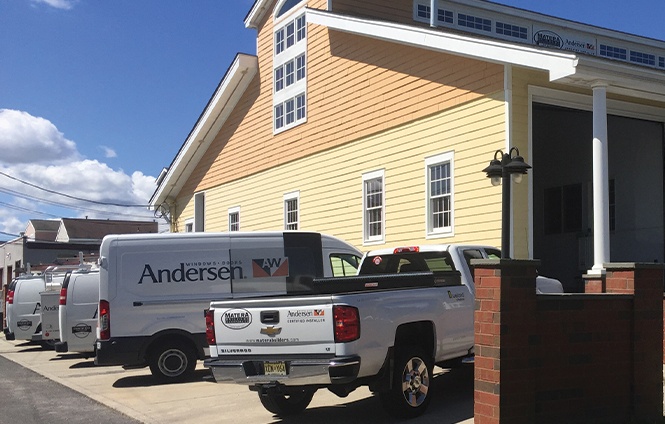
If salt-air exposure in Avalon and Stone Harbor is part of your next project in Ocean City, Avalon, Stone Harbor, Sea Isle City, or another Jersey Shore community, Matera Builders can review the existing conditions and walk through the product and installation options with you before the work is scoped.
Related Reading
- Matera Builders
- Andersen windows and doors with Matera Builders
- Andersen windows and doors in Sea Isle City
- Andersen windows and doors in Stone Harbor
- Matera Builders blog
- Request a consultation








.jpg)






.jpg)