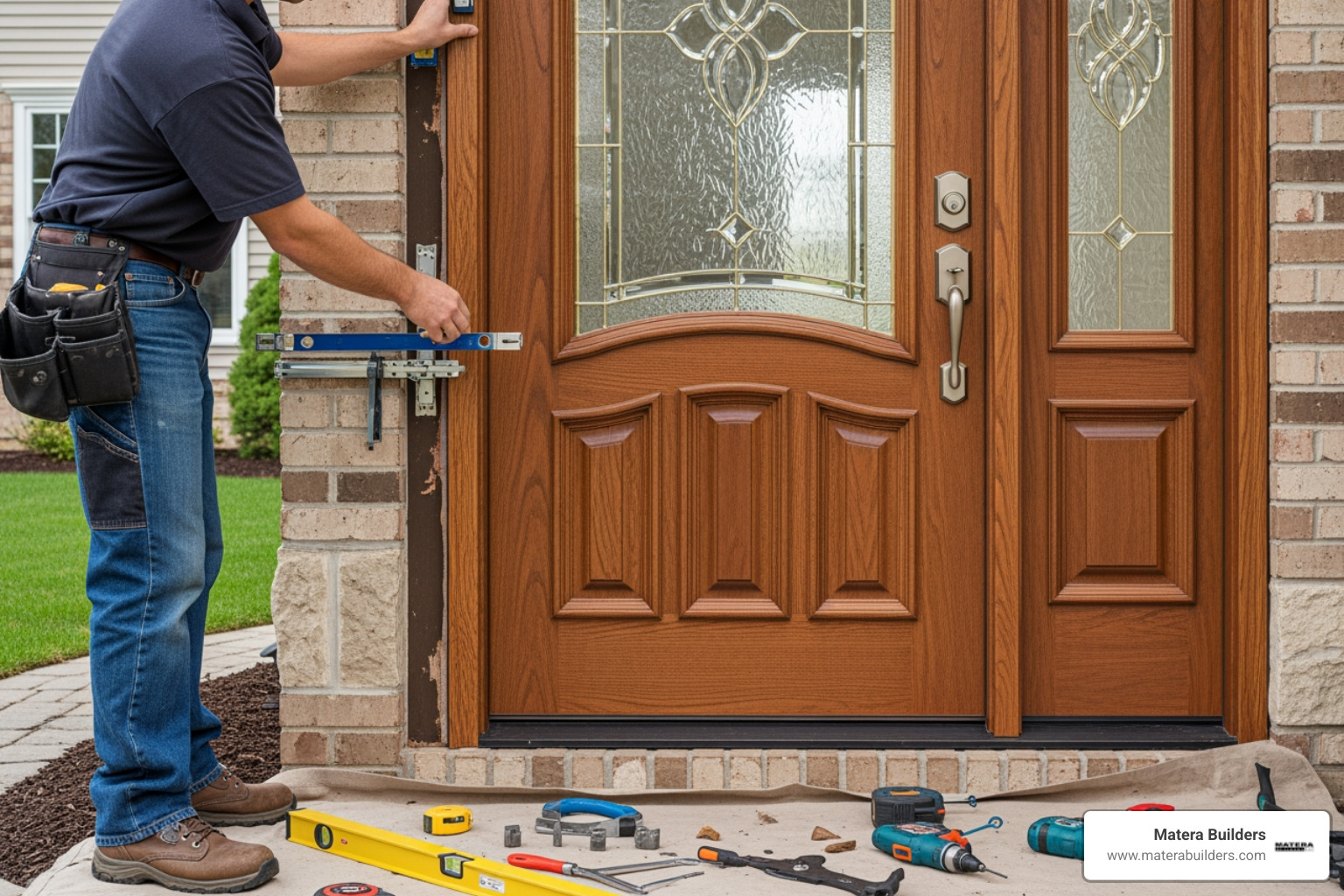



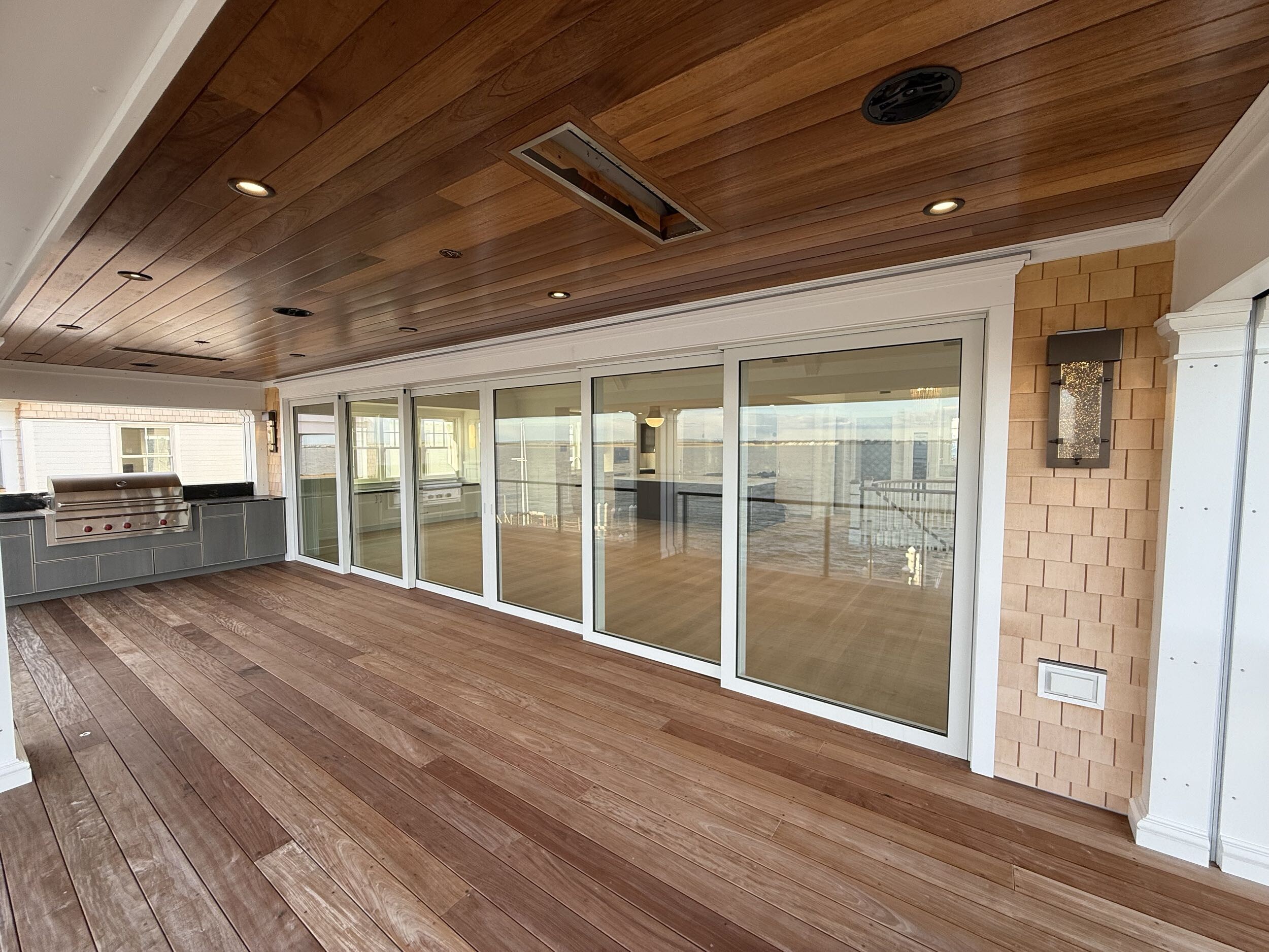
New Construction Windows vs. Replacement Windows: Which Does Your Home Actually Need?
If you're pricing new windows for a shore home, the first fork in the road isn't the brand or the glass — it's the installation type. New construction windows and replacement windows are different products, installed differently, at different costs, and the right answer depends on the condition of what's already in your wall. Here's how we help homeowners in Ocean City, Avalon, Stone Harbor, and Sea Isle City make the call.
The Short Version
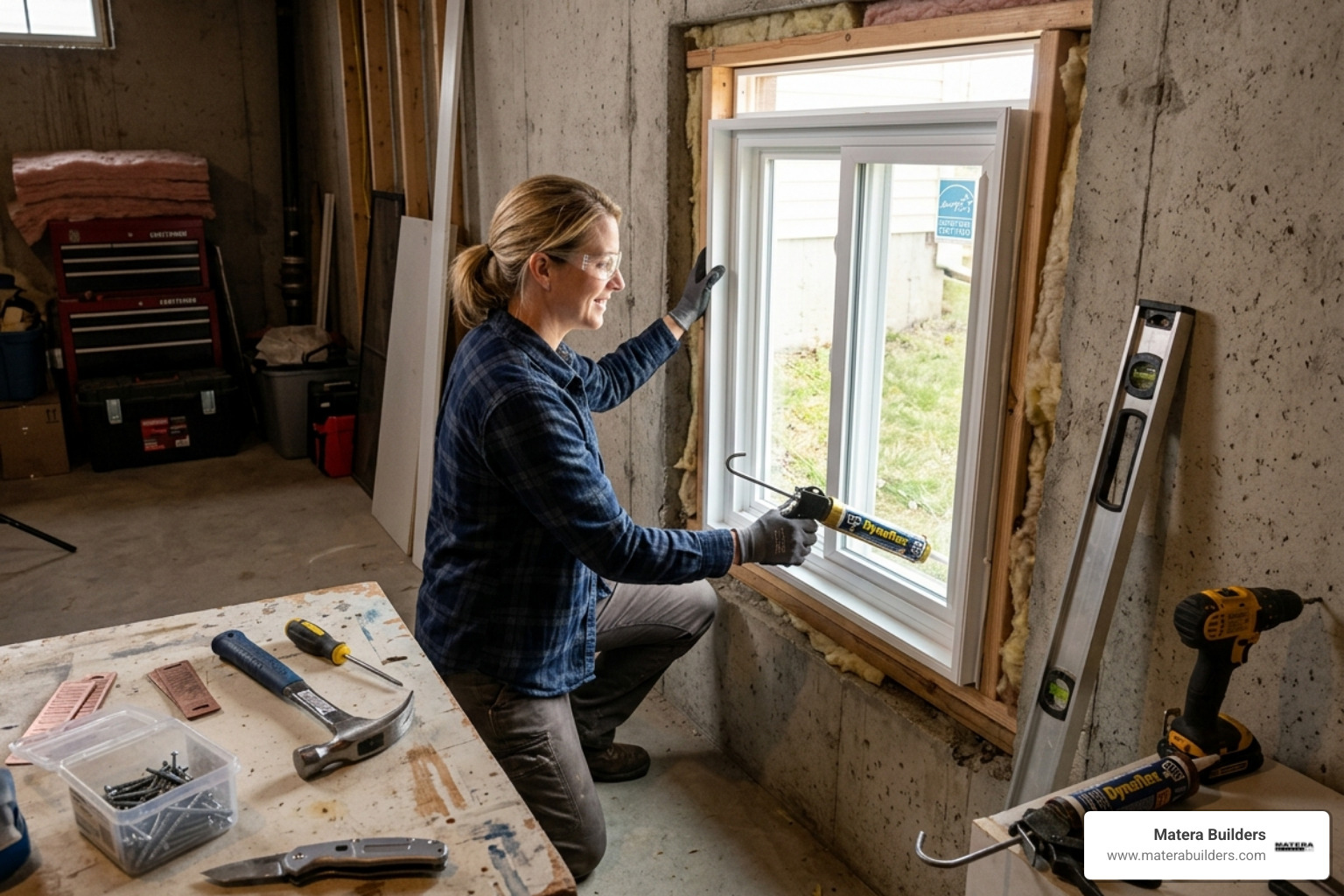
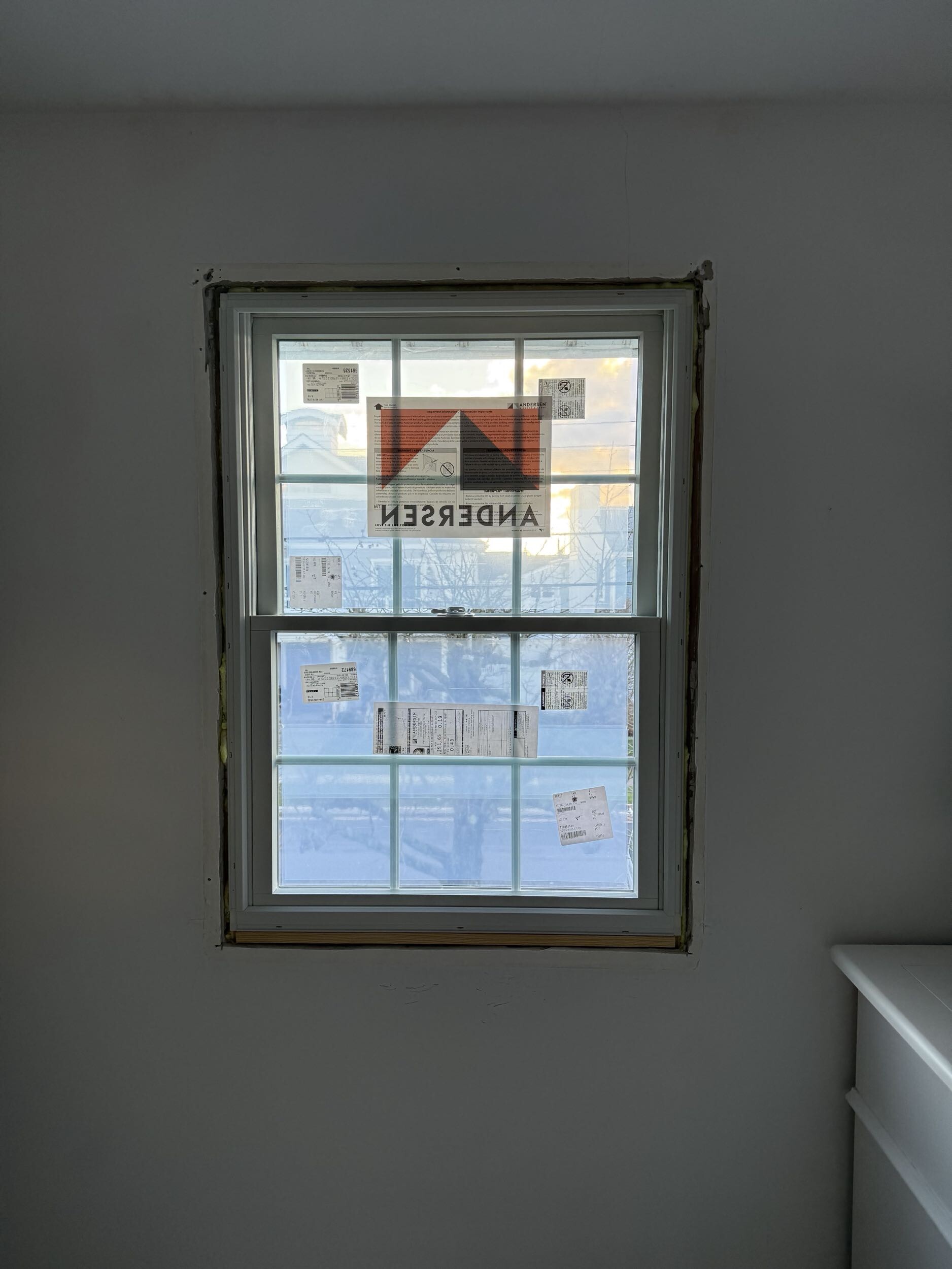
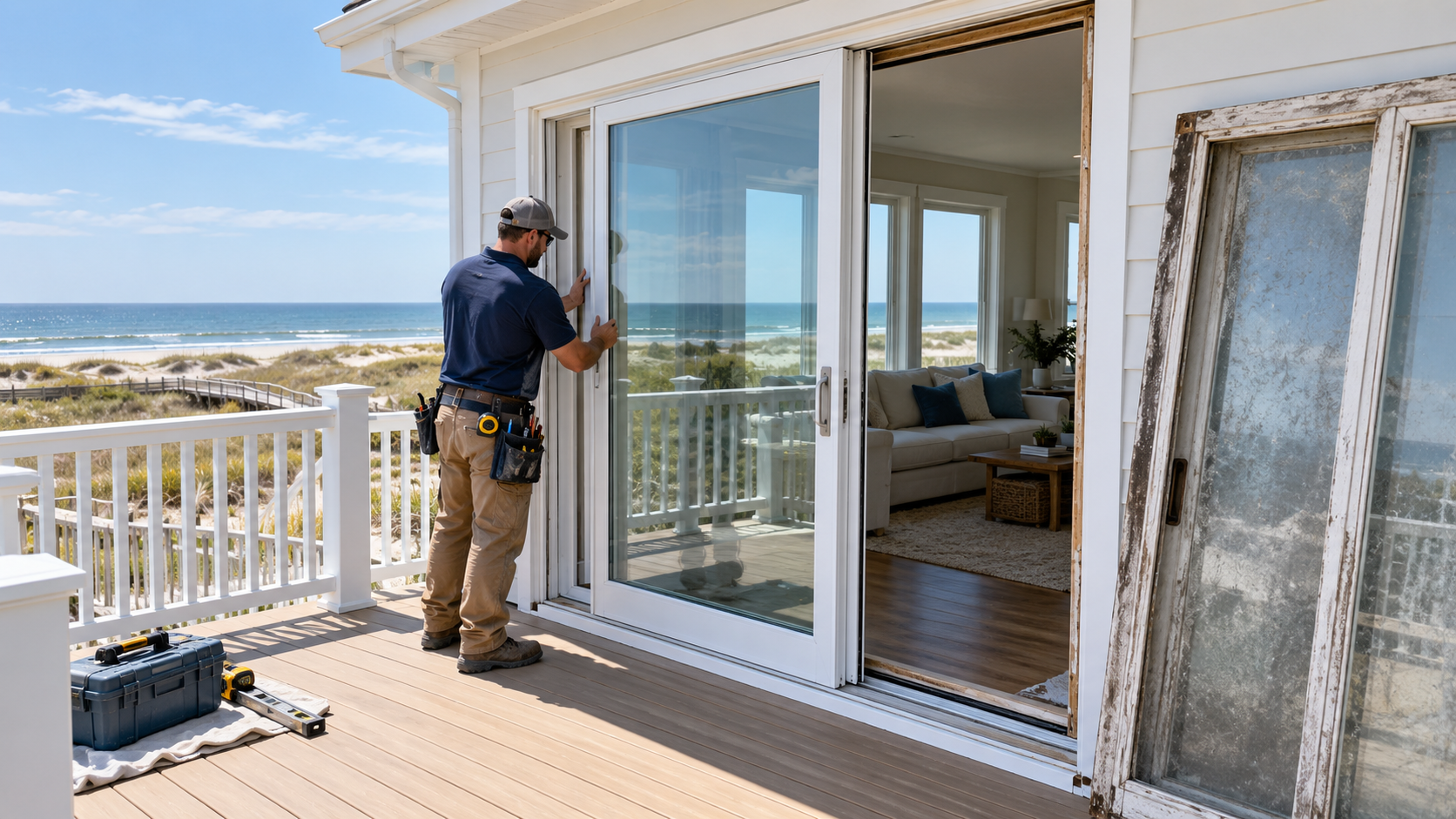
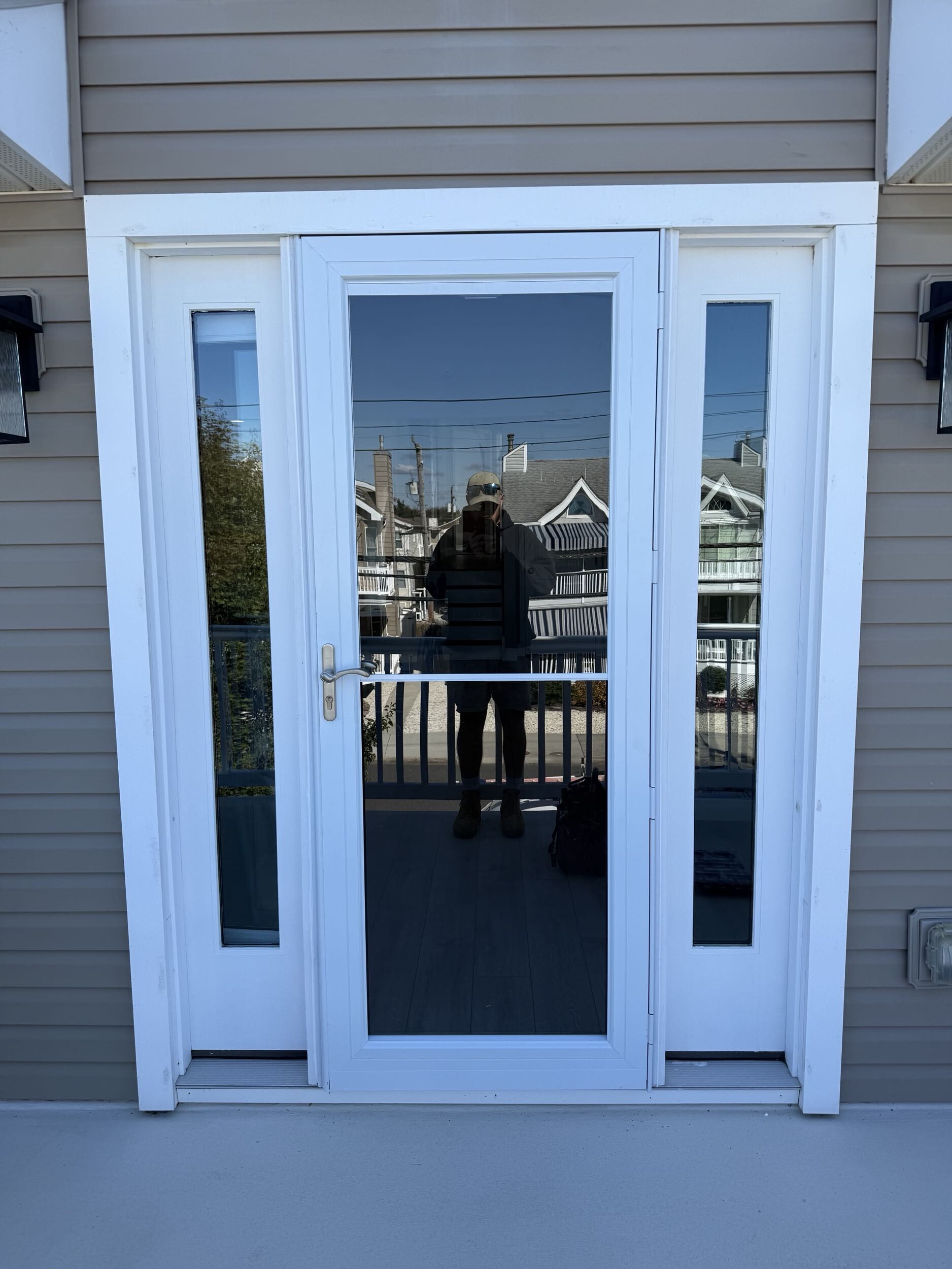
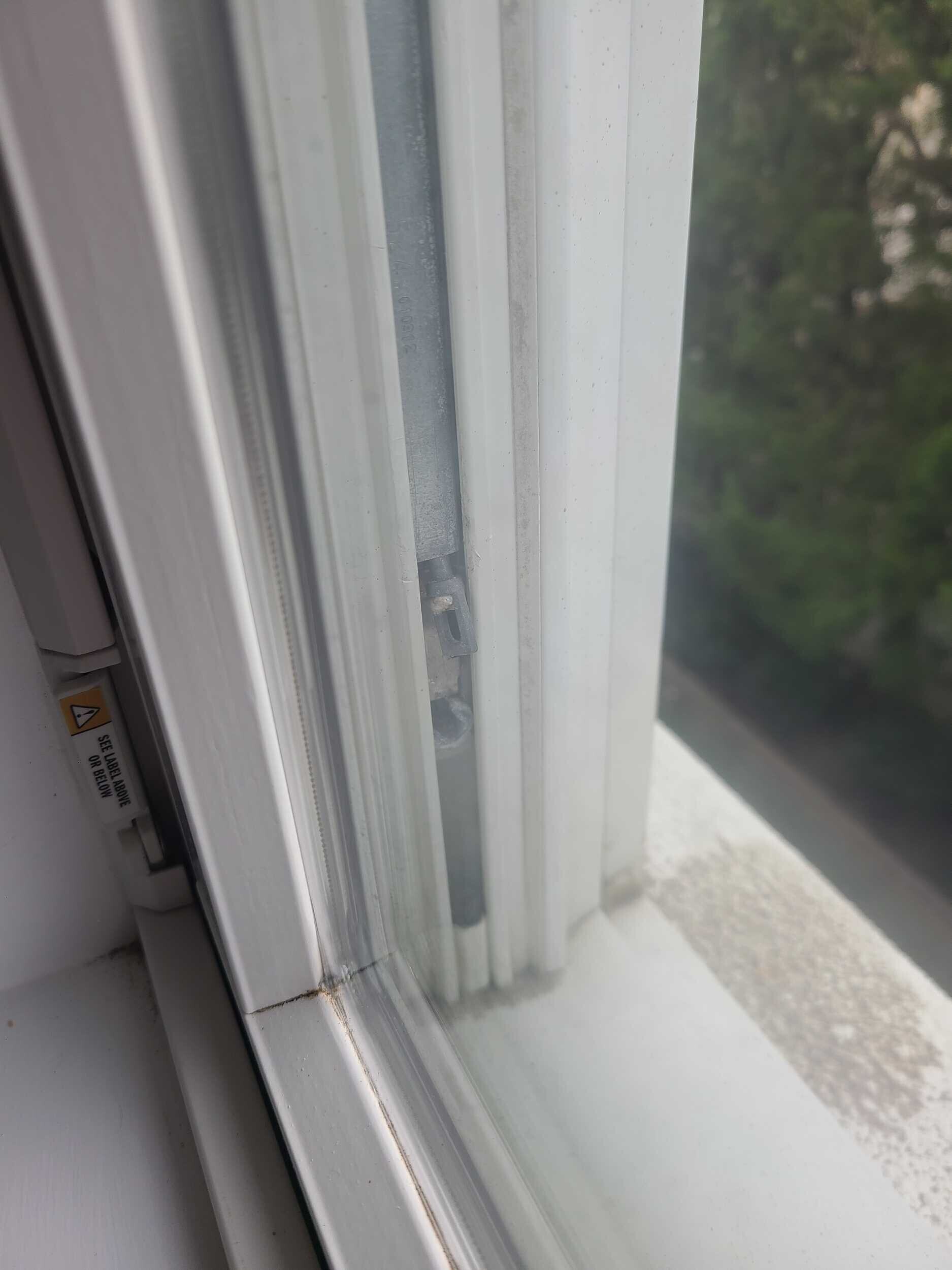
A replacement window (also called an insert or pocket window) slides into your existing frame. The old frame, exterior trim, and siding stay put. It's faster, less expensive, and less disruptive — but it depends entirely on that old frame being sound, square, and dry.
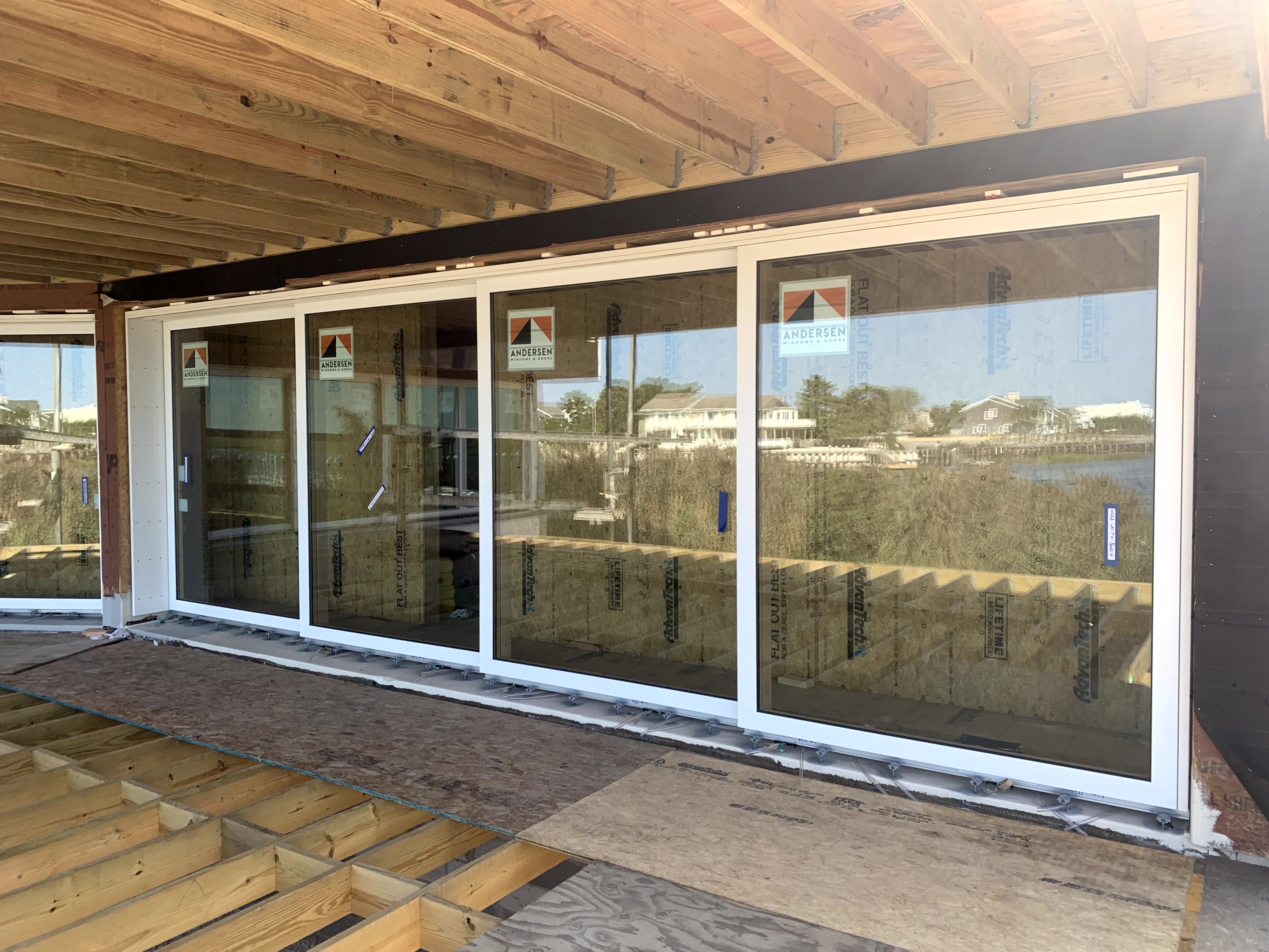
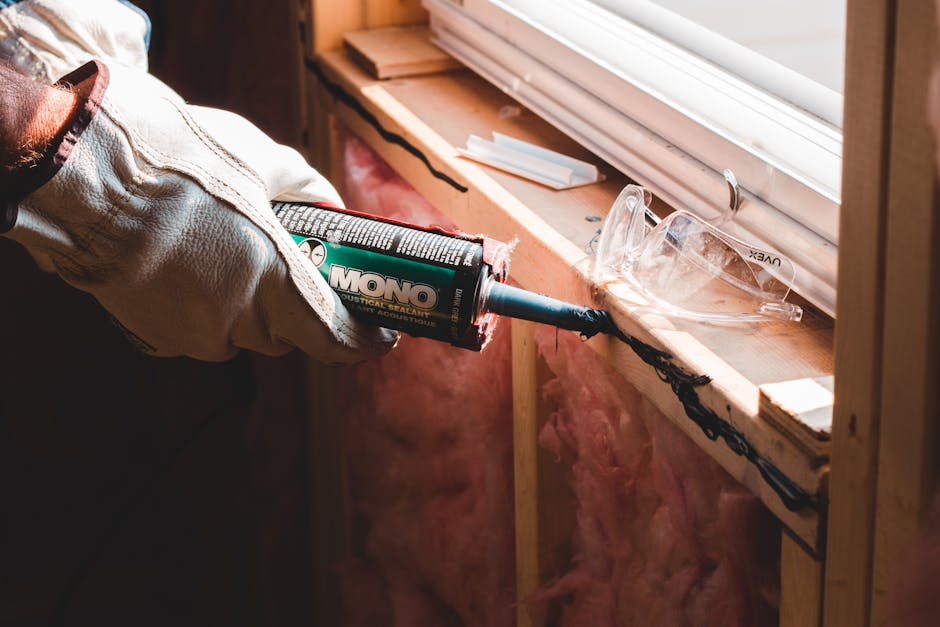
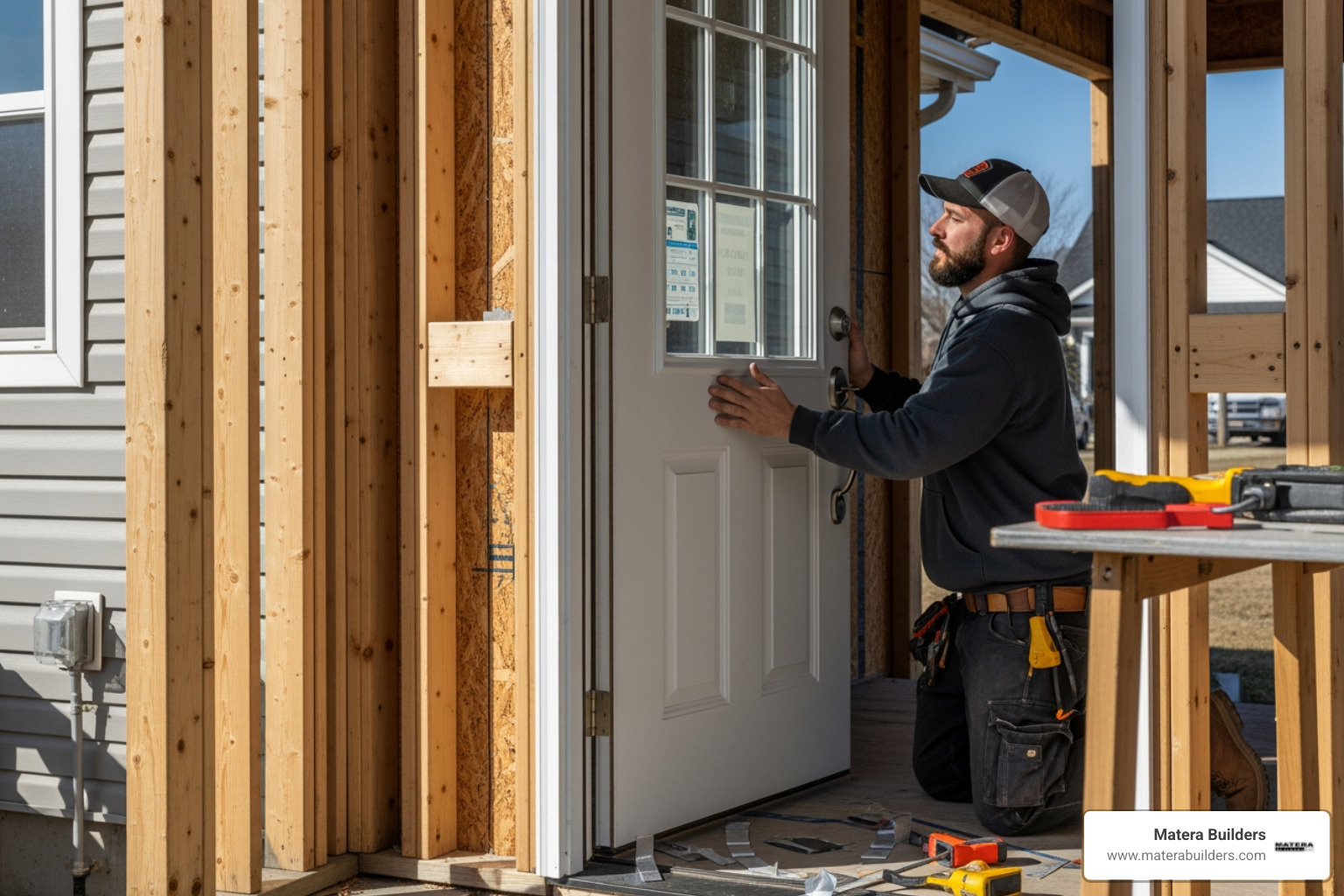
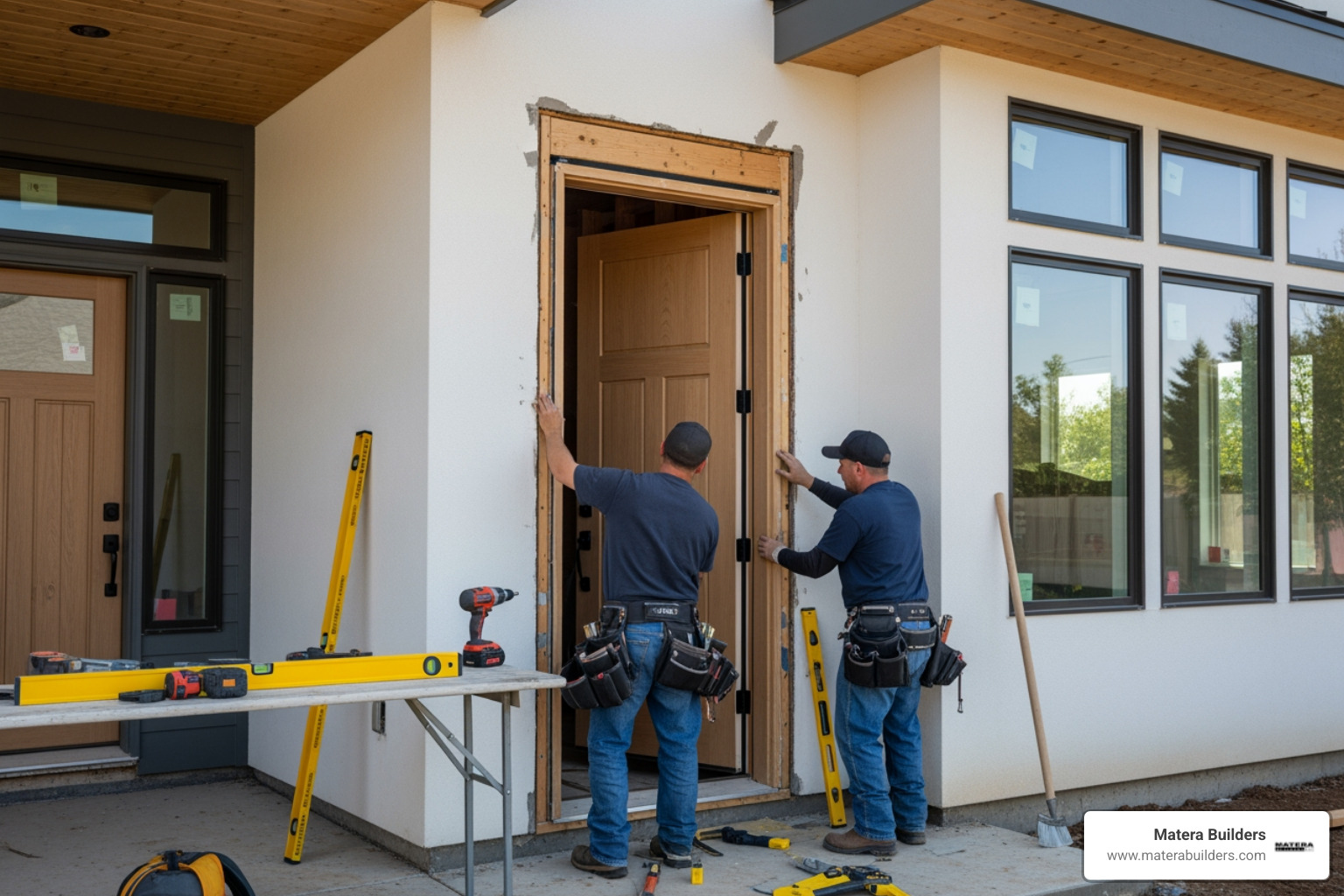
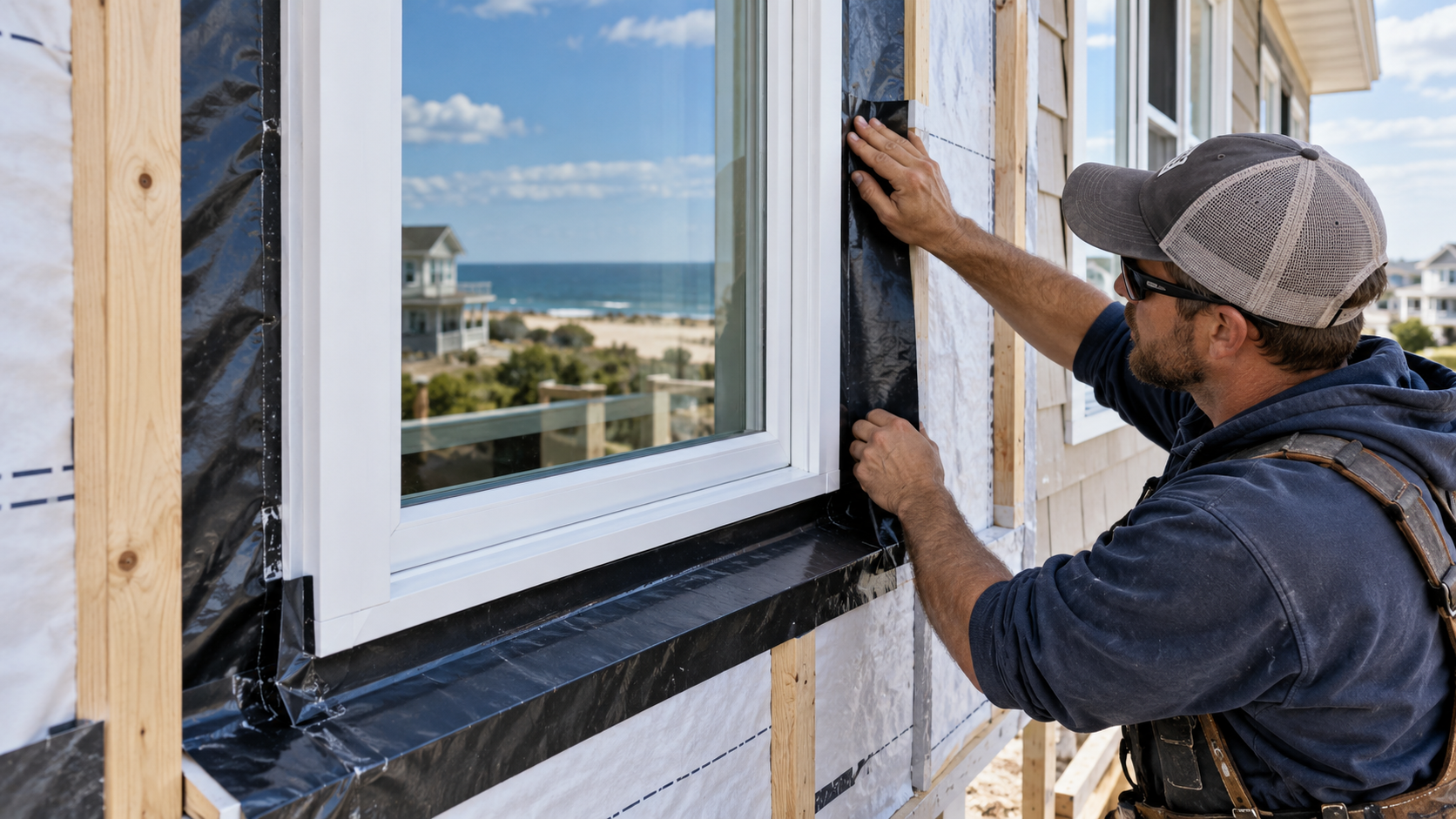
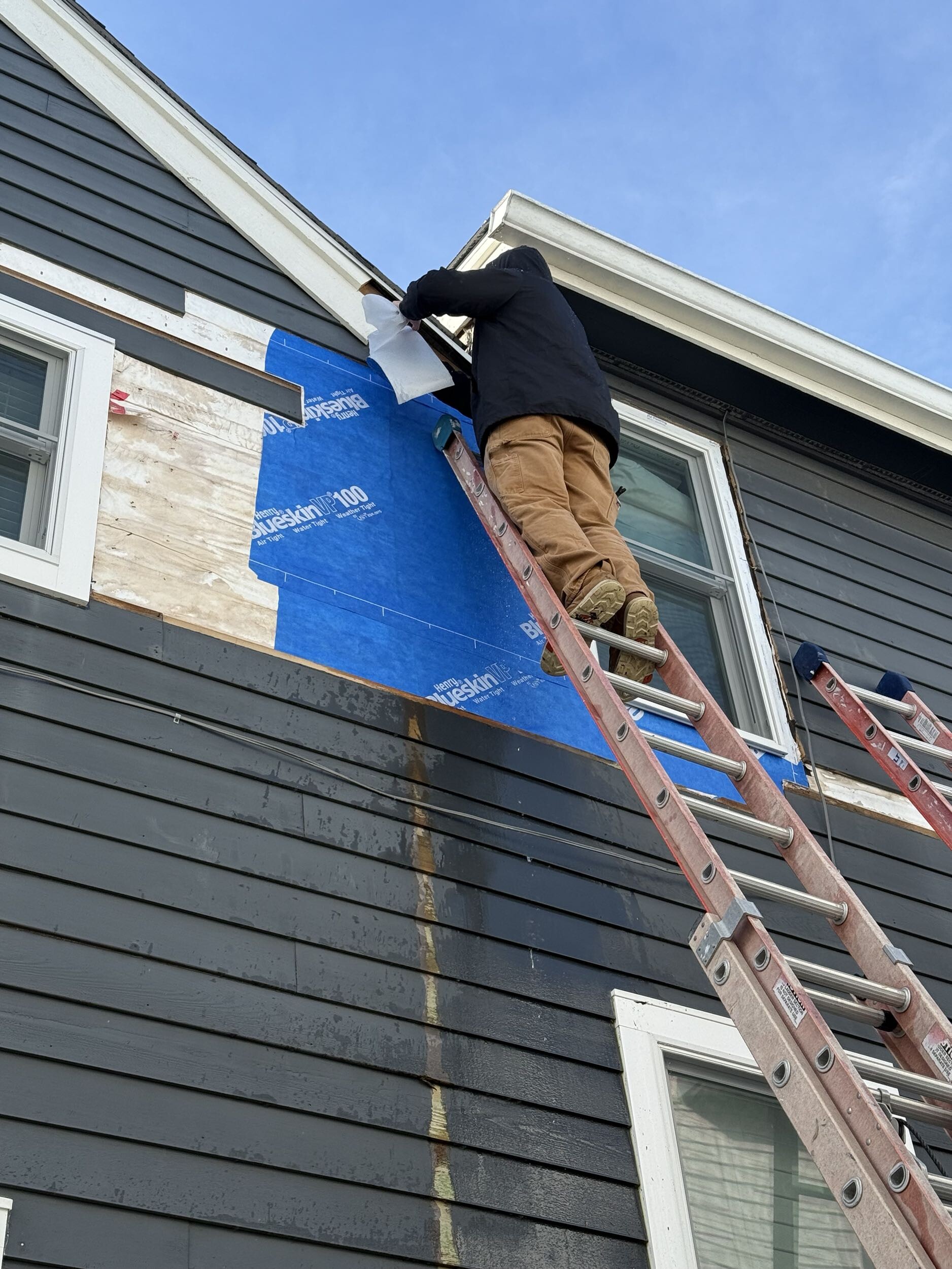
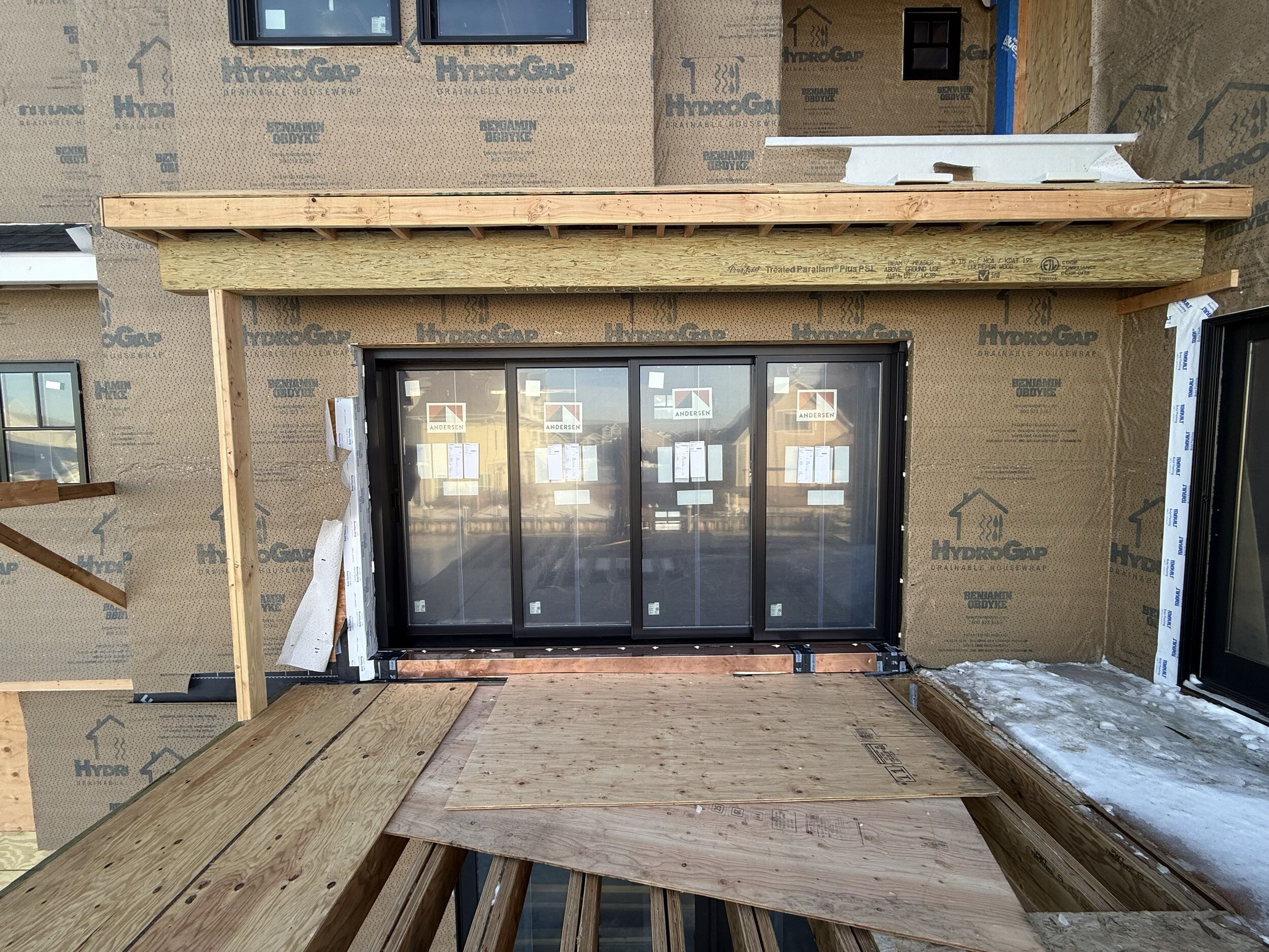
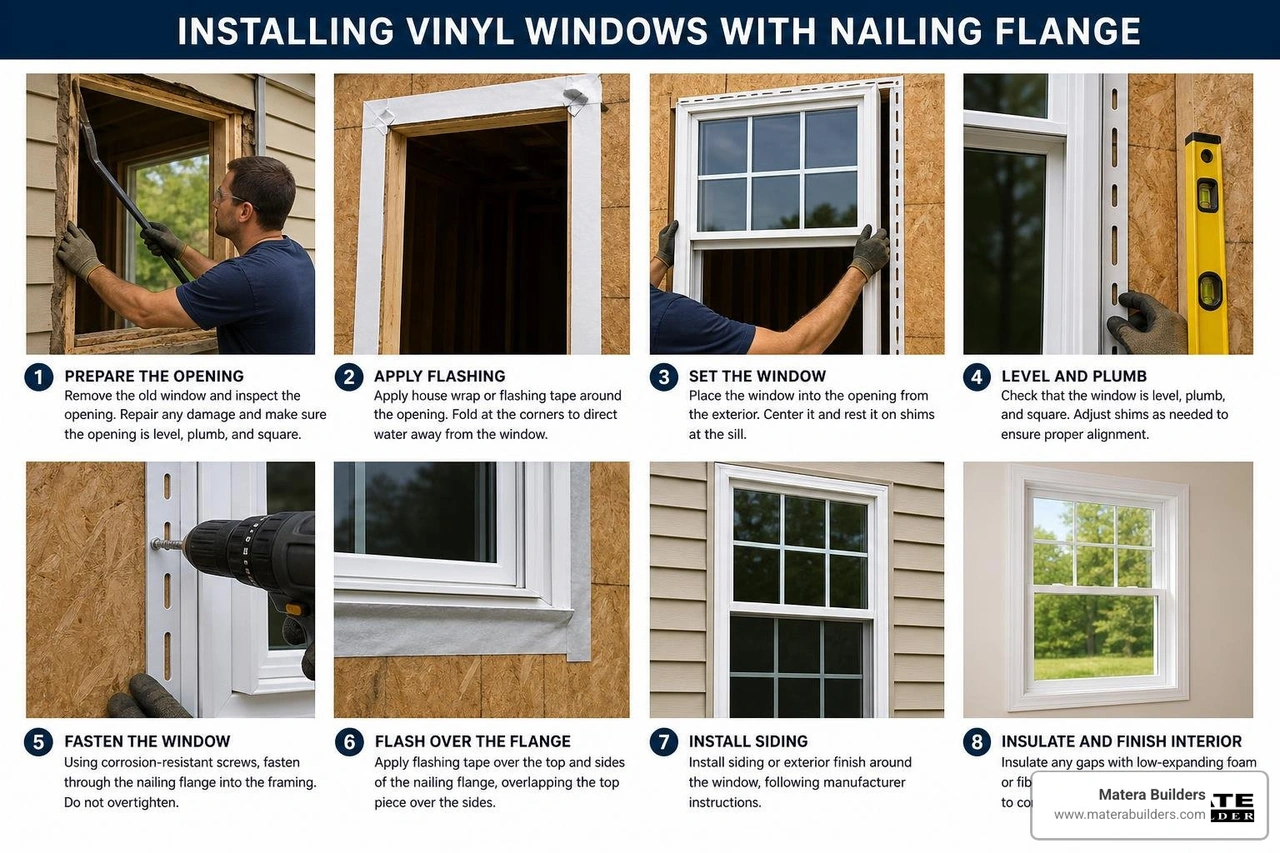
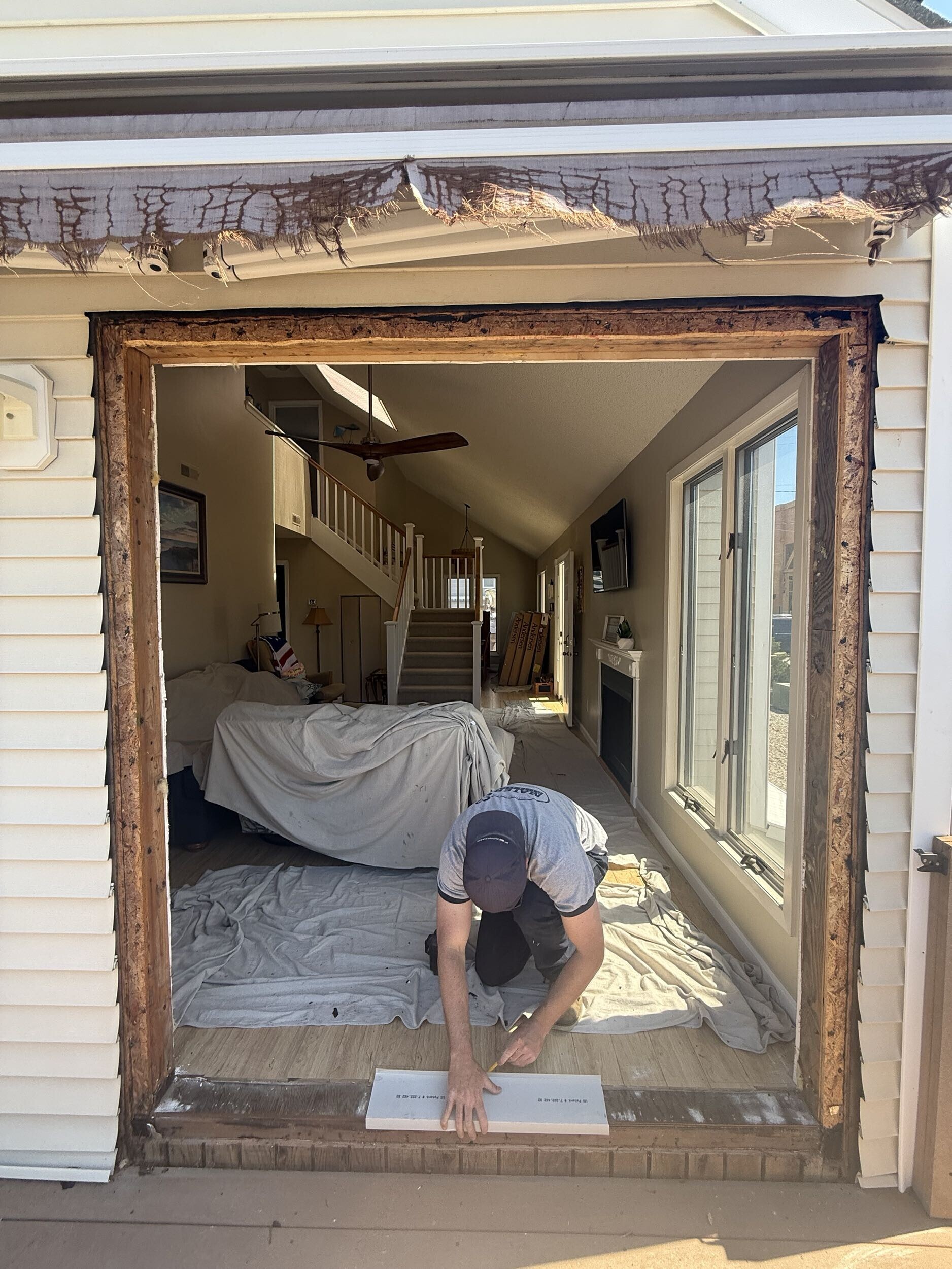
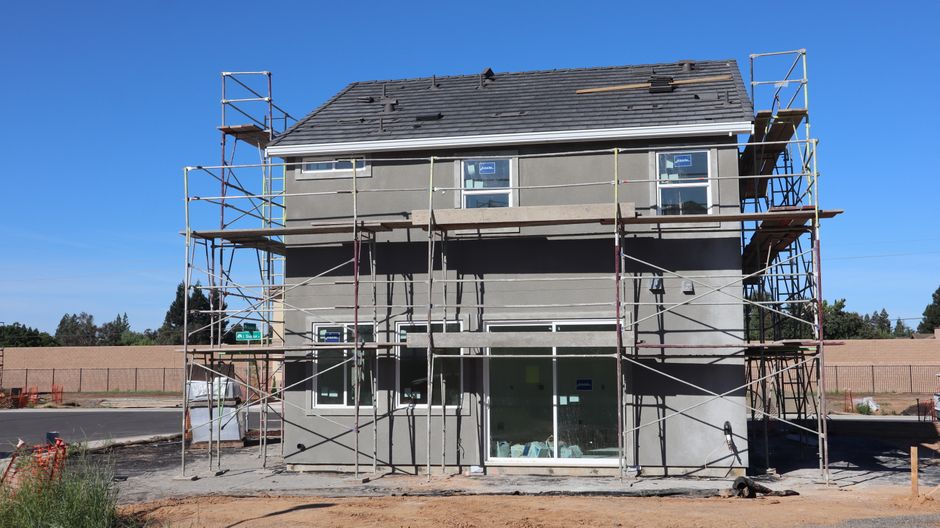
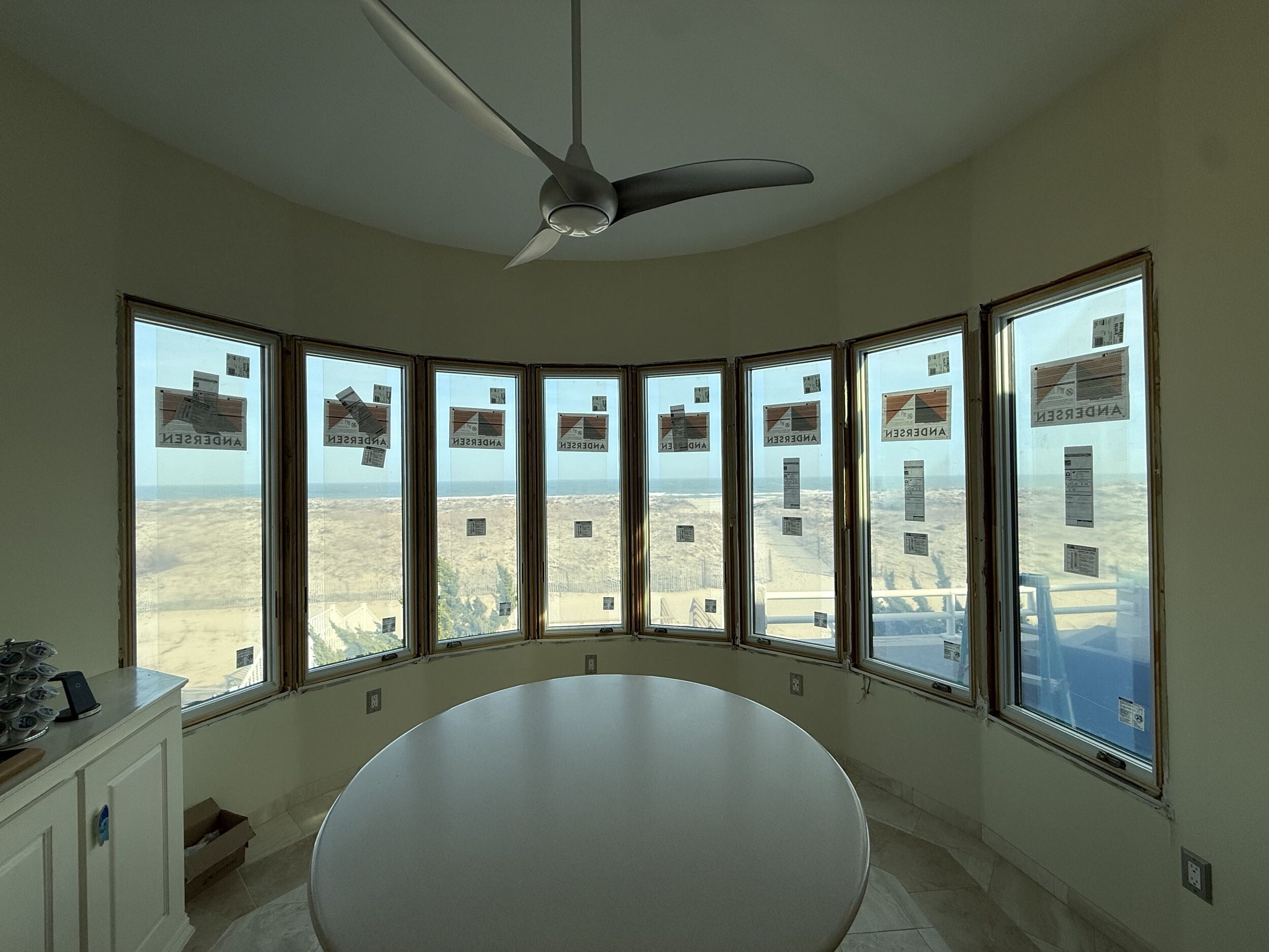
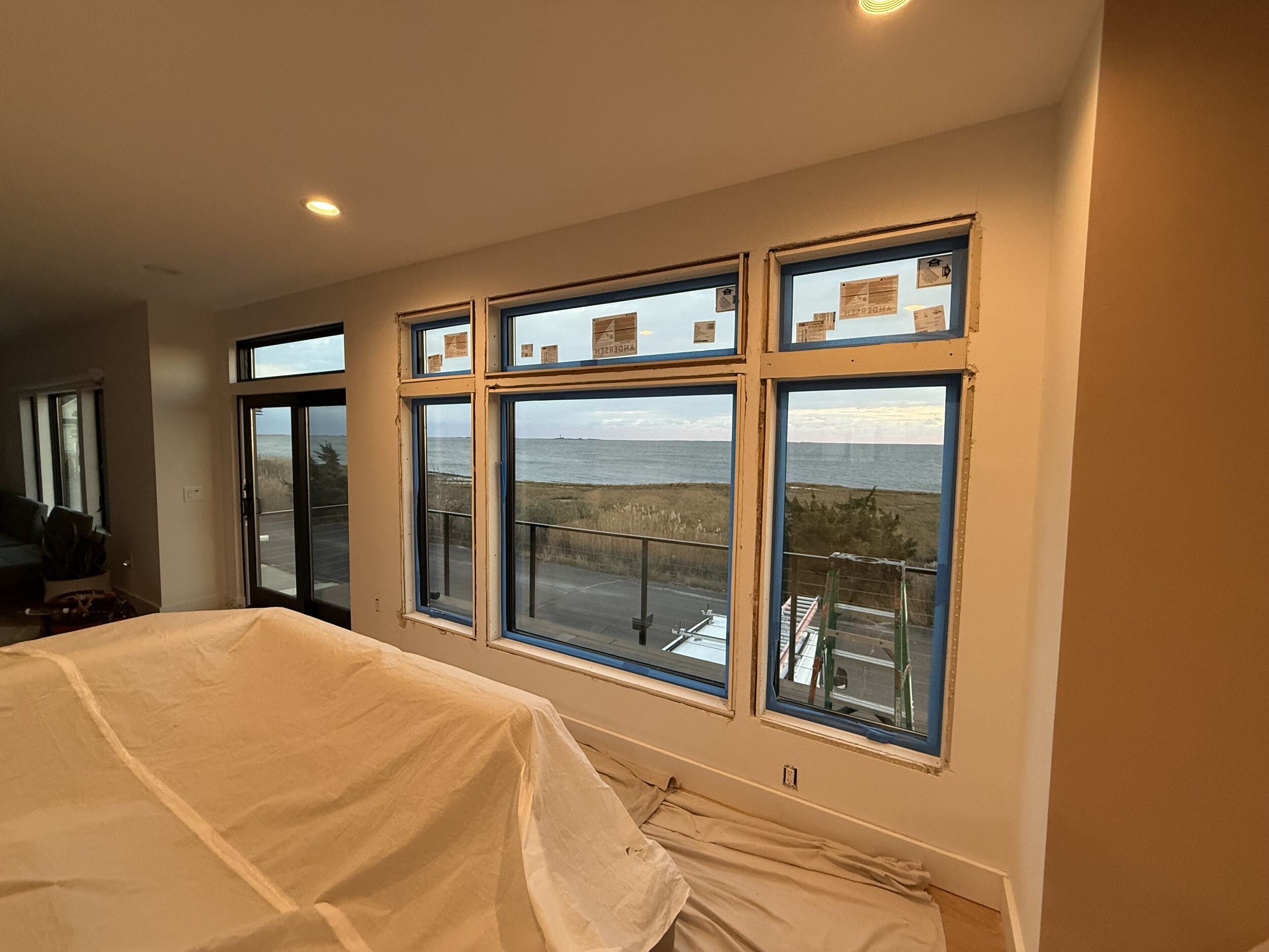
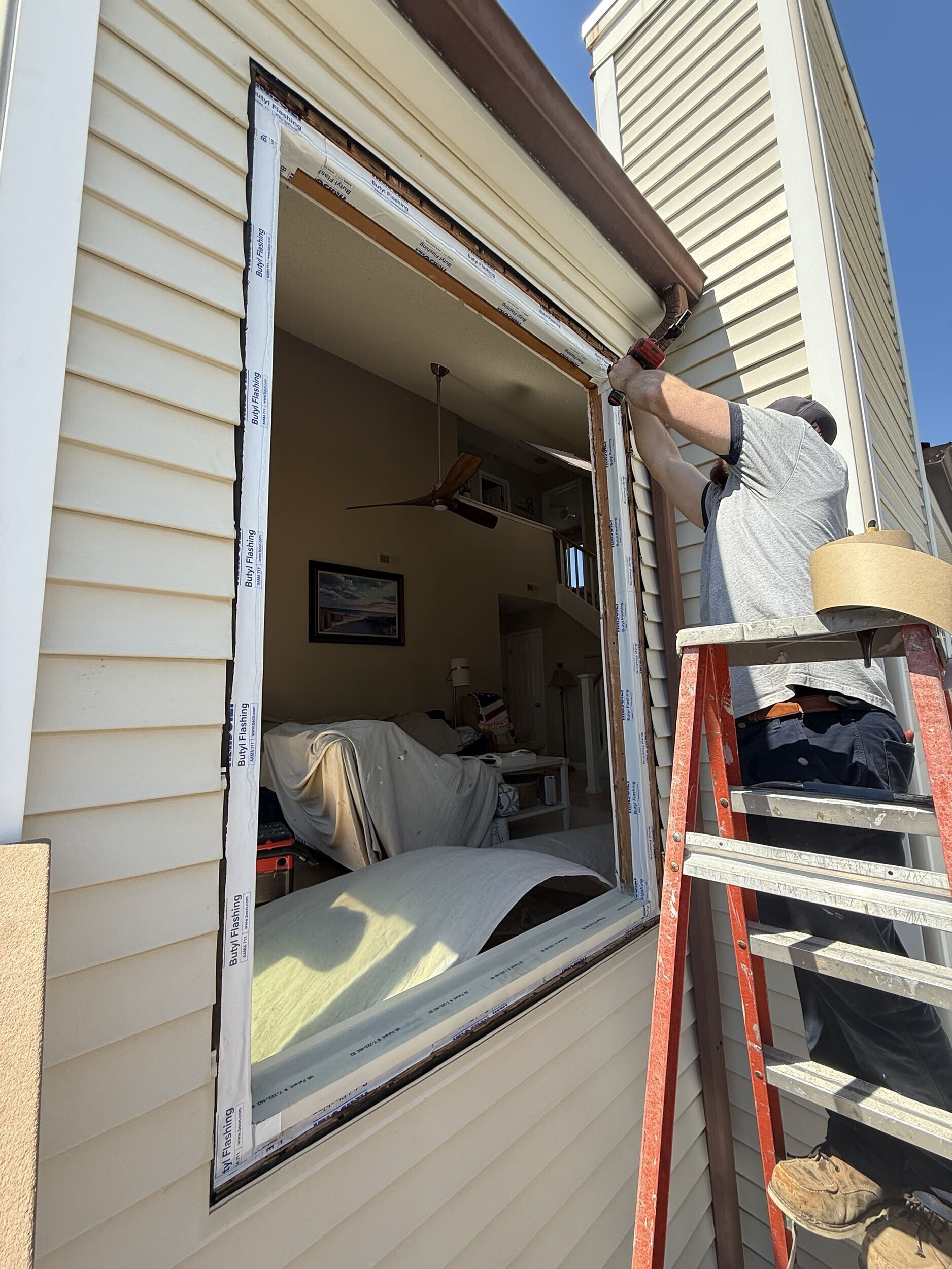
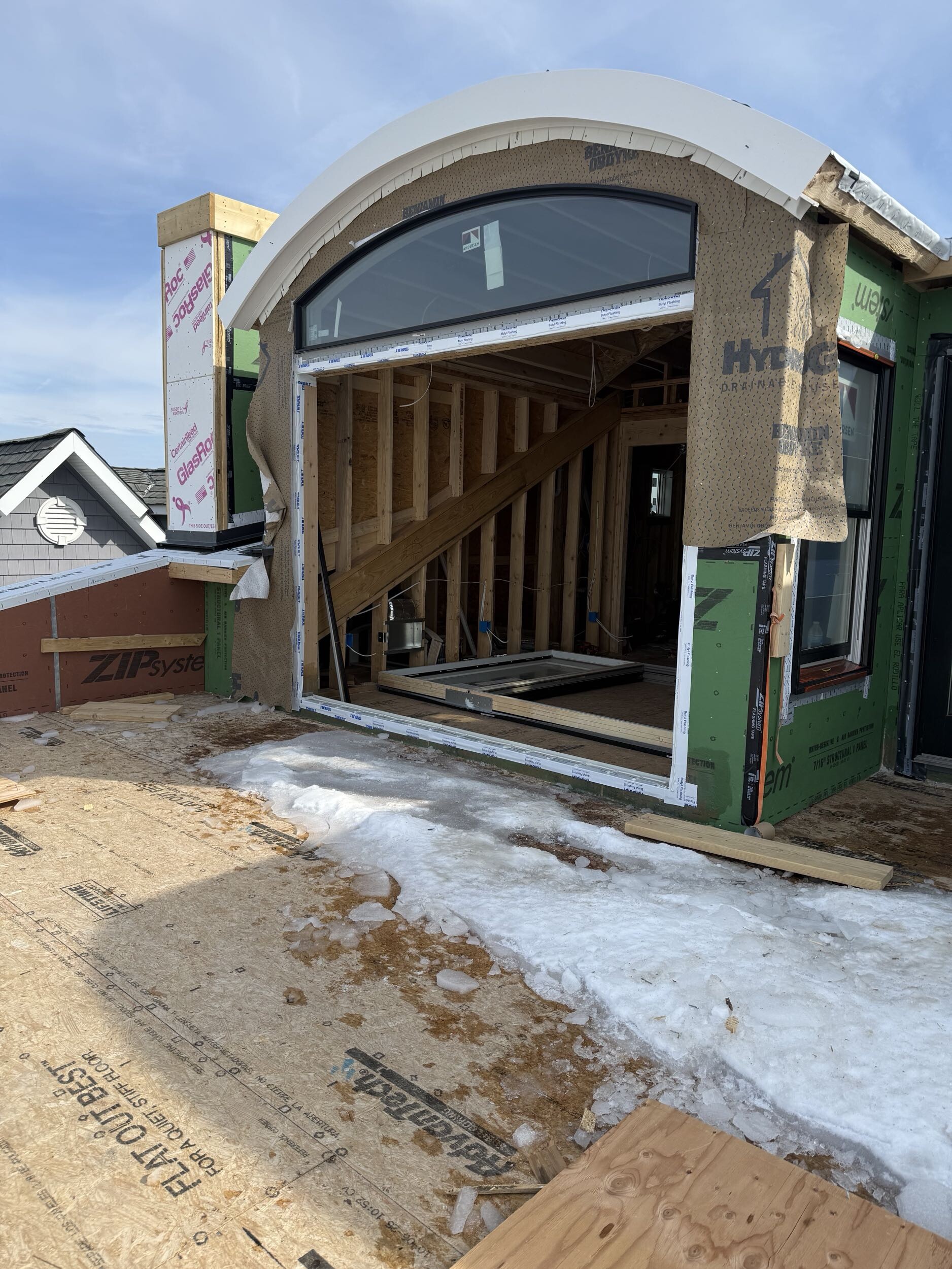
A new construction window has a nailing flange around its perimeter and attaches directly to the studs of your house. Installing one in an existing home means removing the old window and frame completely, cutting back siding, and rebuilding the opening's water management from the sheathing out. It costs more, and it's the only honest fix when the old frame is compromised.
When a Replacement Window Is the Right Call
Choose an insert when the existing frame is solid wood with no rot, the opening is still square, the sills drain properly, and there's no staining or soft drywall around the window. This is common in newer homes and well-maintained ones. You'll keep your interior trim, the job moves fast — often under an hour per window once prepped — and the cost per opening stays down. The trade-off: you lose a little glass area, because the new unit sits inside the old frame.
When You Need New Construction (Full-Frame)
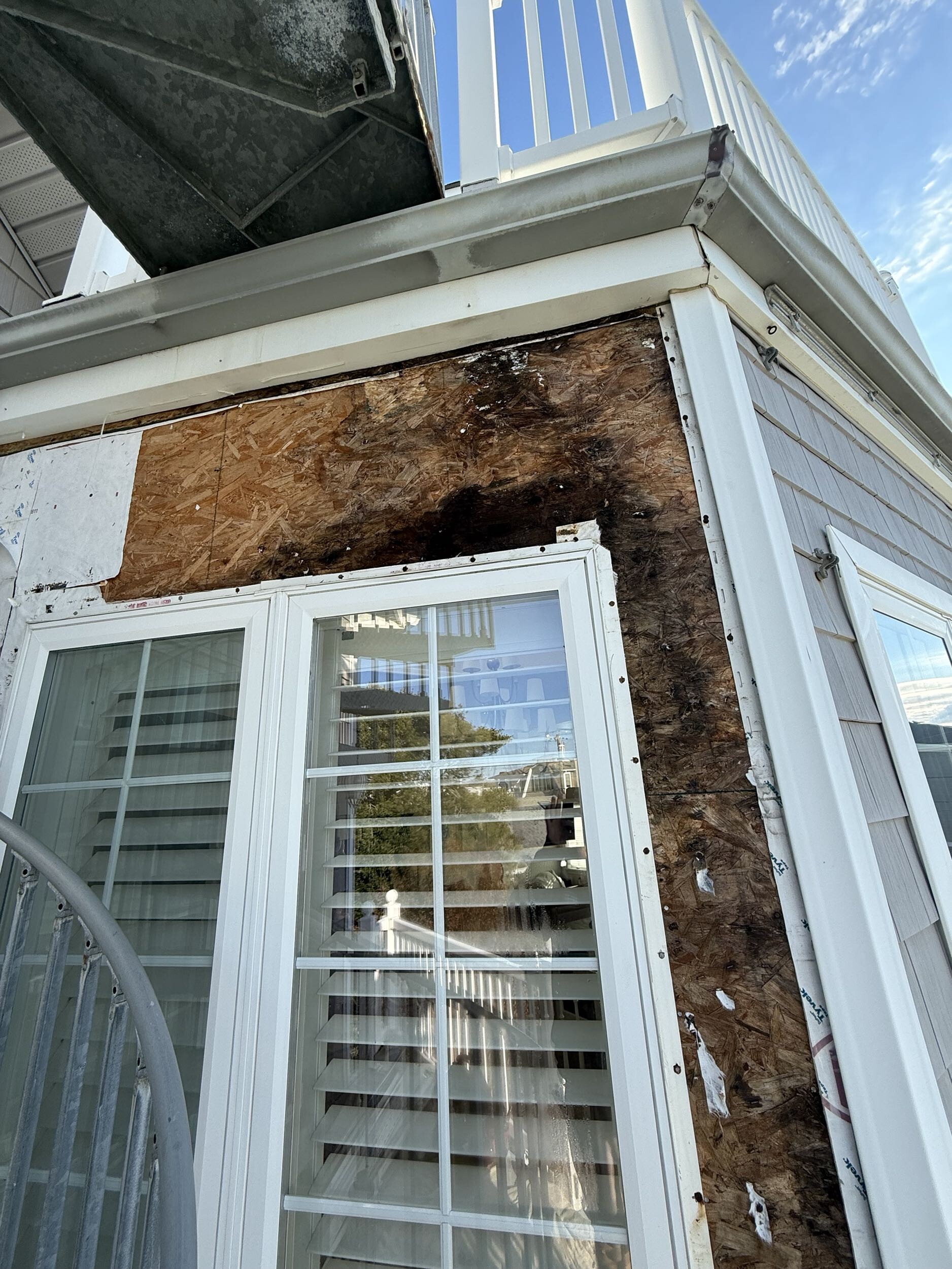
Choose full-frame when there's rot anywhere in the frame or sill, when the opening is out of square from settling, when you're changing the window's size or style, or when past leaks have gotten into the wall. At the shore this is more common than homeowners expect — salt air and wind-driven rain break down old caulk and flashing, and water works into the framing quietly for years. Putting a new insert into a rotten frame is like painting over rust: it looks fixed and fails anyway. Full-frame also gives you more glass, a fresh sill pan and flashing, and a window that's tied to the structure of the house — which matters in coastal wind zones.
How We Tell the Difference at Your Home
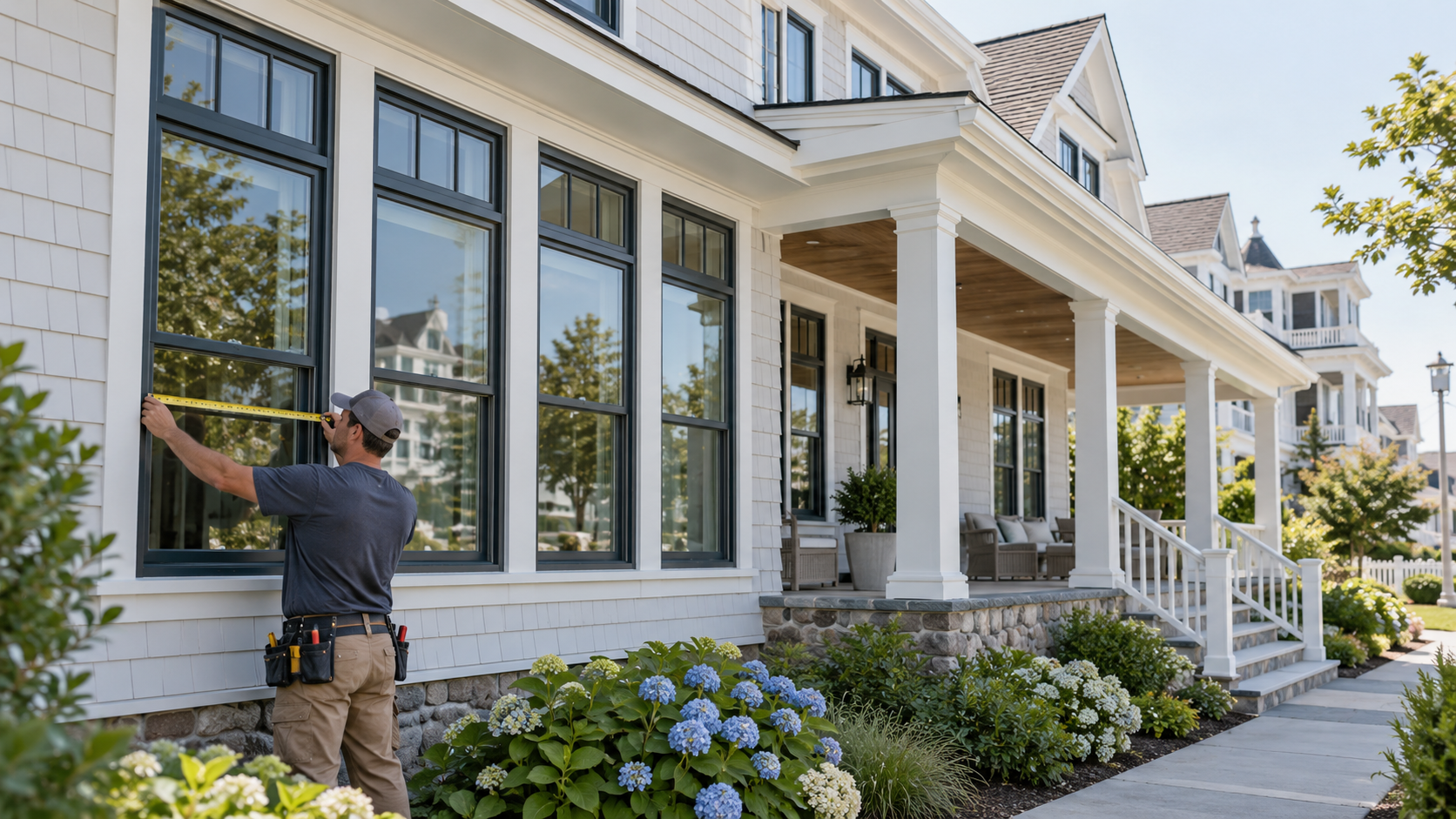
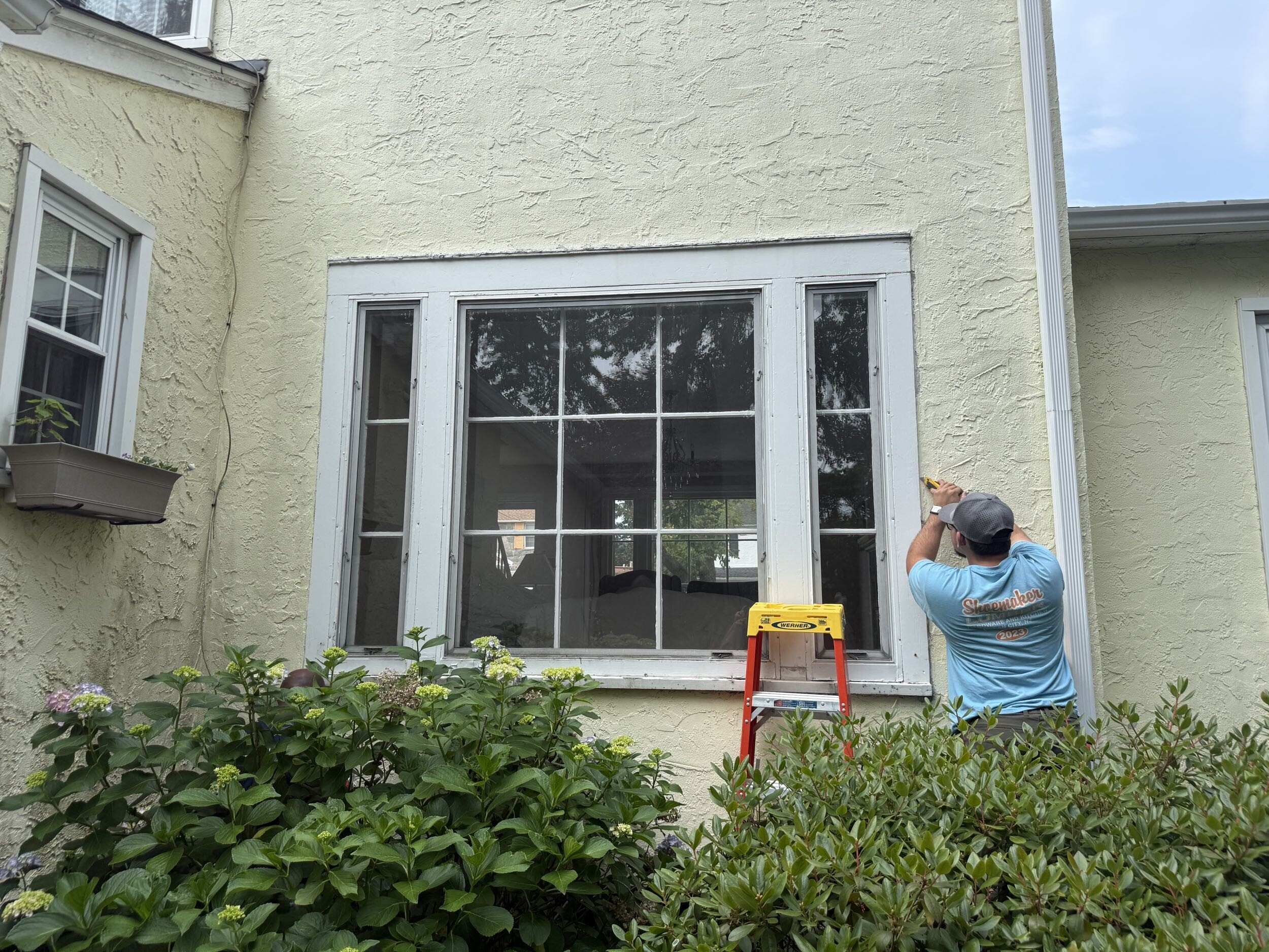
We don't guess. We probe the sills and lower frame corners for soft wood, measure the diagonals to check square, look for staining below the opening, and check how the existing unit was flashed. If the bones are good, we'll tell you an insert is fine — it's the less expensive answer, and we'd rather earn your trust than oversell the job. If the bones are bad, we'll show you exactly where and why.
The Cost Difference
As a rule of thumb, a full-frame installation runs meaningfully more per opening than an insert, because it includes demolition, siding cutback, flashing work, and interior and exterior trim. But comparing prices only makes sense between equal situations: an insert over hidden rot isn't cheaper — it's a down payment on doing the job twice.
Frequently Asked Questions
Can you mix both types in one house? Yes, and we often do. Sound openings get inserts; compromised ones get full-frame. You pay for the bigger job only where the house actually needs it.
Do new construction windows work in an existing house? Absolutely — the name refers to how the window attaches, not when the house was built. Installing a flanged window in an existing wall is a retrofit skill in itself, which is why the installer matters as much as the window.
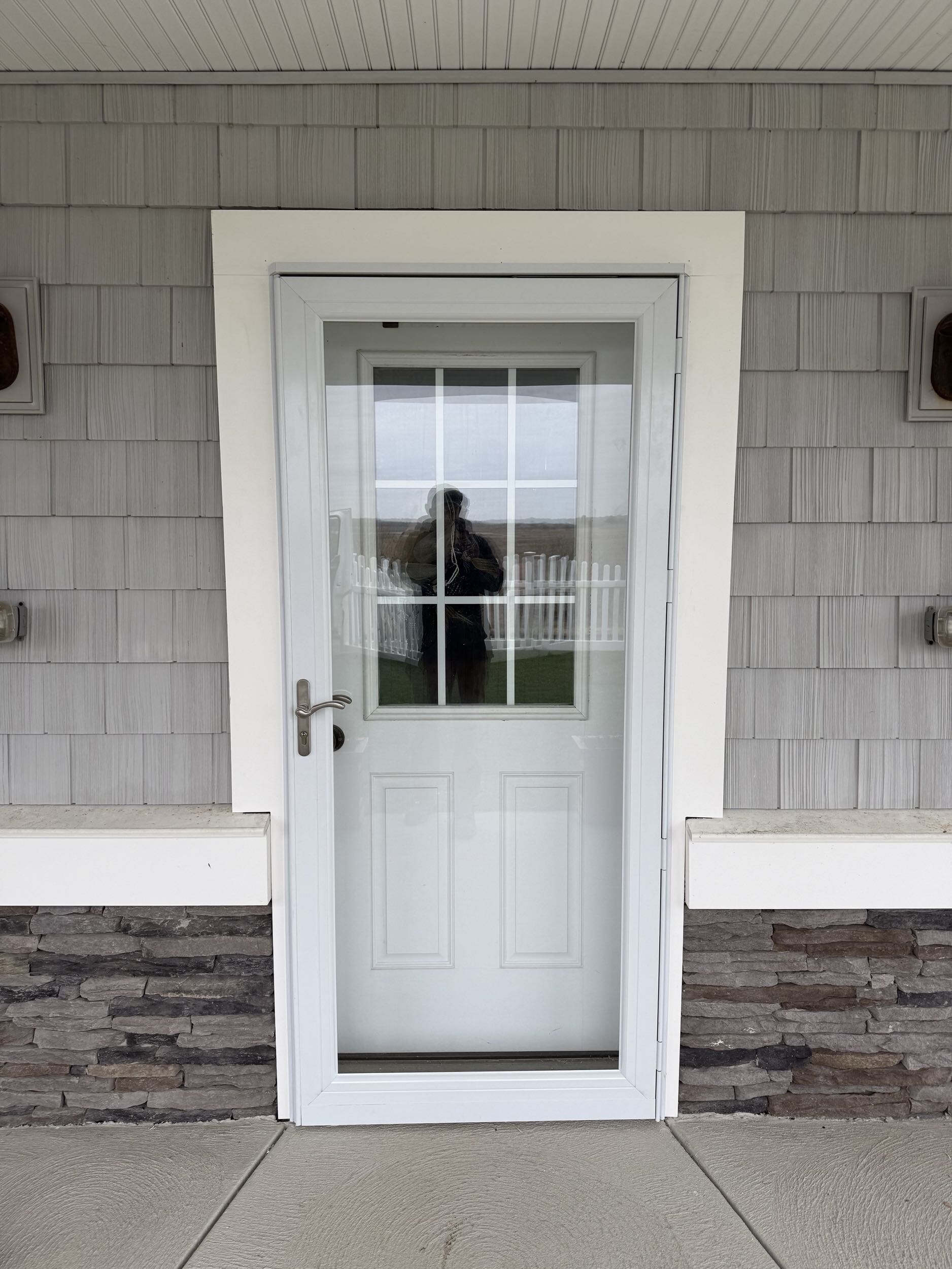
Which do you install? Both, using the premium Andersen series — the 400 Series, E-Series, and A-Series — matched to the opening and the exposure.
The Bottom Line
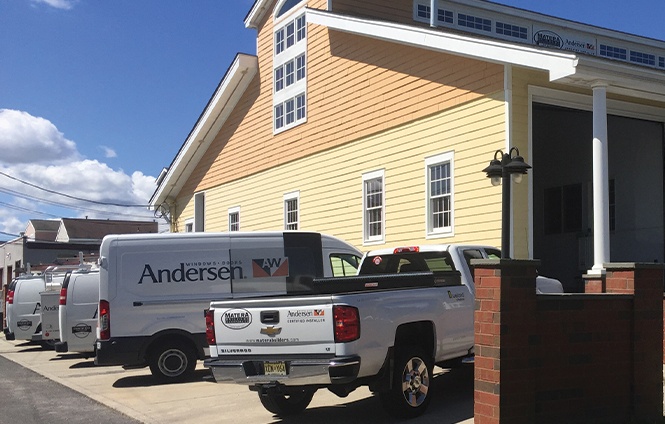
Matera Builders is an Andersen Elite Certified Contractor — a designation Andersen awards to the top 1% of contractors nationwide — serving Ocean City, Avalon, Stone Harbor, and Sea Isle City since 1988. Schedule a consultation and we'll inspect your openings, tell you honestly which windows need full-frame and which don't, and give you a clear plan either way.



.jpg)


.jpg)