


Introduction

I’m Mike Werner, CEO of Matera Builders. When homeowners compare windows and doors for a shore home, they often see a DP rating on the label. It is one of the most useful numbers for coastal homes and one of the least understood.
Here is what DP means, how ratings compare and how to choose the right one for each side of your home.
What a DP Rating Is
DP stands for design pressure. It measures how much wind pressure a window or door is tested to withstand, in pounds per square foot. A higher DP means the unit can handle more pressure, both pushing in and pulling out.
Testing also checks water resistance at a portion of the design pressure, along with air leakage. As a general guide:
- DP 30: a standard residential rating, suited to protected elevations and inland blocks.
- DP 40 to 50: a common choice for ocean- and bay-facing sides.
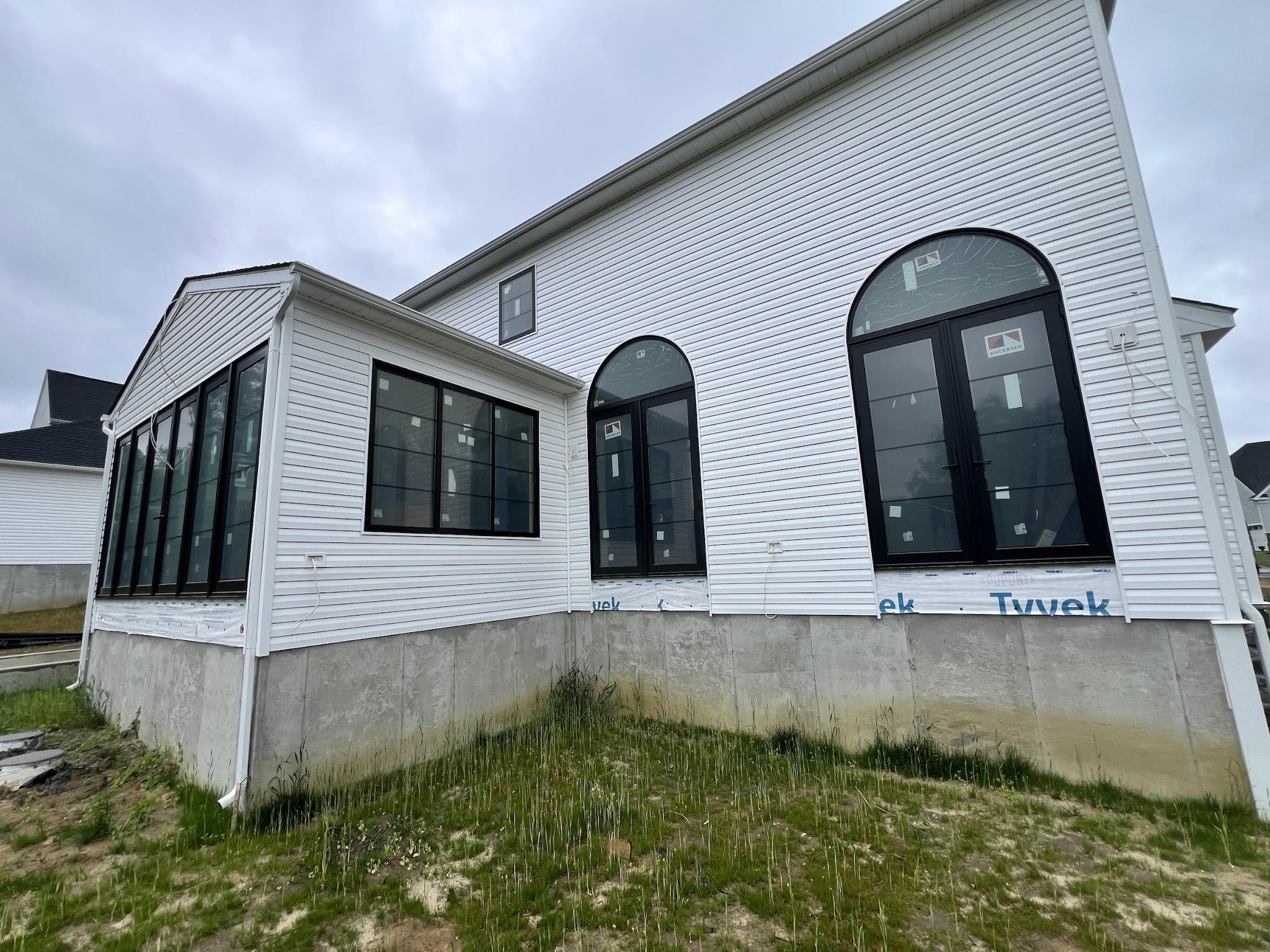
- DP 50 and above: for oceanfront homes, tall elevations and large openings.
Your local building code and the home’s exposure set the minimum.
Factors That Decide the Right Rating
I review these six factors before recommending a rating for each opening.
- Exposure
- Why It Matters: Oceanfront and bayfront elevations face more wind than inland blocks.
- What I Look For: Which sides face open water, open lots or neighboring homes.
- Height
- Why It Matters: Upper floors of elevated homes see higher wind pressure.
- What I Look For: The height of each opening above grade.
- Opening Size
- Why It Matters: Large patio doors and window walls need higher ratings for the same wind.
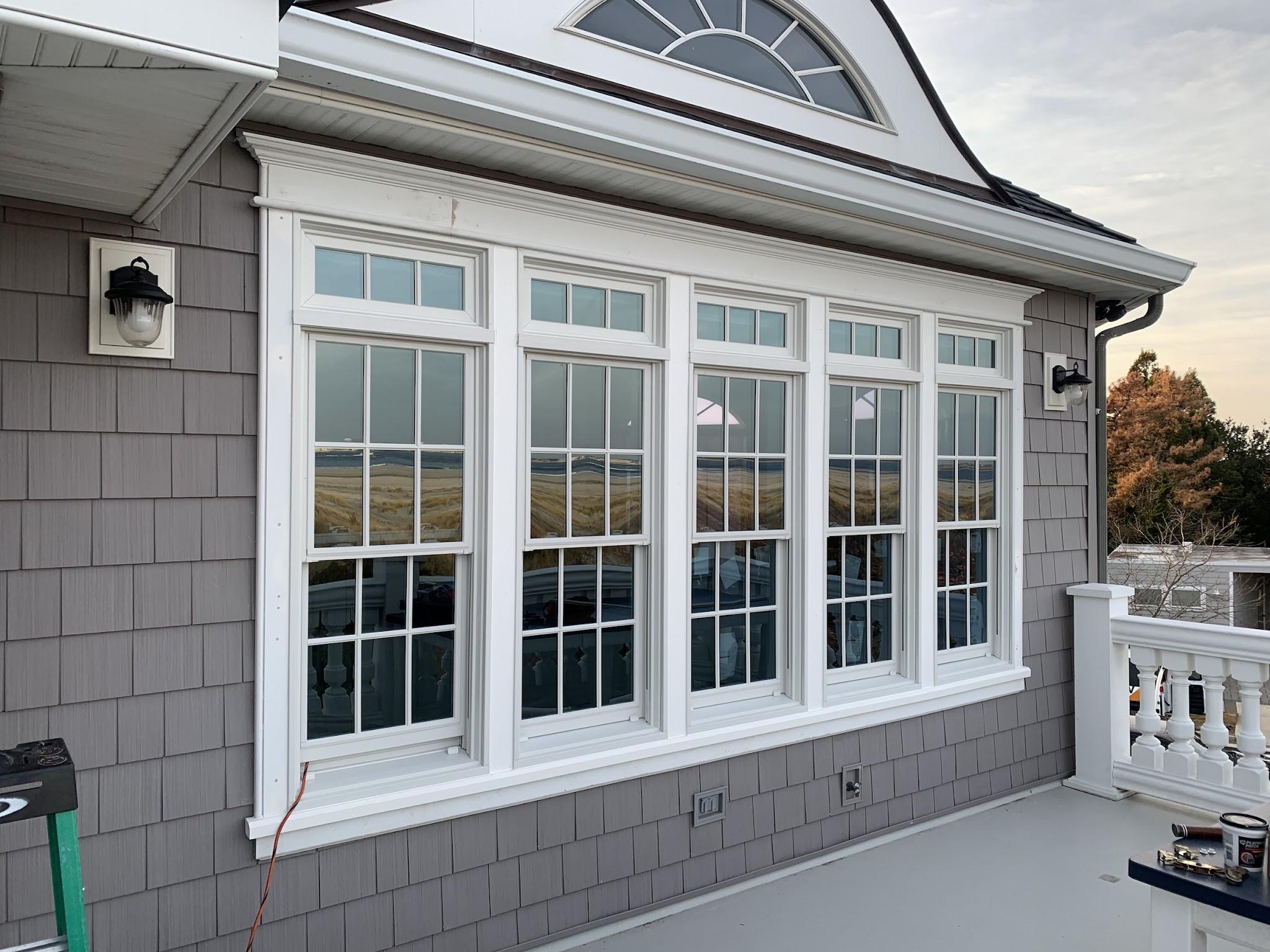
- What I Look For: The width and height of doors and multi-panel units.
- Code Requirements
- Why It Matters: Some coastal areas require impact-rated glass or specific pressure ratings.
- What I Look For: Local code and the design wind speed for the property.
- Water Resistance
- Why It Matters: Testing checks water penetration at a portion of the design pressure.
- What I Look For: The Performance Grade and water test pressure on the label.
- Installation
- Why It Matters: A unit only performs to its rating when installed correctly.
- What I Look For: Fastening, flashing and support that follow the manufacturer’s guidelines.
Choosing Ratings for a Shore Home
Most shore homes do not need the highest rating on every opening. We match ratings to each elevation, using higher-rated units where wind and rain hit hardest and standard ratings on protected sides.
A DP rating applies to the unit as tested. If it is installed without proper fastening, flashing and support, it will not perform to its rating.
Fall and winter storms are a good time to notice which openings leak or whistle. Those observations help us choose ratings and plan replacements for spring.
Planning Checklist
- Identify the most exposed elevations.
- Check local code for minimum ratings.
- Review ratings for large doors separately.
- Ask how each unit will be installed.
- Note leaks during fall storms for spring planning.
Common Mistakes to Avoid
These are the rating mistakes I see most:
- Using one rating for every opening.
- Ignoring height on elevated homes.
- Choosing large doors without checking their ratings.
- Assuming a high rating makes up for a poor installation.
- Overlooking code requirements for impact glass.
The right rating, installed correctly, keeps wind and water out.
FAQ
What DP rating do I need for a shore home?
It depends on exposure, height, opening size and local code. Many shore projects use DP 40 or higher on exposed elevations.
Is a higher DP rating always better?
Higher ratings provide more protection but can cost more. We match the rating to each elevation instead of overbuying everywhere.
Do DP ratings cover water leaks?
Testing includes water resistance at a portion of the design pressure, so higher-rated units generally resist wind-driven rain better.
Do Andersen products have coastal ratings?
Yes. Andersen offers products with higher performance ratings and coastal options. We review the right choice for each opening.
The Bottom Line
DP ratings tell you how well a window or door handles wind and water. Matching the rating to each opening’s exposure, and installing it correctly, is the key at the shore.
Book a winter review of your exposed openings before spring. Call Matera Builders at 609-905-4156 or request a consultation.
Related Reading
- Andersen windows and patio doors
- Andersen Big Doors
- The Difference Between New Construction and Replacement Windows
- How to Compare Fiberglass and Steel Entry Doors for Shore Homes