

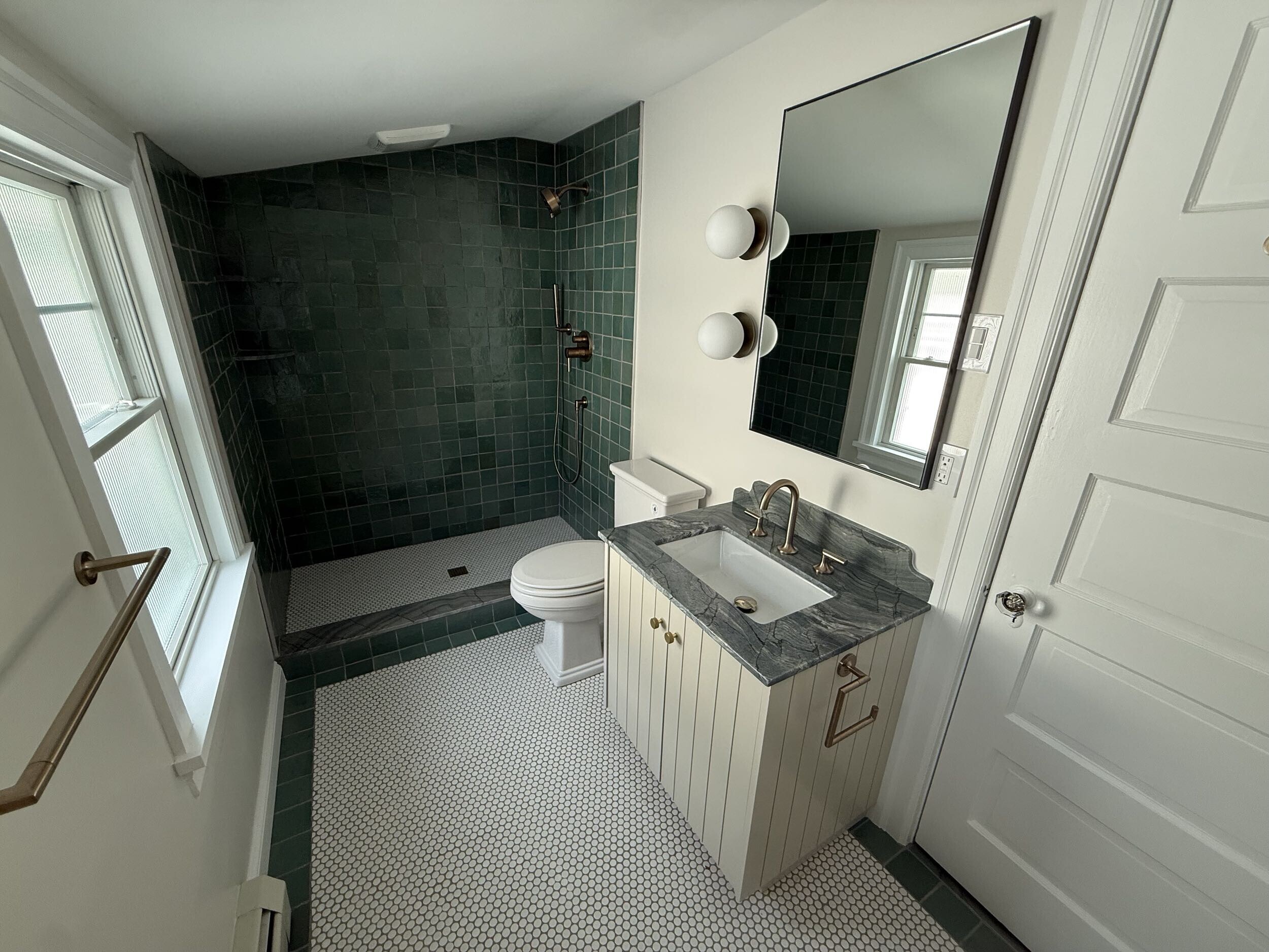
Your Bathroom Shower Remodel: What to Know Before You Start
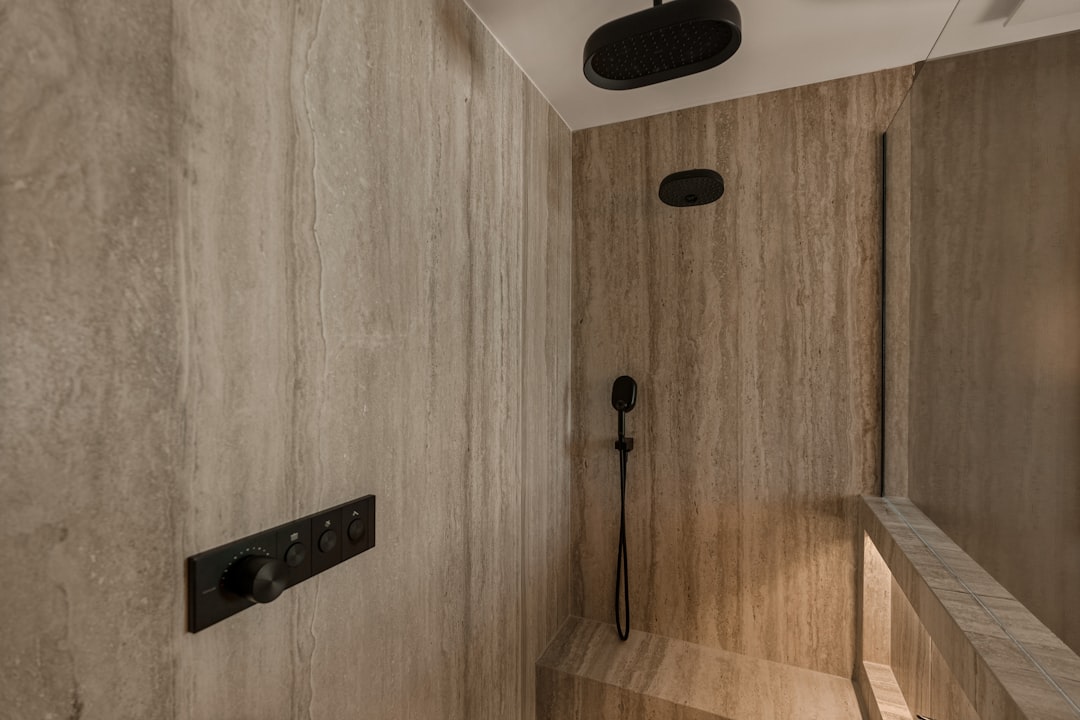
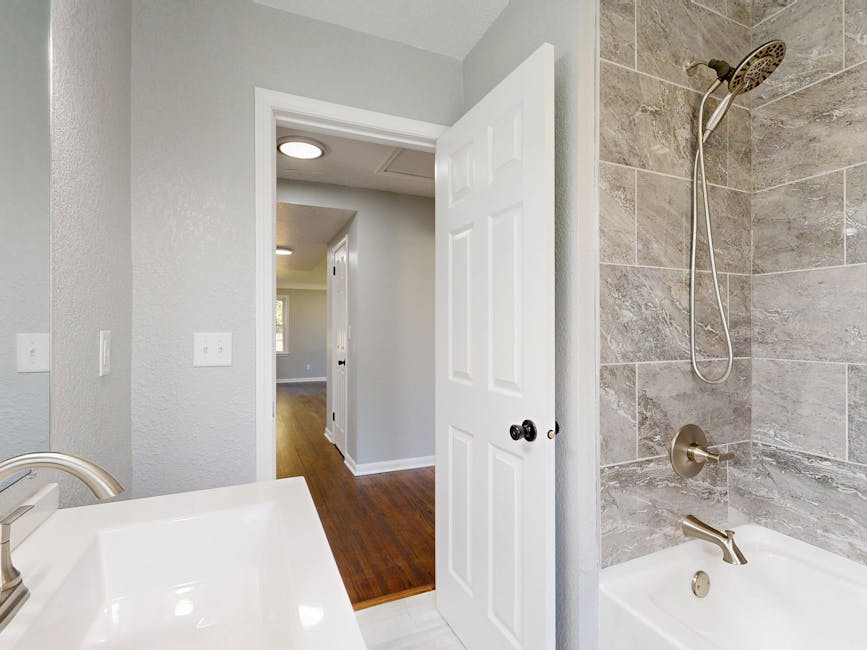
A bathroom shower remodel is one of the highest-impact upgrades you can make to your home — improving daily comfort, modernizing your space, and adding real resale value.
Here's a quick overview of what to expect:
Factor Details Average cost$3,000 – $15,000Tub-to-shower conversion$5,000 – $8,000Walk-in shower$8,000 – $15,000Luxury spa shower$15,000 – $25,000+Typical timeline2–3 days (basic) to 1–2 weeks (full remodel)ROI60–70% of project cost at resale Permit required? Usually only if moving plumbing or structural changes
Whether you're replacing a cracked shower pan, converting an old tub into a walk-in, or building a full spa-style retreat, the decisions you make upfront — materials, waterproofing, layout, fixtures — determine how long your remodel lasts and how much value it delivers.
This guide walks you through every stage of the process, from planning and budgeting to materials, installation, and hiring the right contractor. I'm Mike Werner, CEO of Matera Builders. Our core expertise is high-performance exterior renovations in Ocean City, Avalon, Stone Harbor, and Sea Isle City and since 1988, the principles that drive a quality bathroom shower remodel precise installation, moisture control, and material durability are the same ones we've applied to every project. I'll share what actually matters so you can make confident decisions and avoid costly mistakes.
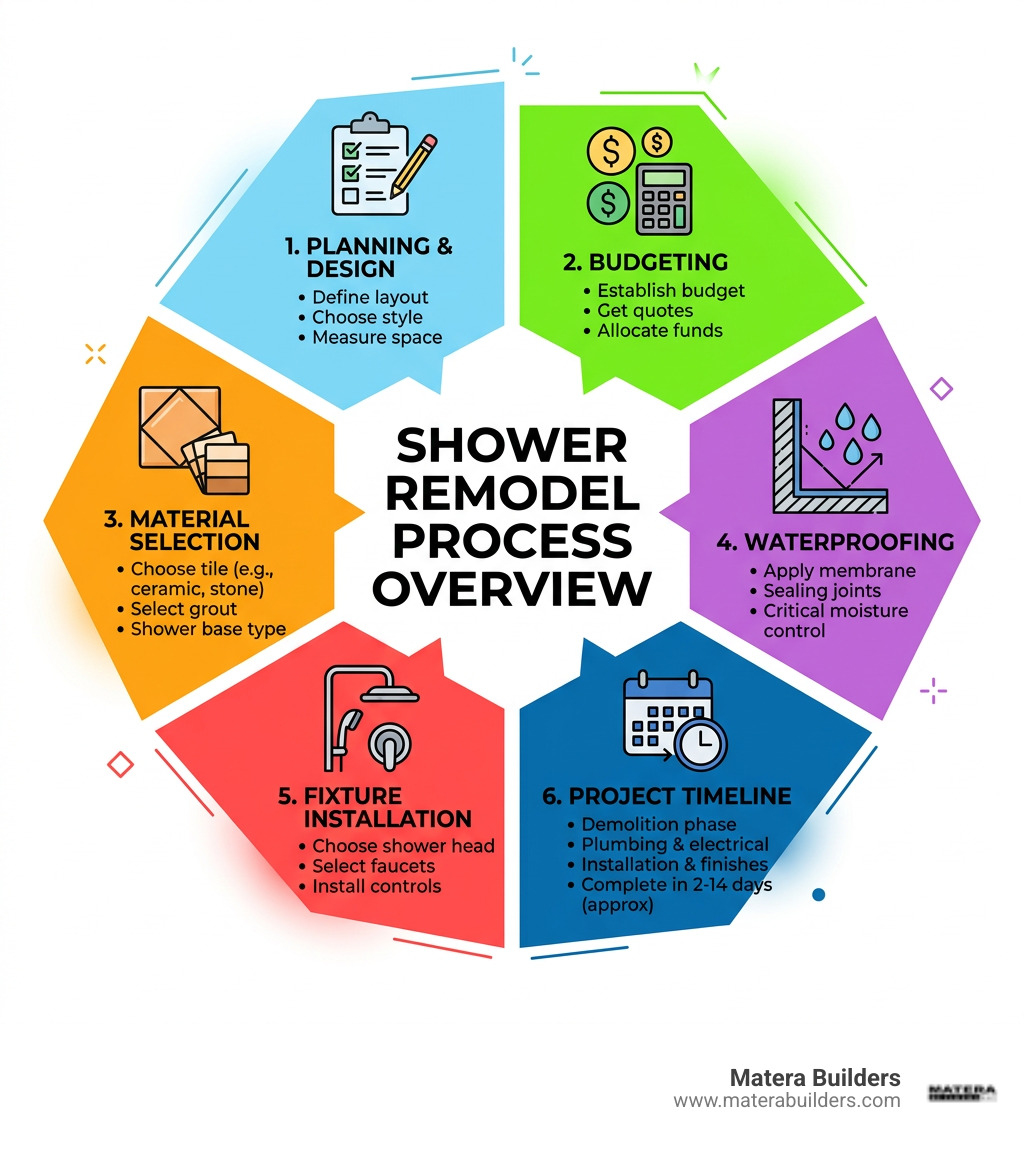
Bathroom shower remodel word roundup:
Planning Your Bathroom Shower Remodel
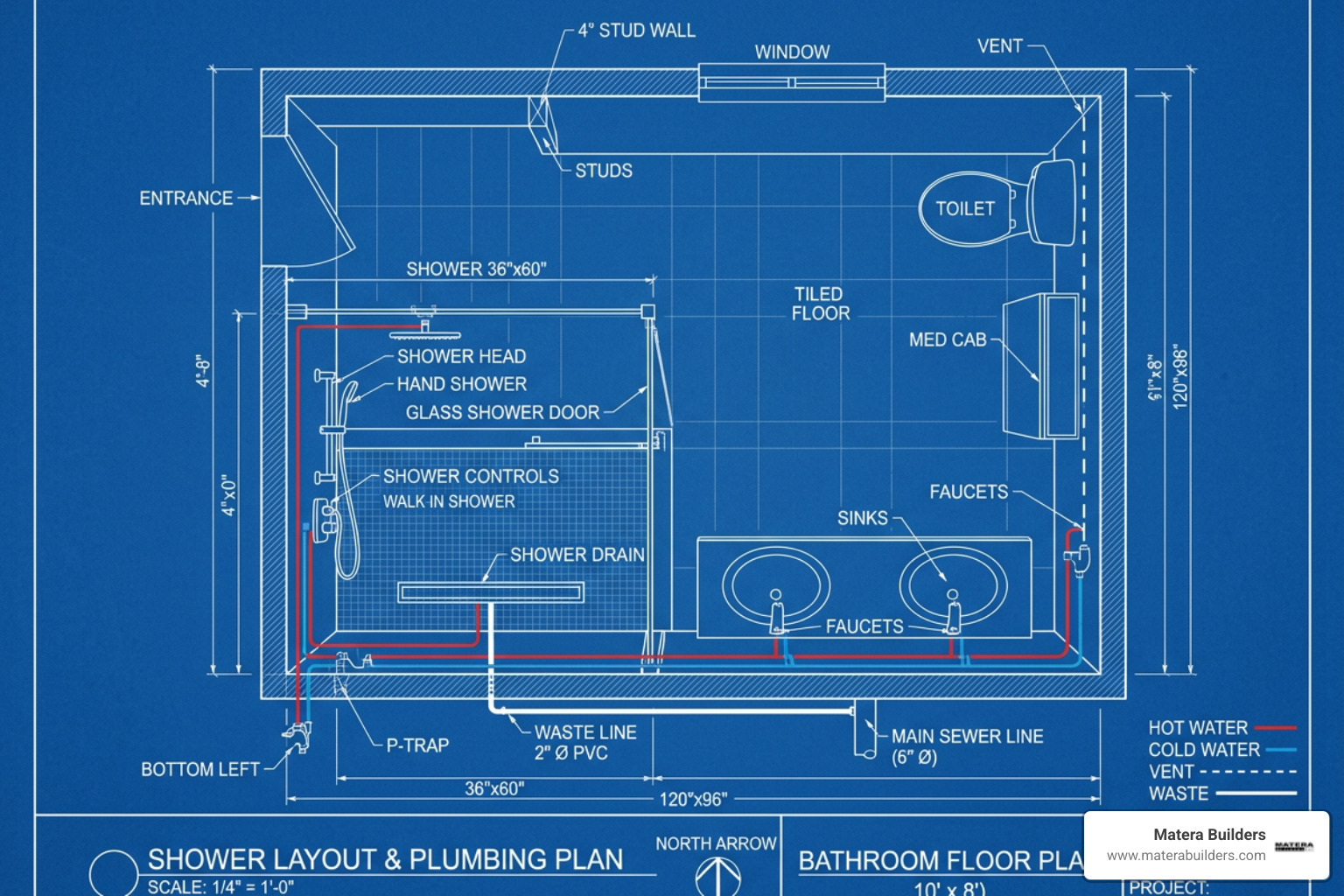
Planning is the most critical phase of any renovation. In New Jersey, where many homes have older plumbing systems, jumping into a demo without a plan is a recipe for a headache. You need to decide if you are keeping the existing footprint or moving things around.
Keeping your current footprint is the best way to control costs. Moving plumbing lines or the drain location can easily add $1,000 to $3,000 to your bill because it requires breaking into the subfloor and rerouting pipes. We always recommend checking the condition of your subfloor during the planning phase. If there has been a slow leak for years, you might need to replace rotted plywood before any new work begins.
Proper subfloor prep ensures your new shower pan sits level. If the base isn't level, water won't drain correctly, leading to standing water and mold. For those looking at a more comprehensive update, you can explore our more info about kitchen and bath renovations to see how these elements tie together.
Maximizing ROI with a Bathroom Shower Remodel
A bathroom shower remodel offers a strong return on investment, typically recouping 60% to 70% of its cost. Modern buyers often prefer a large, luxurious walk-in shower over a standard tub-shower combo, especially in primary suites.
A tub-to-shower conversion is a popular choice for homeowners who no longer use their bathtub. It opens up the room and makes the bathroom feel twice as large. However, if you only have one bathroom in the house, we suggest keeping at least one tub for resale value, as families with small children still look for them. For more creative sparks, check out these 13 Shower Remodeling Ideas for an Instant Upgrade.
Regional Costs for a Bathroom Shower Remodel
In the New Jersey and Jersey Shore areas, labor rates tend to be higher than the national average. You can expect to pay between $65 and $100 per hour for skilled plumbing and tiling labor.
Regional factors also include permit fees, which vary by township in Ocean City and surrounding NJ areas. If you are moving walls or changing the plumbing layout, a permit is mandatory to ensure everything is up to code. Additionally, material shipping costs can fluctuate, so sourcing tile and fixtures locally can sometimes save you a few hundred dollars.
Material Selection for Walls and Floors
Choosing the right materials is a balance between aesthetics and maintenance.
Material Pros Cons Durability Porcelain Tile Extremely durable, waterproof, huge variety Grout lines require cleaning50+ years Ceramic Tile More affordable than porcelain More porous, can chip easier20-30 years Natural Stone Luxury look, unique patterns High maintenance, must be sealed Lifetime (if maintained)Acrylic Panels Easy to clean, no grout, fast install Can look "plastic," fewer styles10-20 years
For a real-world look at how these materials come together, this Primary Bathroom Before and After: Our Remodel Reveal shows the impact of high-quality tile selection.
Choosing Durable Shower Floors
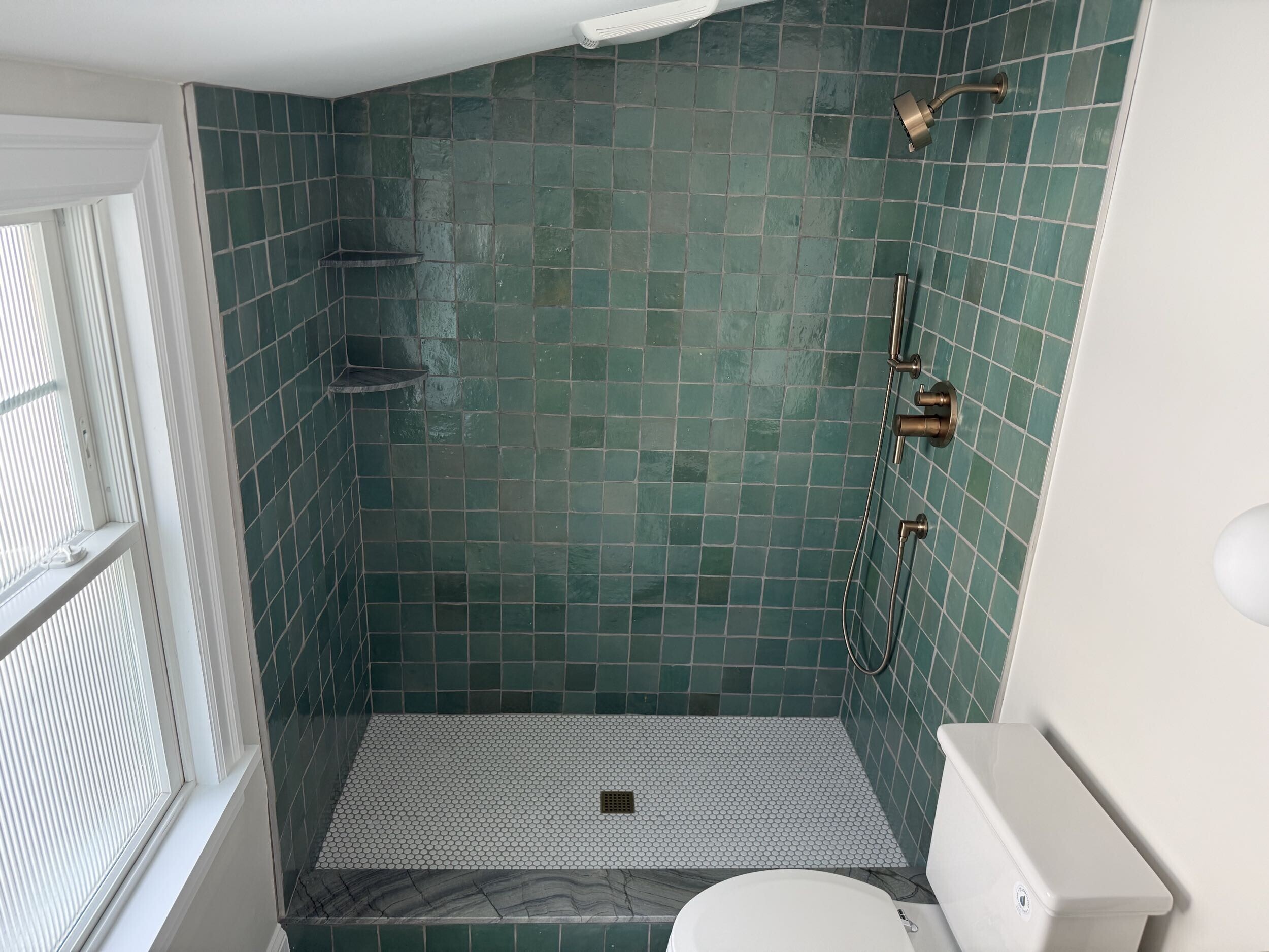
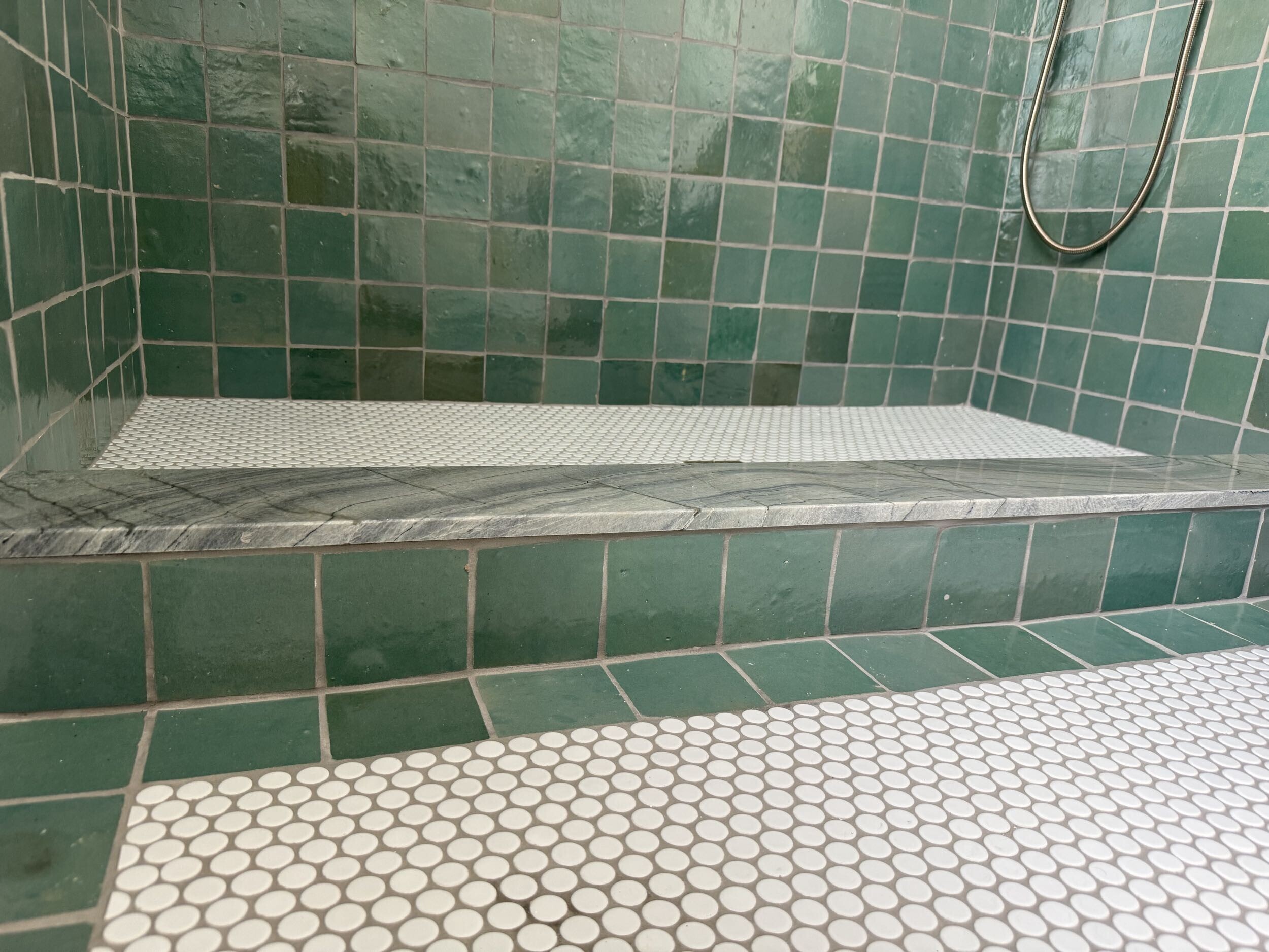
The shower floor needs to be both waterproof and safe. We recommend textured tile to provide grip when the surface is soapy and wet. Small mosaics are a classic choice because the frequent grout lines naturally create a non-slip surface. Pebble floors are another great option for a spa-like feel, though they require more grout maintenance. Always look for a "slip-resistance" rating on the tile box before buying.
Wall Systems and Surrounds
If you hate cleaning grout, wall systems are your best friend. Solid surface or acrylic surrounds are non-porous and resist mold and mildew. If you prefer the look of tile, consider large-format tiles. These reduce the number of grout lines, giving you a sleek, modern look that is much easier to keep clean than traditional 4x4 squares.
Installation Science and Waterproofing
This is where many DIY projects fail. Waterproofing is the "science" of the bathroom shower remodel. It isn't just about the tile; it's about what is behind the tile.
We start with cement board or specialized foam backer boards. Then, we apply a liquid membrane or a sheet-bonded vapor barrier like Schluter-Kerdi. This creates a watertight "envelope." Without this, water will eventually seep through the grout, rot the studs, and cause thousands of dollars in damage. The thinset used to bond the tile must also be rated for wet environments to ensure a long-lasting bond.
Proper Shower Pan Installation
The shower pan is the foundation. Whether you use a prefab acrylic pan or a custom mortar bed, it must have a proper drain slope (typically 1/4 inch per foot). We always perform a leak test by plugging the drain and filling the base with water for 24 hours before tiling. This ensures there are no "hidden" leaks that will haunt you later.
Ventilation and Humidity Control
Even the best waterproofing can't stop mold if the air is stagnant. Your exhaust fan should be rated for at least 1 CFM (cubic feet per minute) per square foot of bathroom space. For a standard 5x8 bathroom, a 50 CFM fan is the minimum, but we usually recommend 80 to 110 CFM for better performance. Ensure the fan is wet-rated if it's installed directly over the shower.
Selecting Fixtures and Glass Enclosures
Fixtures are the "jewelry" of your bathroom. Popular finishes like champagne bronze or matte black can instantly modernize the space.
Rainfall heads provide a luxury feel, but we always suggest adding a handheld sprayer on a slide bar. It makes cleaning the shower and bathing pets much easier. For safety, install a thermostatic valve. Unlike standard valves, these hold the water temperature steady even if someone flushes a toilet elsewhere in the house, preventing "shower shock."
Glass Door Options
The right glass enclosure makes a small bathroom feel huge.
- Frameless glass: Uses thick, tempered glass (3/8" to 1/2") and minimal hardware. It's the most expensive but offers the cleanest look.
- Semi-frameless: A middle-ground option with some metal framing.
- Sliding doors: Best for tight spaces where a hinged door would hit the vanity or toilet.
- Hinged doors: Great for larger walk-in showers where you have plenty of clearance.
Accessibility and Safety Upgrades
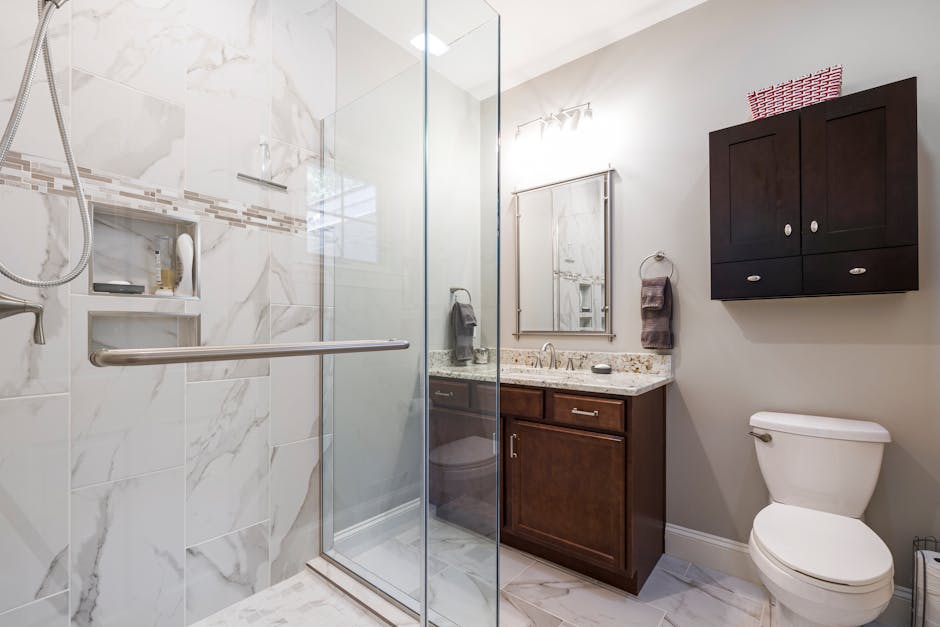
Designing for the future is smart. A curbless entry (zero-threshold) removes the trip hazard and looks incredibly modern. We also recommend adding blocking behind the walls during the framing stage so you can easily install grab bars later. Built-in benches and recessed niches for shampoo bottles keep the floor clear and the space organized.
Frequently Asked Questions about Shower Remodeling
How much does a shower remodel cost on average?
A standard bathroom shower remodel usually costs between $3,000 and $15,000. If you are doing a simple fixture and door swap, you might spend less. If you are gutting the space to the studs and adding natural stone and frameless glass, you will likely be at the higher end of that range.
How long does the renovation process take?
A basic update can be done in 2 to 3 days. A full remodel involving custom tile and plumbing moves typically takes 1 to 2 weeks. Note that custom glass doors often have a 2-week lead time
Can I convert my bathtub into a walk-in shower?
Yes, this is one of the most common requests we see. It usually involves removing the old tub, relocating the drain (since tub drains are usually 1.5 inches and shower drains should be 2 inches), and installing a new shower base. It's a great way to make a bathroom more accessible.
Conclusion
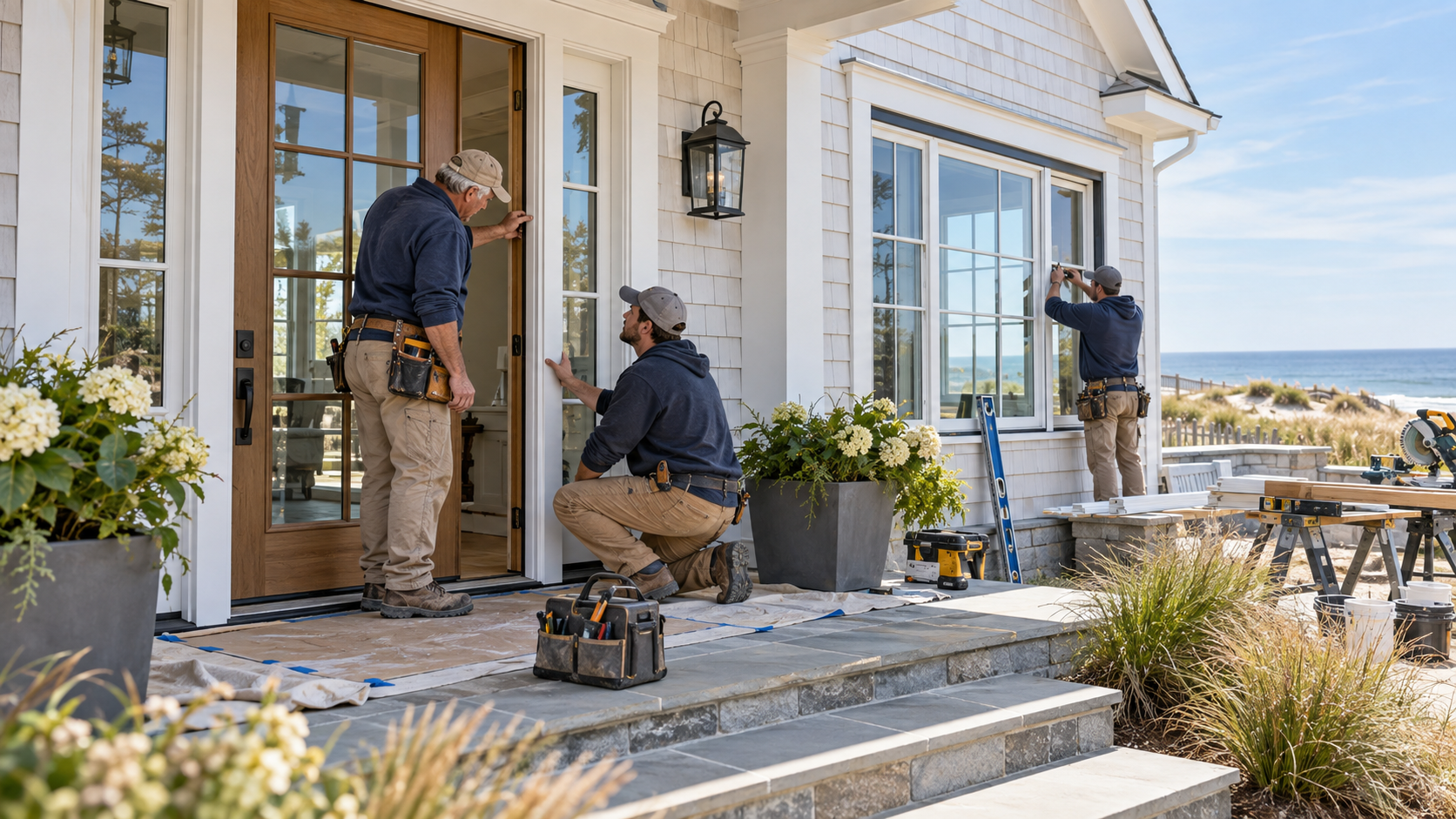
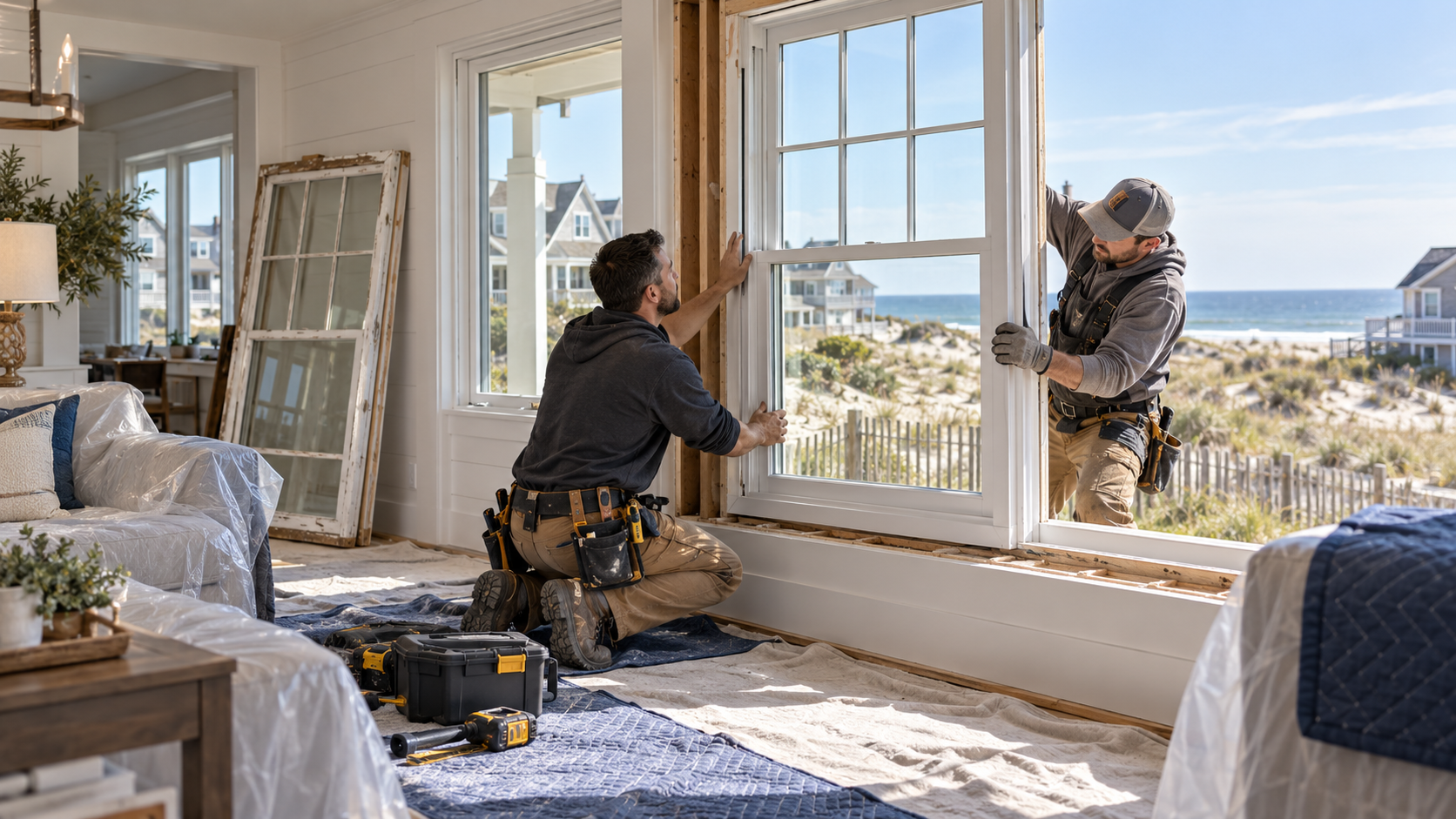
At Matera Builders, we believe that a successful bathroom shower remodel is built on transparency and trust. Mike Werner and Our team of certified installers has brought precision craftsmanship to every project since 1988. We treat the "bones" of your shower the waterproofing and the plumbing with the same precision we use when installing high-performance Andersen Windows or Therma-Tru Entry Doors.
Whether you are in Ocean City or anywhere along the Jersey Shore, we provide the project oversight needed to ensure your renovation adds long-term value to your home. If you're ready to transform your space with a team that values craftsmanship over shortcuts, we're here to help.
Schedule a consultation for your home renovation and let's build something that lasts.





.jpg)
.jpg)