


Why Installing a New Construction Window in an Existing Home Is More Complex Than You Think
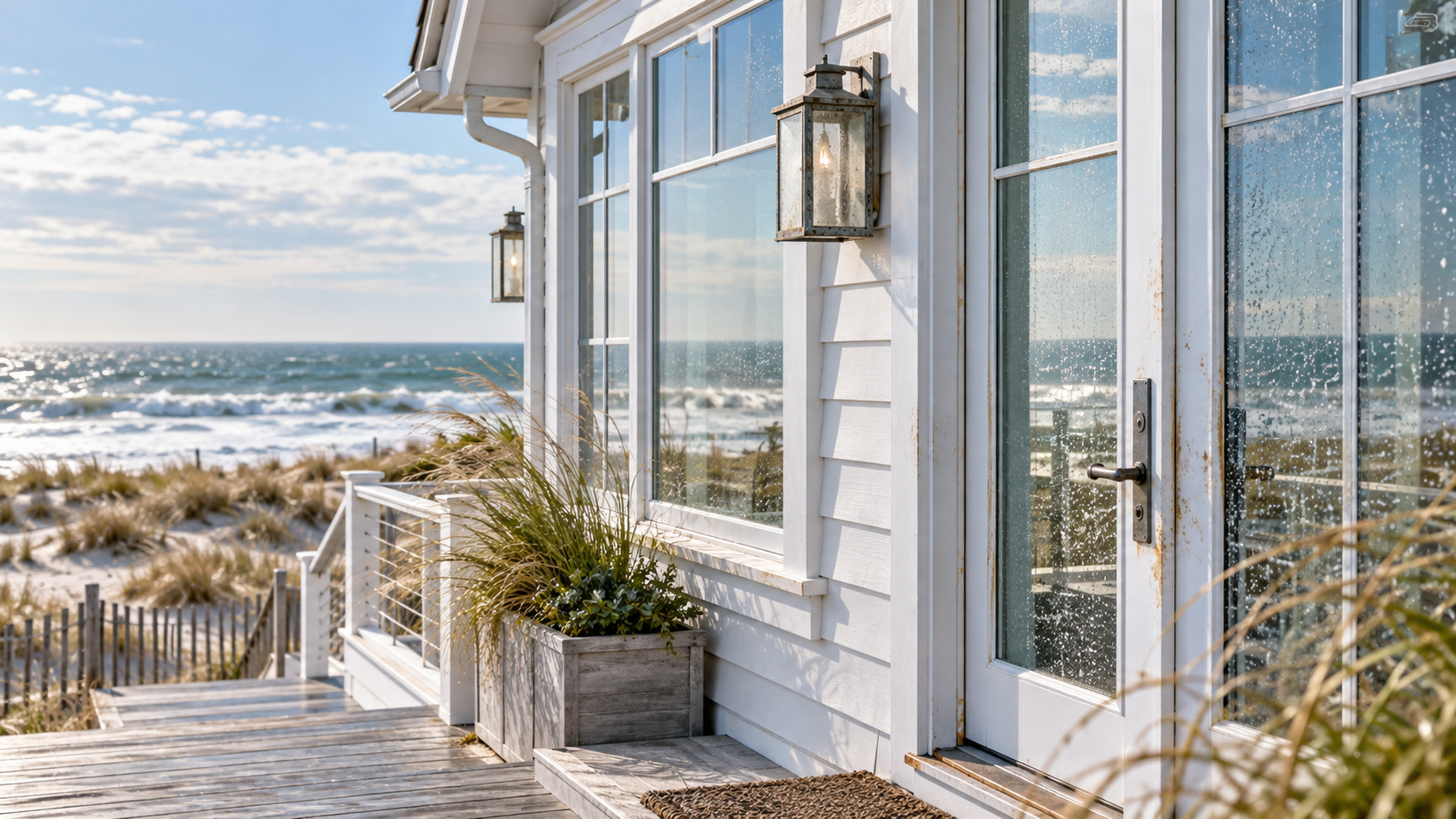
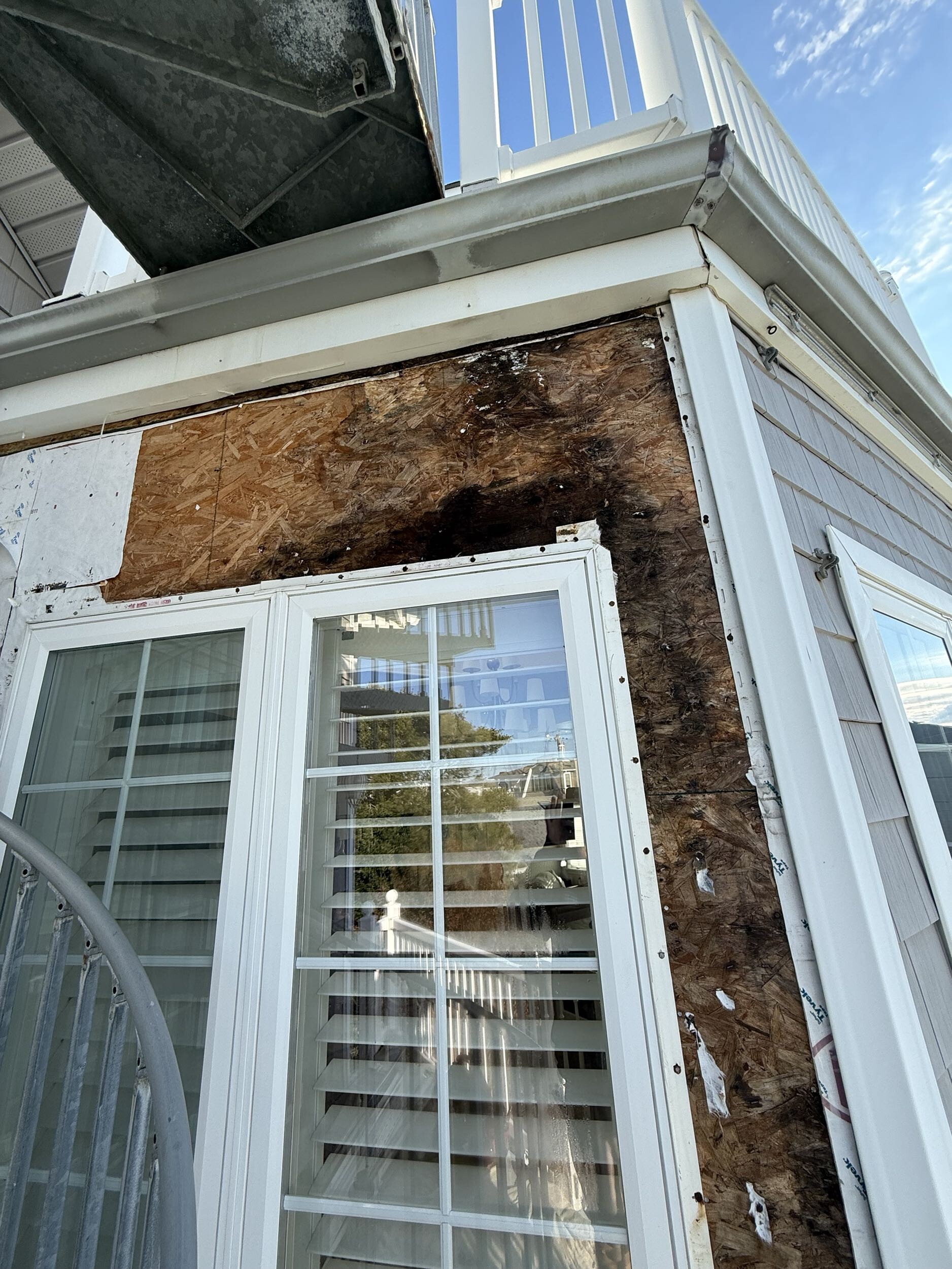
Many homeowners in New Jersey start with the same complaints. The rooms feel cold in winter. You can feel air moving near the glass. Energy bills keep climbing. Along the Jersey Shore, the problems stack up faster. Salt air and wind driven rain can break down old caulk. Moisture can sit in the frame. Over time, that leads to rotting wood, staining around the opening, and even soft wall sheathing.
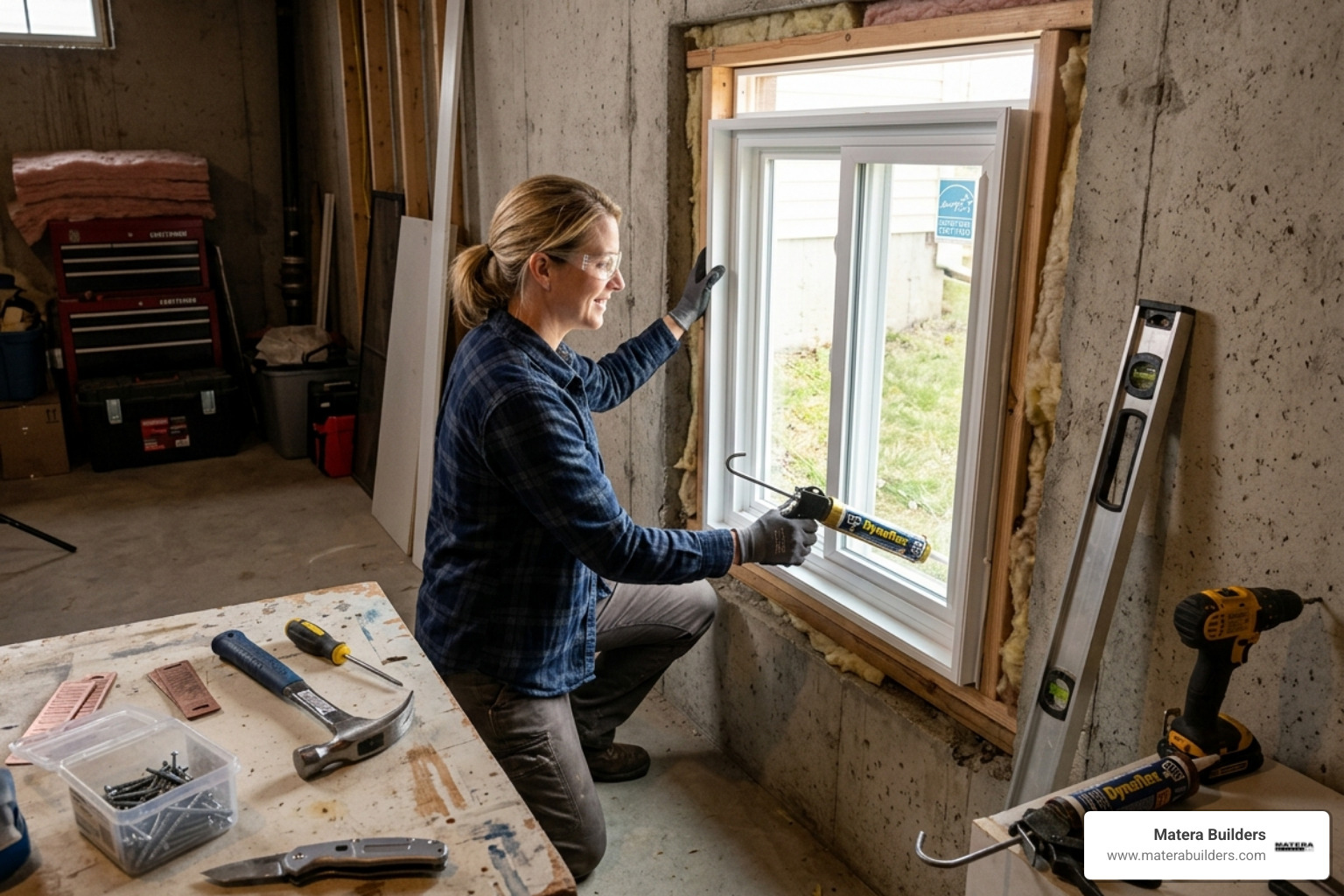
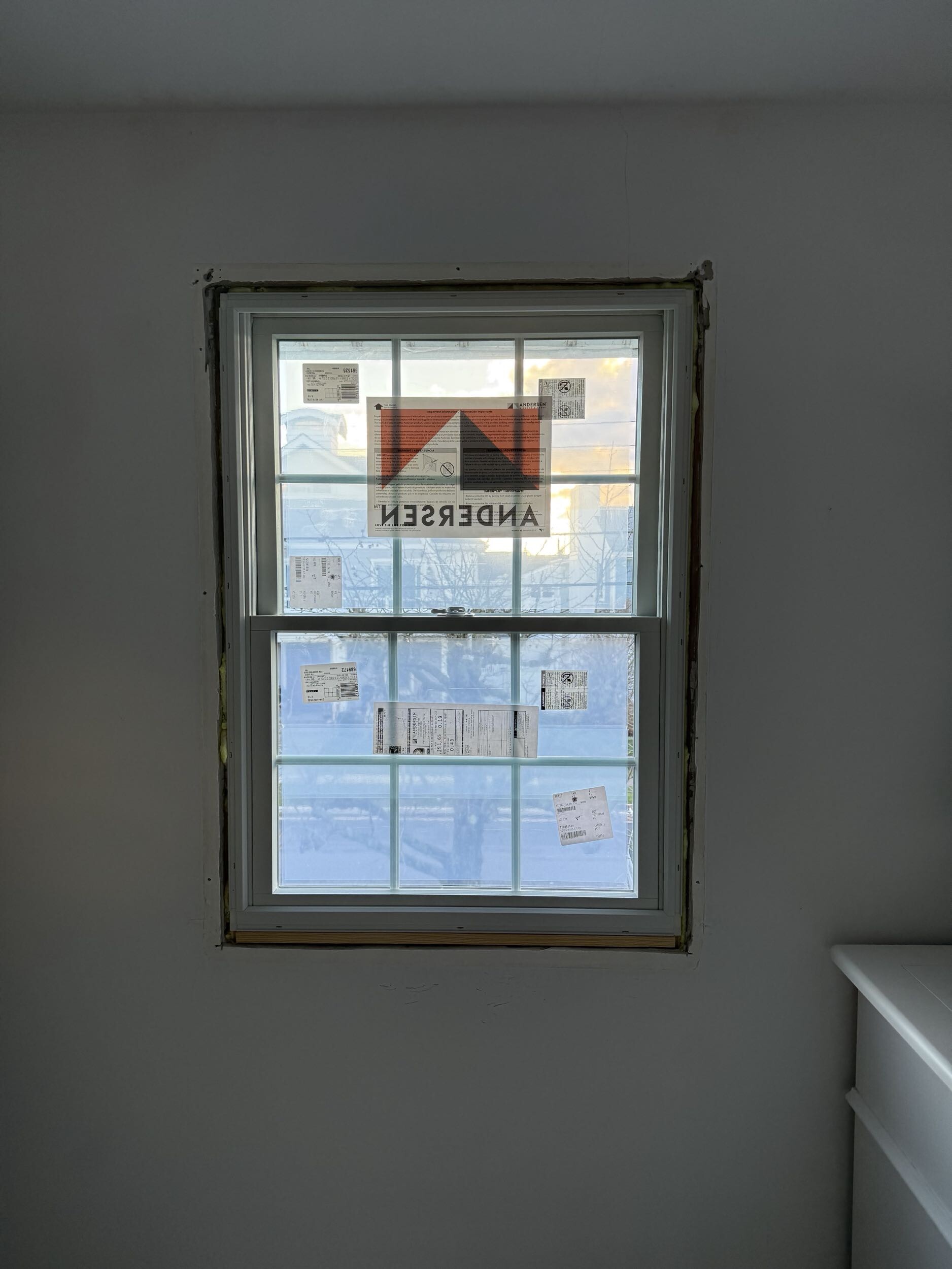
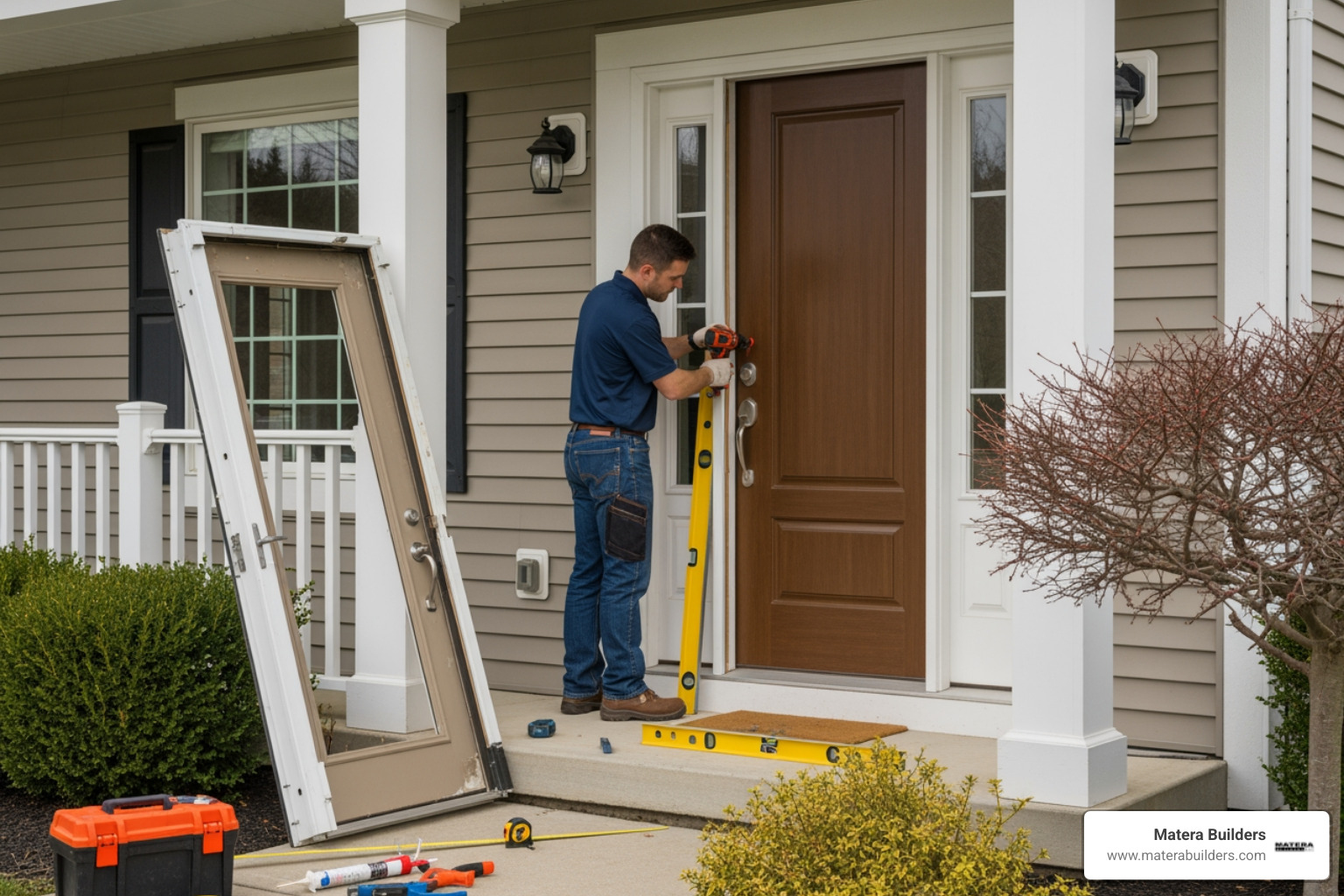
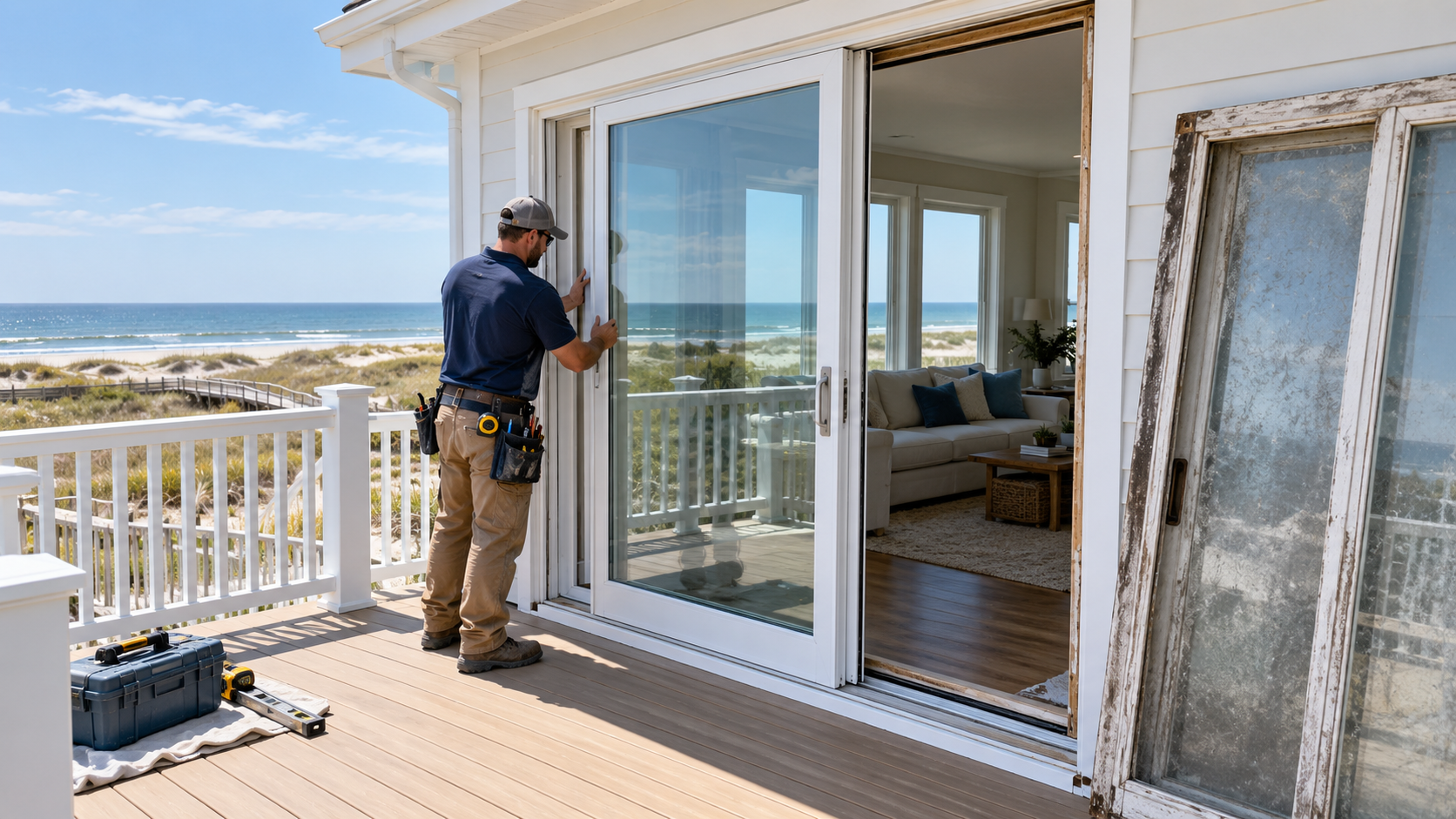
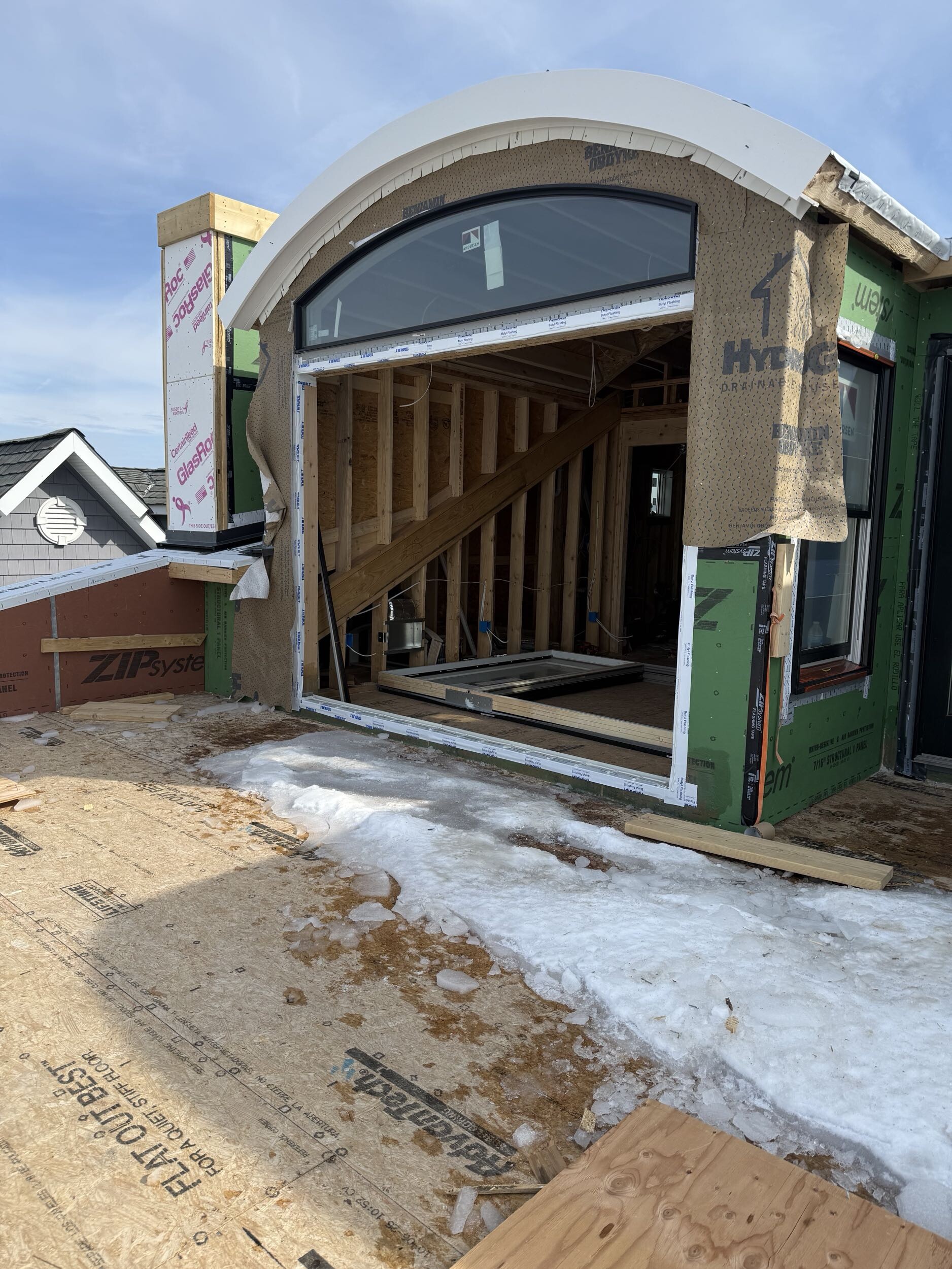
Installing a new construction window in an existing home is one of the cleanest ways to fix all of that because it lets you remove the entire old unit and tie the new window back into the structure. It is not a quick swap. It is closer to rebuilding the window opening so it can manage water, air, and movement again.
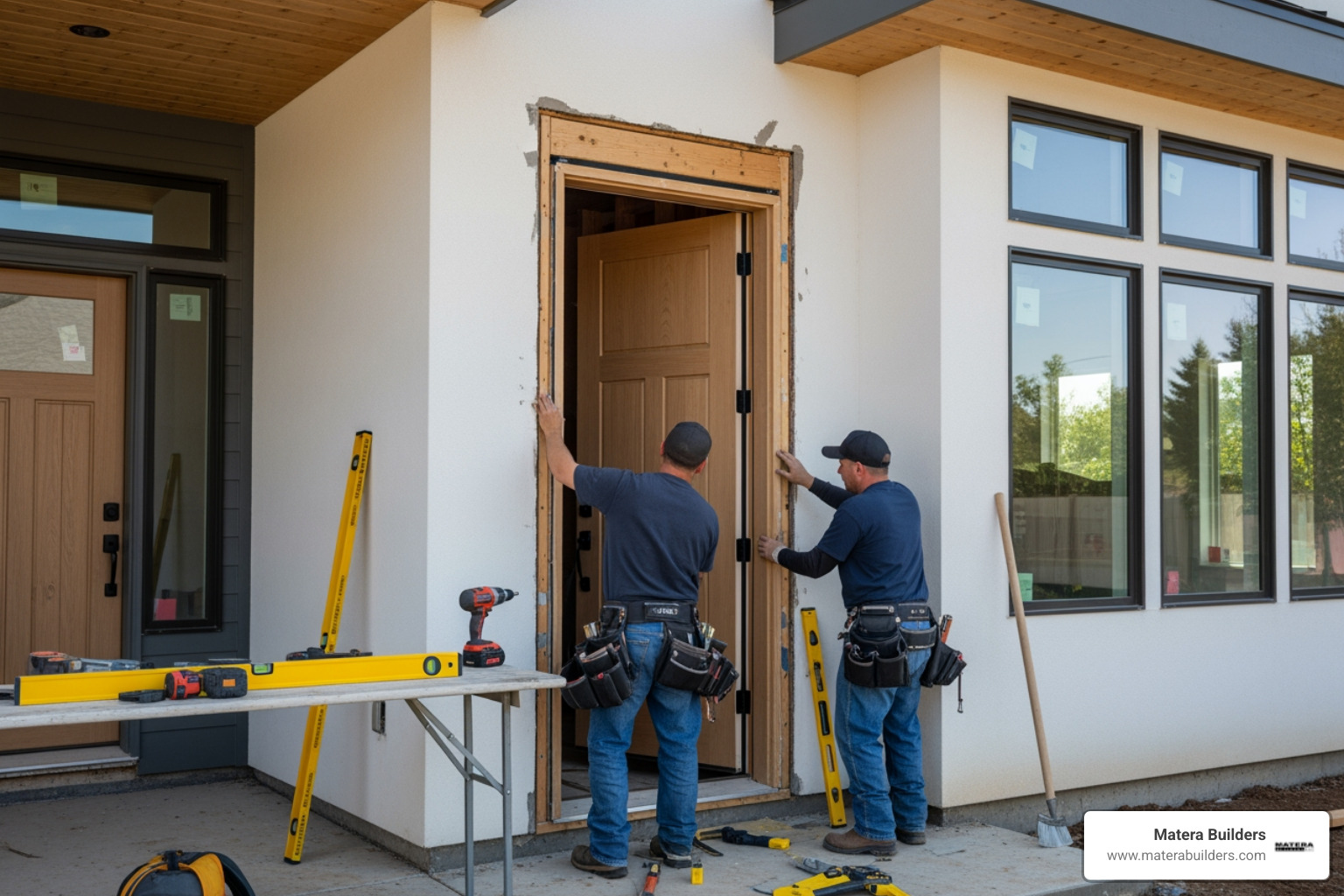
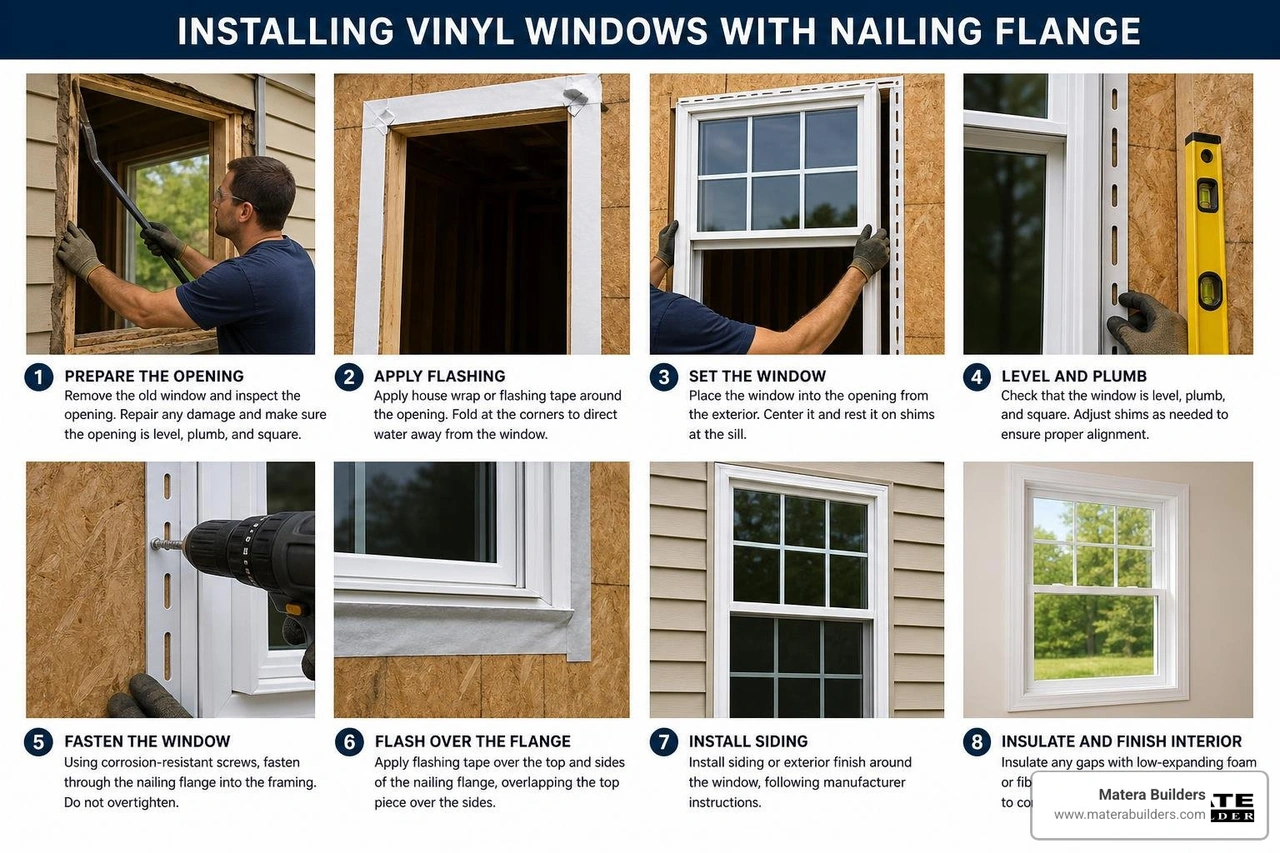
Here is what the process looks like on most retrofit jobs:
- Remove the old window and the old frame.
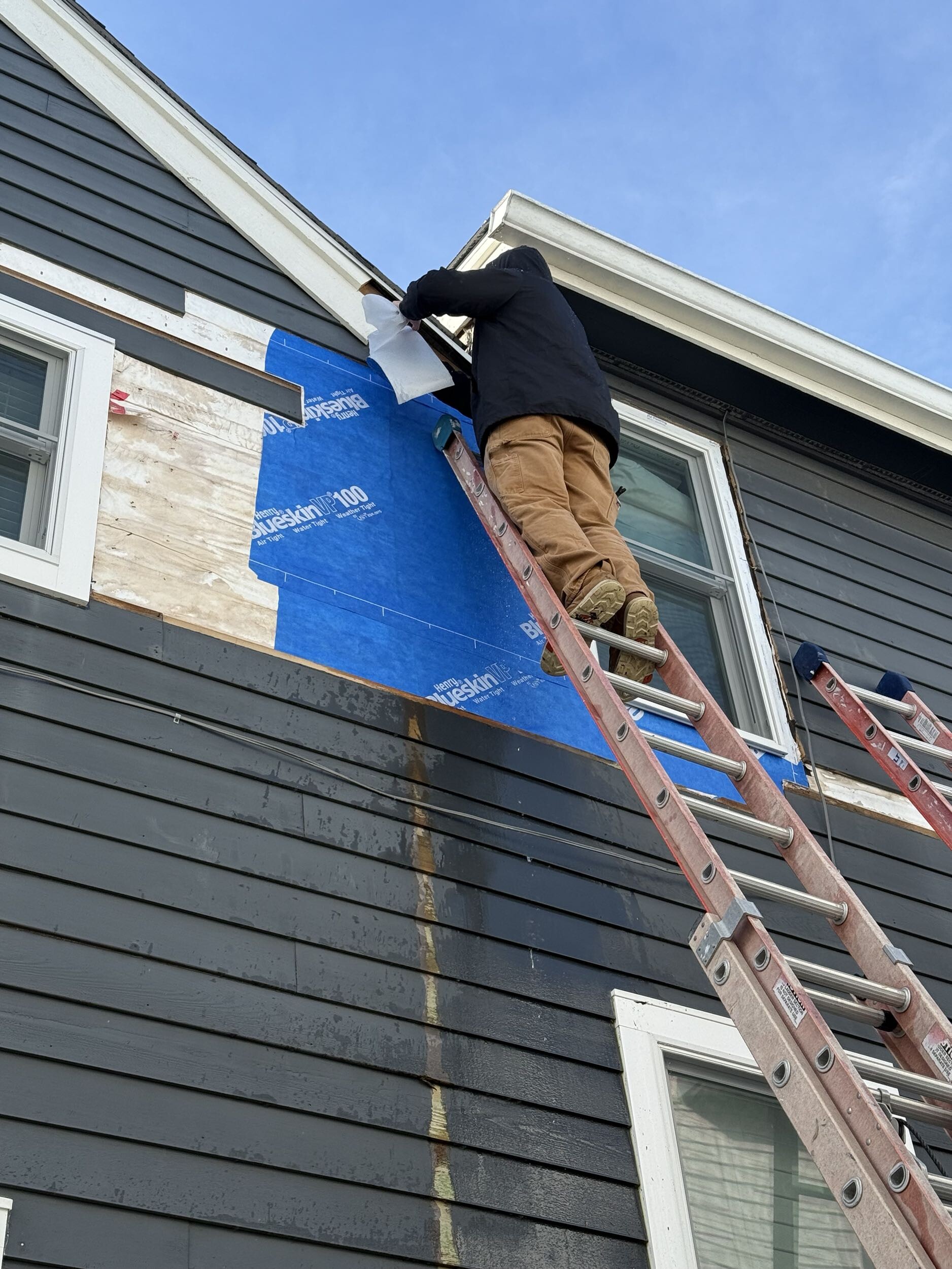
- Cut back the siding so the wall sheathing is exposed.
- Inspect the opening for rot and make sure it is square.
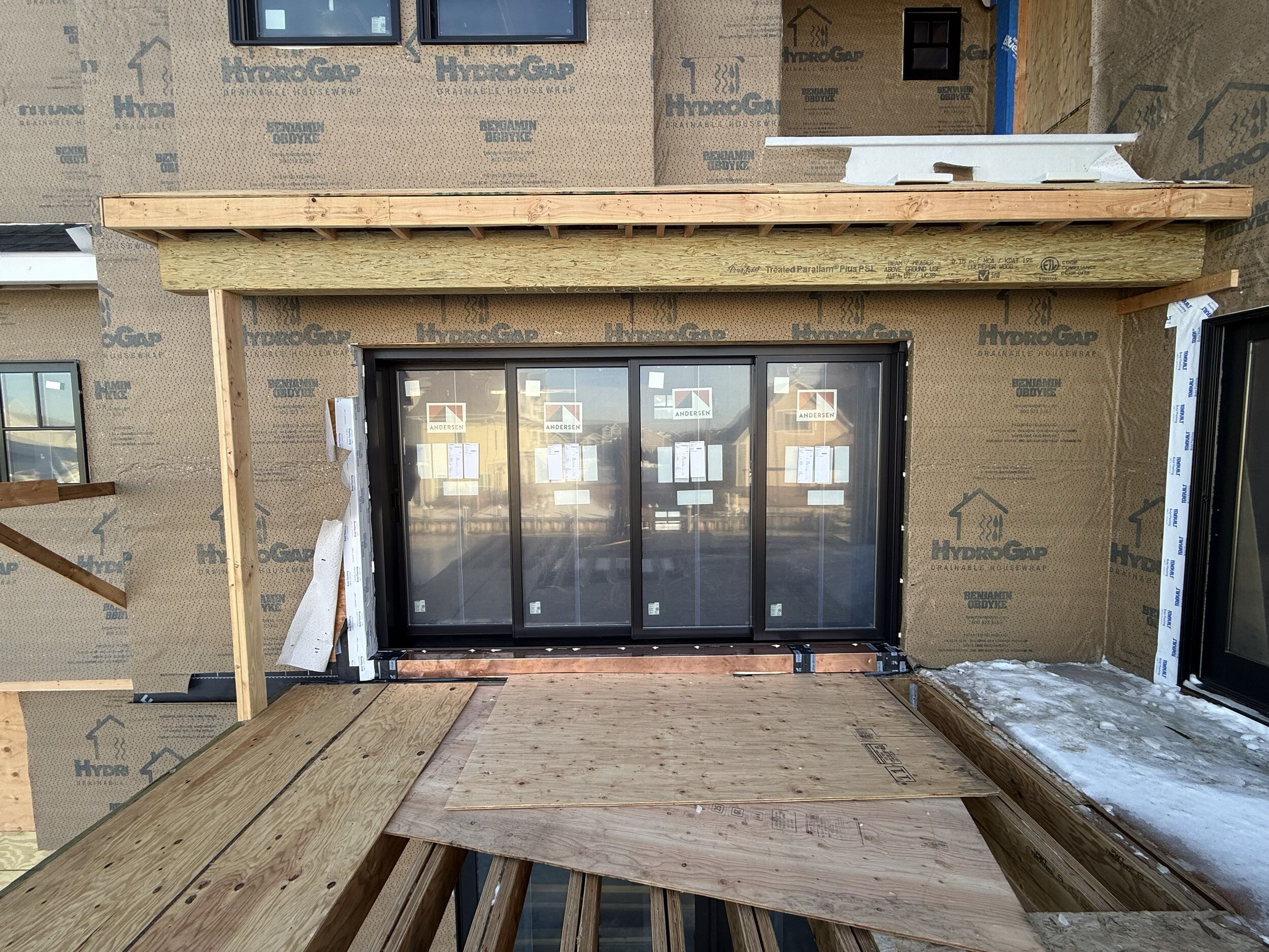
- Build a water managed sill with a sill pan and flashing tape.
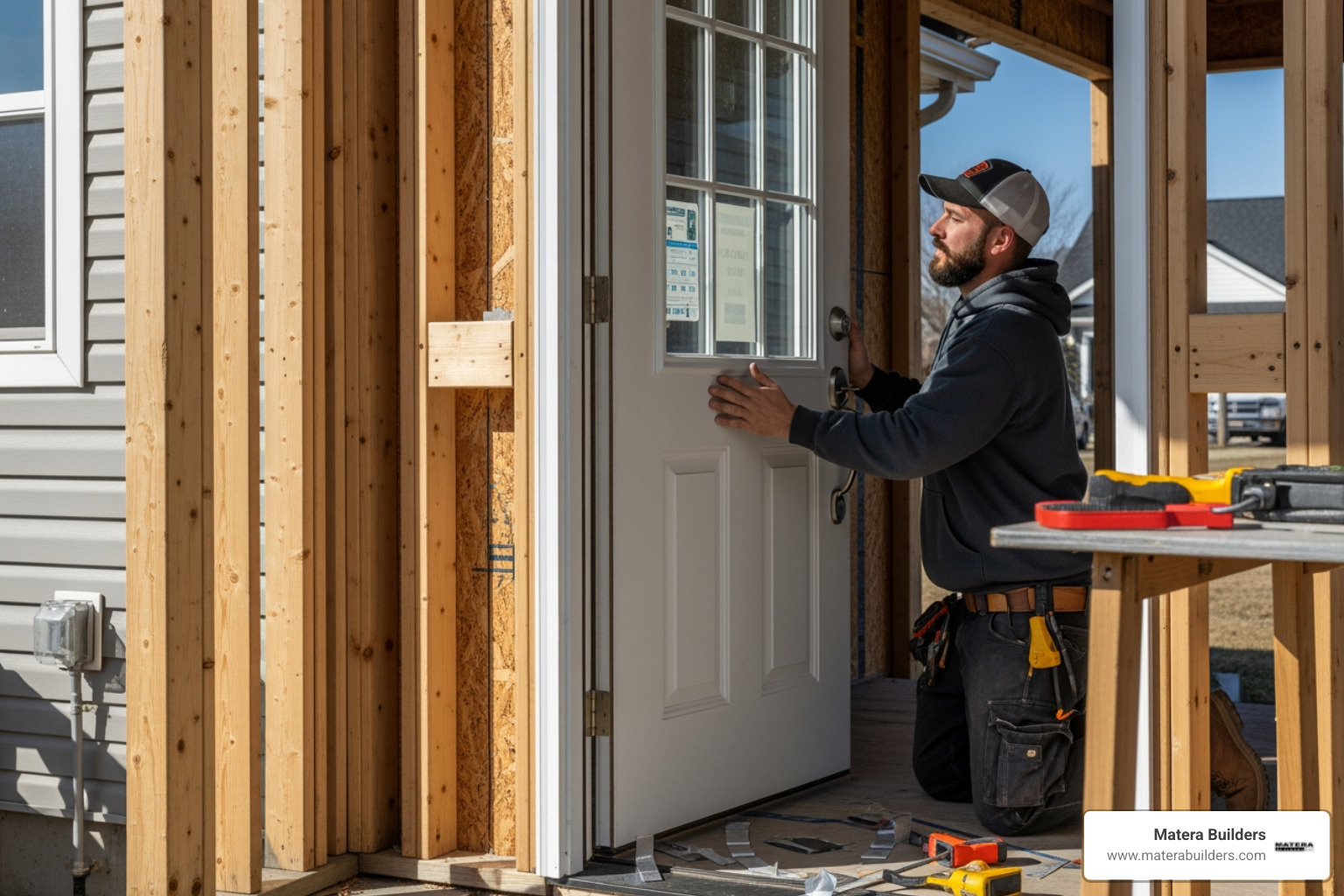
- Set the new window so the nailing flange sits flat on the wall.
- Fasten to the studs and confirm the unit operates correctly.
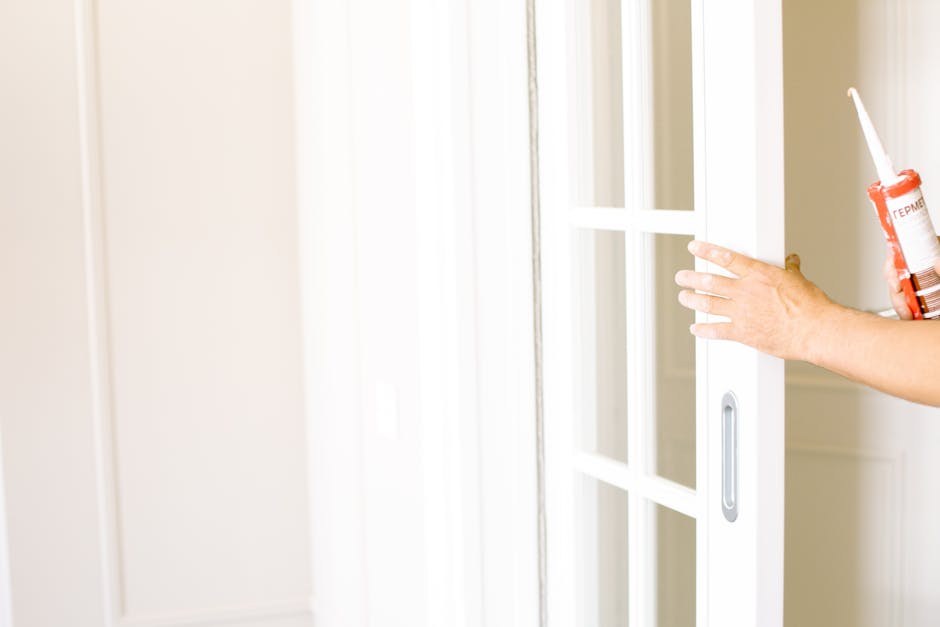
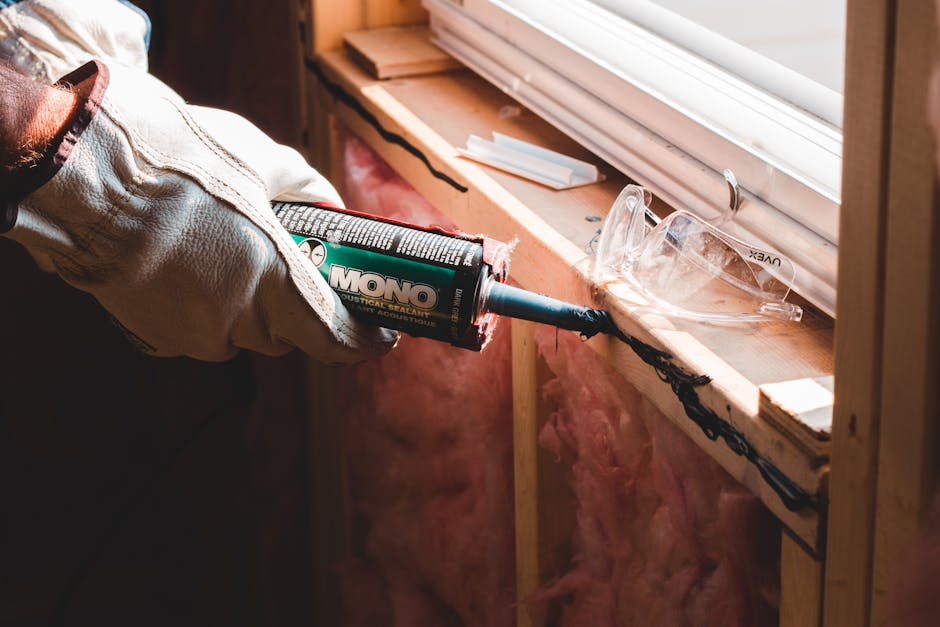
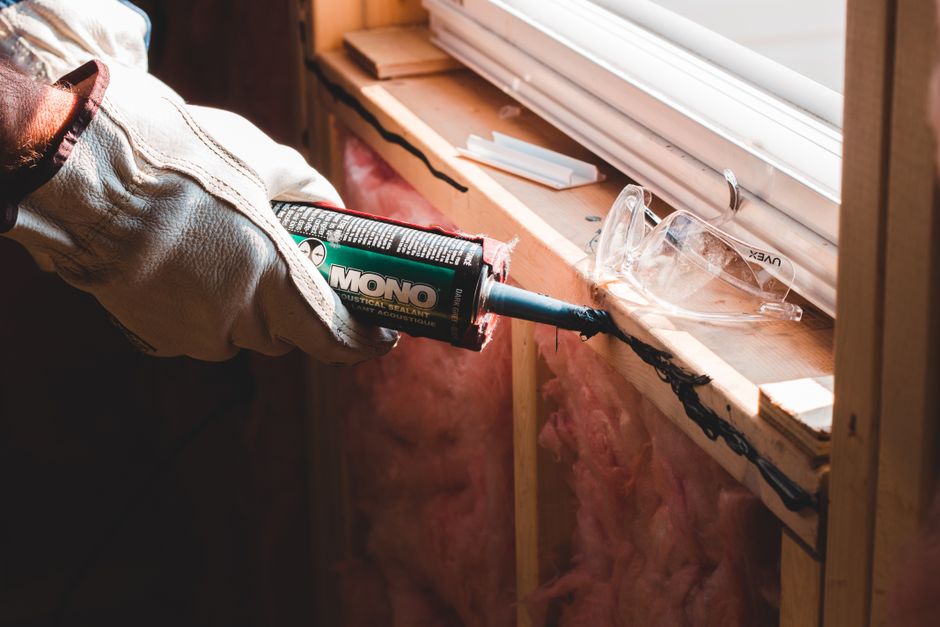
- Seal and insulate with low expansion foam, backer rod, and caulk.
- Rebuild the exterior details with trim, drip cap, and siding repairs.
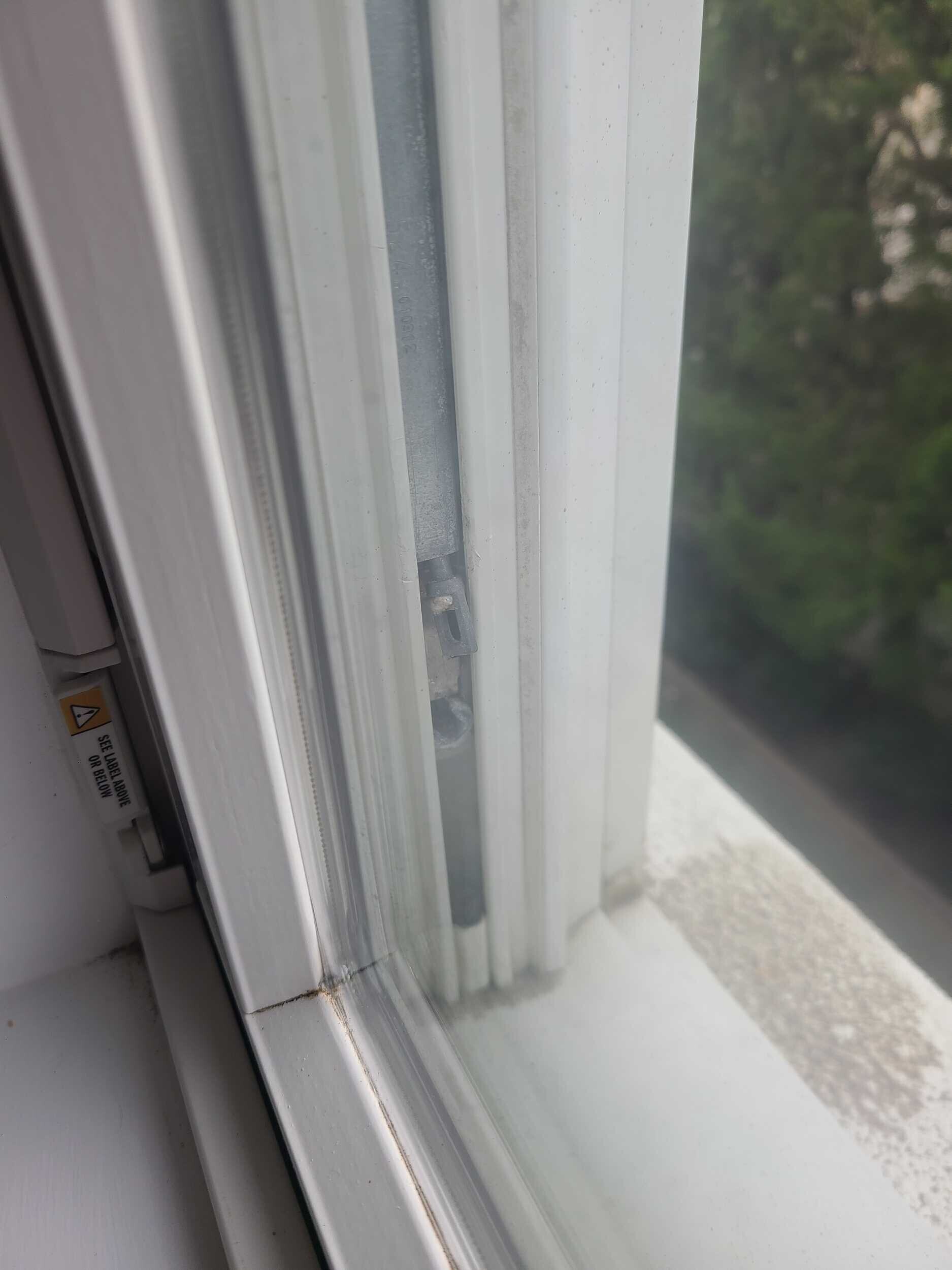
This is different from a replacement window. A replacement window slides into the old frame. It can be a good choice when the existing frame is solid and the wall is dry. But it does not fix hidden water damage or a failing drainage plane.
A flanged new construction window is attached to the framing of the house. That is why it lasts longer when the old frame is compromised. Done right, it also gives you a better shot at long term air sealing and water control.
For New Jersey homeowners, this matters. Coastal humidity, freeze thaw cycles, and strong storms all push water toward weak spots. Most window leaks are not from the glass. They are from poor flashing, missing drip caps, or trim details that trap water.
"A flanged new-construction window in an existing opening can be difficult to install. The difficulty is integrating the new window's nailing flange into the house's existing drainage plane so that any water leaks are directed outside the building." Source: Fine Homebuilding
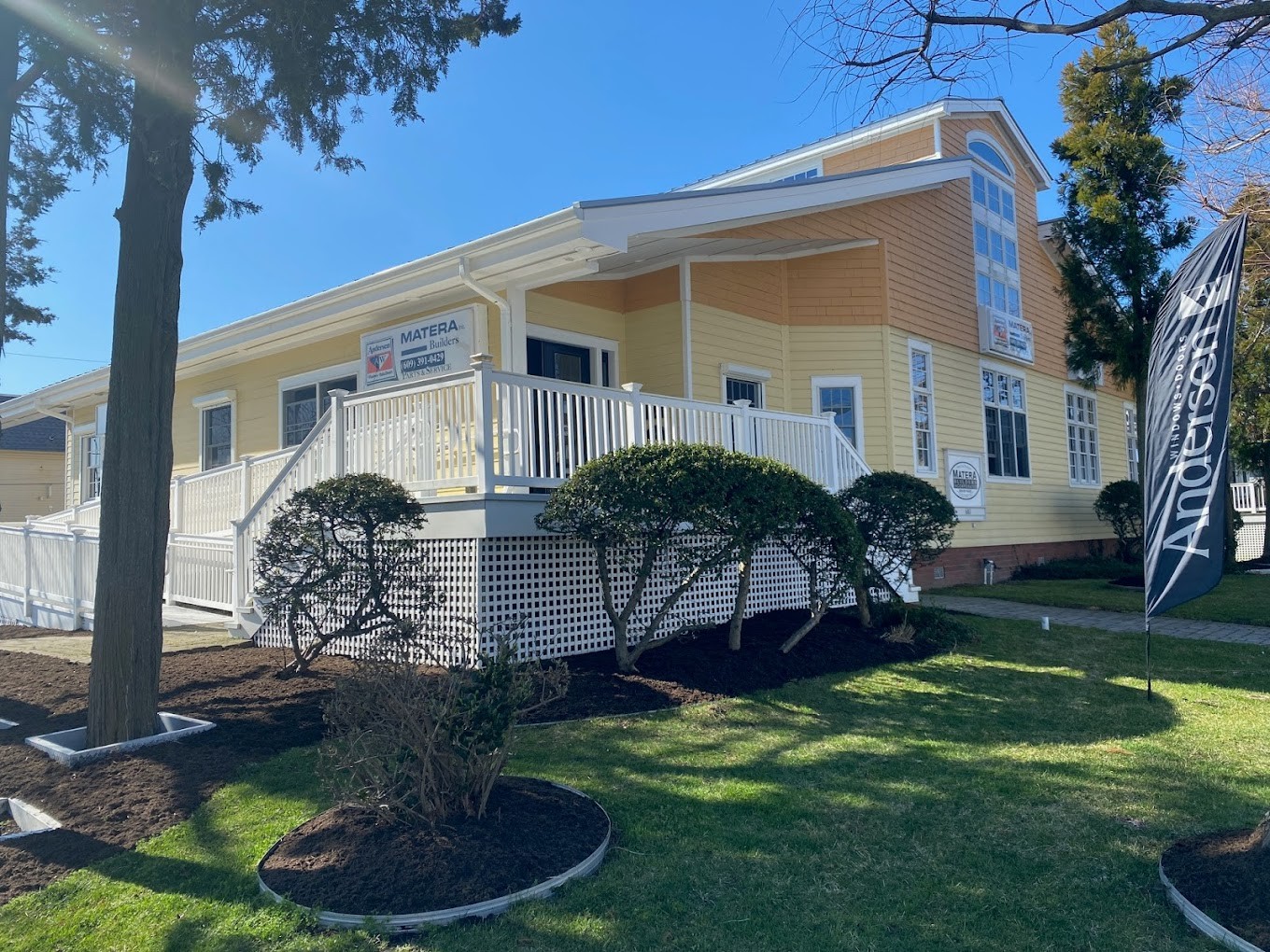
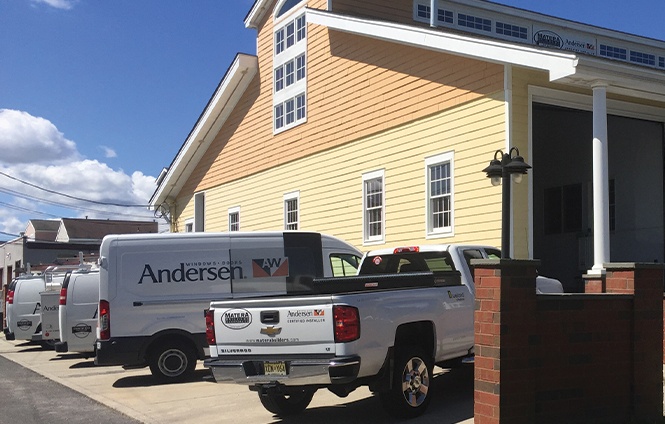
I am Mike Werner, CEO of Matera Builders, an Andersen Elite Certified Contractor managing exterior renovations in Ocean City, Avalon, Stone Harbor, and Sea Isle City since 1988. When we take on a full frame window job, we treat it like part of the wall system. The goal is simple: keep bulk water out, stop air leaks, and make sure the opening can dry if it ever gets wet.
A helpful way to think about it is the Four Ds of water management. If you get these right, the window install holds up. If you miss one, problems show up later.

Understanding New Construction vs. Replacement Windows
There are two main types of windows. These are replacement windows and new construction windows. The difference is how they attach to your house.
Replacement windows sit inside your old window frame. You leave the old frame in the wall and slide the new unit in. This is fast, but you lose glass space. If your old frame is rotting, a replacement window will not fix the issue.
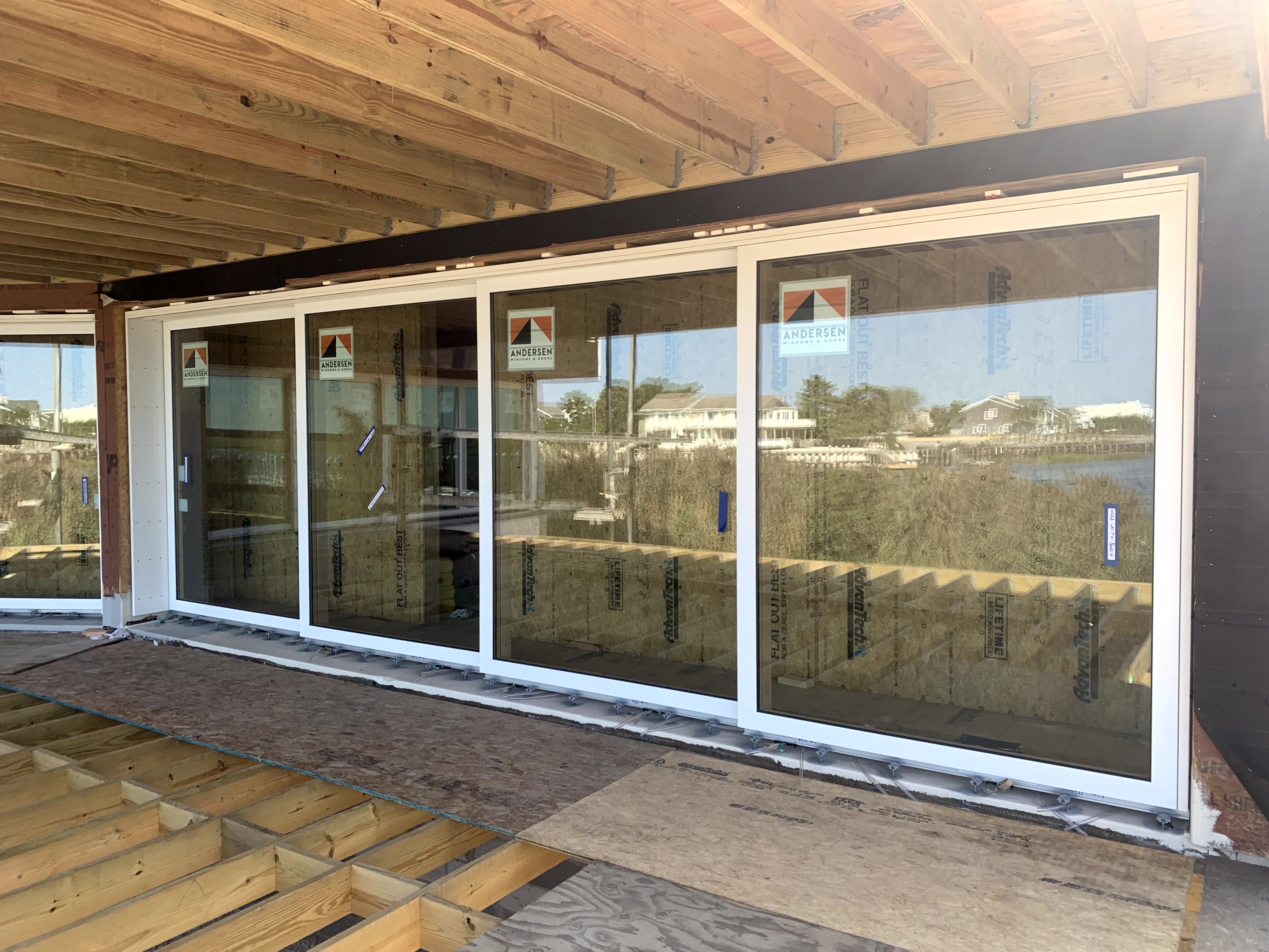
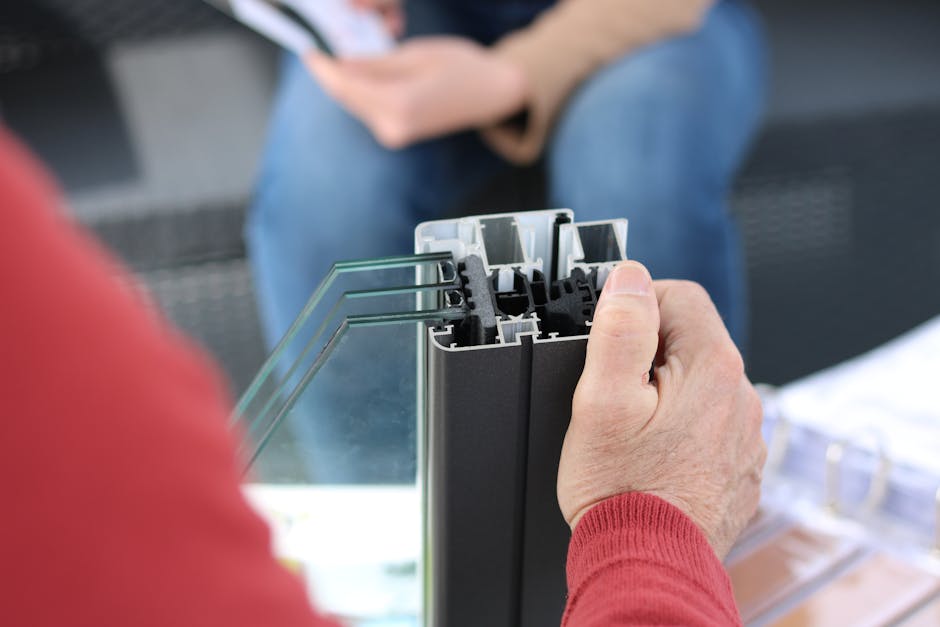
A new construction window has a nailing flange. This is a flat strip that goes around the frame. This flange lets us nail the window directly into the wood studs of your home. This creates a much stronger bond. It also creates a better seal against the wind and rain.
FeatureNew Construction WindowReplacement WindowHow it attachesNailed to wall studsScrewed into old frameFrame RemovalFull frame is removedOld frame staysGlass AreaMore glassLess glassBest ForRotting frames or big upgradesQuick swapsWater TightnessVery highModerate
At Matera Builders, we often suggest this method for coastal window replacement. If you have water damage or want the best energy efficiency, the nail flange is the best choice.
Installing a New Construction Window in an Existing Home
The process starts with the exterior of your home. The nailing flange must sit flat against the wall. This means we have to move the siding.
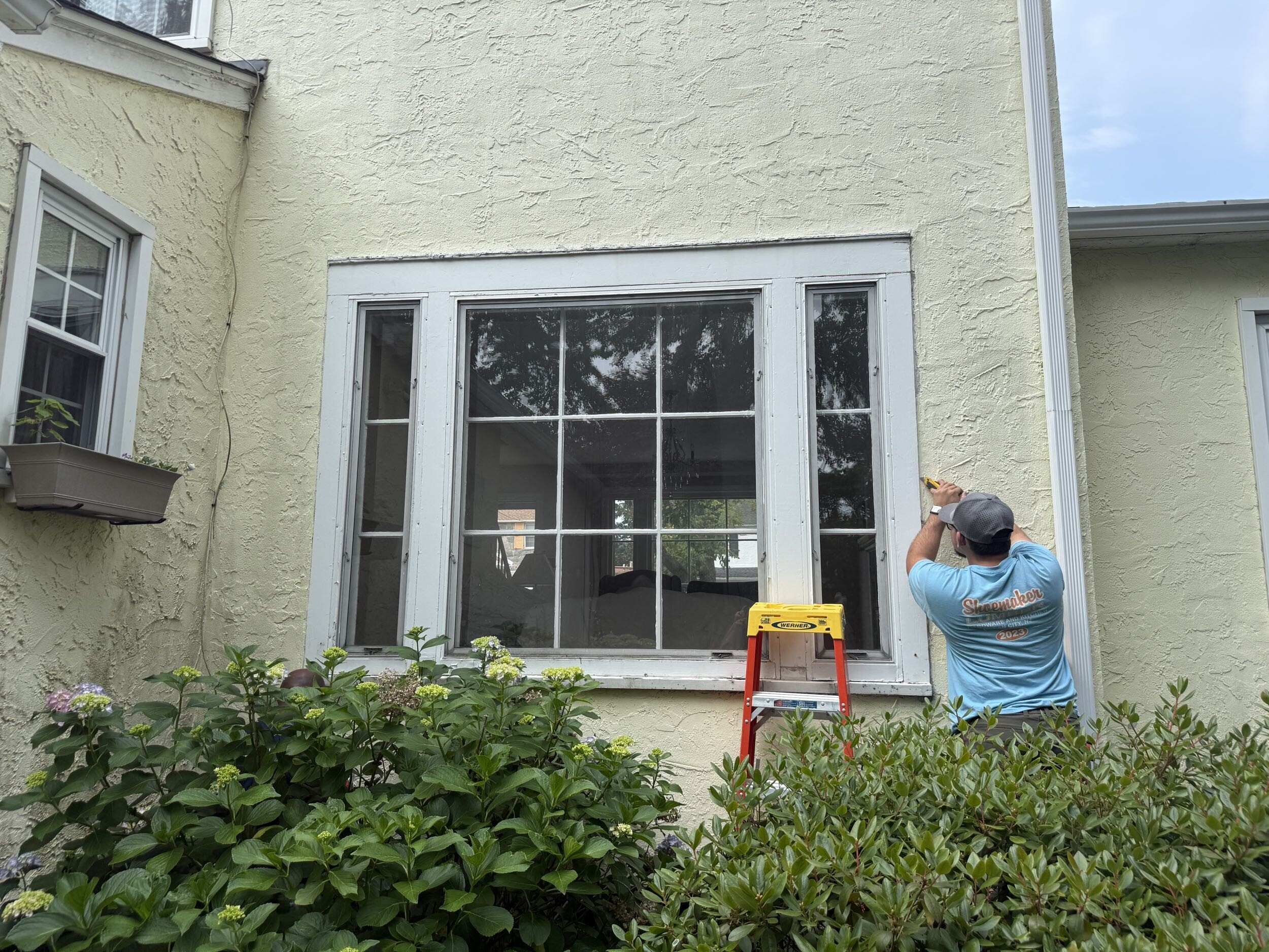
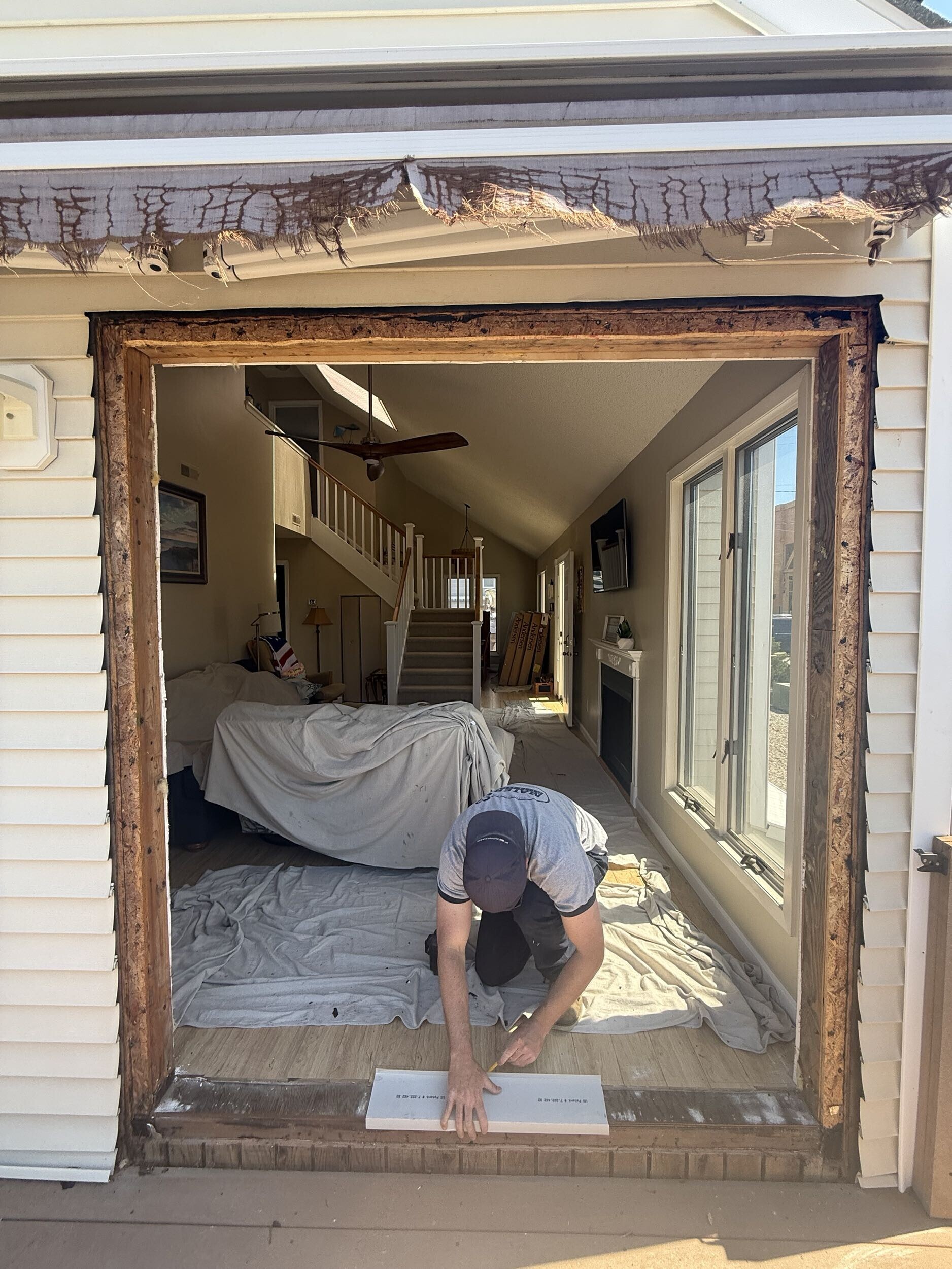
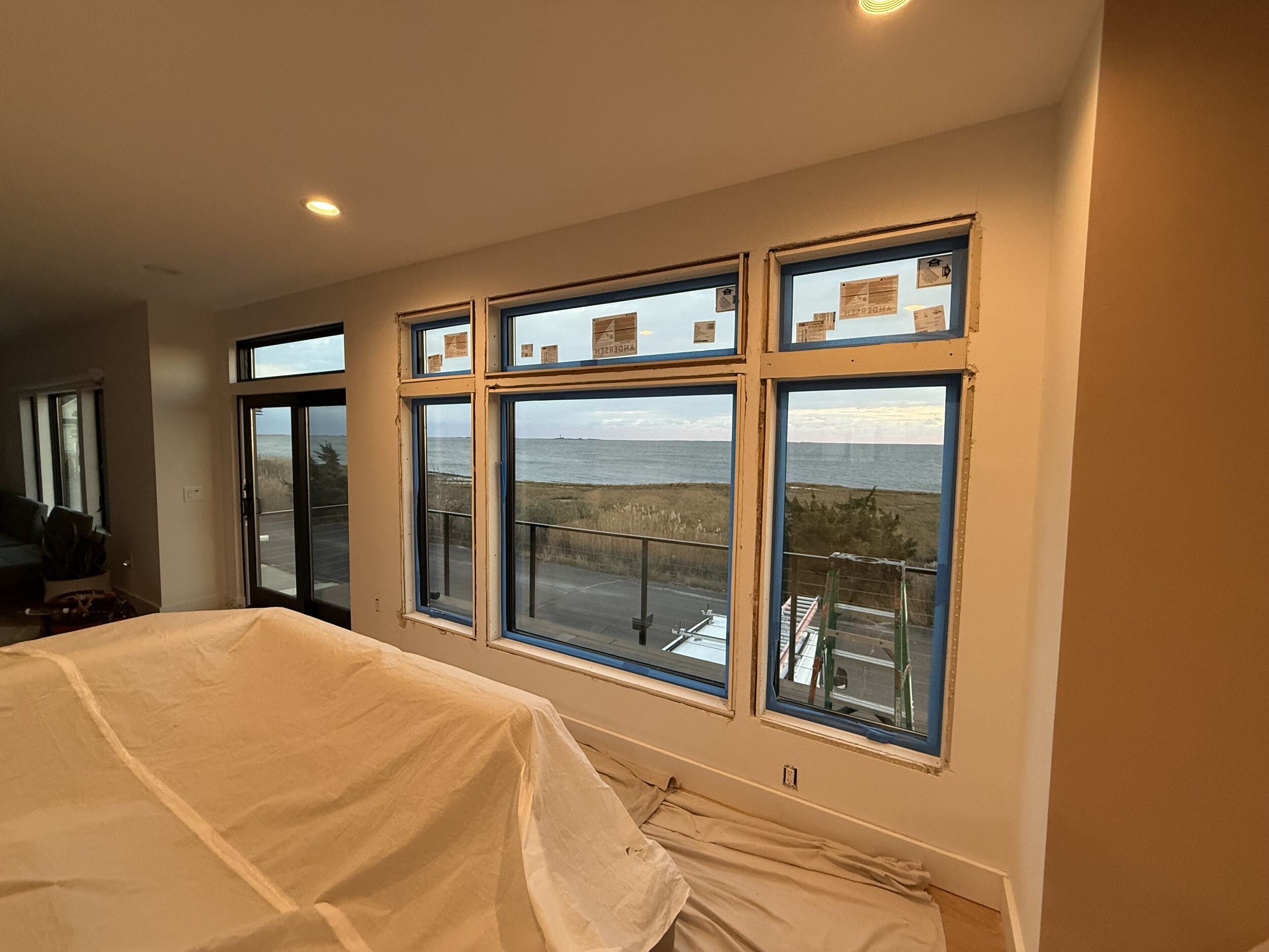
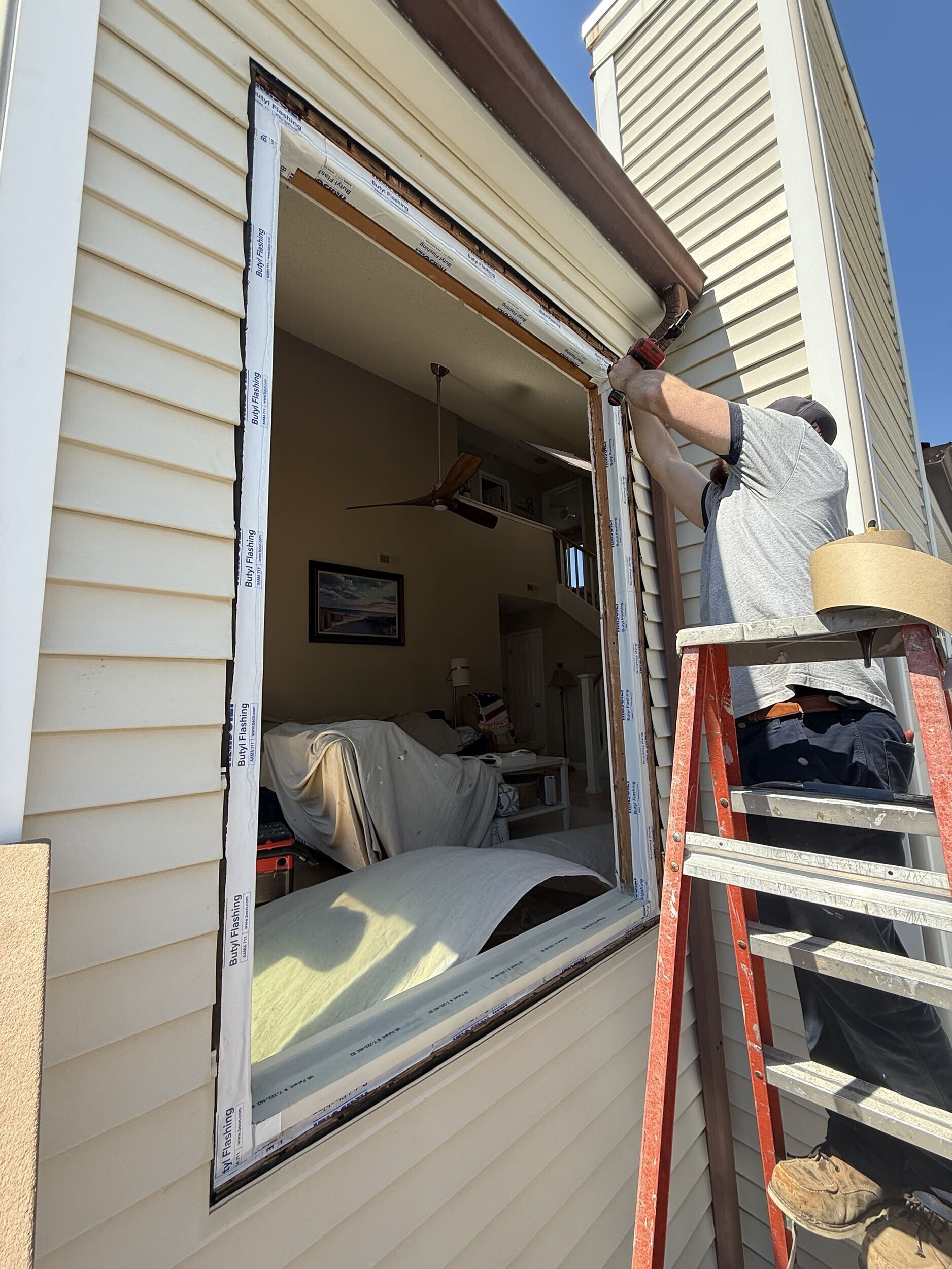
We mark a line around the window. We cut back the siding about 2 or 3 inches. This shows us the wood sheathing underneath. Then we remove the old window and the frame. This leaves a rough opening in your wall.
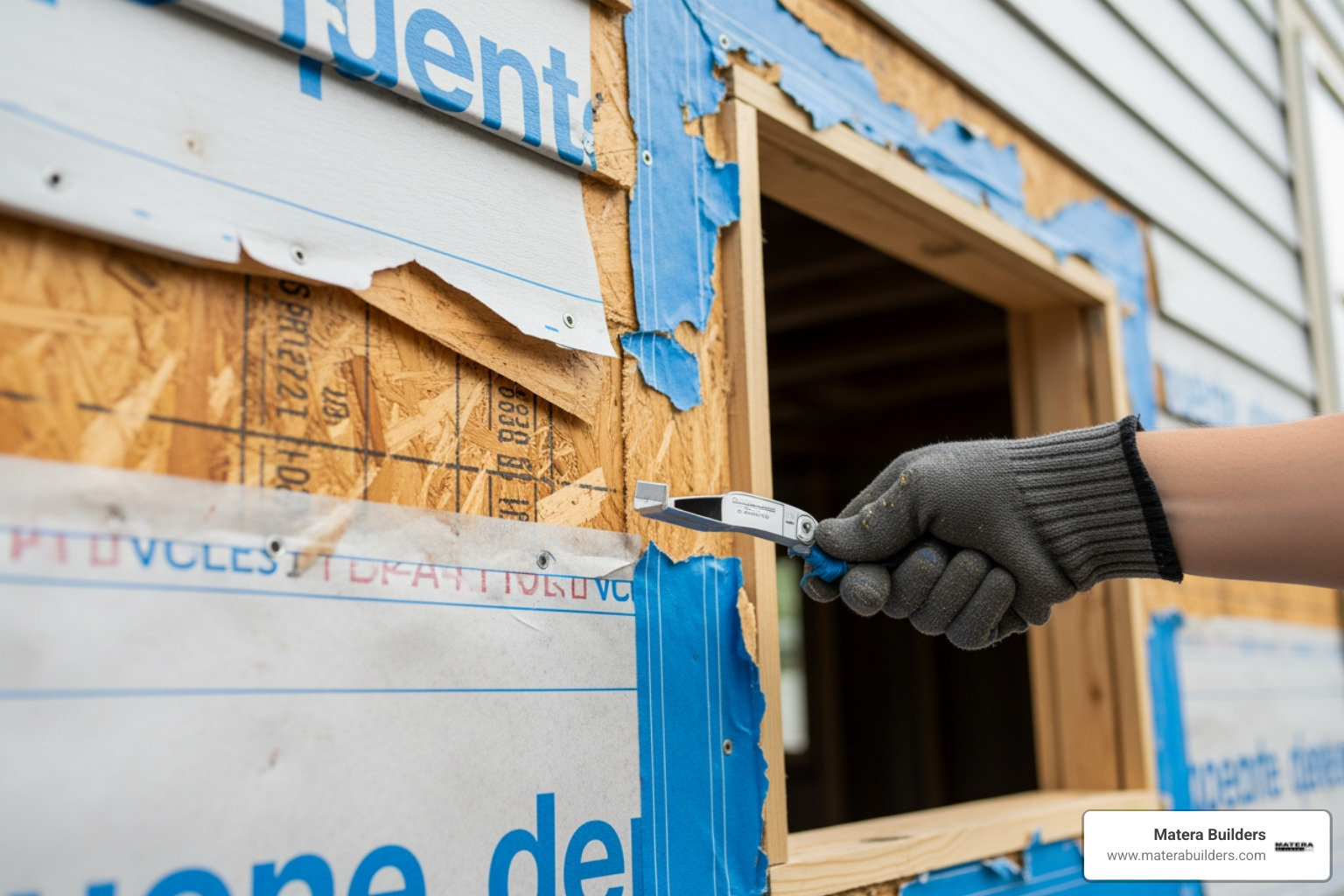
This lets us look for rot. If we find damage from salt air, we fix it right away. We specialize in Andersen Windows installation for these projects. Their products work well for a full frame installation and provide a weather-tight home.
Preparing the Rough Opening
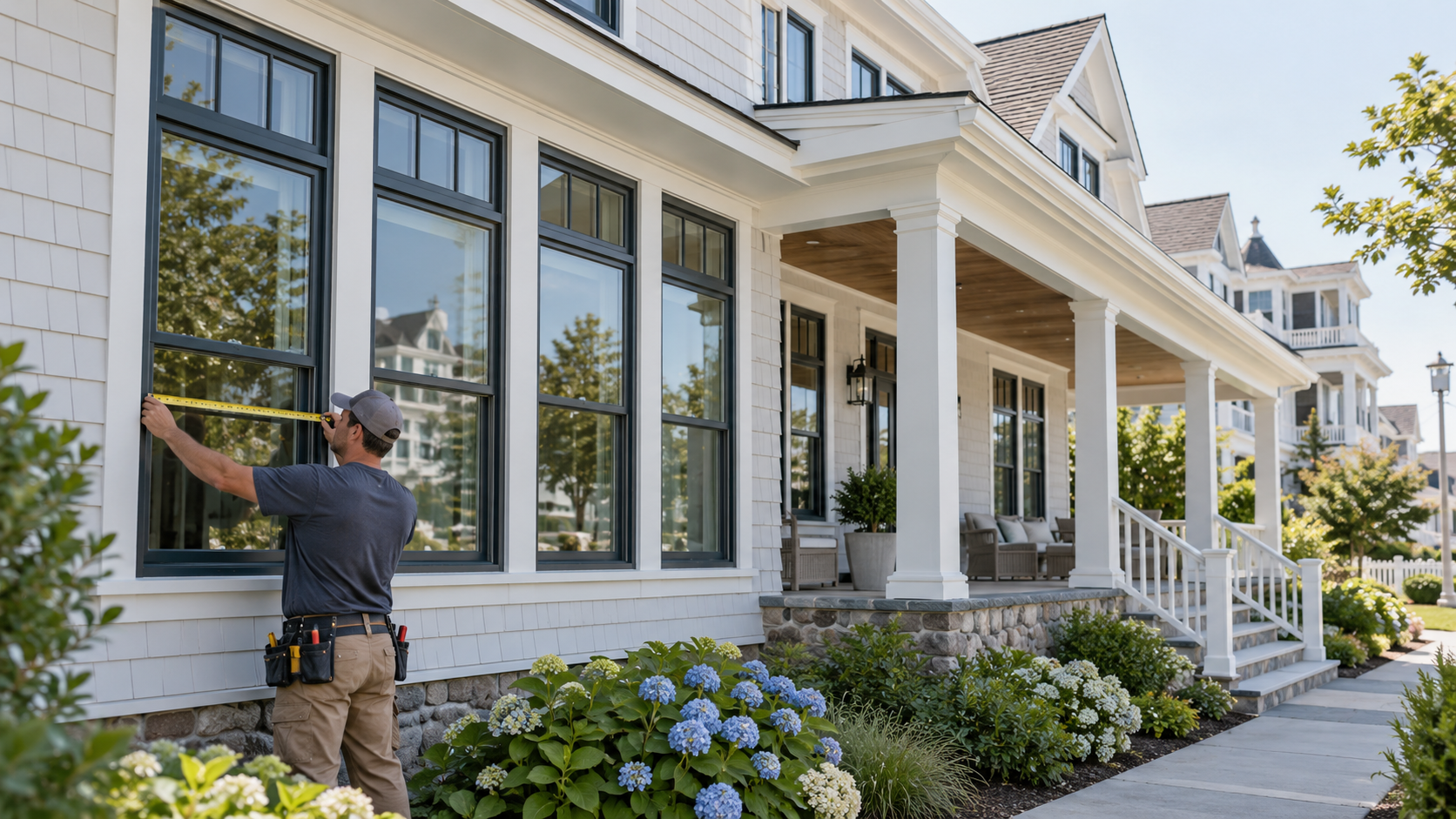
We make sure the opening is perfect before the window goes in. We measure the width and height. We also check if the opening is square. We measure from corner to corner. If the numbers match, the window will sit straight. A window that is not square will be hard to open. It will also leak air.
We also install a sill pan at the bottom. This is a piece of flashing that tilts outside. If water ever gets in, the sill pan sends it back out. This helps meet Energy Star window performance standards.
Handling Siding and Trim
We handle your siding with care. After the window is in, we do not just push the siding back. We install new trim or J-channels. This hides the cut edges. We also use a drip cap. This is a metal piece on top of the window that keeps rain away. This makes the window look like it was always part of the house.
Critical Flashing and Sealing for Water Tightness
In New Jersey, water is a big problem. When installing a new construction window in an existing home, flashing is key. It keeps the inside of your walls dry.
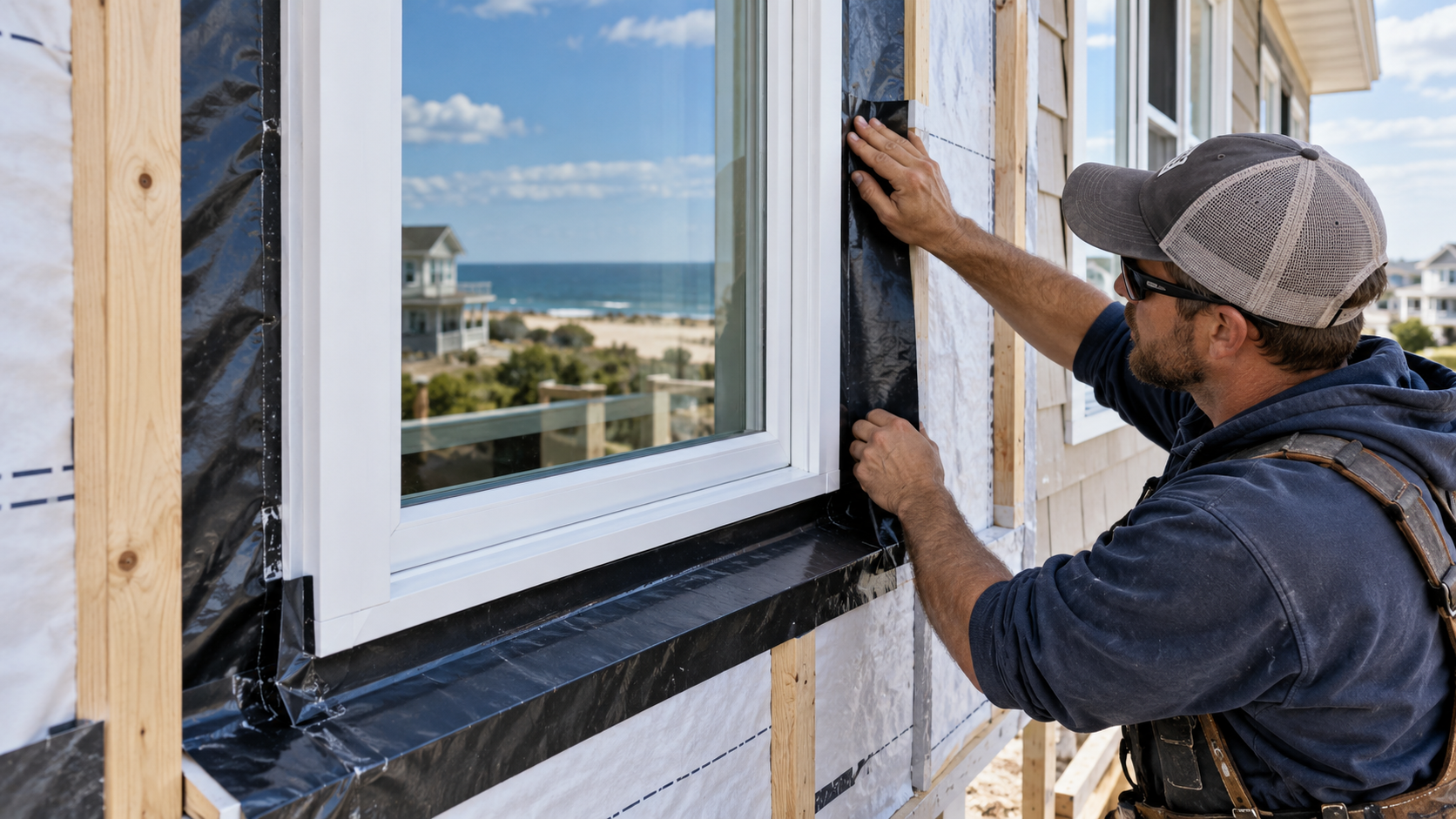
We use high quality flashing tape. We put it on the bottom first. Then we do the sides and the top. This is called shingle lapping. It makes sure water runs over the tape and not behind it. We use a roller to press the tape down for a tight seal.
Proper Integration
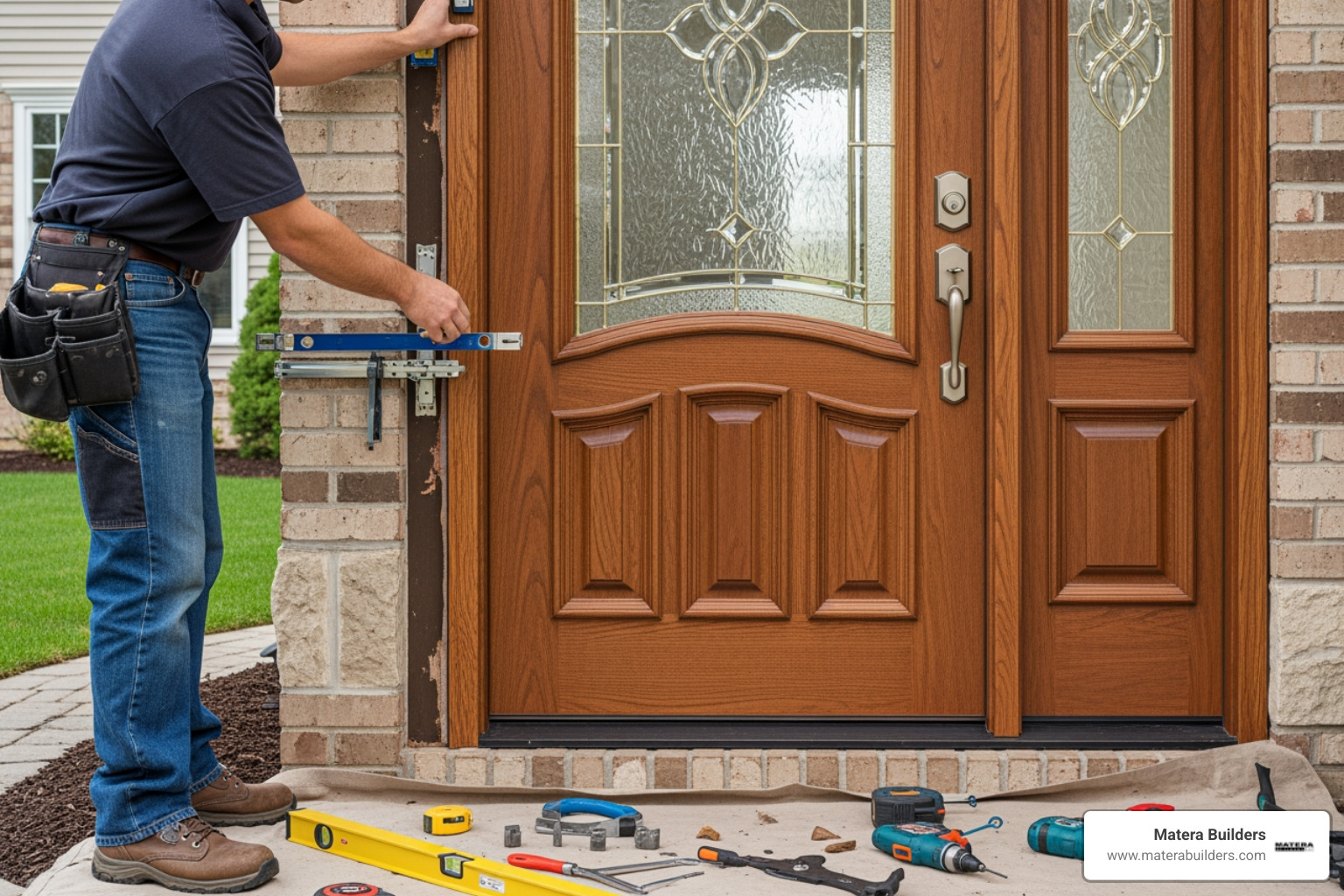
Once the window is in, we go inside. We use shims to center the window. We use composite shims because they do not rot.
We secure the window with screws through the nail flange. Then we seal the gap with spray foam. We use low expansion foam. Regular foam can expand too much and bend the window frame. Finally, we use high quality caulk on the outside joints. This keeps the seal flexible as the house moves with the seasons.
Why Professional Installation Matters
Installing a new construction window in an existing home is a big job. If you make one mistake with the flashing, your wall could rot. You might not see the damage for years.
At Matera Builders, Mike Werner has strict rules for every job. We use the right tools like pressure rollers and laser levels. We also follow lead safe rules for older homes.
Many window brands only give you a full warranty if the window is installed correctly. As a professional window replacement contractor, we make sure your investment is safe. You can learn more about our full-service renovation and installation standards to see how we work.
Long Term Benefits
There are many reasons to choose this method over a cheap insert.
- Energy efficient windows: We seal the window directly to the house. This stops air leaks and lowers your energy bills.
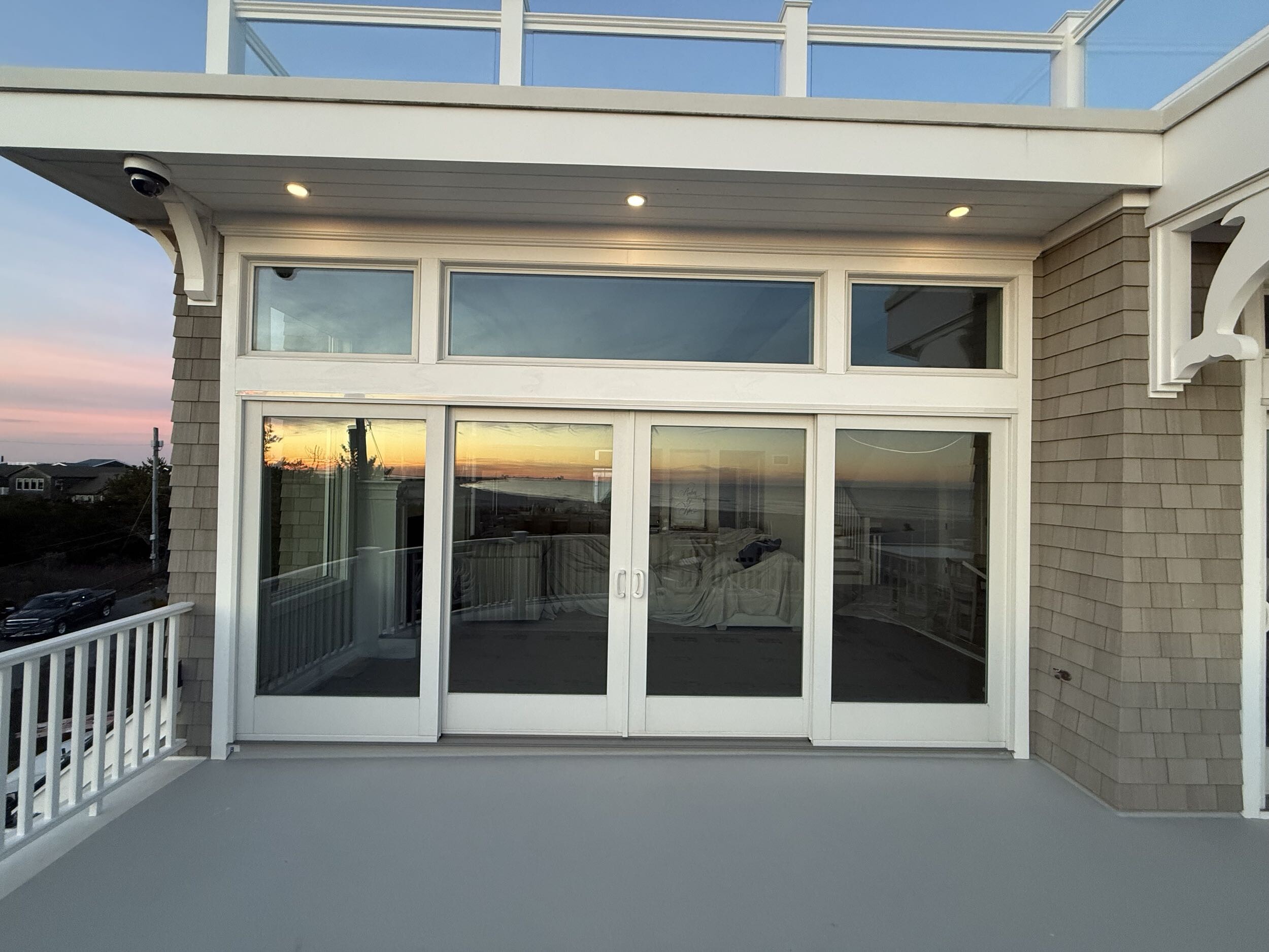
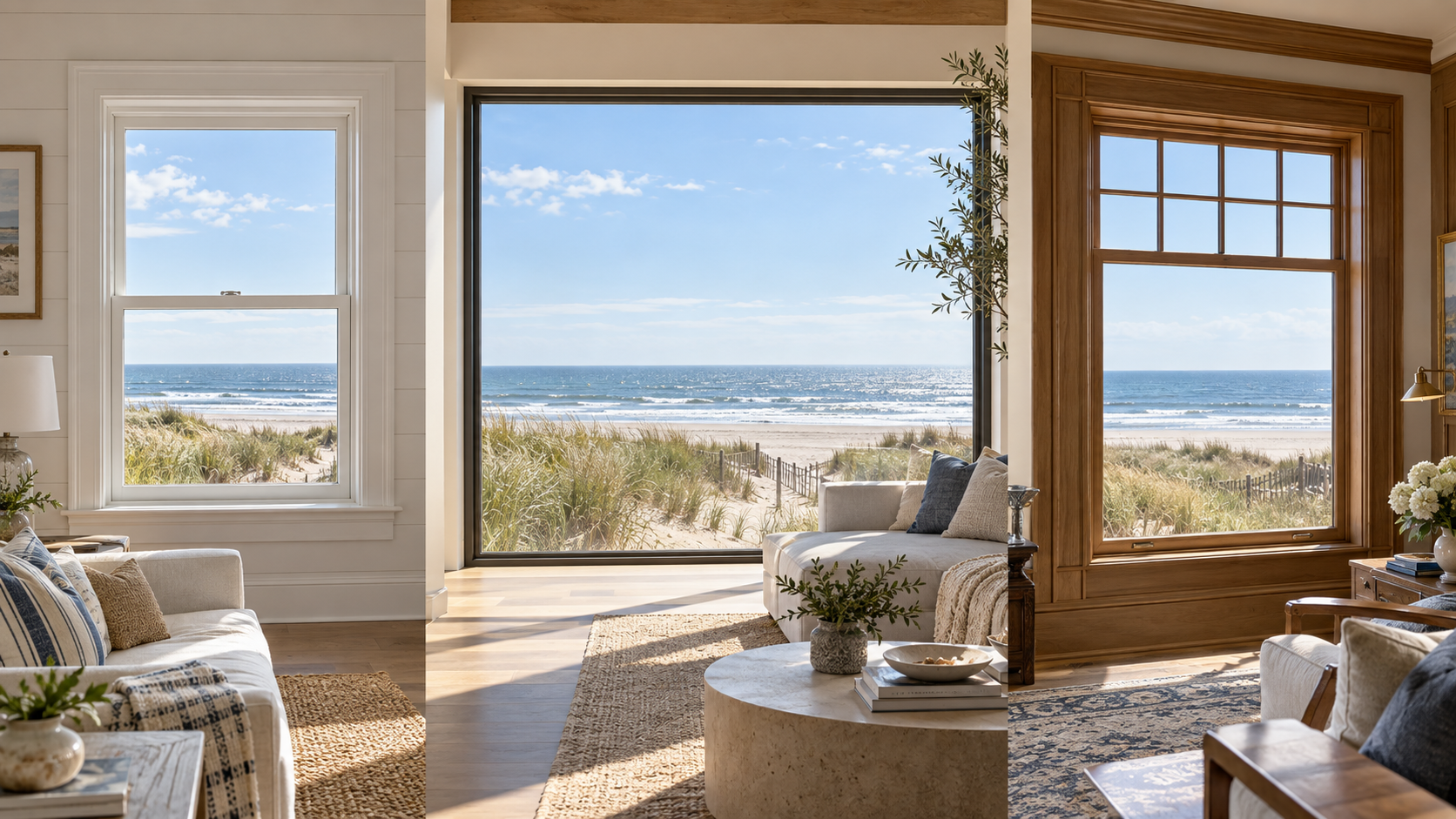
- Durability: We install the Andersen 400 Series, E-Series, and A-Series. These frames are far stronger than builder-grade vinyl and will not warp in the humid Jersey Shore weather.
- Home Value: New construction windows look better. They allow for wider trim and more glass. This can increase the value of your home.
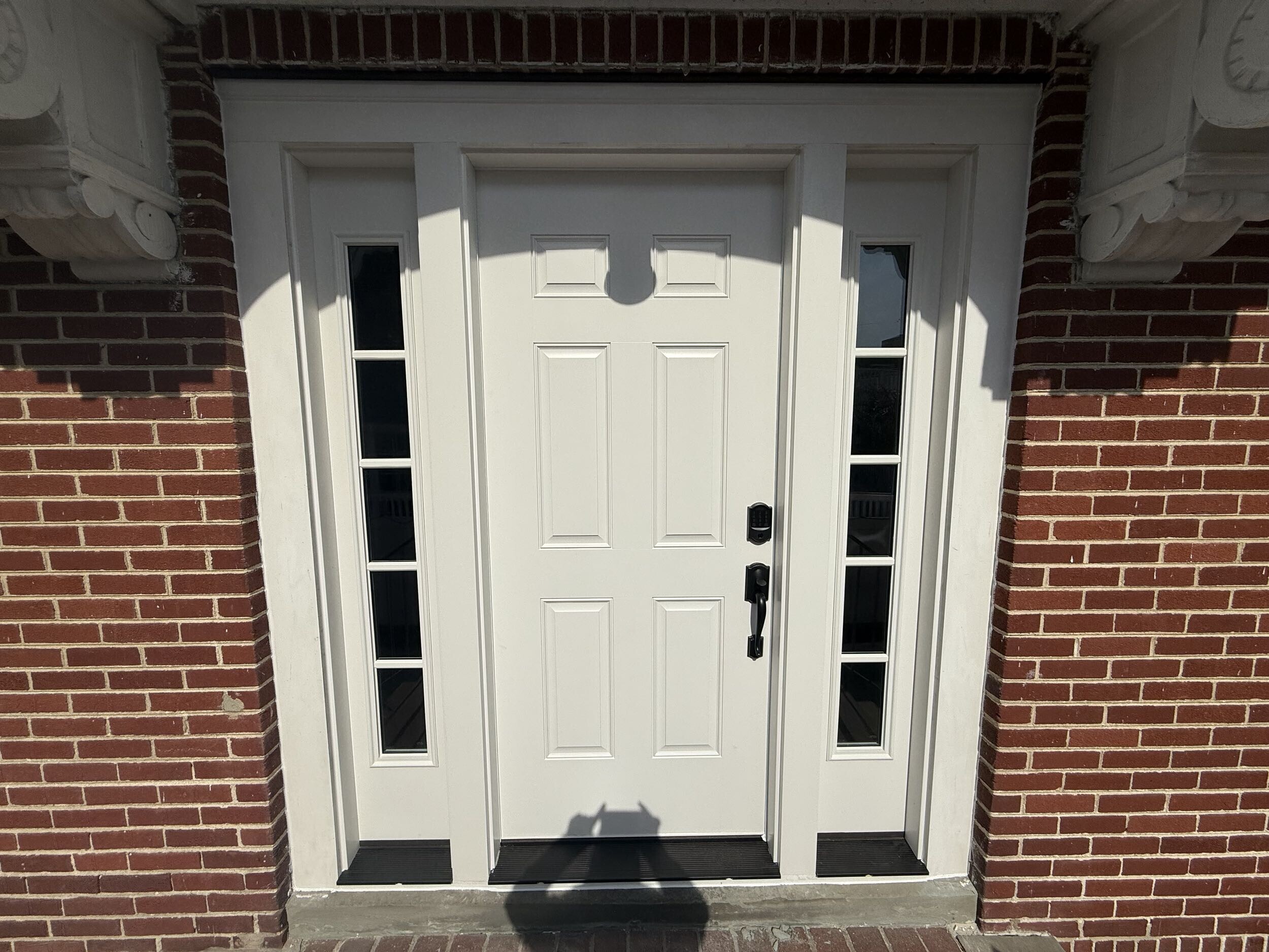
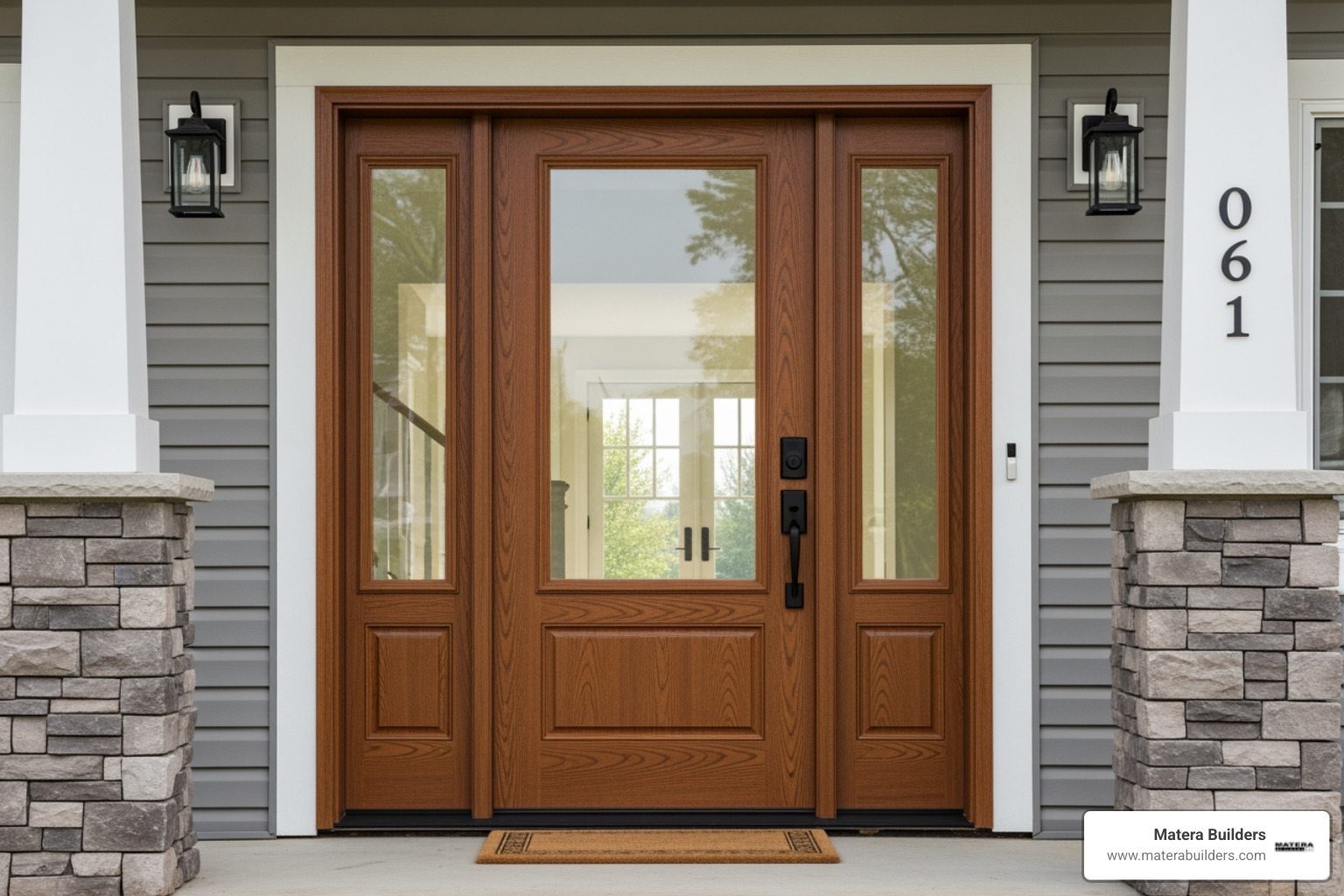
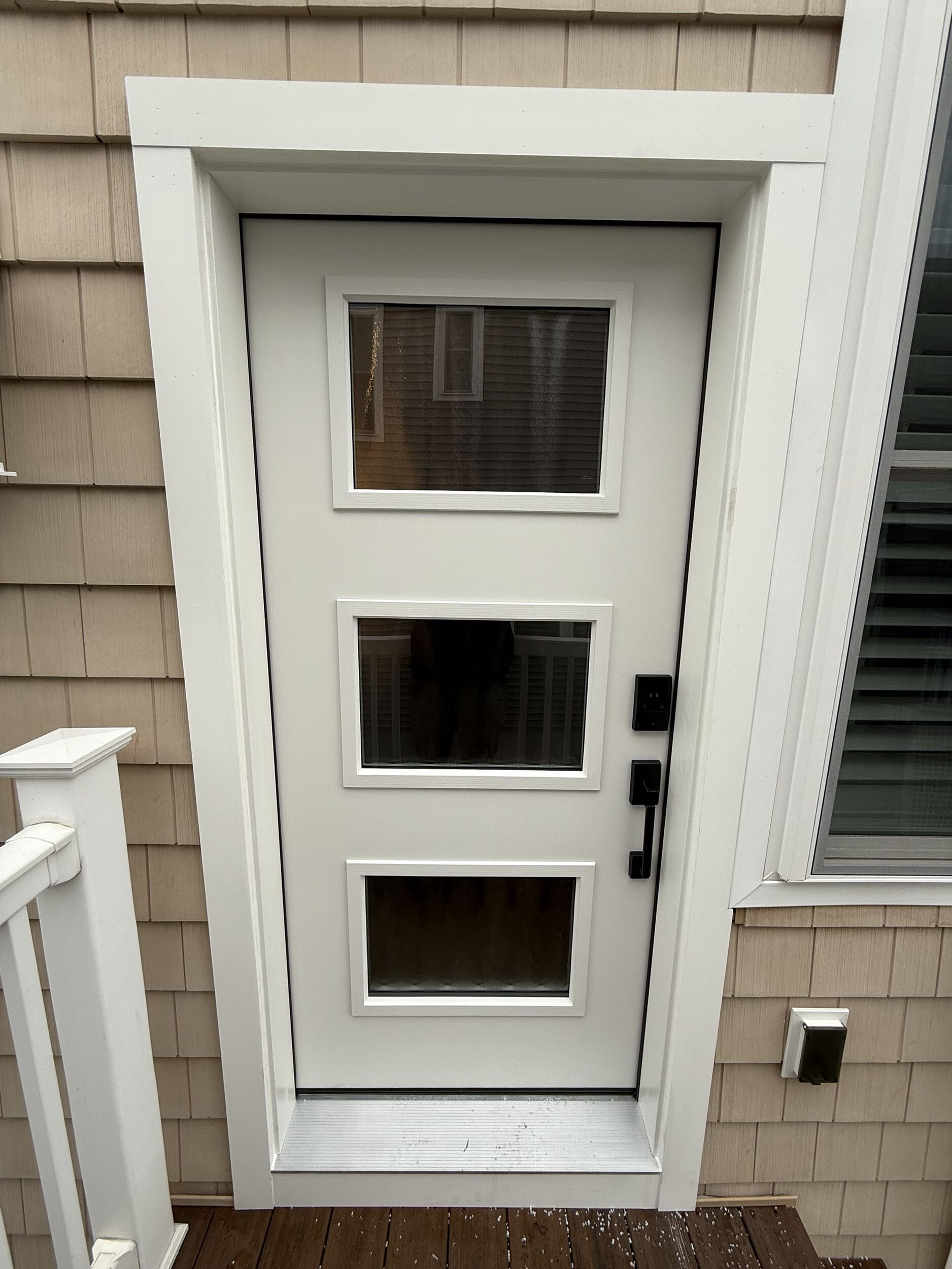
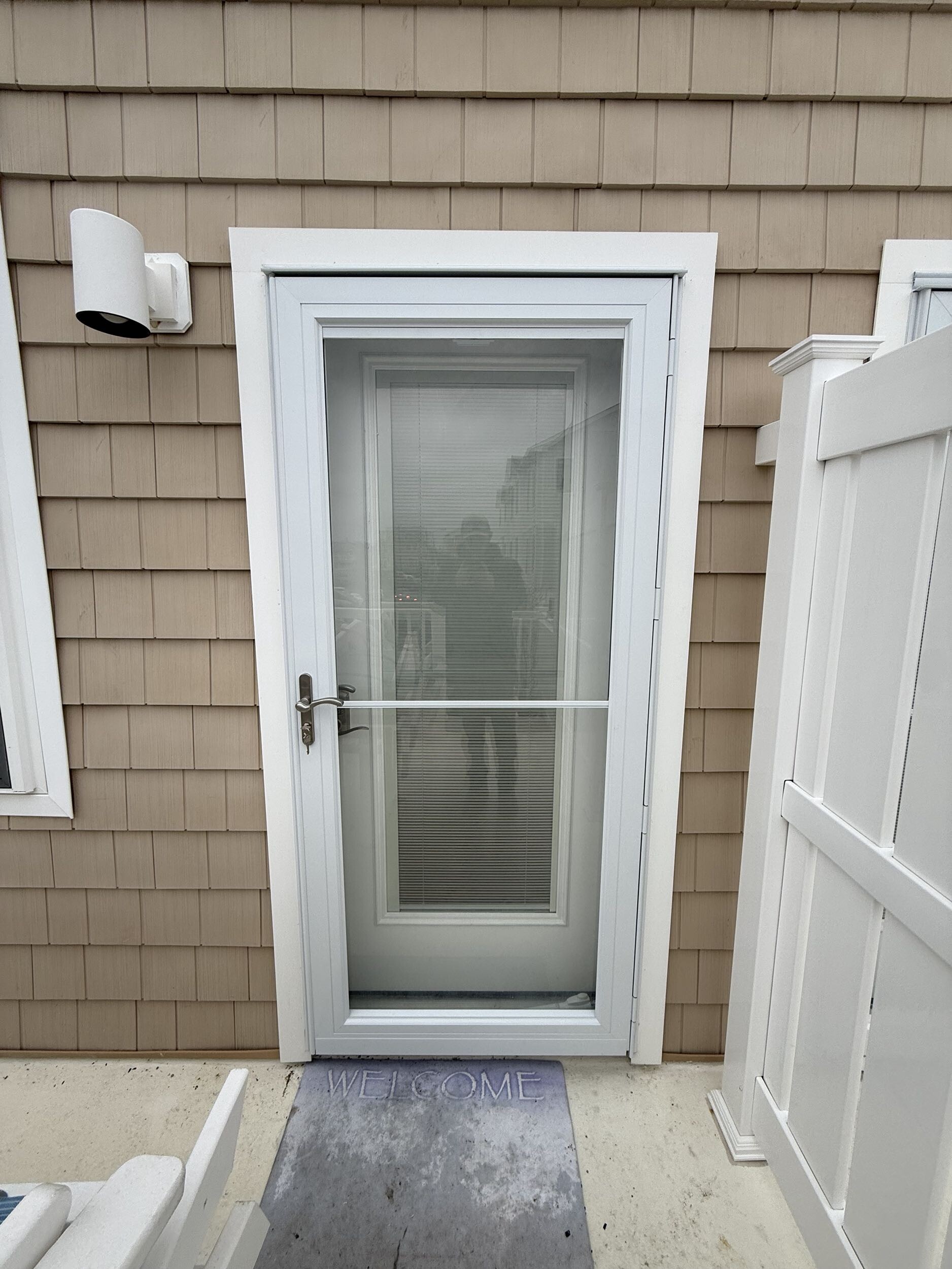
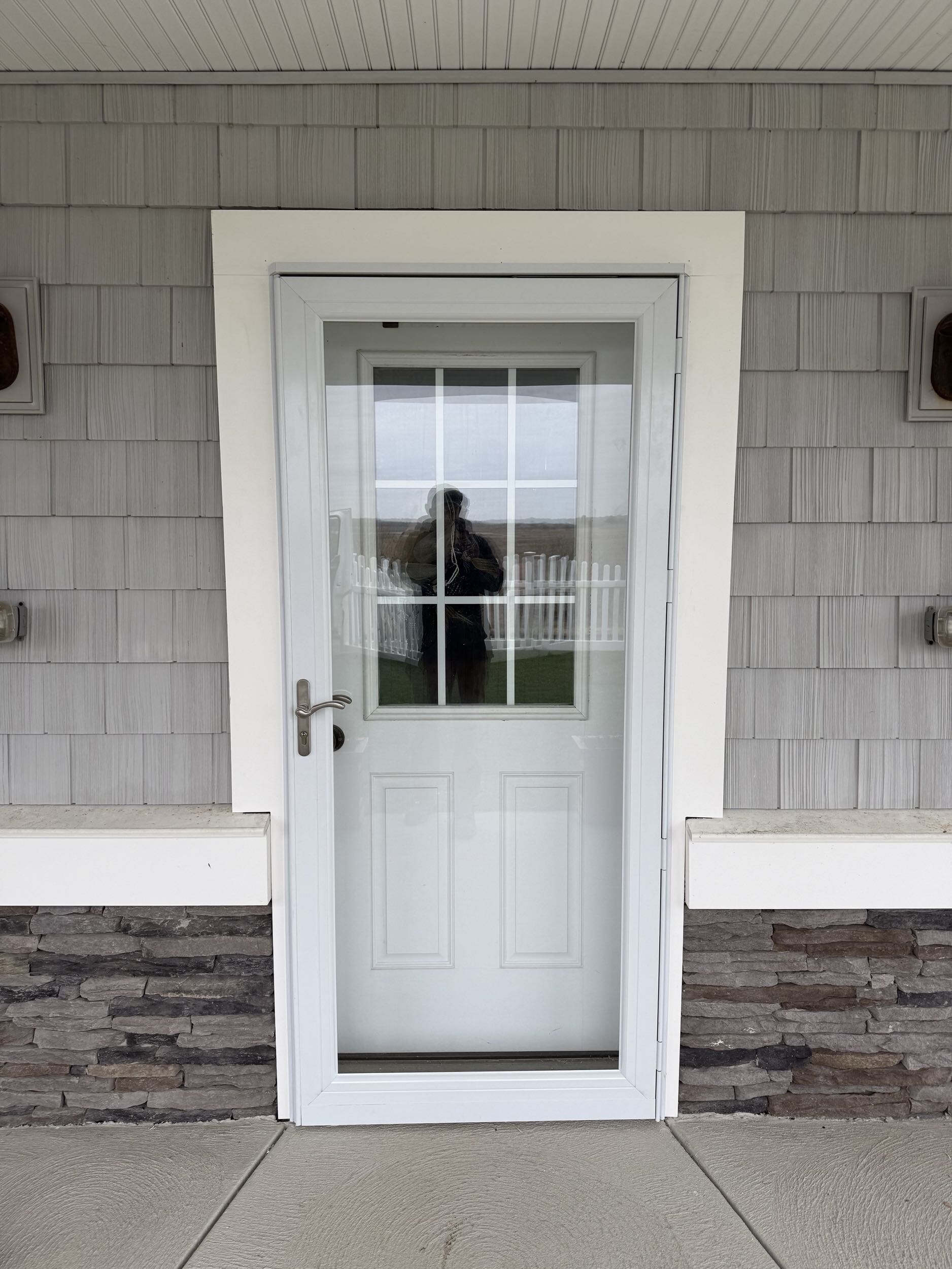
We also provide Andersen Doors replacement to make sure your whole home is protected from the elements.
Frequently Asked Questions
How much siding do you remove?
We usually cut back about 2 to 3 inches of siding. This gives us enough room to reach the wall and apply the flashing tape correctly.
Can I keep my interior trim?
It is possible, but we do not recommend it. We need to see the opening from the inside to make sure the window is level. Removing the trim also lets us add better insulation.
Why is this better for a rotting frame?
A replacement window sits in the old frame. If that wood is rotting, the new window will fail. A new construction window lets us remove the rot and fix the wall studs first.
Conclusion
Installing a new construction window in an existing home is the best way to protect your house. It is a structural fix that lasts for decades.
Matera Builders has been doing this work in Ocean City, Avalon, Stone Harbor, and Sea Isle City since 1988. We focus on trust and precision. If you have drafty windows or want to update your home, we can help.
We invite you to schedule a consultation. We can look at your current windows and doors and find the best solution. See how our Andersen window and door services can improve your home.



.jpg)

.jpg)