

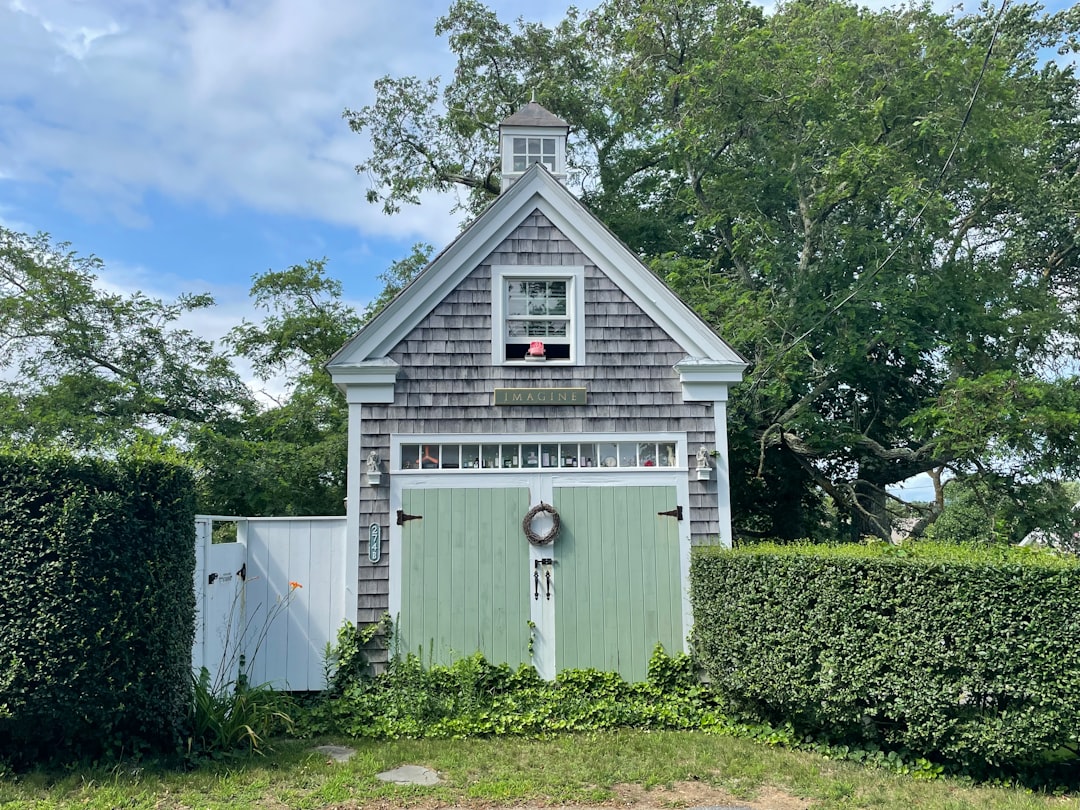
What You Need to Know Before Starting Cape Cod House Renovations
Cape Cod house renovations are one of the most popular home improvement projects in the Northeast, and for good reason. These compact, classic homes have good bones, but they come with real challenges: cramped rooms, low ceilings, missing insulation, and exteriors that take a beating from salt air and harsh winters.
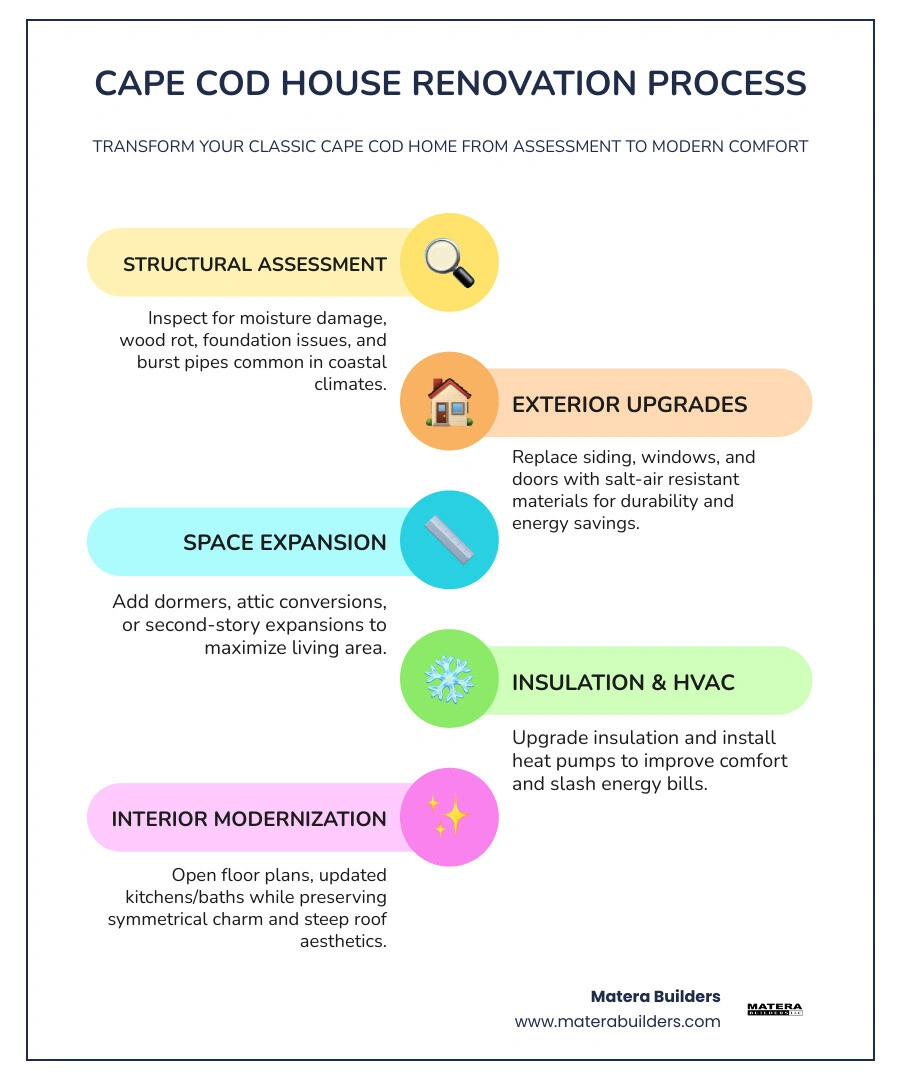
Quick answer: Here's what most Cape Cod renovations involve:
- Exterior siding and windows: Improve durability, energy efficiency, and curb appeal
- Dormers and attic conversions: Add usable square footage
- Kitchen and bathroom updates: Modernize the layout, fixtures, and finishes
- Insulation and HVAC: Increase comfort and help lower energy bills
- Additions, such as a garage or in-law suite: Support multi-generational living and everyday function
- Interior layout changes: Create open floor plans or add a first-floor primary suite
These homes were built to last, but most need serious updating to meet modern living standards. Whether you're dealing with rotting window frames, water intrusion, or just a floor plan that feels stuck in 1955, the right renovation plan makes all the difference.
One designer who worked on a gut renovation of a Shingle-style Cape on a coastal bluff put it simply: she knew it would be a complete overhaul the moment she walked in. That's the reality for many of these homes. The structure is solid, but everything else needs work.
I'm Mike Werner, owner of Matera Builders, a premium exterior renovation contractor with deep experience in coastal markets where salt air, moisture, and temperature swings put every material to the test, including on Cape Cod house renovations that demand performance as much as aesthetics. In the sections below, I'll walk you through everything you need to know, from structural challenges to the exterior upgrades that protect your investment long-term.
Cape cod house renovations terminology:
Defining the Classic Cape Cod Style

Before we pick up a hammer, we have to respect the history. The Cape Cod house is an American icon. Originating in the 17th century, these homes were designed to withstand the brutal winds and salt spray of the Atlantic coast. When you look at Cape Cod House Plans, you’ll see the same core features over and over.
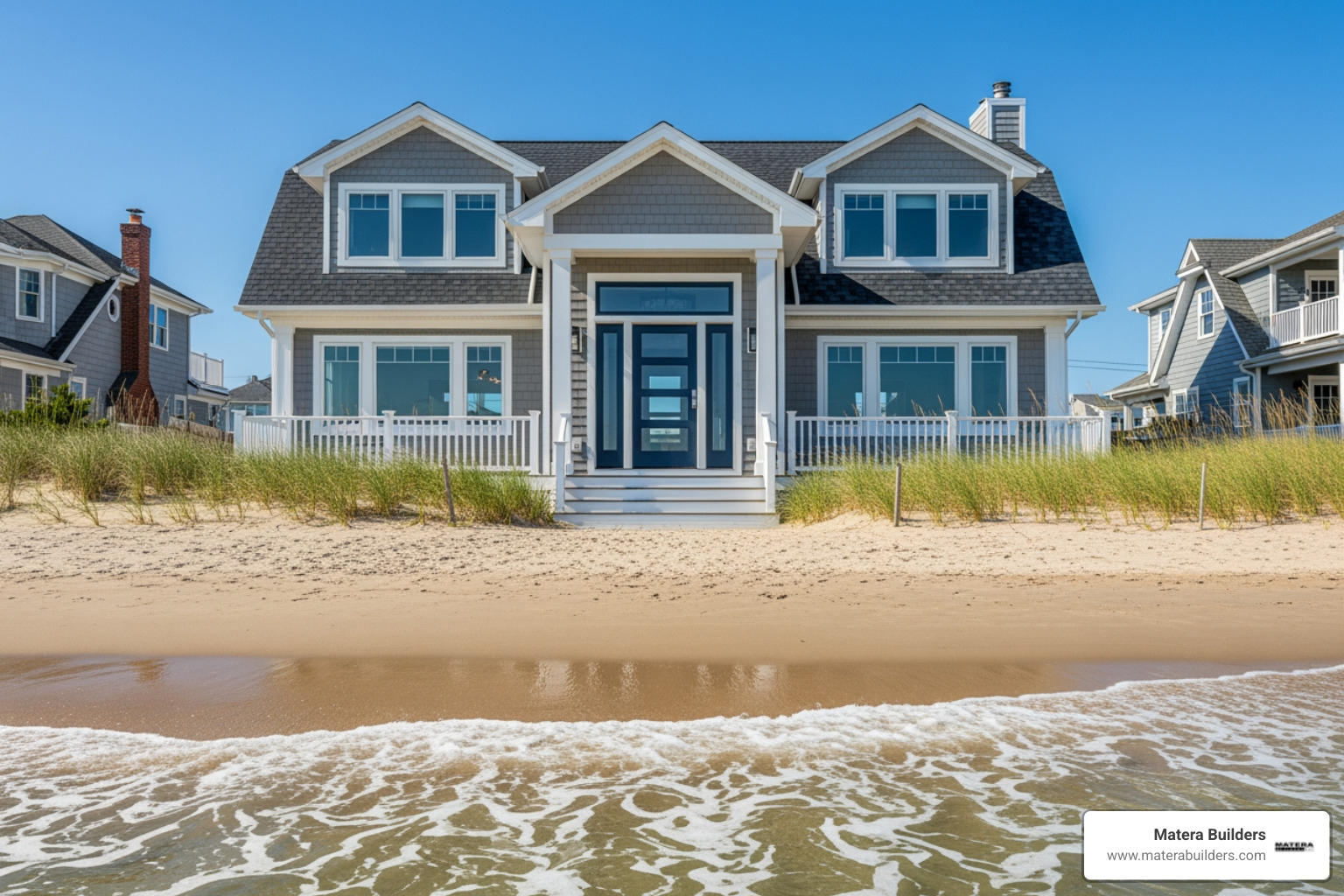
The classic Cape is defined by its symmetry. You usually have a front door right in the middle, flanked by windows. The roof is steep and gabled, which was originally intended to shed heavy snow. Traditional Capes often feature cedar shingles that weather to a beautiful silver-gray over time.
Other hallmarks include:
- A Central Chimney: In older homes, this provided heat to every room.
- Dormers: Those little "windows in the roof" that provide light to the second floor.
- Shutters: Historically used for protection against storms, now they add that essential pop of color.
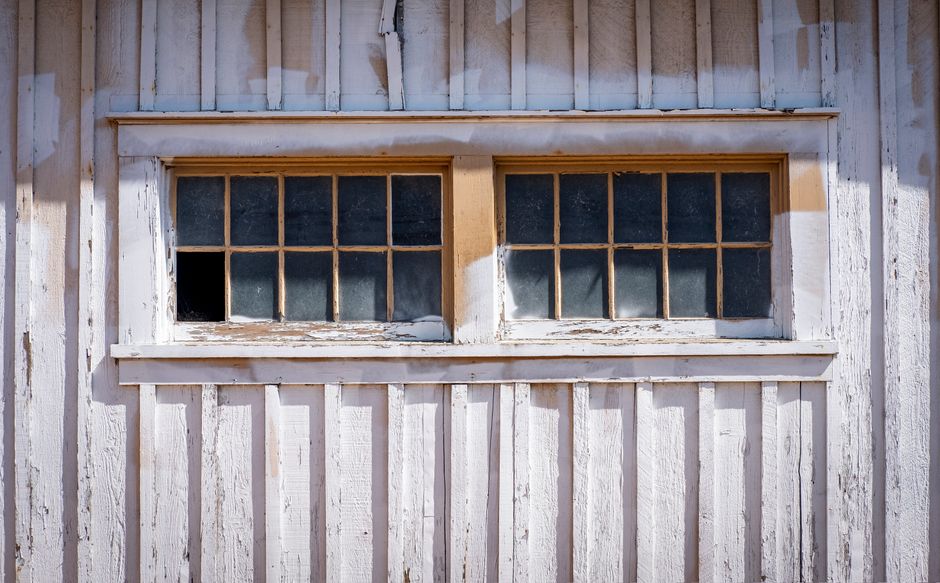
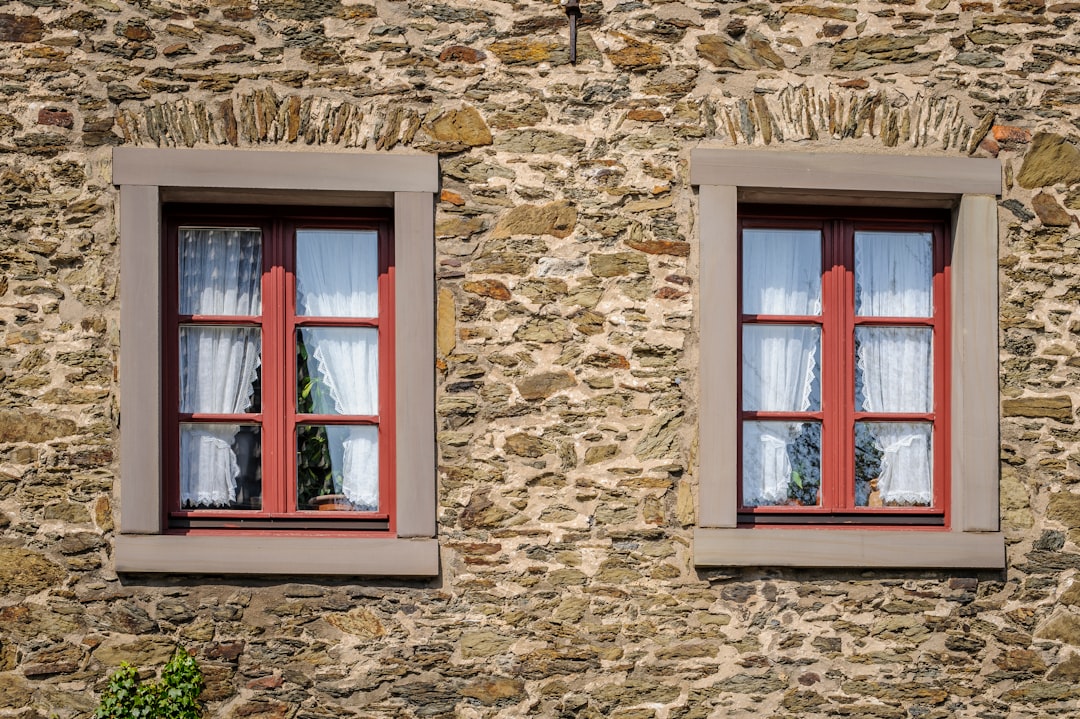
- Small Windows: Older versions used 6-over-6 or 9-over-9 pane configurations because large glass was expensive and hard to transport.
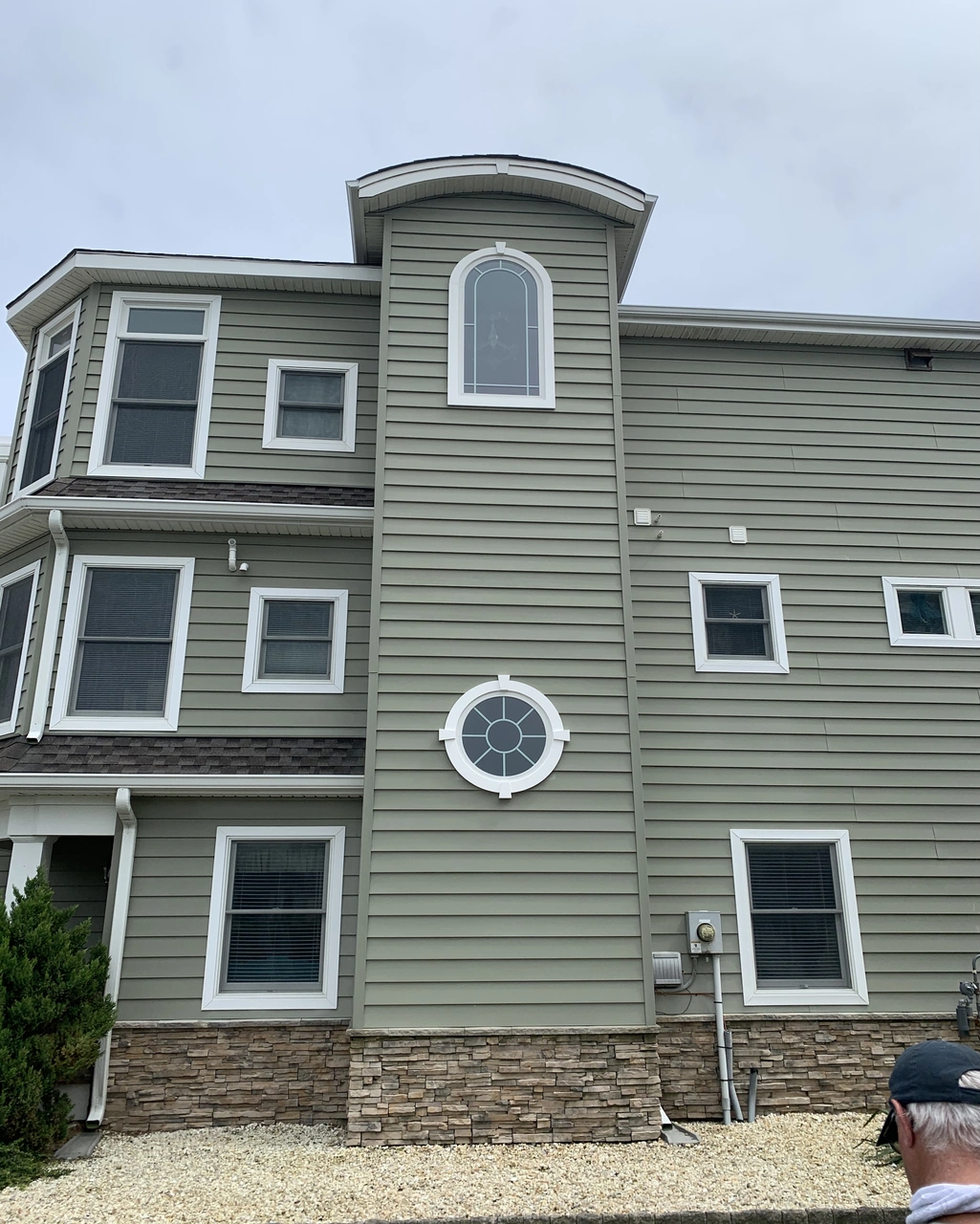
In our work across Ocean City and the Jersey Shore, we see many 1950s-era Capes. These were the "suburban dream" houses of the post-war era. They kept the traditional look but often used more modern (for the time) materials like asphalt shingles and pine flooring. Today, the goal of most cape cod house renovations is to keep that charming silhouette while fixing the functional mess inside.
Common Challenges in Cape Cod House Renovations
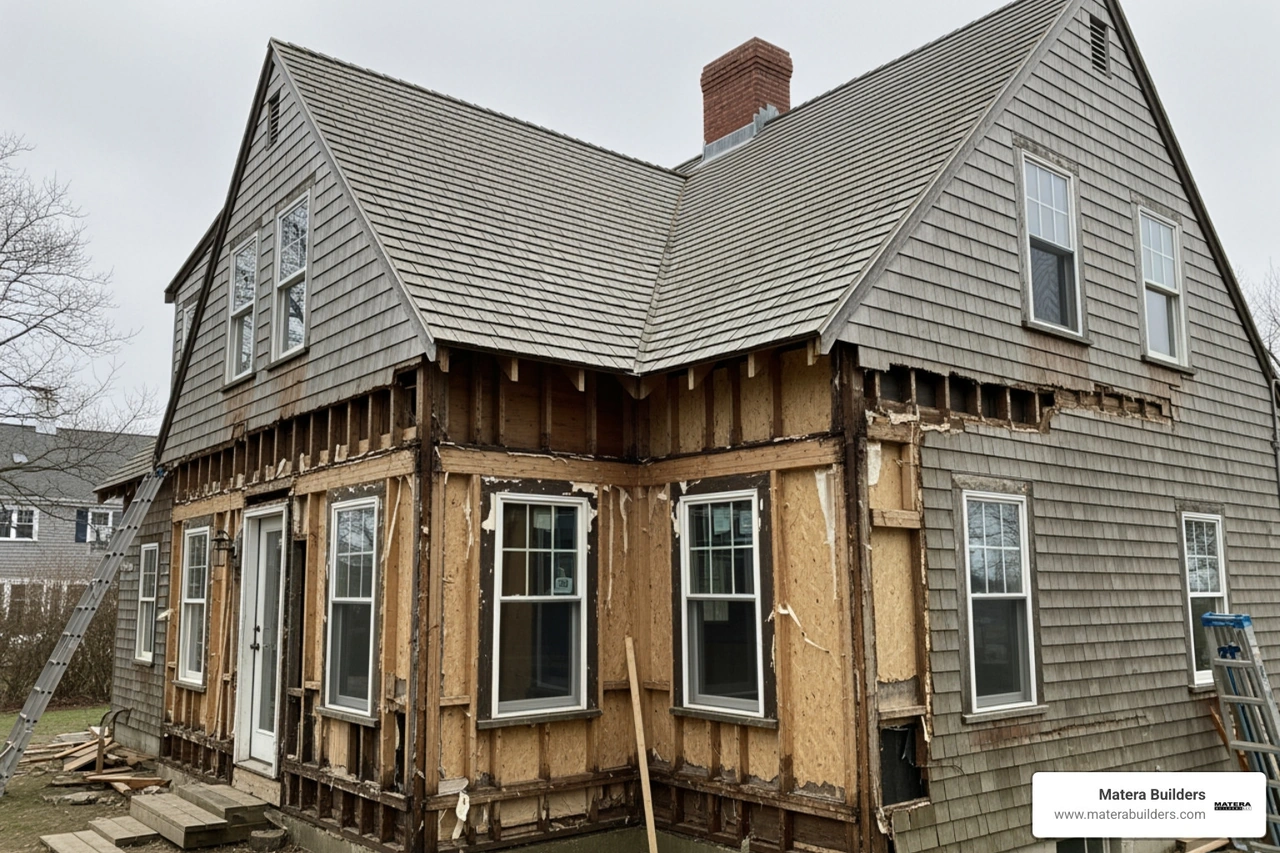
If you are buying an older Cape in New Jersey, you aren't just buying a house; you are buying a list of projects. Because these homes are often located near the water, they face unique structural threats.
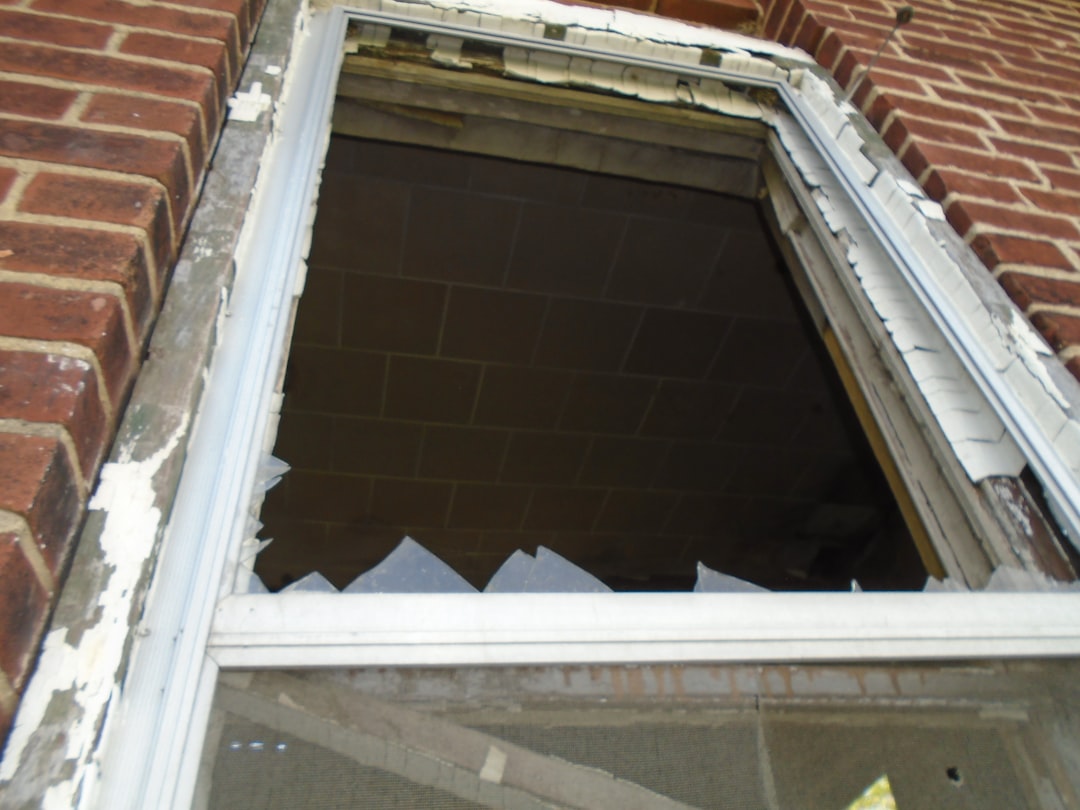
One of the biggest headaches we see is moisture. Older Capes were often built with little to no insulation in the exterior walls. This leads to massive energy bills and, worse, condensation inside the walls. Over time, that moisture turns into wood rot. We’ve seen projects where what looked like a simple siding update turned into a full-scale structural remediation because the sheathing underneath had rotted away.
Other common issues include:
- Burst Pipes: In seasonal homes that aren't properly winterized, frozen pipes are a constant threat.
- Cramped Rooms: The original layouts were "boxy." You have a tiny kitchen, a separate dining room, and a living room that feels like a hallway.
- Low Ceilings: While cozy, 7-foot ceilings can make a modern homeowner feel claustrophobic.
- The "Knee Wall" Problem: On the second floor, the sloped roof creates "knee walls." This leaves you with odd, triangular spaces that are hard to use for furniture.
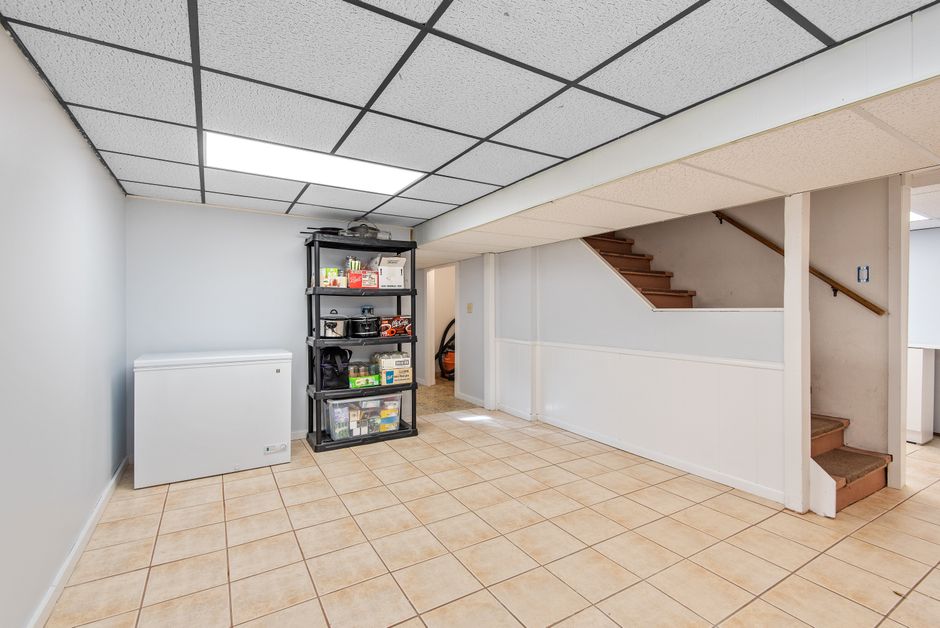
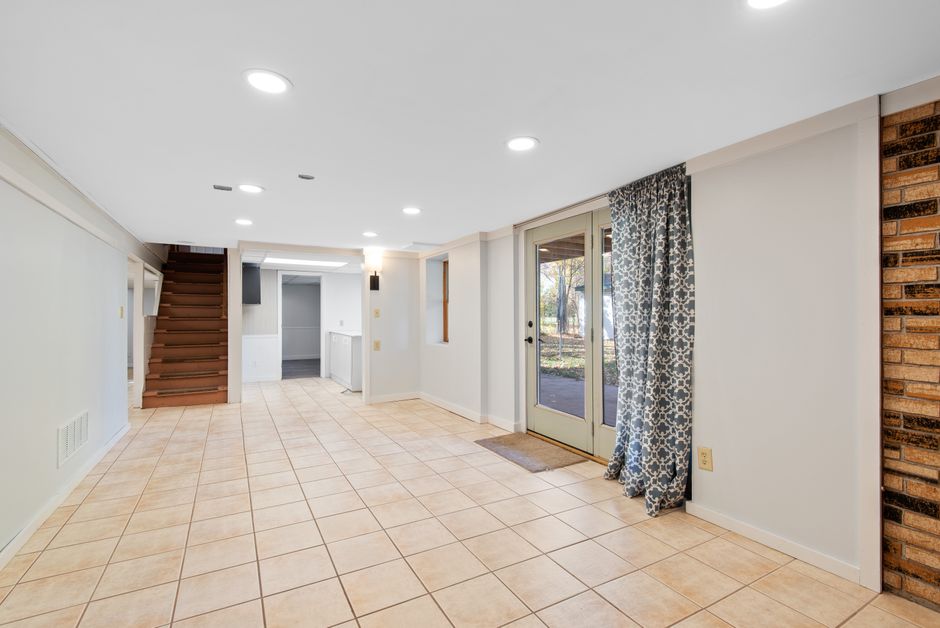
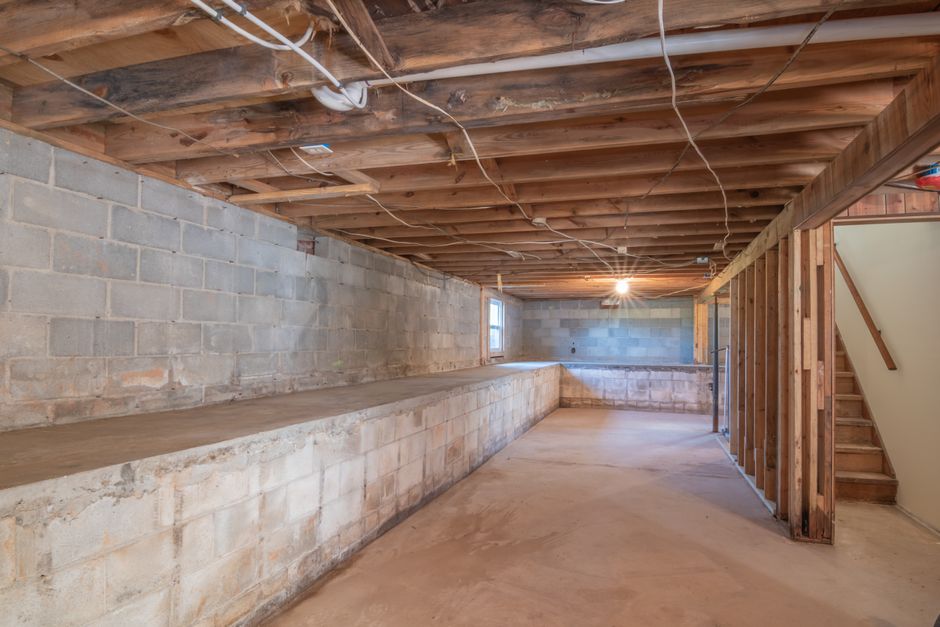
A recent project featured in the industry news highlighted a 75-year-old cottage that suffered from "total neglect." It had burst pipes, wood rot, and a damp basement. The solution was a total gut renovation, stripping the house to the studs to fix the foundation and seal the CMU (concrete masonry unit) block walls with foam. This is often the reality of cape cod house renovations—you have to fix the "invisible" problems before you can make it look pretty.
Maximizing Space in Cape Cod House Renovations
Space is the number one reason people call home remodel designers near me. A standard Cape can feel small, but there are three main ways we expand them:
- Dormer Additions: This is the most common move. By adding a "doghouse" dormer or a full "shed" dormer across the back of the house, you can turn a cramped attic into two full bedrooms and a bathroom.
- Second Story Expansions: Sometimes, we take the roof off entirely and build a full second floor. If done right, you can still keep the Cape Cod feel by using steep roof pitches and the right siding materials.
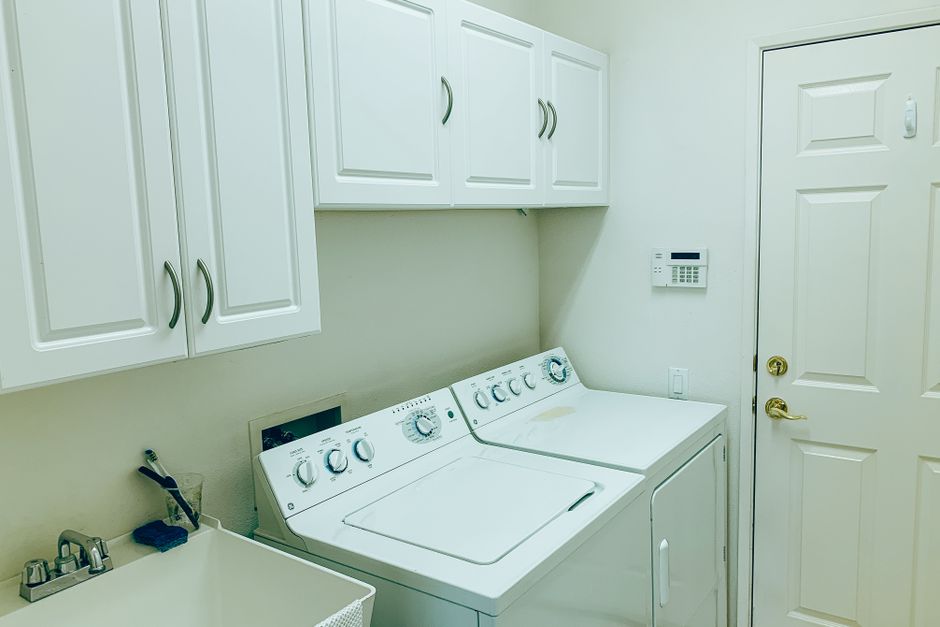
- Breezeway Enclosures: Many 1950s Capes have a breezeway connecting the house to a garage. Enclosing this space is a great way to add a mudroom or a laundry area without changing the home's footprint.
High Performance Exterior Updates
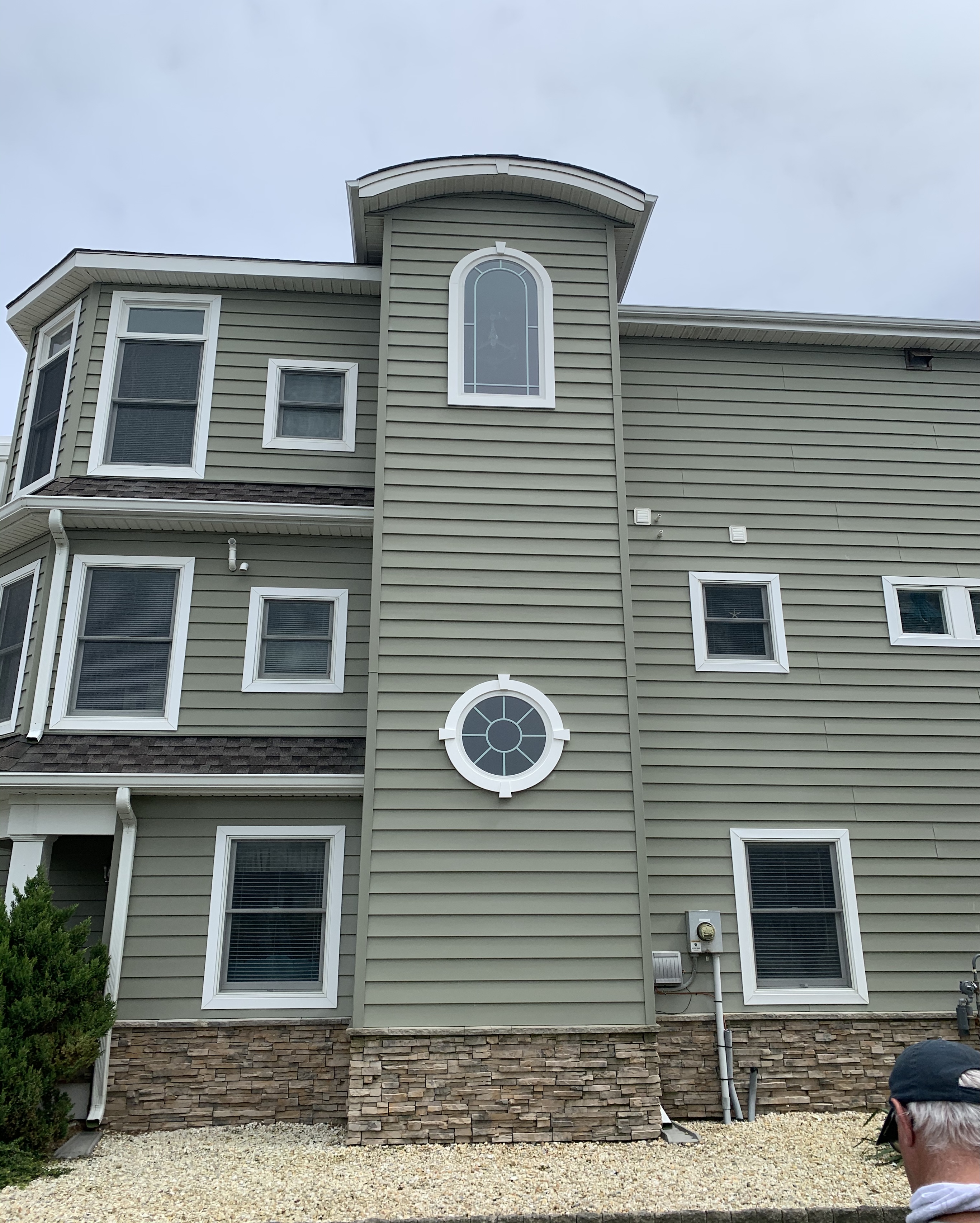
At Matera Builders, we specialize in what we call "Installation Science." On the Jersey Shore, the air is full of salt. If you use cheap materials, they will fail in five years. That’s why we focus on high-performance products for cape cod house renovations.
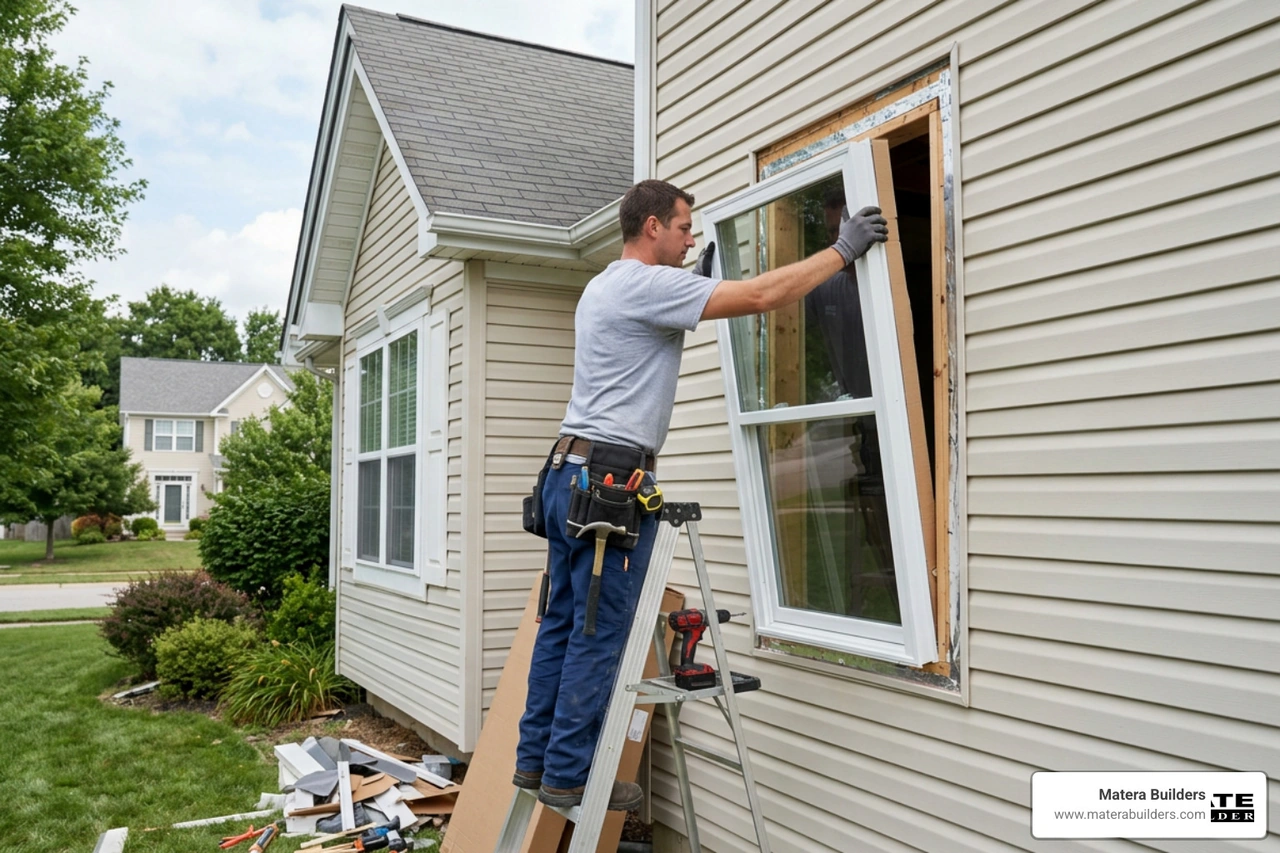
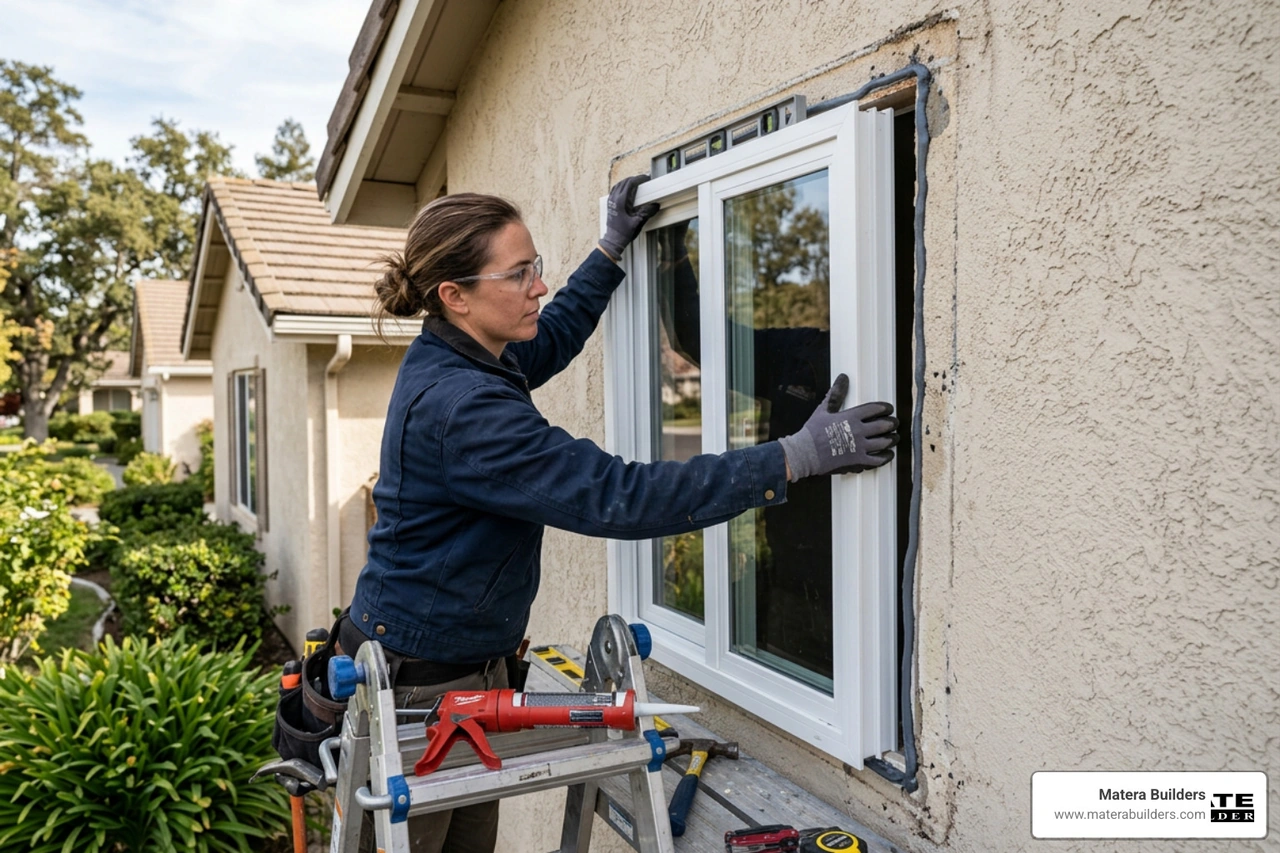
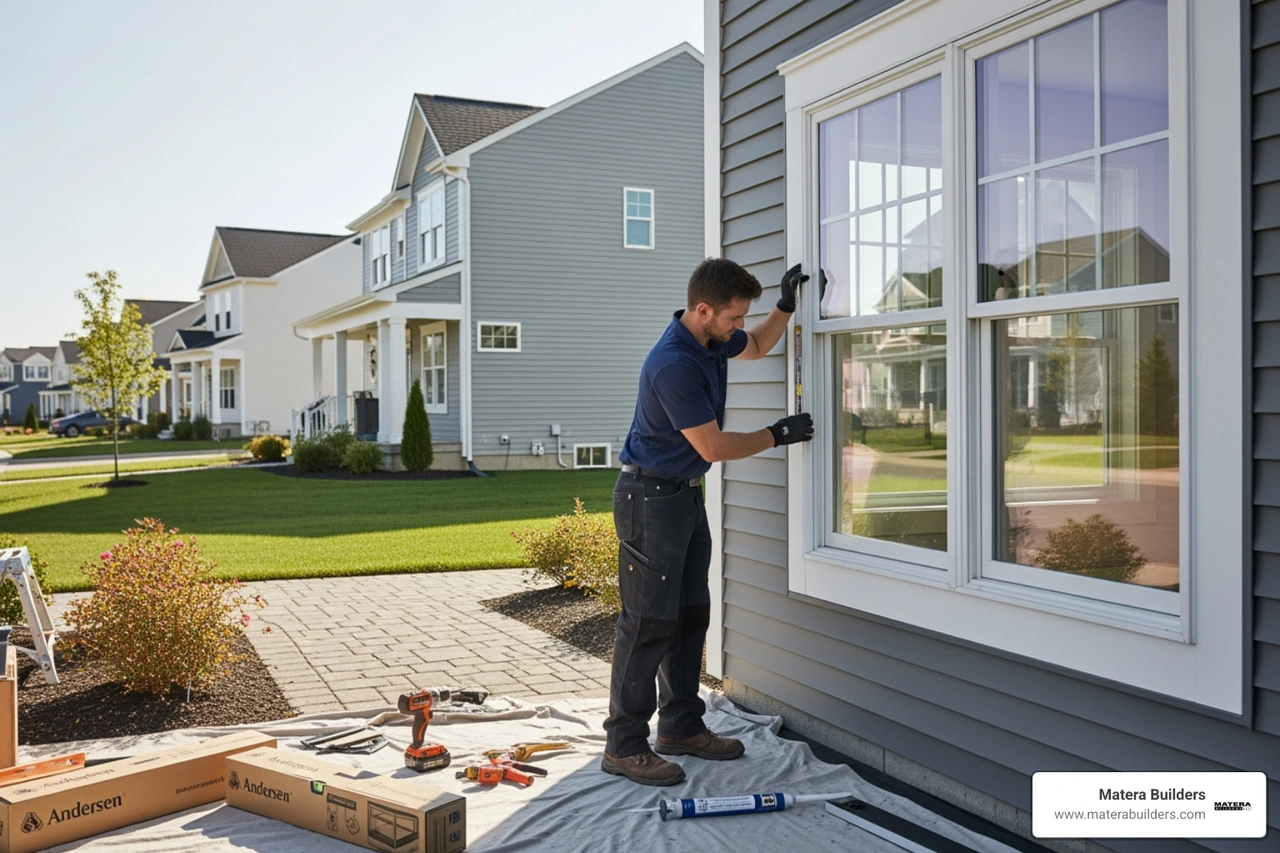
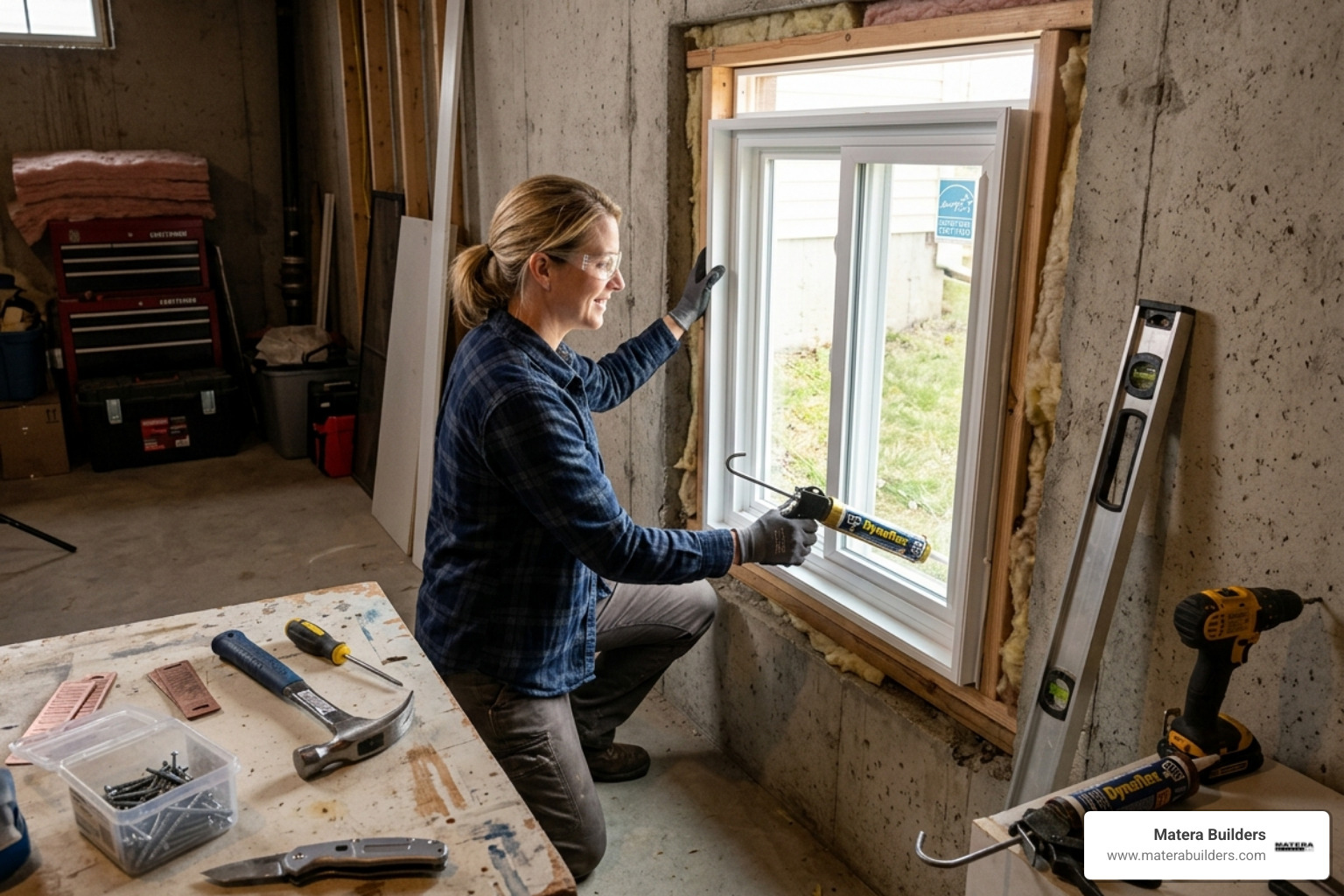
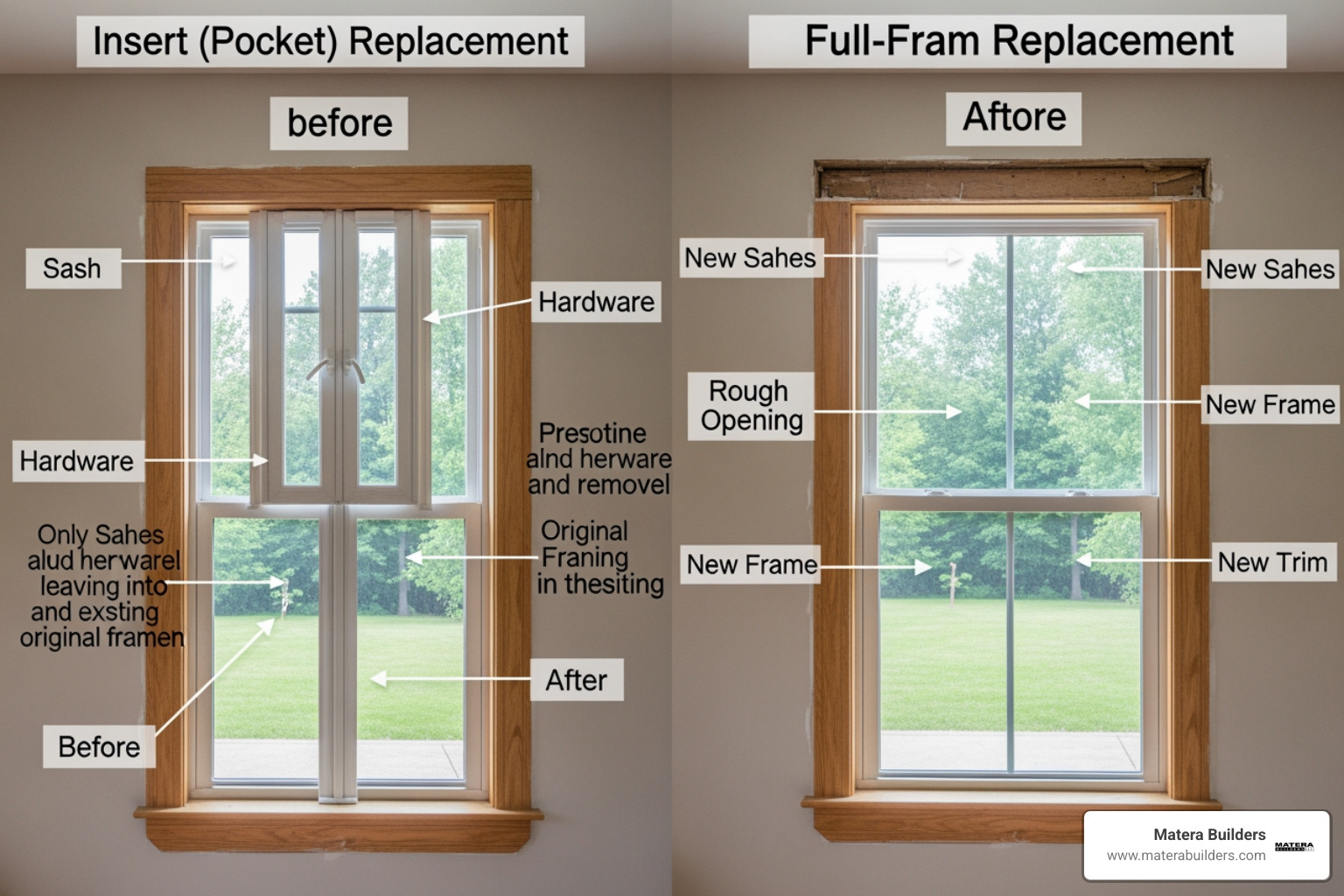
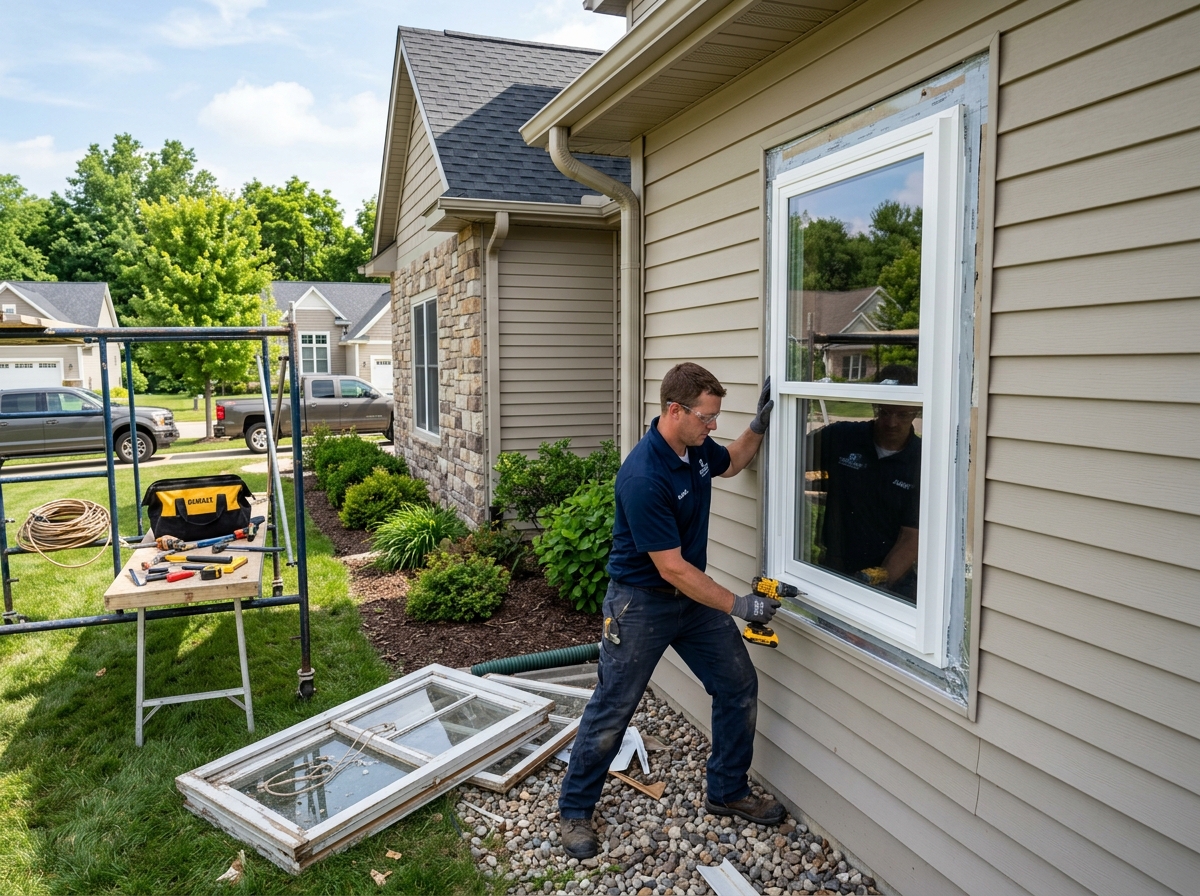
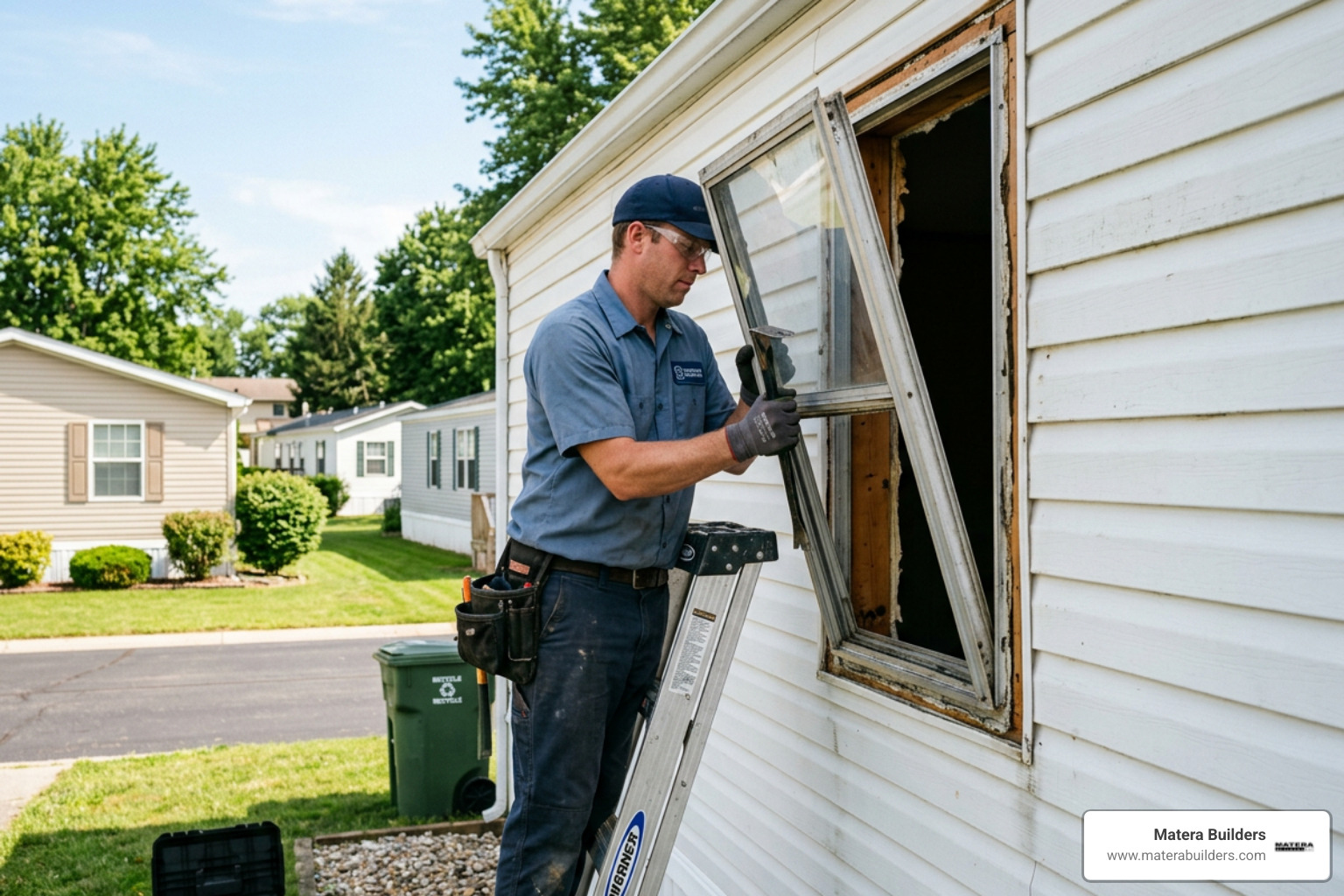
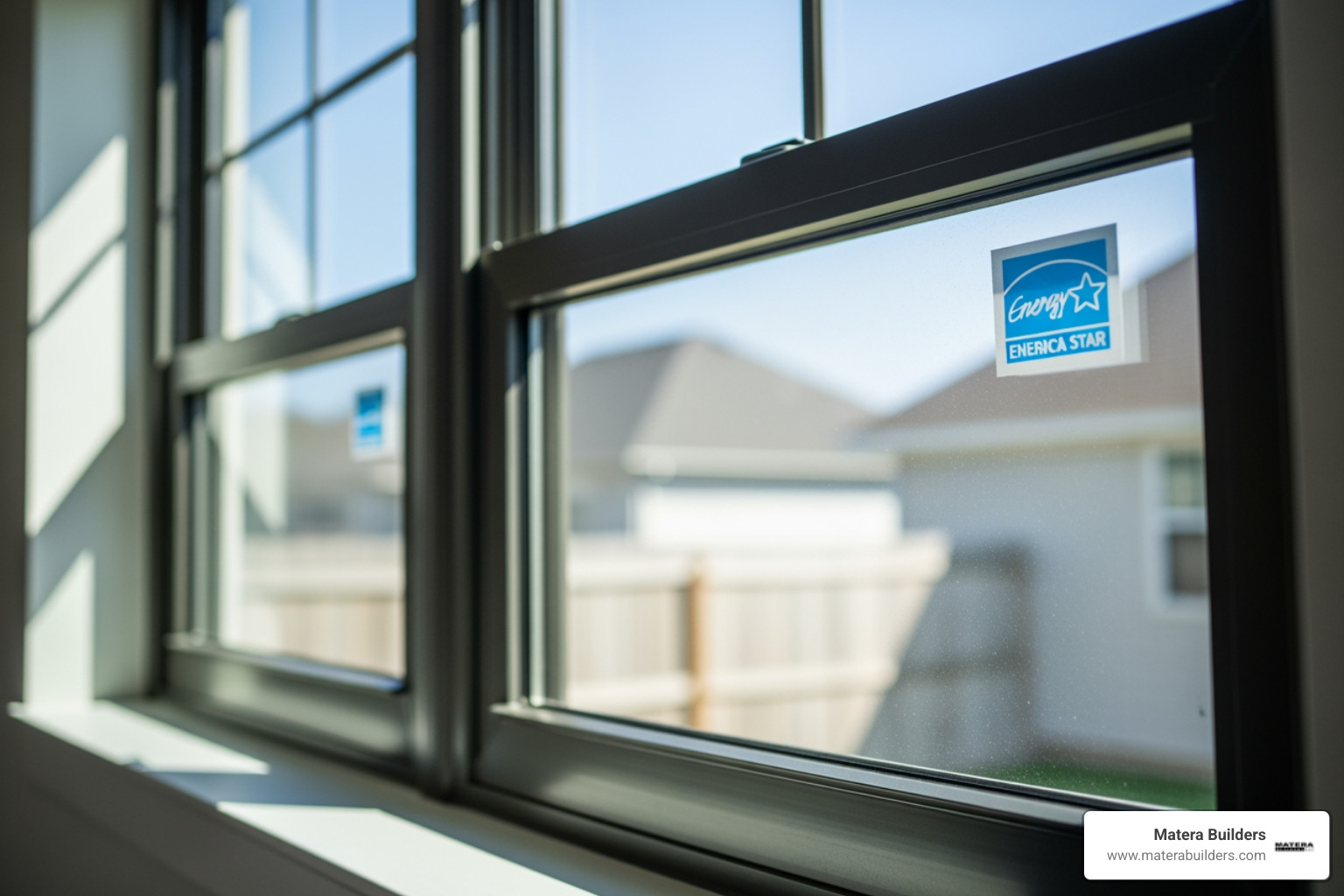
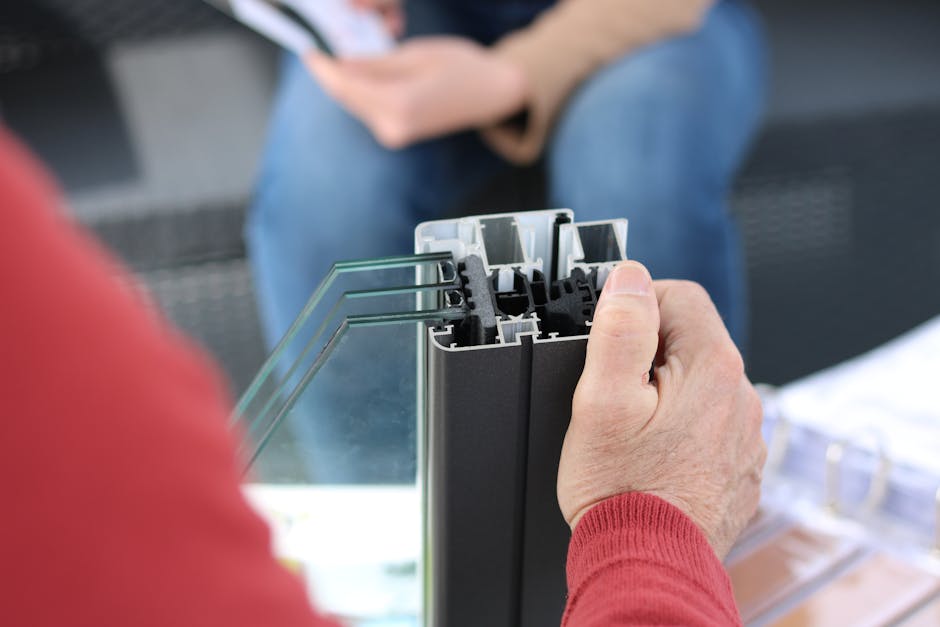
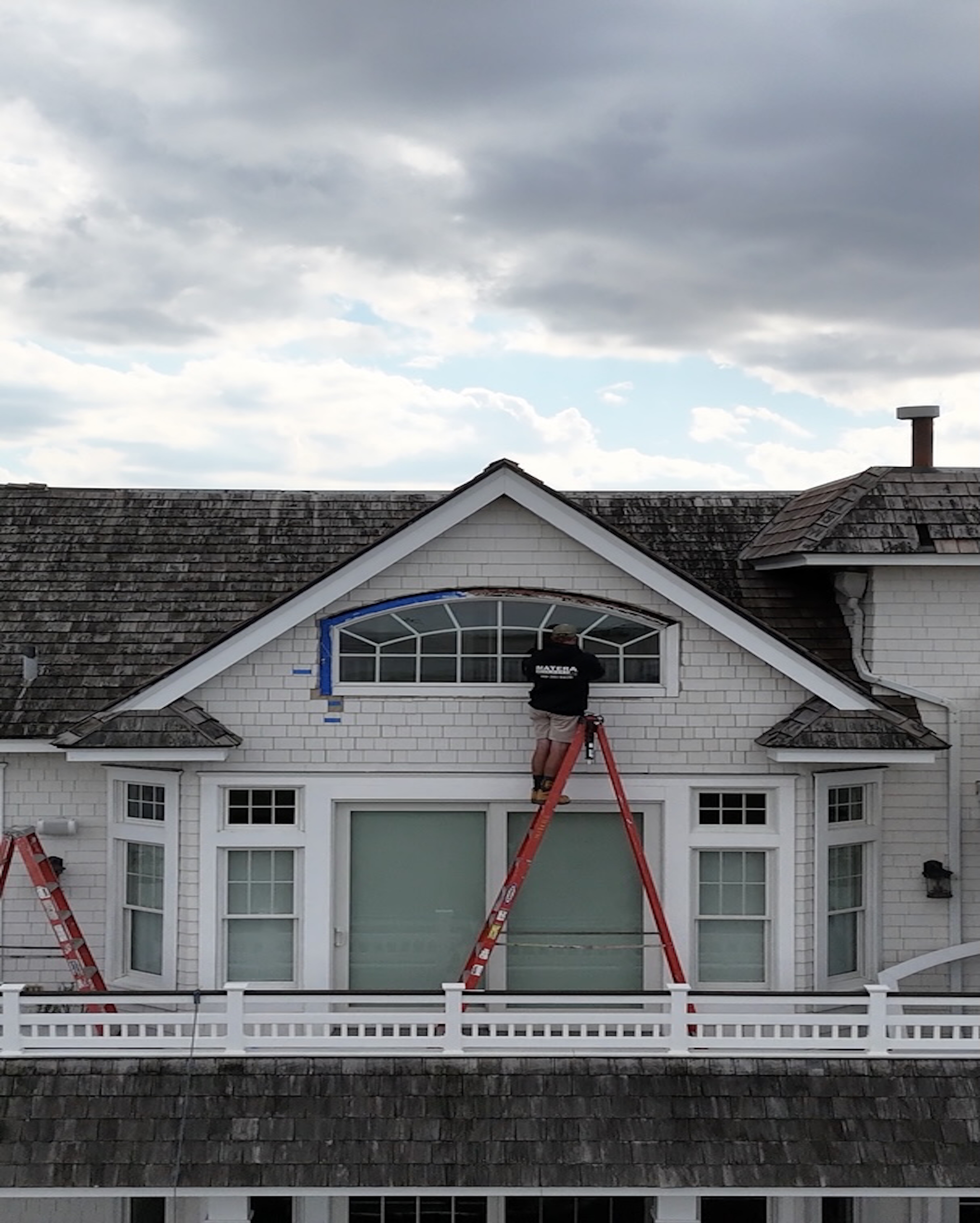
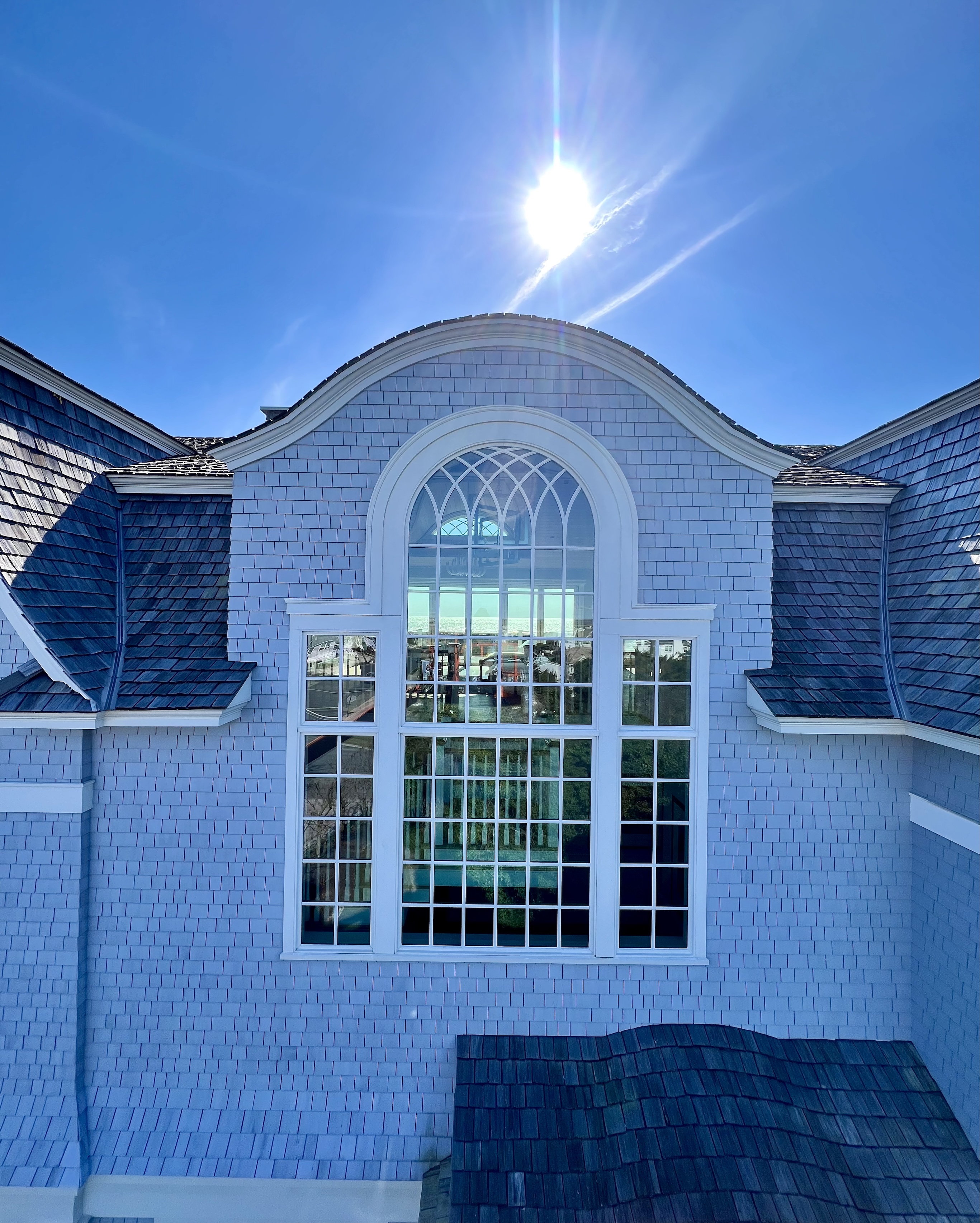
Andersen Windows and Doors are our go-to for these projects. Specifically, we recommend the 400 Series or A-Series with Fibrex material. Fibrex is a composite that combines the strength of wood with the low maintenance of vinyl. It doesn't rot, fade, or corrode in salt air.
When replacing windows in a Cape, you want to maintain the traditional look. We often use 6-pane or 9-pane grilles to honor the history, but the glass itself is high-tech. Modern windows use Low-E glass coatings that reflect heat, keeping your home cool in the summer and warm in the winter. This is a huge part of the ROI for any renovation.
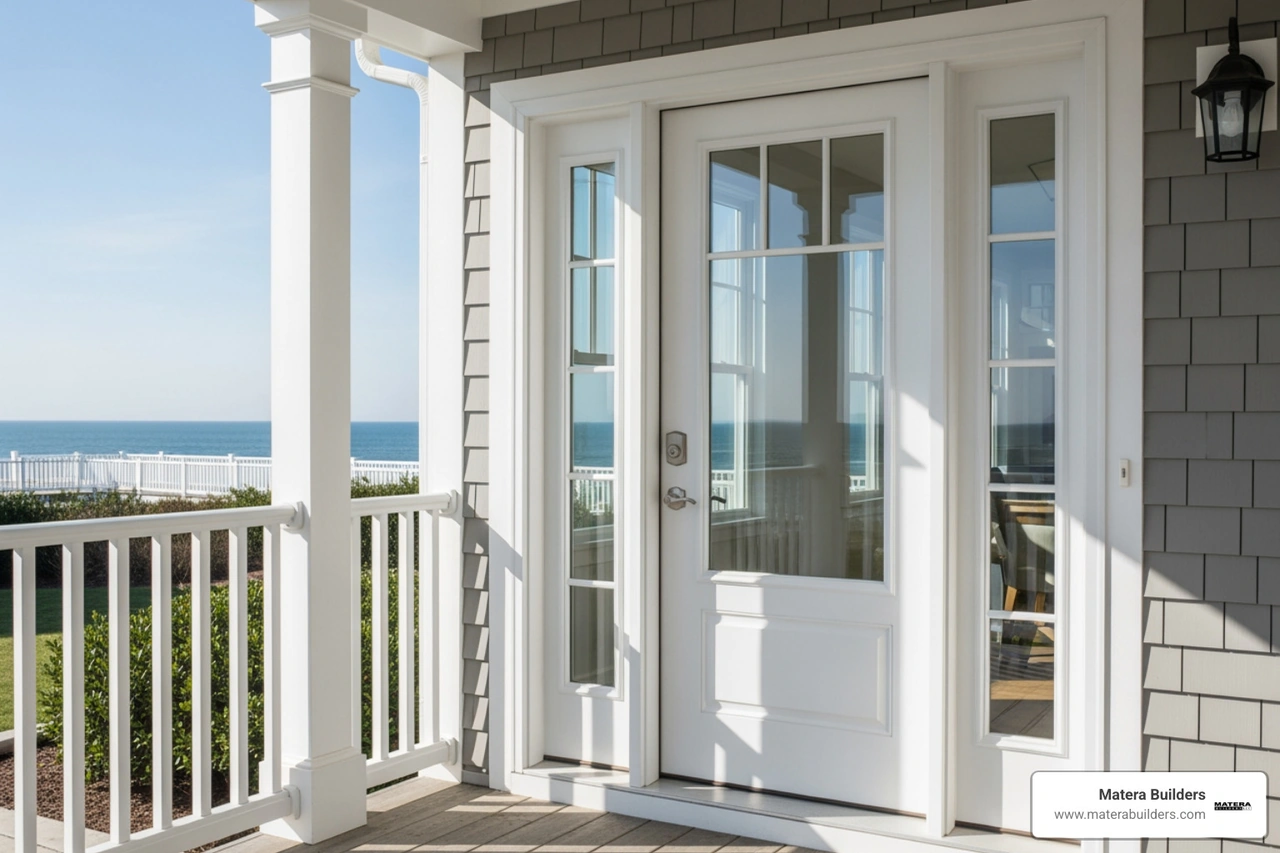
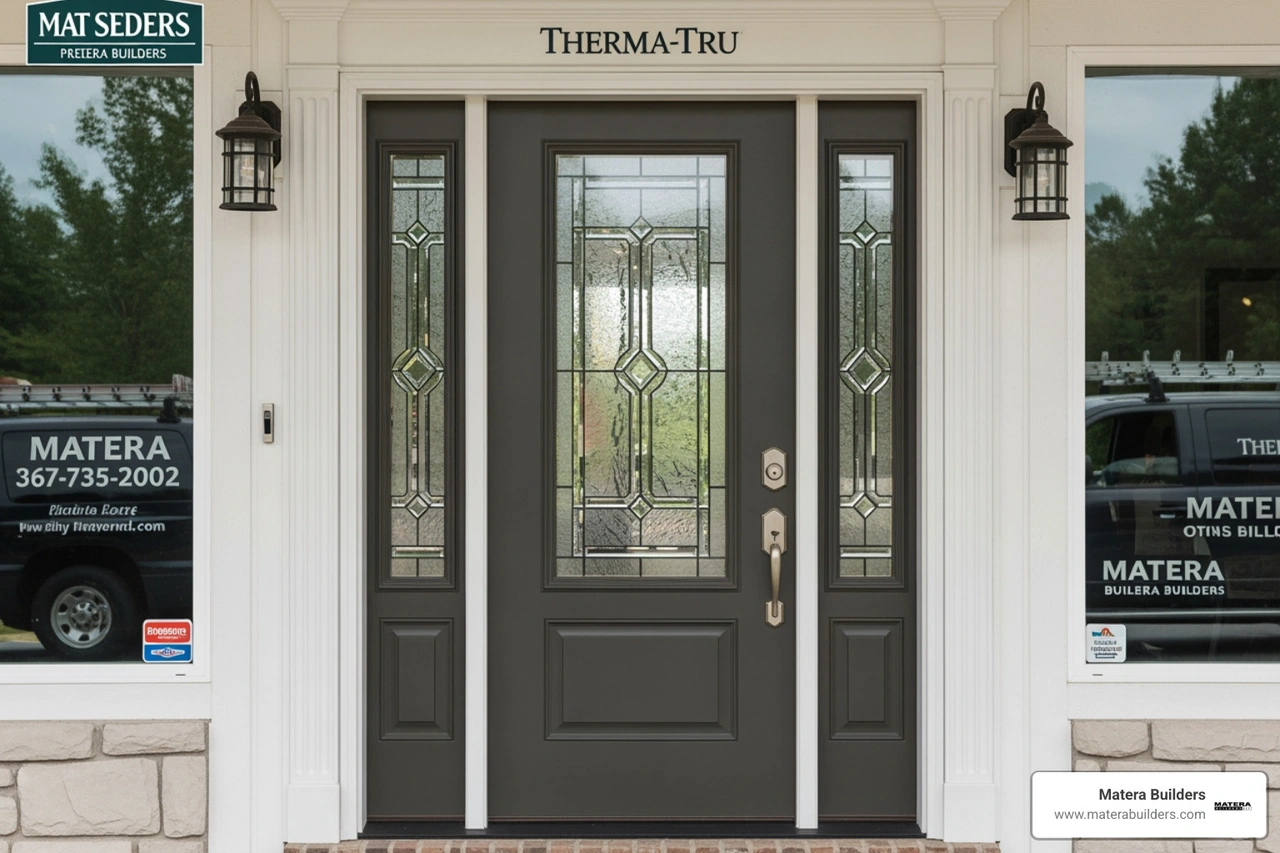
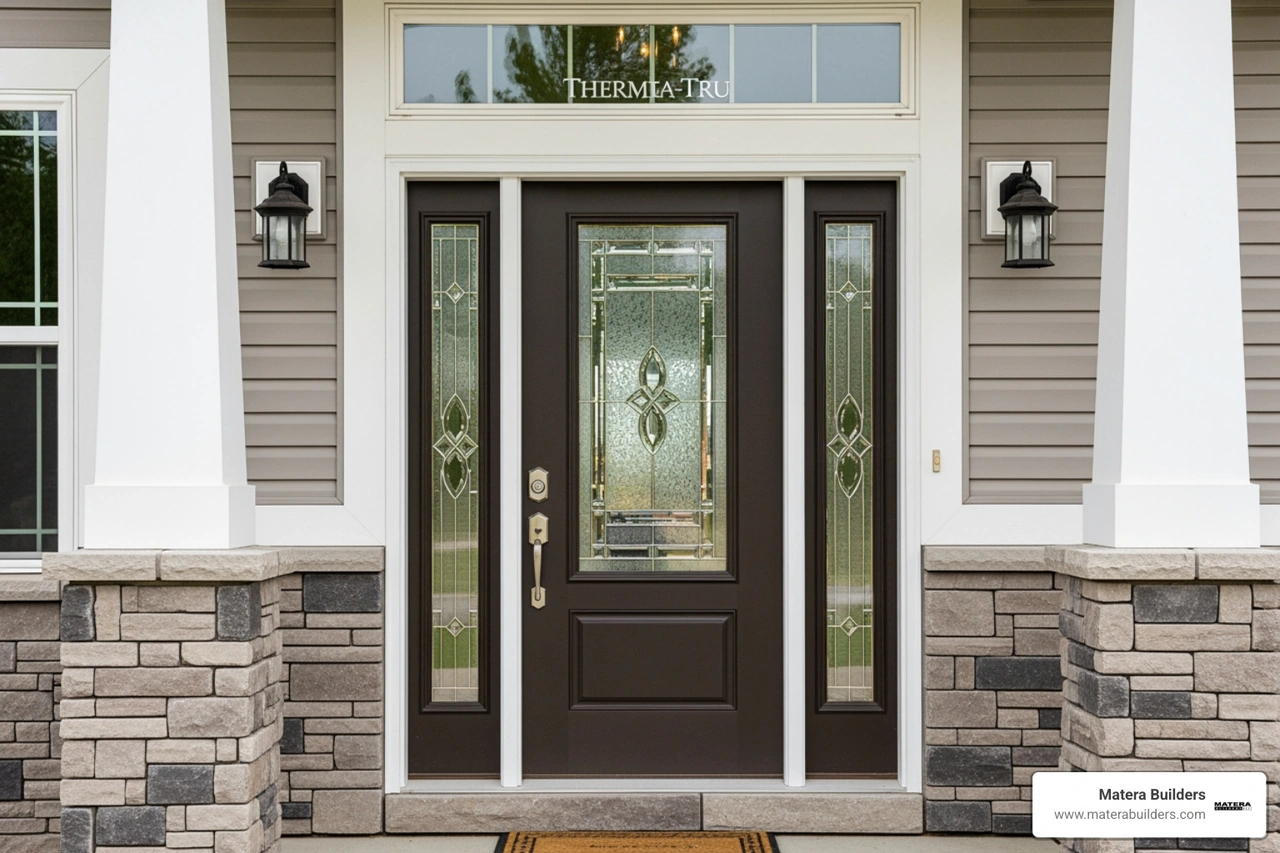
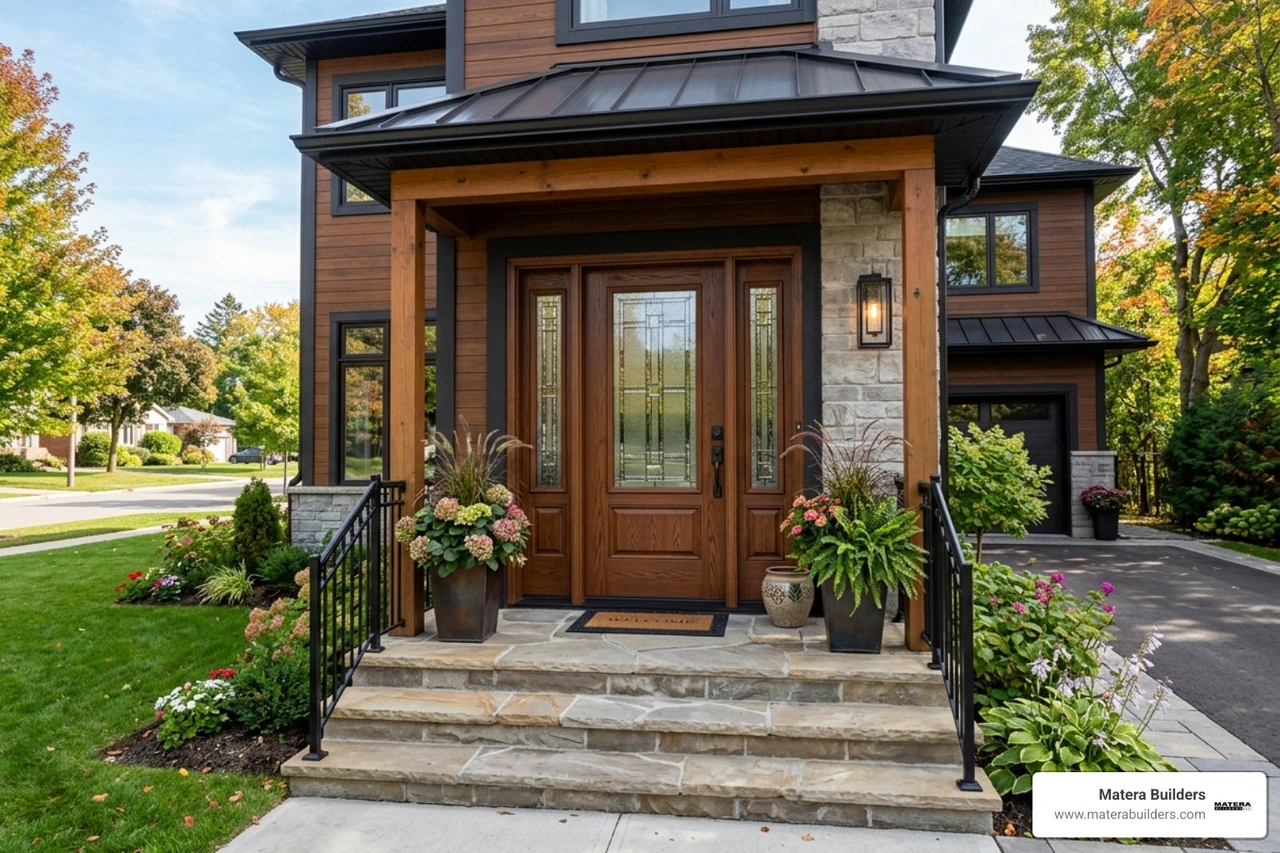
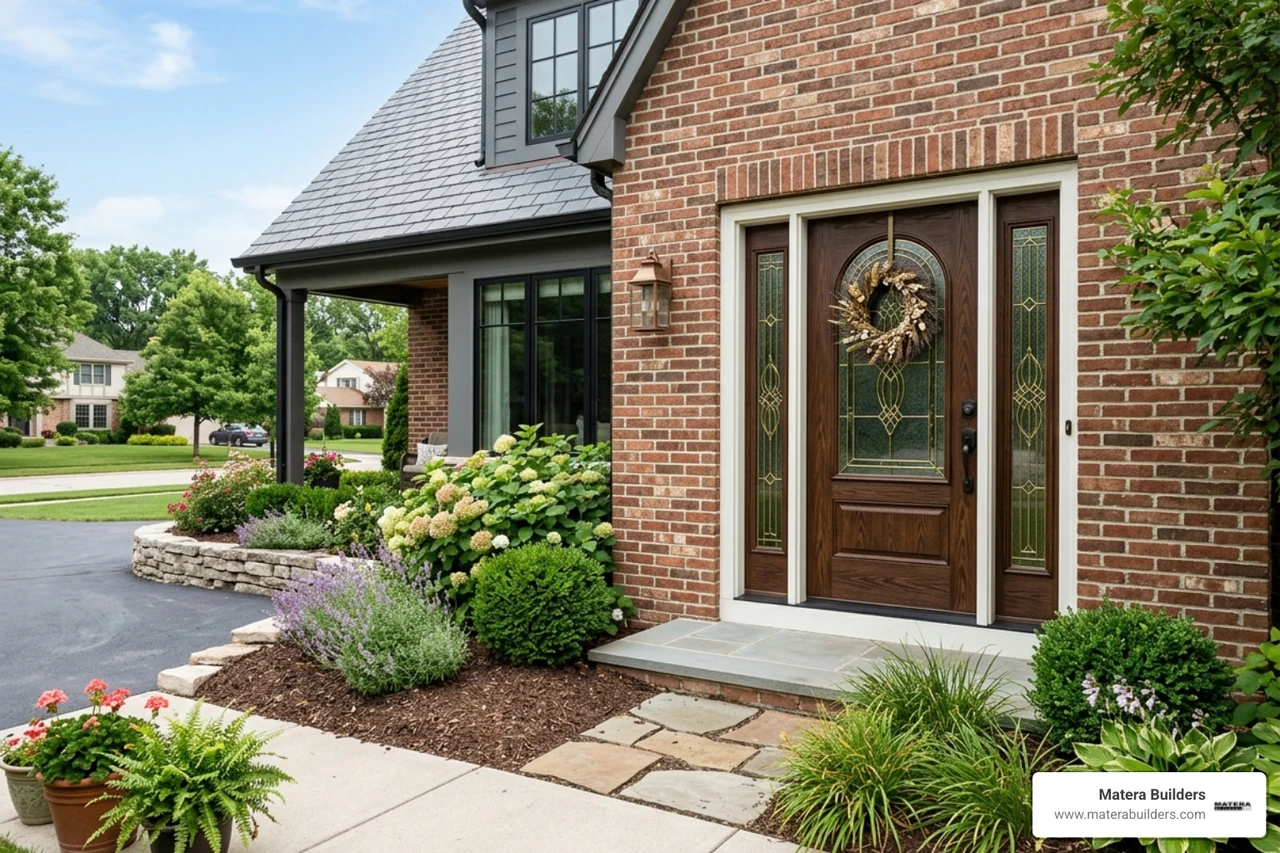
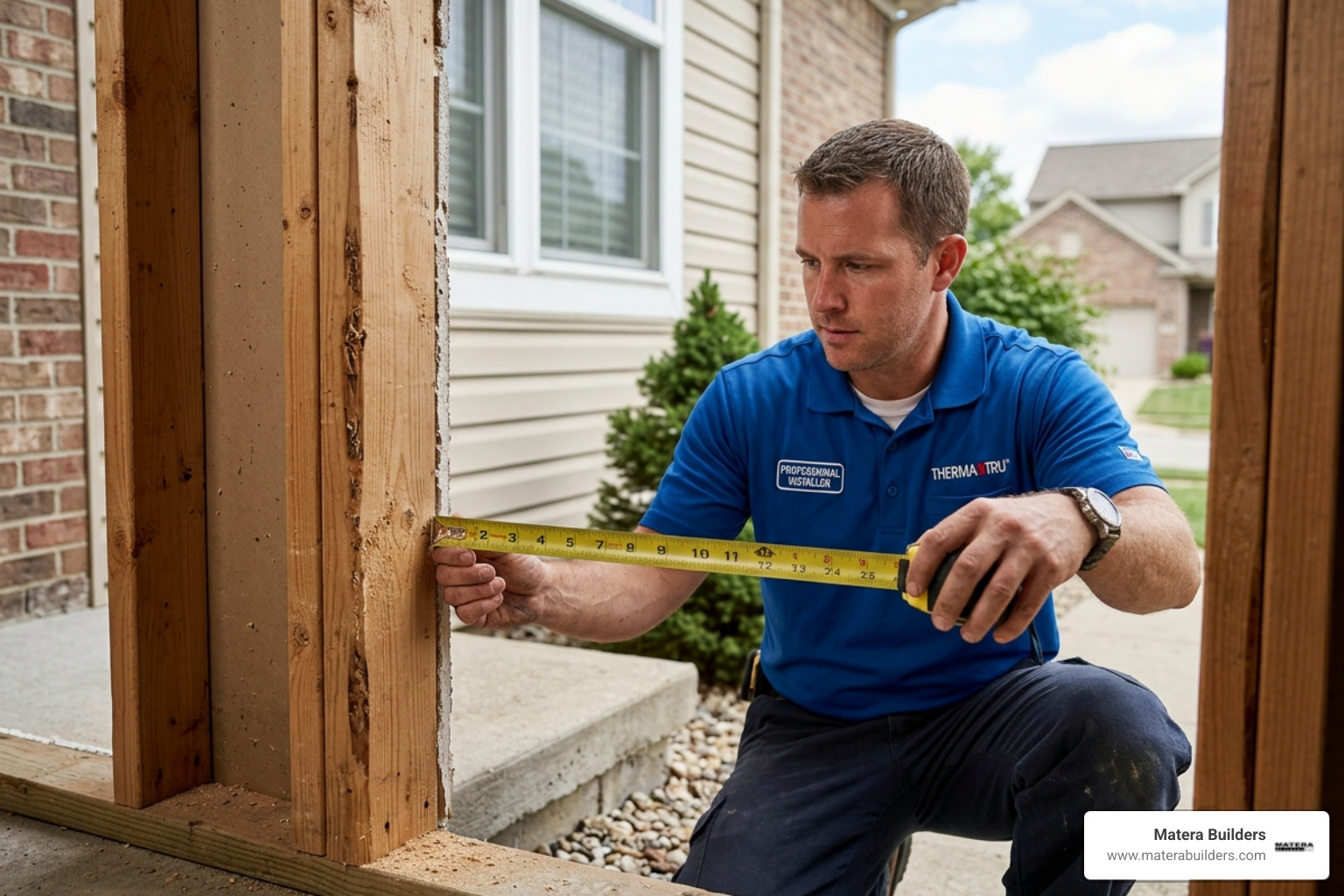
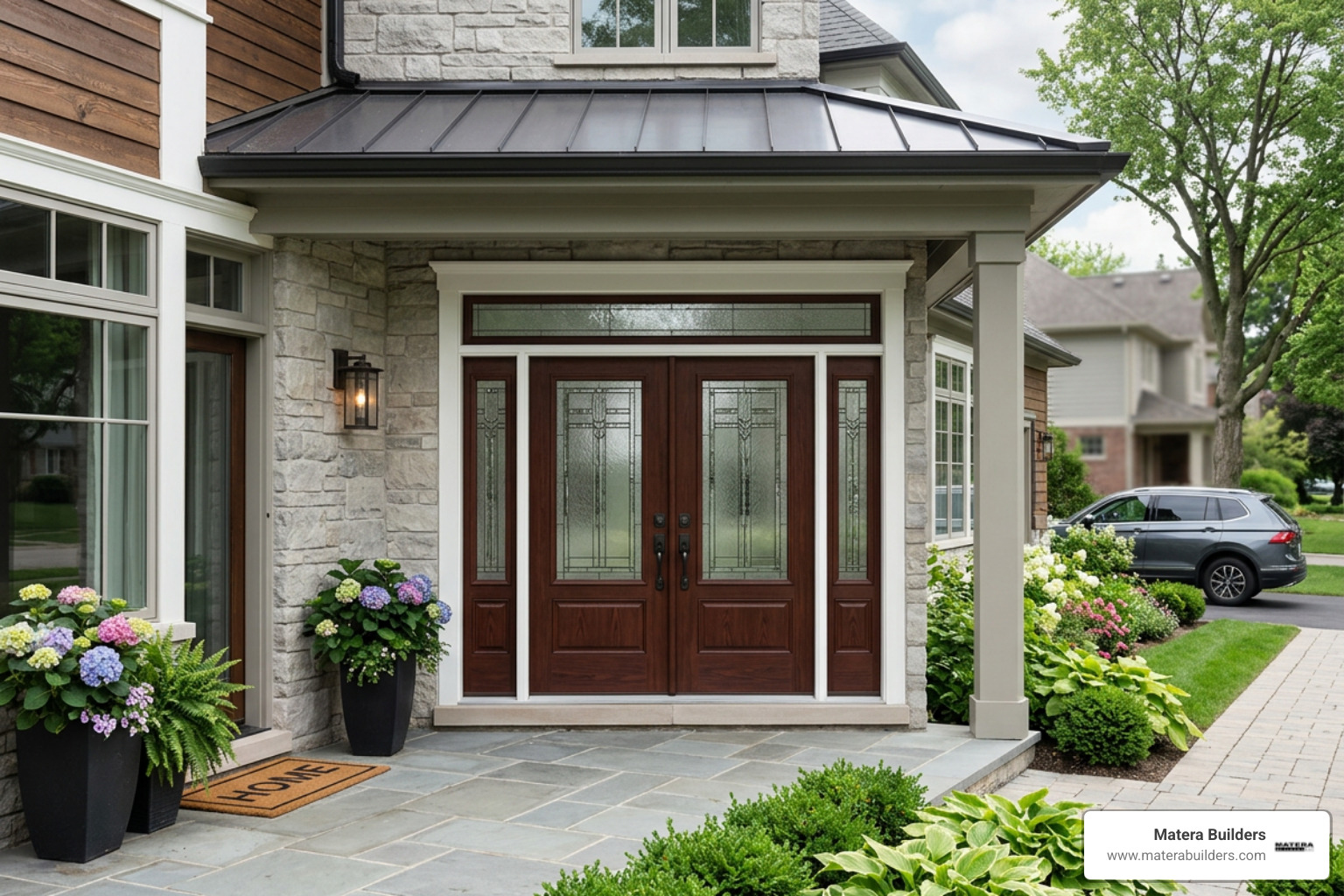
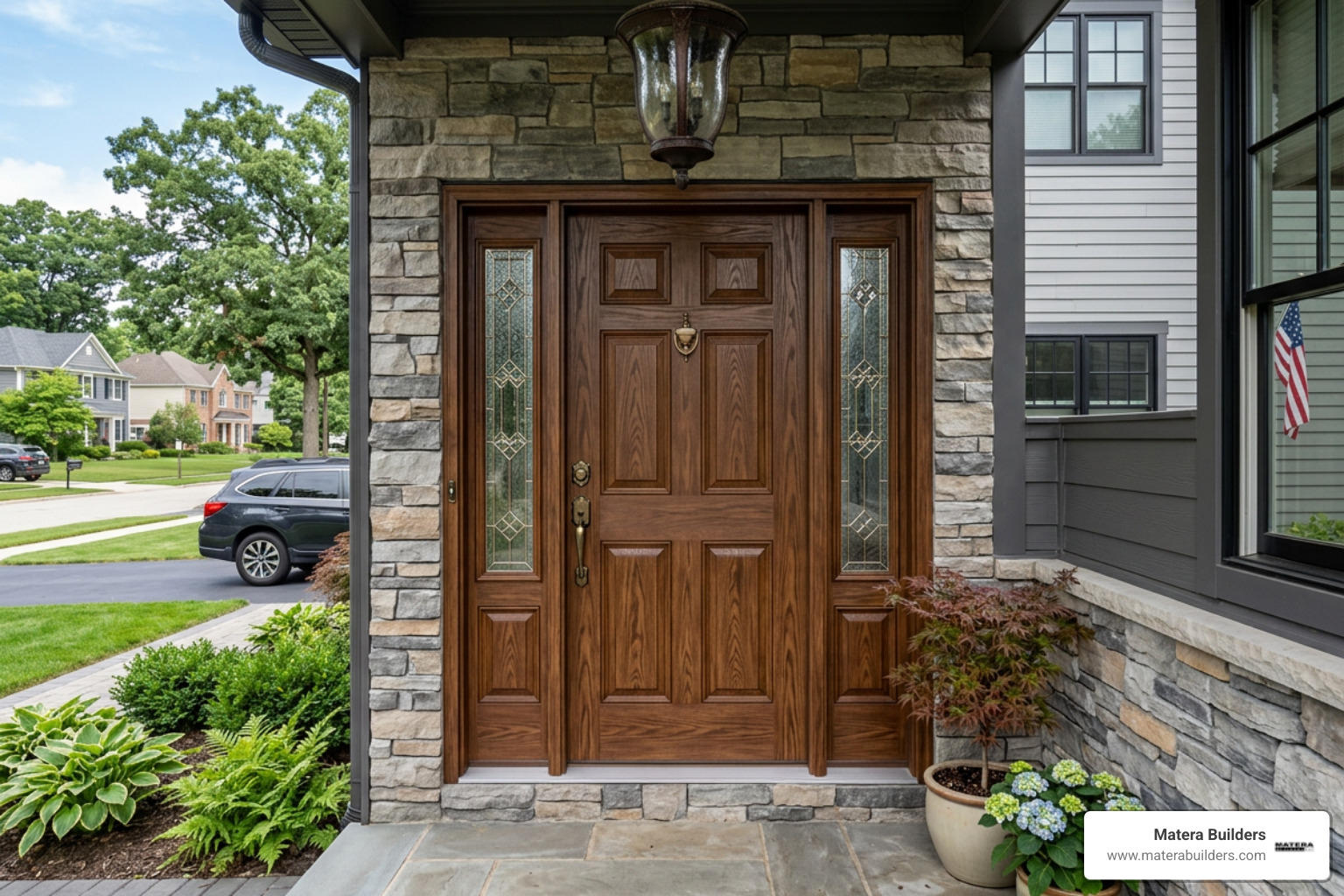
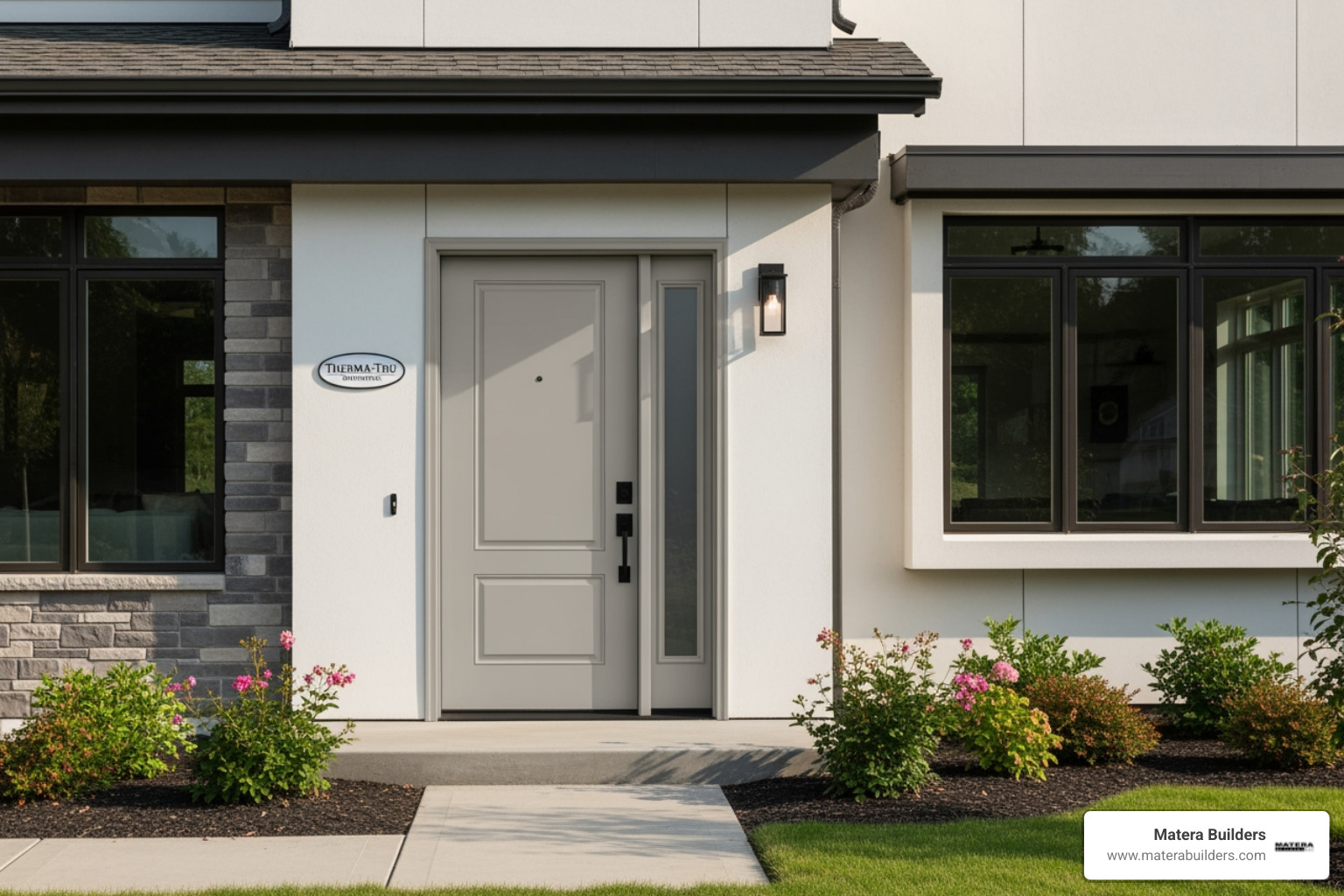
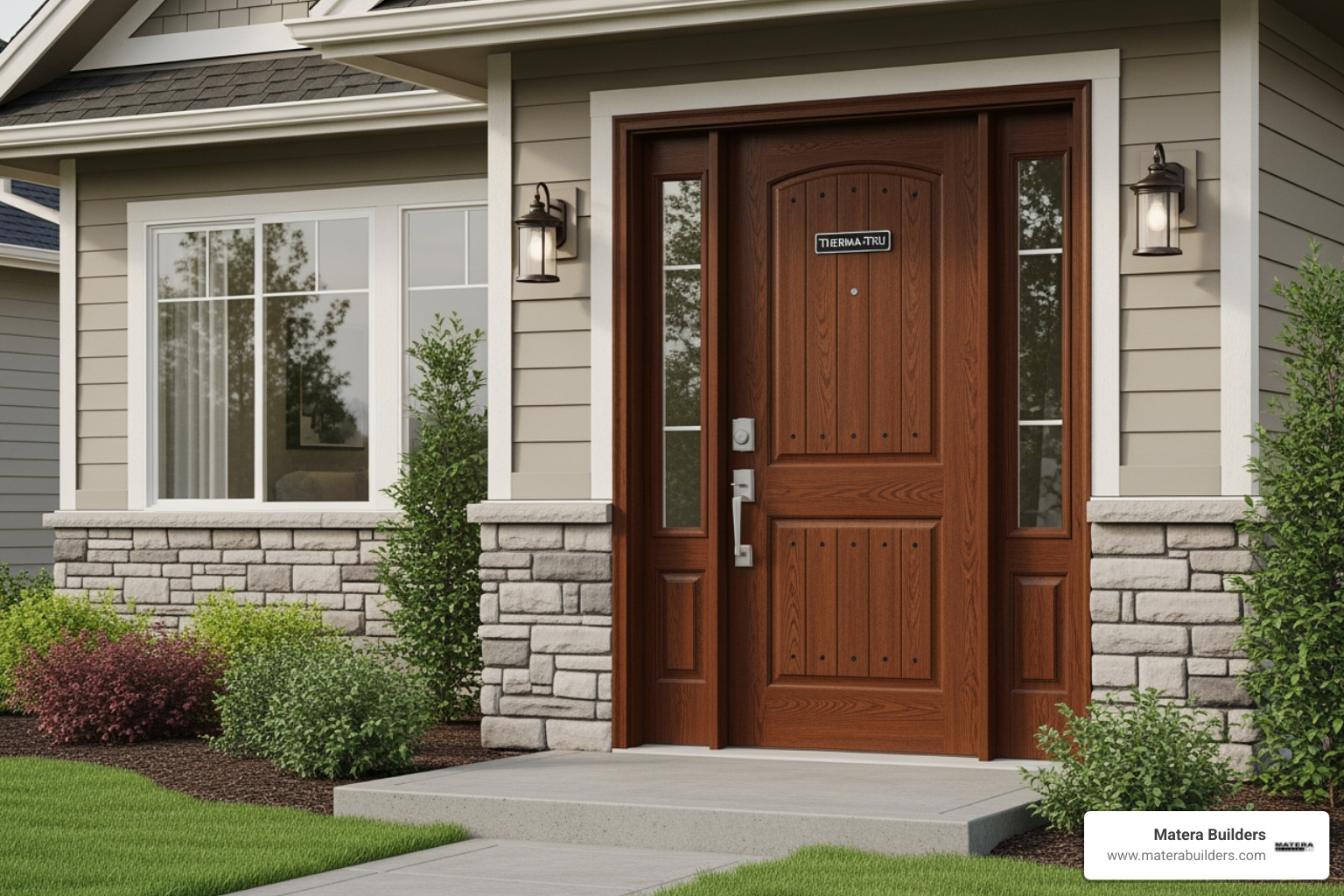
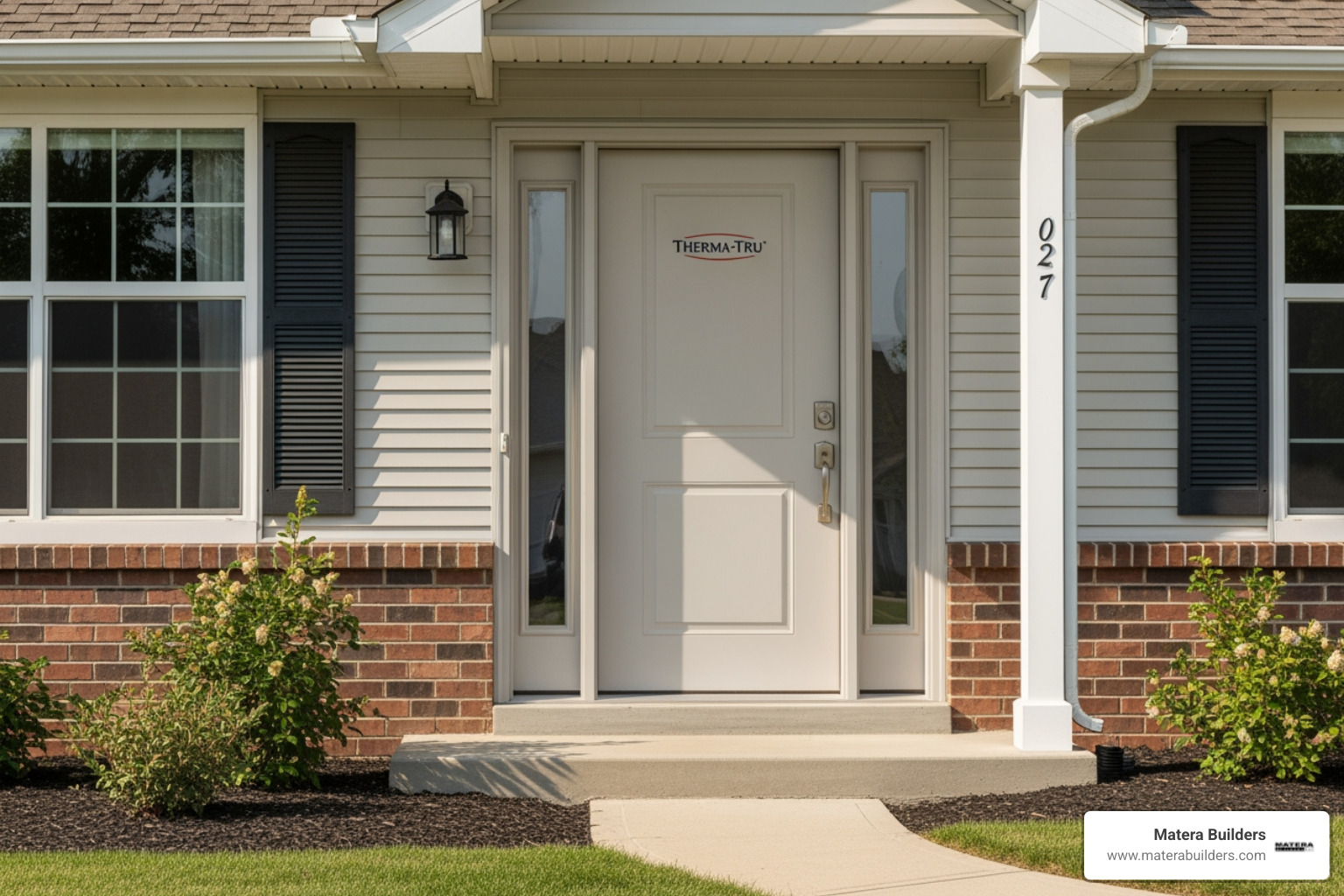
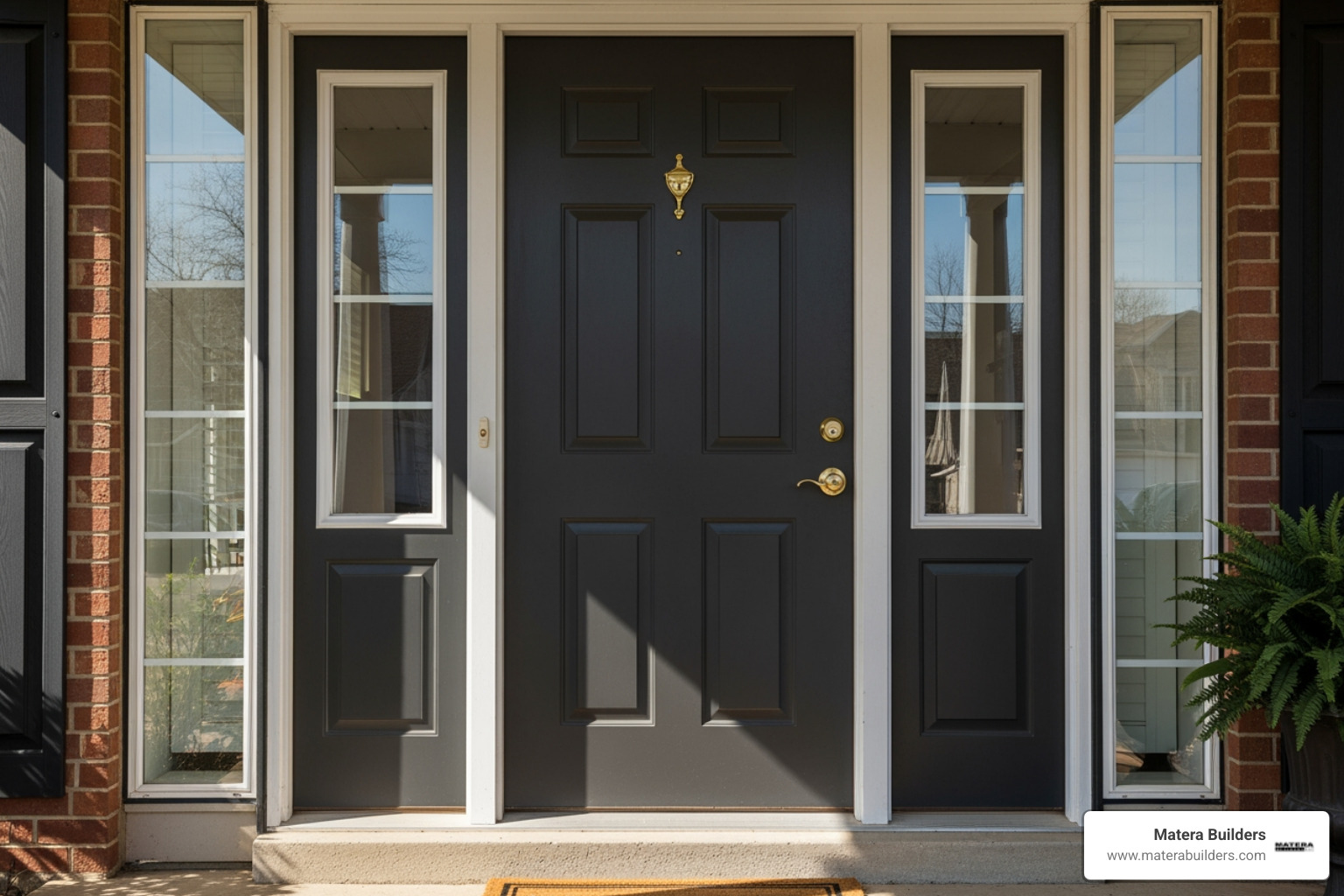
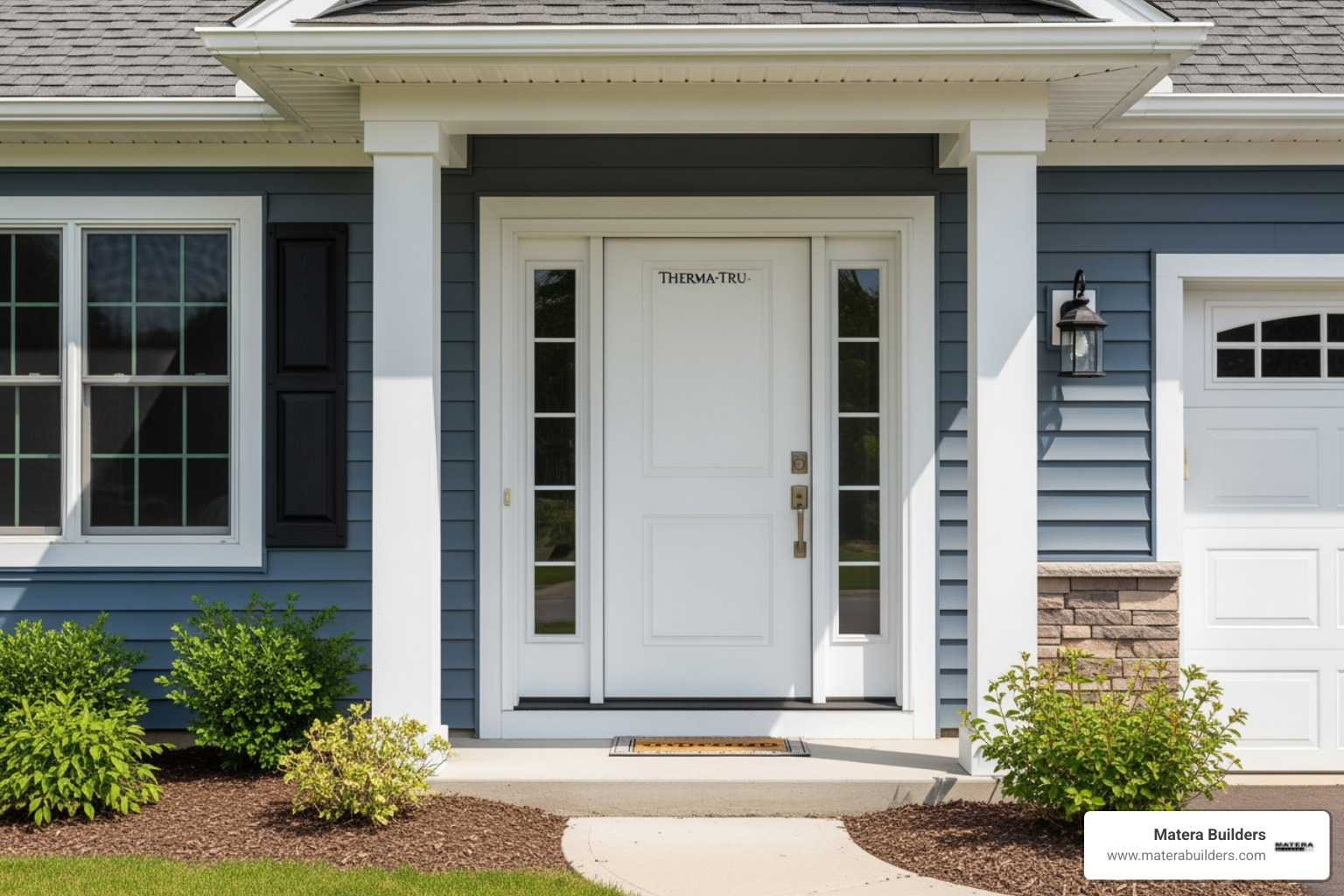
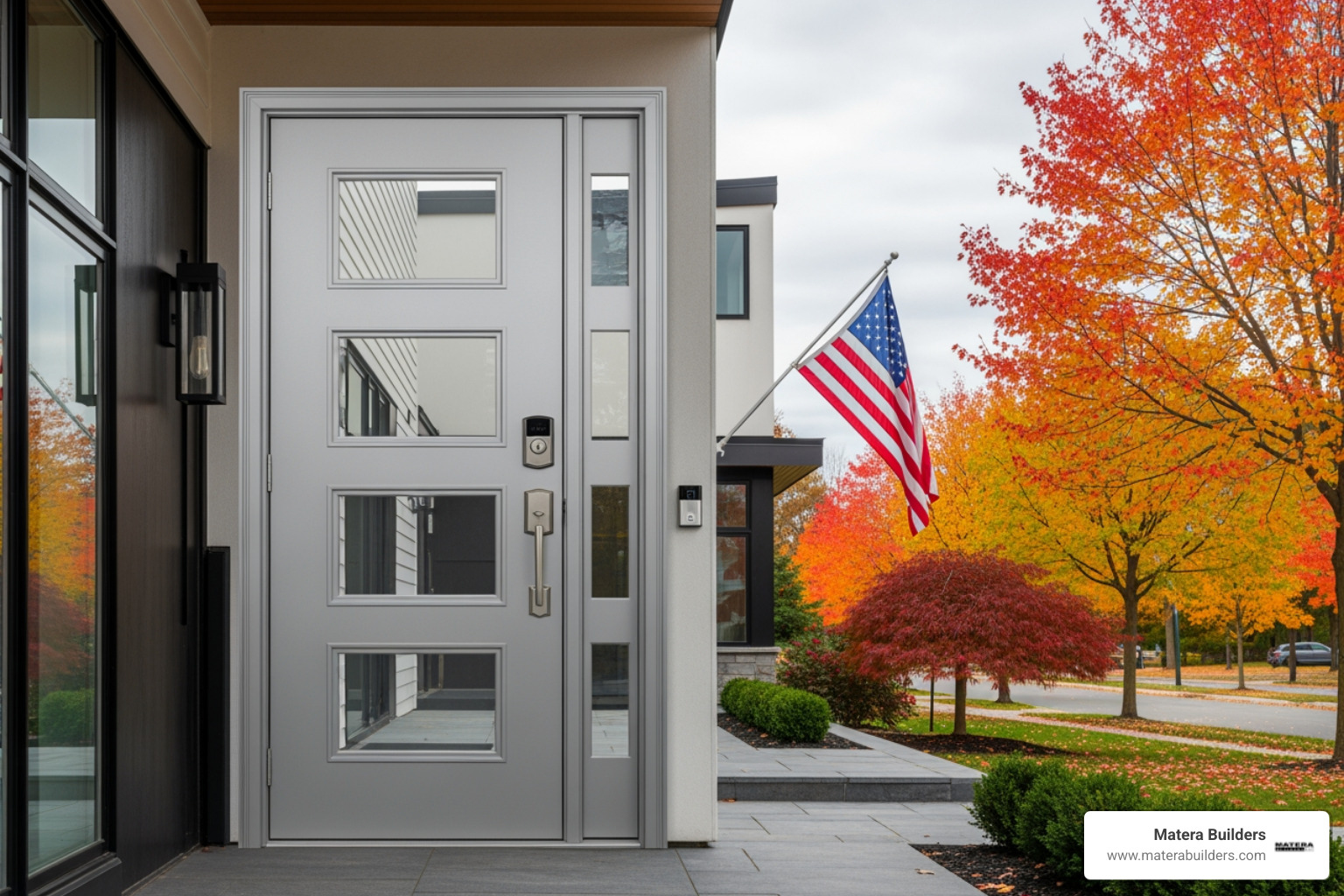
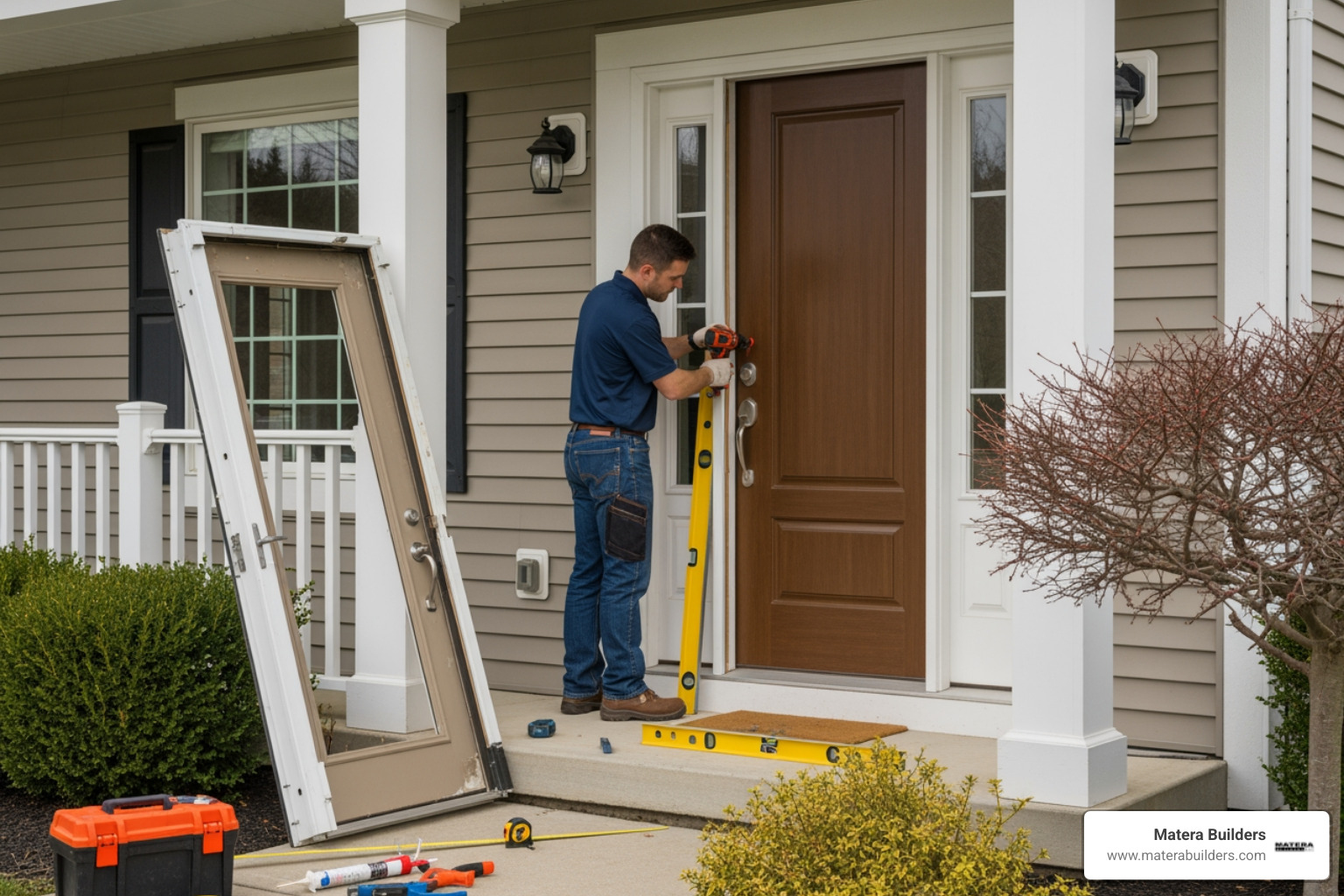
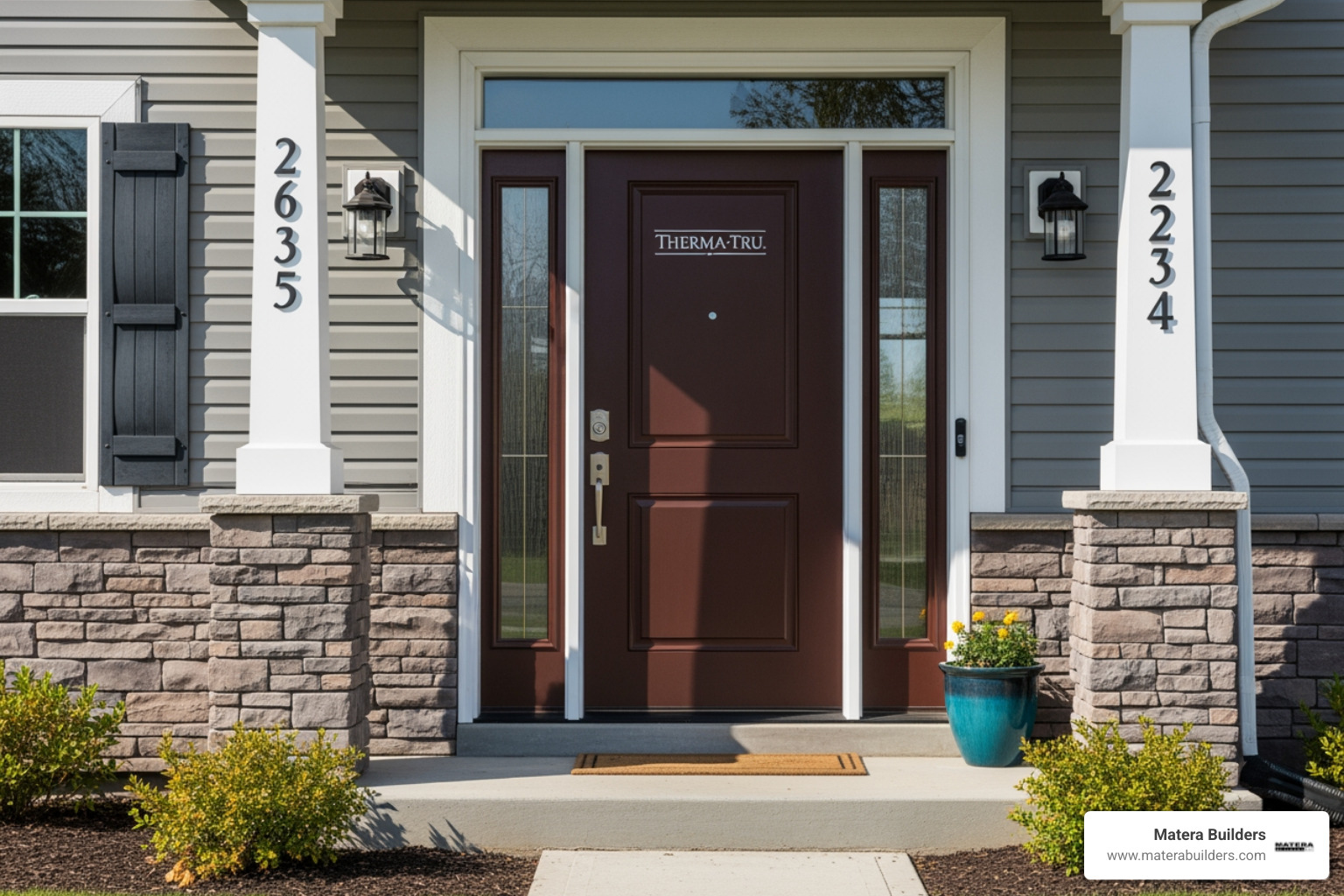
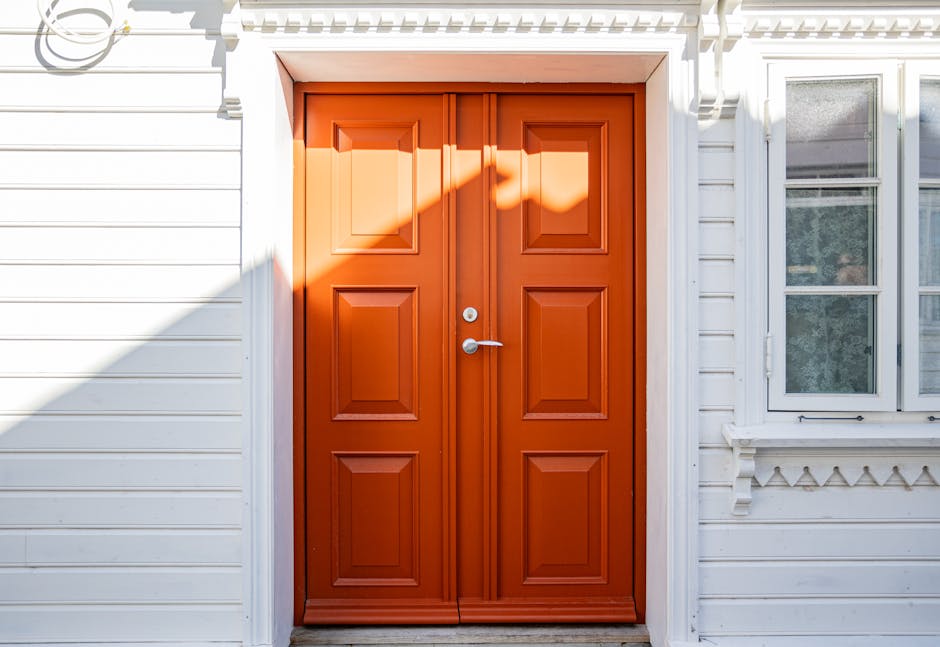
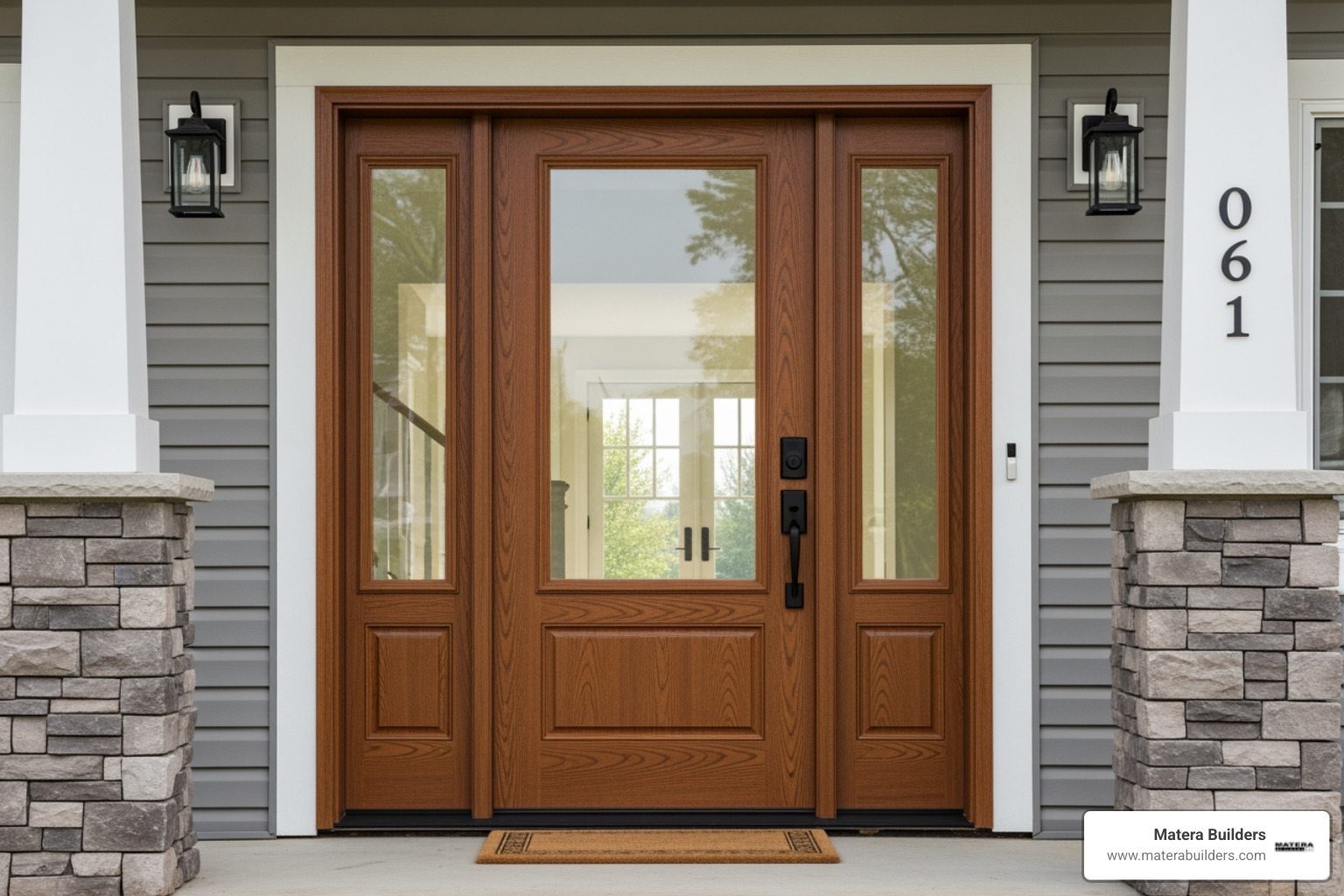
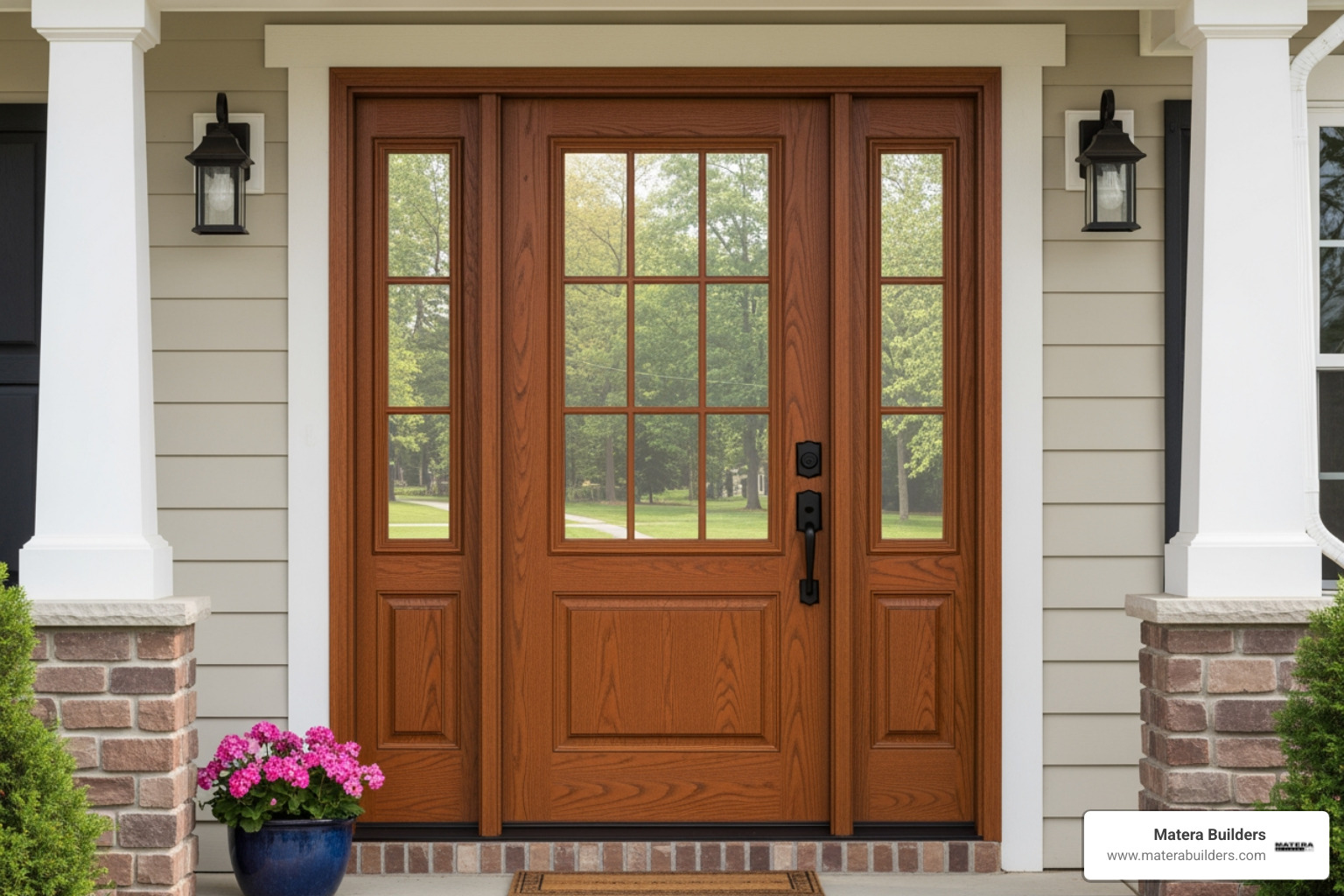
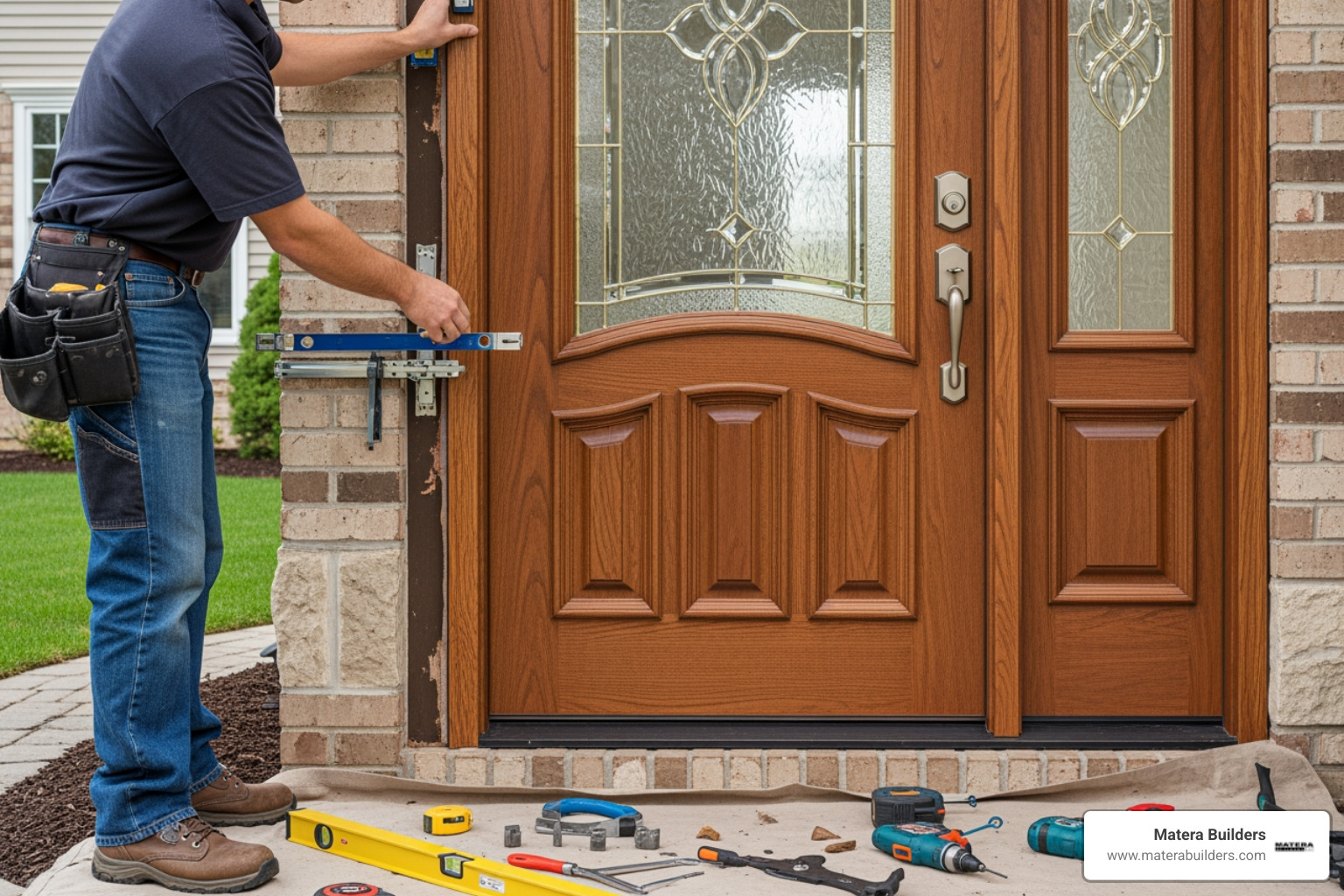
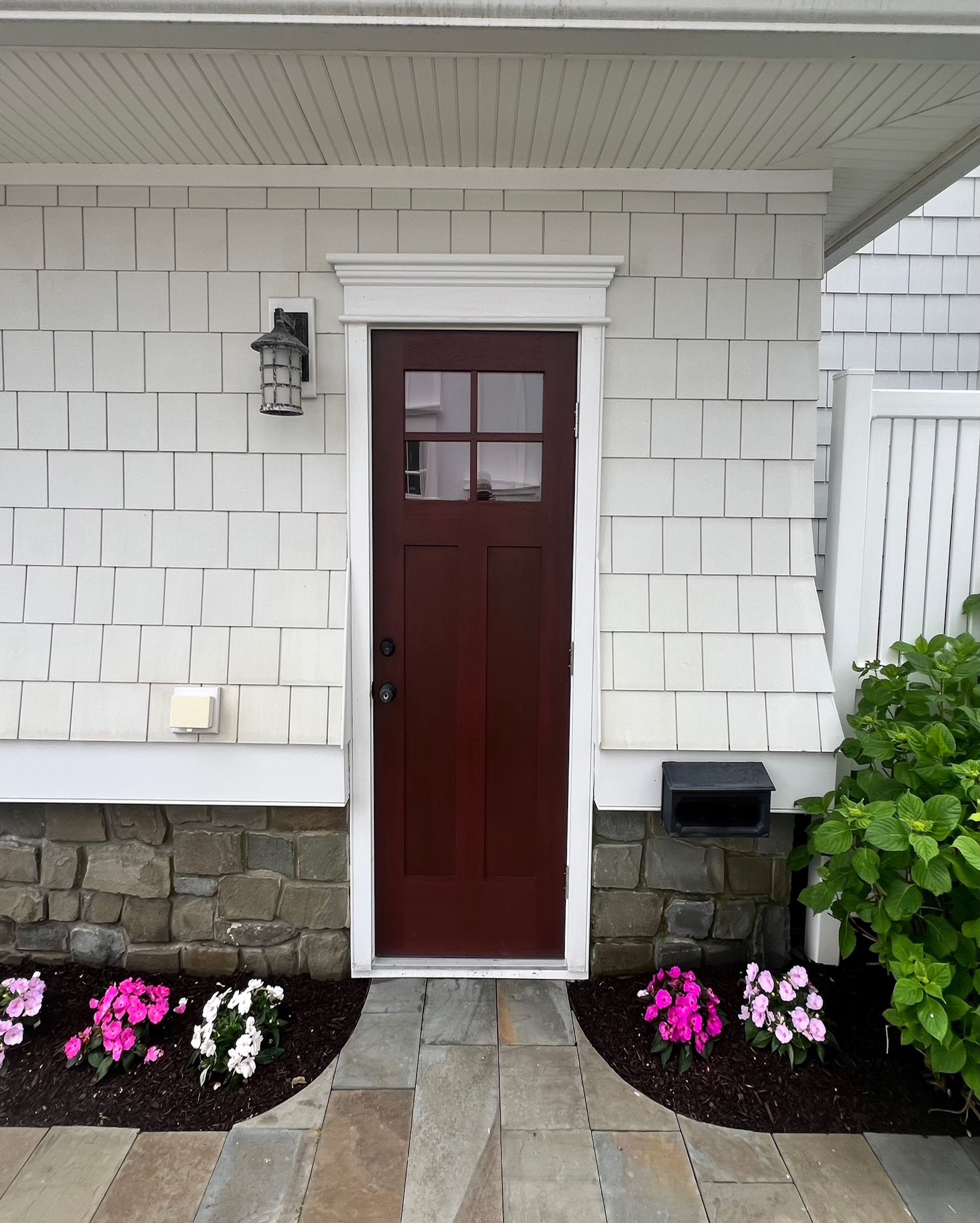
Don't forget the doors. We often install Therma-Tru Entry Doors because they offer the look of a traditional wood door but are made of fiberglass. They won't warp when the humidity hits 90% in July, and they provide a much better seal against the wind.
Energy efficiency also means looking at your HVAC. Many modern remodels are moving away from old boilers and toward high-efficiency heat pumps and mini-splits. These systems allow you to control the temperature in each room, which is perfect for those second-floor bedrooms that always seem to be ten degrees hotter than the rest of the house.
Enhancing Curb Appeal During Cape Cod House Renovations
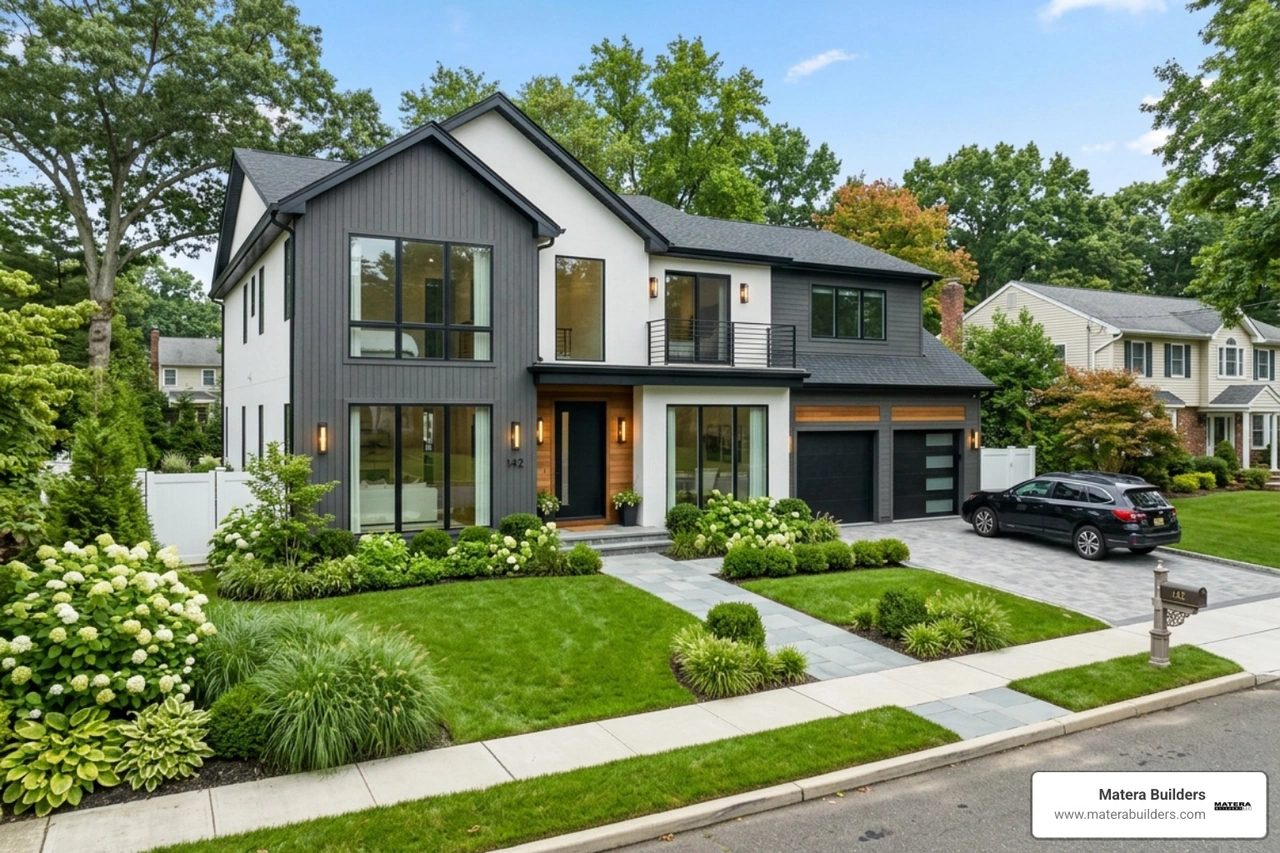
Curb appeal is where the magic happens. You want your house to be the "street stunner" that neighbors stop to admire.
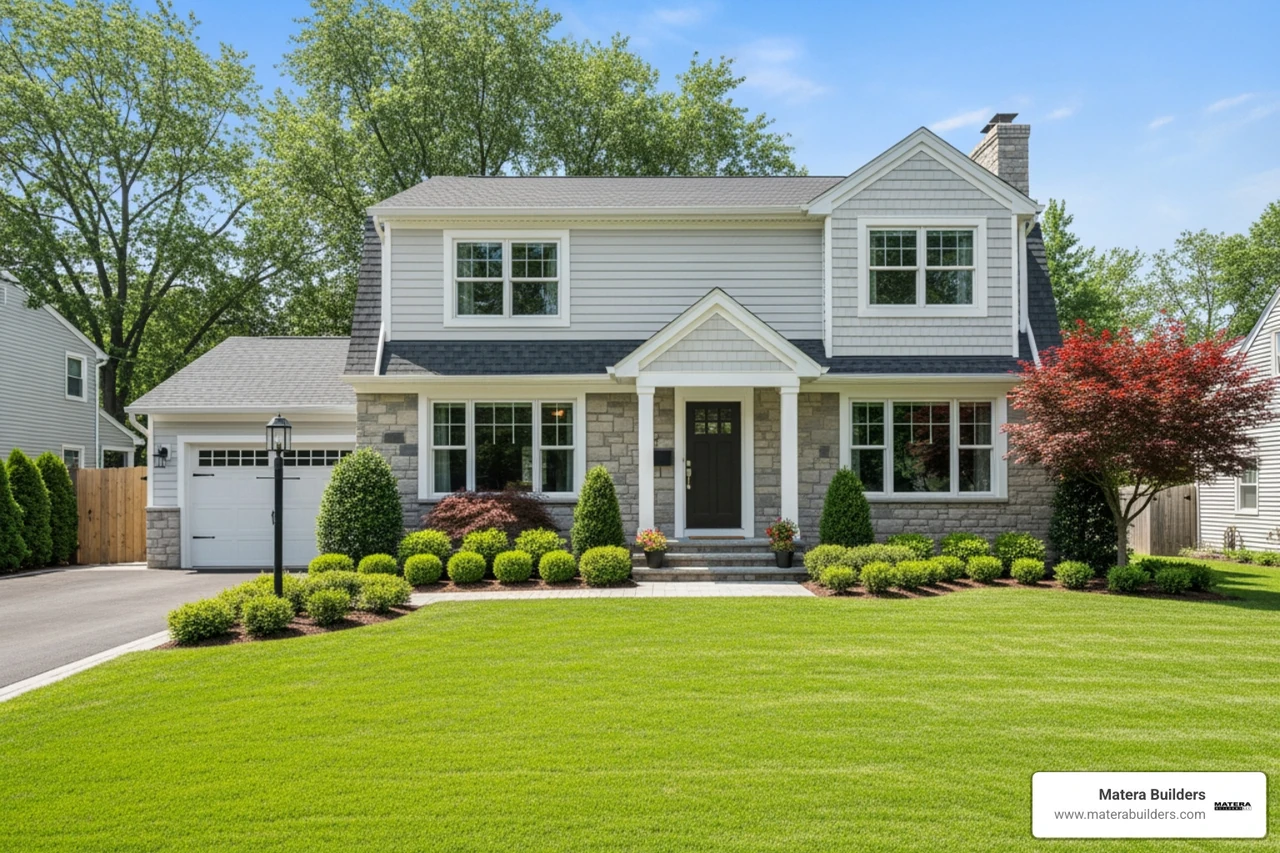
For the siding, white cedar shingles are the gold standard for the Cape look. However, many homeowners are now opting for high-quality polymer shingles that look like wood but require zero painting. We also see a trend of mixing materials. For example, using traditional shingles on the main house and white board-and-batten siding on a new garage addition. This makes the addition look like an old carriage house that was always there.
Other ways to boost curb appeal:
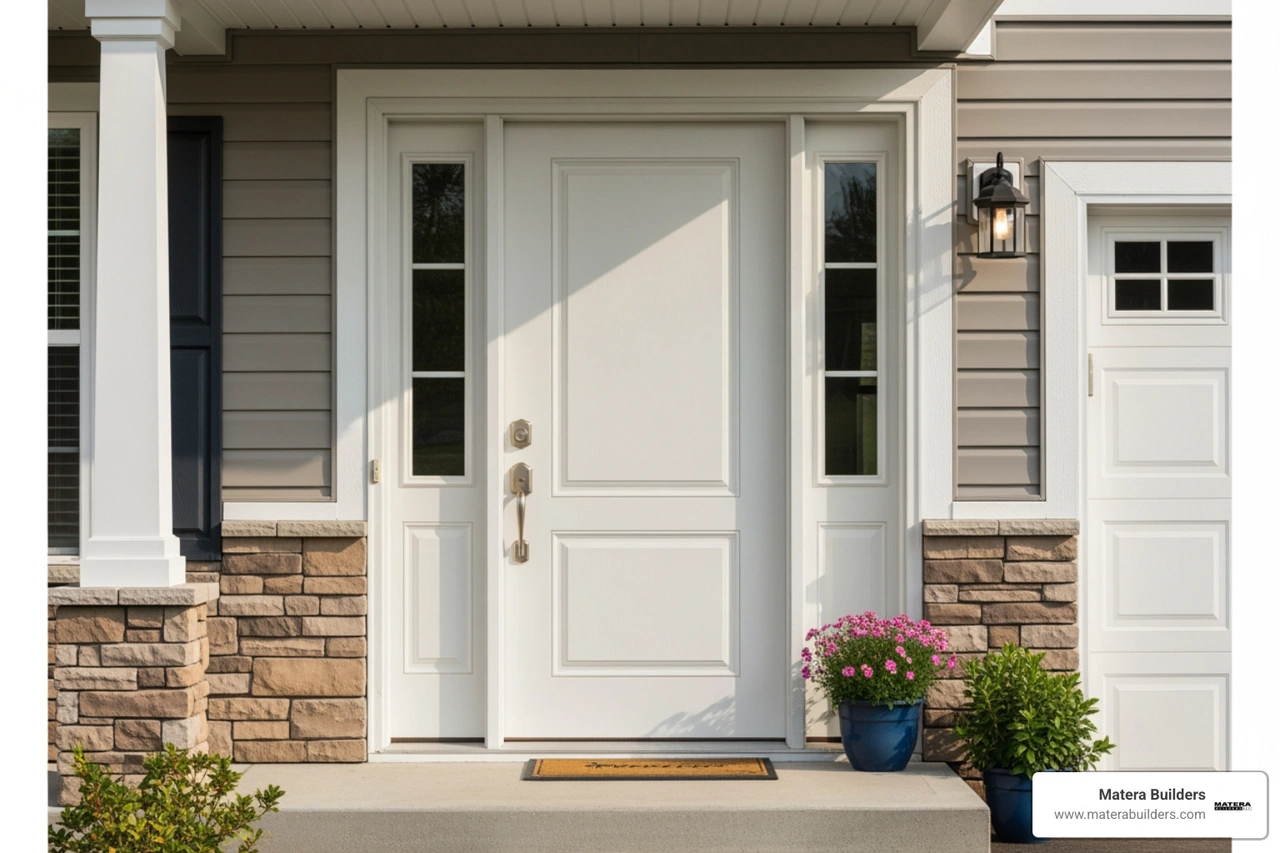
- Porticos and Front Porches: Adding a small roof over the front door or a full wraparound porch changes the scale of the house and makes it feel more welcoming.
- Lighting: Black lanterns are a classic choice that pops against white or gray siding.
- Landscaping: Use native coastal plants that can handle the sandy soil and salt spray.
- Walkways: A brick or natural stone walkway adds a sense of permanence and history.
If you are planning a larger project, you might also be looking for bathroom renovations near me to ensure the master suite matches the new exterior quality.
Modernizing Interiors While Keeping Charm
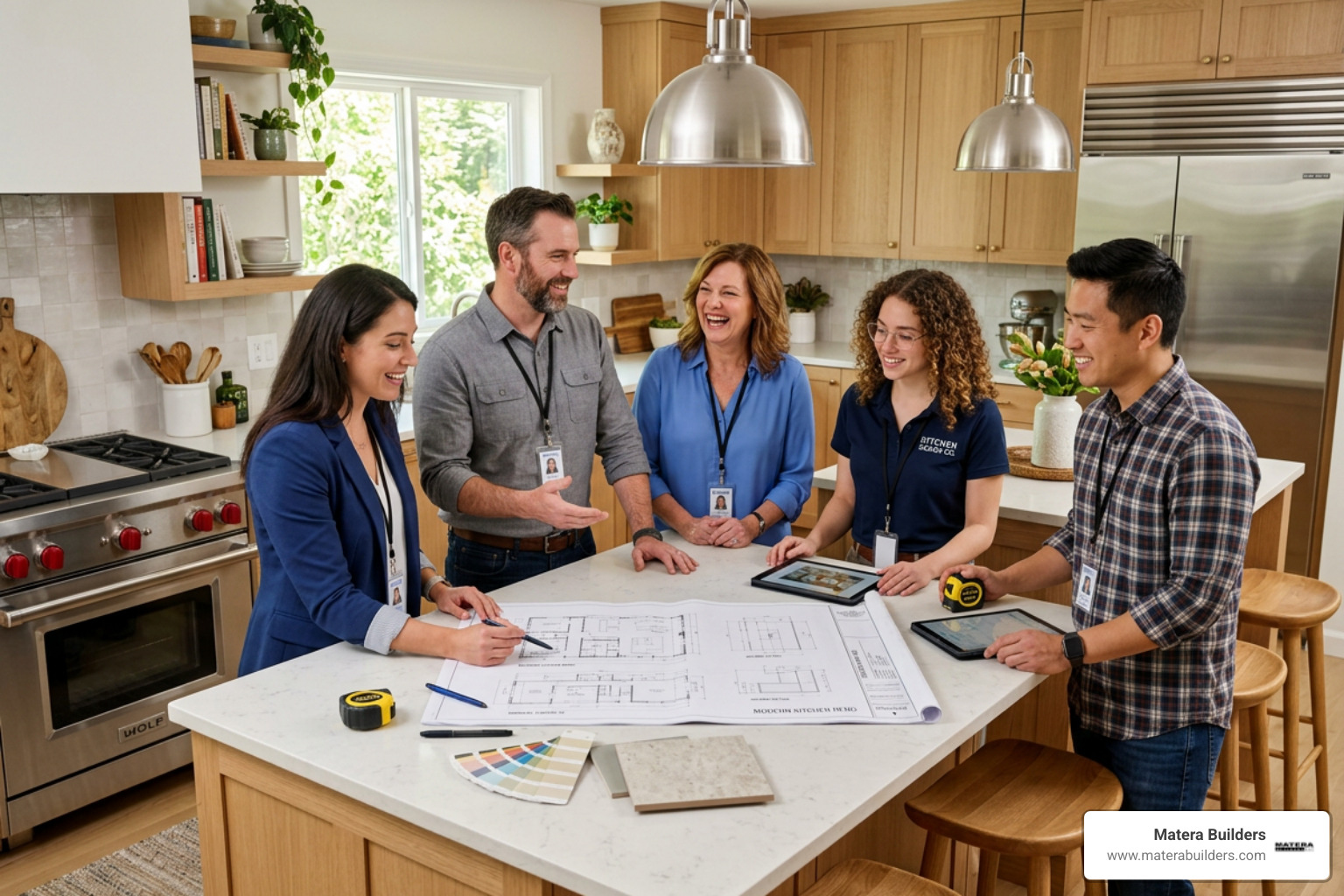
The biggest trend in cape cod house renovations right now is the "open concept" layout. In the 1950s, people wanted separate rooms. In 2026, we want to see from the kitchen into the living room.
To achieve this, we often have to remove load-bearing walls. This requires a structural engineer and a "carrying beam" to support the weight of the second floor. Once that wall is gone, the whole house feels twice as big.
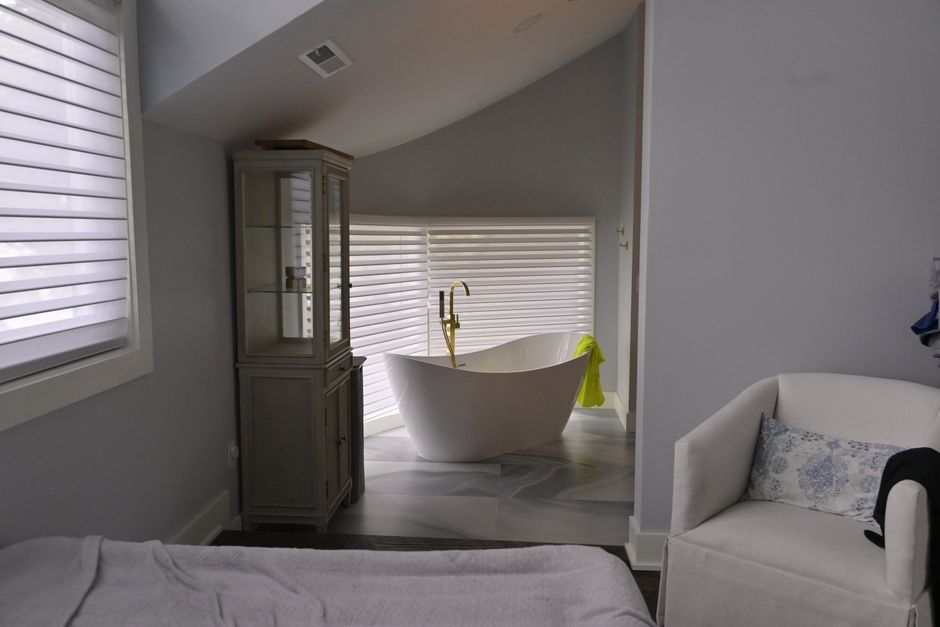
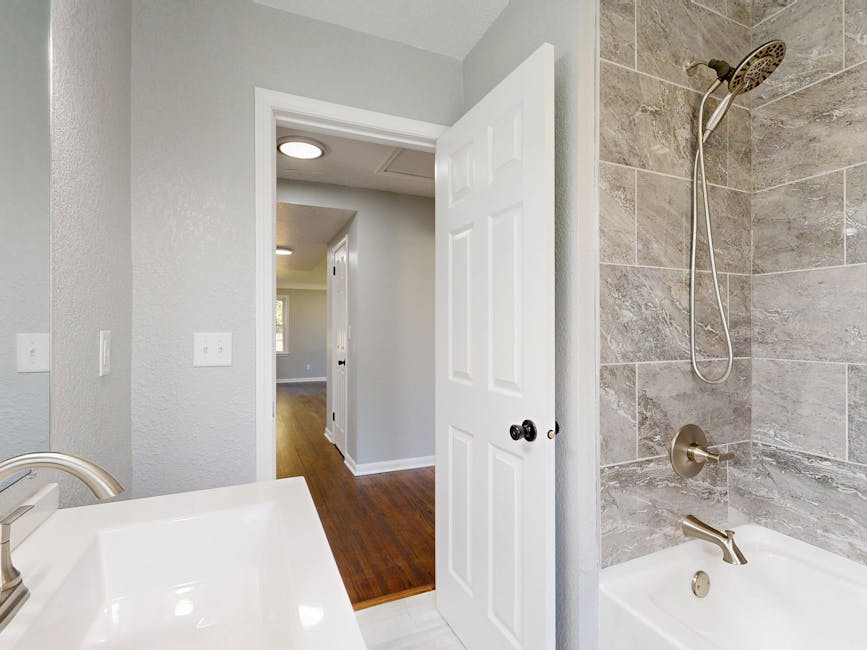
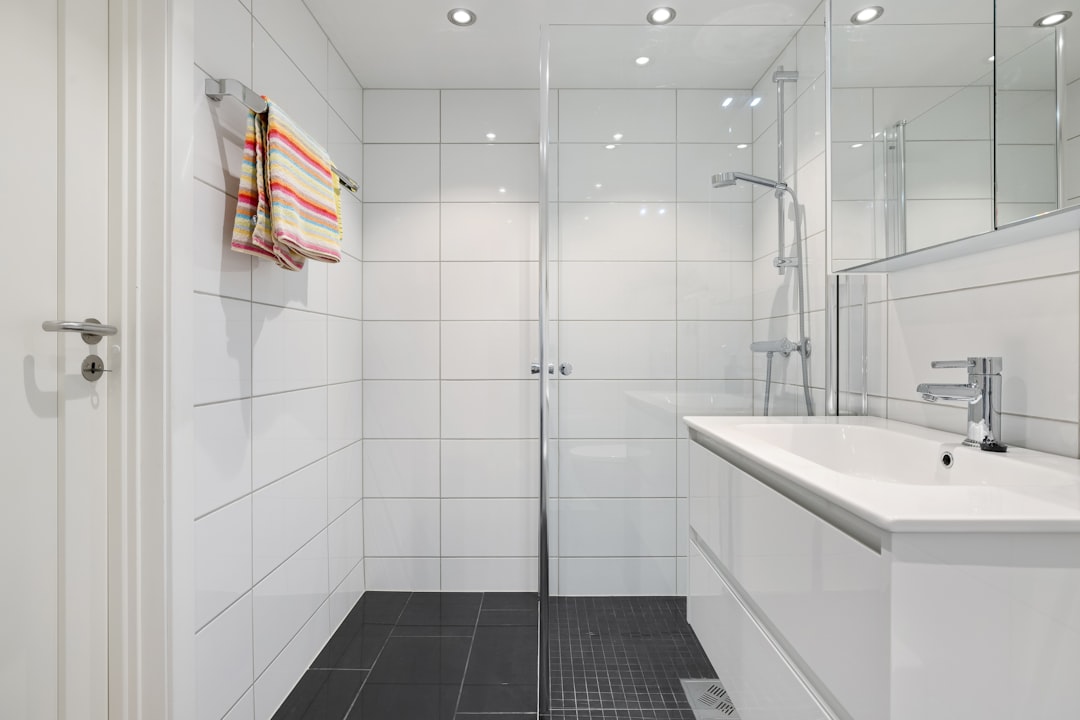
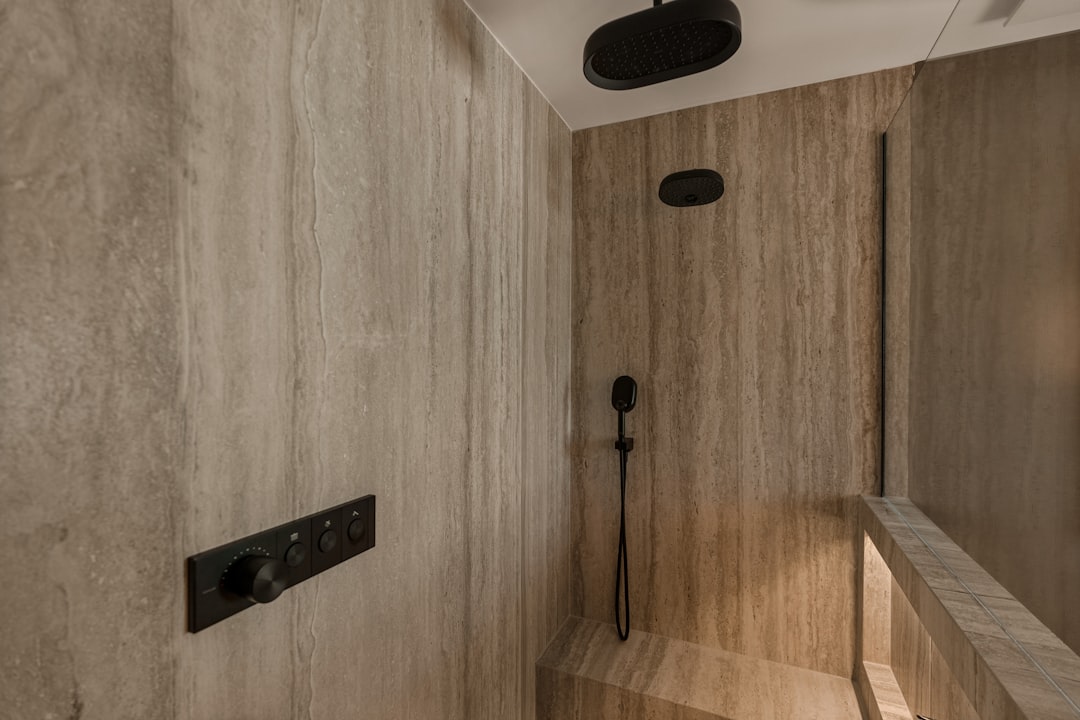
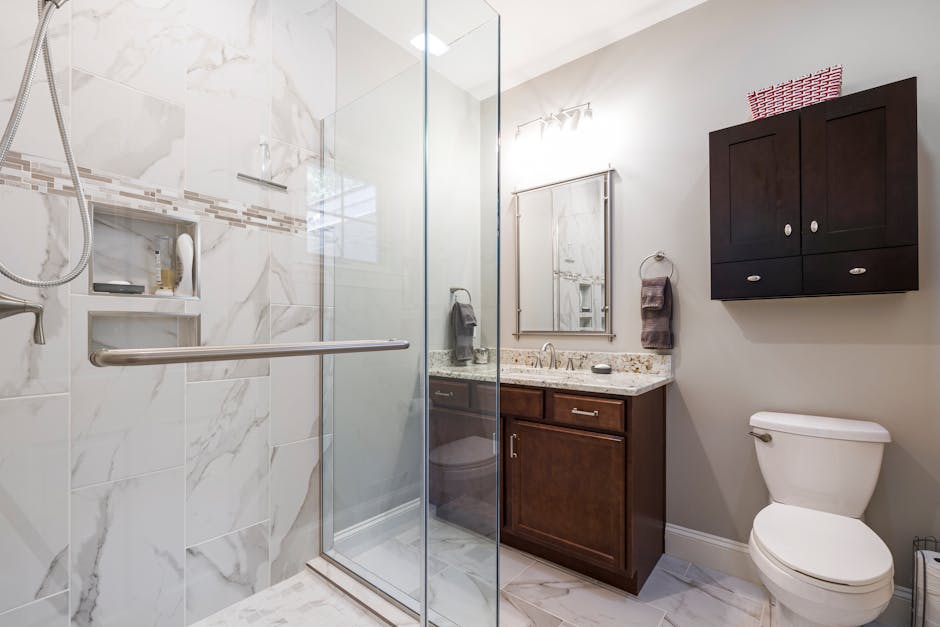
Another major shift is the "First-Floor Master Suite." As homeowners look to "age in place," they don't want to climb steep Cape Cod stairs every night. By repurposing an underused dining room or building a small addition, we can create a full suite with a bathroom shower remodel that features a walk-in entry and modern tile.
Interior Design Trends for Cape Cod House Renovations
How do you make a Cape feel modern without losing its soul? It's all about the materials.
- Flooring: Swap out dark, narrow pine for wide-plank light oak. It brightens the room and feels more "coastal modern." Pre-engineered flooring is actually better for the Jersey Shore because the plywood backing prevents the boards from warping in our high humidity.
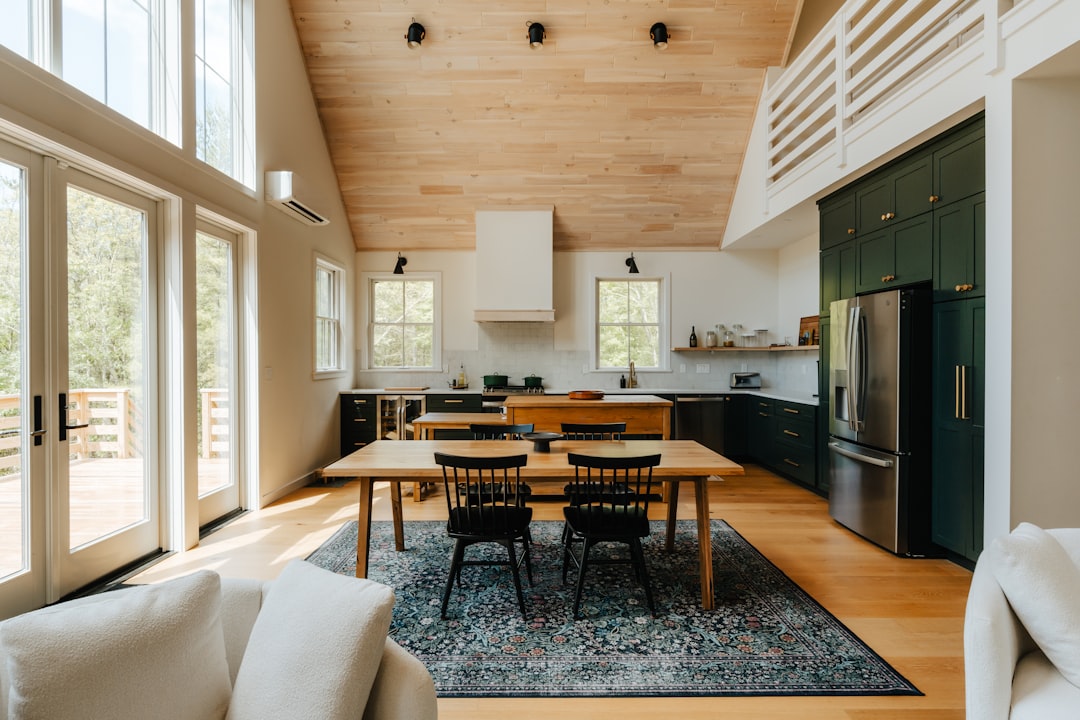
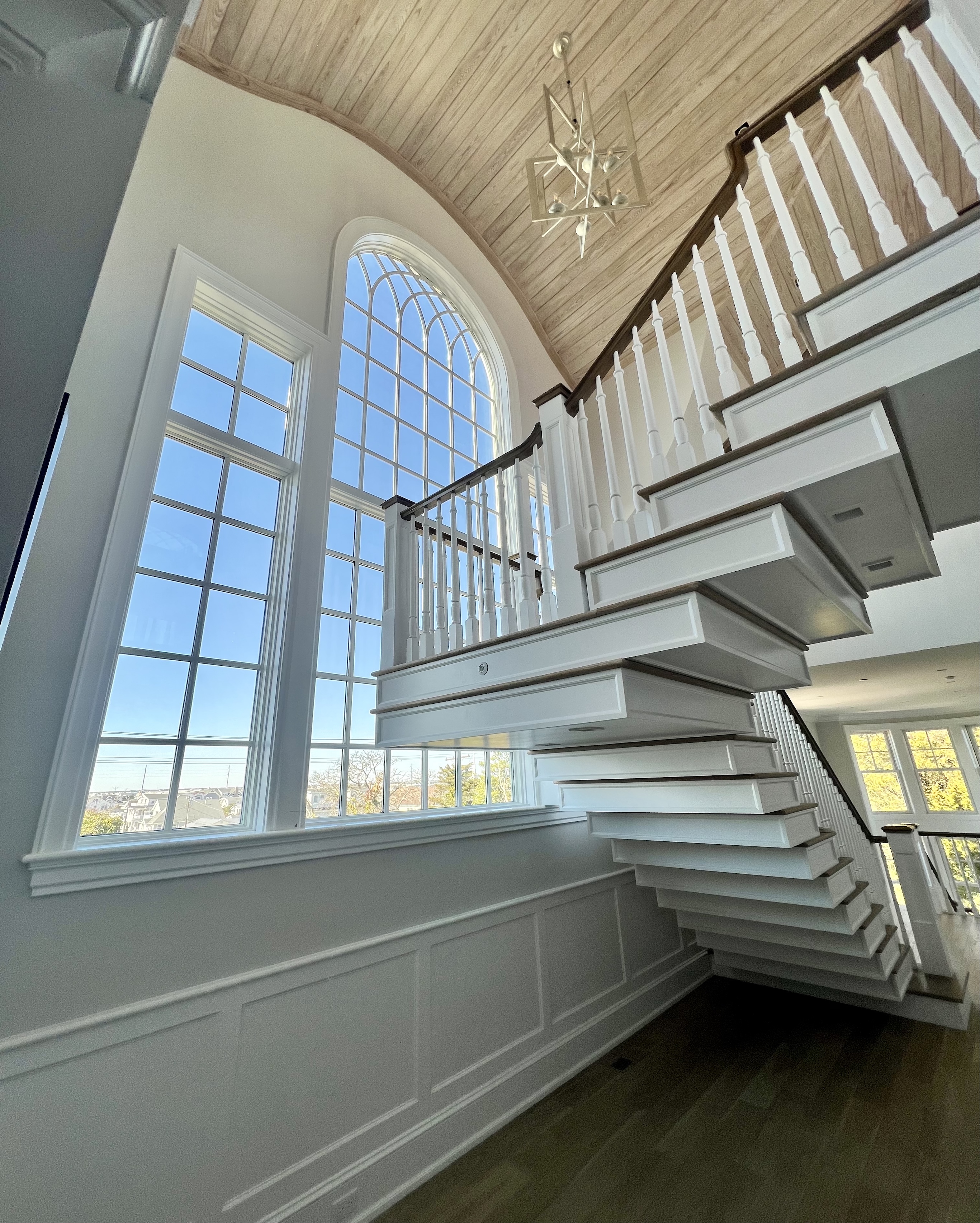
- Walls and Ceilings: Shiplap is still popular, but we are seeing a move toward 6-inch V-groove paneling. If you have dark, heavy ceiling beams, try wrapping them in white poplar. It keeps the structural look but makes the room feel much airier.
- Color Palettes: Think "Nautical but Nice." Hydrangea blues, soft grays, and crisp whites (like Benjamin Moore White Dove) are the favorites.
- Hardware: Black hardware on white cabinets or doors provides a high-contrast, sophisticated look that still feels traditional.
One clever trick we’ve seen in high-end renovations is the "Built Like a Ship" approach. Because Capes have so many nooks and crannies, designers are building hidden storage into the walls. Think of it like a yacht—every inch of space is used for something.
Frequently Asked Questions about Cape Cod Remodels
How do I make a small Cape Cod feel bigger?
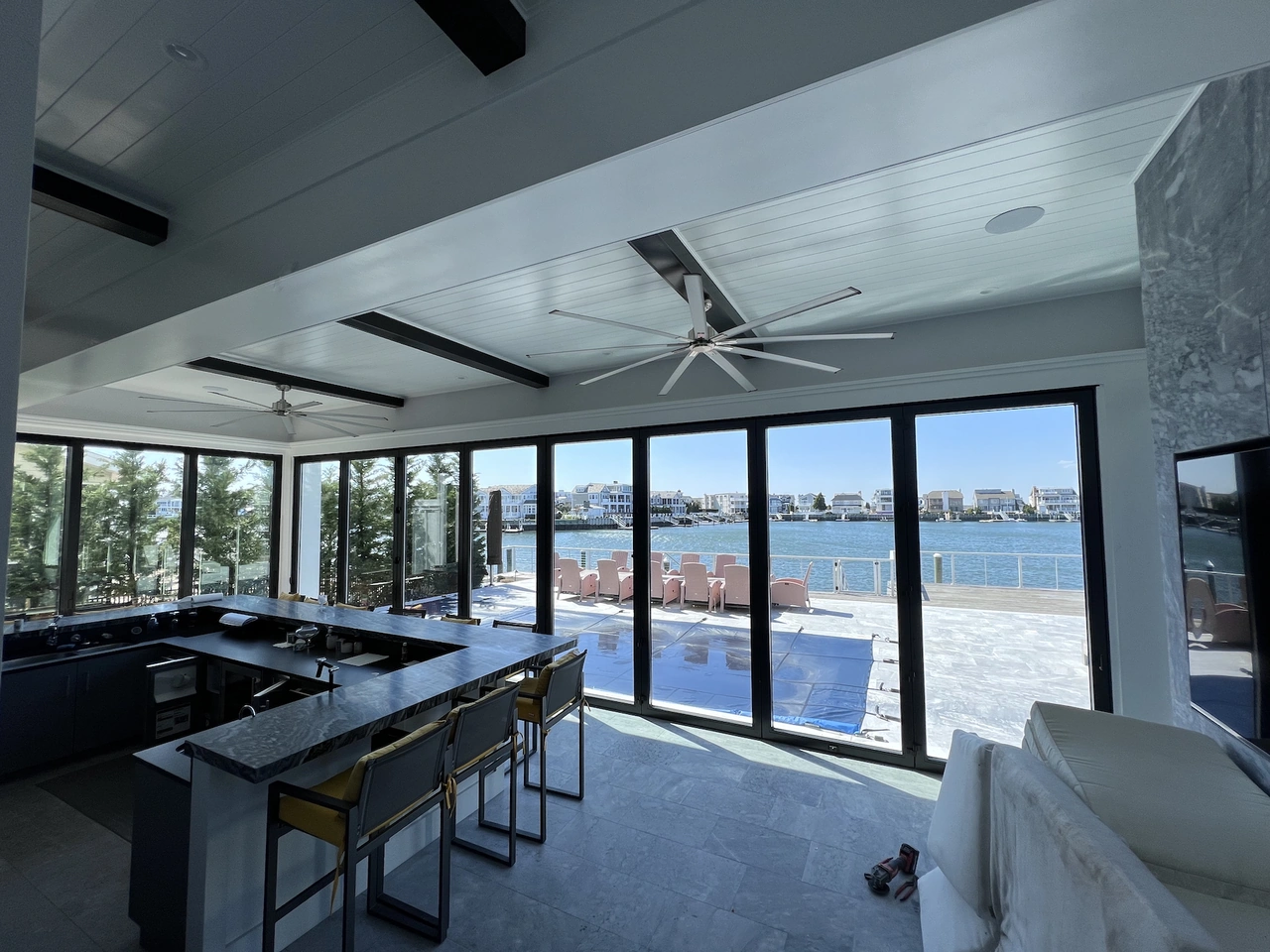
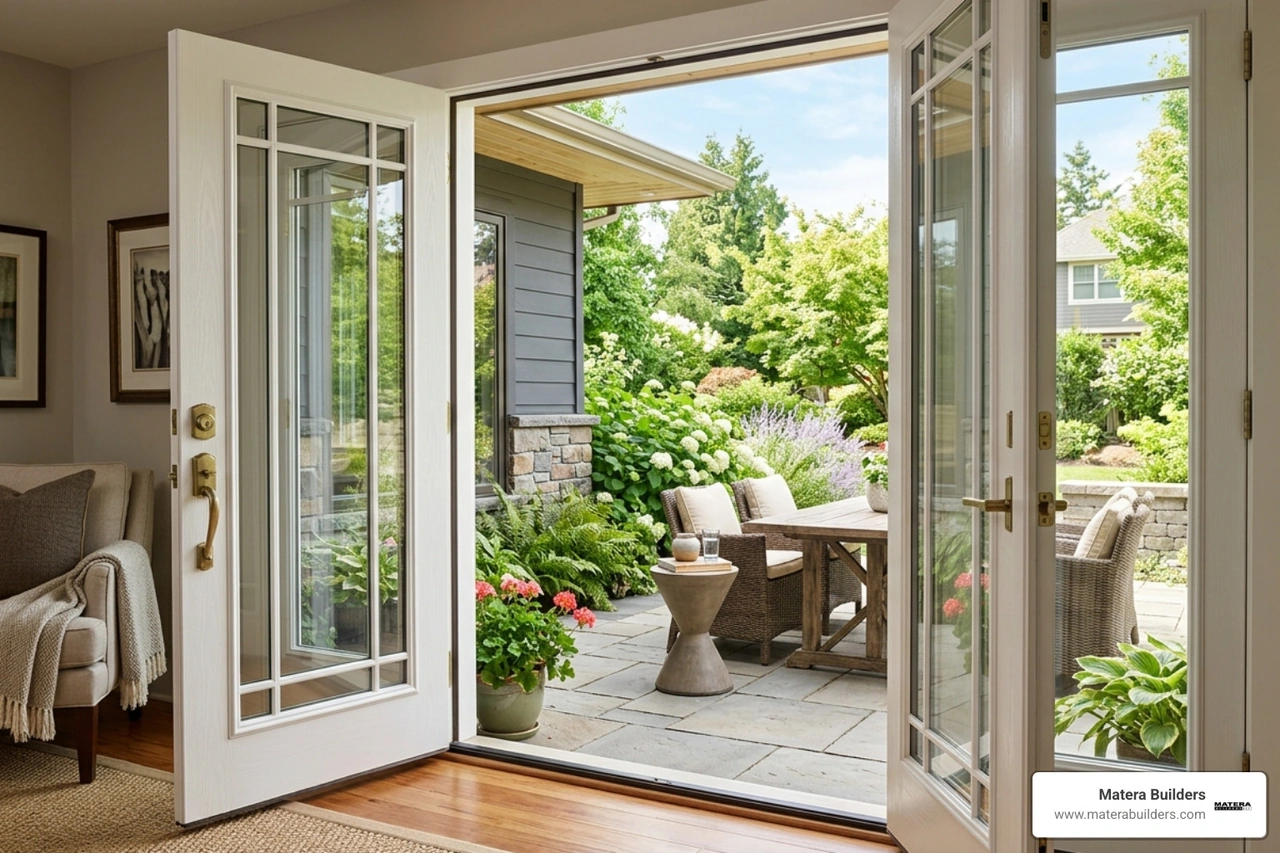
The best way to make a small Cape feel bigger is to maximize natural light. Replace solid exterior doors with full-light glass doors. Remove non-load-bearing walls to let light travel through the house. Also, use consistent flooring throughout the entire first floor; when the floor isn't "broken up" by different materials, the space feels continuous and larger.
What are the best windows for coastal Cape Cod homes?
For the Jersey Shore, you need windows that can handle salt and wind. We recommend Andersen Windows with Fibrex frames. They won't pit or corrode like aluminum, and they won't rot like unprotected wood. Look for High-Performance Low-E4 glass to help with energy bills.
Do I need a permit for a dormer addition in New Jersey?
Yes. Any time you change the structural footprint or the roofline of your home, you need a permit from your local municipality (like Ocean City or Upper Township). You will likely need architectural drawings and a structural engineer's stamp to prove the existing foundation can handle the new weight.
Conclusion
Cape cod house renovations are a journey from "dated and cramped" to "classic and comfortable." These homes are a part of our heritage here in New Jersey, and they deserve to be preserved with the best materials and craftsmanship available.
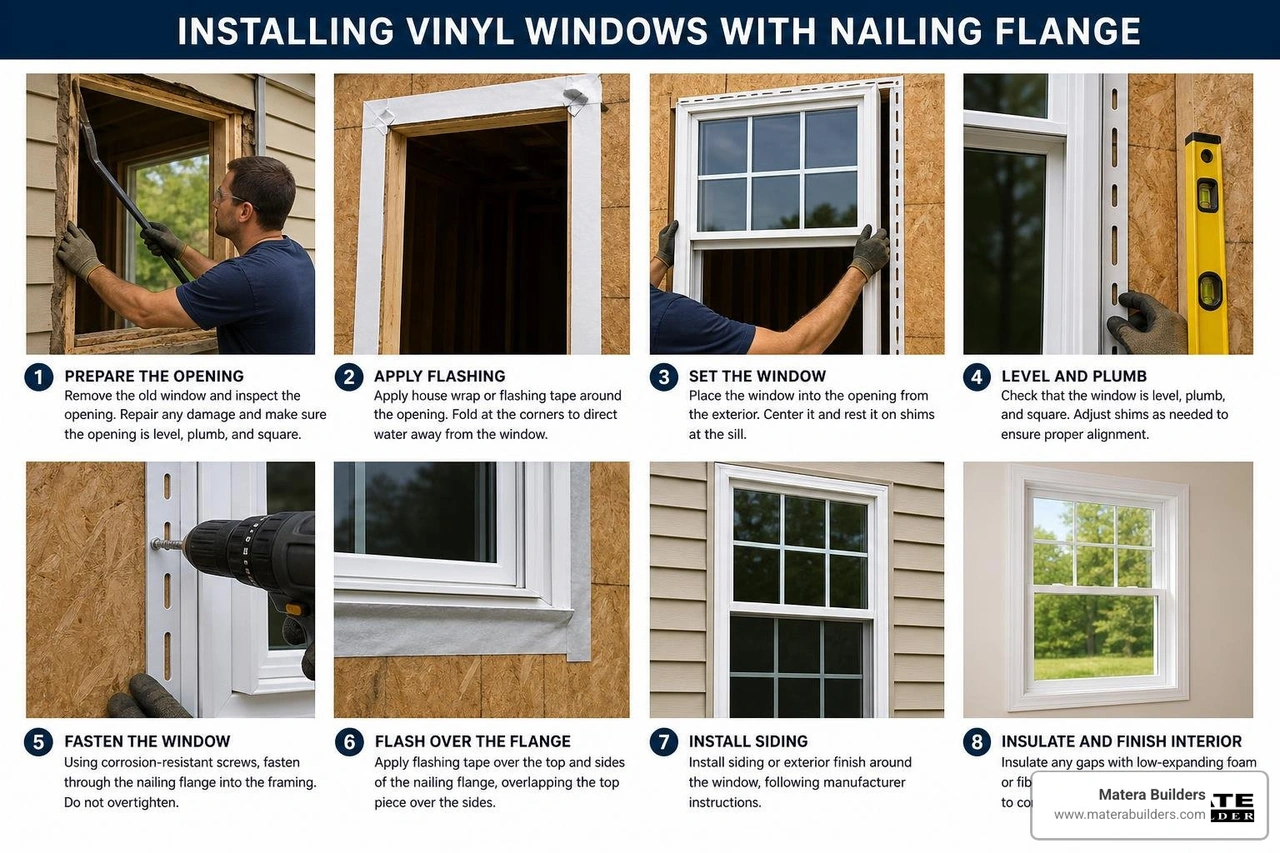
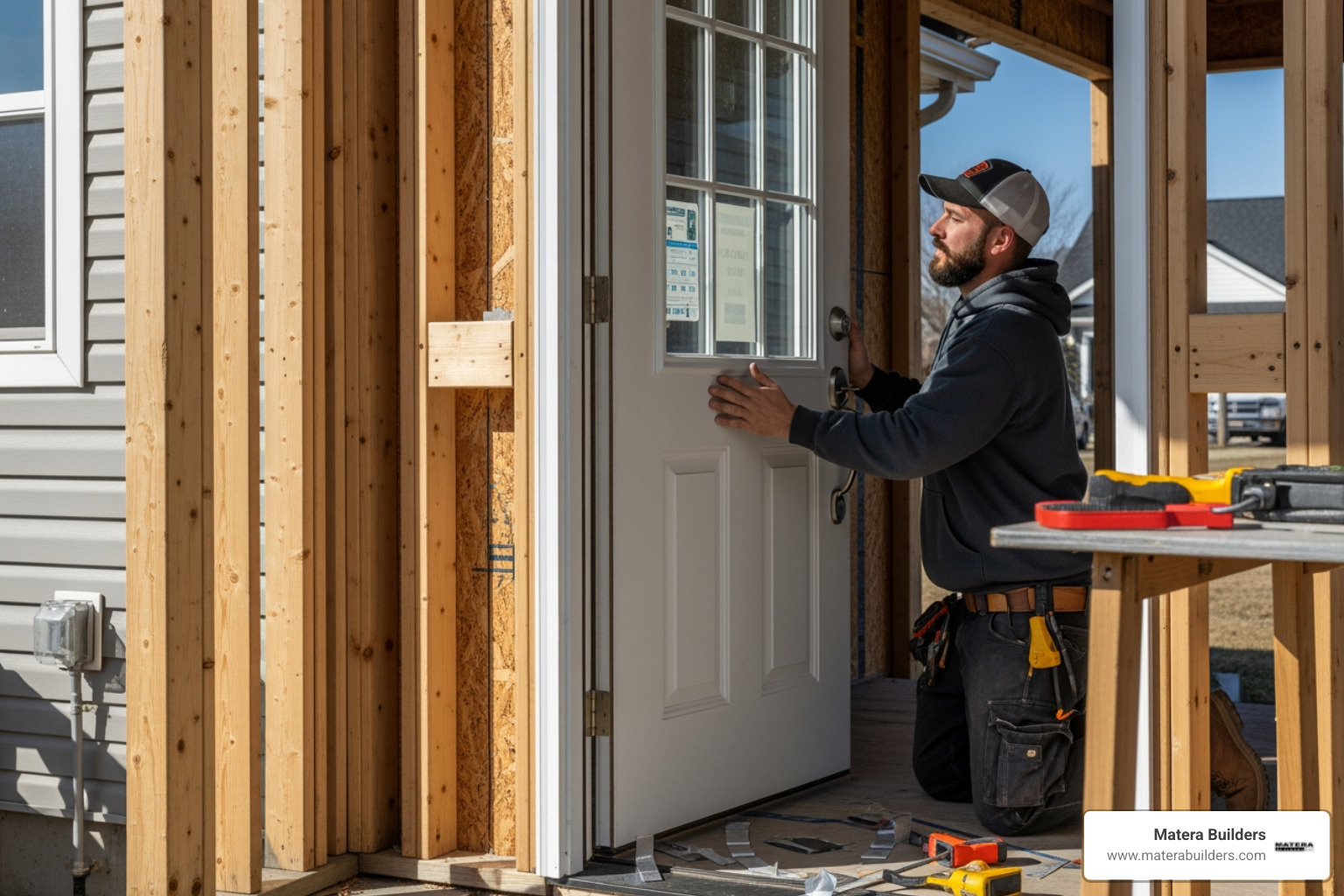
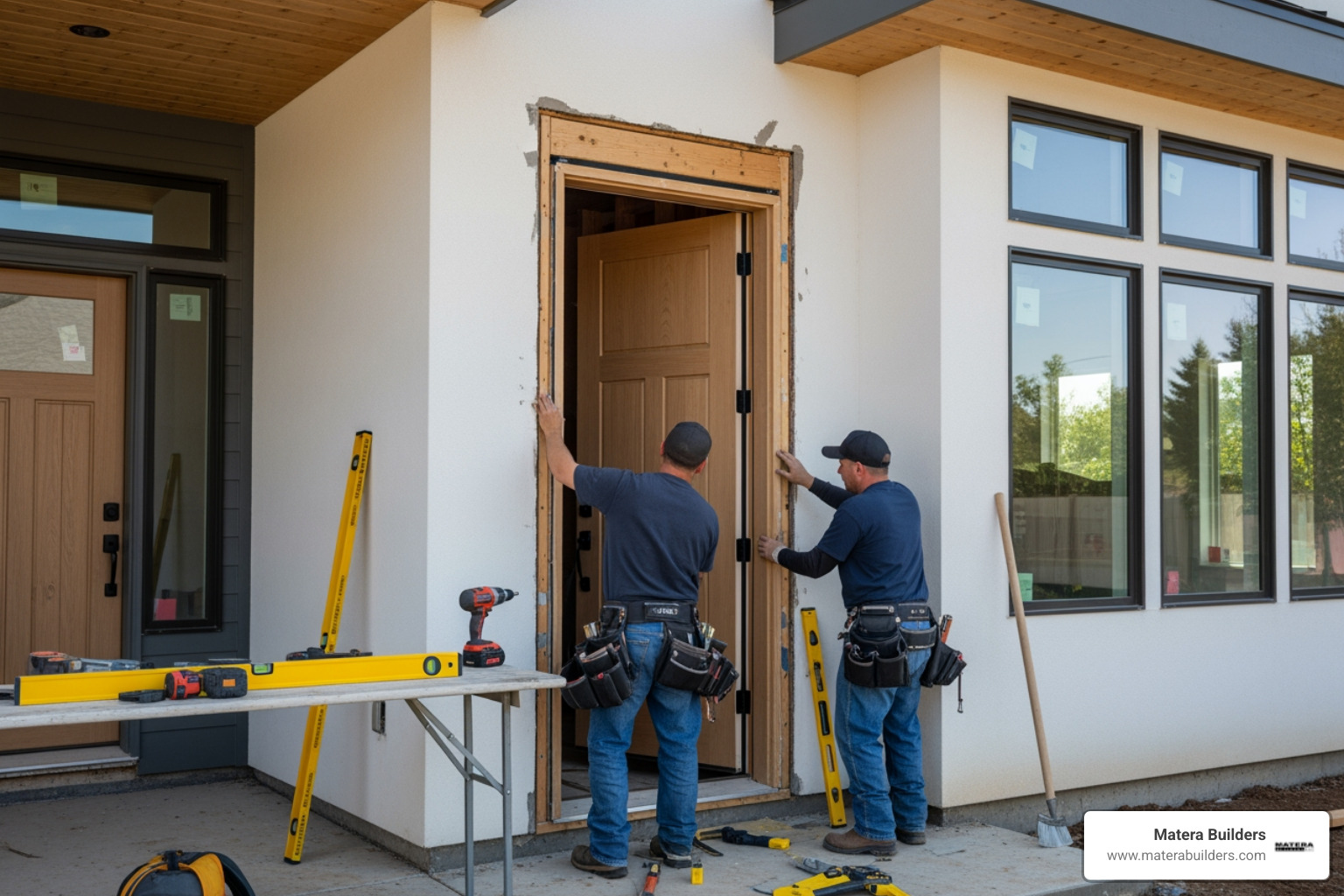
At Matera Builders, we don't just "fix" houses. Led by Mike Werner, we use 37+ years of experience to apply installation science to every project. Whether it's ensuring your new Andersen Windows are perfectly flashed to prevent leaks or structural work that will stand up to the next Nor'easter, we focus on long-term ROI.
If you are ready to transform your "diamond in the rough" into a modern masterpiece that still feels like home, we are here to help. A renovation is an investment in your family's future and your neighborhood's beauty.
Ready to start your Cape Cod transformation?Explore our Andersen Windows & Doors options and see how we can protect and beautify your home for the next 50 years.