.avif)


Why Installing a Window in a Brick House Is More Challenging Than You Think
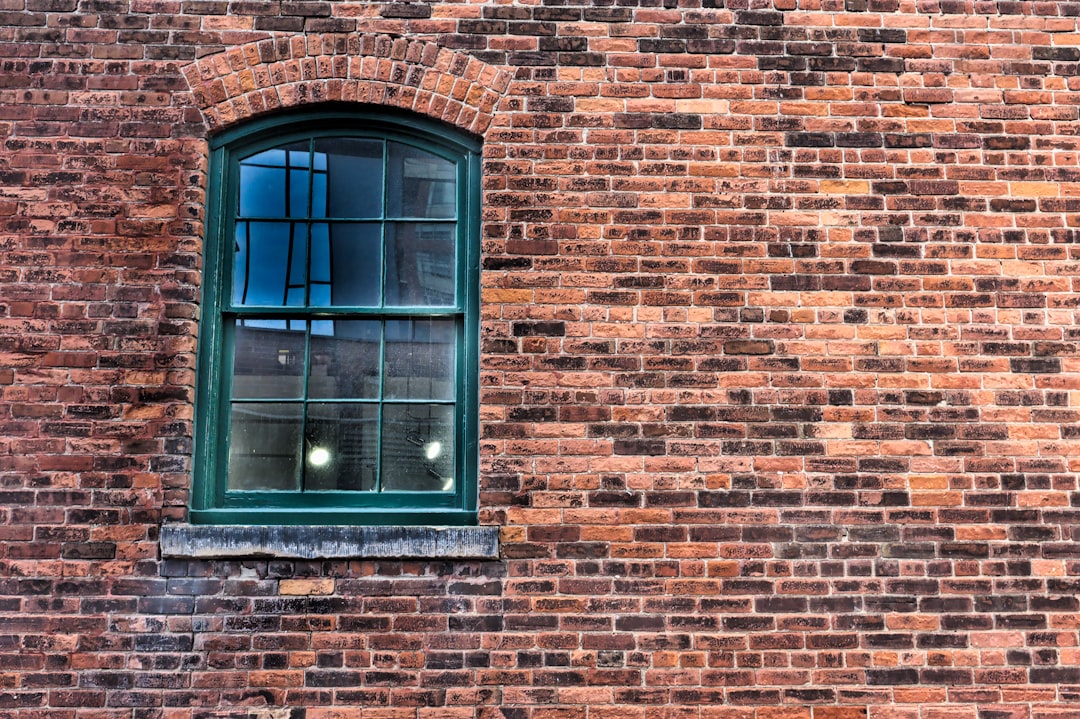
Installing a window in a brick house is one of the most demanding exterior renovation projects a homeowner can take on. Unlike standard siding homes, brick walls are unforgiving. One wrong move can crack mortar, damage the facade, or open the door to water intrusion that compounds over time.
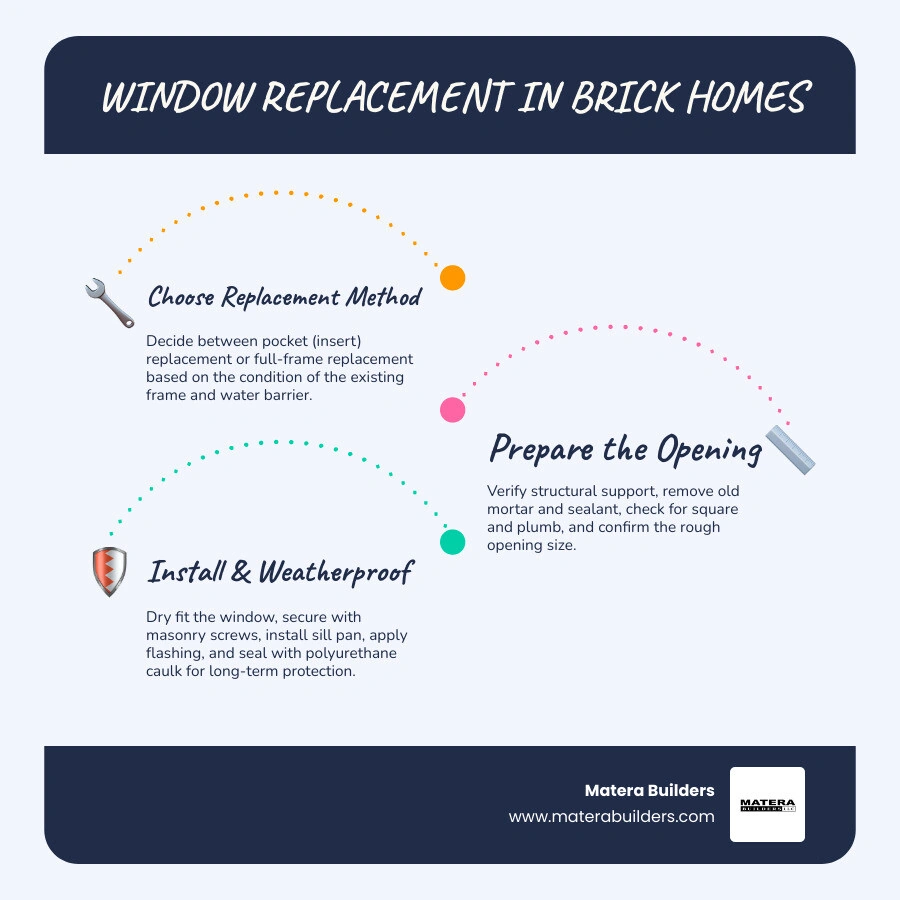
Here's a quick overview of what the process involves:
- Choose your method - Pocket (insert) replacement or full-frame replacement
- Check structural support - Verify the steel lintel and load-bearing capacity above the opening
- Prepare the opening - Remove old sealant and mortar, check for square and plumb
- Dry fit and shim - Confirm the window fits with roughly a quarter-inch gap around the perimeter
- Secure and seal - Fasten with masonry screws, flash the opening, and seal with polyurethane caulk
- Weatherproof - Install a sill pan and integrate flashing with the existing weather barrier
This process works for most brick veneer homes. If you're cutting a new opening or enlarging an existing one, the scope increases significantly and almost always requires a professional.
Brick is a porous, fragile material. It relies on proper drainage behind the veneer, not just surface waterproofing. That's especially true here in New Jersey, where coastal salt air accelerates corrosion, moisture works its way into every gap, and drafty windows drive energy bills higher every winter.
Old windows in brick homes often show the same warning signs: rotting frames, fogged glass, cold spots near the sill, or water stains on the interior drywall below the opening. These aren't just cosmetic issues. They're signs that the weather barrier has been compromised and that the wall system is no longer doing its job.
I'm Mike Werner, owner of Matera Builders, a premium exterior renovation contractor specializing in high-performance window and door replacements for coastal New Jersey homeowners. I've completed installations in dozens of brick veneer homes, where getting the flashing, fit, and sealing right is the difference between a 30-year window and a recurring water problem. In the sections below, I'll walk you through exactly how we approach installing a window in a brick house the right way.
Similar topics to installing a window in a brick house:
- average cost of basement window replacement
- installing a new construction window in an existing home
- energy efficient windows nj
Choosing the Right Method for Installing a Window in a Brick House
When you plan to replace a window in a brick wall, you must first decide on the installation method. You cannot simply pull a window off a shelf and nail it to the outside of a brick home. Brick veneer is a self-supporting outer skin. It sits in front of the actual wood framing of your house. Because of this, you have two primary ways to approach the project.
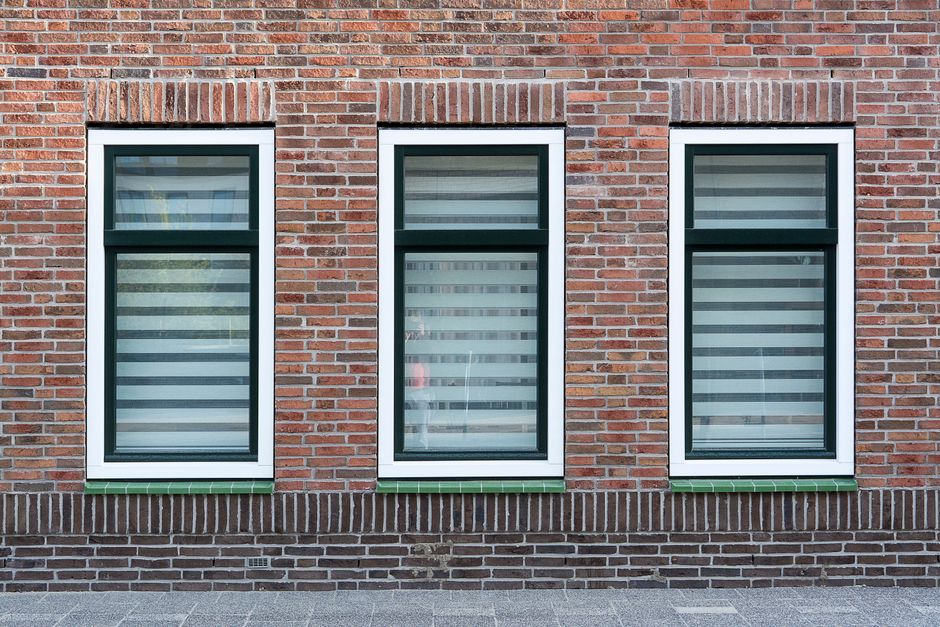
The first option is a pocket replacement. The second option is a full-frame replacement. Each method has specific rules, benefits, and drawbacks. Choosing the wrong one can lead to drafty rooms, water leaks, or a window that is far too small for the opening. If you want to understand how a new unit sits in your wall, you can read more about Fitting New Windows to see how the pieces come together.
Pocket Windows vs Full-Frame Replacement
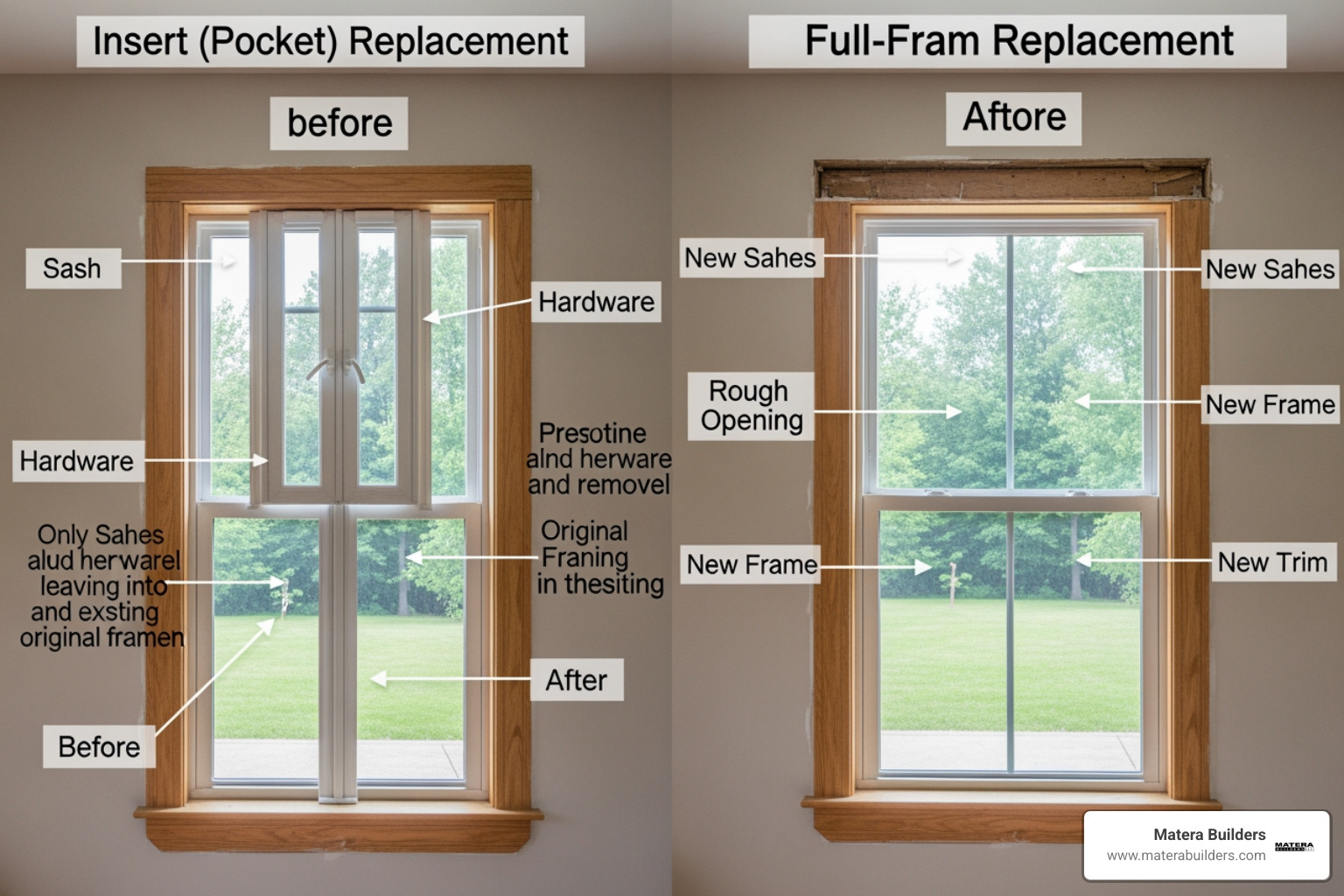
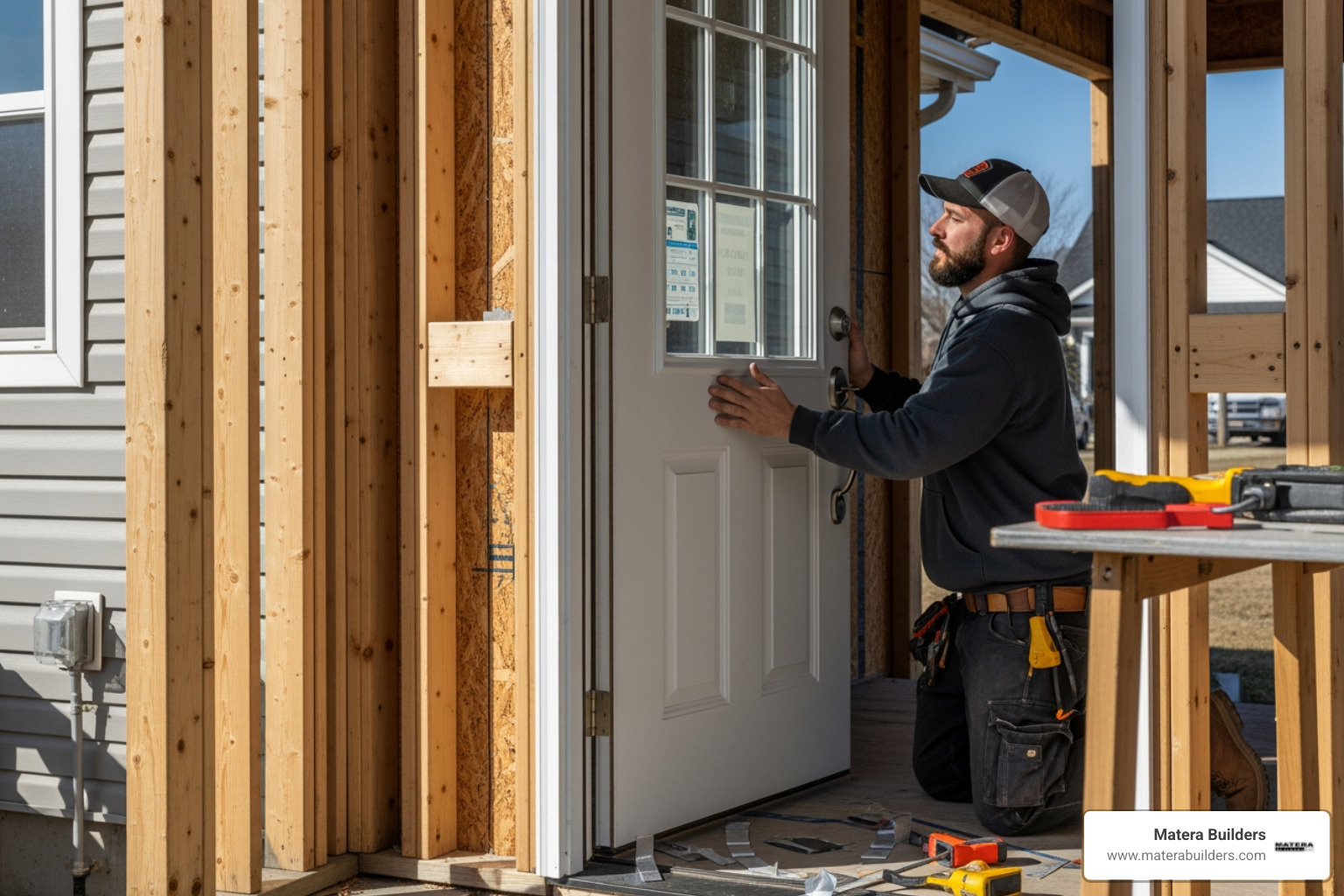
A pocket replacement, also called an insert window, is a fully assembled unit that slides directly into your existing wood window frame. This method is popular because it is fast and keeps the exterior brick mold and interior trim intact. You do not have to disturb the surrounding brickwork or the plaster on your inside walls.
However, pocket windows only work if the existing wood frame, often called the wood buck, is completely solid and free of rot. If there is water damage or insect activity hiding behind the old wood, leaving it in place is a recipe for disaster.
The main drawback of pocket installation is that you lose glass area. The new window frame must sit inside the old window frame, which means the glass surface gets smaller.
A full-frame replacement is a much more thorough process. It involves removing the entire old window, including the frame, sash, and exterior trim, right down to the rough opening. This allows us to inspect the wood framing for rot and repair the weather barrier.
Full-frame replacements are essential if you have active water leaks or want to maximize your glass view. For a deep dive into the structural differences between these choices, check out this guide on How to Replace Windows in a Brick House - Engineer Fix.
Structural and Safety Considerations Before You Cut
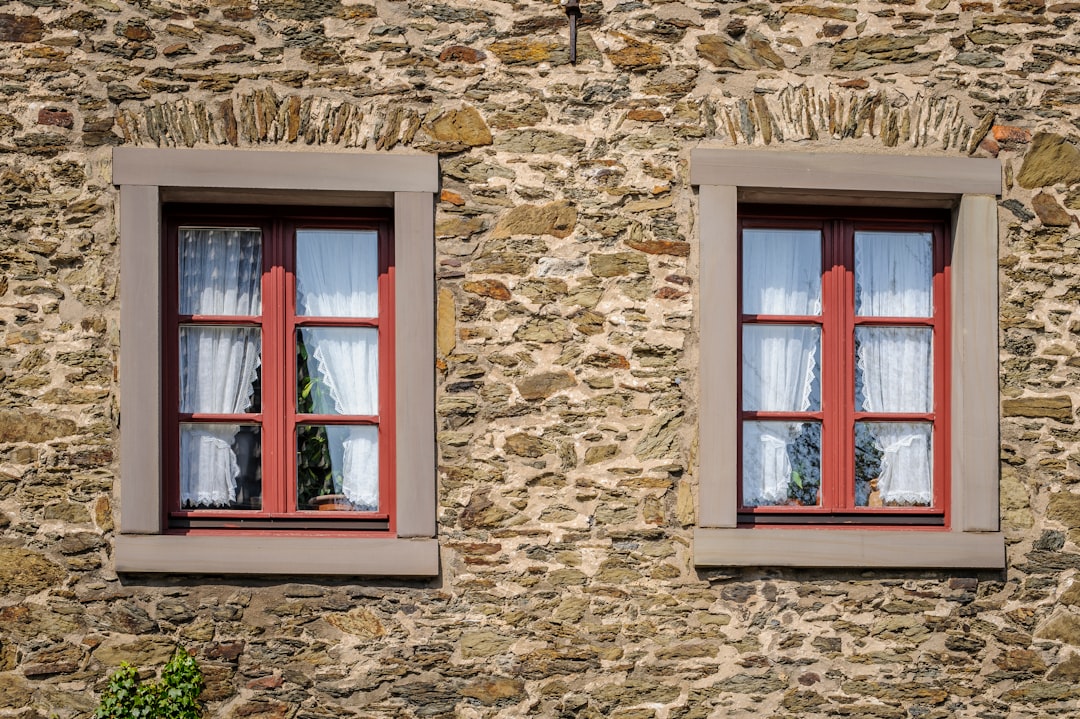
Brick is incredibly heavy. It is also rigid and fragile. When you install a window in a brick wall, you must respect the physics of masonry. The brick facade above your window does not just hang there. It requires support.

Before you remove an old window or cut into a brick wall, you must locate the steel lintel. The lintel is a horizontal steel angle iron that spans across the top of the window opening. It transfers the weight of the bricks above the window to the solid brick columns on the sides of the opening.
If you remove a window frame without a functioning lintel in place, the bricks above can sag, crack, or collapse. This can ruin your new window and cause severe structural damage to your home. You can learn more about structural pricing and prep work in our guide on the Cost To Put In A New Window.
Preparing the Masonry Opening for Installing a Window in a Brick House
Once you confirm the structural support is safe, you must prepare the rough opening. Masonry openings are rarely perfectly square or level. Over decades, houses settle, and mortar joints can shift.
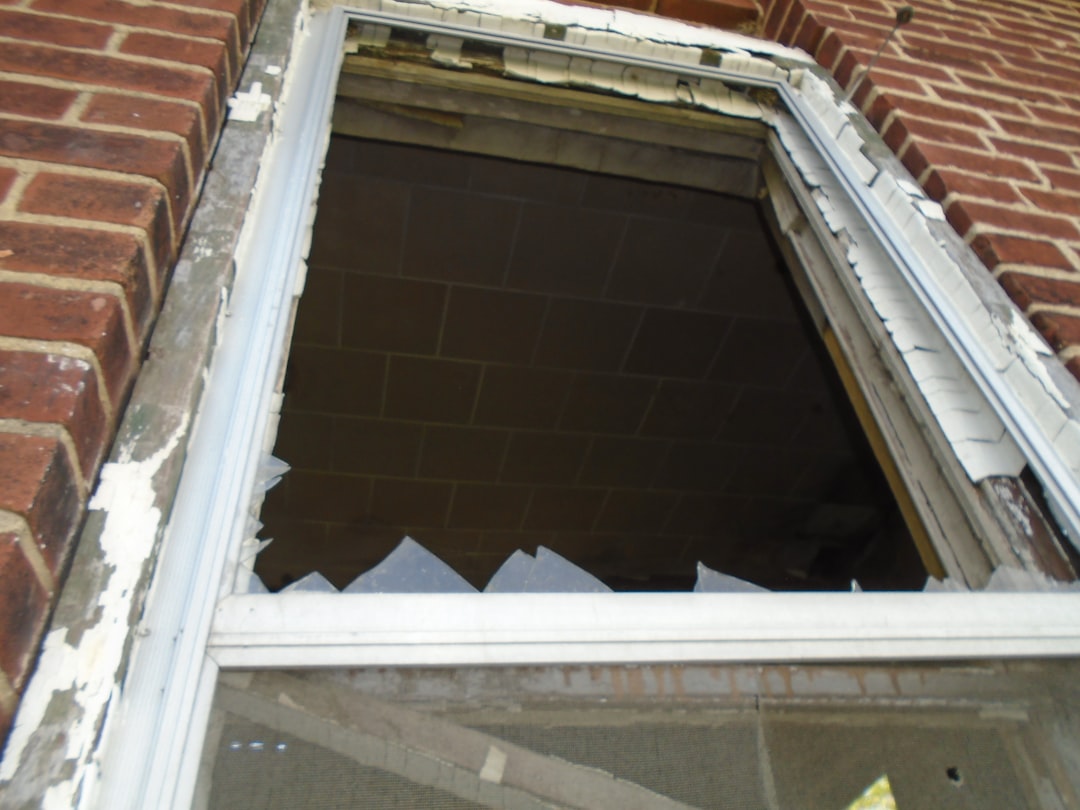
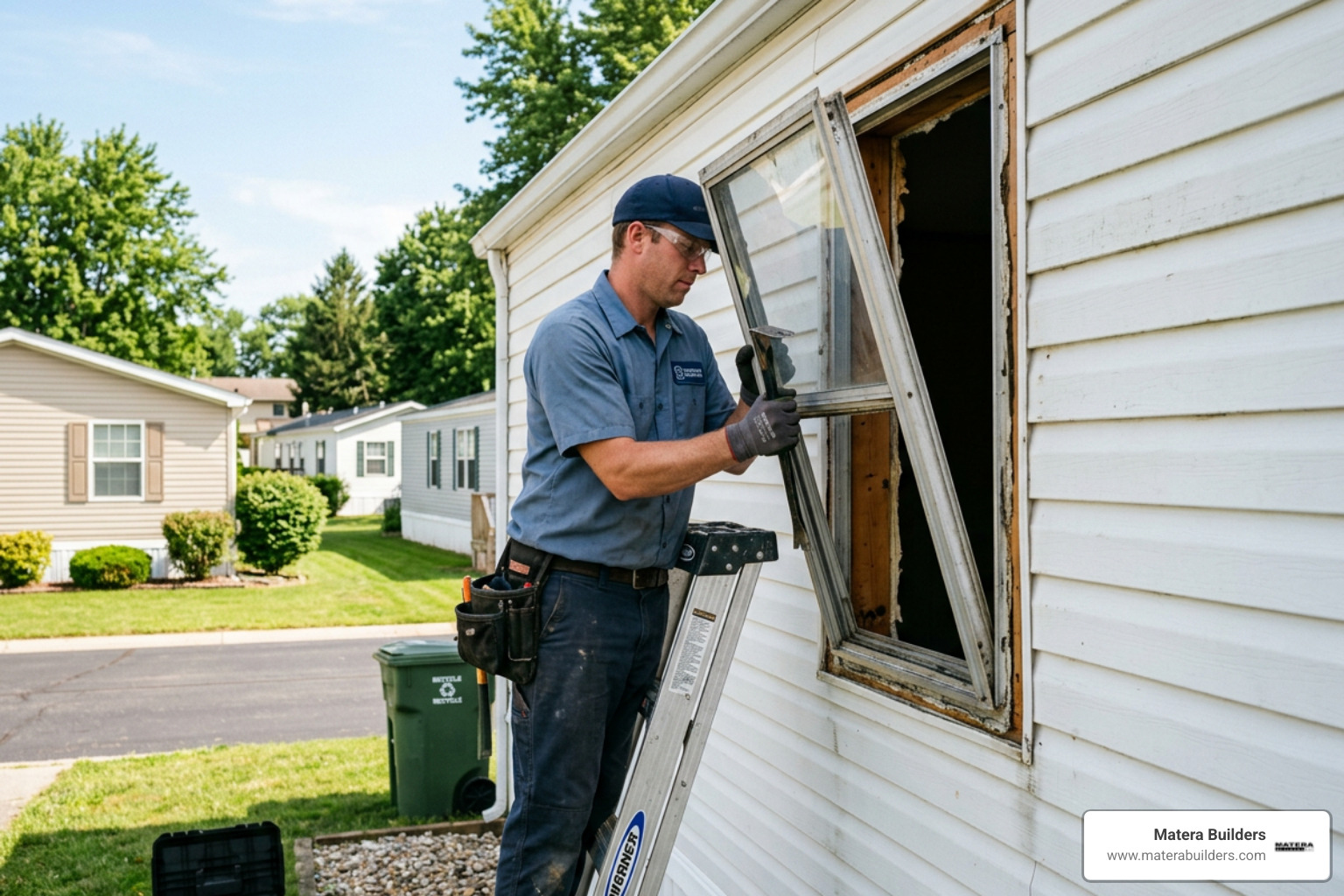
To prepare the opening, you must first remove the old window frame. We do this surgically. We cut the old frame into small pieces and pull them out one by one. This prevents us from prying against the brick, which can easily crack the mortar.
After the old frame is out, use an angle grinder and a cold chisel to remove old caulking, loose mortar, and stubborn nails. The goal is to get back to clean, solid wood and masonry.
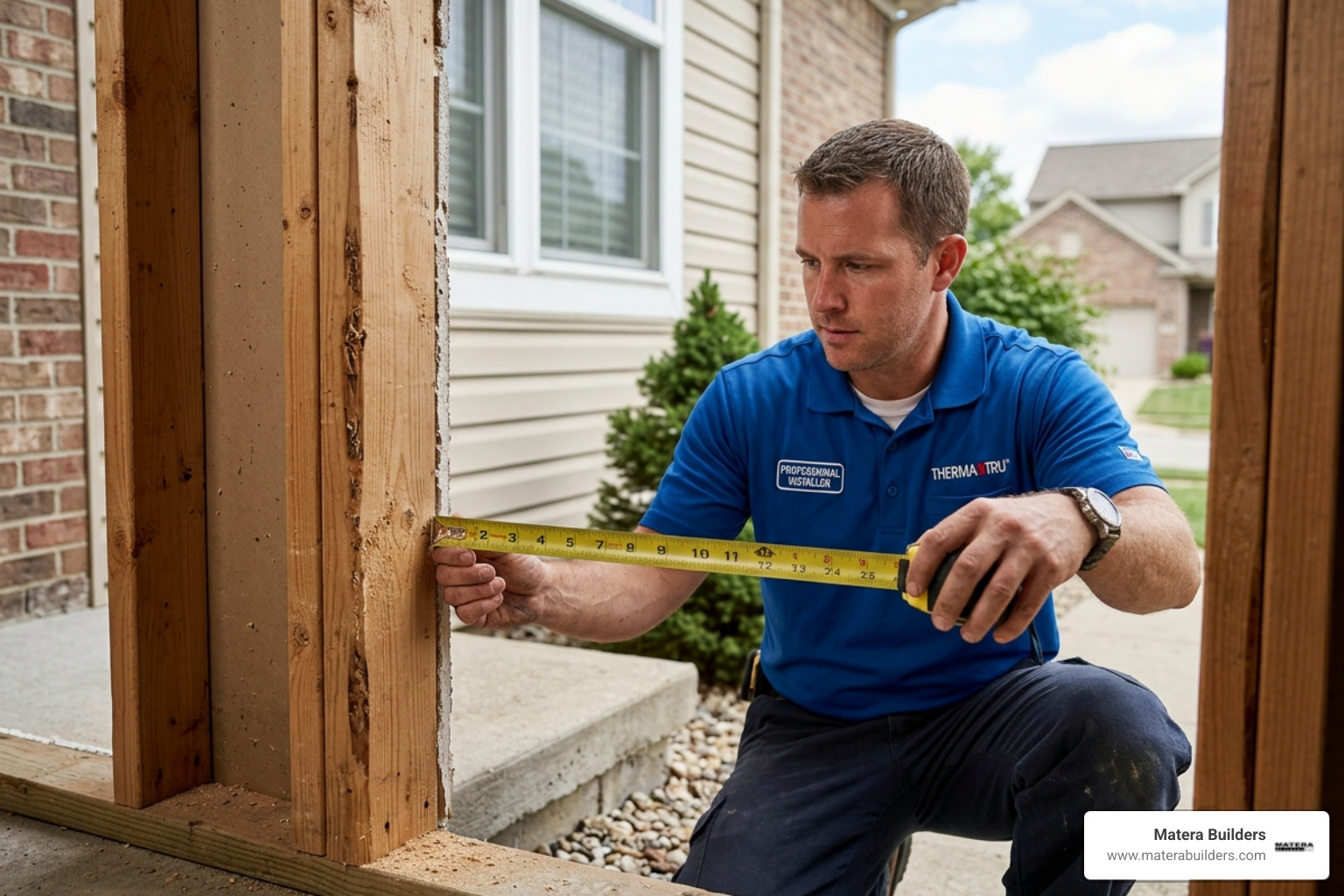
Next, verify the opening is square. Take diagonal measurements from the top left corner to the bottom right, and from the top right to the bottom left. If the two measurements differ by more than a quarter of a inch, the opening is out of square. You will need to adjust your framing or use specialized shimming to ensure the new window sits perfectly level and plumb.
Step-by-Step Guide to Window Installation
With the opening clean and square, it is time to install the window. Do not rush this part of the job. Precision here prevents operational issues like sticky sashes or drafts later on. If you are working on a home that currently has older siding or complex framing, you might also find our guide on Installing A New Construction Window In An Existing Home helpful for comparison.
Step-by-Step Process for Installing a Window in a Brick House
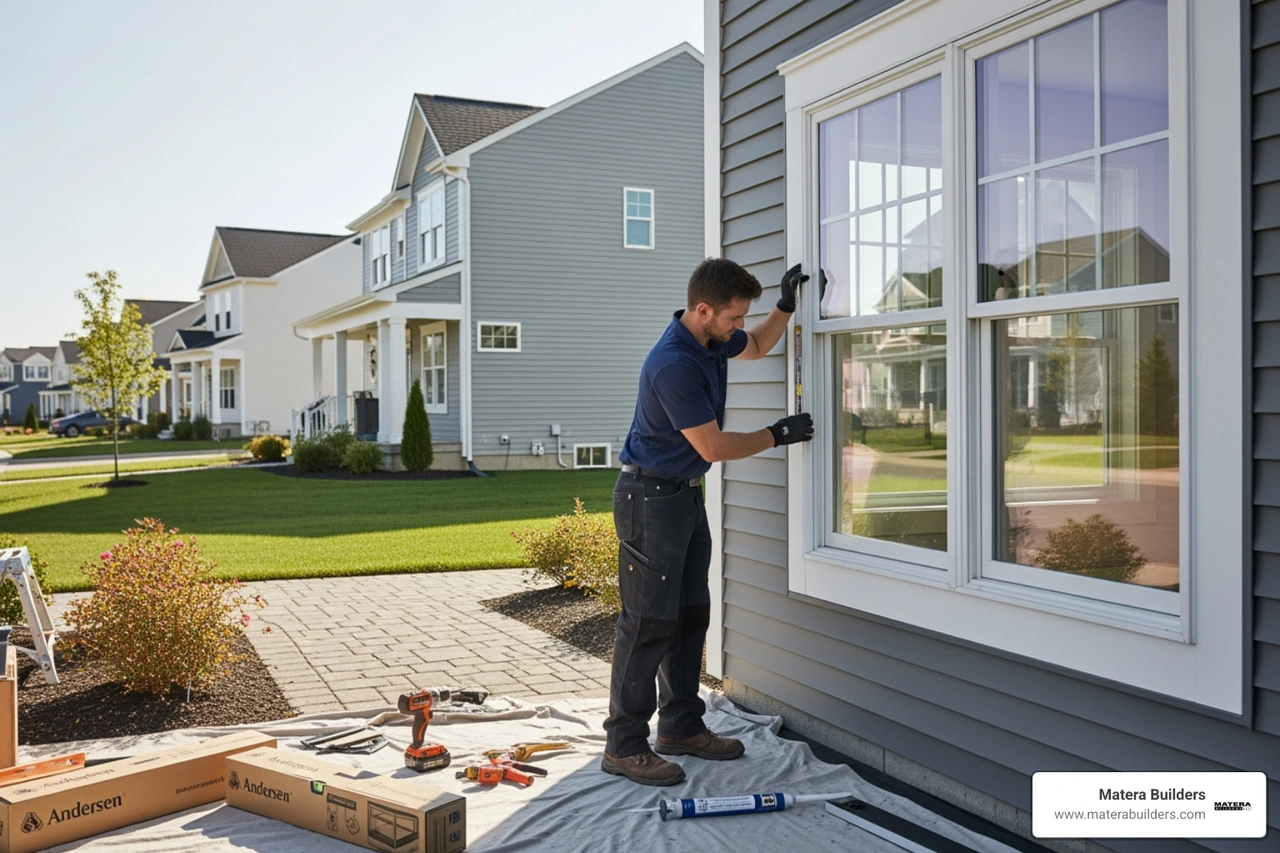
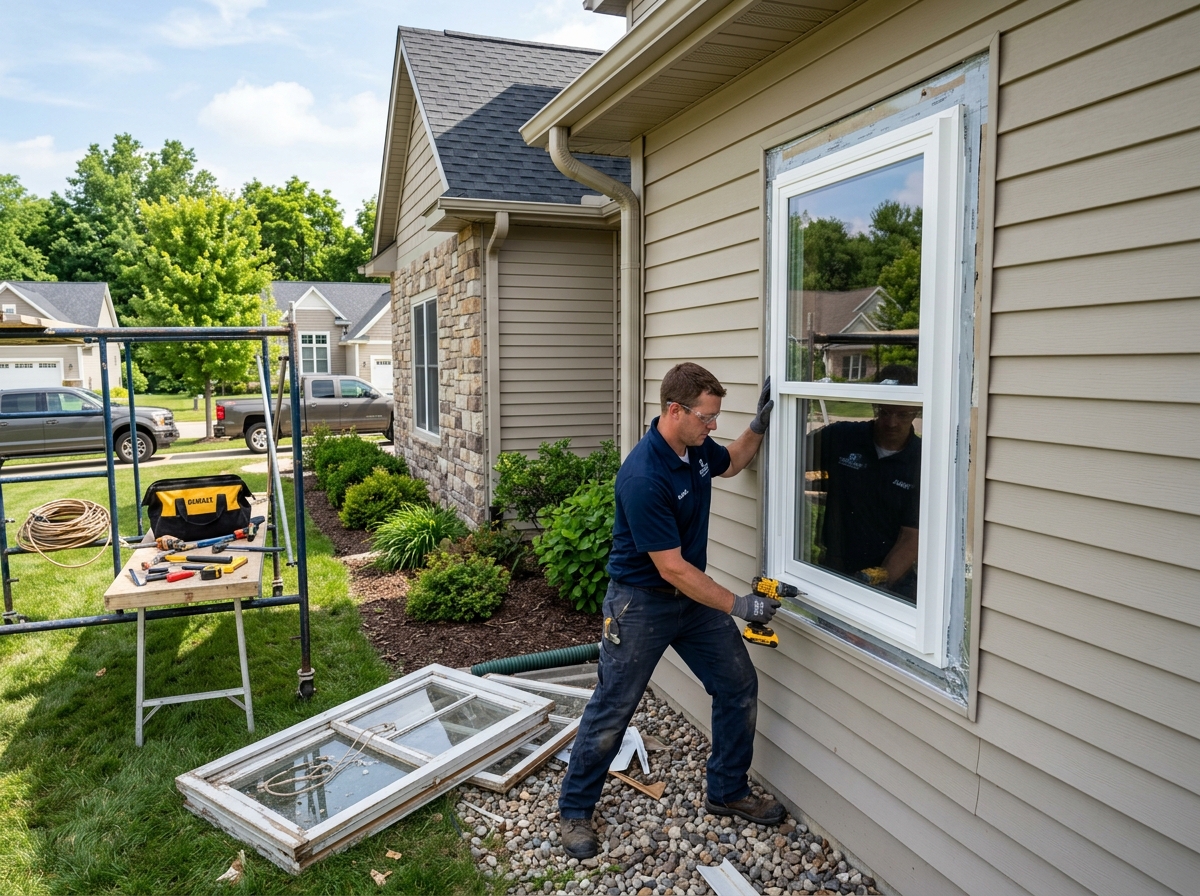
Here is the exact process we use to ensure a perfect fit:
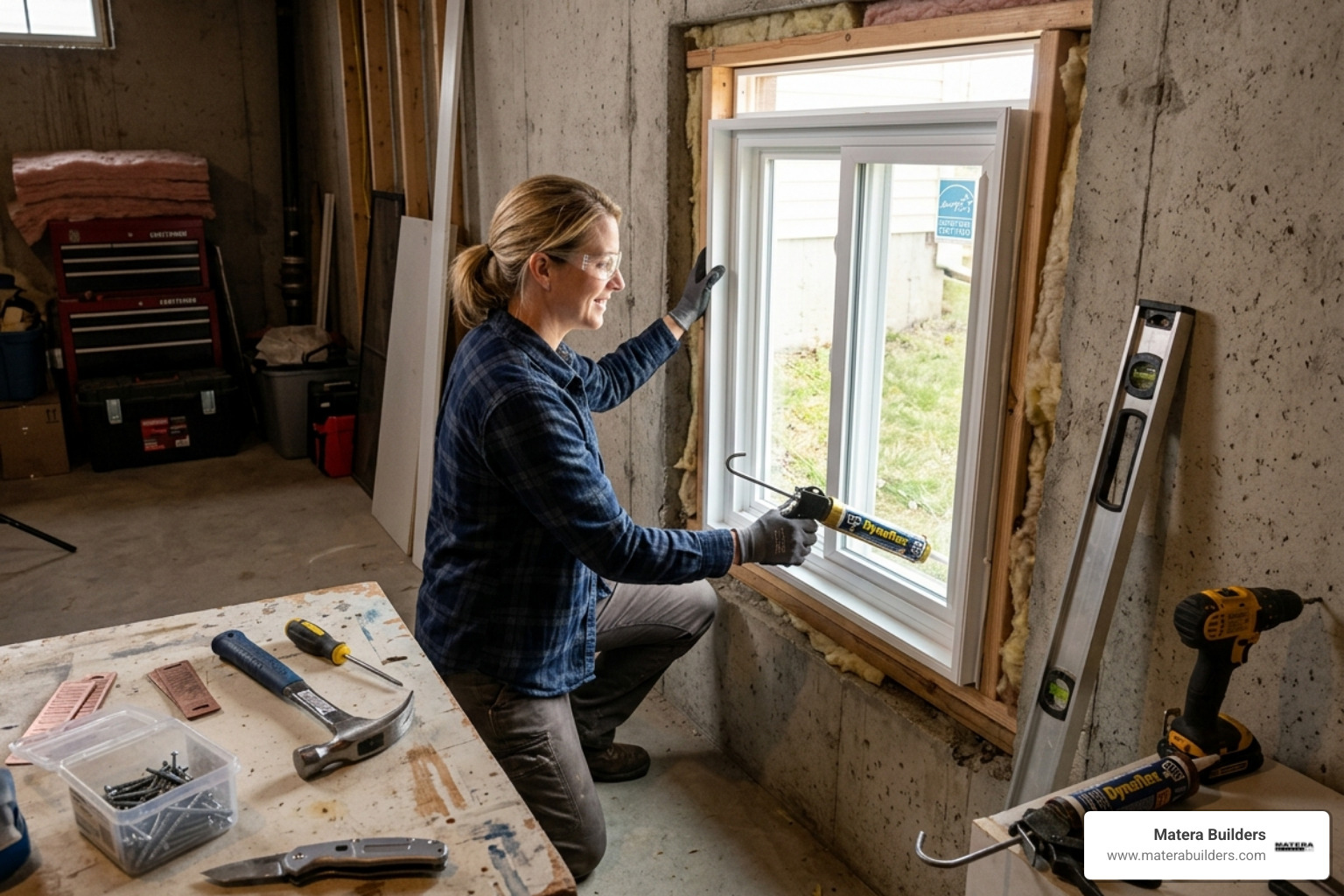
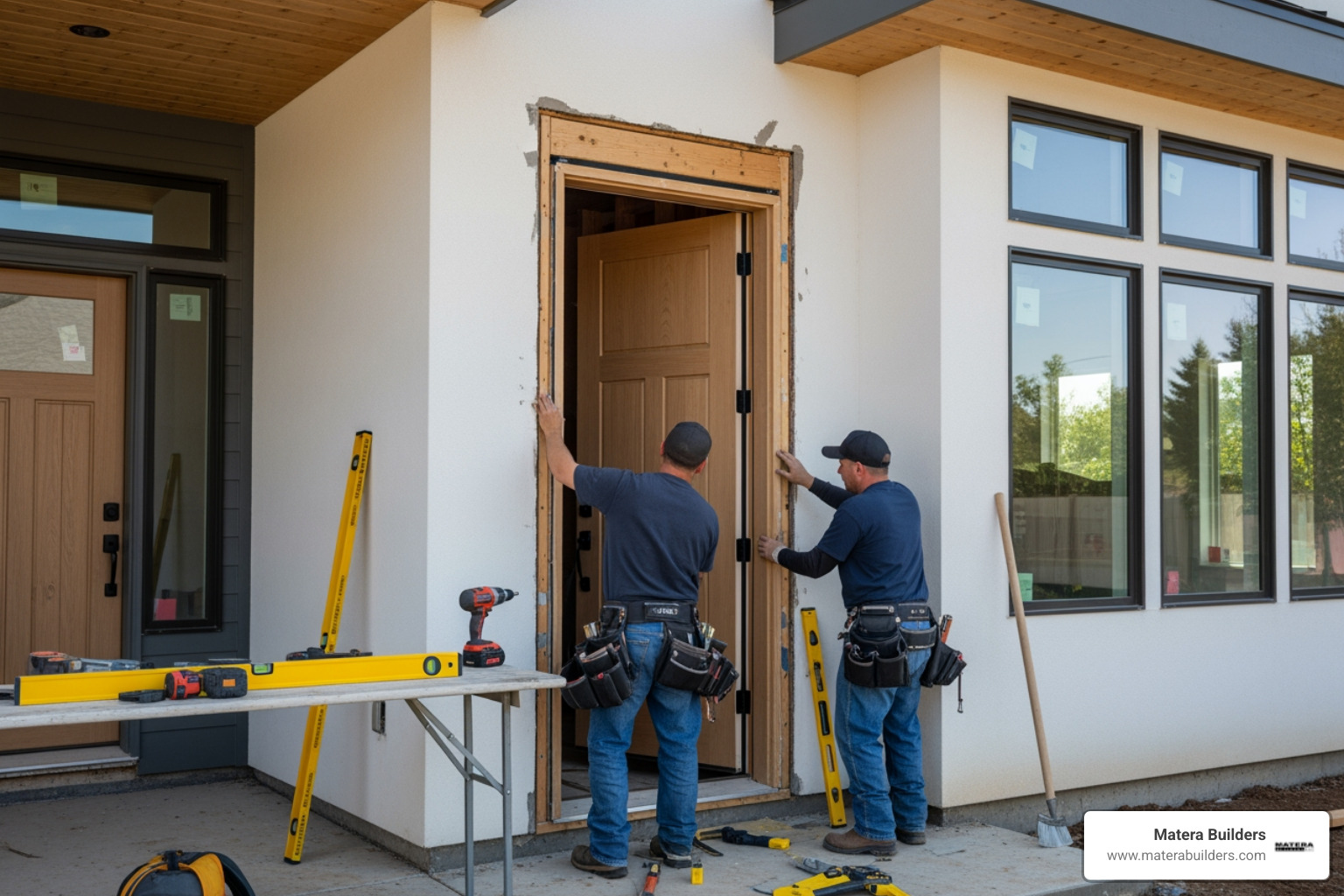
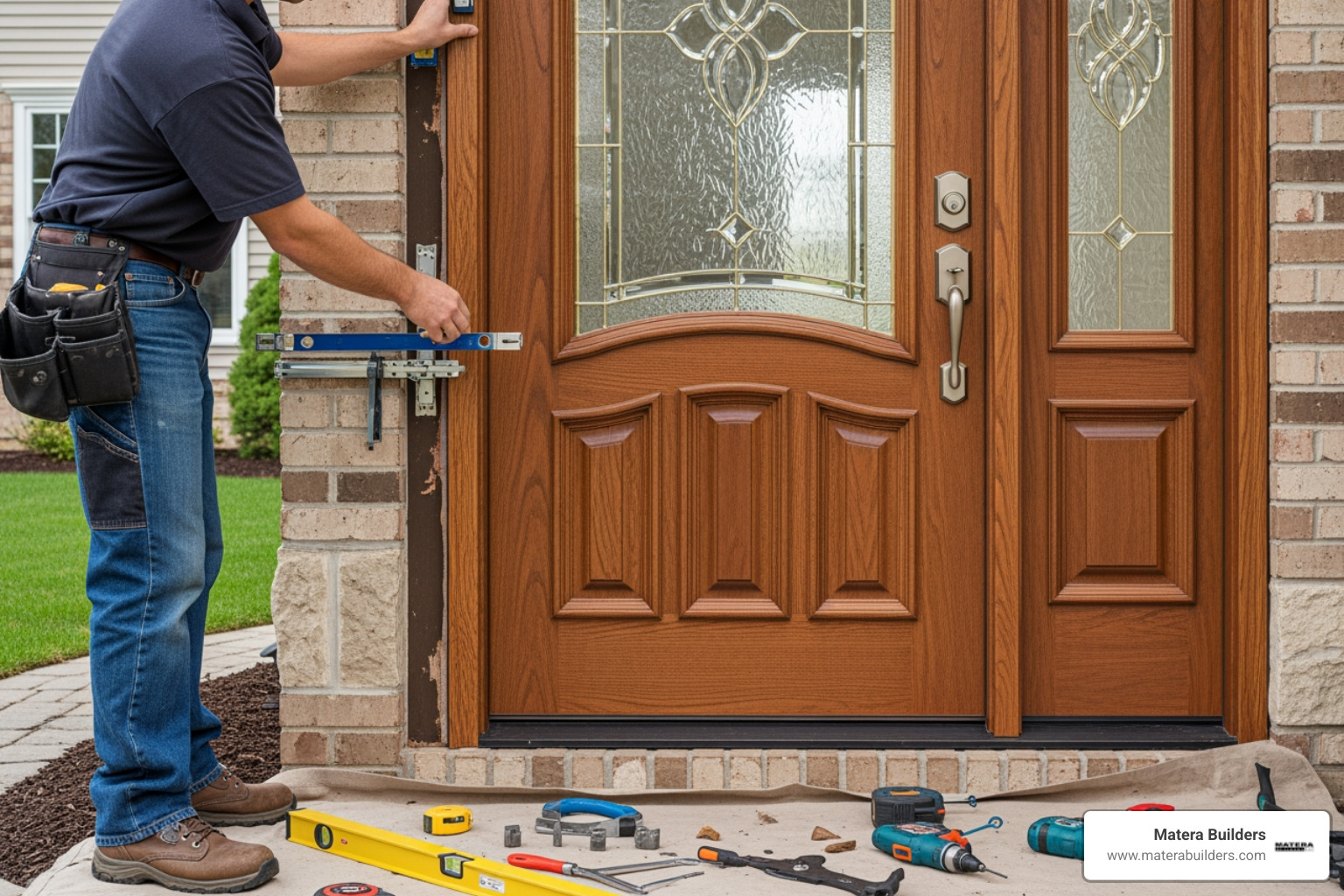
- Perform a dry fit: Lift the new window into the opening before applying any sealant. Confirm that you have a consistent quarter-inch gap around the entire perimeter. This gap is necessary for leveling, shimming, and insulation.
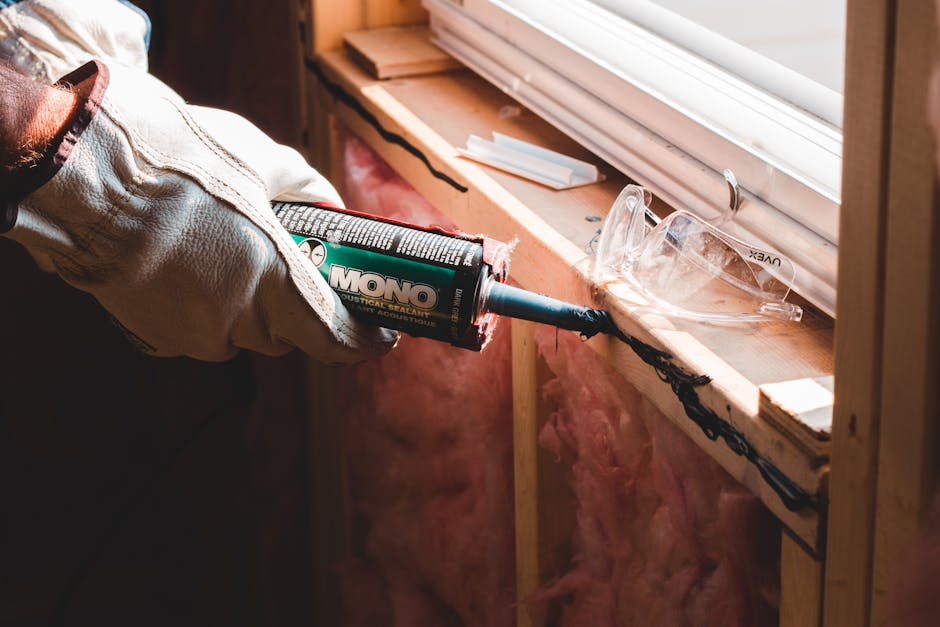
- Apply sealant to the sill: Remove the window and apply a heavy bead of high-quality polyurethane sealant along the sill and up the sides of the opening.
- Set the window: Place the window back into the opening, bottom first, then tip the top into place.
- Shim the frame: Insert composite shims between the window frame and the rough opening. Place them about six inches from the top and bottom corners on both sides. Always use composite shims rather than wood shims. Wood shims can absorb water and rot over time, especially in our humid New Jersey climate.
- Level and plumb: Use a level to check that the window is perfectly level from side to side and plumb from front to back. Adjust the shims in pairs to move the window frame without twisting it.
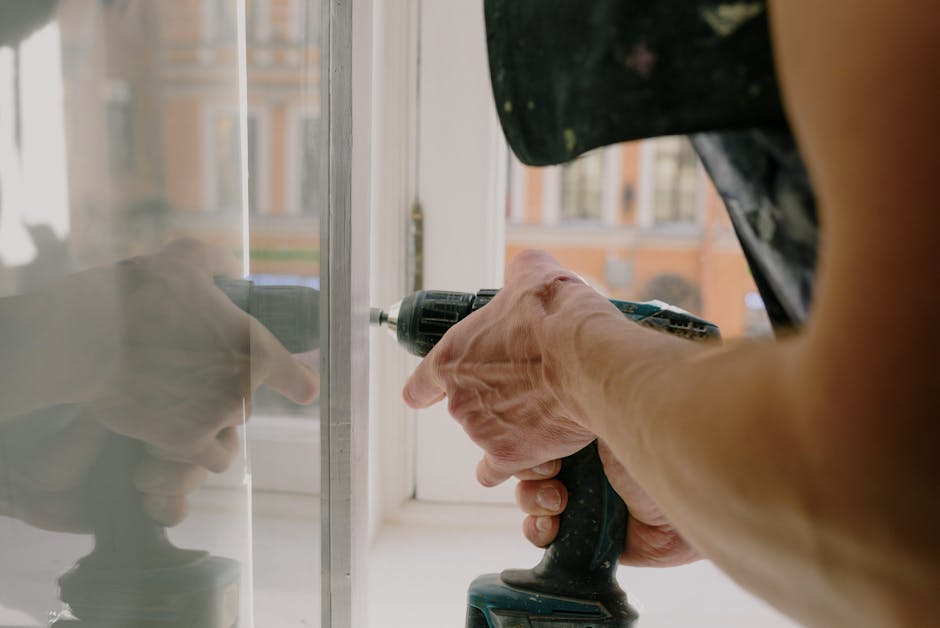
- Secure the window: Drive masonry screws through the pre-drilled holes in the window frame, passing directly through the shims and into the wood buck or masonry. Do not over-tighten the screws, as this can bow the window frame.
- Test the operation: Open and close the window sashes. They should slide smoothly and lock without any resistance. If the lock does not line up, your frame is twisted, and you must adjust your shims before proceeding.
Weatherproofing and Flashing the Masonry Opening
Water management is the most critical part of installing a window in a brick house. Brick is porous. When rain hits a brick wall, some of that water is absorbed and drains down the backside of the brick veneer. If your window is not properly integrated with the weather barrier behind the brick, that water will find its way into your home.
To prevent this, we install a site-built sill pan at the bottom of the rough opening. The sill pan acts as a miniature gutter. If any water gets past the window seals, the sill pan catches it and slopes it outward, directing the water back to the exterior. We also apply flexible flashing tape around the perimeter of the opening, layering it in a shingle-style pattern so water always flows down and out.
We seal the exterior gap between the window frame and the brick using a closed-cell backer rod and premium polyurethane sealant. The backer rod fills the deep gap, allowing the sealant to form a flexible, long-lasting weather seal that can handle the expansion and contraction of the brick.
For a deeper look at professional flashing techniques in masonry walls, you can read A Pro's Guide to Replacing Windows in Masonry Openings - Fine Homebuilding. If you are looking to upgrade your home to double-pane glass for better insulation, check out our article on Installing Double Glazed Windows and our guide on Energy Efficient Window Upgrades.
Frequently Asked Questions about Brick Window Replacement
Do you have to remove bricks to replace a window?
In almost all standard replacements, you do not have to remove any bricks. The new window is custom-ordered to fit the exact size of the existing masonry opening.
However, if you want to install a larger window, or if the brickwork around the window is severely damaged or bowing, some brick removal and rebuilding will be required. This requires a professional mason to ensure the structural integrity of the wall is maintained.
What are the risks of DIY window installation in brick?
The biggest risk is water damage. If you do not flash the window correctly, water will leak behind the brick veneer, rotting your wood framing and causing mold inside your walls.
Other risks include cracking the fragile brick facade by prying against it, or failing to support the brick load, which can lead to structural sagging. If the window is not perfectly plumb and square, the sashes will bind, and the locks will not align.
How do you seal a window against a brick wall?
You should never just pack a large gap with caulk. First, clean the brick of all old sealant and dust. Next, press a foam backer rod into the gap around the window.
Finally, apply a bead of high-performance polyurethane caulk over the backer rod. Smooth the caulk with a tooling tool to create a clean, watertight joint that bonds tightly to both the window frame and the porous brick.
Conclusion
Installing a window in a brick home requires patience, the right tools, and an understanding of how masonry walls handle water. A poor installation can lead to costly structural repairs and drafty rooms.
At Matera Builders, Mike Werner and our team of certified installers have over 37 years of experience serving homeowners in Ocean City, the Jersey Shore, and throughout New Jersey. We specialize in high-performance Andersen Windows installation, ensuring your home stays warm in the winter, cool in the summer, and dry during coastal storms.
If you want to protect your home with durable, energy-efficient windows, Schedule an Andersen Windows and Doors Consultation with us today. We will evaluate your brick openings and help you choose the perfect fit for your home.