


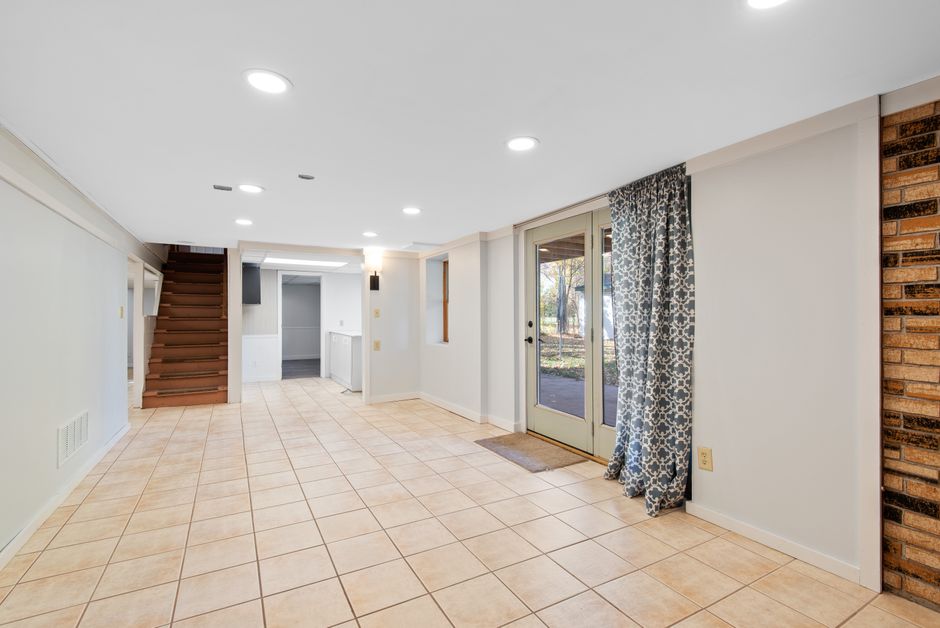
The Realities of Planning a Home Addition with Basement
Planning a home addition with basement is one of the biggest decisions a homeowner can make. It adds usable square footage, boosts property value, and can even generate rental income. But it also comes with real costs, structural challenges, and decisions that are very hard to reverse once construction begins.
Here is a quick overview of what you need to know:
Topic Key Facts Typical cost range$55-$80 per sq ft unfinished; $300-$500+ per sq ft finished Average starting cost Around $50,000, can exceed $100,000 with finishingTimeline6 to 12 months from planning to completion ROI Roughly 70% of construction cost added to home value Biggest cost driver Excavation and soil removal alone can exceed $20,000Foundation options Full basement, daylight basement, crawl space, Michigan-style Key risks High water table, poor soil, hydrostatic pressure, permitting delays
The numbers can look intimidating at first. A 20 by 20 foot excavation alone can cost over $20,000 before a single block of concrete is poured. Finishing that same space adds tens of thousands more. But in markets where livable square footage commands $600 to $900 or more per square foot, the investment math often works strongly in the homeowner's favor.
This guide breaks down every stage of the process clearly and honestly, so you know exactly what to expect before breaking ground.
I'm Mike Werner, CEO of Matera Builders, and while my core expertise is high-performance exterior renovations, I've worked closely alongside structural teams on complex residential projects that required the kind of precision planning a home addition with basement demands. That hands-on experience informs everything covered in this guide.
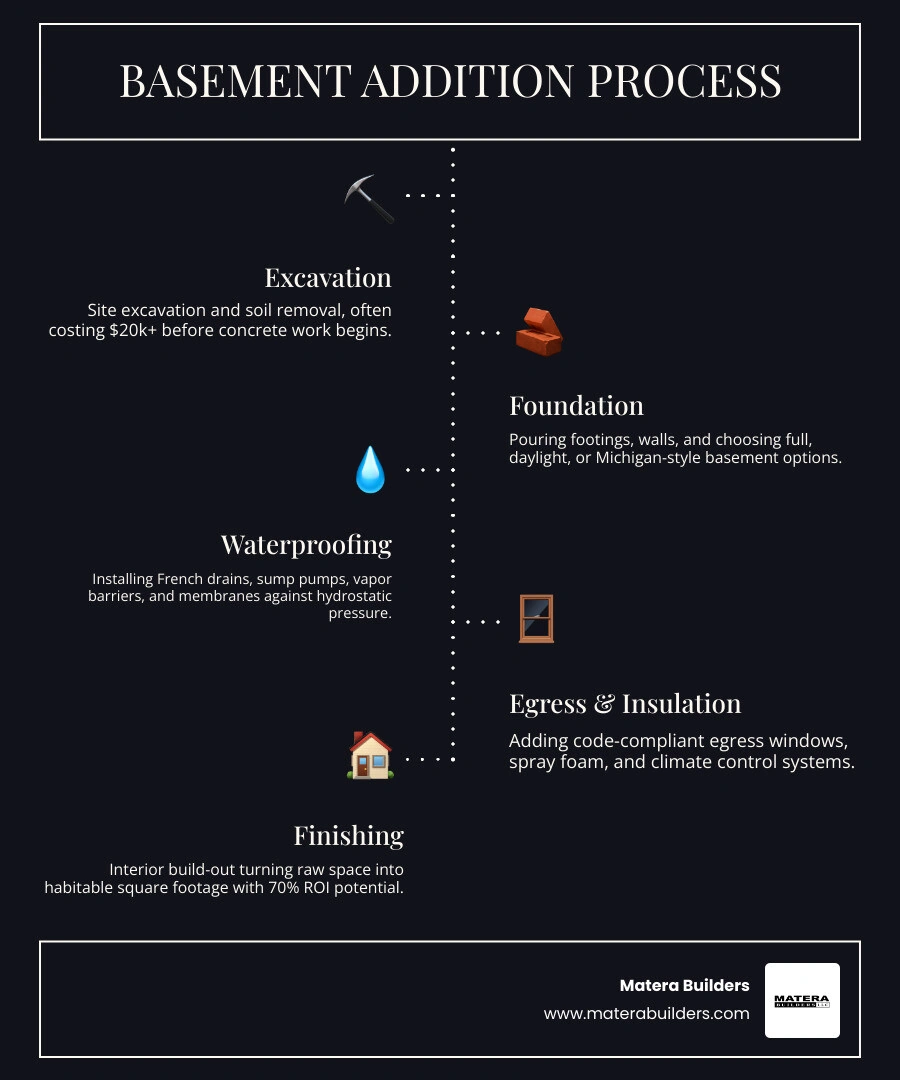
Home addition with basement terms simplified:
Structural Engineering and Foundation Types
When you decide to dig deep for a home addition with basement, you are essentially asking the earth to move. Before that happens, we need to understand what is happening beneath the grass. Soil bearing capacity is the most critical factor. In coastal New Jersey, we often deal with sandy or silty soils that behave differently than the heavy clay found further inland.
A major engineering concept to understand is the "compression plume." Think of this as a cone of pressure that spreads out at a 60 to 90 degree angle from the bottom of your existing home’s foundation. If you dig too close to this plume without proper support, the soil supporting your current house could shift, leading to cracks or even structural failure.
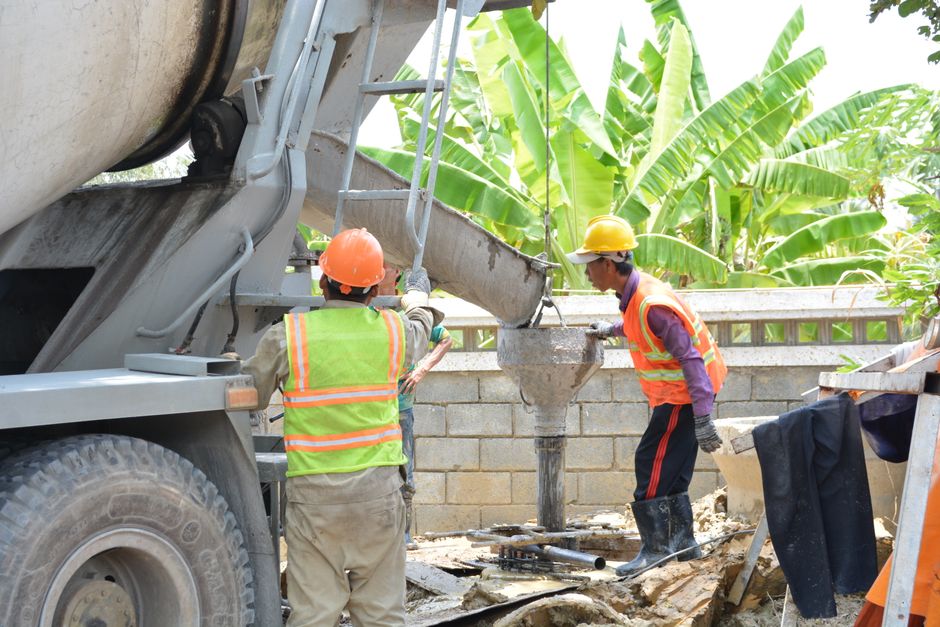
Choosing the Right Home Addition with Basement Foundation
Not every basement looks the same. Depending on your lot and your goals, you have several options:
- Full Basement: This matches the footprint of the addition above and offers 7 to 9 feet of ceiling height. It provides the most square footage but requires the most excavation.
- Daylight Basement: Perfect for sloped lots. One or more walls are above ground, allowing for full-sized windows and a separate exterior entrance. This is ideal for rental units or guest suites.
- Crawl Space: If a full basement is over budget, a crawl space is a permanent foundation that is much cheaper (often $8,000-$20,000) but only offers storage and utility access.
- Michigan-Style Basement: This involves leaving a 2 to 3-foot "shelf" of undisturbed soil next to the existing foundation. You build a knee wall on top of that shelf. It’s a clever way to add depth without risking the structural integrity of the original house.
Engineering Challenges for Adjacent Structures
Building a new basement right next to an old one is like performing surgery. We use shoring and temporary hydraulic jacks to keep the existing house stable while we dig. Often, heavy steel I-beams are installed to carry the load of the house across the new opening.
One of the best ways to ensure a successful build is to connect with home remodel designers near me who understand local New Jersey building codes and soil conditions. They can help plan the "cold joint" where the new concrete meets the old, ensuring it is sealed and reinforced with rebar dowels so the two foundations act as one.
Waterproofing and Egress: Protecting Your Investment
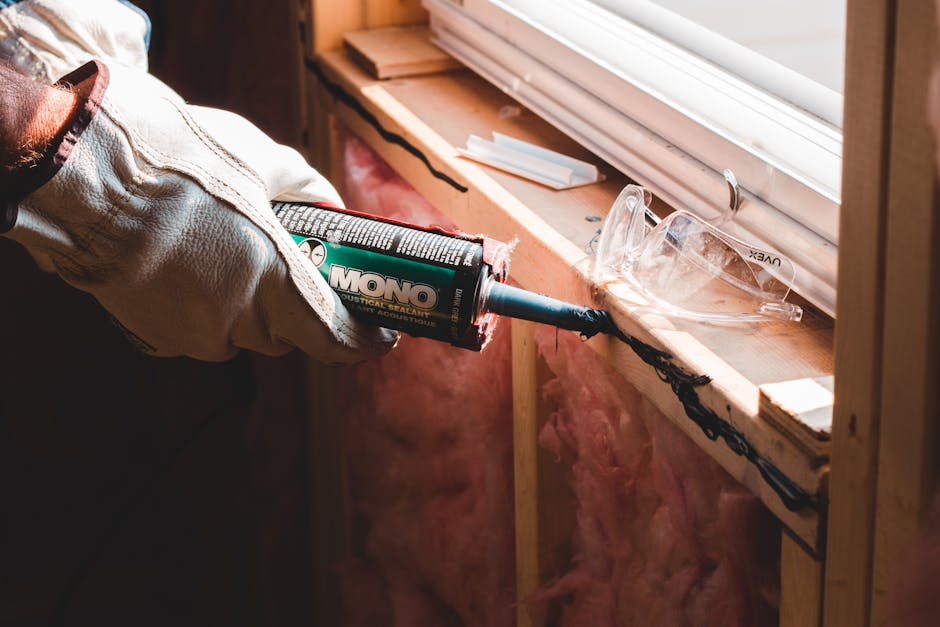
In areas like Ocean City and the Jersey Shore, water is the biggest risk in a basement project. Hydrostatic pressure builds when water in the soil pushes against the foundation walls. If waterproofing is weak, that pressure can lead to leaks, mold, rot, and damage over time.
We recommend a layered system:
- Exterior Membrane: A high-performance elastomeric membrane applied to the outside of the walls.
- Drainage Board: A dimpled board that helps water move down to the drain system.
- French Drains and Sump Pumps: These collect water at the base of the foundation and move it away from the house.
For homeowners who want to understand the code side of this, the International Residential Code is the standard most local jurisdictions use for basement safety and egress requirements.
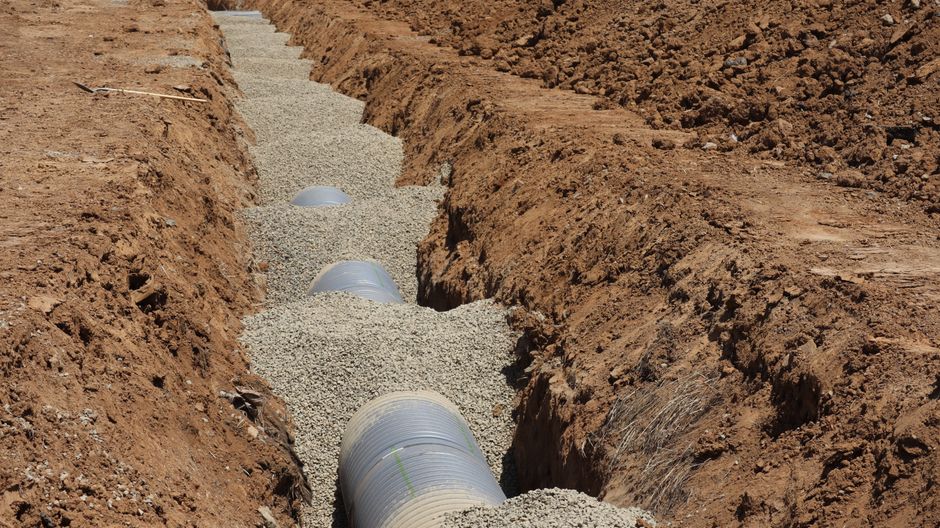
Egress Windows for a Safe Home Addition with Basement
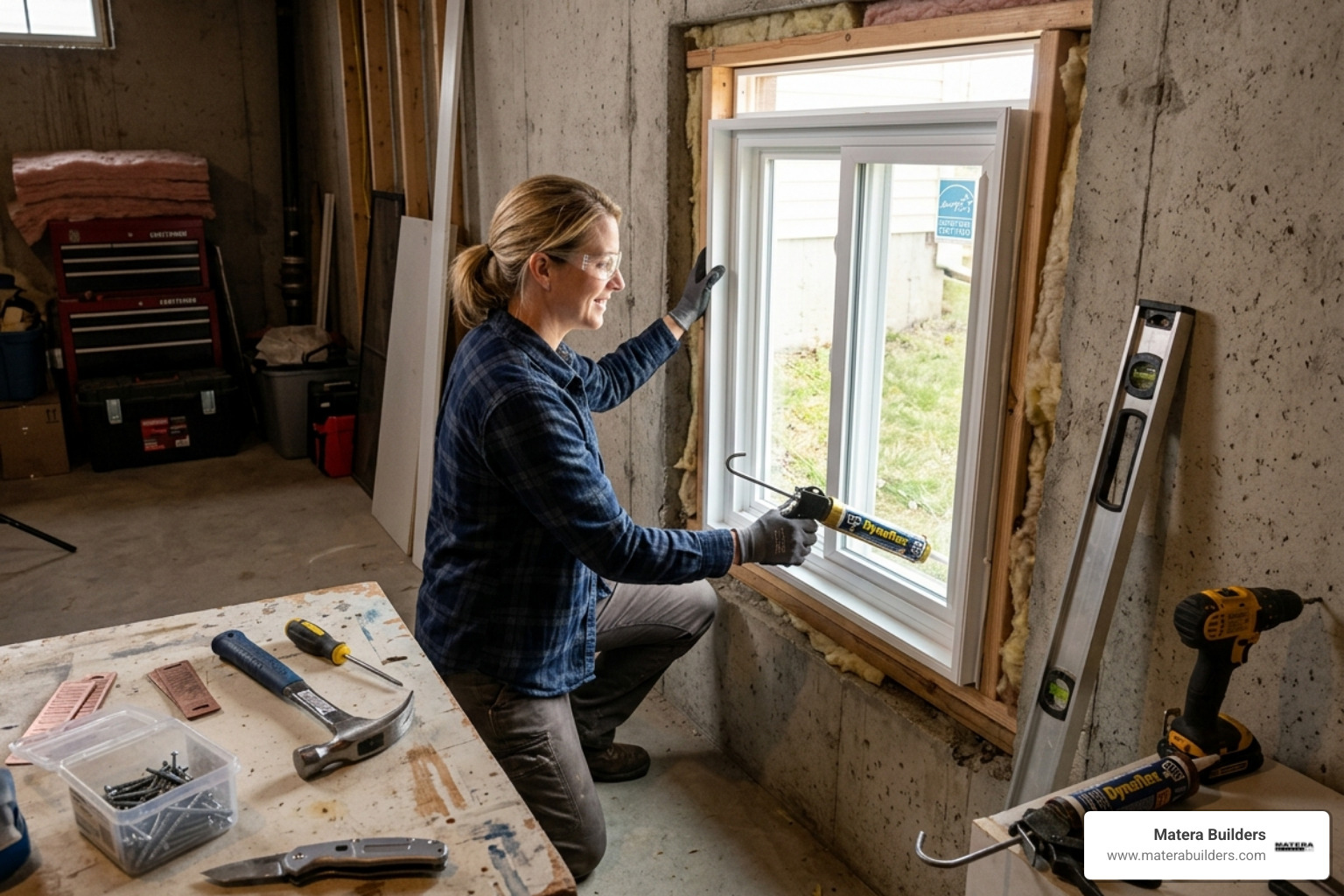
If you plan to use your home addition with basement as a bedroom or living space, you must follow IRC R310 code. This requires an egress window. This is a window large enough for a person to climb out of, and for a firefighter to climb in, during an emergency.
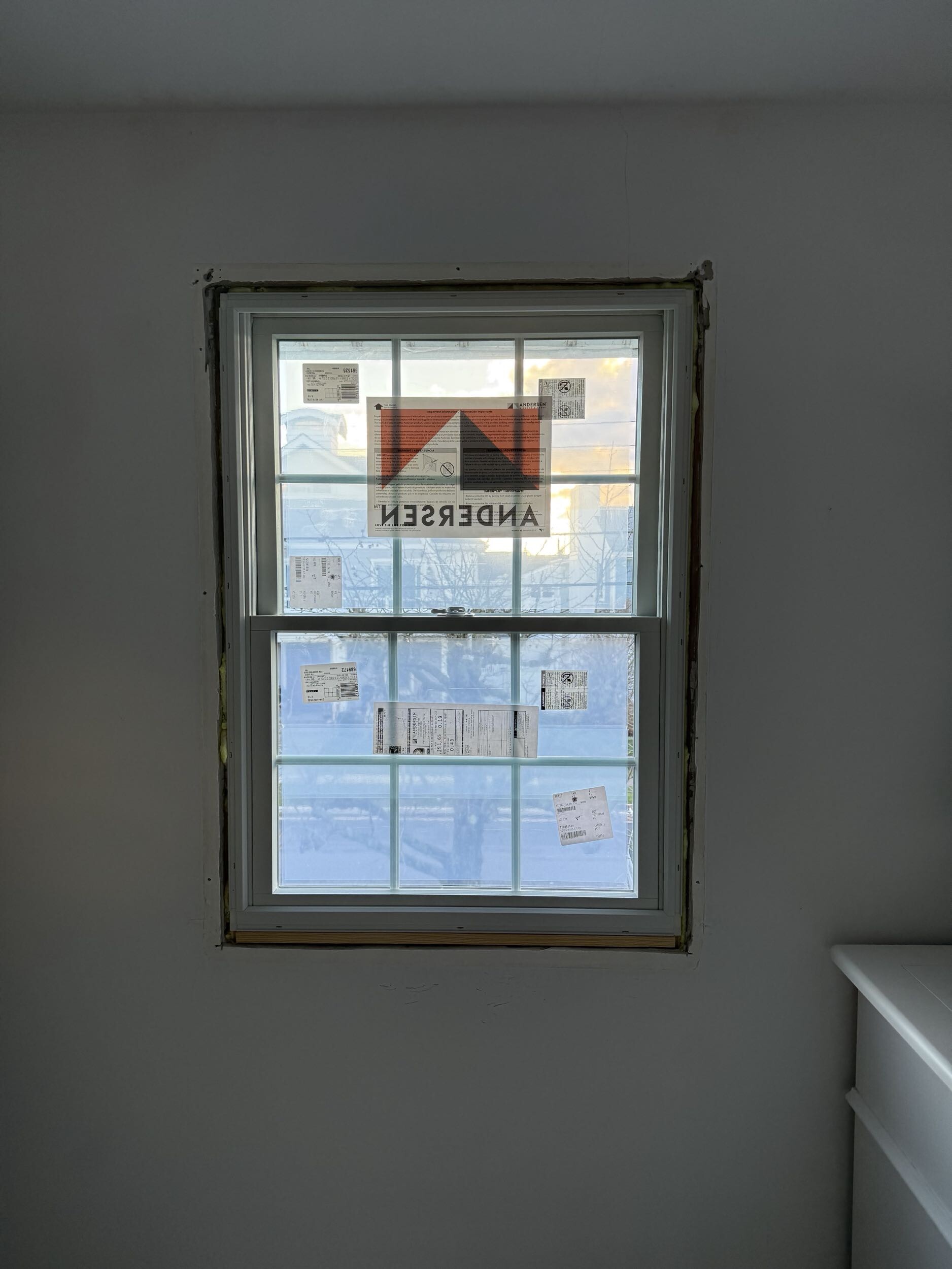
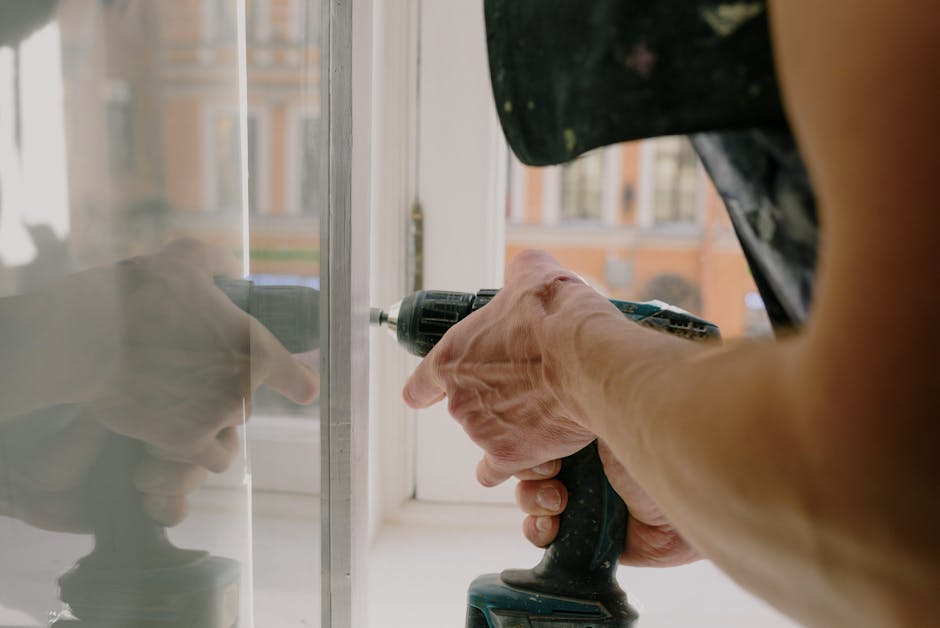
The window must have a minimum net clear opening of 5.7 square feet. Because these windows are below ground level, they require a window well with a built-in ladder or steps. When we install these, we focus on long-term performance. You can learn more about the average cost of basement window replacement to help budget for these safety features.
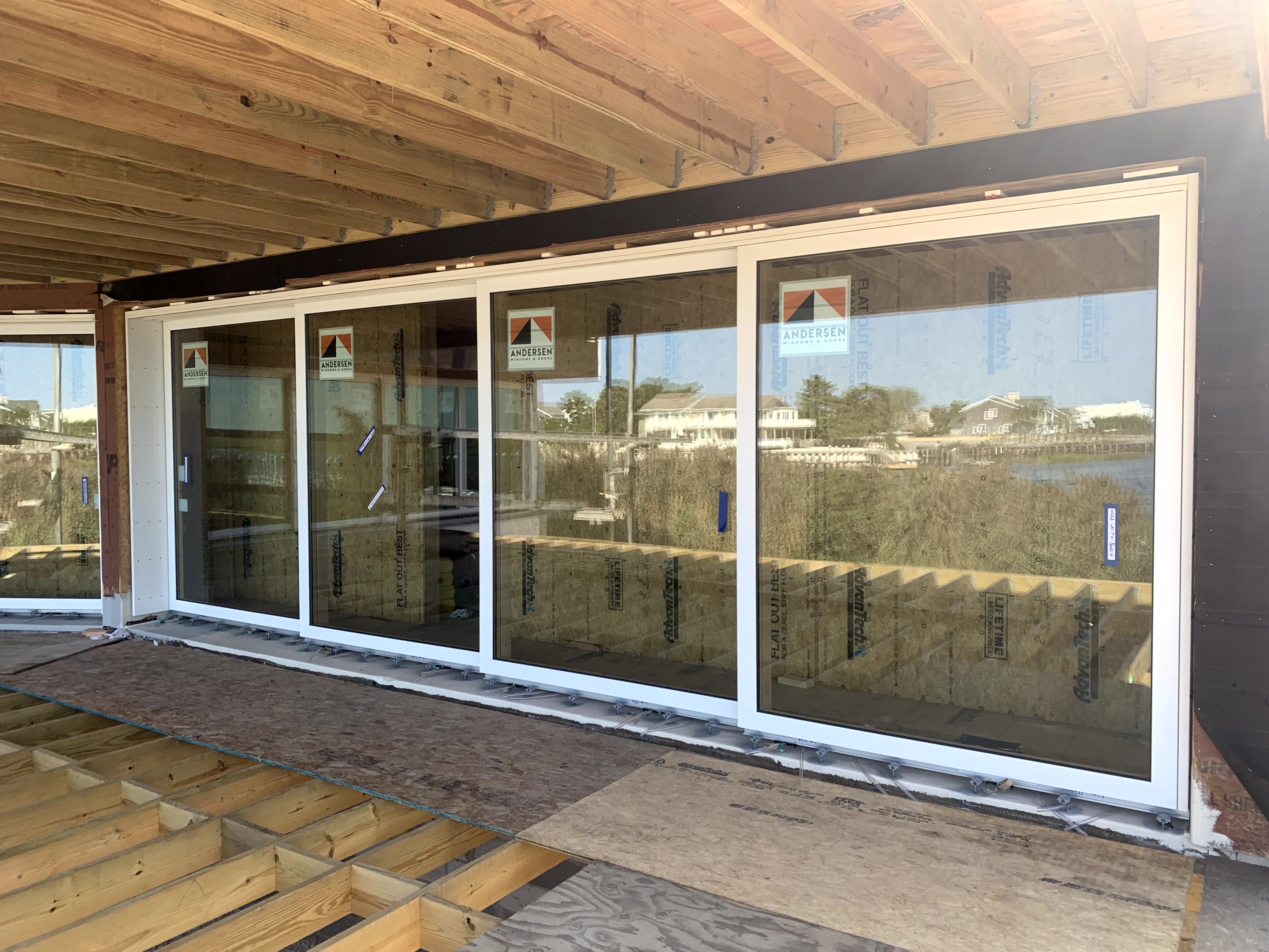
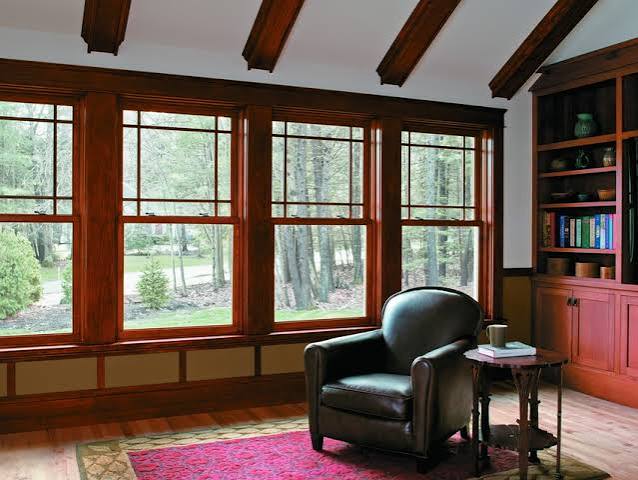
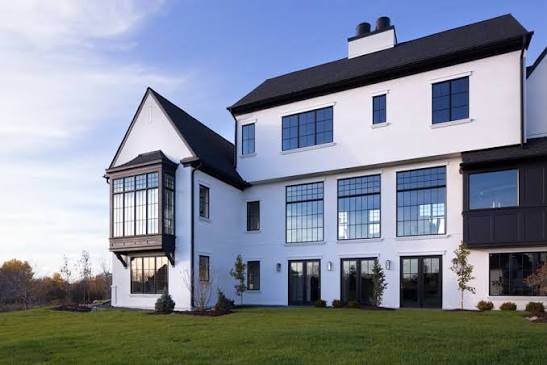
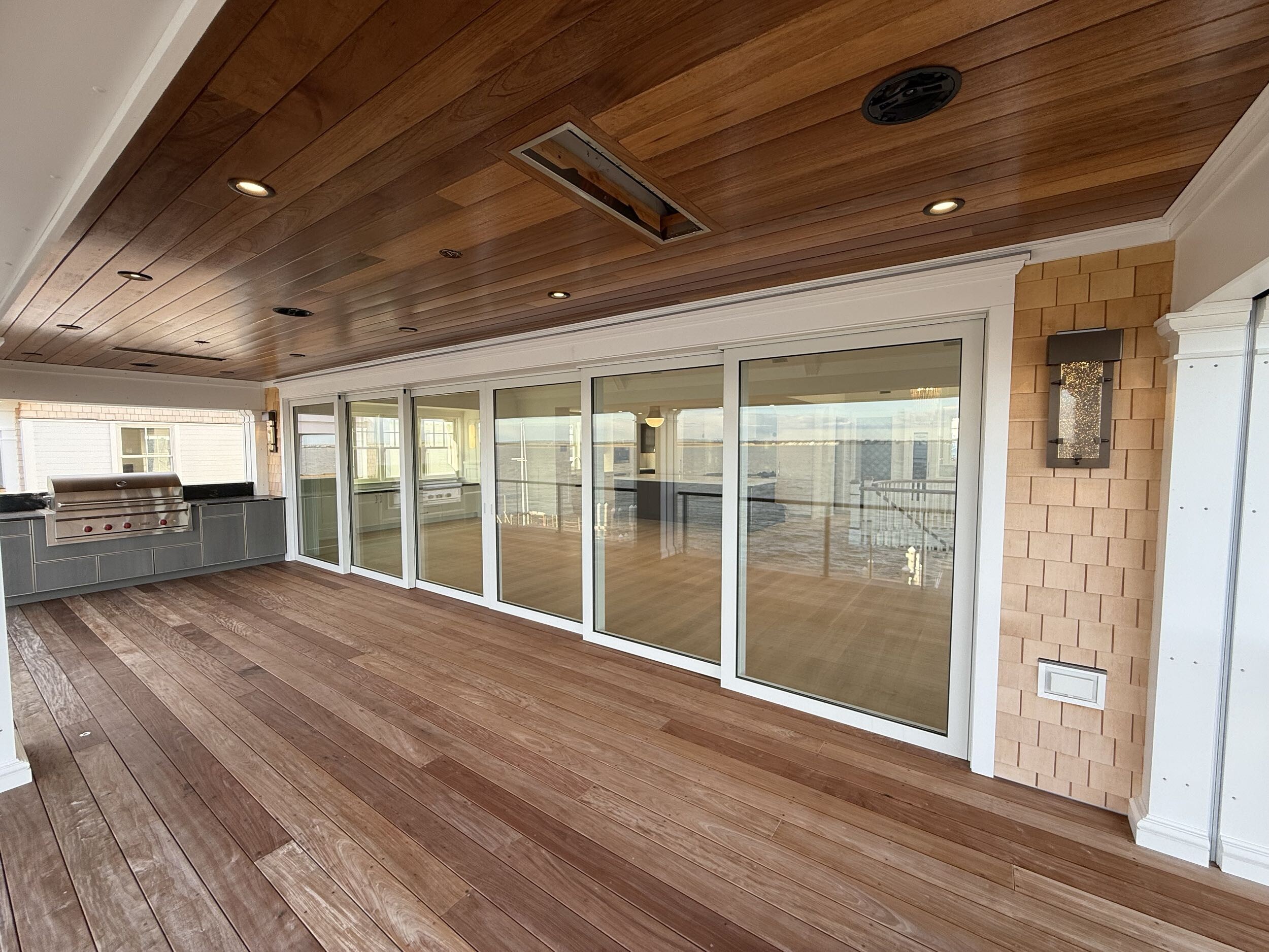
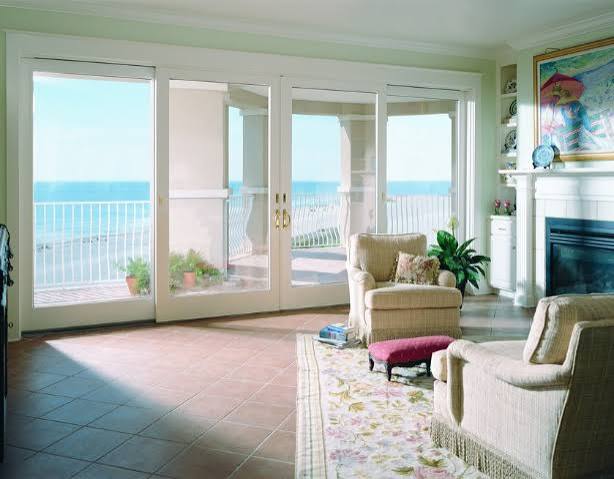
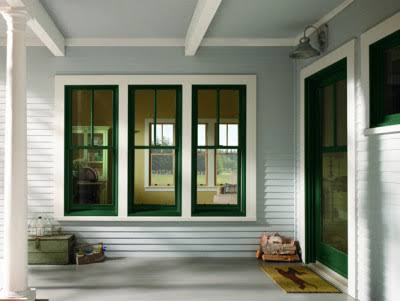
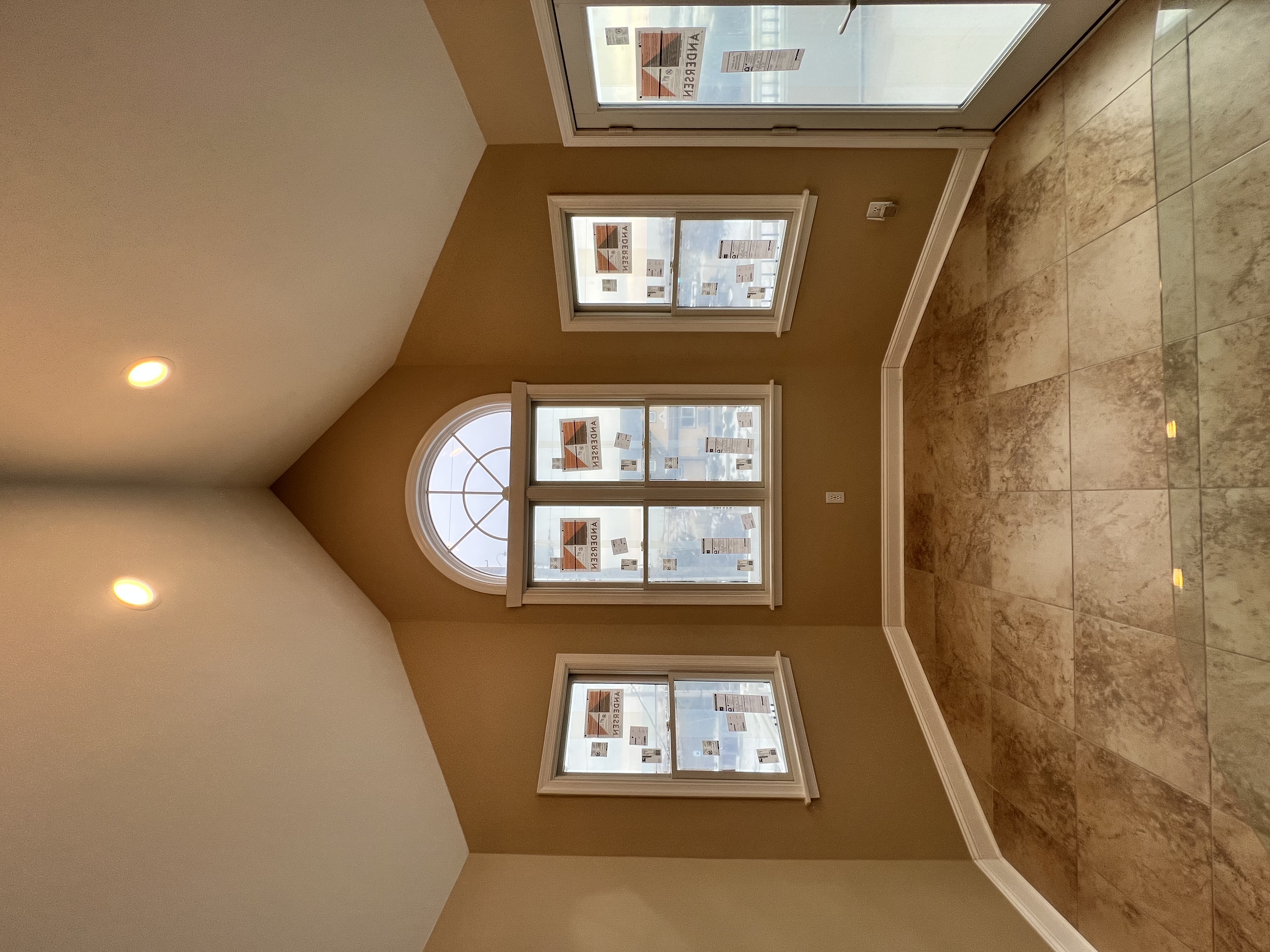
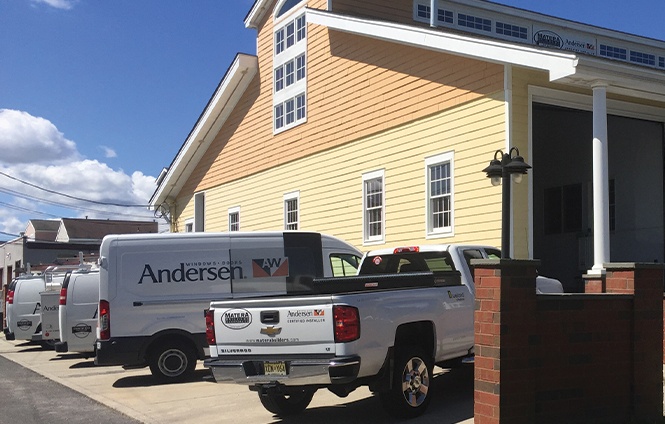
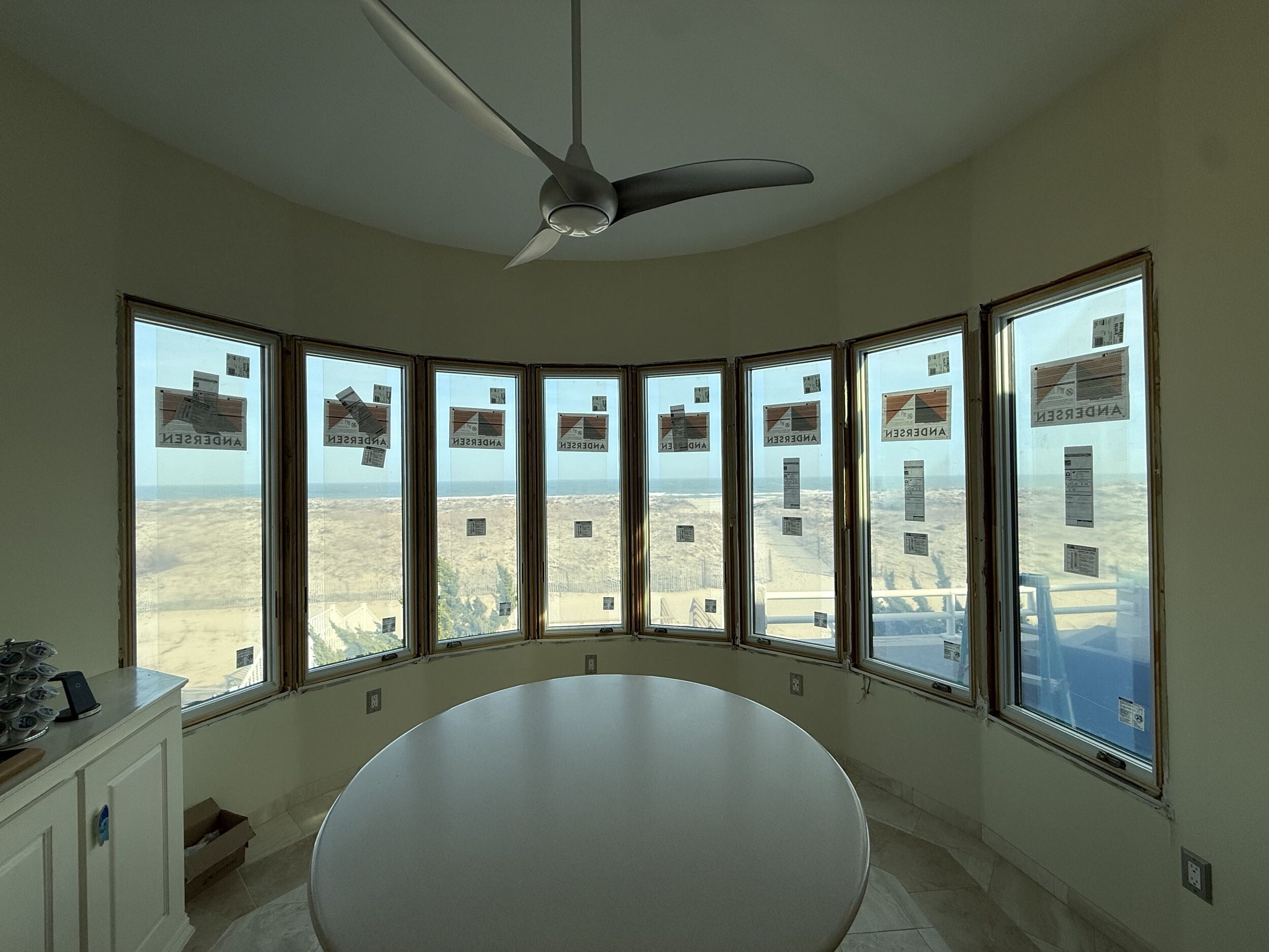
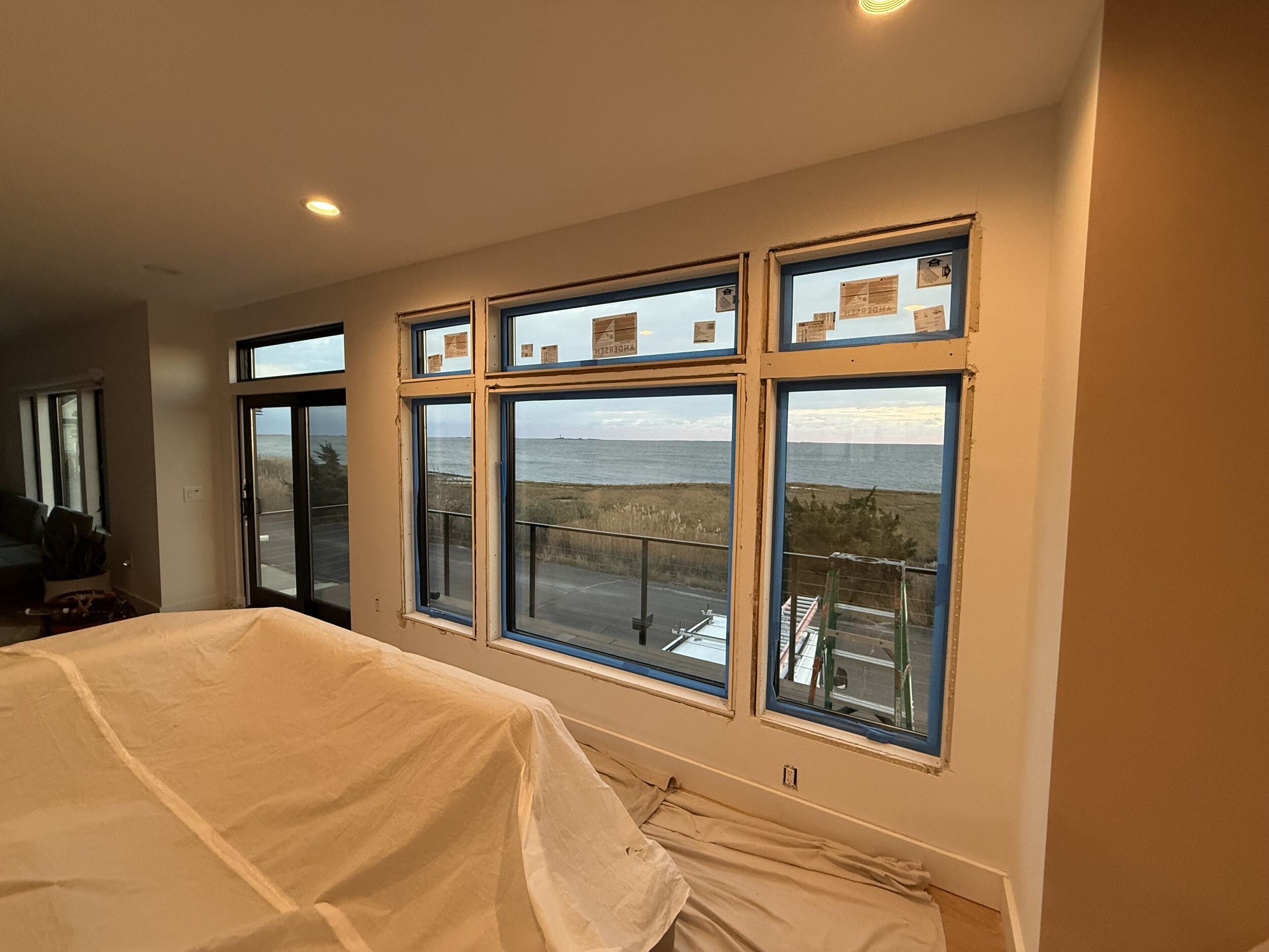
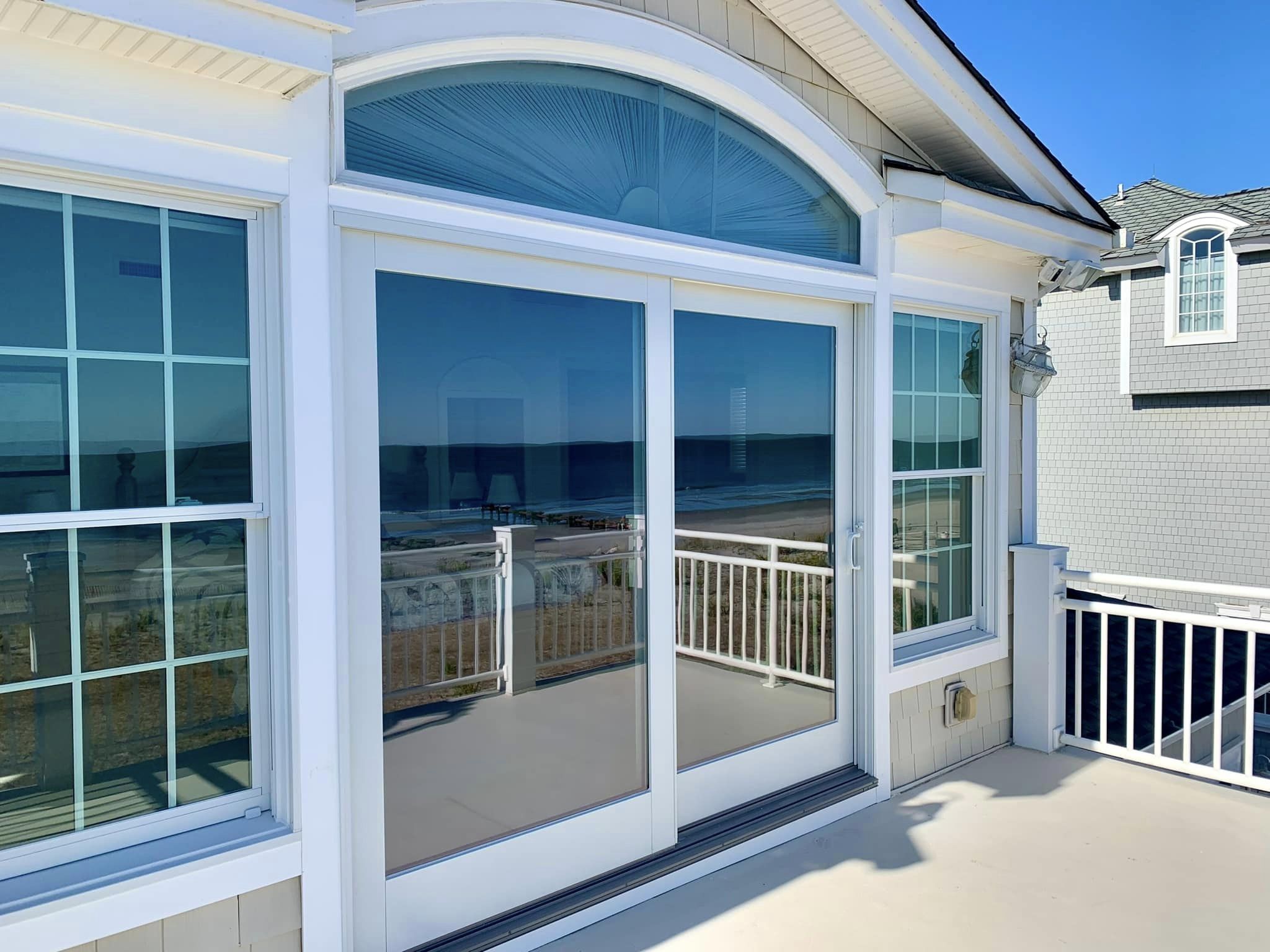
We often recommend Andersen Windows for these installations. In a basement, the window sits closer to ground moisture and salt air. Andersen's Fibrex material will not rot or corrode like wood or low-grade vinyl, and that helps create a tighter seal against moisture and air leaks.
Insulation and Climate Control
Basements are naturally cooler because they are surrounded by earth, but they can also hold moisture. To make the space feel dry, bright, and comfortable, the insulation plan matters.
- Spray Foam: Creates an air seal and a high R-value, which helps stop condensation on cool concrete.
- Rigid Foam Board: A strong option for a continuous thermal break.
- Radiant Floor Heat: Heat starts low, which makes basement rooms feel more comfortable.
- Humidity Control: A dedicated dehumidifier or an ERV may be needed by code to keep the air fresh and dry.
Cost Breakdown and Construction Timelines
Let's talk numbers. A home addition with basement is a premium project. Excavating a 20x20 space involves removing roughly 120 yards of soil. That is about 17 dump truck loads. At roughly $750 per load plus labor and machinery, you are looking at $20,000 just to create the hole.
Component Estimated Cost Excavation & Soil Removal$15,000 - $25,000Concrete (Footings, Walls, Slab)$18,000 - $30,000Waterproofing & Drainage$5,000 - $10,000Egress Window Installation$2,500 - $5,000 per windowFinishing (Drywall, Flooring, Electric)$50 - $150 per sq ft
Typical Project Timelines
This is not a weekend DIY project. A full home addition with basement typically takes 6 to 12 months.
- Planning & Permitting (2-4 months): Getting architectural drawings and city approvals.
- Excavation & Foundation (1-2 months): Digging, pouring concrete, and waterproofing.
- Framing & Shell (1-2 months): Building the addition on top of the new basement.
- Interior Finishing (2-4 months): Plumbing, electric, drywall, and paint.
Factors Affecting Your Budget
Your final price tag will depend on several variables. If you hit a high water table, you may need specialized dewatering equipment. If your site is tight, which is common at the Jersey Shore, small machinery like skid steers may take longer than a full-sized excavator.
Also, consider the property tax impact. Adding habitable square footage will increase your home's assessed value. In some New Jersey towns, this can add several thousand dollars to your annual tax bill, so it is worth checking with your local assessor first.
Frequently Asked Questions
Can you add a basement to an existing house without a new addition?
Yes, but it is a massive undertaking. It involves "house lifting" where hydraulic jacks raise the entire structure so a basement can be dug underneath. This phase alone can cost $10,000 to $40,000 before the foundation work even starts. A more common approach is converting an existing crawl space into a basement through a process called underpinning, which usually costs between $80,000 and $100,000 for a 1,000-square-foot home.
How much does a finished basement increase home value?
On average, you can expect to recoup about 70% of the construction cost in added home value. However, in high-value areas along the Jersey Shore, where habitable space is valued at $600 to $900 per square foot, the ROI can be even higher. Beyond the money, the lifestyle ROI of having a guest suite, home office, or media room is often what drives homeowners to pull the trigger.
What are the best alternatives if a full basement is too expensive?
If the $100,000+ price tag for a finished basement is out of reach, consider these alternatives:
- Encapsulated Crawl Space: This keeps your home dry and energy-efficient for a fraction of the cost.
- Slab-on-Grade: No digging required, but you lose the storage and utility space.
- Second-Story Addition: Sometimes it is cheaper to go up than to go down, though this requires reinforcing your existing foundation to handle the extra weight.
Conclusion
Building a home addition with basement is a journey that requires patience, a solid budget, and the right team. From navigating the frost line to ensuring your egress windows meet safety codes, every detail matters.
At Matera Builders, Mike Werner and our team have brought experience to every project since 1988. We believe that a house is only as good as its foundation and its exterior shell. Whether you are looking for bathroom renovations near me to finish out that new basement or you need high-performance Andersen Windows to keep the space dry and bright, we are here to help.
We focus on transparency and trust, especially in the challenging coastal environments of the Jersey Shore. We don't just build additions; we build long-term value.
Schedule your consultation with Matera Builders today to discuss how we can help you grow your home's footprint from the ground up or the bottom down.



.jpg)
.jpg)