


The Real Answer to Inside vs. Outside Window Installation
Do you install replacement windows from the inside or outside? The short answer: it depends on the window type.
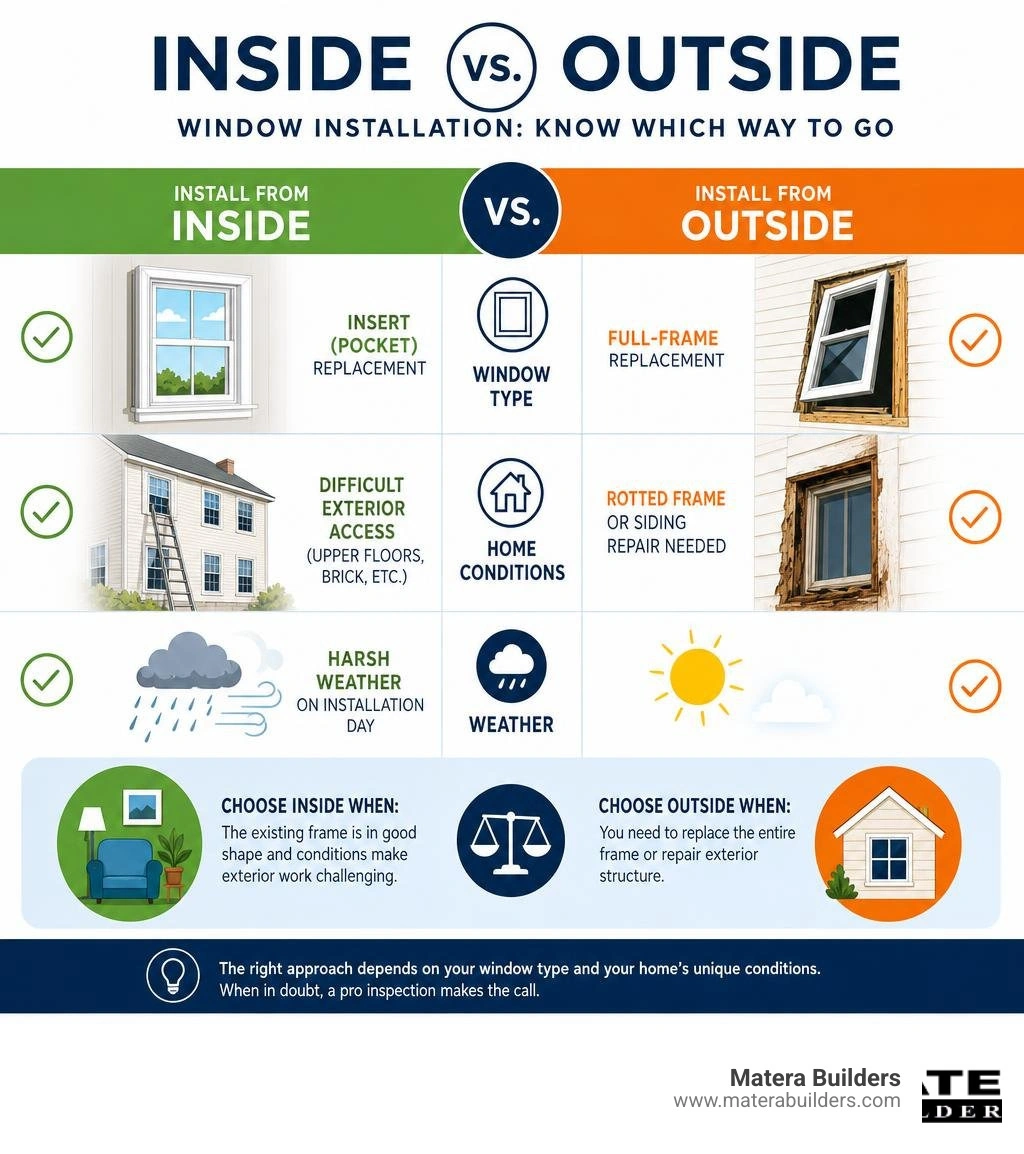
Here is the quick breakdown:
- Insert (pocket) replacement: Usually installed from the inside.
- Full-frame replacement: Usually installed from the outside.
- Difficult exterior access, such as upper floors or brick: Often installed from the inside when the window design allows it.
- Rotted frame or siding repair needed: Usually installed from the outside.
- Harsh weather on installation day: Often installed from the inside to keep the home better protected.
Most homes use one of two approaches. Insert replacements slide into the existing frame and are almost always done from inside. Full-frame replacements remove everything down to the rough opening and require exterior access.
Your home's wall thickness, window type, and floor level all play a role. So does the condition of your existing frame.
I'm Mike Werner, CEO of Matera Builders, an Andersen Elite Certified Contractor and a residential exterior renovation contractor specializing in premium window replacements for coastal New Jersey homes. I've worked on everything from drafty single-pane windows in 1930s brick homes to full-frame Andersen window systems on salt-air-exposed Shore properties, giving me a clear picture of when to install replacement windows from the inside or outside based on real conditions. In this guide, I'll walk you through exactly how that decision gets made, so you can go into your project informed.
Explore more about do you install replacement windows from the inside or outside:
Do You Install Replacement Windows from the Inside or Outside?
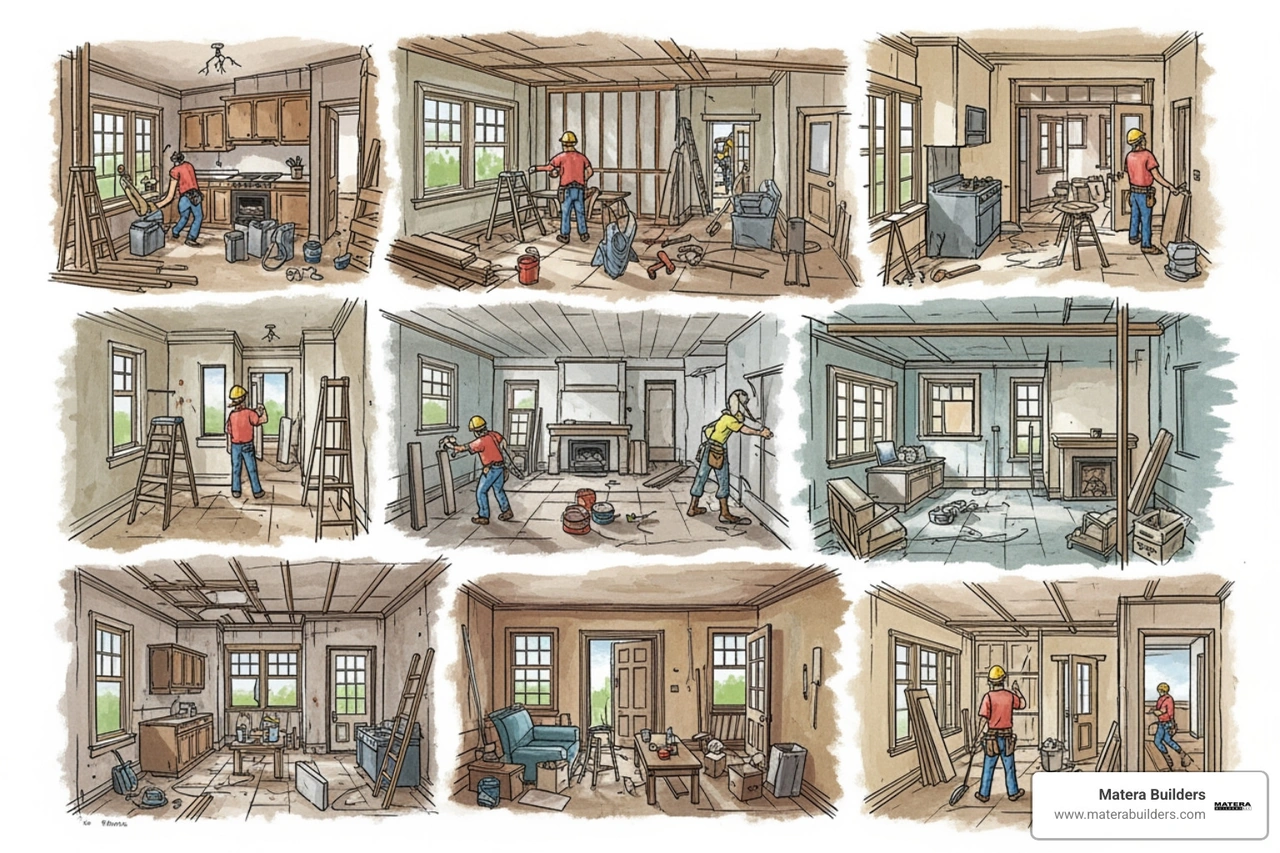
When we plan a project, we look at the home first. The choice is not just about preference. It is about physics, wall construction, and protecting your property.
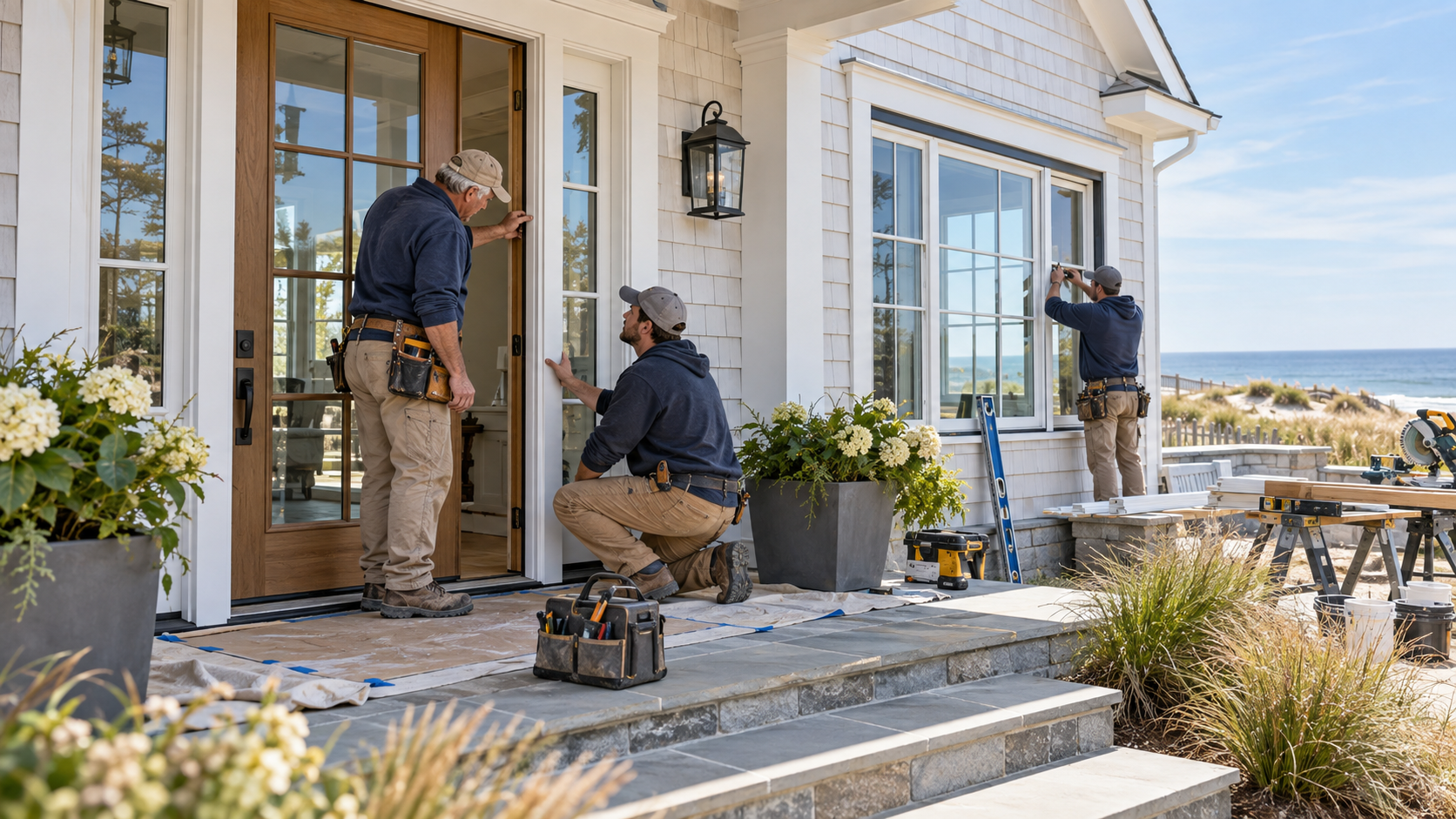
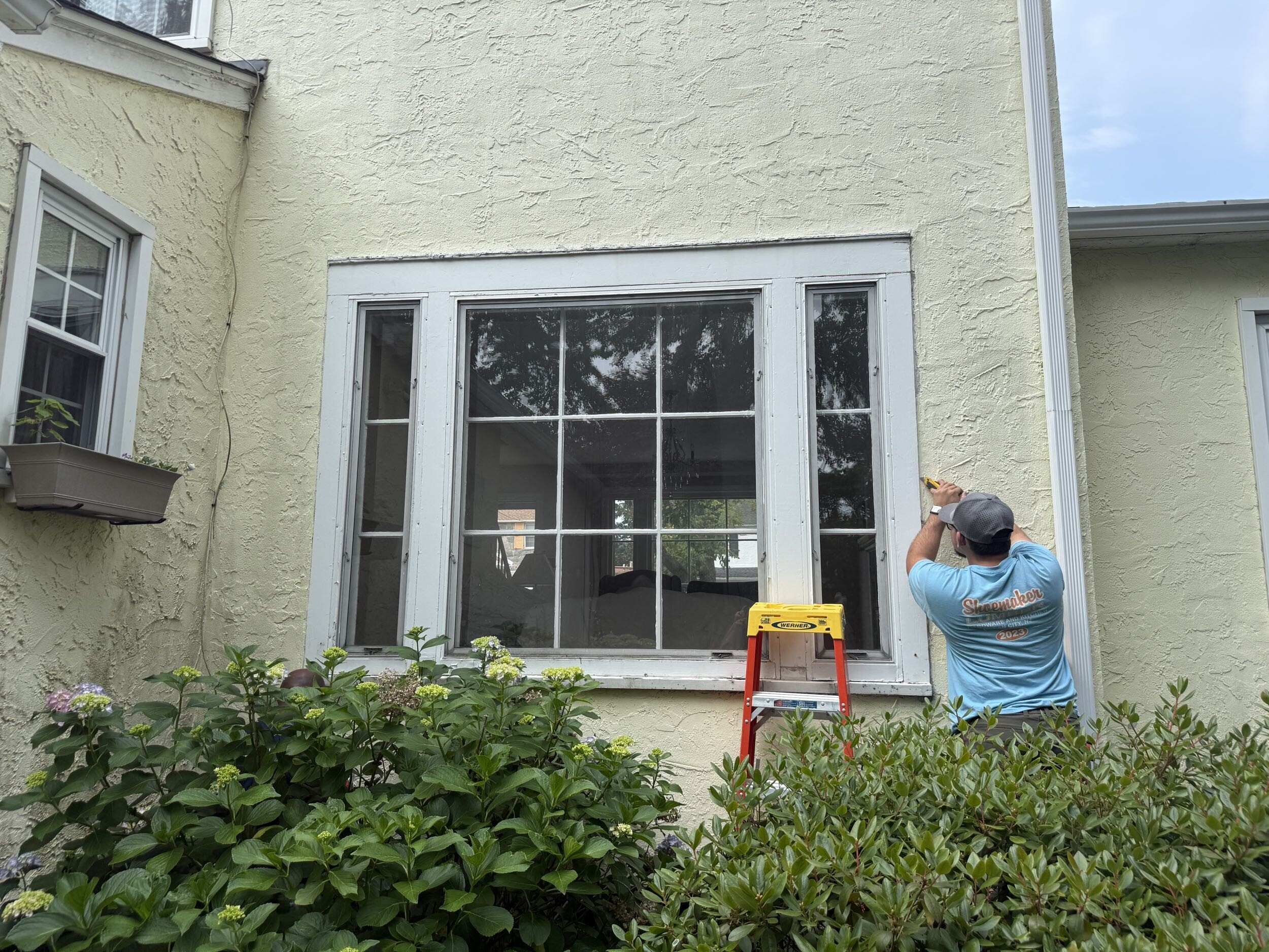
The installation entry point depends on how your walls are built. For example, homes with brick facades or thick stucco often have wider outer walls and narrower interior openings. In these cases, we must install the new units from the outside. If the interior trim is historic or hard to replace, we try to work from the outside to protect it.
To help you understand the core differences, here is how the two methods compare:
- Primary use: Inside installation is most common for insert or pocket window replacements; outside installation is usually used for full-frame replacements and new construction.
- Interior impact: Inside installation requires moving furniture and clearing window treatments, while outside installation usually creates less disruption to interior paint and trim.
- Exterior impact: Inside installation leaves siding and exterior trim completely untouched, while outside installation may require removing siding, trim, or storm windows.
- Best fit: Inside installation works well for multi-story homes, cold weather, and historic interior trim. Outside installation is better for rotted frames, moisture damage, and coastal storm protection.
- Average time: Inside installation often takes 1 to 3 hours per window. Outside installation often takes 4 to 6 hours per window.
Every home along the Jersey Shore has unique needs. If you are trying to figure out the right approach, we recommend looking at our guide on Window Replacement Services New Jersey to see how we handle local coastal conditions. You can also read the This Old House Guide on Window Installation for more background on standard industry practices.
Pros and Cons: When Do You Install Replacement Windows from the Inside?
Installing from the inside is a very common method for pocket replacements. Here is why we might choose this path, along with some drawbacks to keep in mind.
The Pros:
- No Siding Disruption: We do not have to touch your exterior siding or paint. This is ideal for homes with delicate cedar shingles or custom vinyl siding.
- Weather Protection: If we are working during a damp or cold New Jersey winter, working from the inside lets us keep the home sealed up longer. We can replace one window at a time to minimize heat loss.
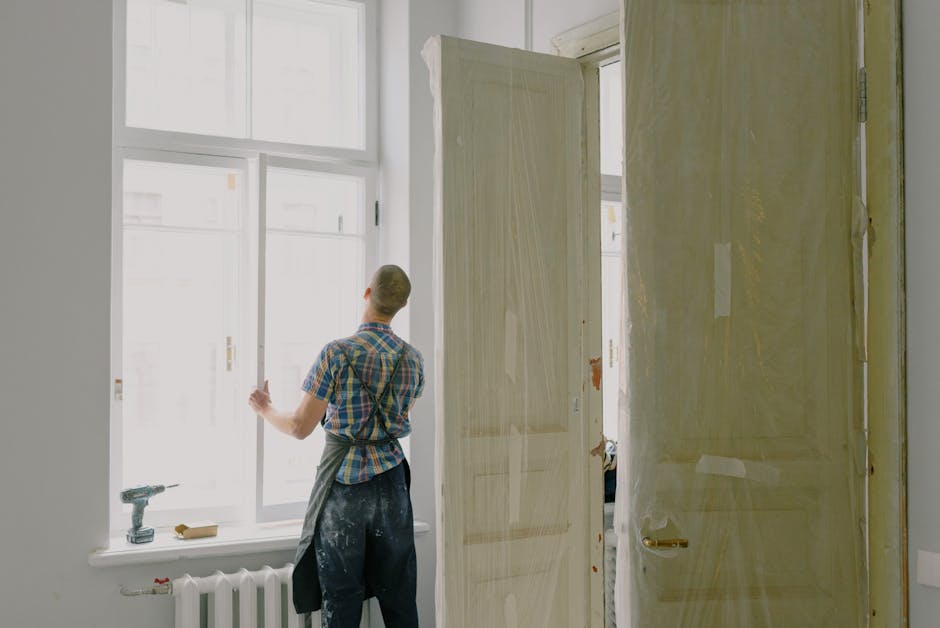
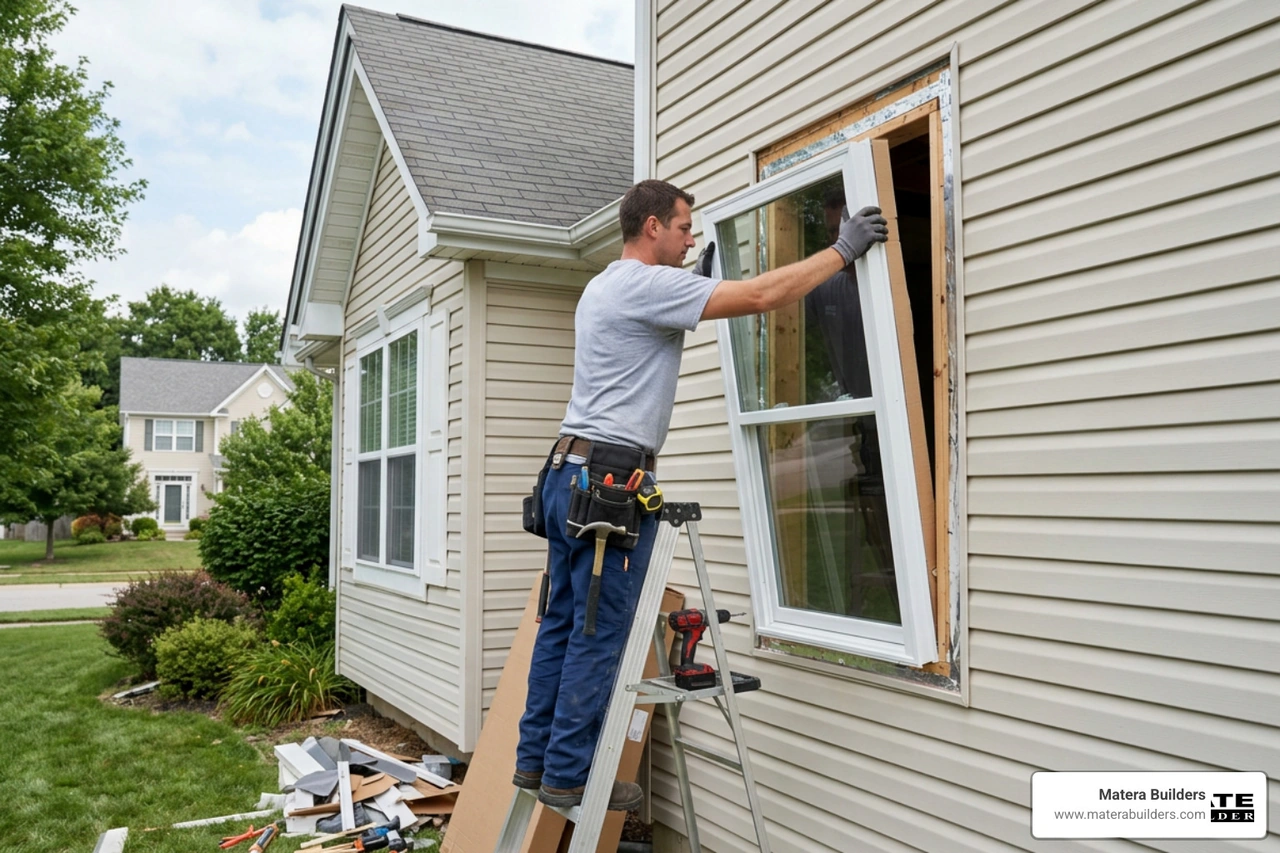
- Second-Floor Safety: For upper levels, working inside is much safer. It reduces the need for tall ladders or complex scaffolding setups.
- Saves Exterior Trim: We leave the exterior stops in place. We only remove the interior stops to slide the new unit in.
The Cons:
- Lead Paint Risks: In homes built before 1978, disturbing the interior stops can release lead paint dust. We must take strict containment measures.
- Loss of Glass Area: Because the new window sits inside the old frame, you will lose about an inch of visible glass on all sides.
- Interior Prep Required: You will need to move furniture at least three feet back. You also have to remove all blinds, curtains, and wall decorations.
If your main goal is lowering your utility bills, check out our article on Energy Efficient Windows NJ to see how modern interior inserts can block drafts.
Pros and Cons: When Do You Install Replacement Windows from the Outside?
Outside installation is the standard for full-frame projects. It is also the best choice when we need to address structural issues.
The Pros:
- Zero Interior Mess: We do not have to disturb your indoor living space. There is no dust on your furniture or paint damage to your interior trim.
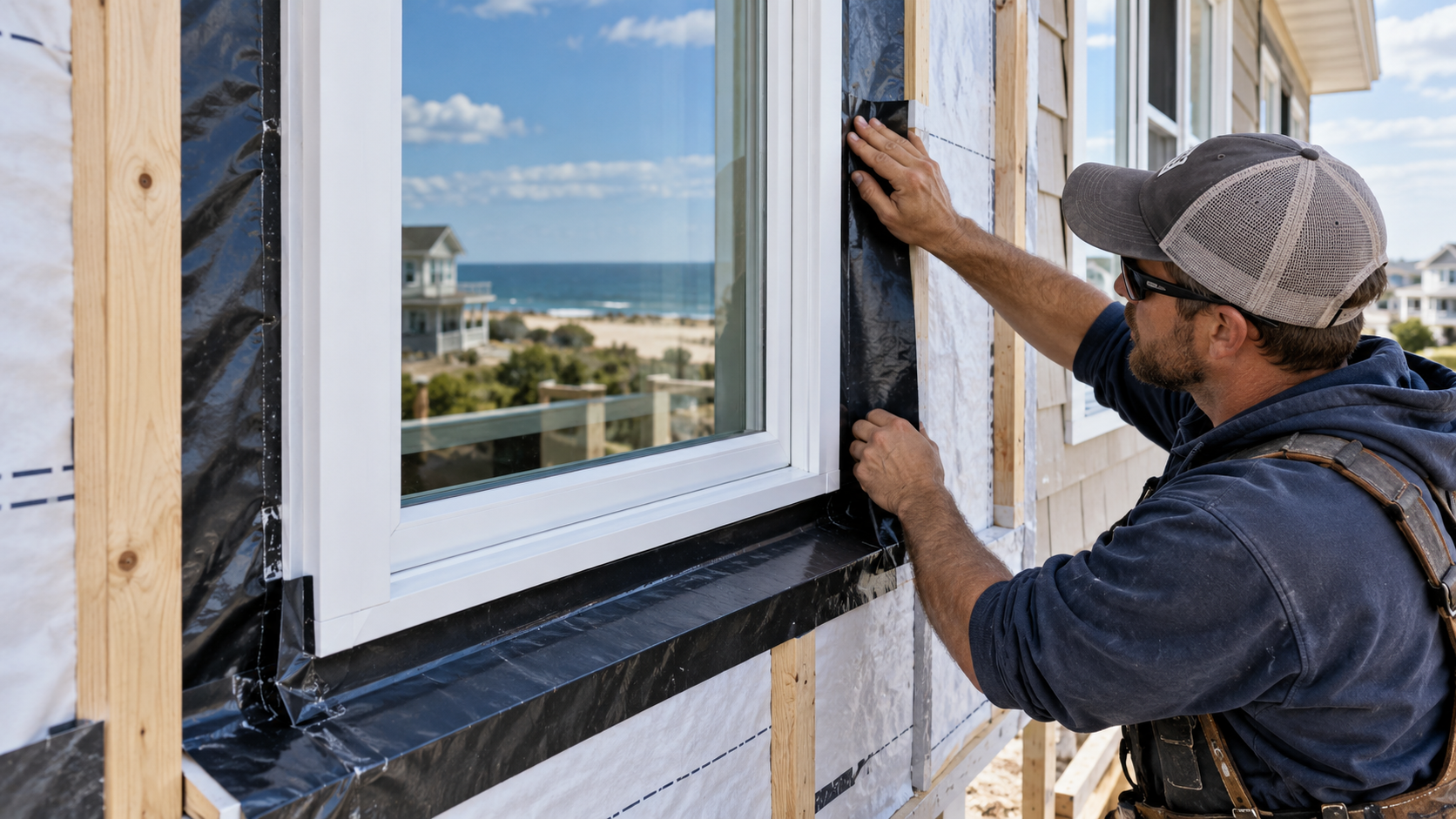
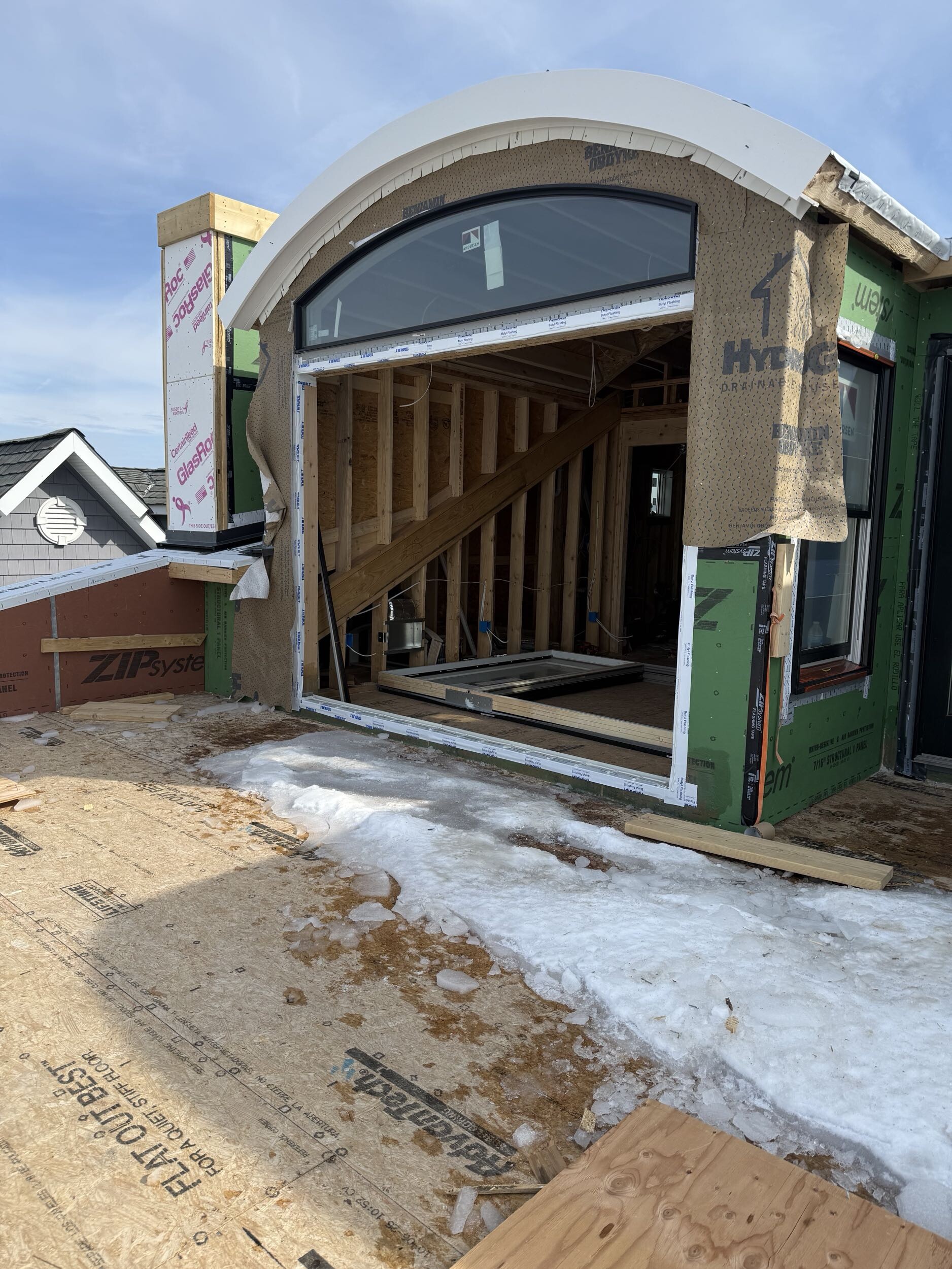
- Perfect Water Management: We can apply flashing tape directly to the rough opening. This is crucial for coastal homes facing heavy rain and salt spray.
- Maximum Glass Area: We remove the entire old frame. Your new window will have the same amount of glass, or even more.
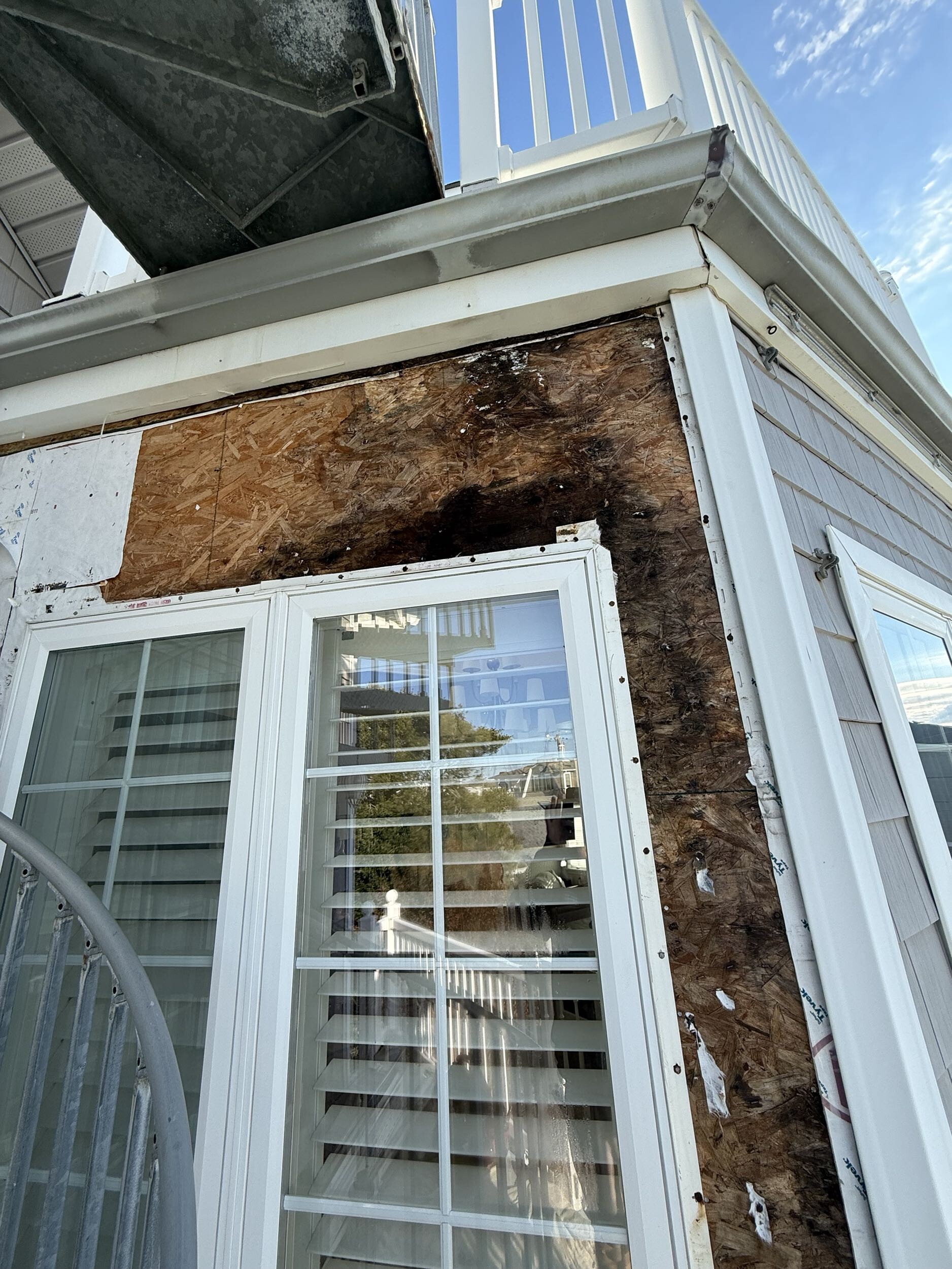
- Rot Inspection: We can see the structural studs. If there is water damage or rot from coastal humidity, we can fix it before the new window goes in.
The Cons:
- Siding and Trim Disruption: We often have to remove the exterior trim, casing, and sometimes the surrounding siding.
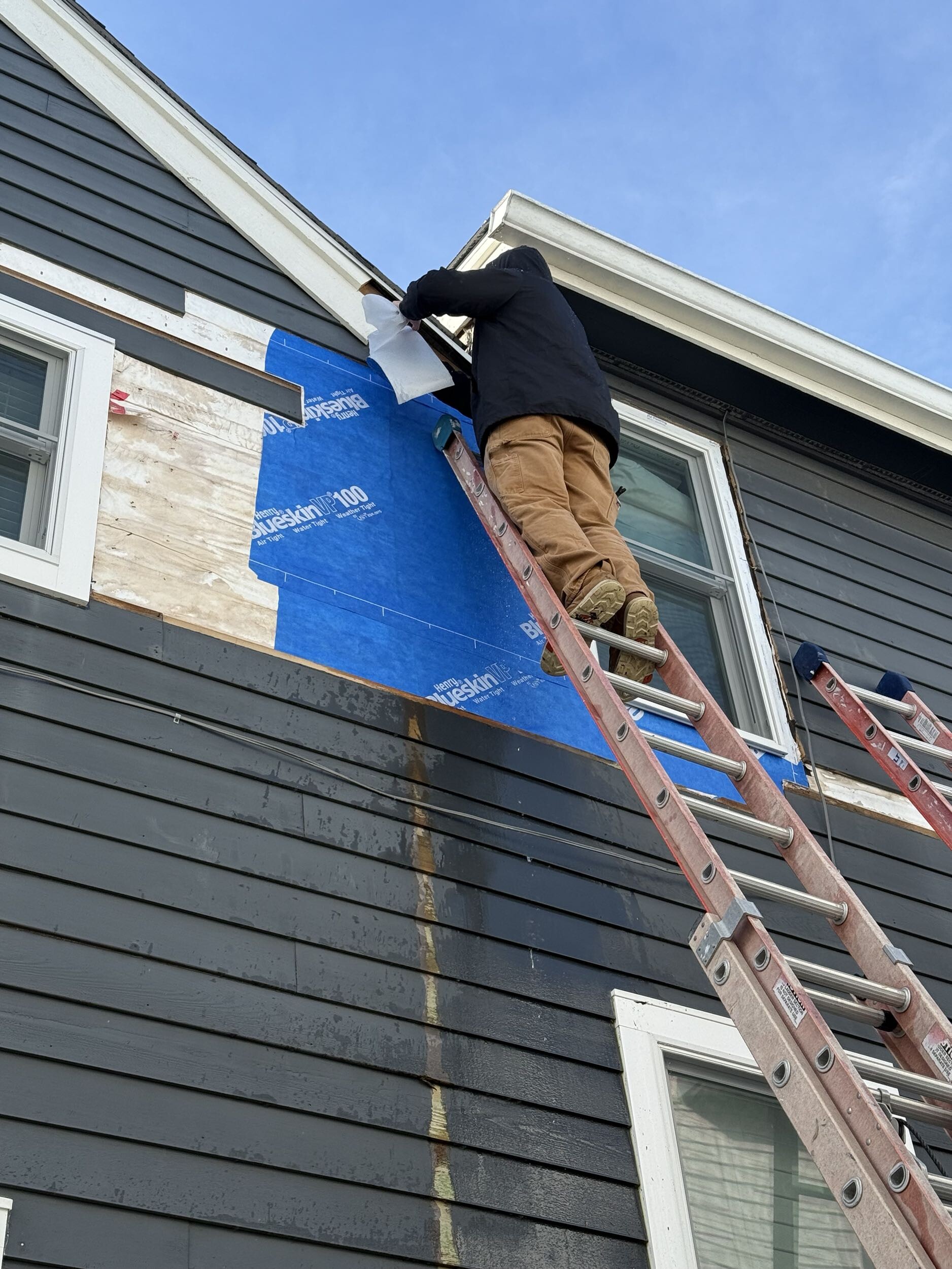
- Access Challenges: For second or third stories, we must use scaffolding or ladders. This can add to the labor time.
- Weather Dependent: We cannot easily perform outside installations during heavy rain or freezing wind.
To make sure your project is handled safely and correctly, it helps to work with certified professionals. Learn more about choosing the right team by reading about Professional Window Installers NJ.
Insert vs. Full-Frame: How Window Type Dictates Access

The type of replacement window you choose is the biggest factor in how we install it. You cannot always choose between inside and outside access. The product itself often makes that choice for us.
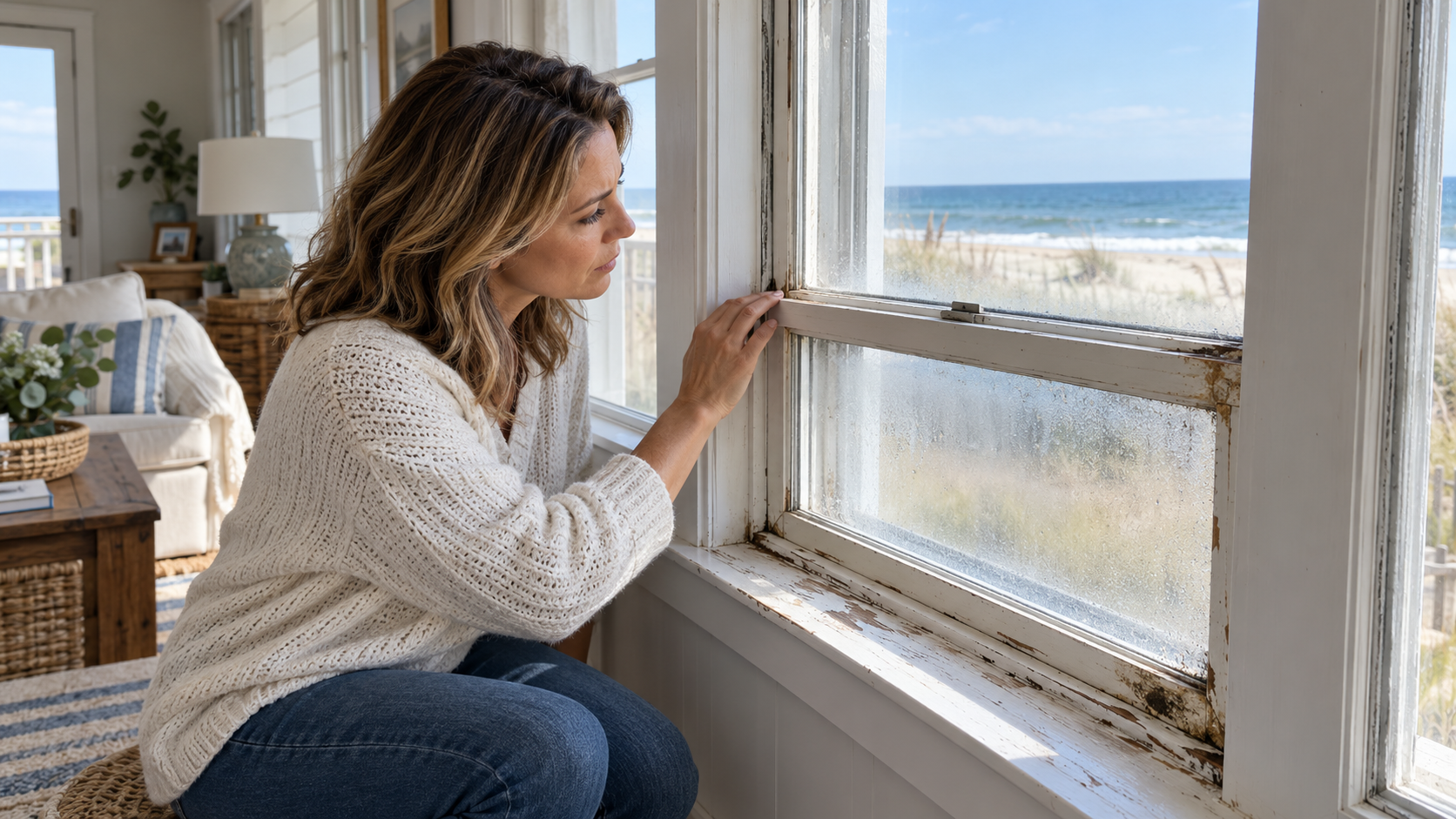
As a window replacement contractor in coastal New Jersey, we always start by inspecting the health of your current window frames. If the wood is solid and square, we can use pocket inserts. If we find soft spots, rot, or water stains, we must do a full-frame replacement.
To learn more about how we assess older coastal properties, read our guide on Installing Replacement Windows in Old House. For details on how energy performance is rated, you can view the Energy Star Guide on Window Performance.
Pocket Replacements and Interior Access
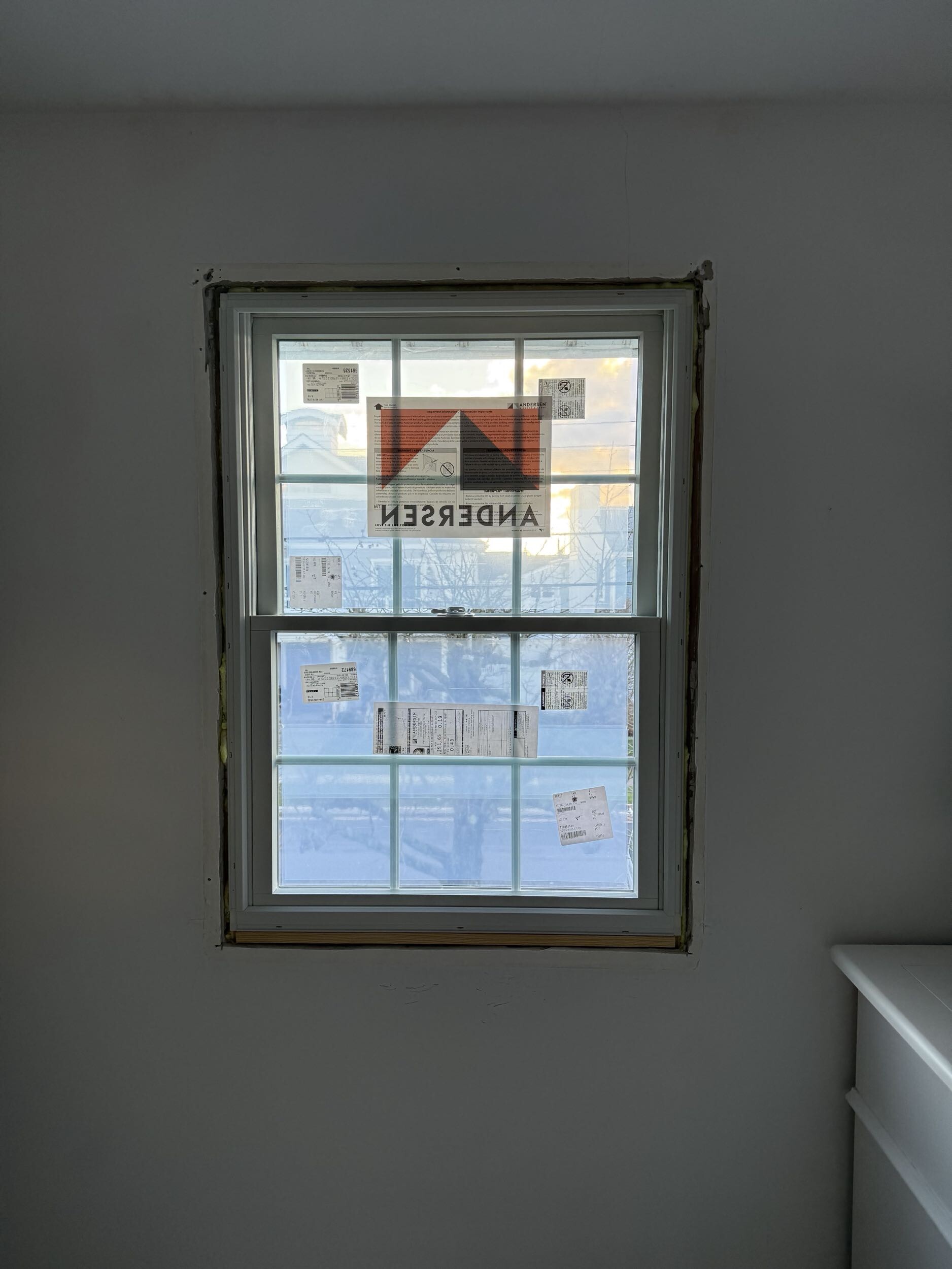
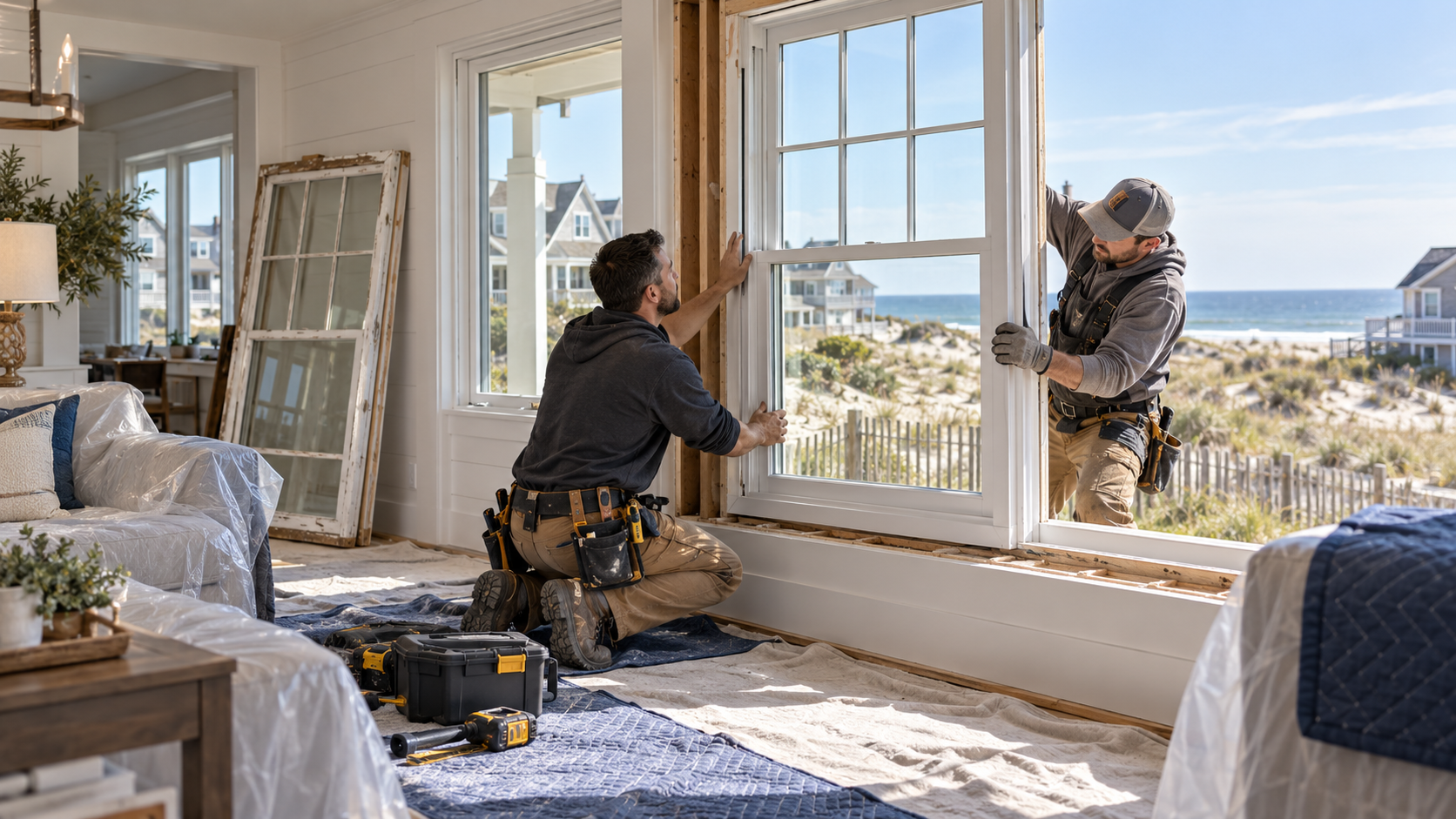
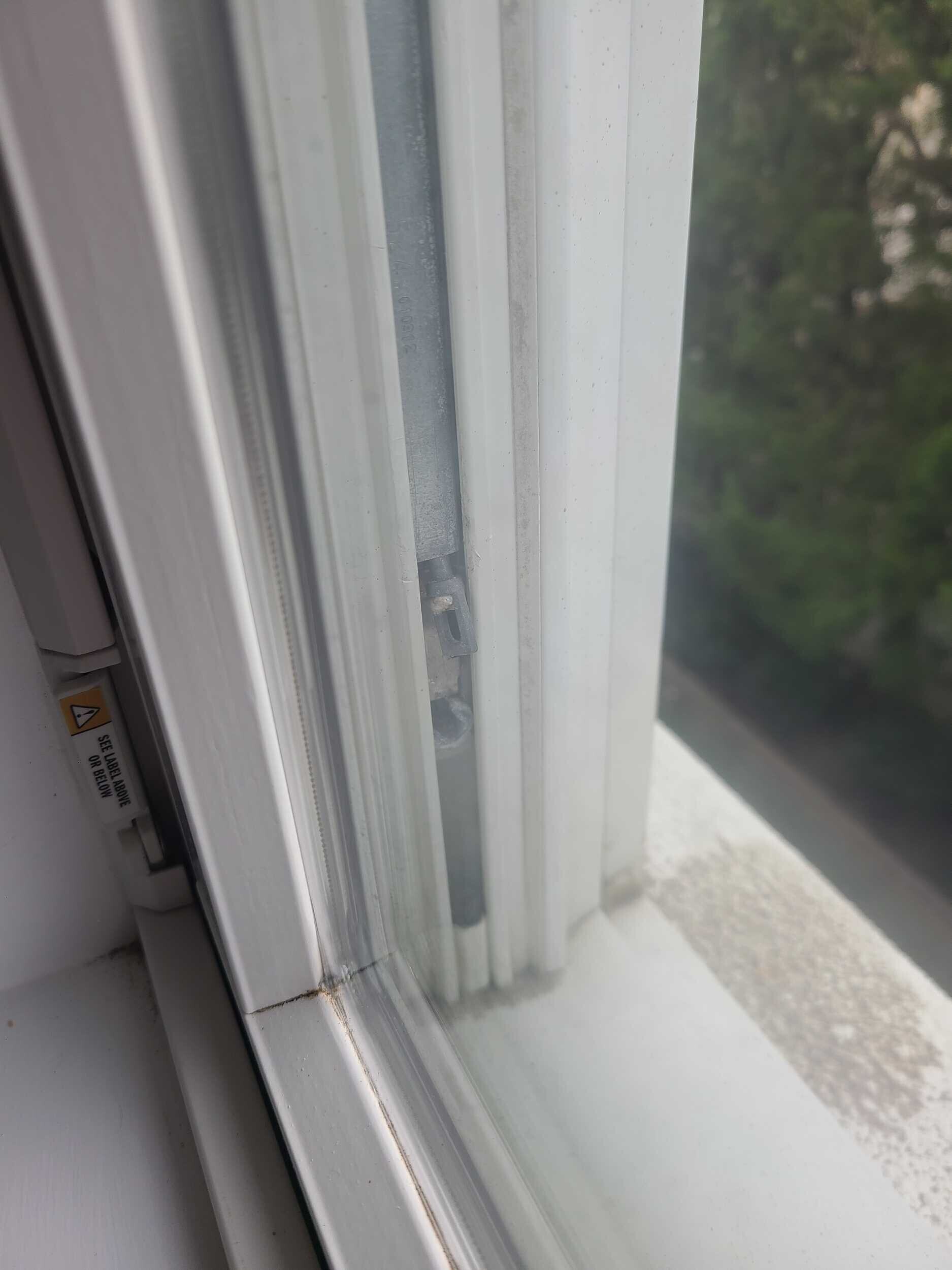
A pocket replacement is often called an insert window. This method is like a surgical upgrade. The existing frame, exterior trim, and interior casing all stay in place. We only remove the old sashes and the balance hardware.
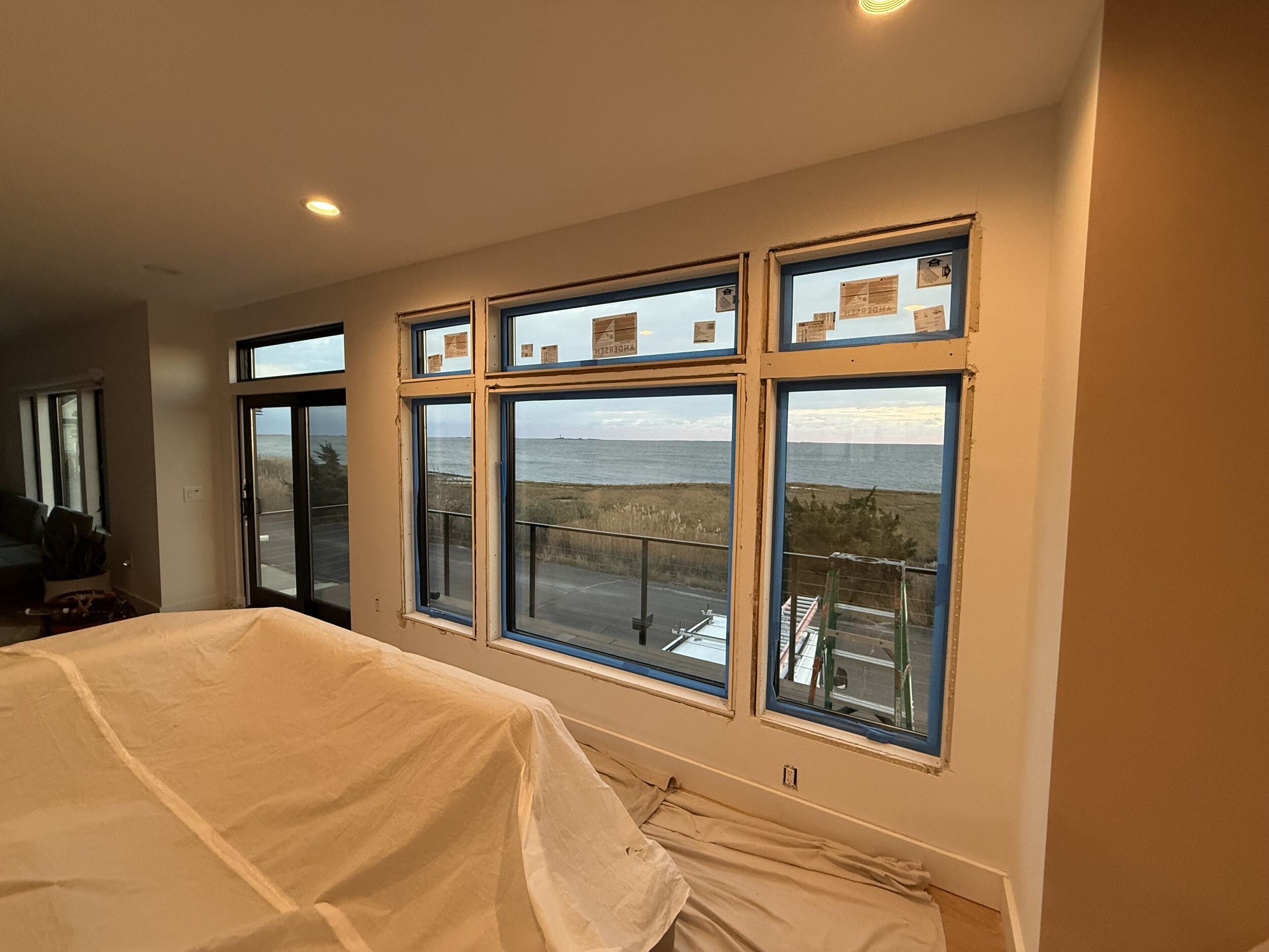
Because the old frame remains, we slide the new pre-assembled window insert directly into the existing pocket. This is almost always done from the inside of the home.
The process is fast. A two-person professional crew can often install 8 to 10 pocket windows in a single day. Each window takes about one hour.
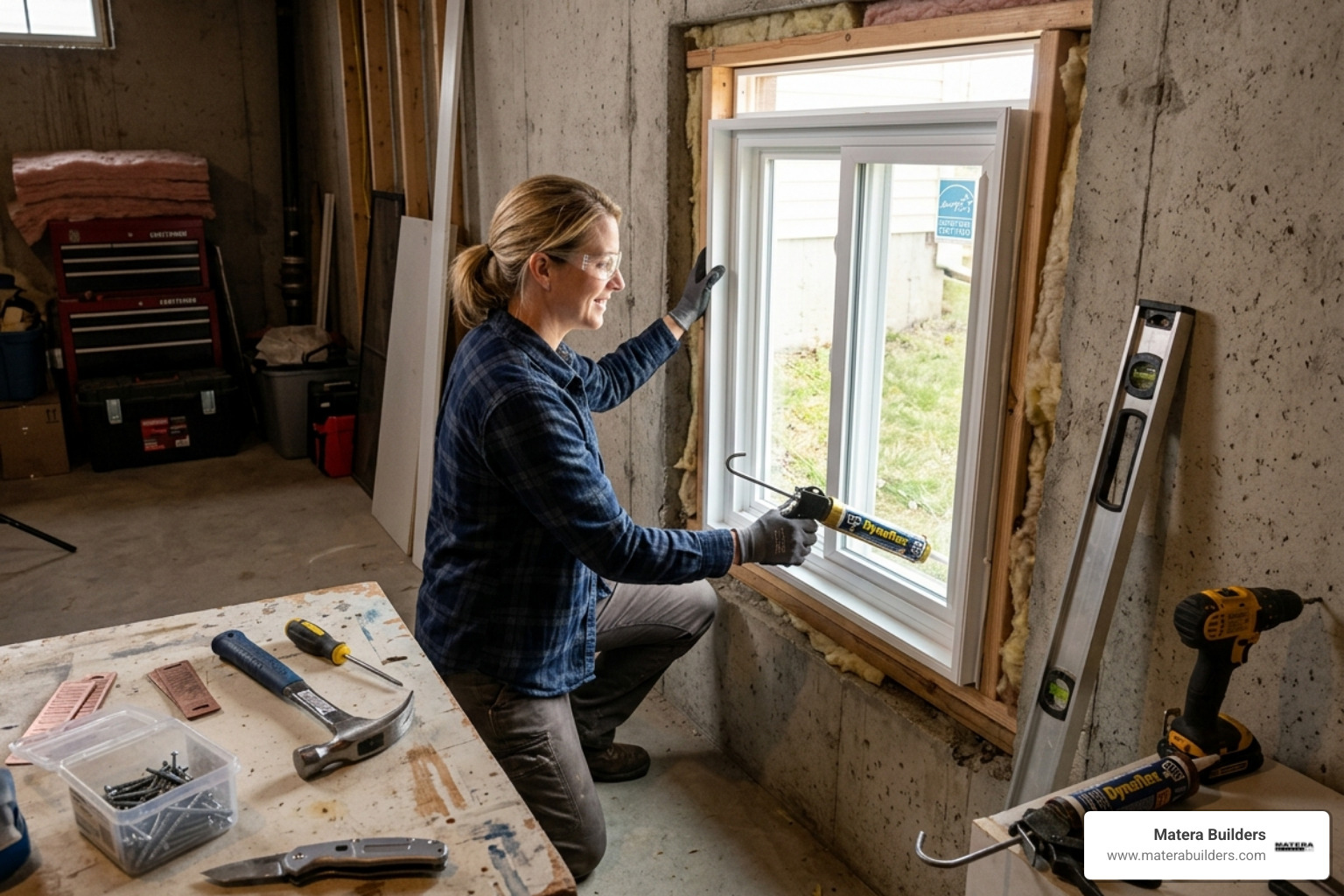
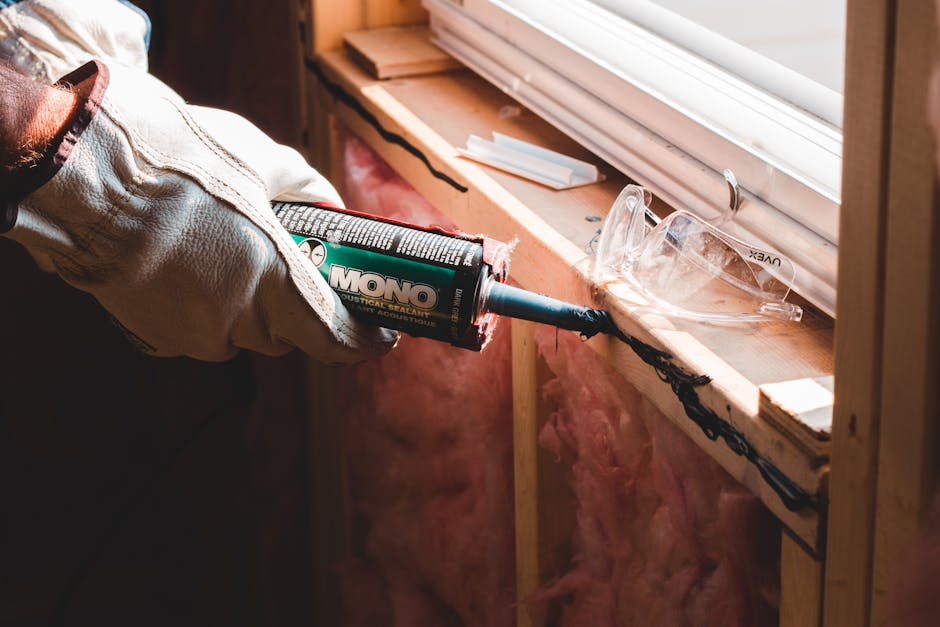
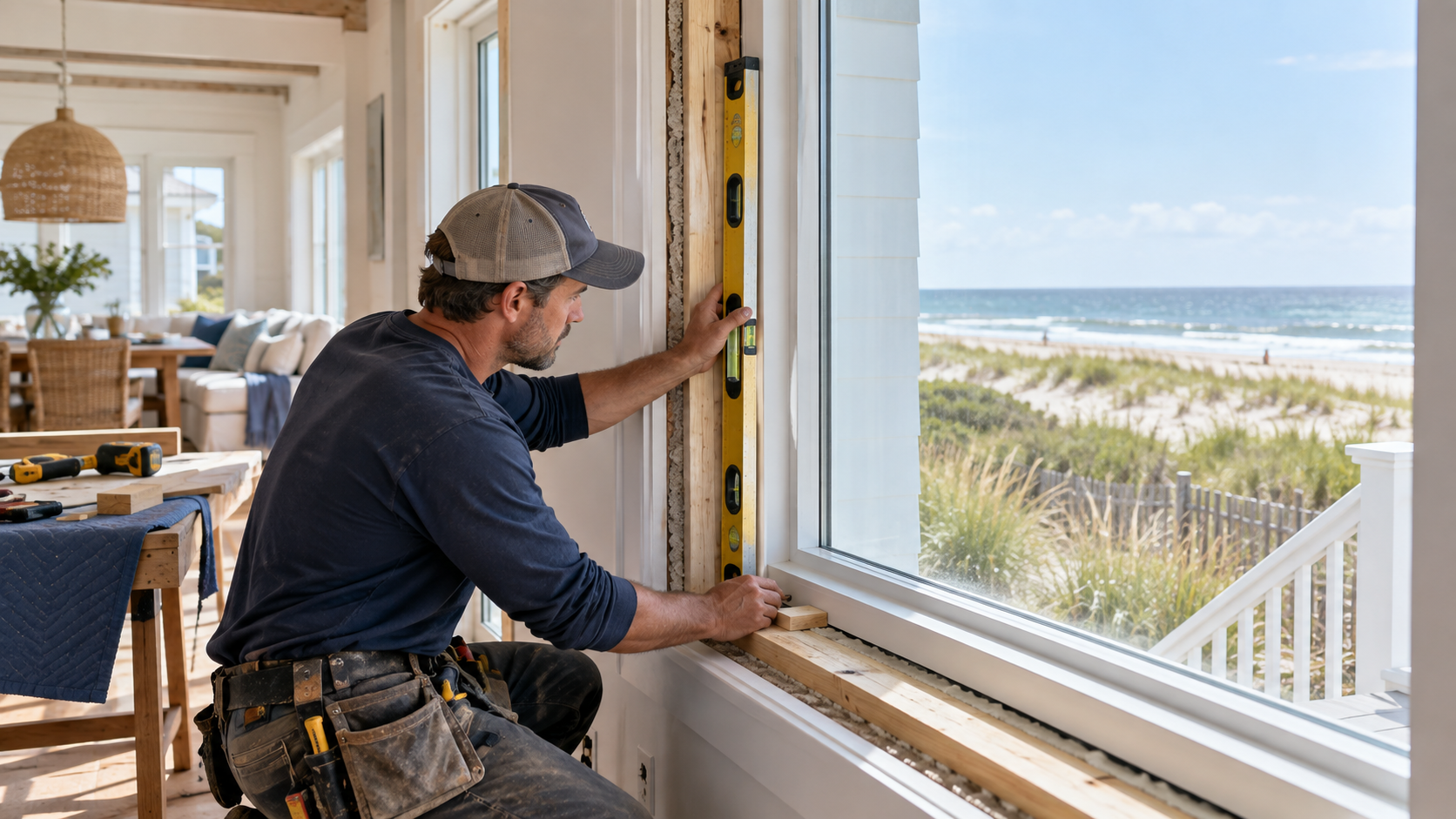
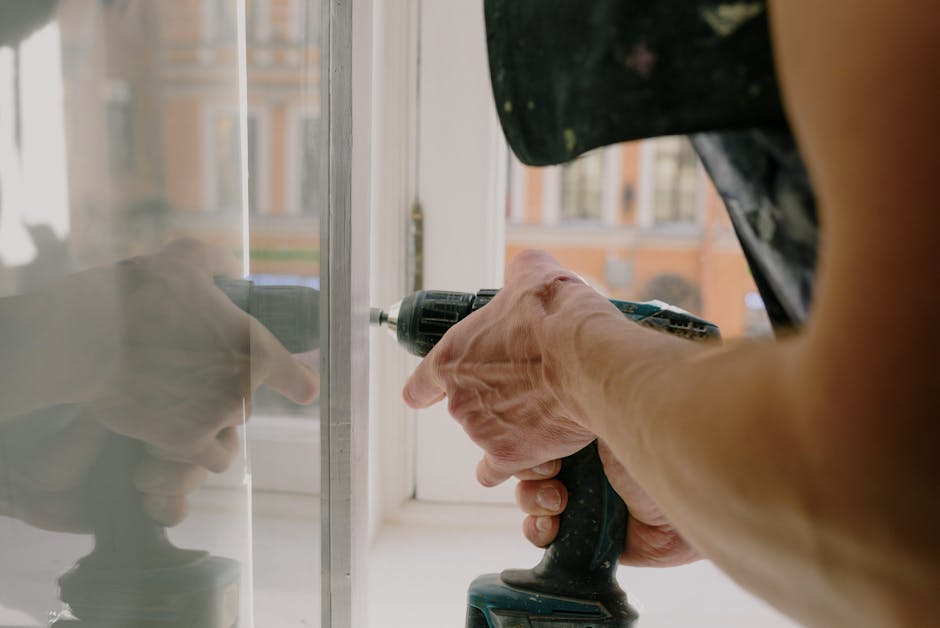
During the installation, we place the window against the exterior stops. Then, we secure it using screws driven through pre-drilled holes in the side jambs. We use cedar shims to make sure everything is level and square. Finally, we fill the small gaps with low-expansion foam. This foam is designed specifically for windows so it does not warp the frame.
The main tradeoff is a slight reduction in glass area. Because you are putting a frame inside a frame, the glass will be slightly smaller. However, you save money on trim repairs and paint.
Full-Frame Replacements and Exterior Access
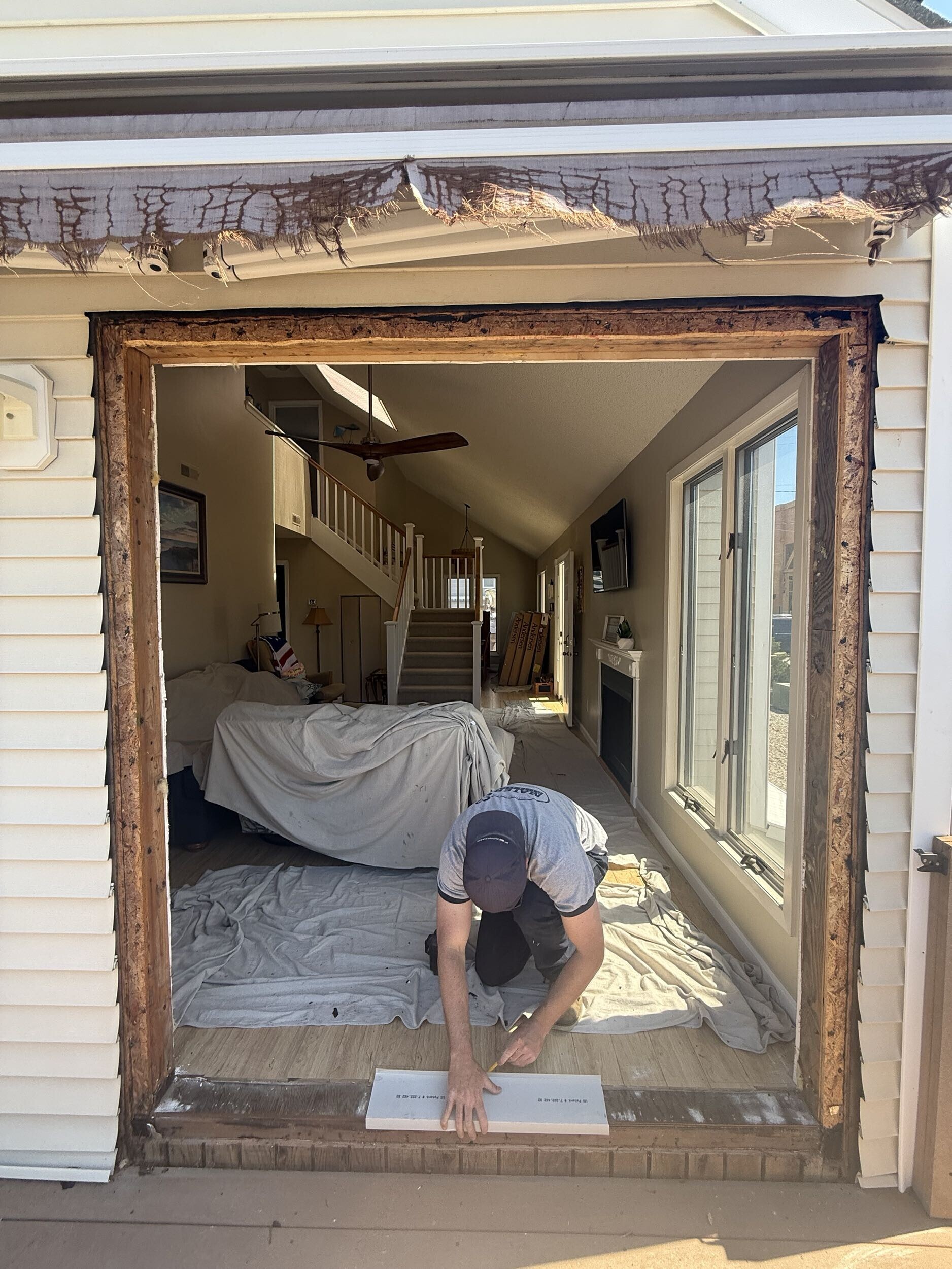
A full-frame replacement is a complete tear-out. We remove the sashes, the frame, the interior trim, and the exterior casing. We strip the opening down to the rough wood studs.
This method is highly recommended if you want to change the style of your window. It is also necessary if you have water damage. In coastal towns like Ocean City, salt air and driving rain can rot window sills over time. If we try to put a pocket window into a rotted frame, the window will fail, and your energy bills will stay high.
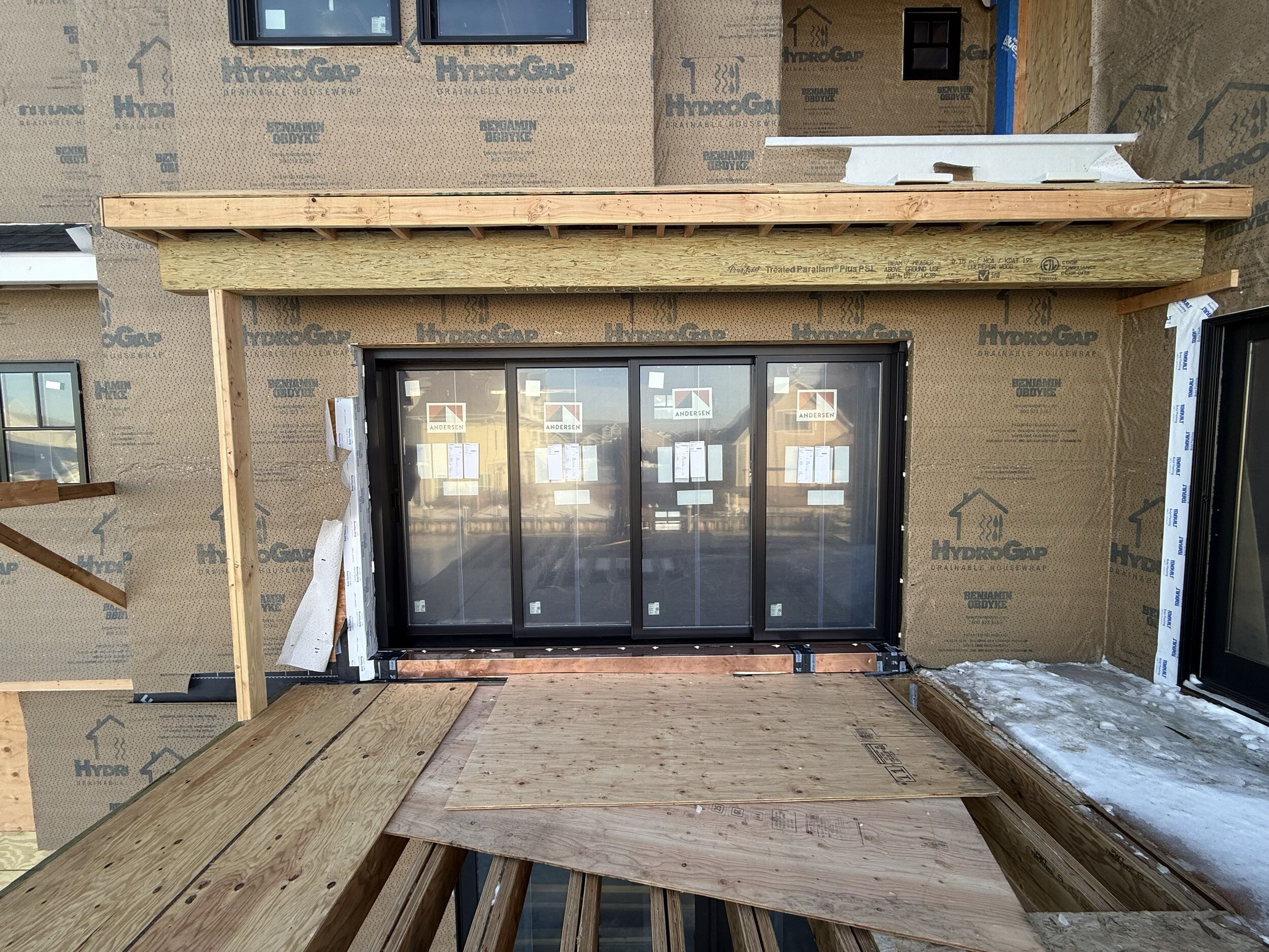
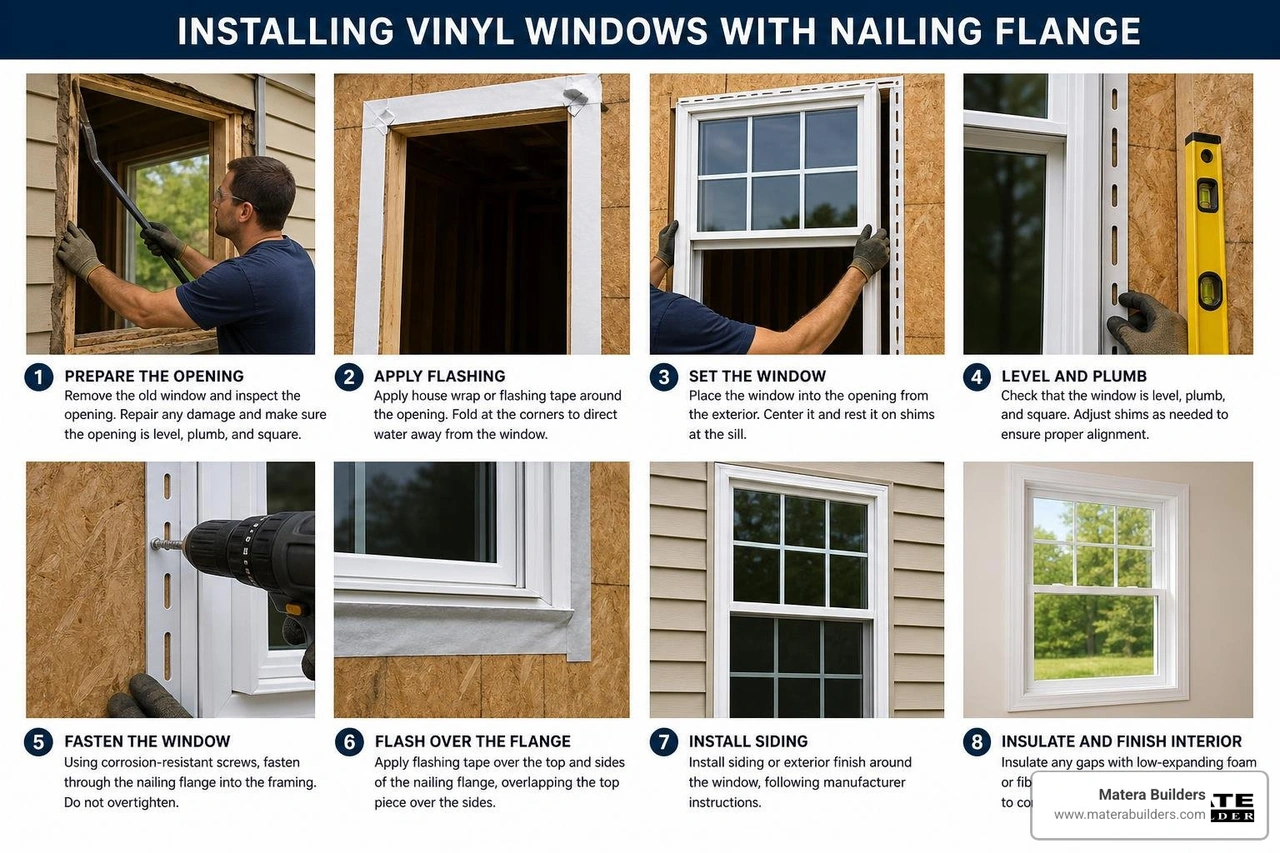
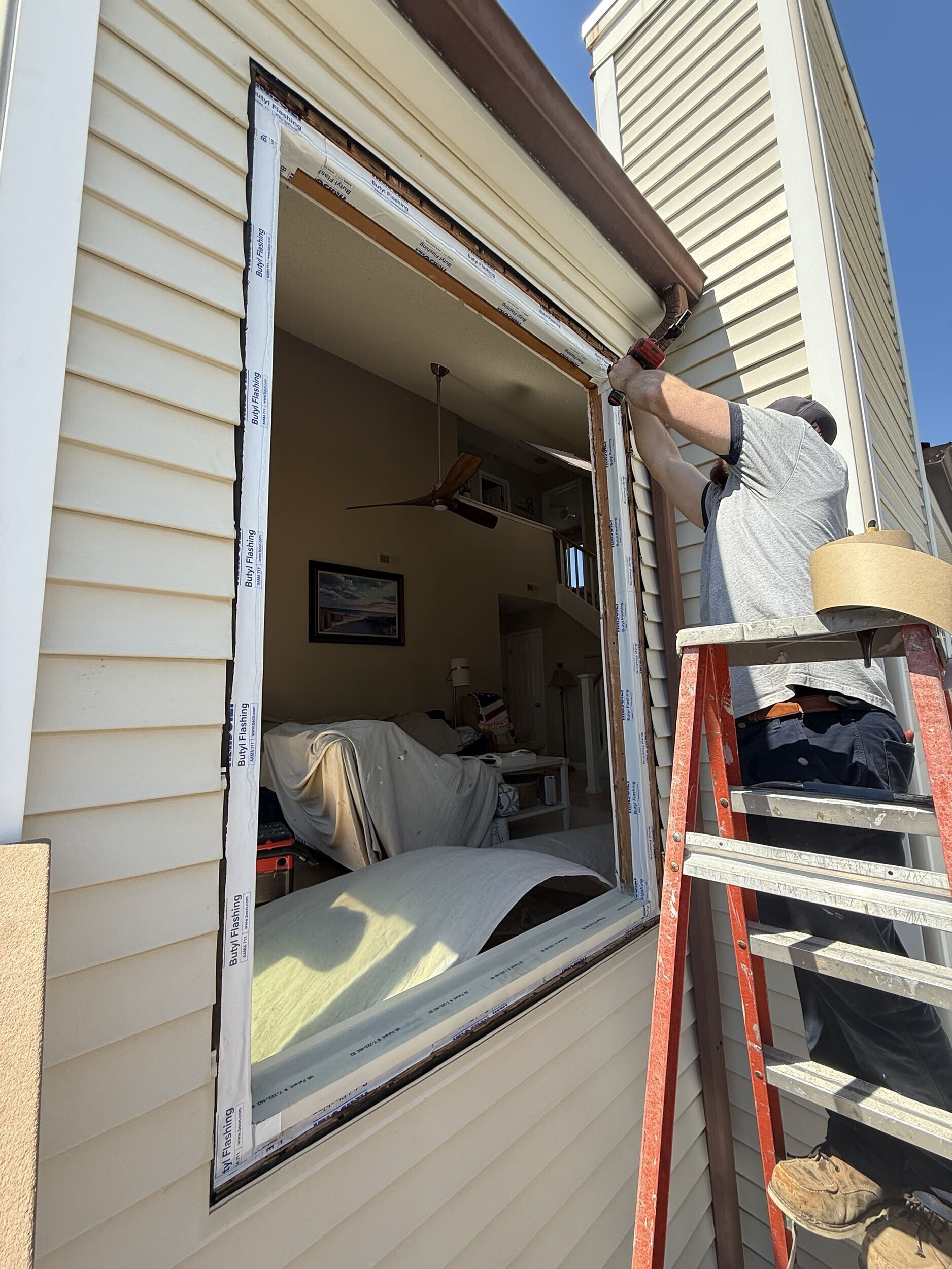
Full-frame replacements require exterior access. We must install flashing tape along the sill and up the sides of the rough opening. This creates a continuous water barrier. We then apply a thick bead of high-quality sealant and set the new window from the outside.
This process takes longer. It usually requires four to six hours per window. However, it allows us to inspect the wall structure and insulate the entire weight chamber.
If you are choosing premium materials, we highly recommend Andersen Windows. Their Fibrex composite material is twice as strong as vinyl. It will not warp, crack, or corrode in our salty coastal air. If you want to see how we handle these installations, read about Andersen Windows installation.
Structural Factors: Wall Types, Coastal Weather, and Floor Levels
Living on the New Jersey Shore means our homes face unique challenges. The weather and the way our homes are built will often dictate our installation plan.
- Coastal Weather: High winds and driving rain can force water into the smallest gaps. For coastal window replacement, we prefer outside installation for full-frame units. This lets us apply proper flashing and sealing tape directly to the house wrap. It ensures a tight seal that can withstand coastal storms.
- Wall Construction: Brick facades and stucco homes often have deep exterior window wells. The outer wall is thicker than the interior drywall. In these homes, the window must be installed from the outside to sit properly in the opening.
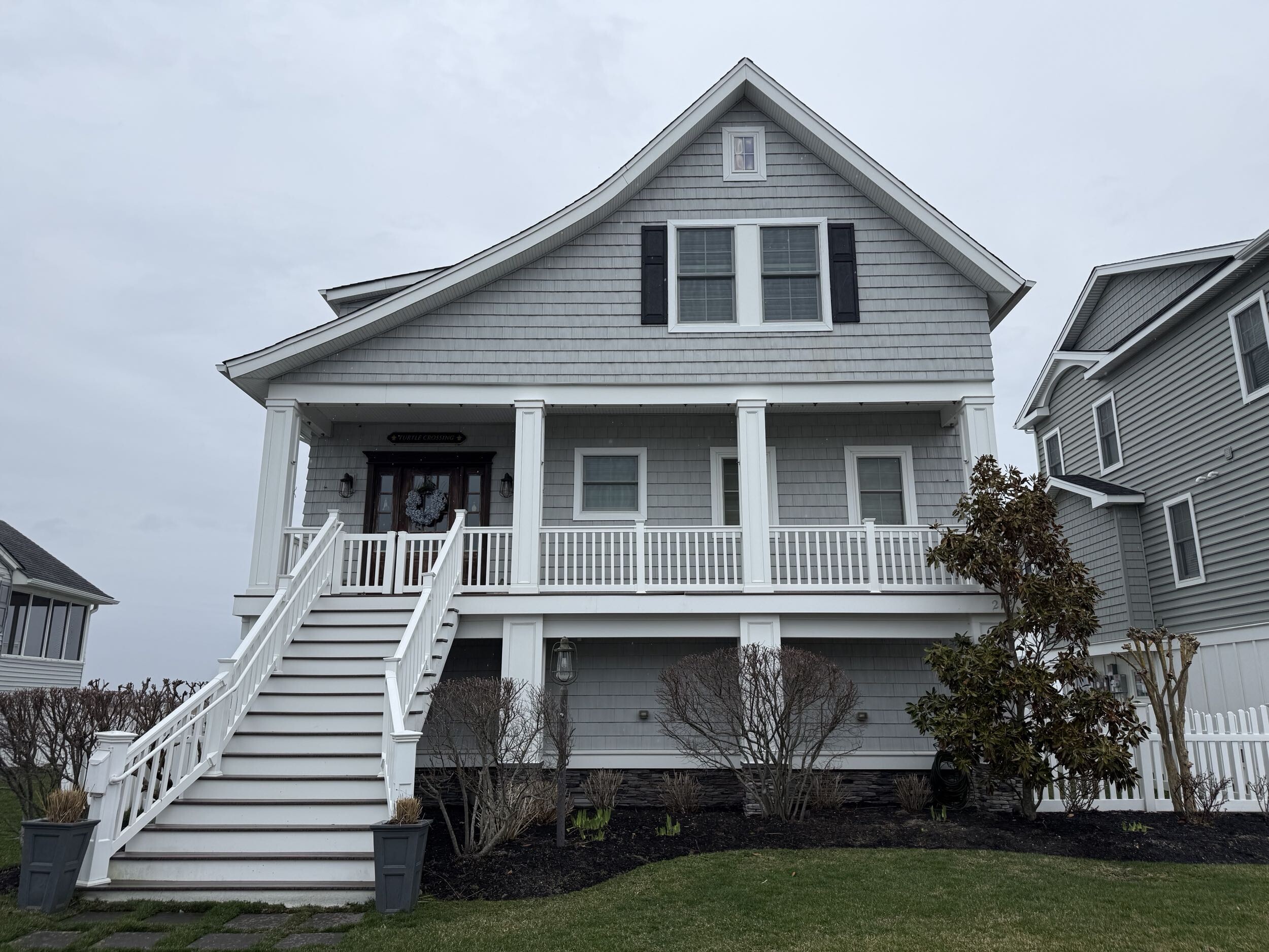
- Floor Level: Safety is a priority. For third-story windows, setting a heavy window from a high ladder in windy shore conditions is dangerous. If the window design allows it, we will perform an inside installation to keep our crew and your property safe.
- Siding Material: If your home has historic wood siding or delicate cedar shakes, removing them to install a full-frame window can cause cosmetic damage. In these cases, we look for ways to perform an inside insert installation to keep your beautiful exterior intact.
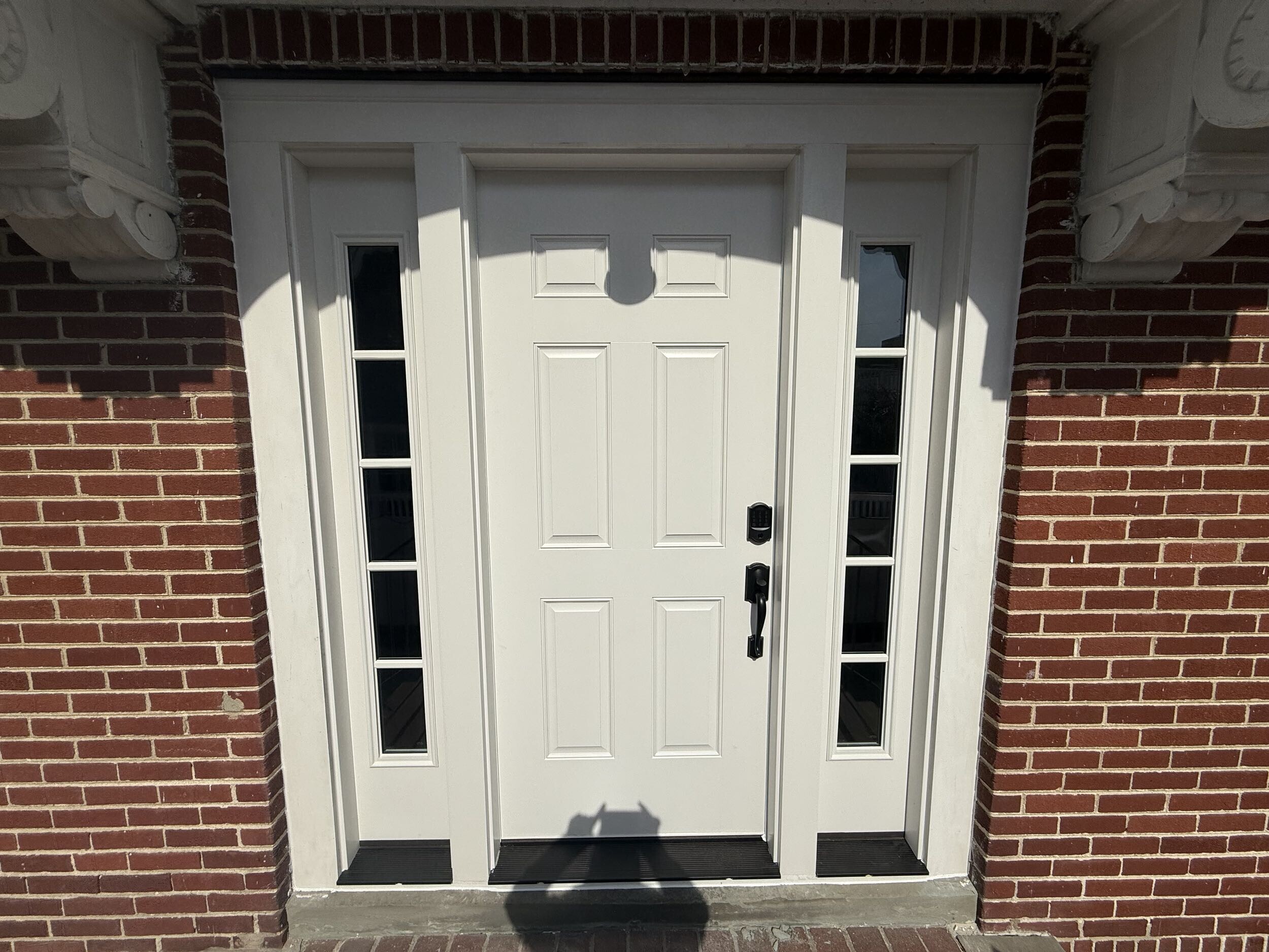
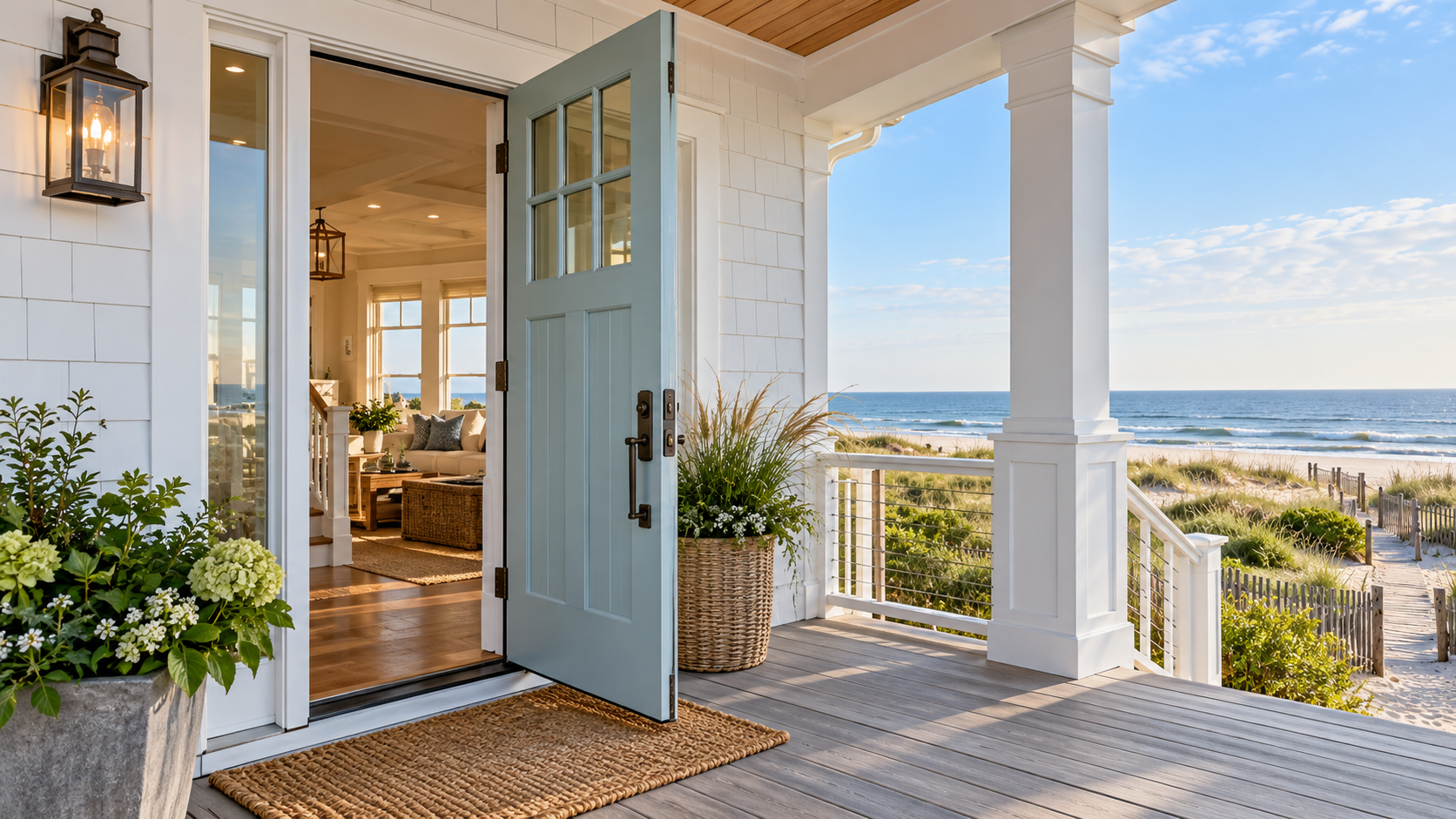
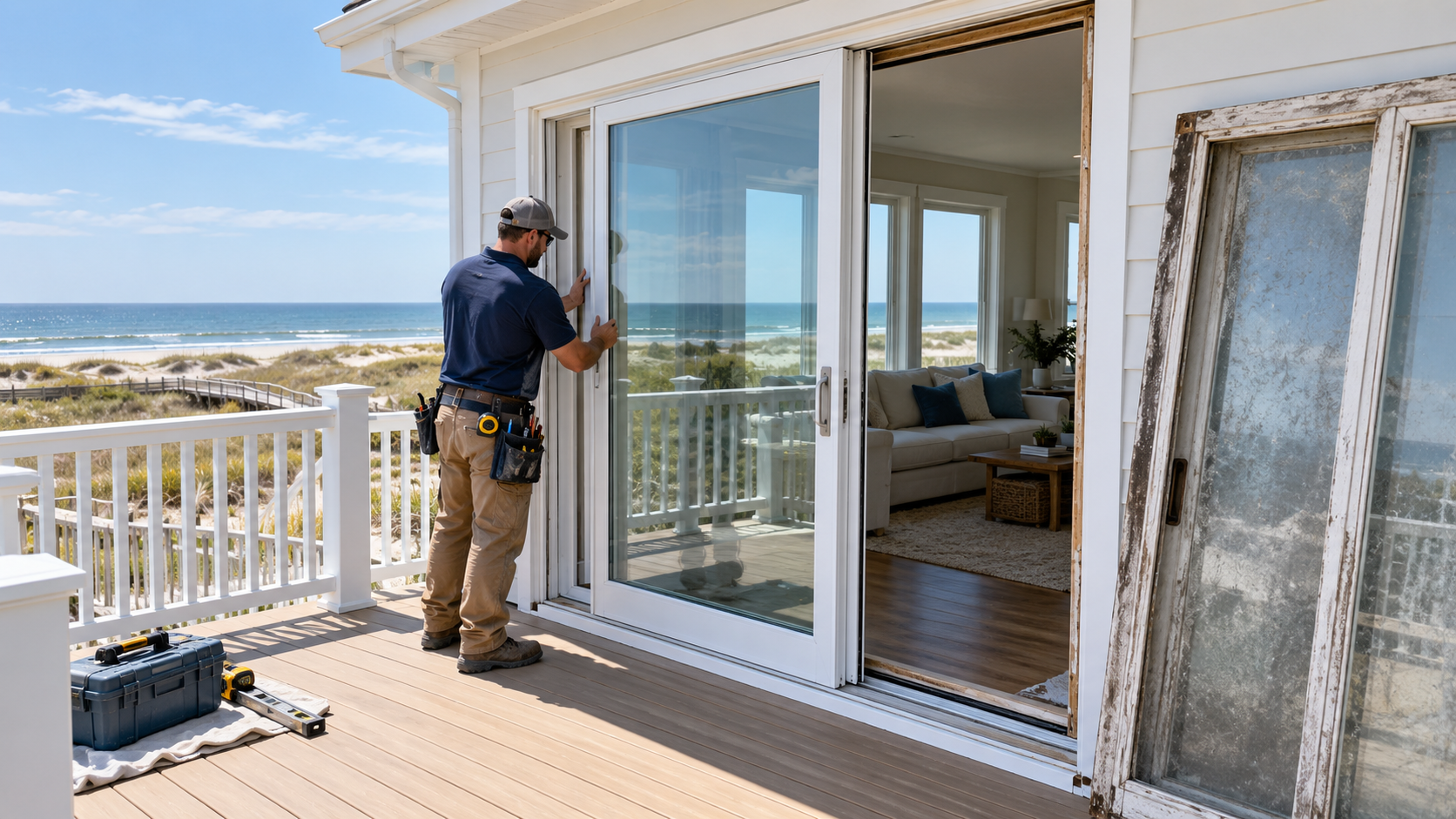
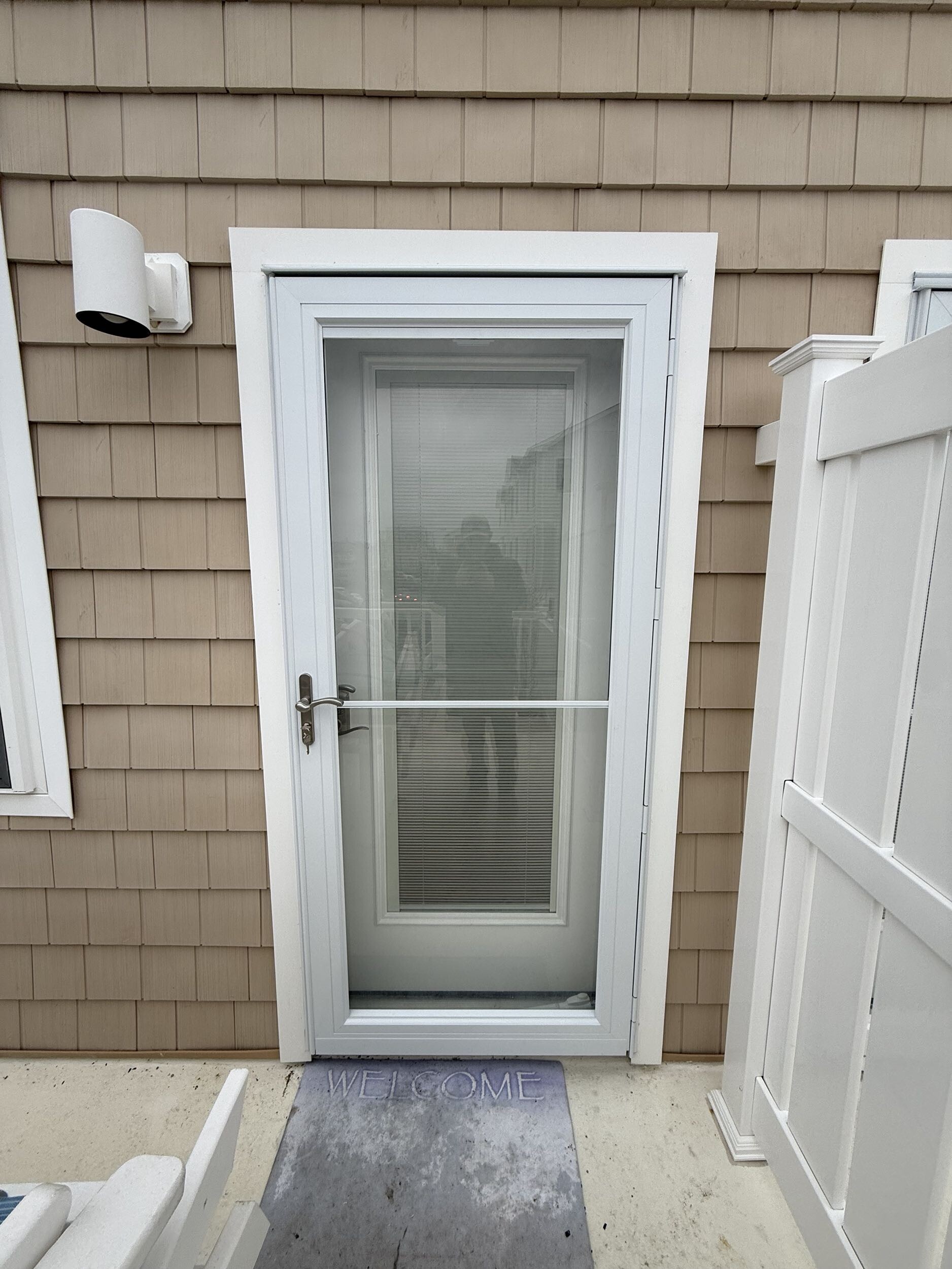
If you are also thinking about upgrading your entryways to match your new windows, you can learn about our Andersen Doors replacement options. Choosing matching, energy-efficient products will keep your entire home protected from the elements.
Frequently Asked Questions About Window Installation Access
How long does it take to install a replacement window?
The installation time depends on the method we use. A pocket replacement is very fast. It typically takes about one hour per window. A full-frame replacement is more complex. It can take four to six hours per window because we must remove the entire frame, install flashing, and rebuild the trim. For a standard home with 8 to 10 windows, a professional crew can usually complete a pocket installation in a single day.
Can I install replacement windows myself from the inside?
While a pocket insert replacement is a reasonable DIY project for an experienced homeowner, we do not recommend it for everyone. If the window is not perfectly square, level, and plumb, it will not operate smoothly. Even worse, poor sealing can lead to water leaks that rot your walls. Doing it yourself can also void the manufacturer's warranty. For the best performance and protection, it is always safest to hire a professional crew. You can read about the Price for New Windows Installed to see how professional labor fits into your budget.
What is the difference between pocket and full-frame window replacements?
A pocket replacement keeps your existing window frame and trim. We only replace the sash and hardware. The new window slides into the existing pocket from the inside. A full-frame replacement removes everything down to the rough opening. This allows us to inspect for rot, add insulation, and install proper weatherproofing from the outside. If you want to see how a new construction window fits into an older home, read our guide on Installing a New Construction Window in an Existing Home.
Conclusion
Deciding whether to install replacement windows from the inside or the outside is a technical choice. It depends on your home's structure, the health of your existing frames, and the type of window you choose.
At Matera Builders, we've been serving New Jersey and the Jersey Shore since 1988, bringing decades of hands-on experience to every project. Led by owner Mike Werner, our certified installers focus on transparency, trust, and craftsmanship. We specialize in high-performance Andersen Windows made with durable Fibrex material. This composite is built to withstand the harsh salt air, humidity, and coastal winds of Ocean City and surrounding areas.
We stand behind our work with excellent warranties. If you want to learn more about how we protect your investment, read about our Window Installation Warranty NJ and discover The Matera Builders Difference.
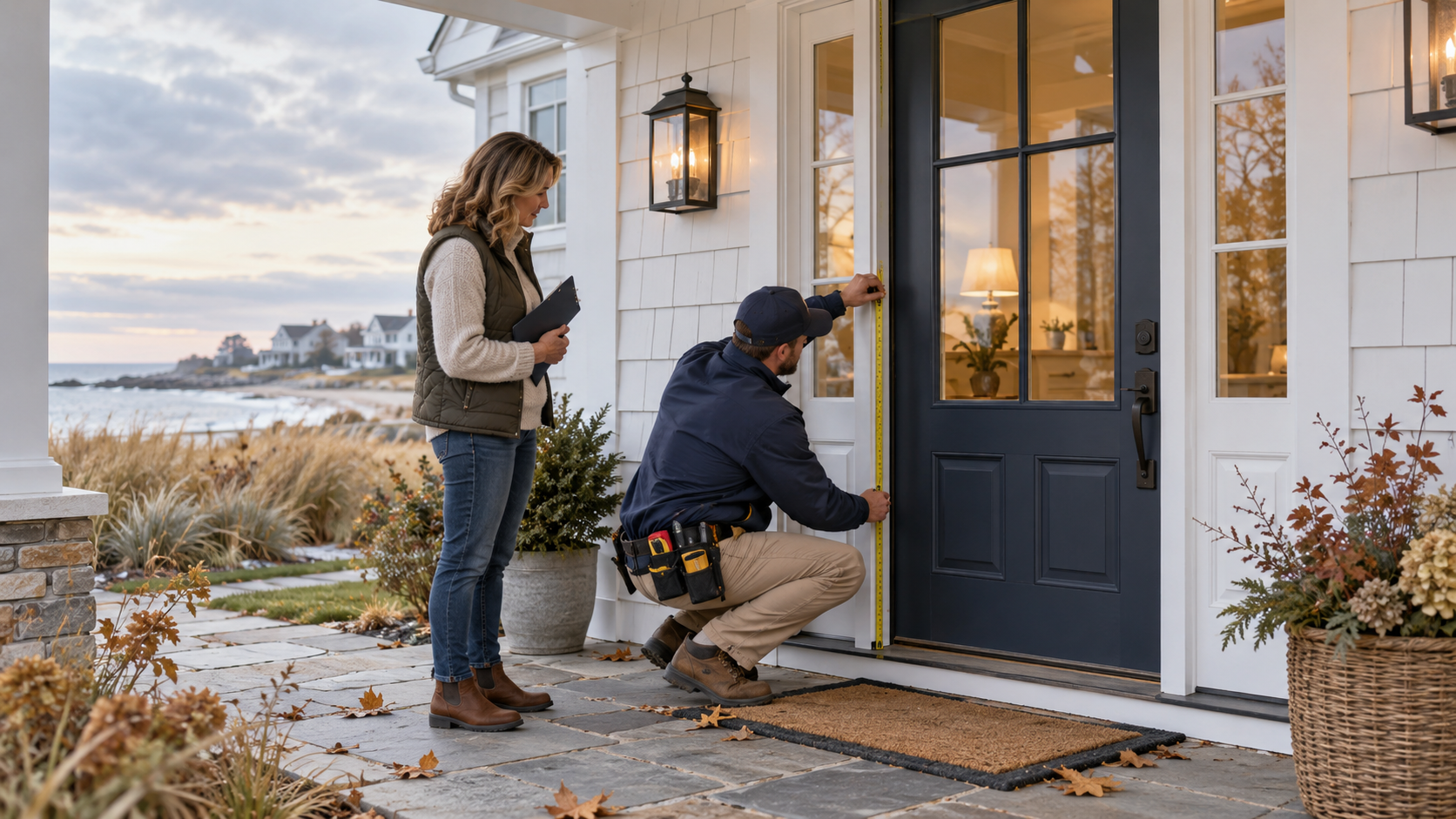
Ready to upgrade your home's comfort and style? Schedule a professional window assessment with Matera Builders today. We will visit your home, inspect your current frames, and help you choose the perfect installation method for your project.






.jpg)
.jpg)