


Why Energy Efficient Window Upgrades Matter for NJ Homeowners
Energy efficient window upgrades are one of the most impactful improvements you can make to a New Jersey home. Here is a quick look at the best options, ranked by impact:
- ENERGY STAR certified window replacement
Best for drafty, single-pane, or failed-seal windows. Can save up to 13% on heating and cooling bills. - Low-E glass with argon gas fill
Best for most climates and homes that need better UV protection and heat control. Helps reduce solar heat gain and improve insulation. - Storm windows
Best for budget-friendly upgrades over existing single-pane windows. Can deliver around 20% heating and cooling savings in some cases. - Air sealing, caulking, and weatherstripping
Best for small drafts and minor air leaks. Offers moderate savings at a relatively low cost. - Solar control window film
Best for cutting down summer heat gain, especially on sunny exposures. Provides moderate cooling savings. - Exterior shading such as trees or overhangs
Best for south-, east-, and west-facing windows. Works well alongside almost any window upgrade.
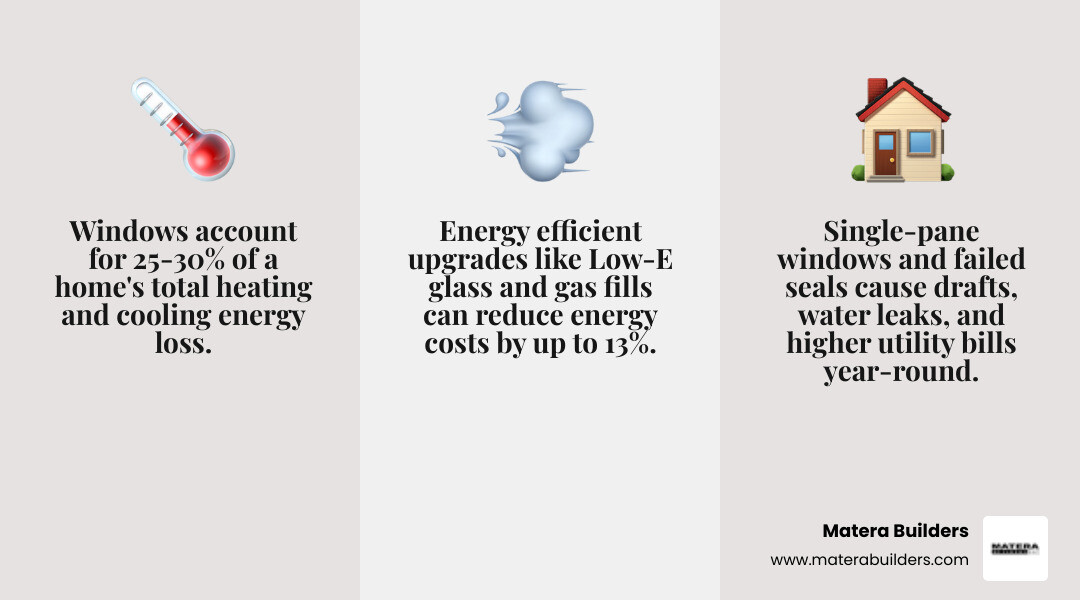
Windows are one of the biggest weak points in any home's envelope. Heat gain and heat loss through windows account for 25% to 30% of all residential heating and cooling energy use. In New Jersey, where summers are humid and winters are cold, that number hits your energy bill hard every single month.
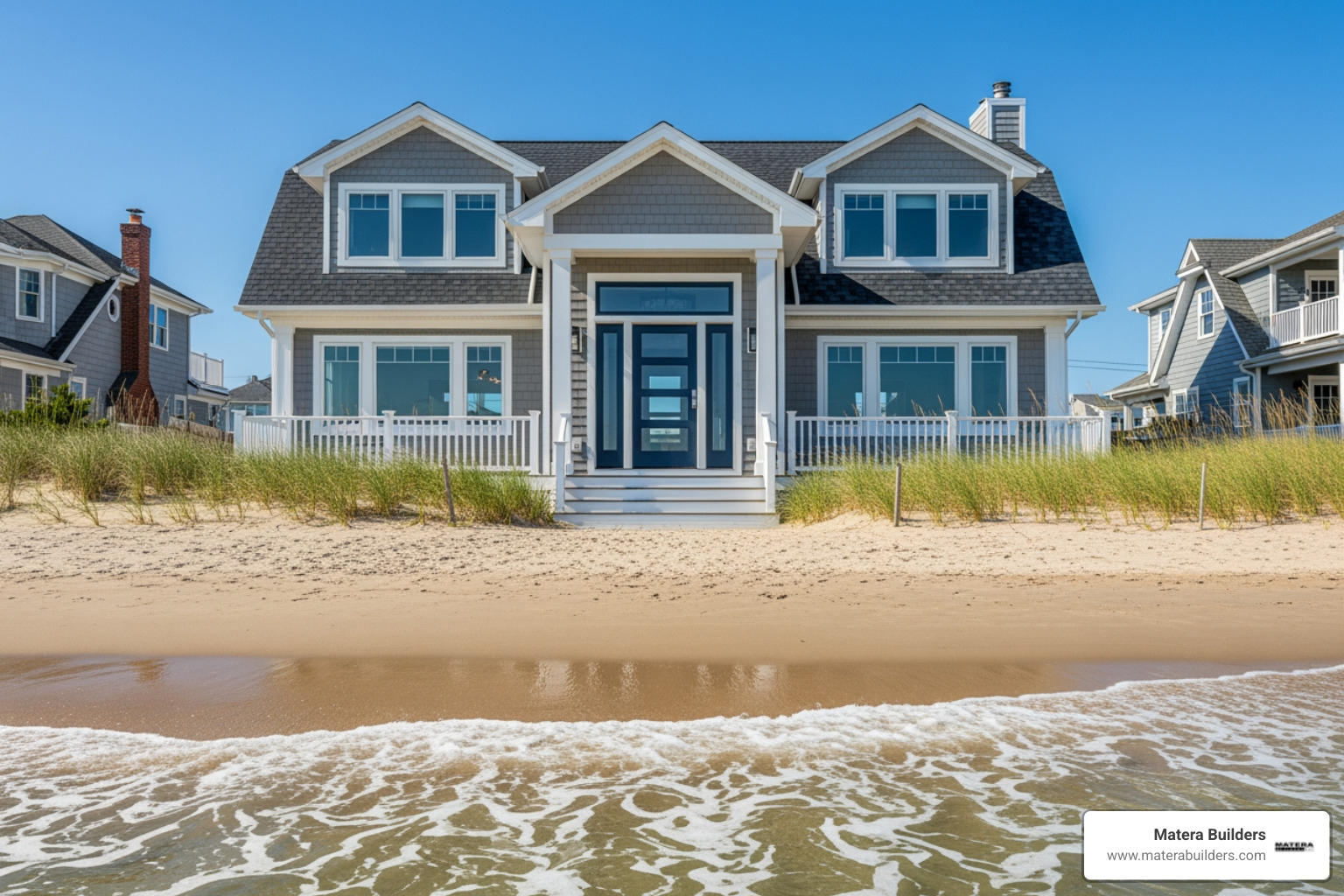
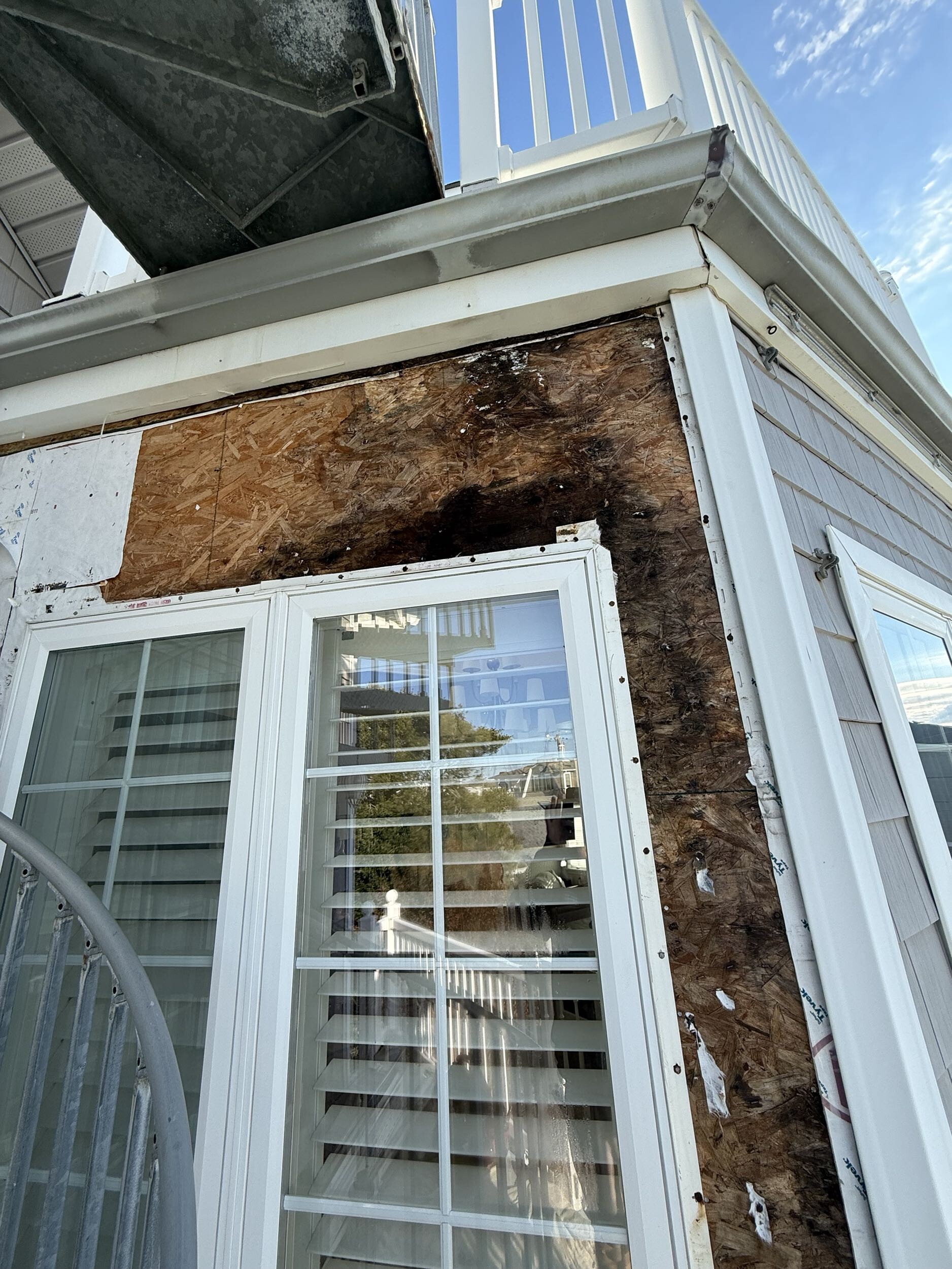
And for coastal homeowners near the Jersey Shore, the problem runs deeper than drafts. Salt air corrodes frames. Moisture works into wall cavities. Old single-pane or failed double-pane windows let in water, pests, and cold air while quietly driving up your utility costs.
If your windows are fogging between the panes, difficult to open, or uncomfortable to sit near in winter -- it is time to take a serious look at your options.
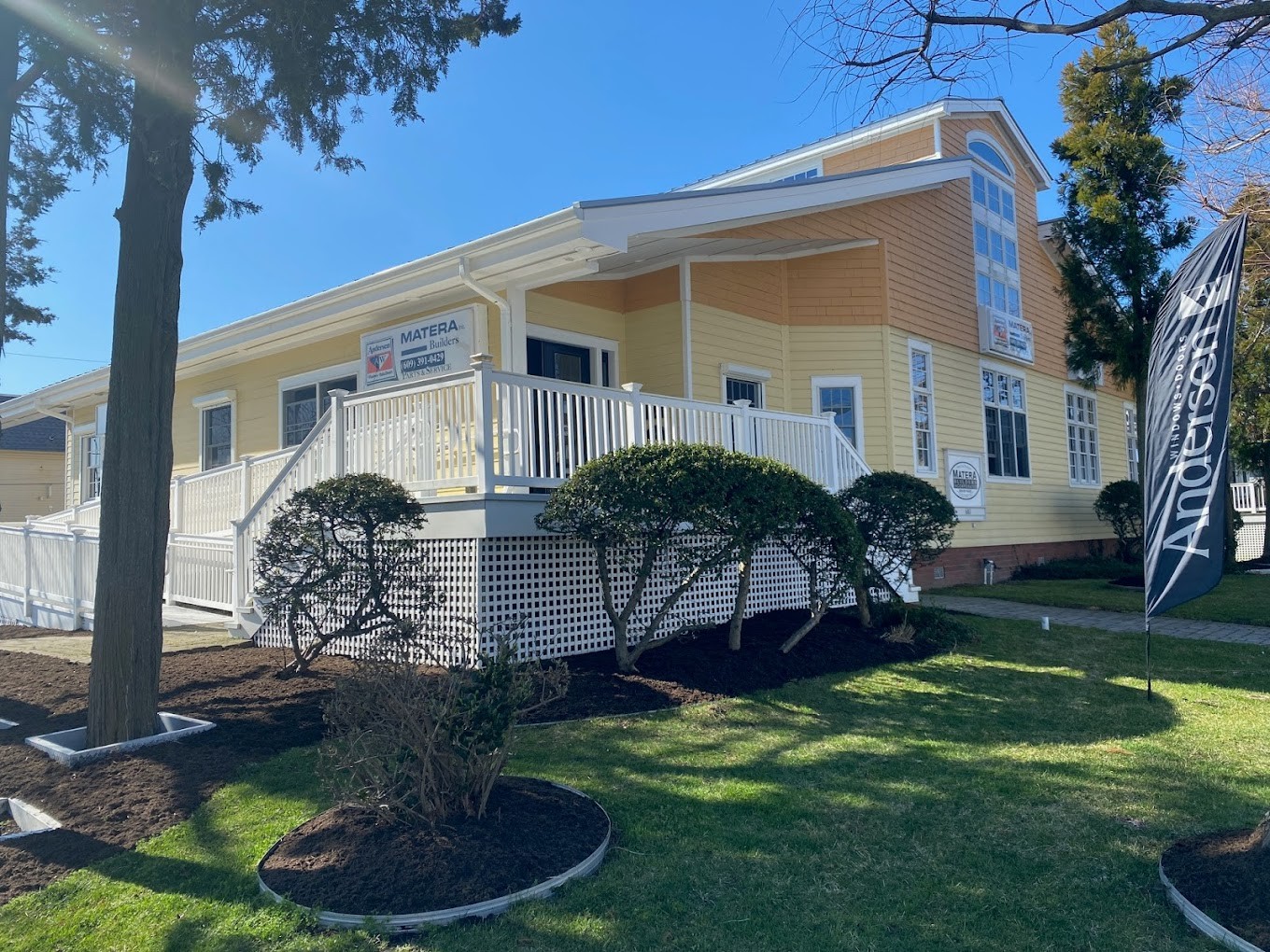
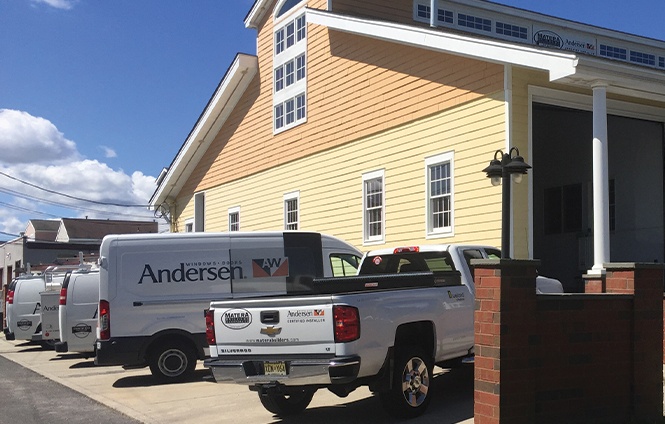
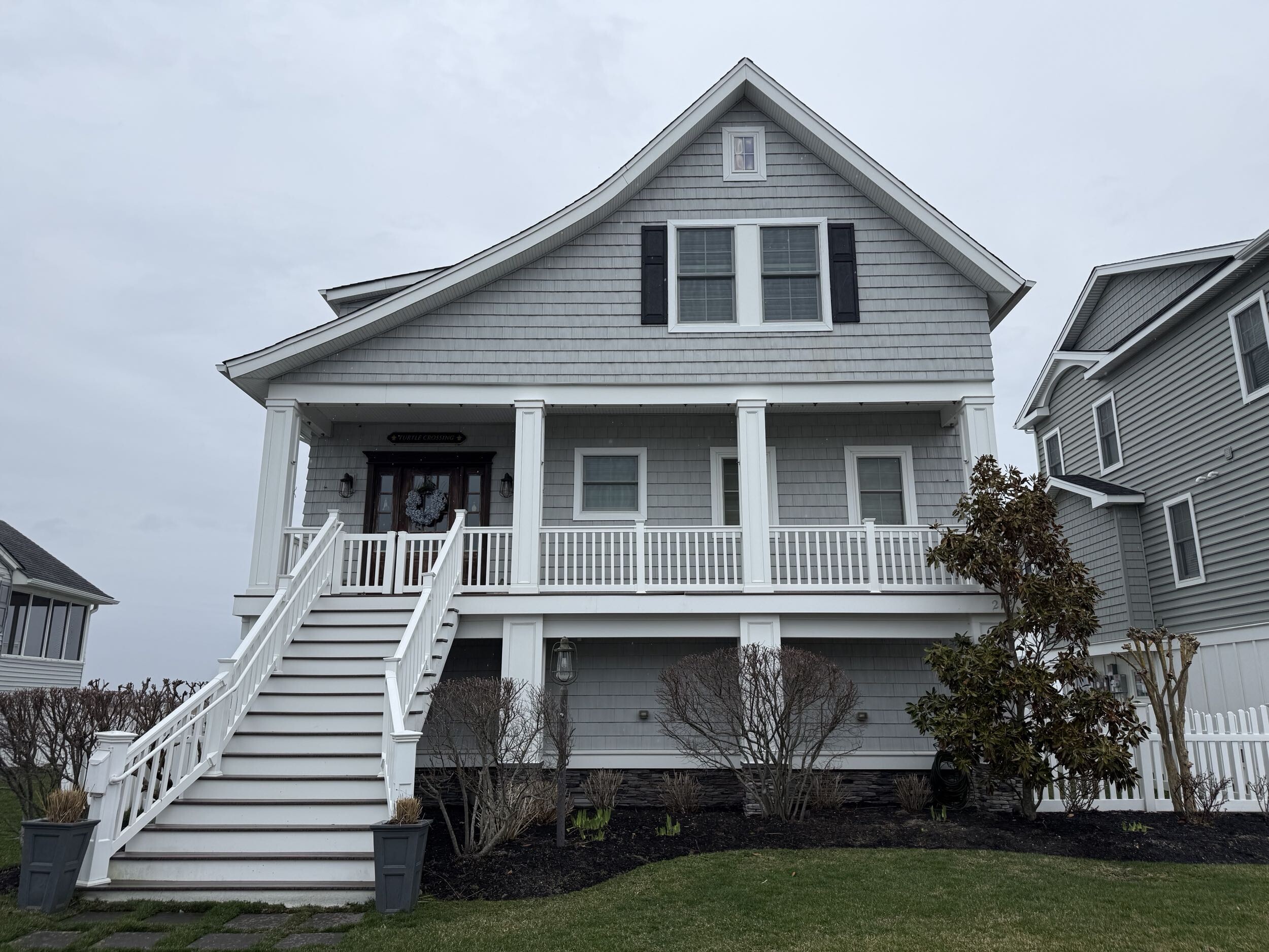
I'm Mike Werner, CEO of Matera Builders, an Andersen Elite Certified Contractor providing high-performance window and door replacements in Ocean City, Avalon, Stone Harbor, and Sea Isle City since 1988, including energy efficient window upgrades using Andersen windows built to handle coastal conditions. I've seen how the right window, installed correctly, transforms both comfort and long-term home value.
Important Energy efficient window upgrades terms:
Understanding Energy Efficient Window Upgrades for NJ Climates
When we talk about energy efficient window upgrades, we are looking at how well a window keeps the weather out and your expensive conditioned air in. In New Jersey, we deal with a "mixed" climate. We have freezing winters that require high insulation and sweltering, humid summers where the sun beats down on the glass.
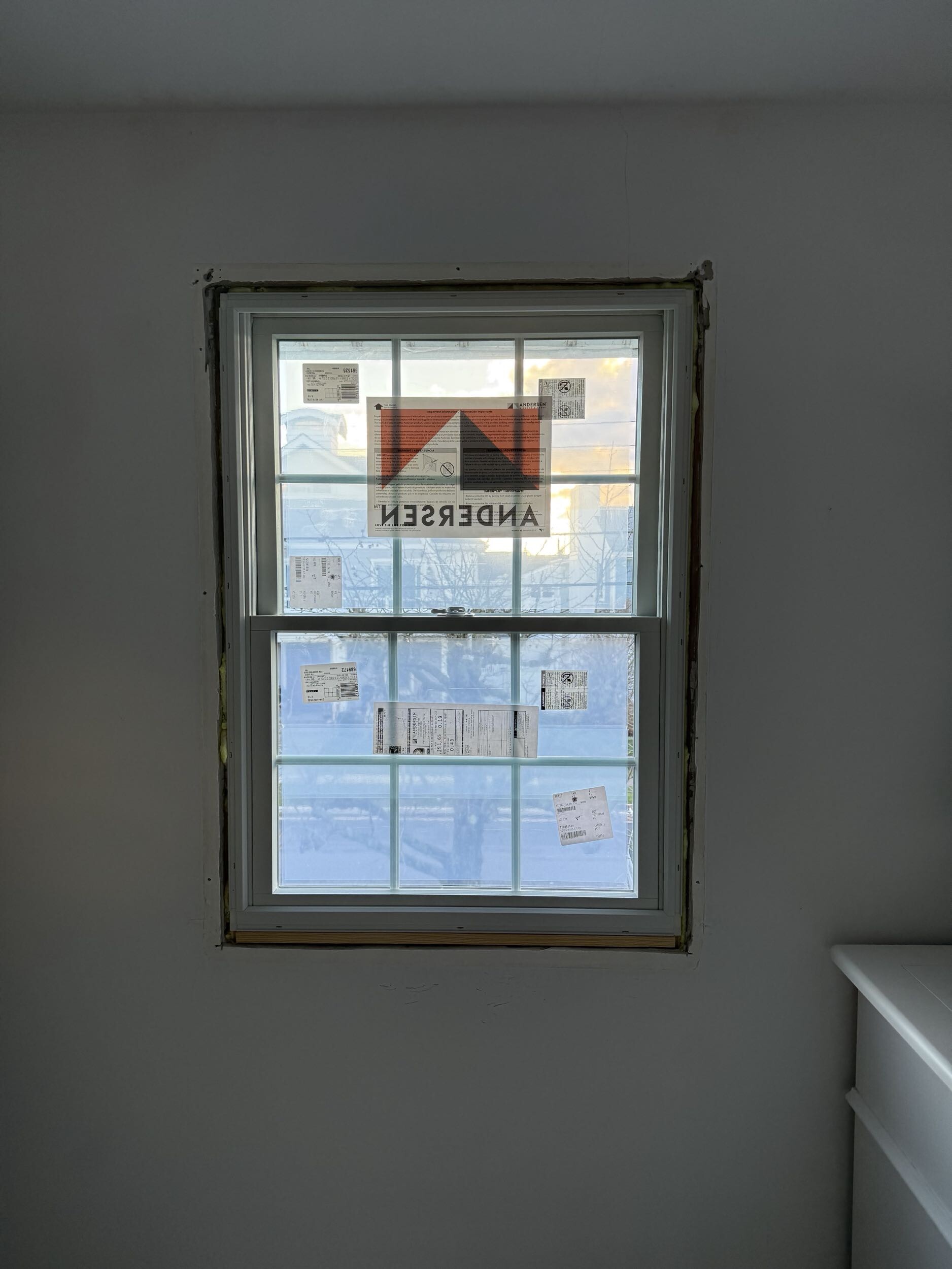
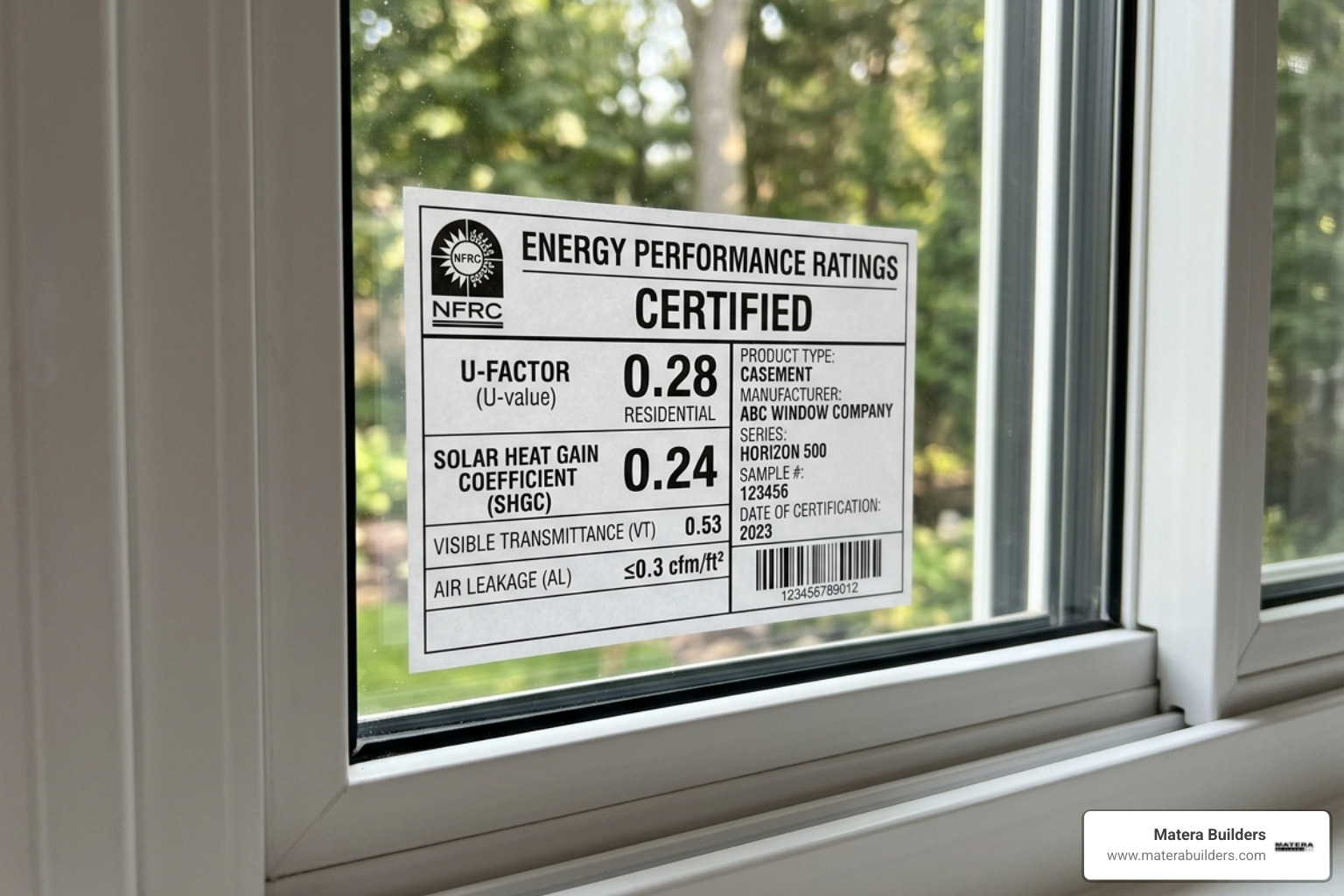
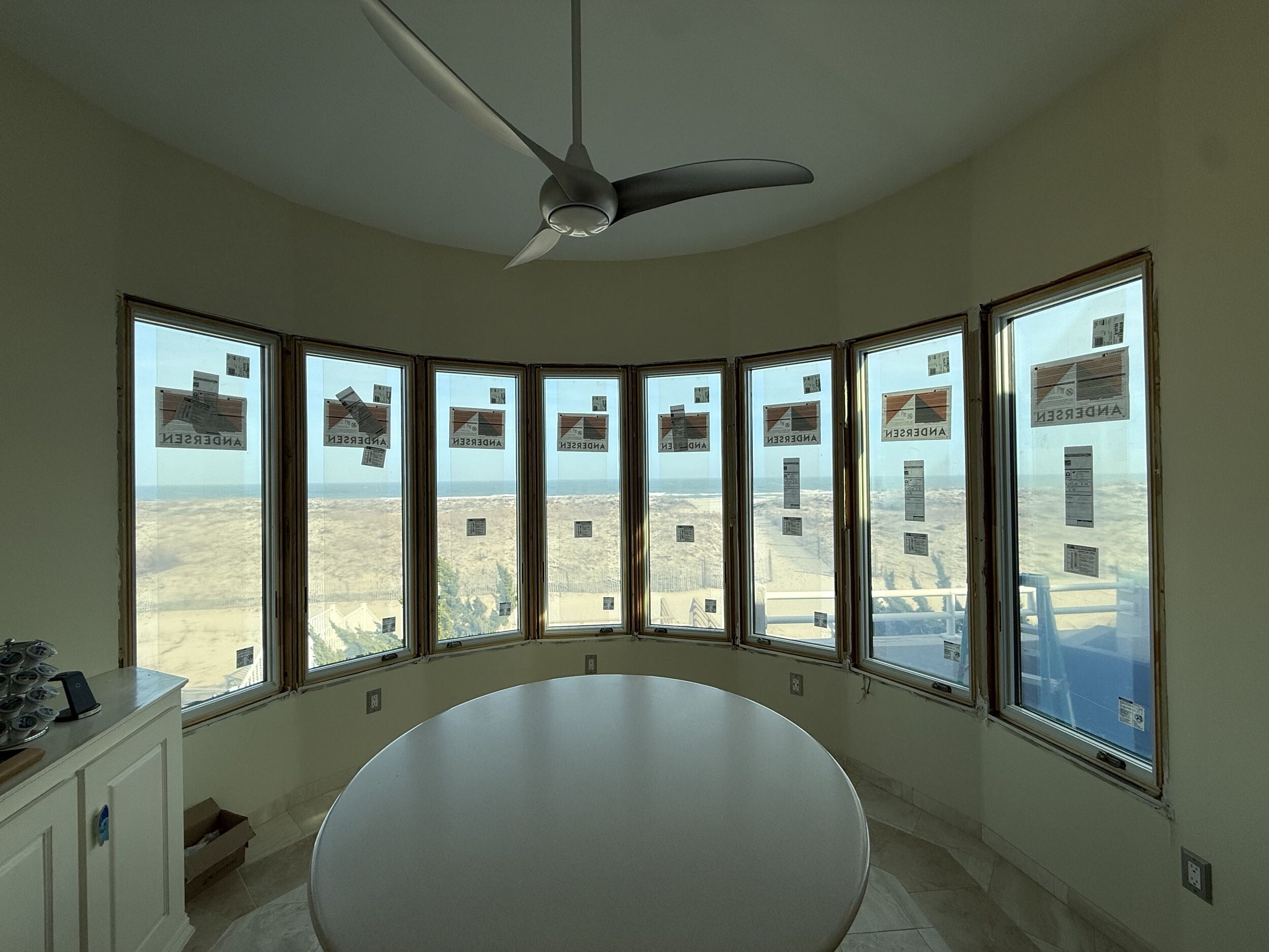
To choose the right upgrade, you need to understand the NFRC (National Fenestration Rating Council) label. This is the black-and-white sticker you see on new glass. It provides the "DNA" of the window's performance.
Key Performance Metrics
- U-Factor: This measures how well the window prevents heat from escaping. The lower the number, the better the window is at keeping heat inside during a cold Ocean City winter. For our region, you generally want a U-factor of 0.27 or lower for peak efficiency.
- Solar Heat Gain Coefficient (SHGC): This measures how much solar radiation comes through the glass. In hot climates like Houston, you want this very low. In NJ, we look for a balance. A lower SHGC (around 0.25) helps keep your home from feeling like a sauna in July.
- Air Leakage: This rating tells you how much air will push through the window's seals. High-performance Andersen Windows are designed with tight tolerances to minimize this.
According to Scientific research on window efficiency, choosing windows based on these climate-specific ratings is the only way to ensure a real return on your investment.
When to Choose Full Energy Efficient Window Upgrades
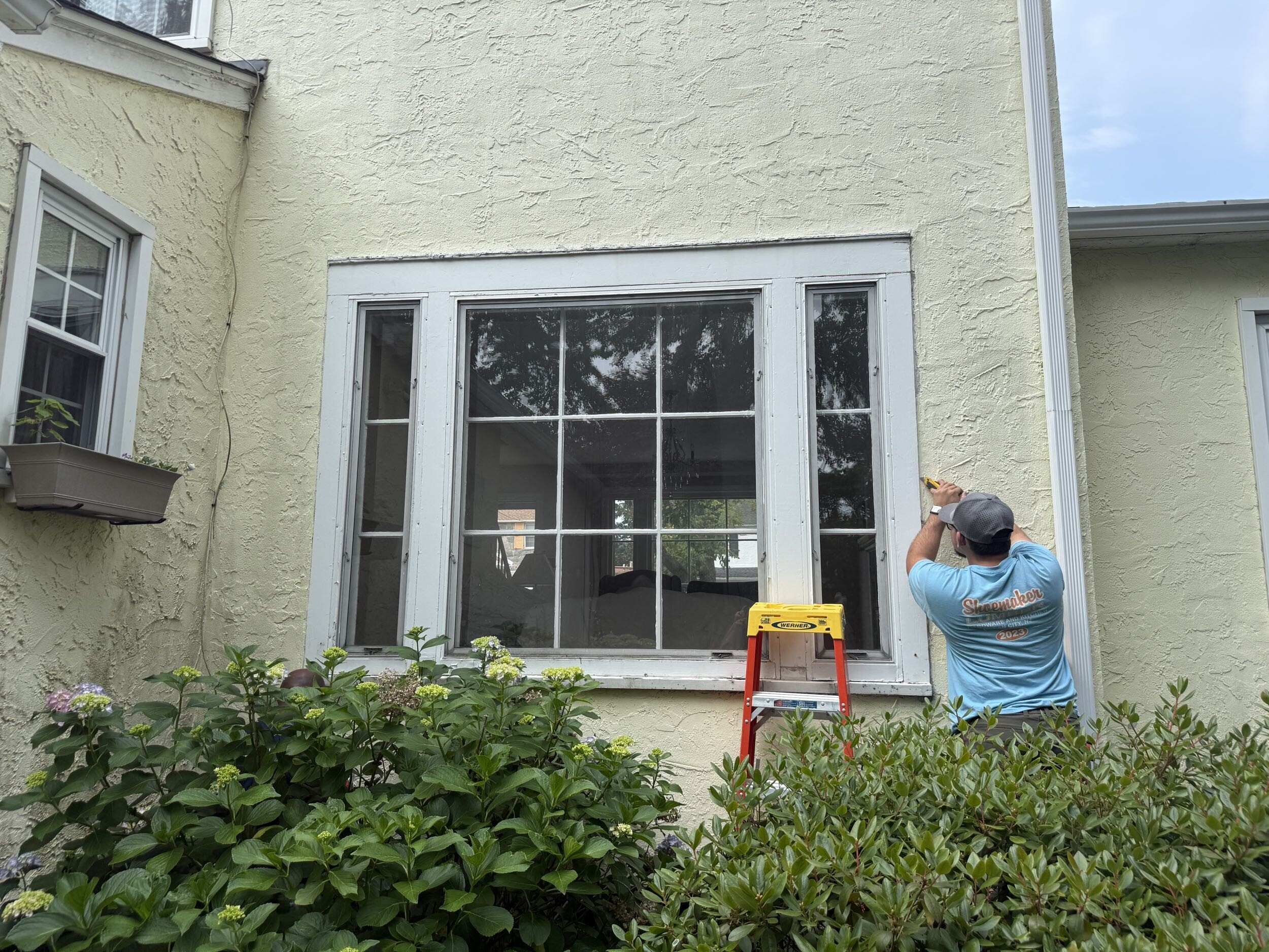
Not every window needs to be ripped out, but there are "red flags" that tell us a repair won't cut it. If you have single-pane windows, you are essentially living with a hole in your wall. A standard double-pane window allows about 75 percent of the sun’s heat into your home, but an old single-pane window is even worse.
You should consider full energy efficient window upgrades if you notice:
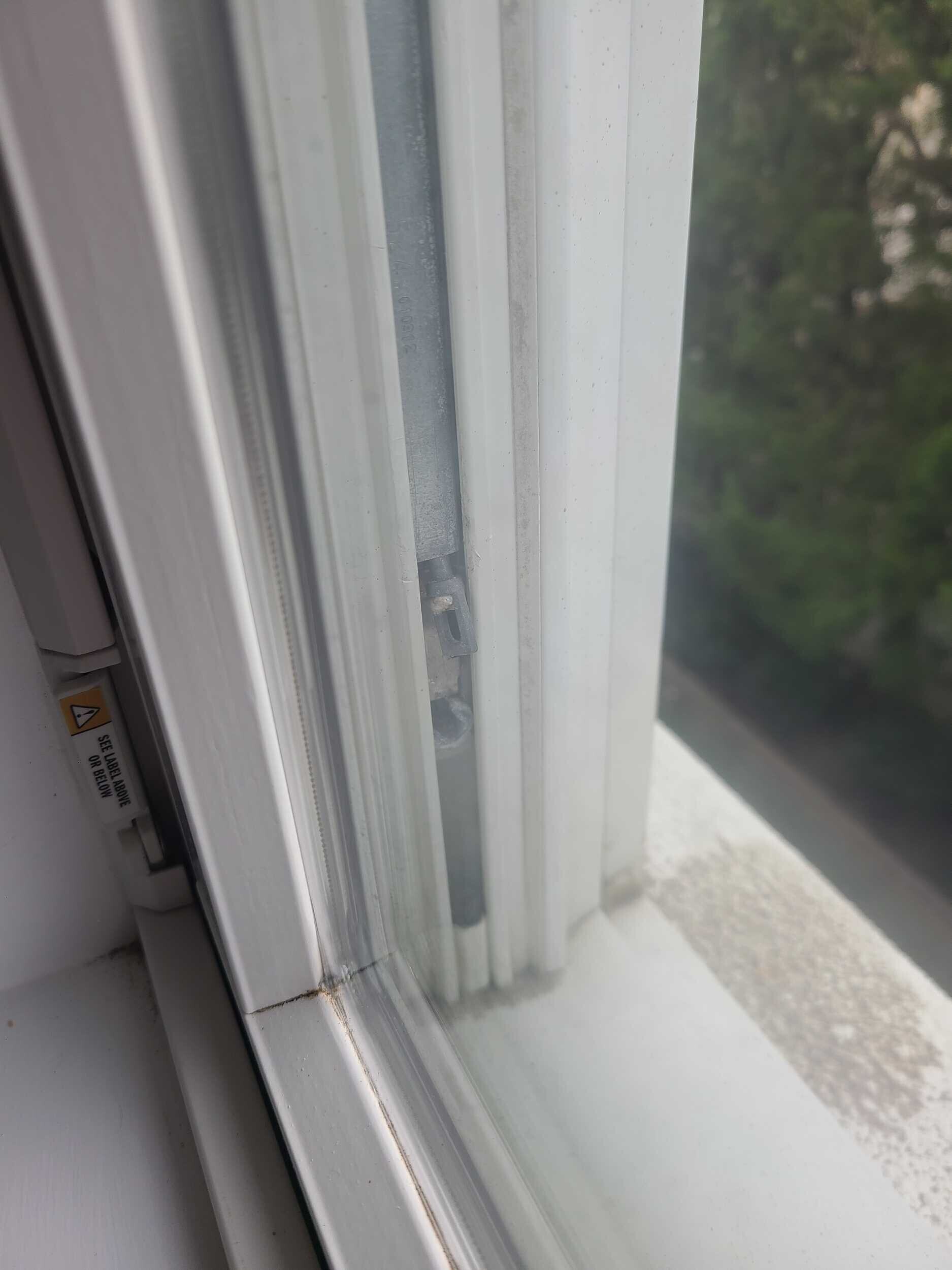
- Fogging or Condensation: This means the seal between the panes has failed. The insulating gas has leaked out, and moisture has moved in. The window is no longer doing its job.
- Rotting Frames: In coastal NJ, wood frames often succumb to moisture. If the frame is soft or crumbling, it can no longer support the glass or provide an airtight seal.
- Operation Failure: If you can't open your windows for a breeze or close them tightly enough to lock, they are a safety risk and an energy drain.
- Drafts: If you can feel the wind blowing through the sash while the window is closed, your HVAC system is working overtime.
As noted by ENERGY STAR experts, replacing these failing units can lower household energy bills by an average of 13 percent nationwide.
Glazing and Gas Fills in Energy Efficient Window Upgrades
The "magic" of modern windows happens in the space between the glass. We call this the glazing system.
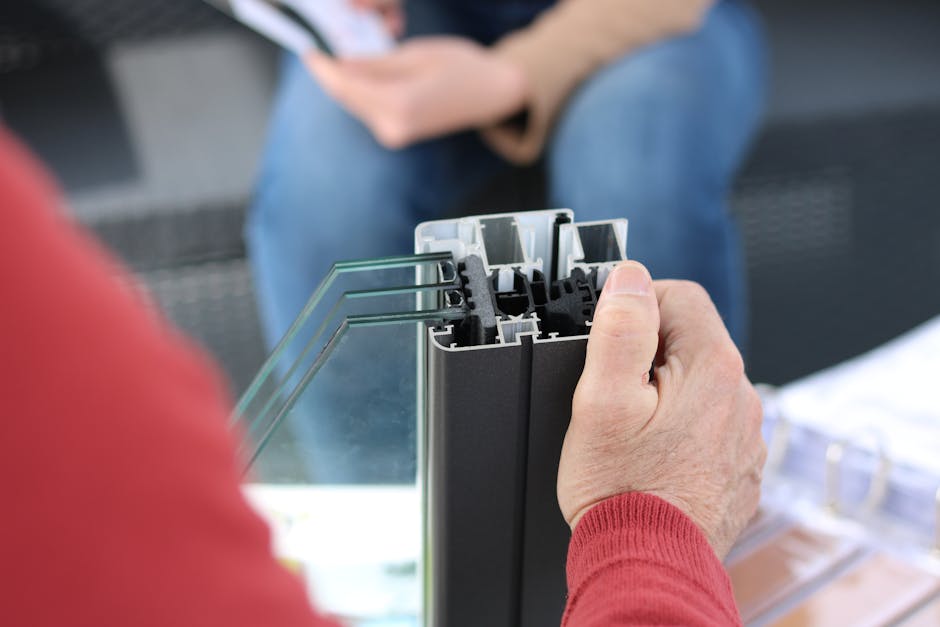
Low-E (Low-Emissivity) Coatings are microscopically thin layers of silver or other materials applied to the glass. They reflect heat back to its source. In the winter, they reflect your home's heat back inside. In the summer, they reflect the sun's heat back outside. These coatings also block UV rays, which can reduce the fading of your furniture and floors by up to 75 percent.
Gas Fills like Argon or Krypton are injected between the panes. These gases are denser than air, meaning they slow down the transfer of heat. Argon is the most common and provides excellent bang-for-your-buck.
For maximum efficiency, especially in noisy or high-wind coastal areas, triple-pane glass offers an extra layer of protection and insulation, though double-pane with high-quality Low-E glass remains the "sweet spot" for most New Jersey homes.
High-Performance Materials for Coastal New Jersey Environments
In places like Ocean City and the Jersey Shore, the material of your window frame is just as important as the glass. The salt air is relentless. It eats through cheap vinyl and rots unprotected wood.
At Matera Builders, we often recommend Andersen Windows because of their innovative Fibrex material. Fibrex is a composite made of reclaimed wood fiber and thermoplastic polymer. It offers the strength and beauty of wood but the low-maintenance qualities of vinyl. Most importantly for us in NJ, it doesn't rot, fade, or corrode in salt spray.
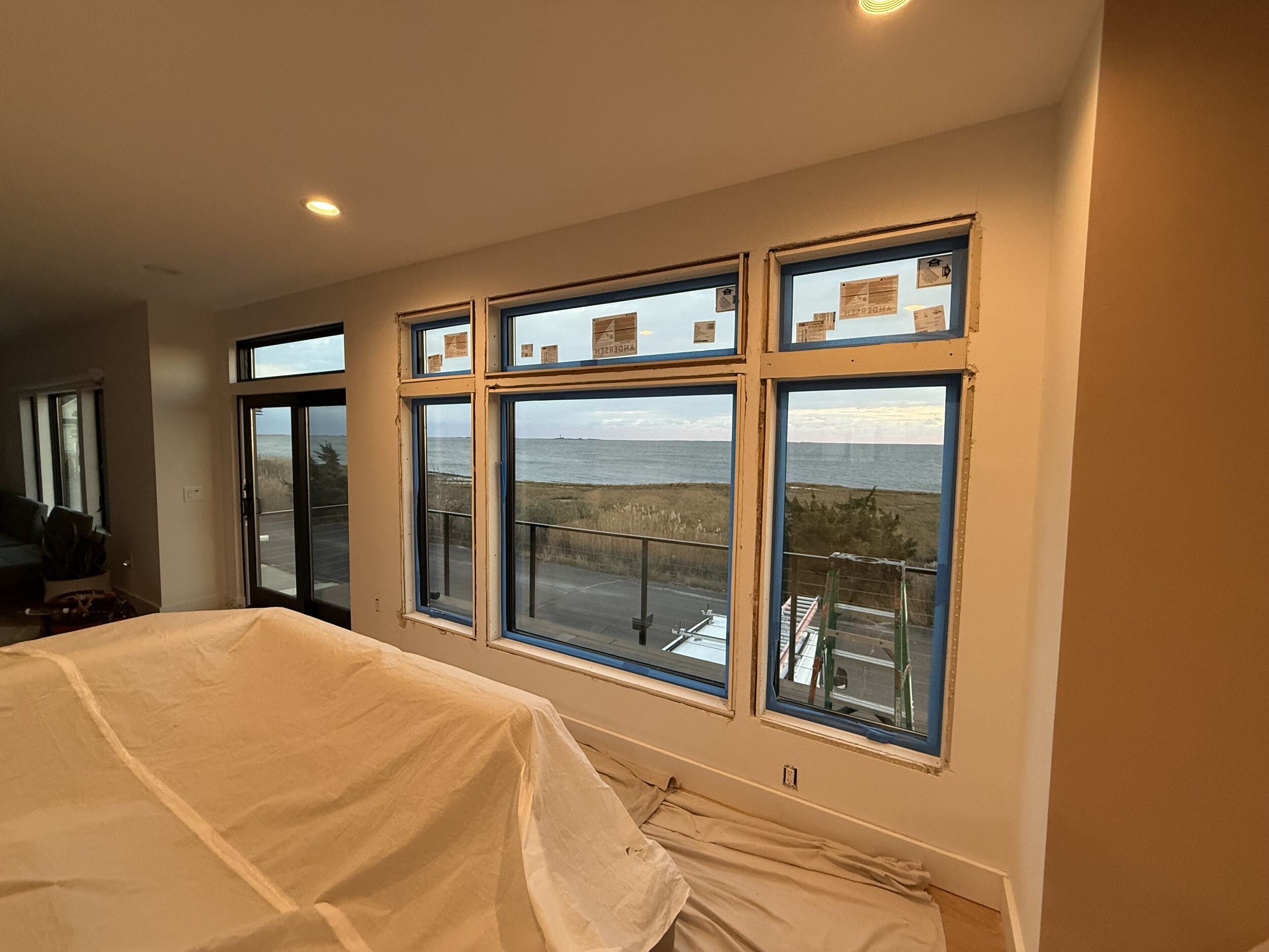
When we perform an Andersen Windows installation, we are looking for:
- Thermal Stability: Materials like Fibrex don't expand and contract as much as vinyl. This keeps the seals tight even when the temperature swings 40 degrees in a single day.
- Wind Resistance: Coastal homes face higher wind loads. A stiff, strong frame prevents the window from "bowing," which causes air leaks.
- Humidity Control: Our summers are wet. High-performance materials prevent moisture from seeping into your wall's framing, which prevents mold and structural rot.
Maximizing ROI with Tax Credits and Proper Installation
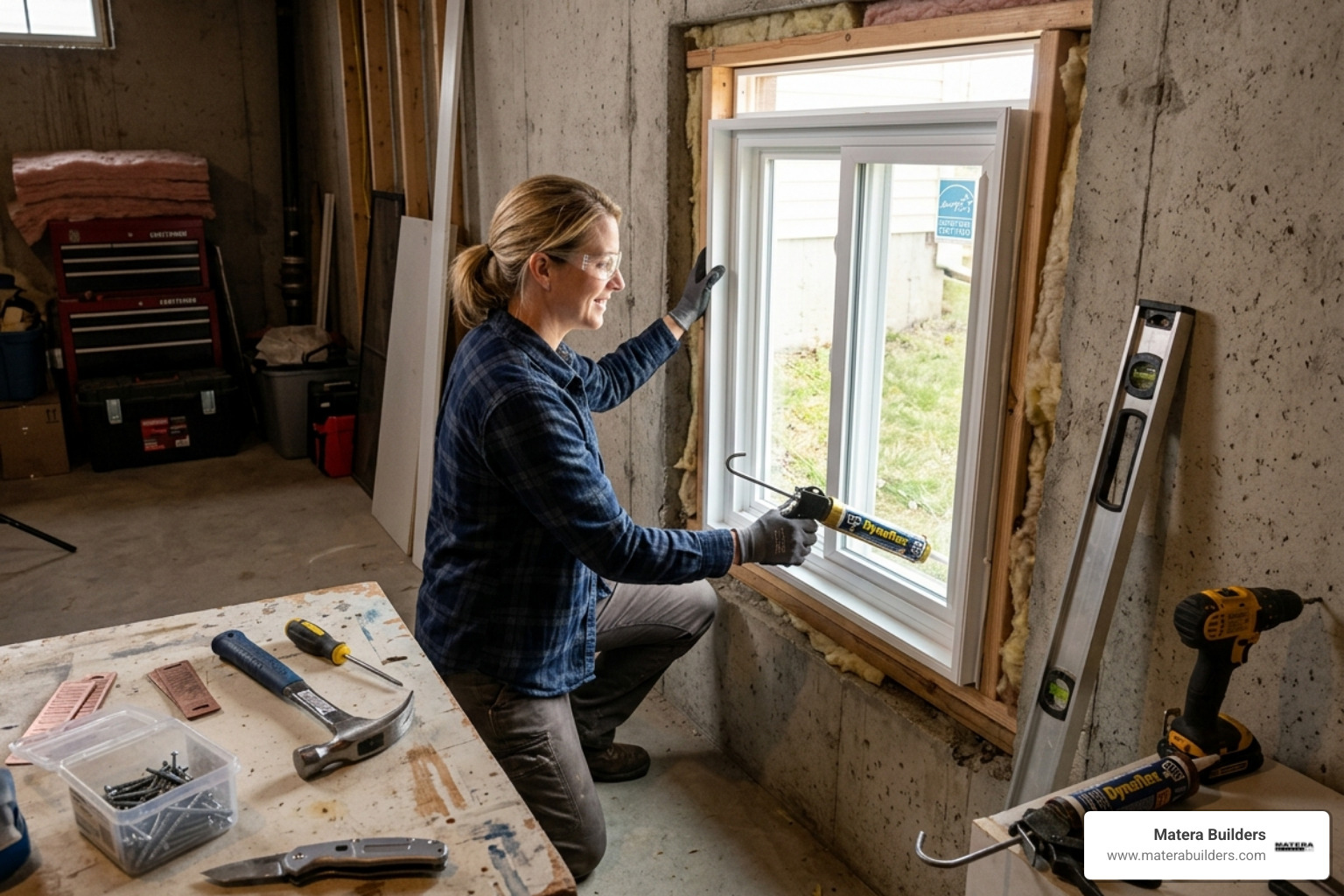
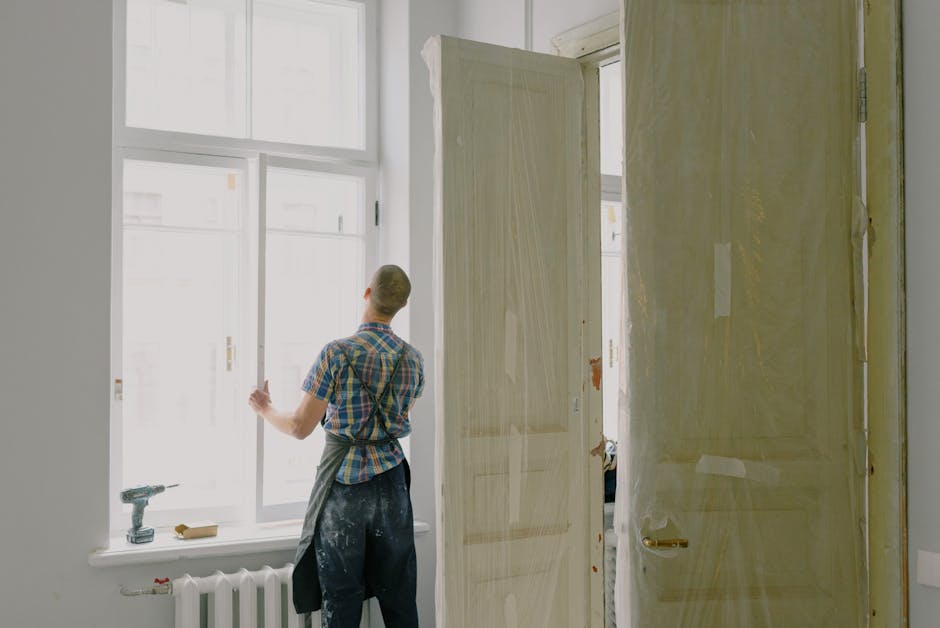
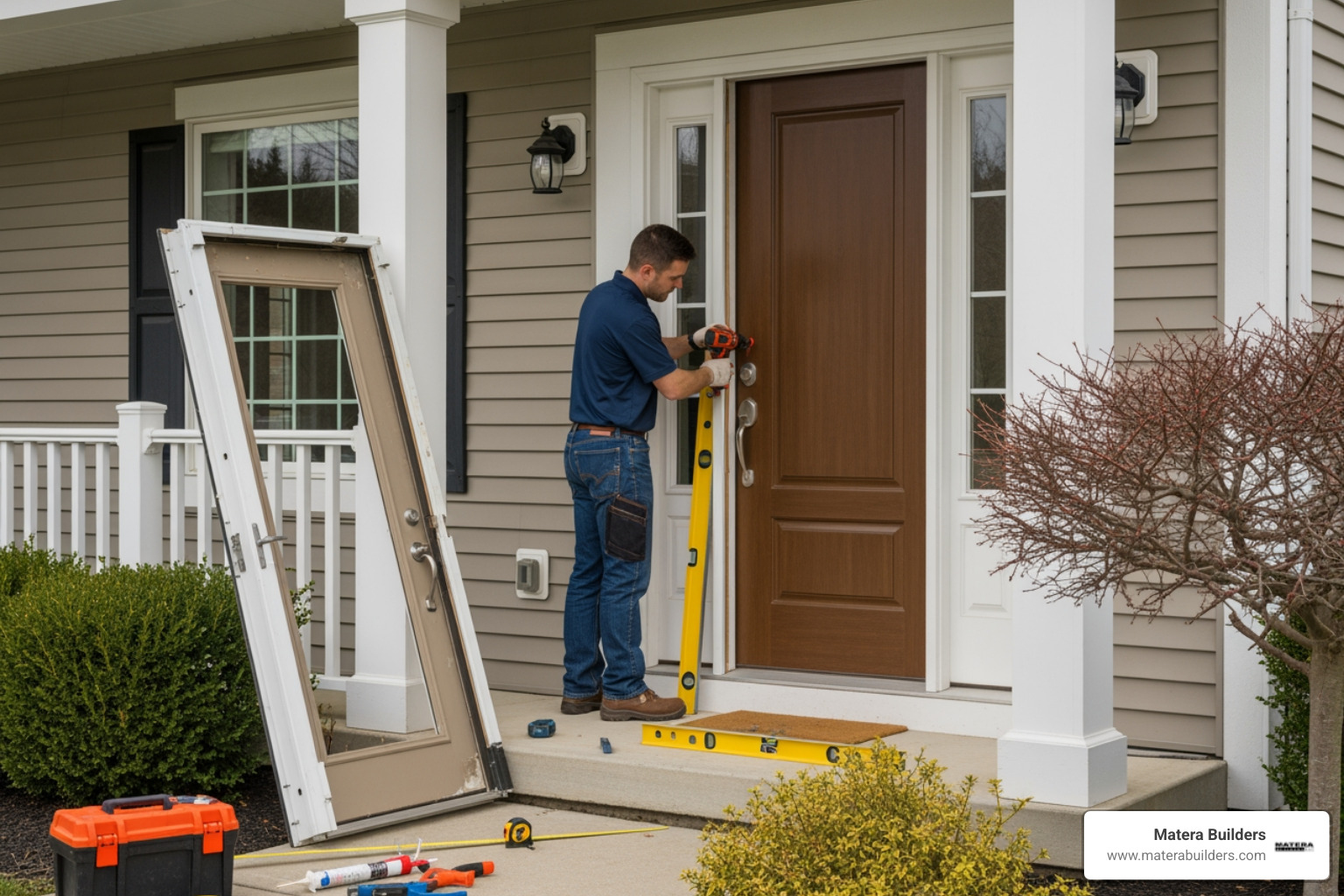
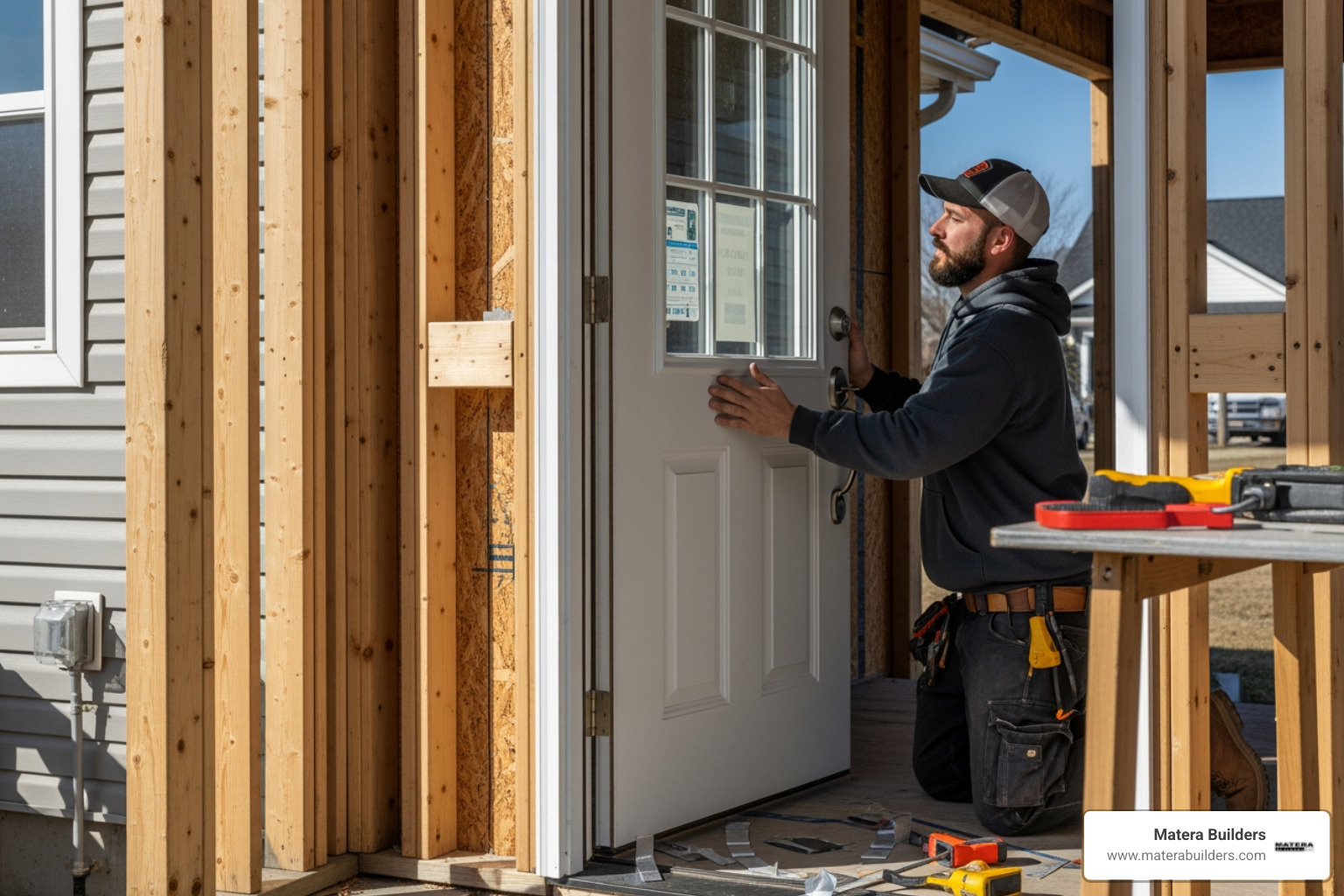
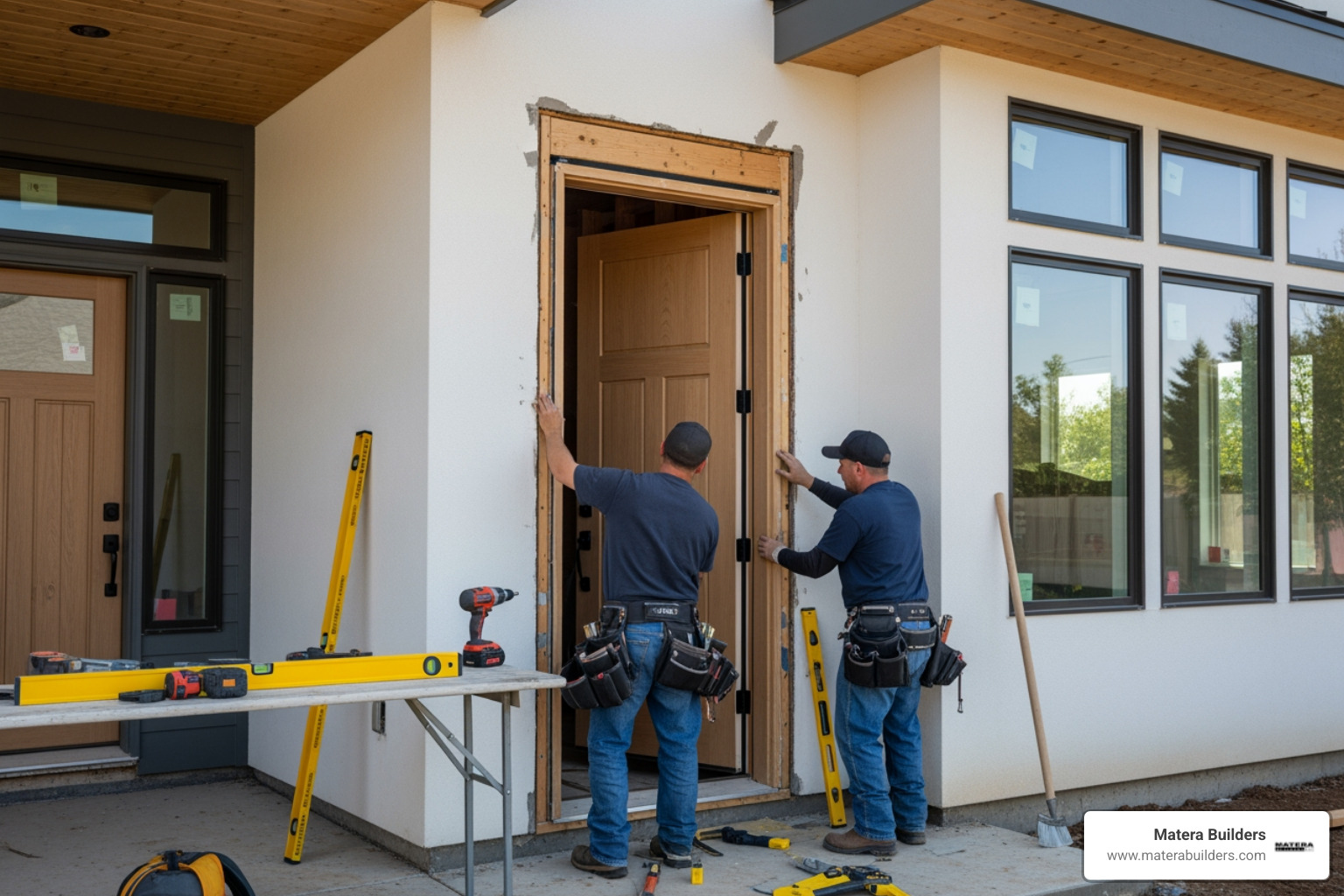
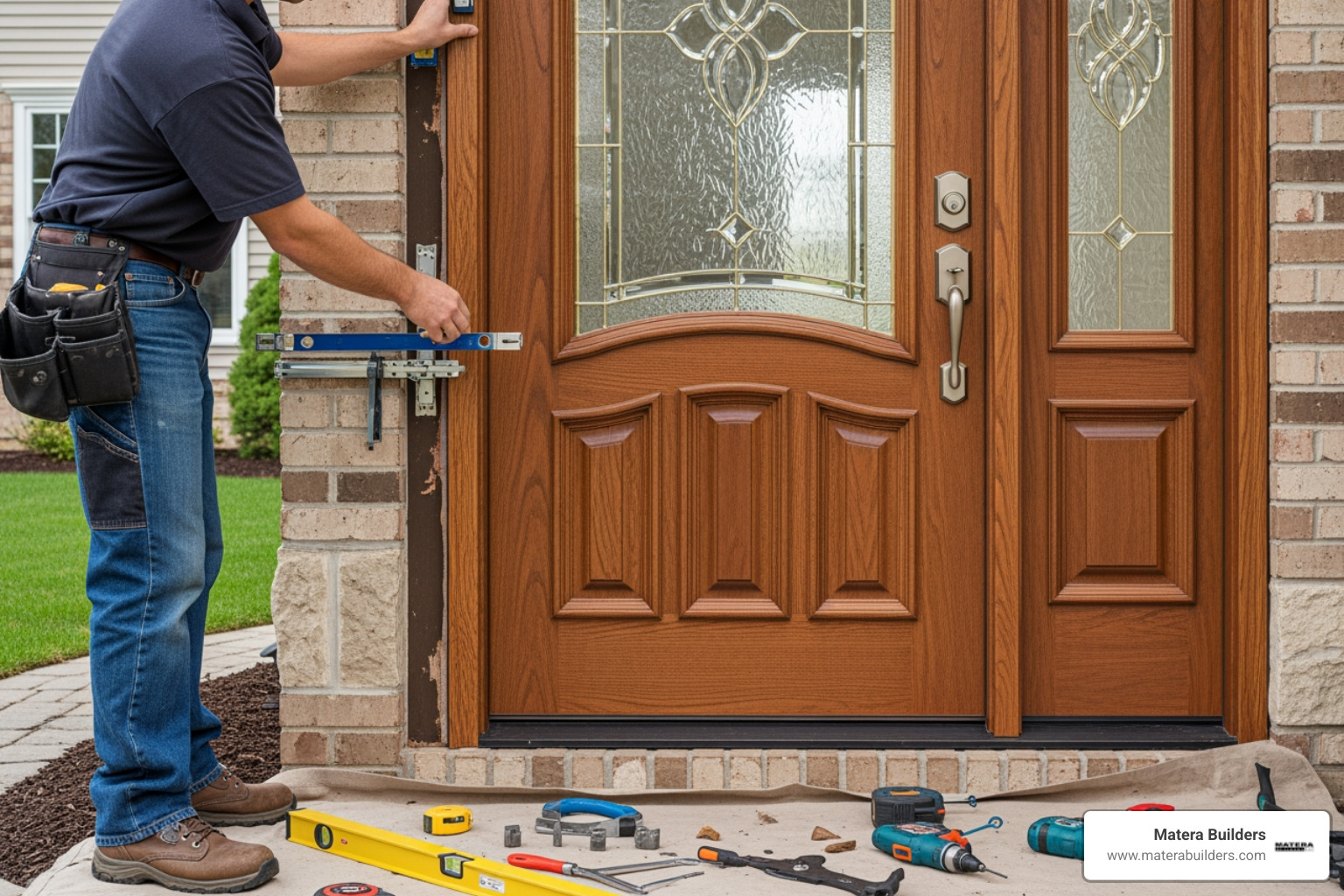
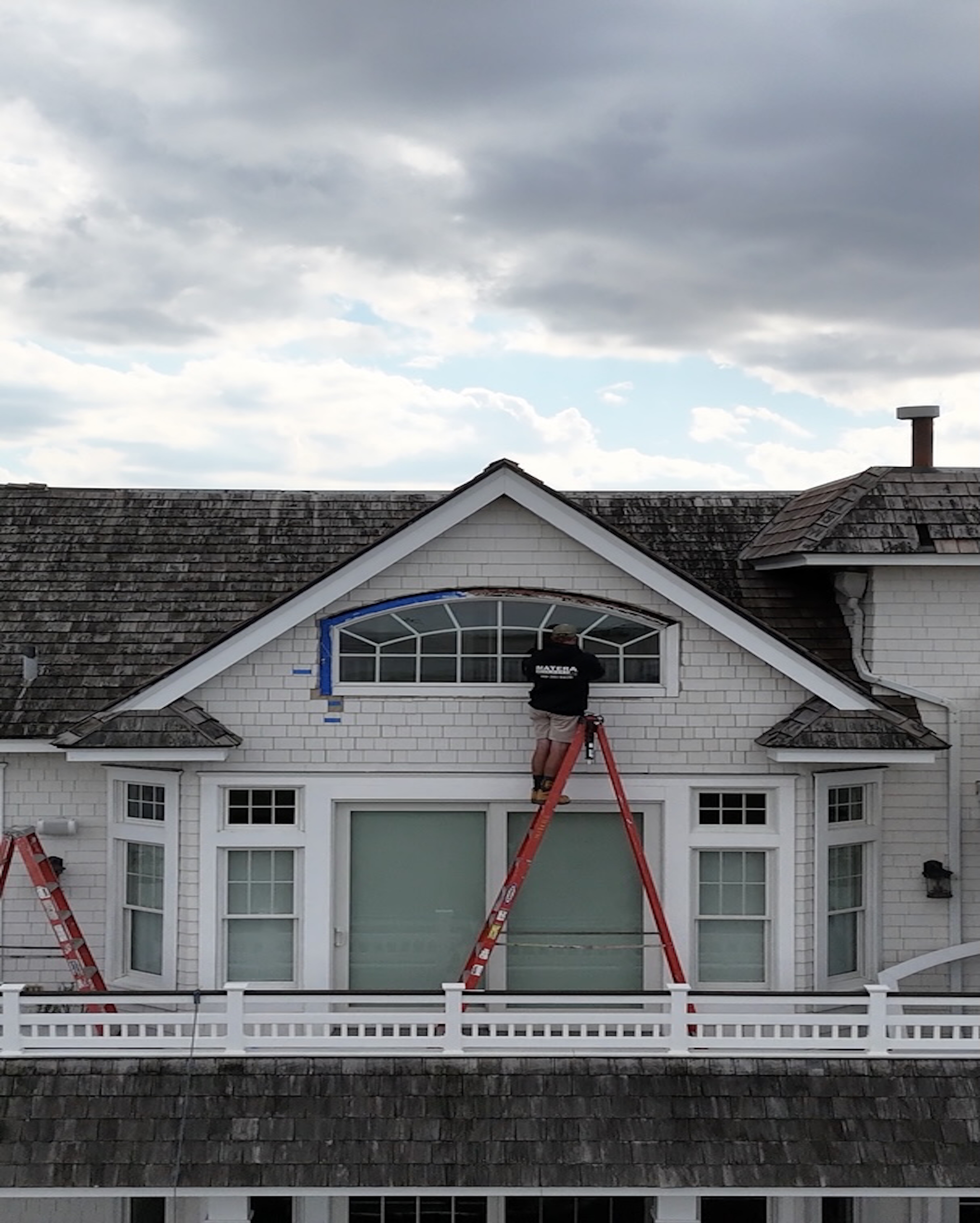
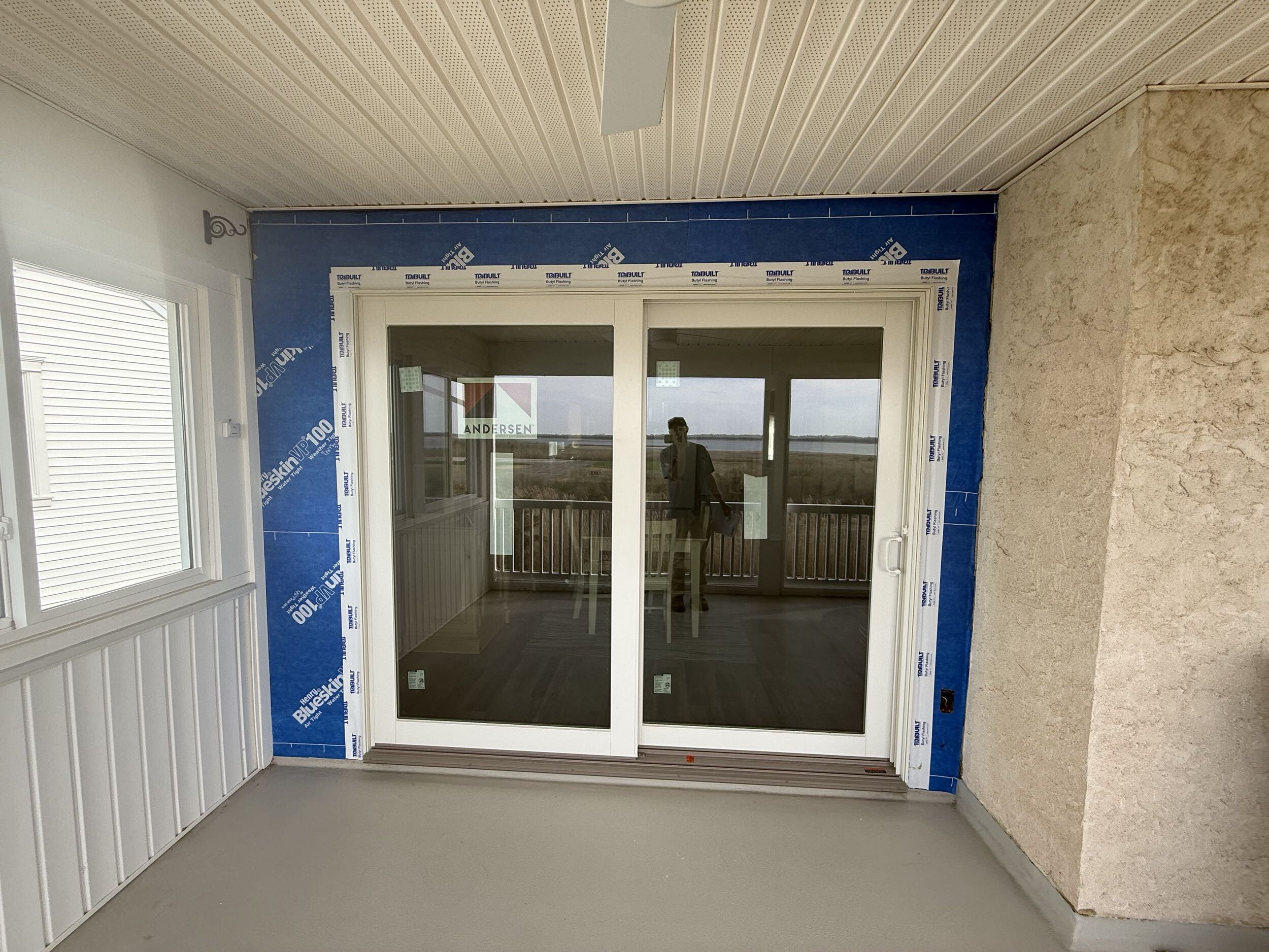
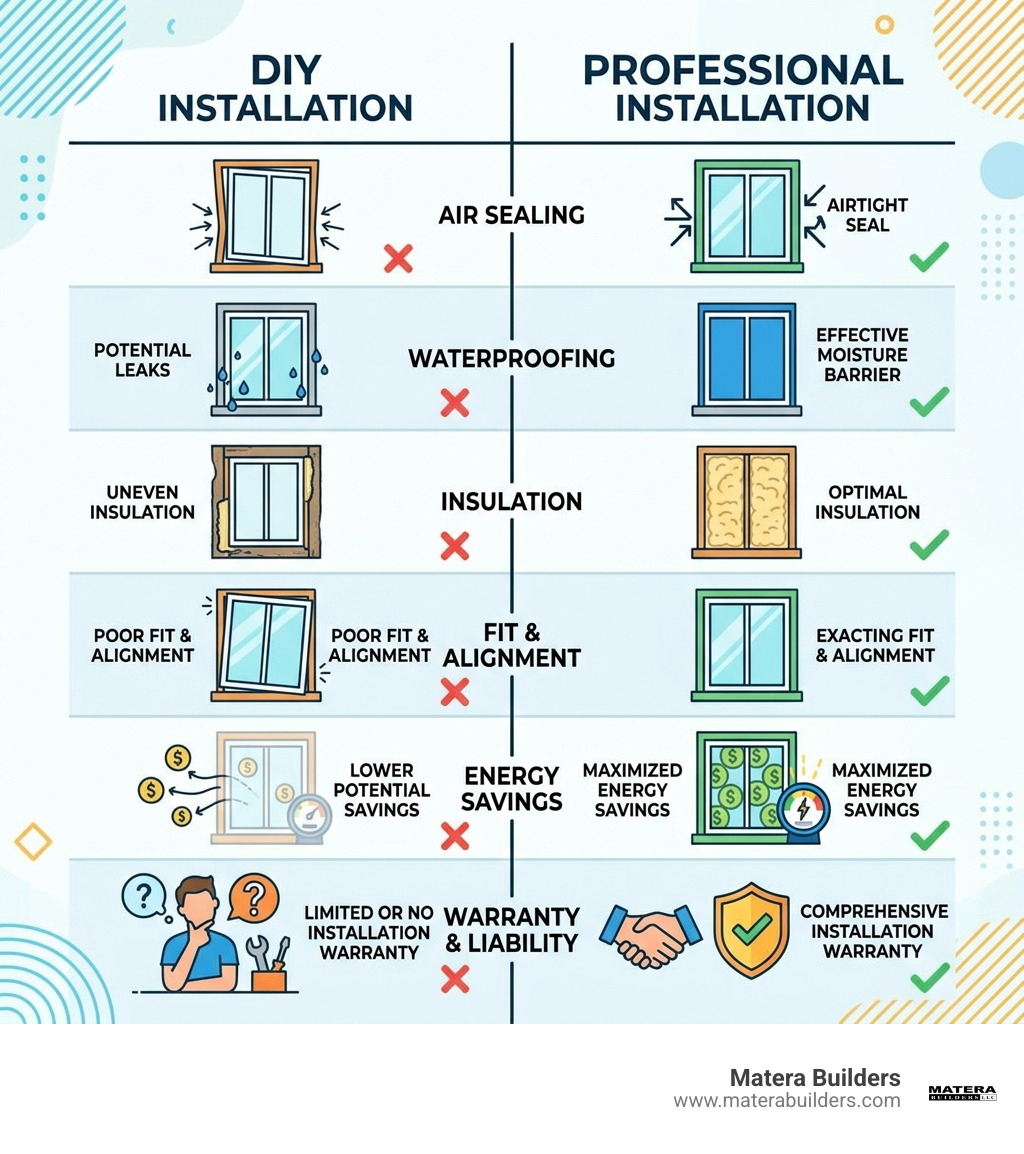
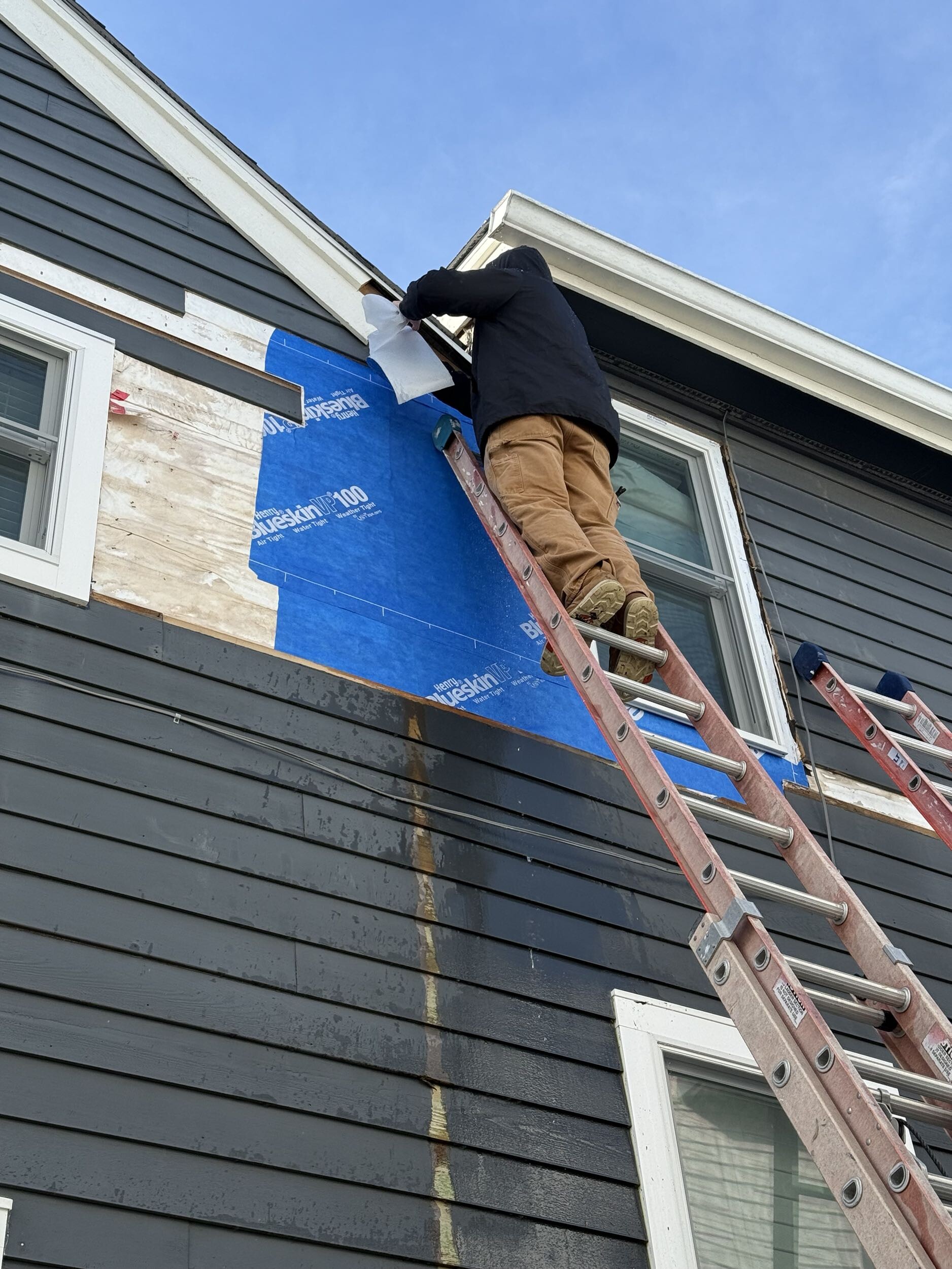
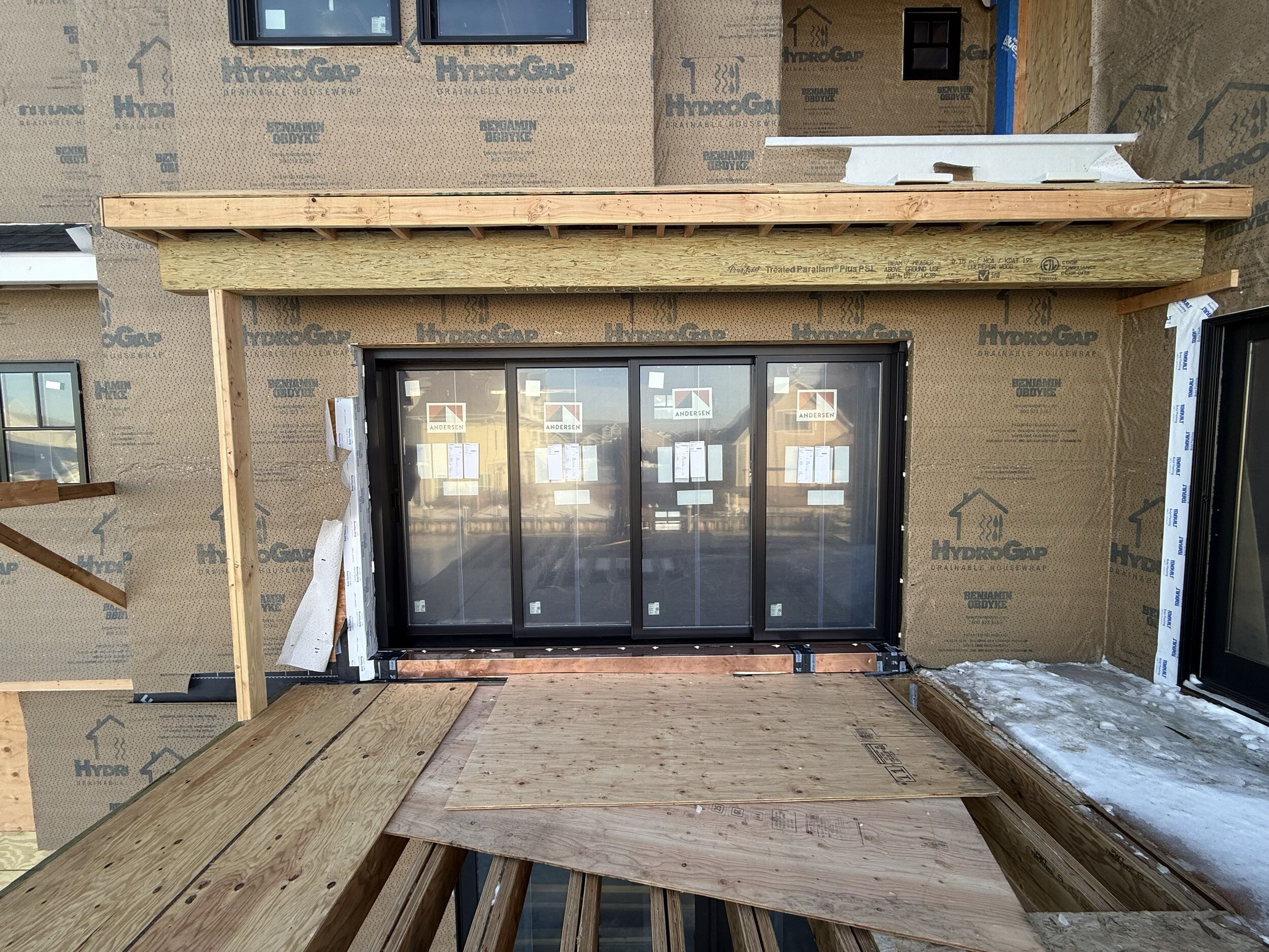
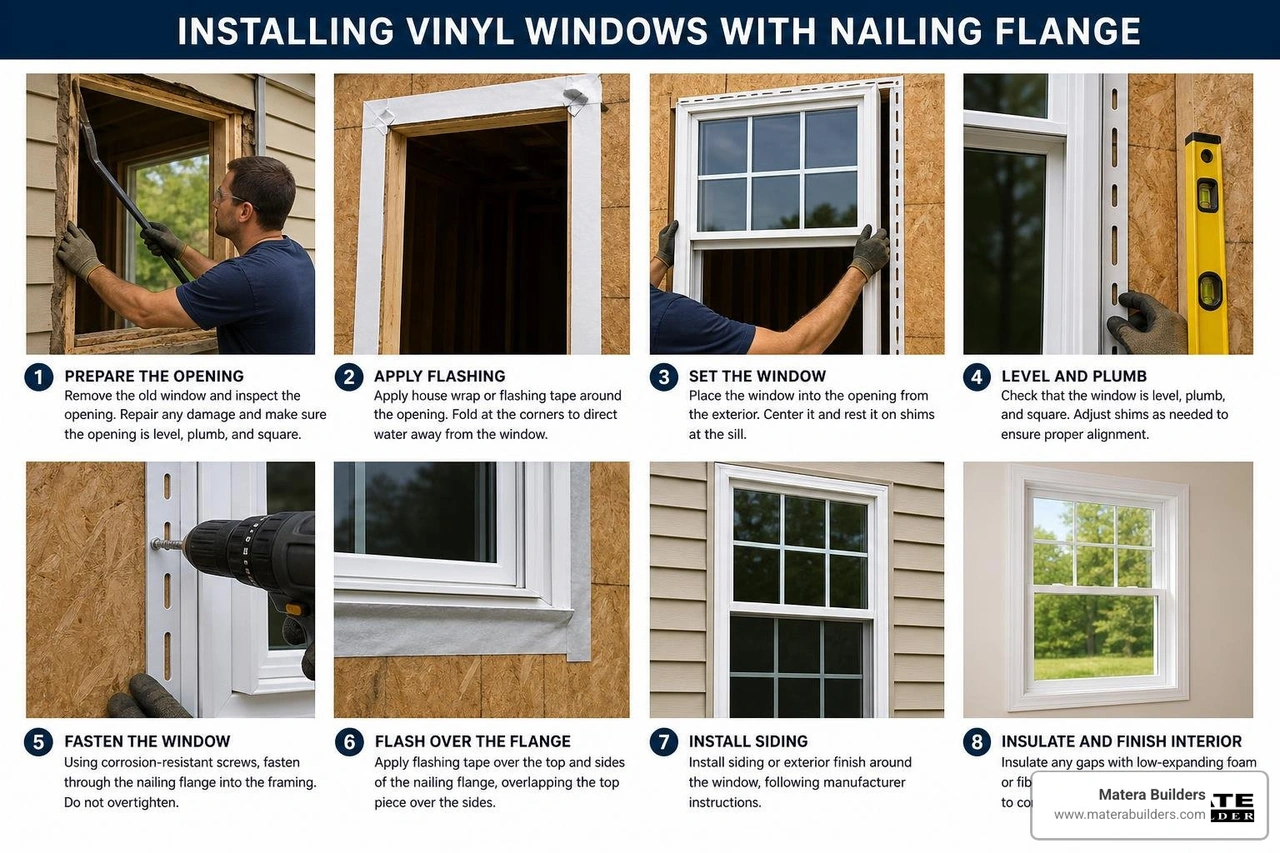
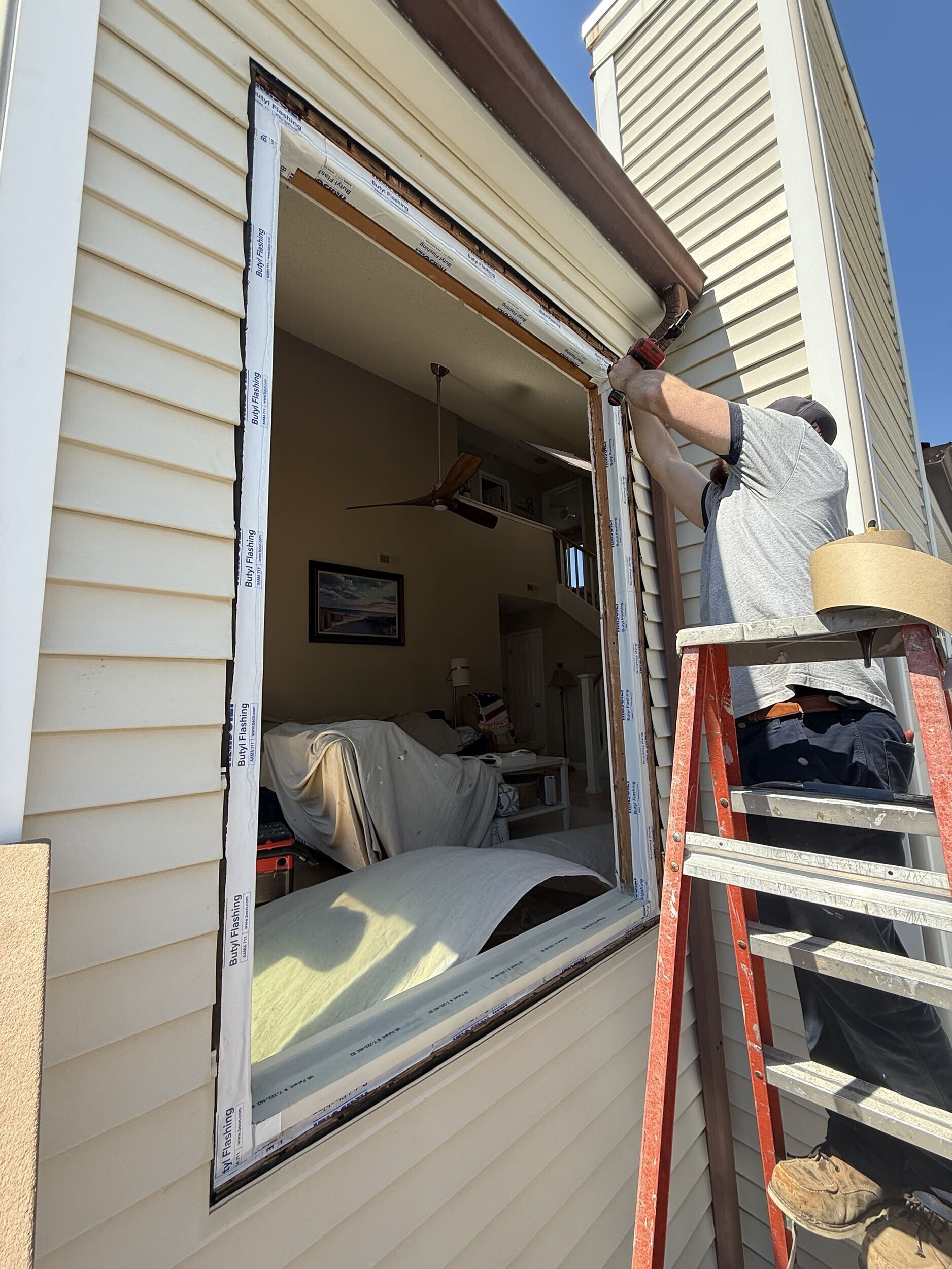
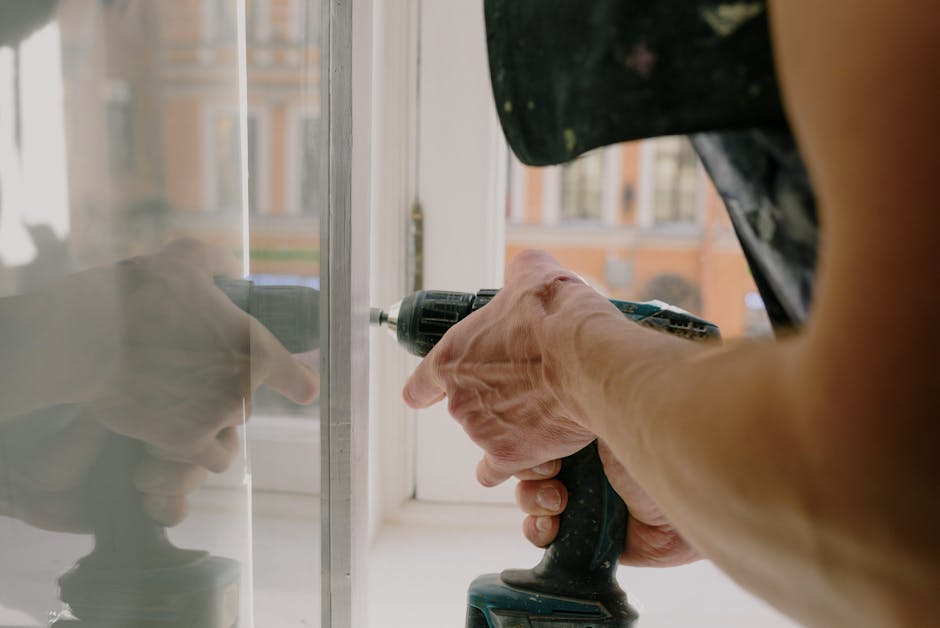
A common mistake homeowners make is buying a high-end window and having a "handyman" install it. Even the best energy efficient window upgrades will fail if the installation is sloppy. Air will leak around the frame, water will get behind the flashing, and your warranty might be voided.
Financial Incentives
The federal Energy Efficient Home Improvement Credit for windows expired at the end of 2025, but flexible financing can still make a premium window project manageable. Ask us about current promotional financing options when you schedule your consultation.
Beyond the tax credit, the ROI comes from your monthly savings. ENERGY STAR certified windows can save you between $200 and $600 annually depending on your home's size and what you are replacing. Plus, high-quality window replacements typically retain 65% to 75% of their value at home resale.
For more on how we handle these high-performance projects, check out our interior and exterior services.
Complementary Strategies for Home Efficiency
While energy efficient window upgrades are a massive step, you can squeeze even more performance out of your home by looking at the "big picture."
- Window Orientation: If you are building an addition or replacing windows, think about the sun. South-facing windows get the most sun in winter (good for heat) but can overheat in summer. We can select different glass types for different sides of your house.
- Exterior Shading: Planting deciduous trees (the kind that lose leaves in winter) on the south and west sides of your home provides natural shade in the summer but lets the sun warm your home in the winter.
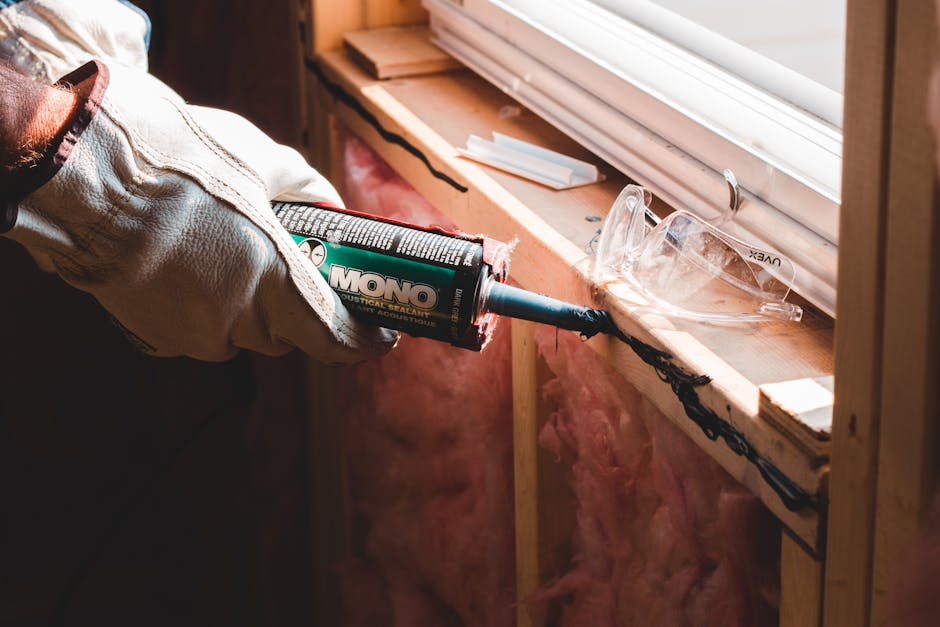
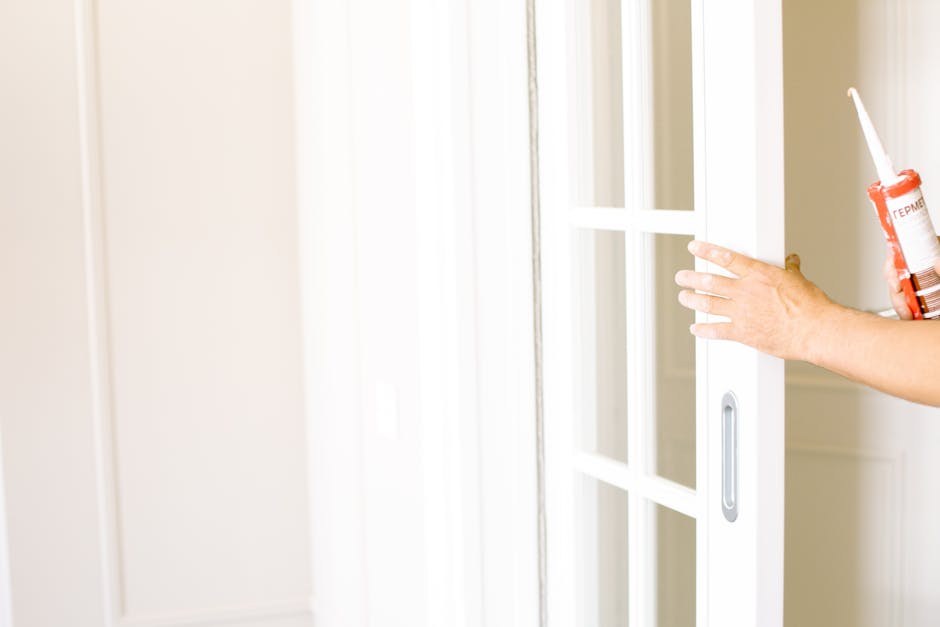
- Air Sealing and Caulking: Before replacing windows, or as a way to boost existing ones, check for leaks. Use a high-quality exterior caulk to seal gaps between the window frame and your siding.
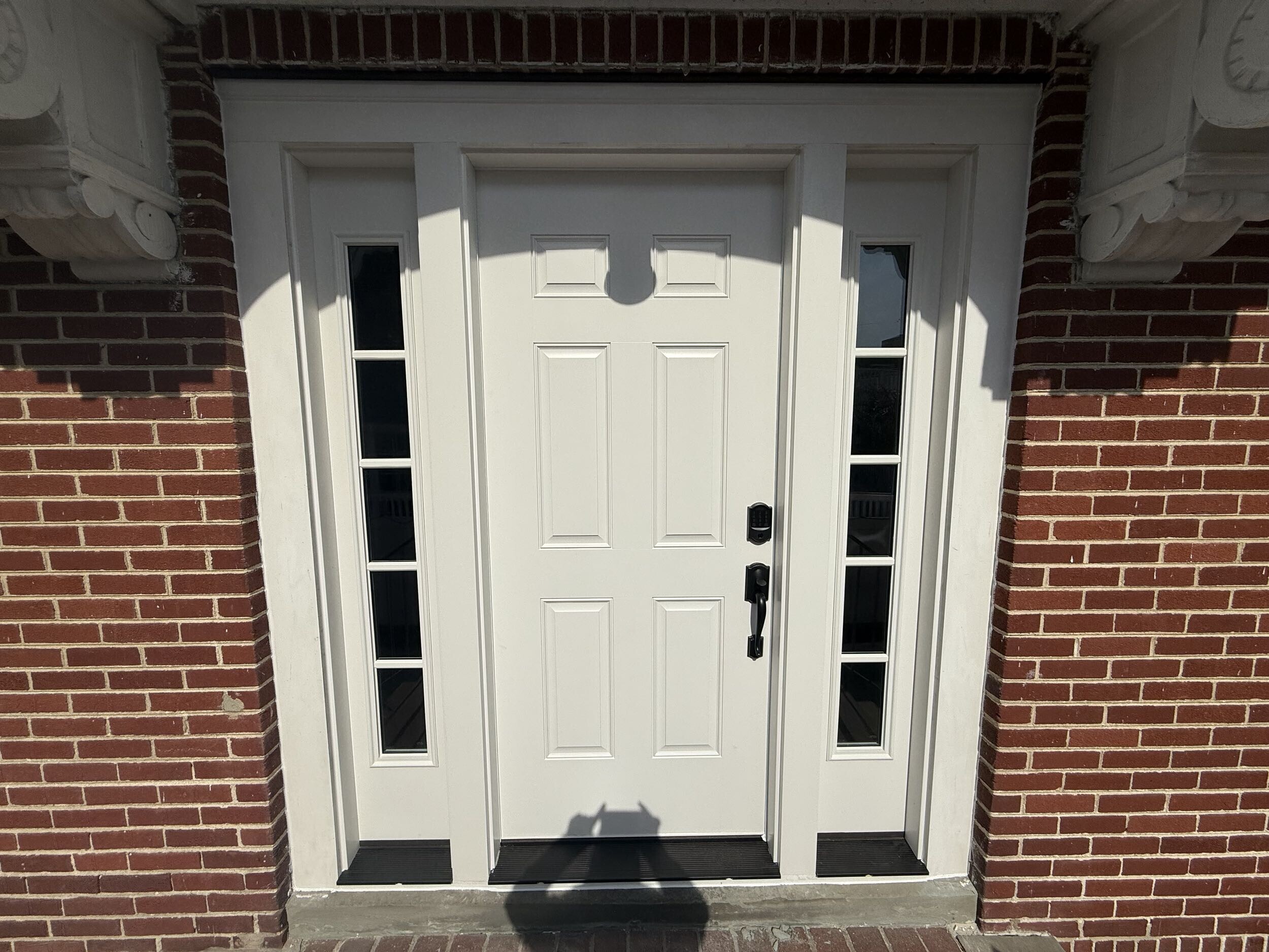
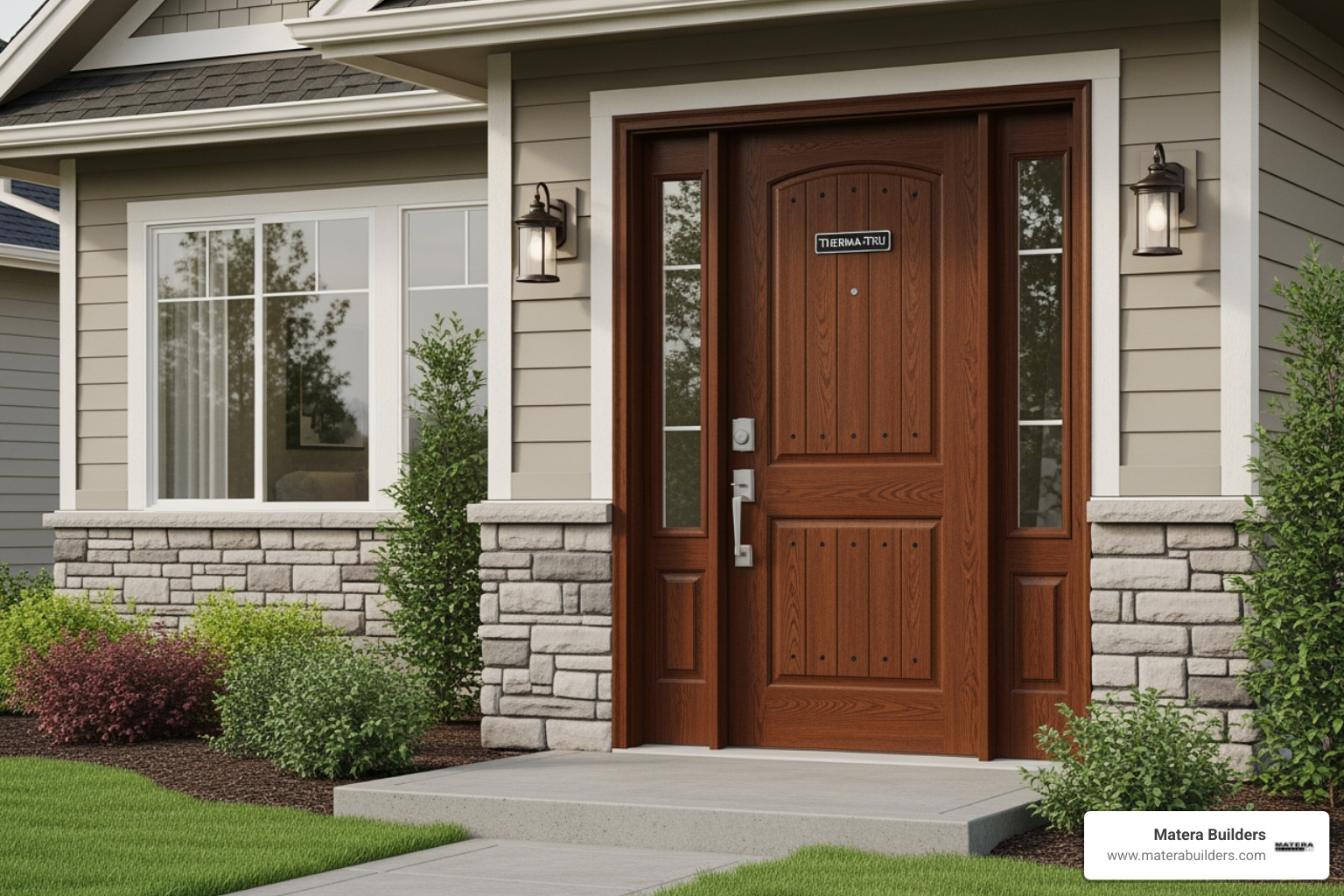
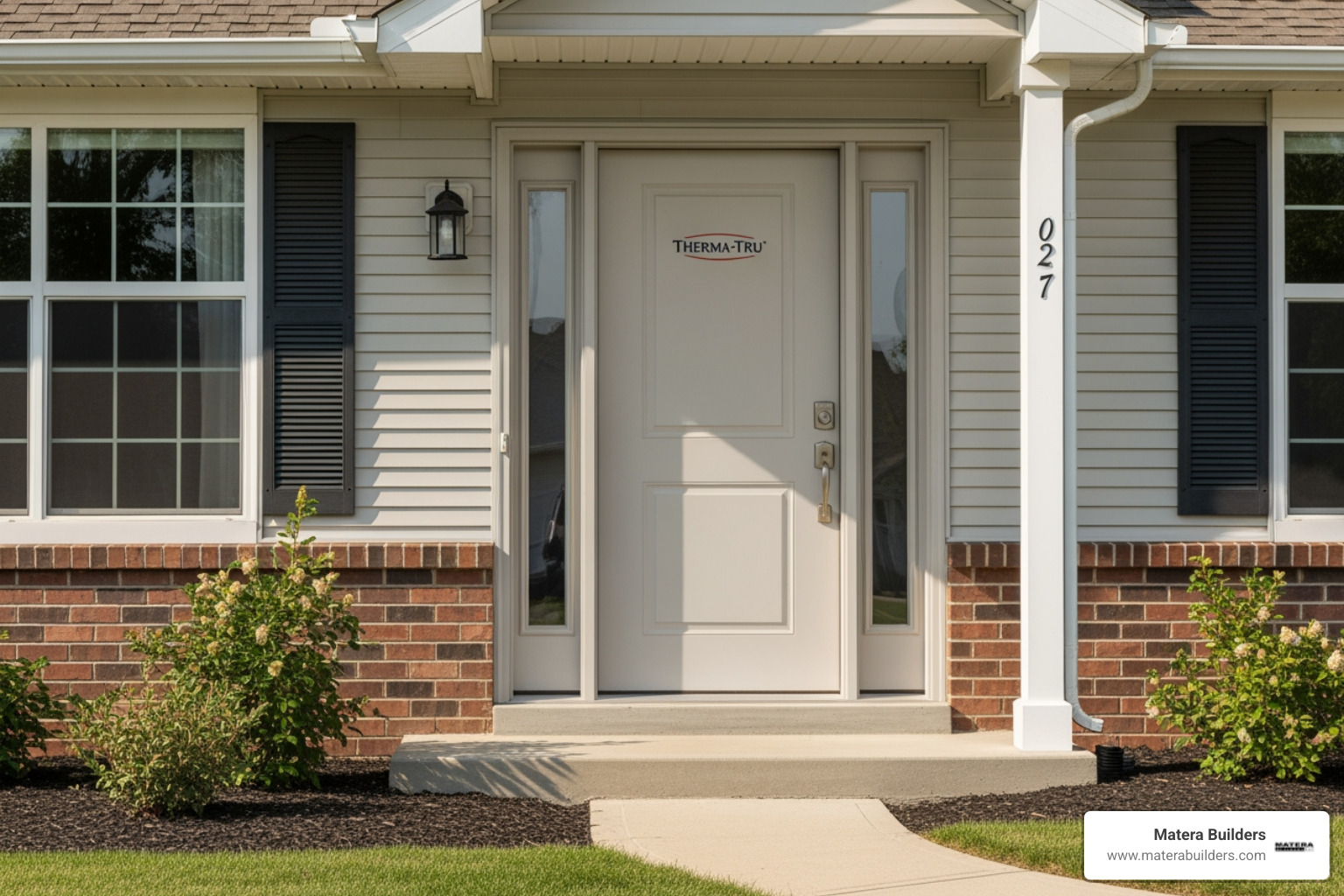
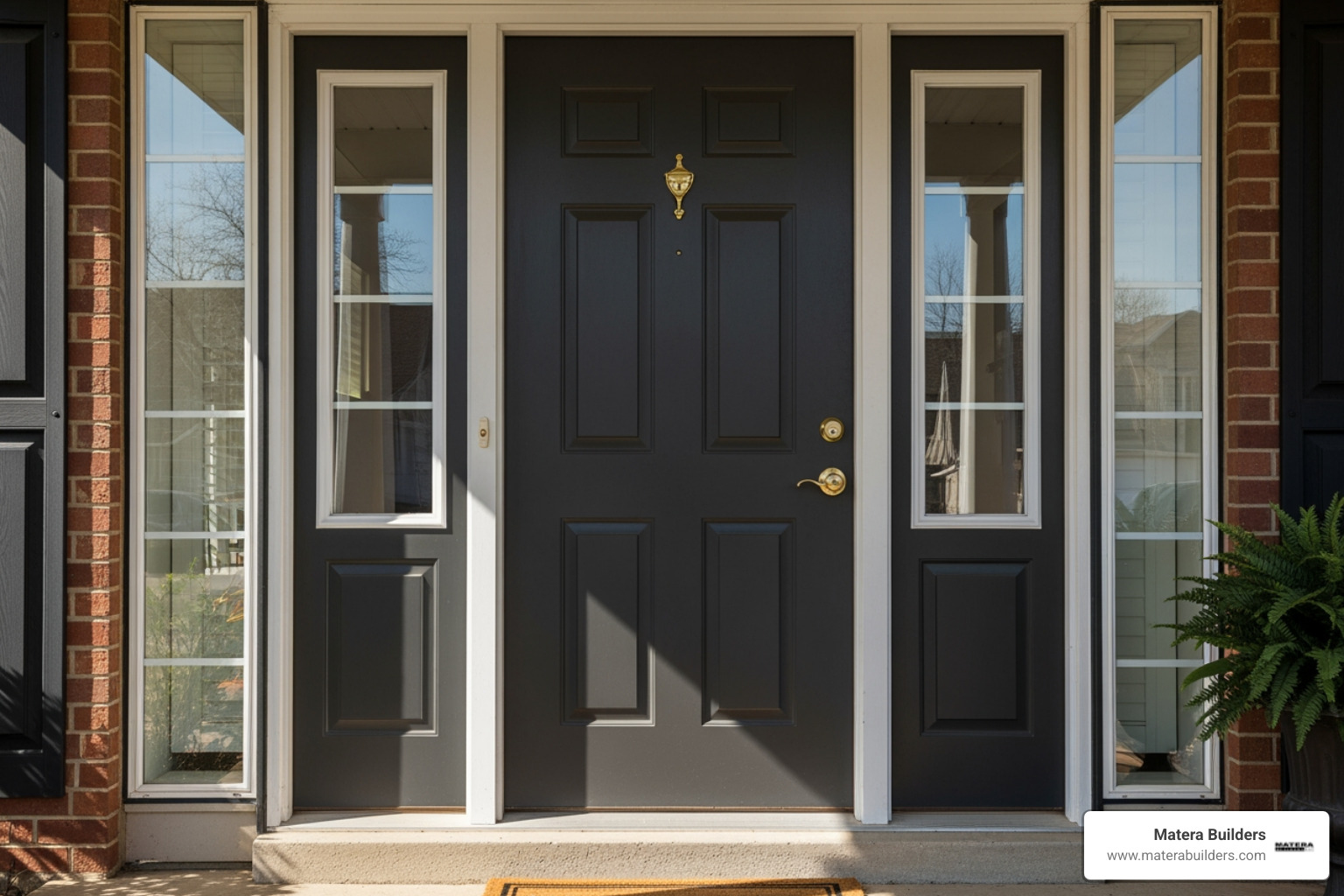
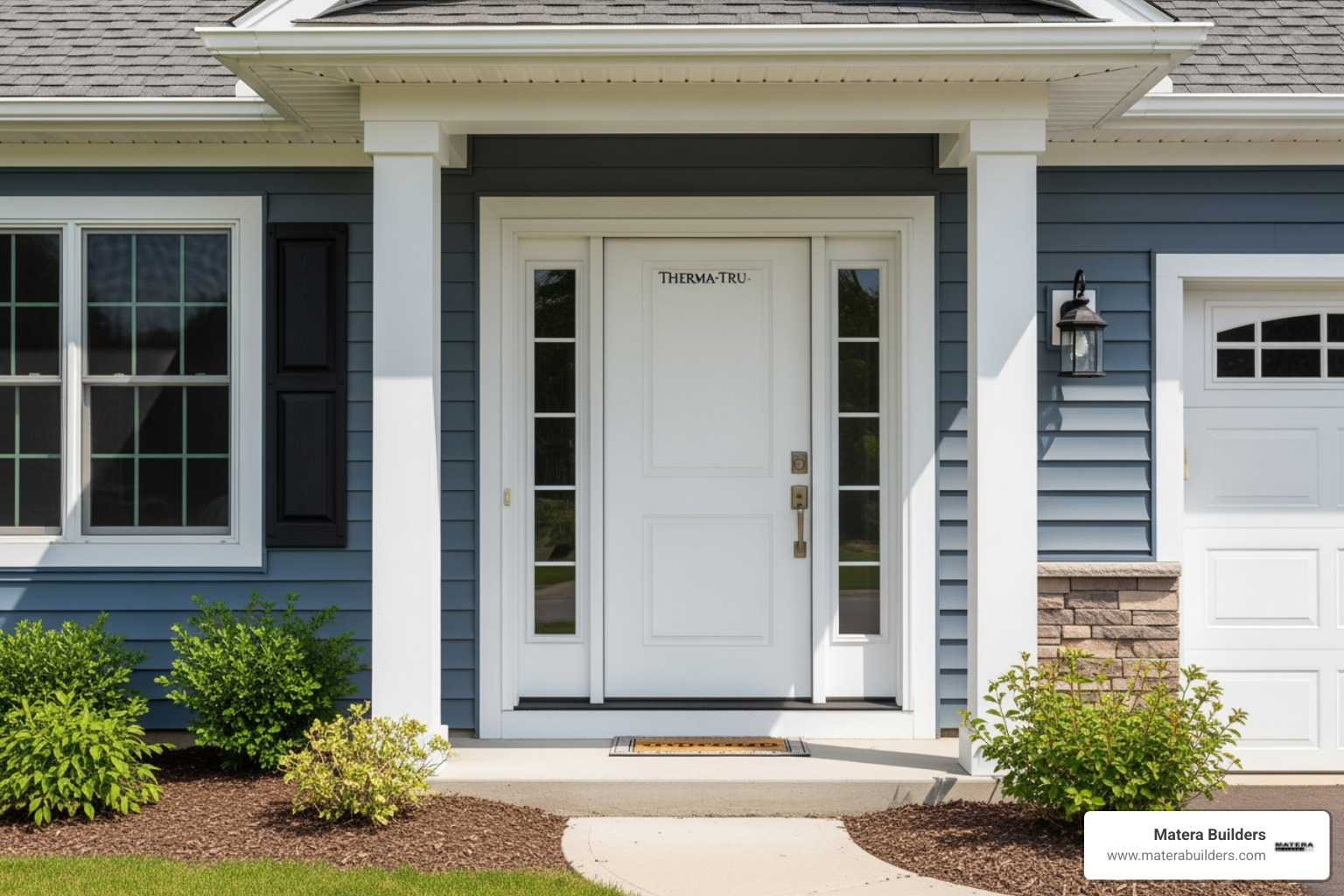
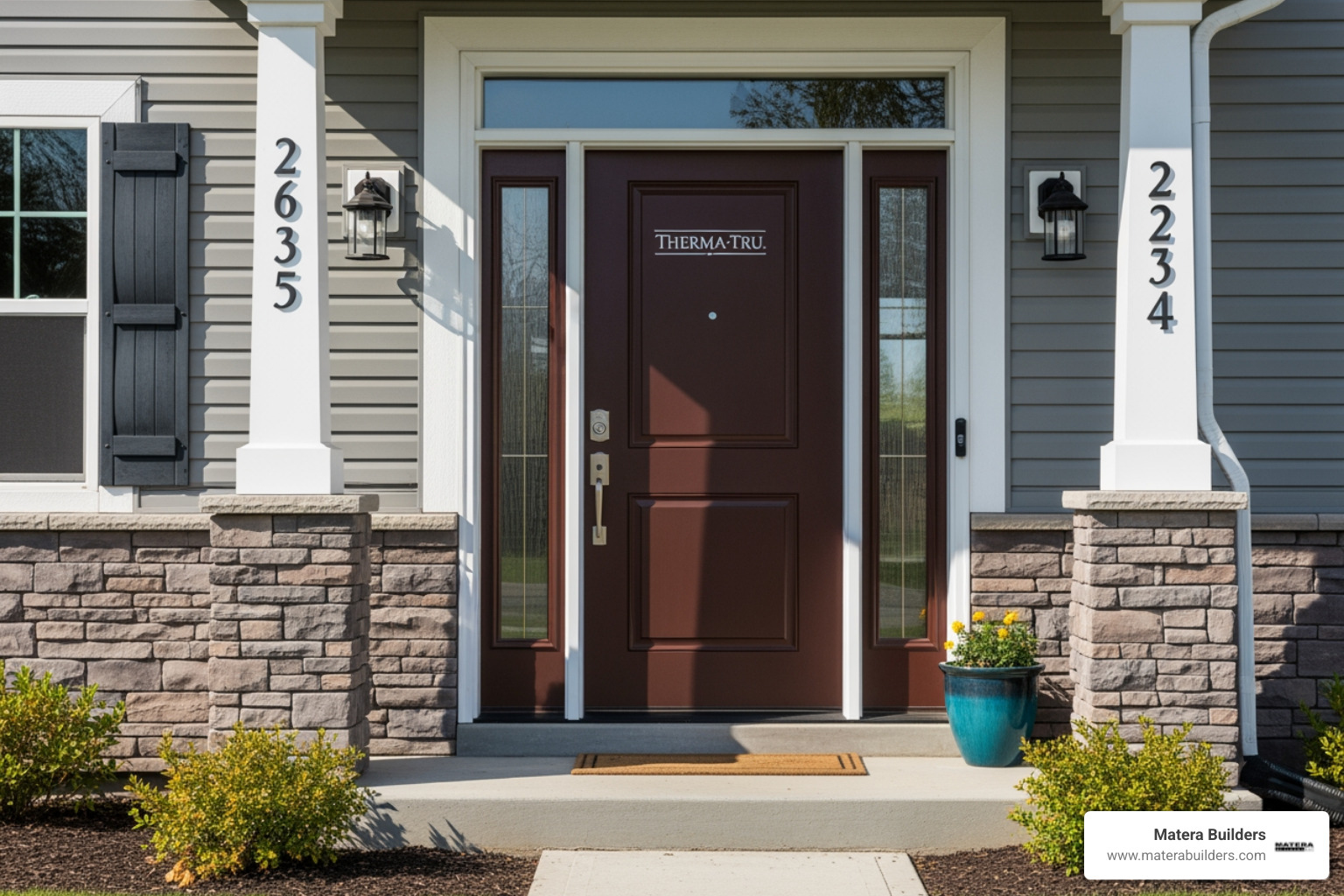
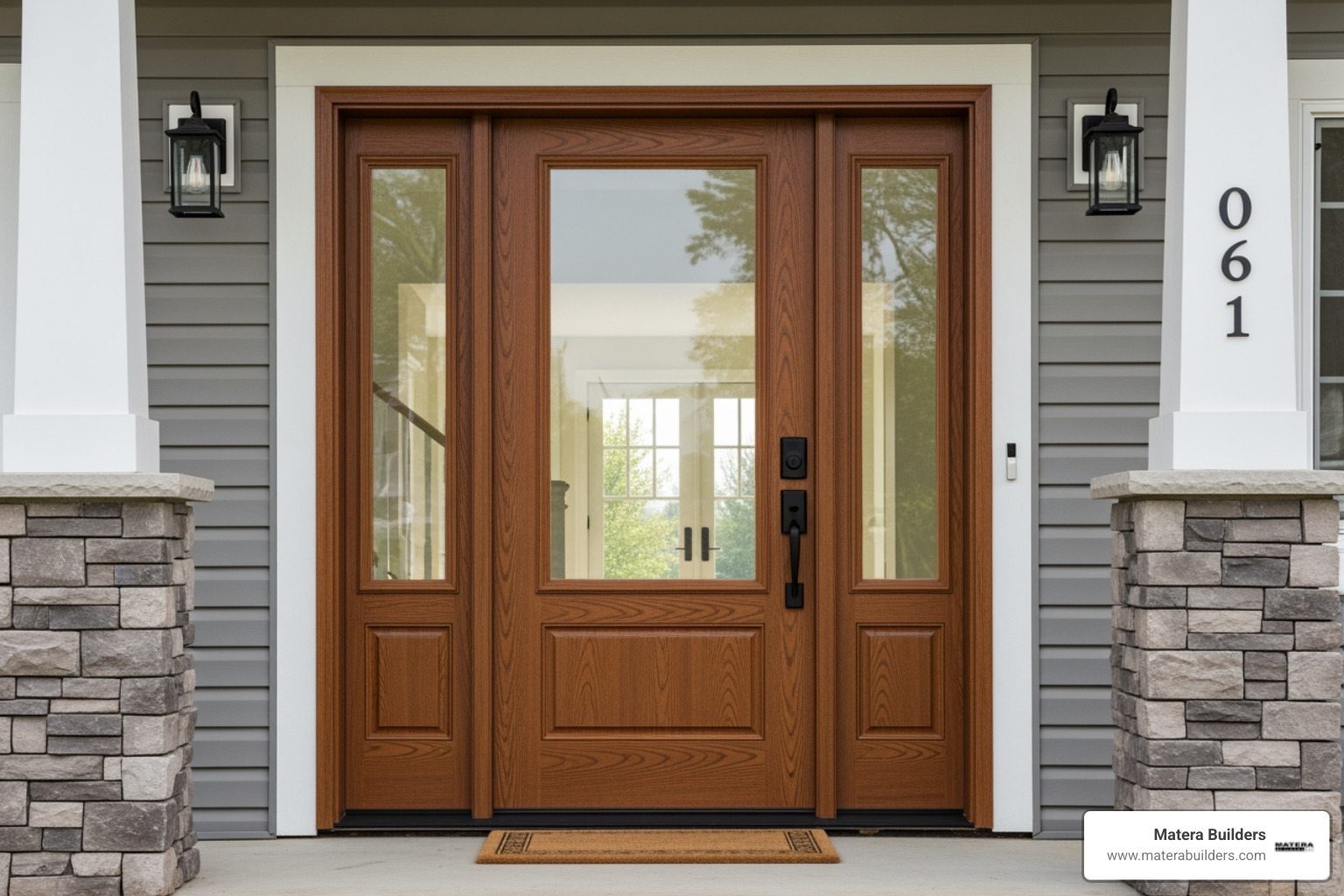
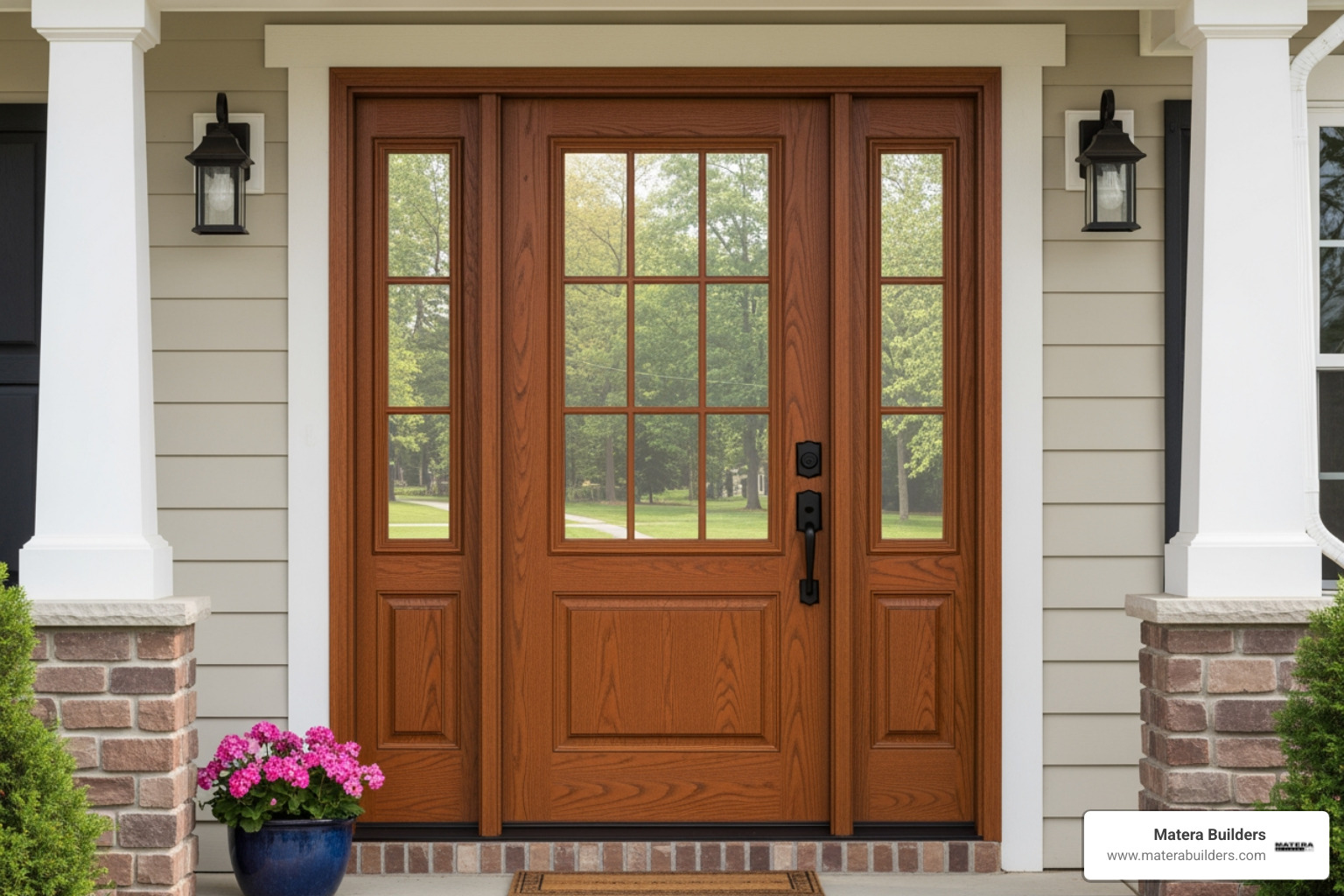
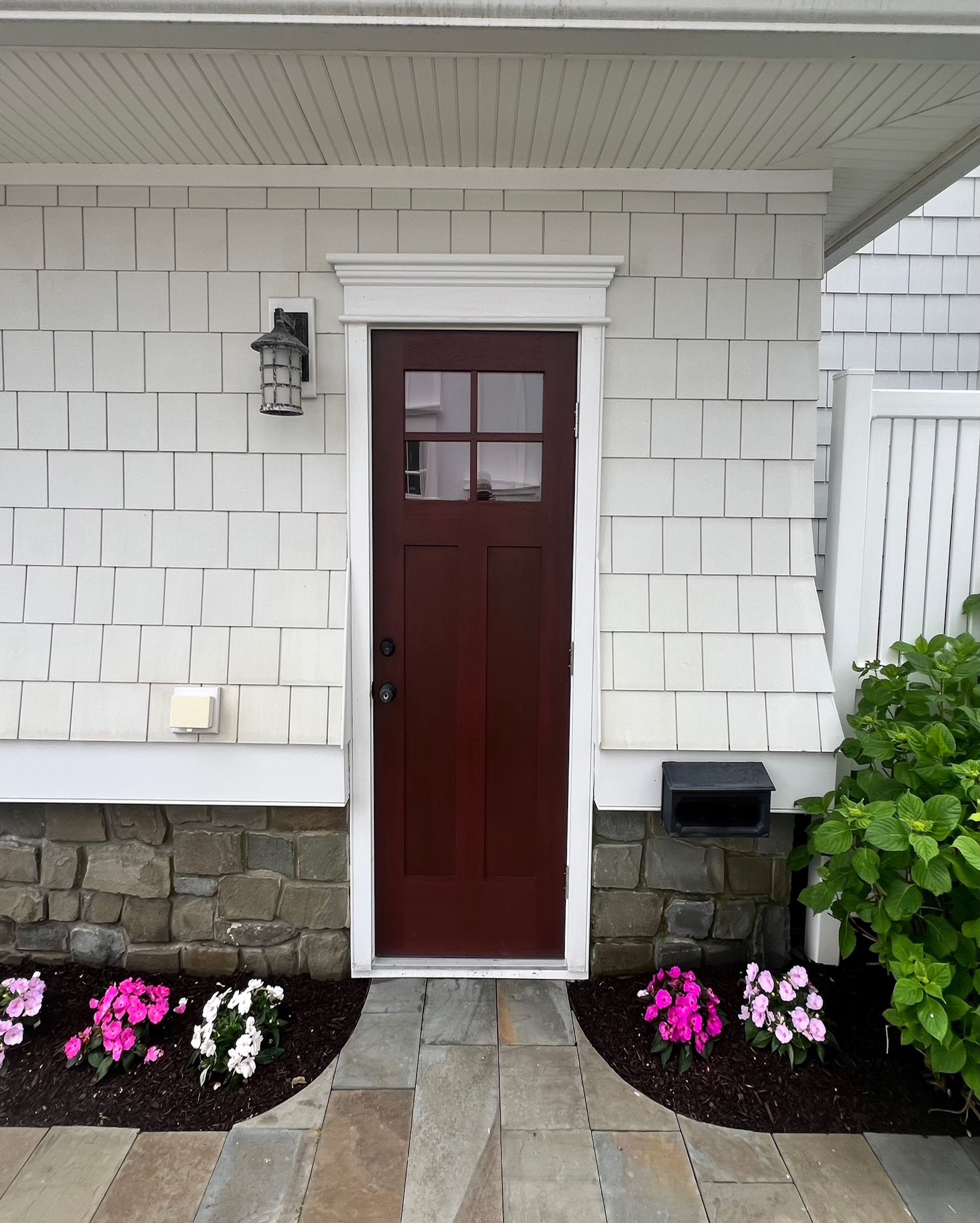
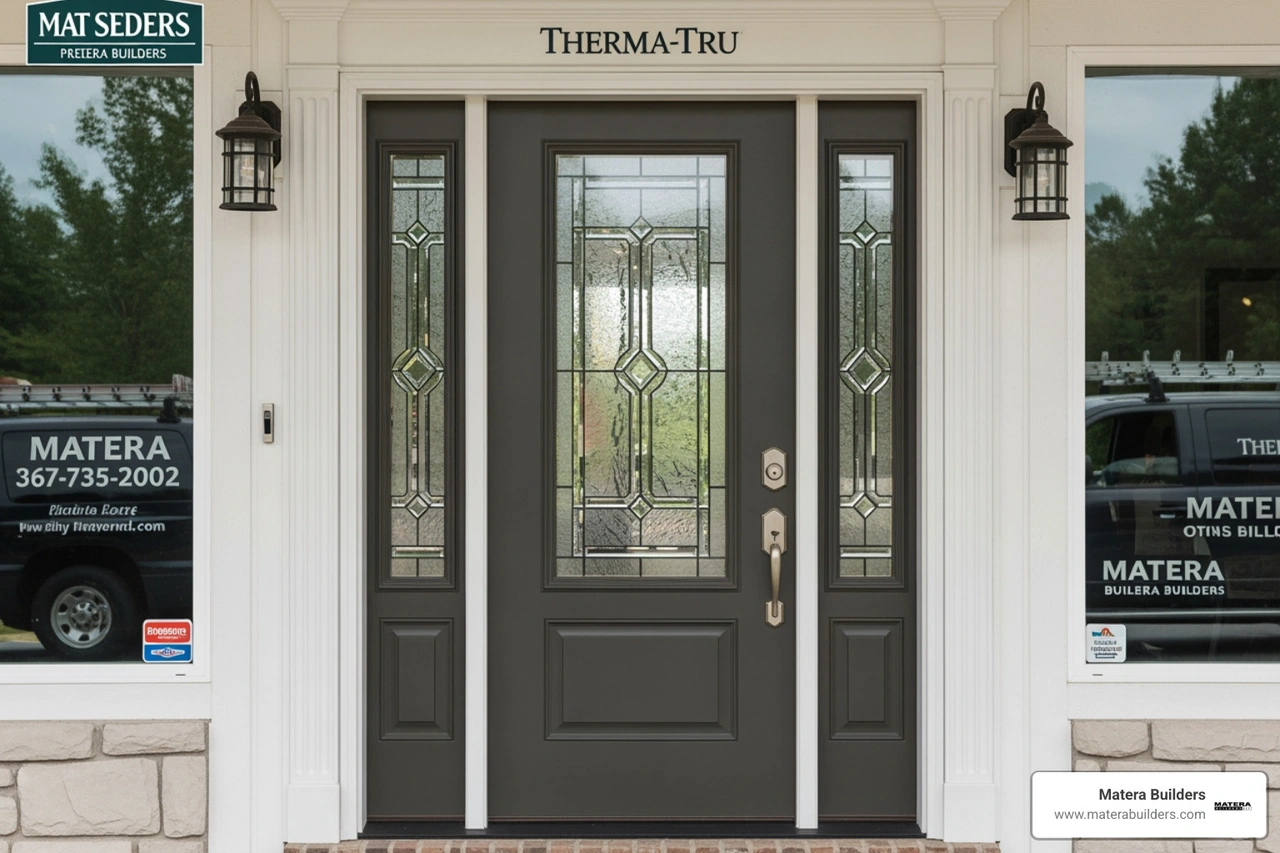
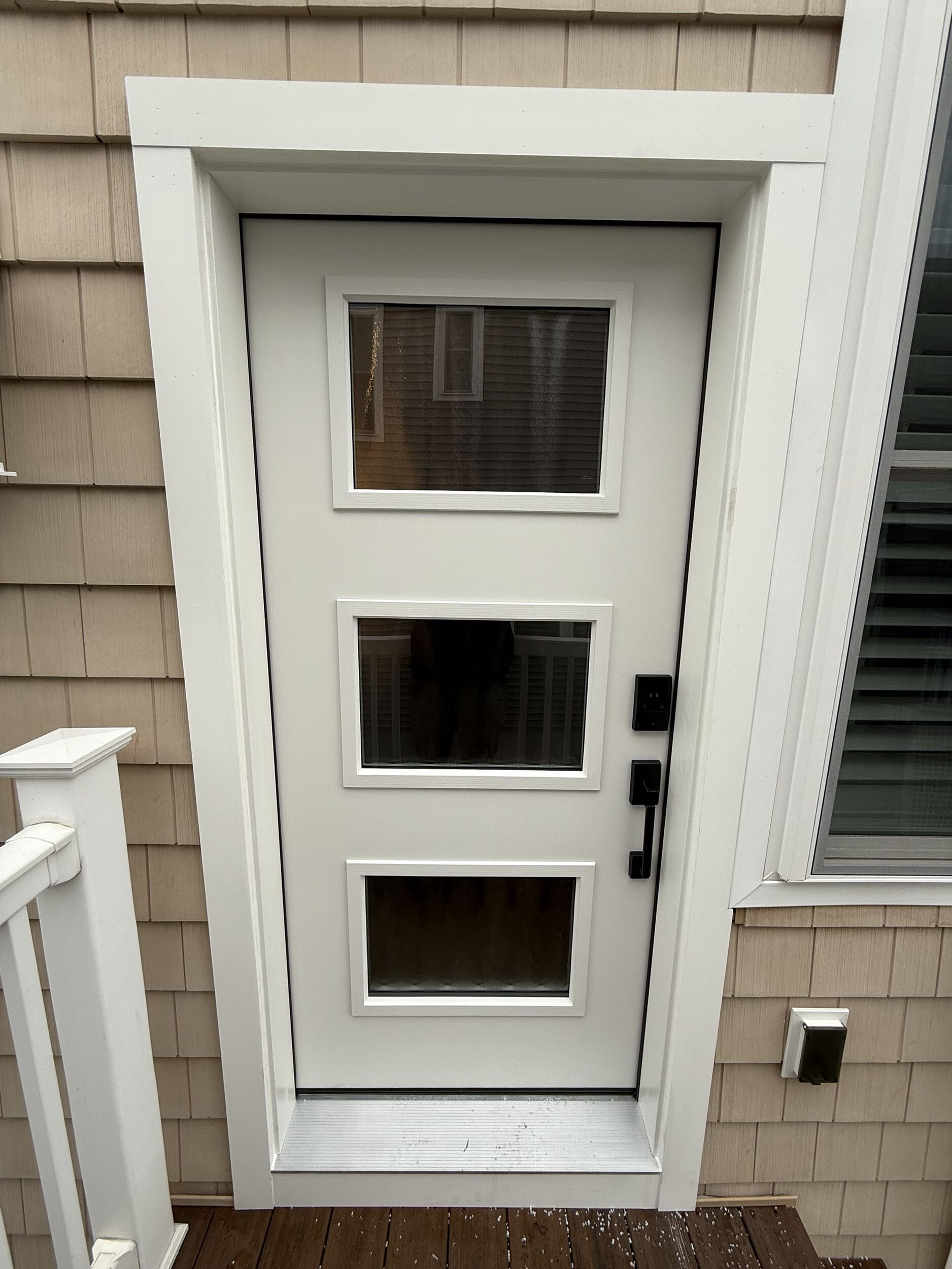
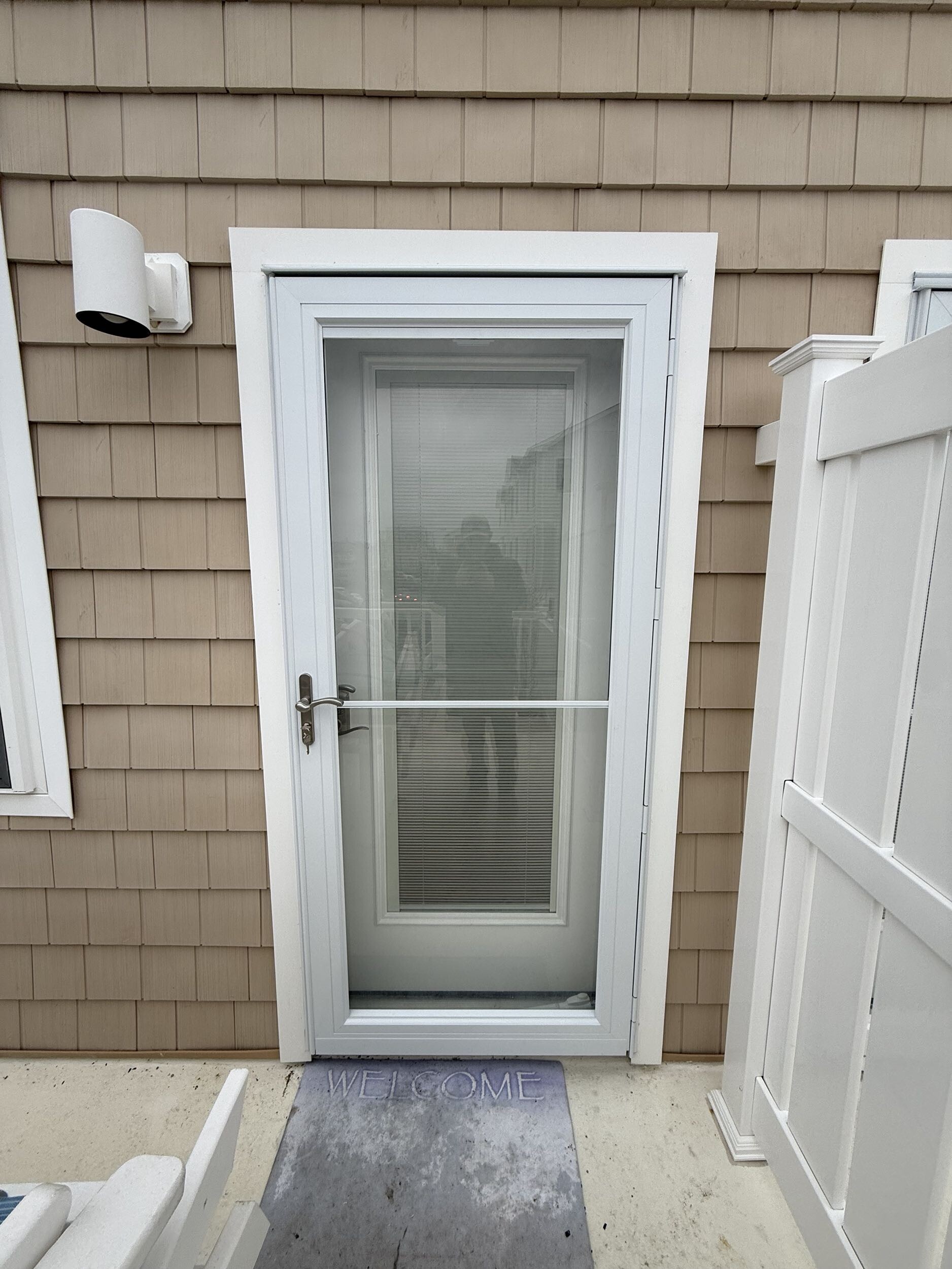
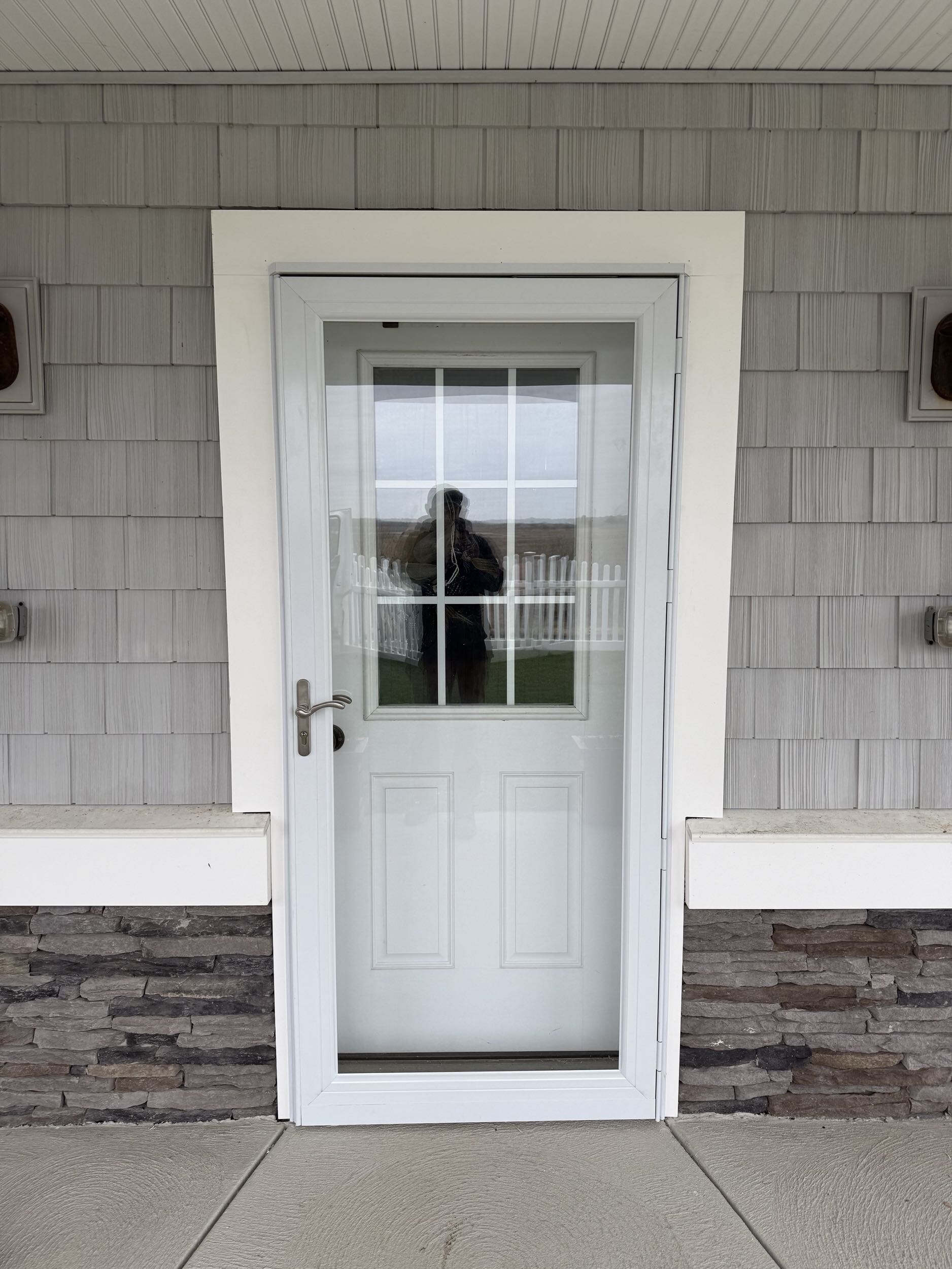
- Entry Doors: Your front door is often a major source of heat loss. Upgrading to a Therma-Tru Entry Door provides an insulated core that performs much better than old wood or hollow metal doors.
Frequently Asked Questions about Window Upgrades
How much do energy efficient windows save on bills?
On average, New Jersey homeowners can see a 13% reduction in their heating and cooling costs when replacing old single-pane windows with ENERGY STAR certified models. In a typical NJ home, this can add up to hundreds of dollars every year.
What is the best window frame for the Jersey Shore?
For coastal environments, we recommend composite materials like Andersen’s Fibrex or high-quality vinyl-clad wood. These materials resist salt spray corrosion and won't rot like traditional wood frames. They also stay dimensionally stable, which prevents air leaks during our extreme temperature swings.
Can I get a tax credit for new windows in 2025?
The federal Energy Efficient Home Improvement Credit ended for projects completed after December 31, 2025, so new window and door purchases no longer qualify. Ask your tax professional about any state or utility incentives still available, and ask us about financing options that spread the cost over time.
Conclusion
Upgrading your home's windows is about more than just a lower utility bill. It's about being able to sit by the window on a snowy January morning without feeling a chill. It's about protecting your home from the harsh salt air of the Jersey Shore and ensuring your investment lasts for decades.
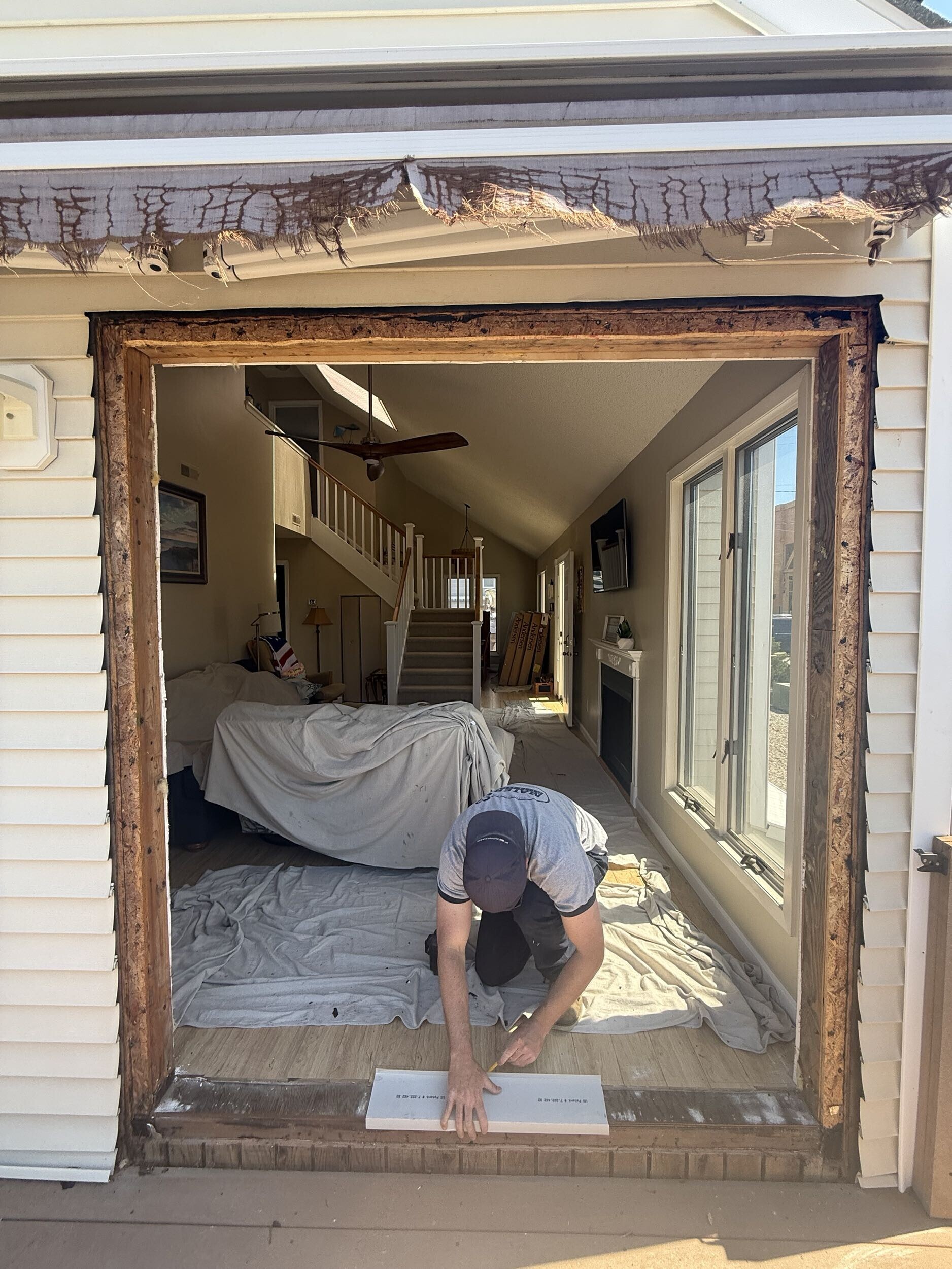
At Matera Builders, our team has brought precision craftsmanship to every project since 1988. We don't just "drop in" windows; we use precision installation techniques to ensure that your energy efficient window upgrades perform exactly as they were designed to. We believe in transparency, trust, and craftsmanship that stands up to the New Jersey elements.
If you are ready to stop wasting energy and start enjoying a more comfortable, beautiful home, we are here to help.
Schedule an Andersen Windows consultation with Matera Builders today and let's discuss the best high-performance options for your home.



.jpg)
.jpg)