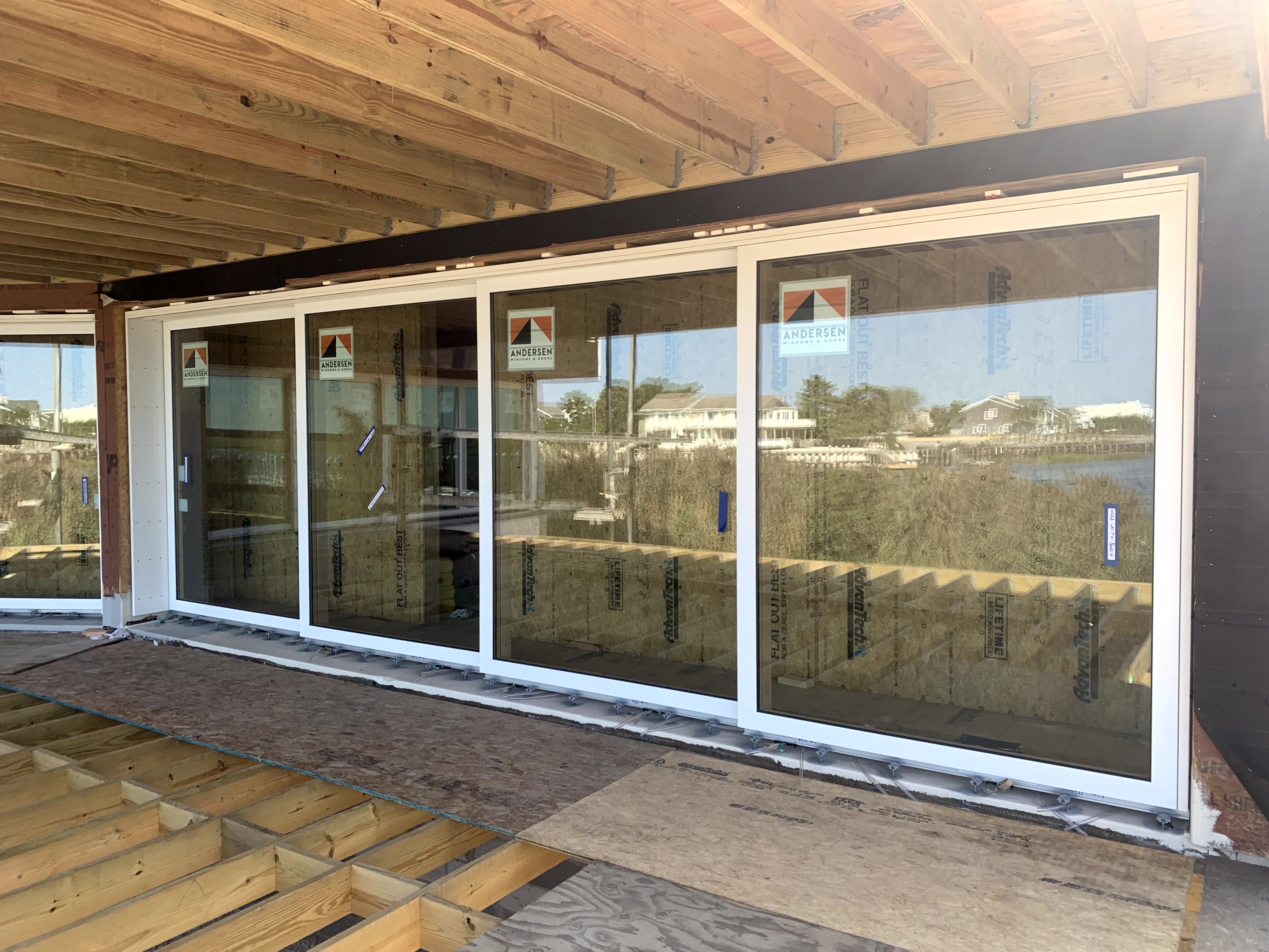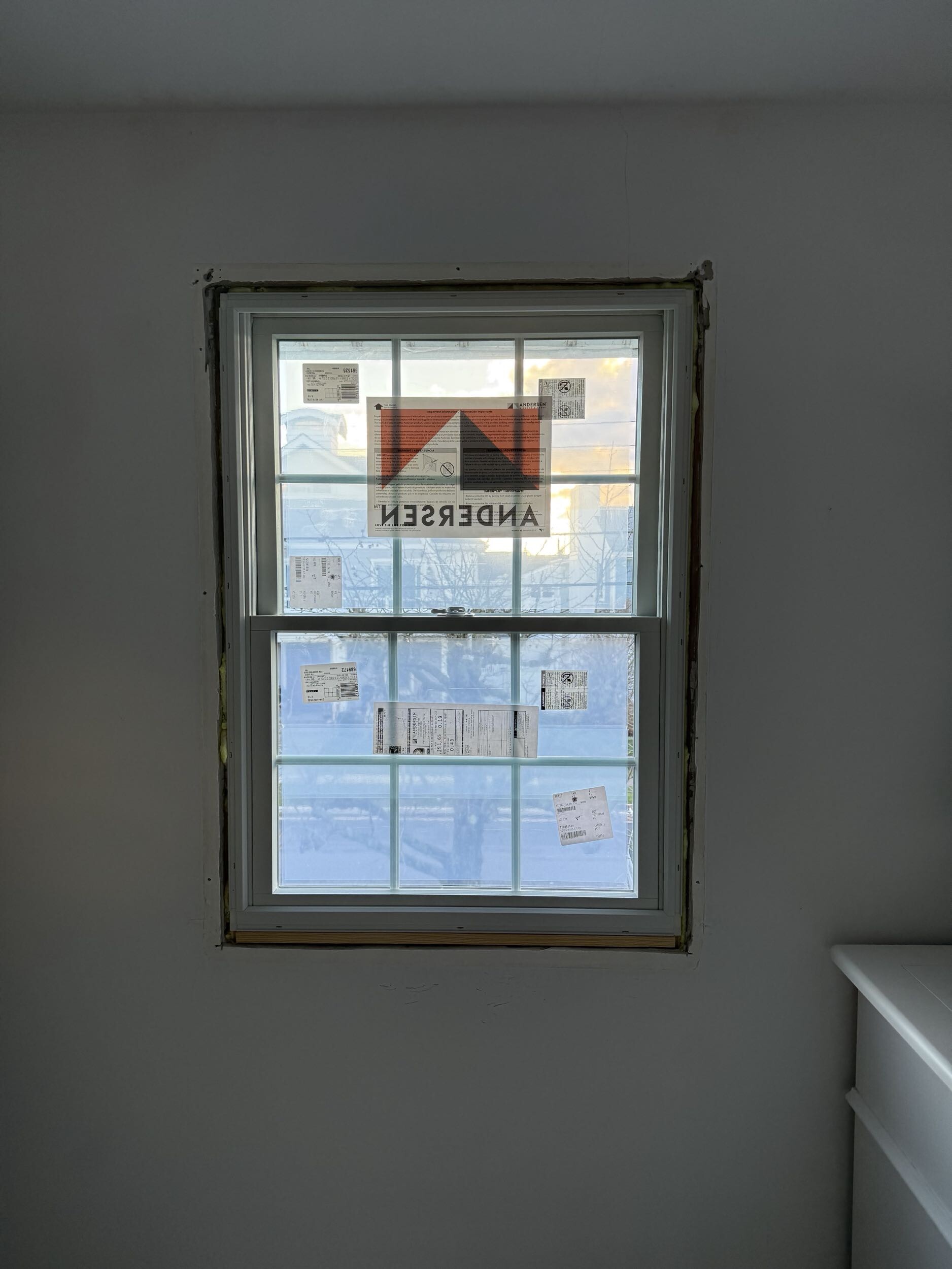



Choosing the Right Method for Fitting New Windows
When you start planning for fitting new windows, the first decision is how much of the old window you are going to remove. There is no "one size fits all" answer. The right choice depends on the condition of your home’s existing frames and your budget.
There are two primary ways to approach this: insert replacement and full-frame replacement.
FeatureInsert (Pocket) ReplacementFull-Frame ReplacementWhat is removed? Only the sashes and hardwareThe entire window, frame, and trimInstallation Time1–2 hours per window4–6 hours per windowImpact on TrimPreserves existing interior/exterior trimRequires new interior/exterior trimBest ForSound frames, quick upgradesRotted frames, changing window sizeEnergy EfficiencyHigh (if frame is sealed)Maximum (seals the entire rough opening)
If you are looking for window replacement services New Jersey, understanding these differences helps you set a realistic budget and timeline.
When to Use Insert Windows
An insert replacement, often called a pocket install, is the most common DIY-friendly method. This involves sliding a new window unit into the existing window frame. We recommend this method only if your current wood frames are structurally sound, level, and square.
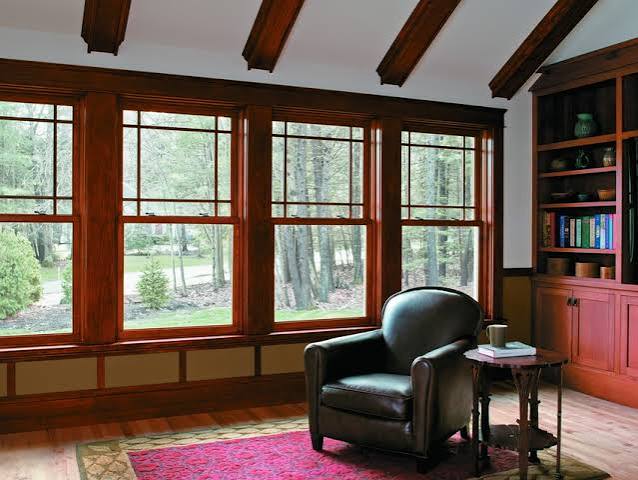
This is a popular choice for a double hung window install because it is less invasive. You don't have to tear up your siding or disturb your interior paint. However, because the new window fits inside the old frame, you will lose a small amount of glass area (about an inch on all sides).
Full-Frame Replacement for Coastal Homes
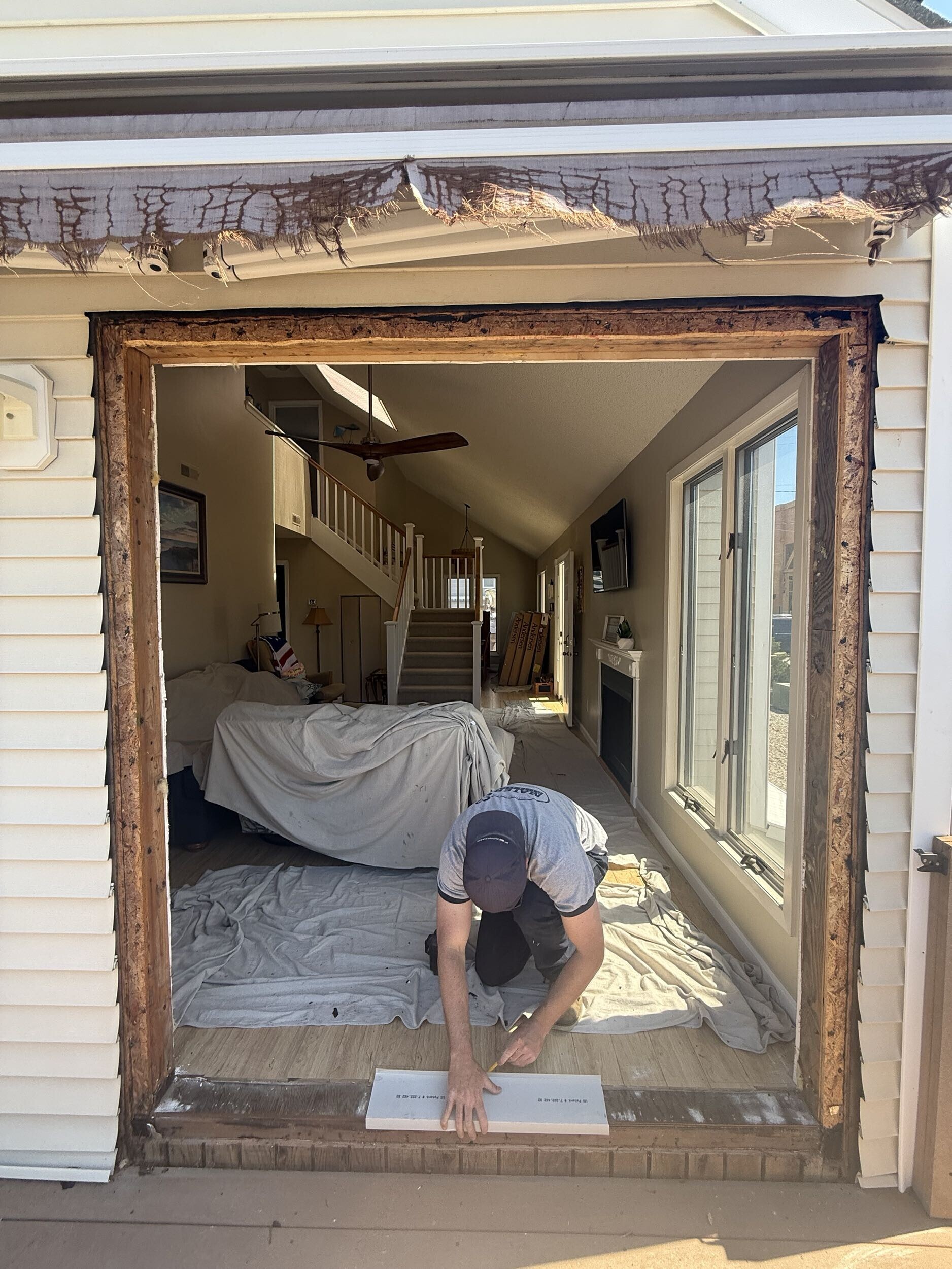
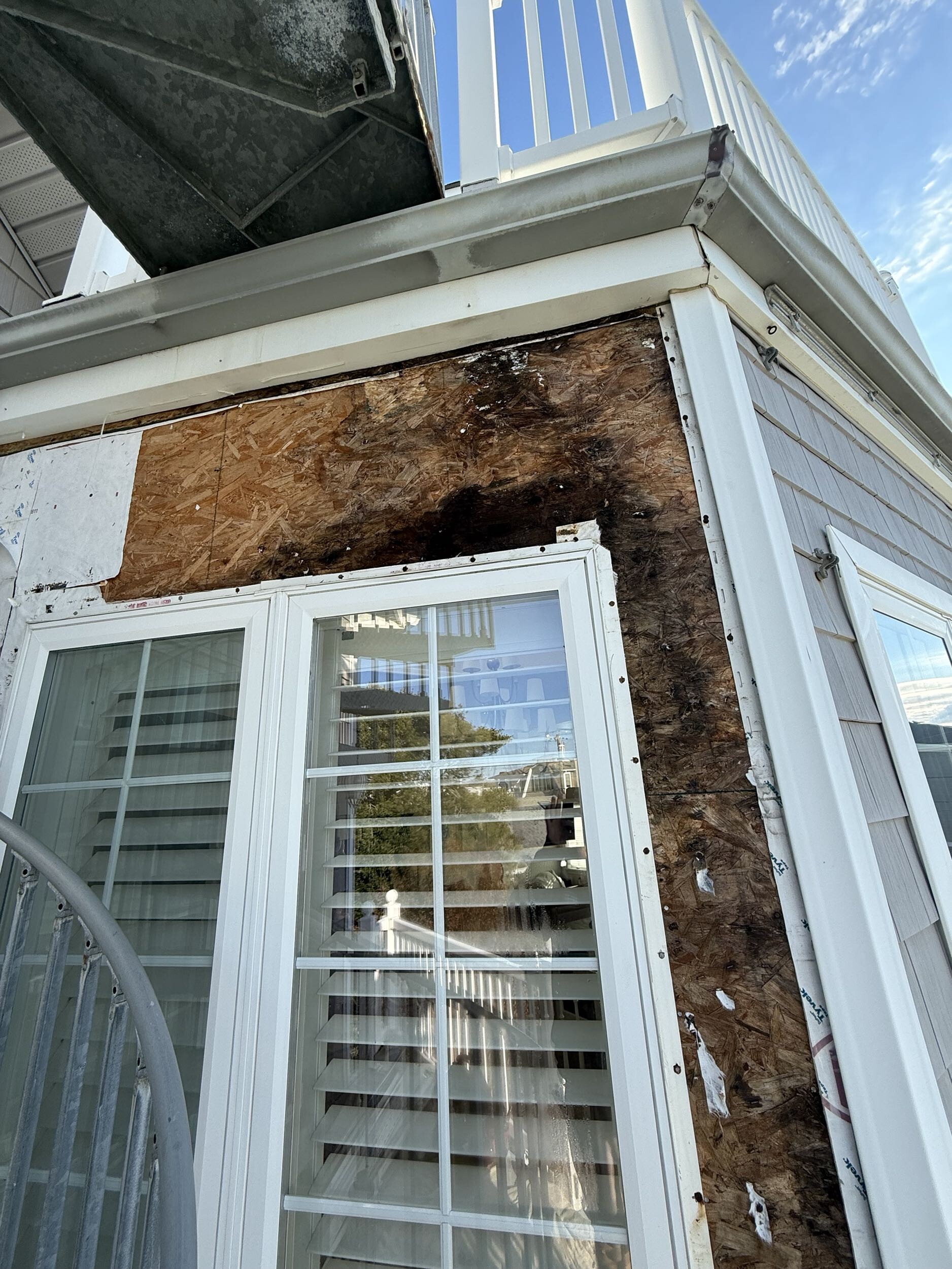
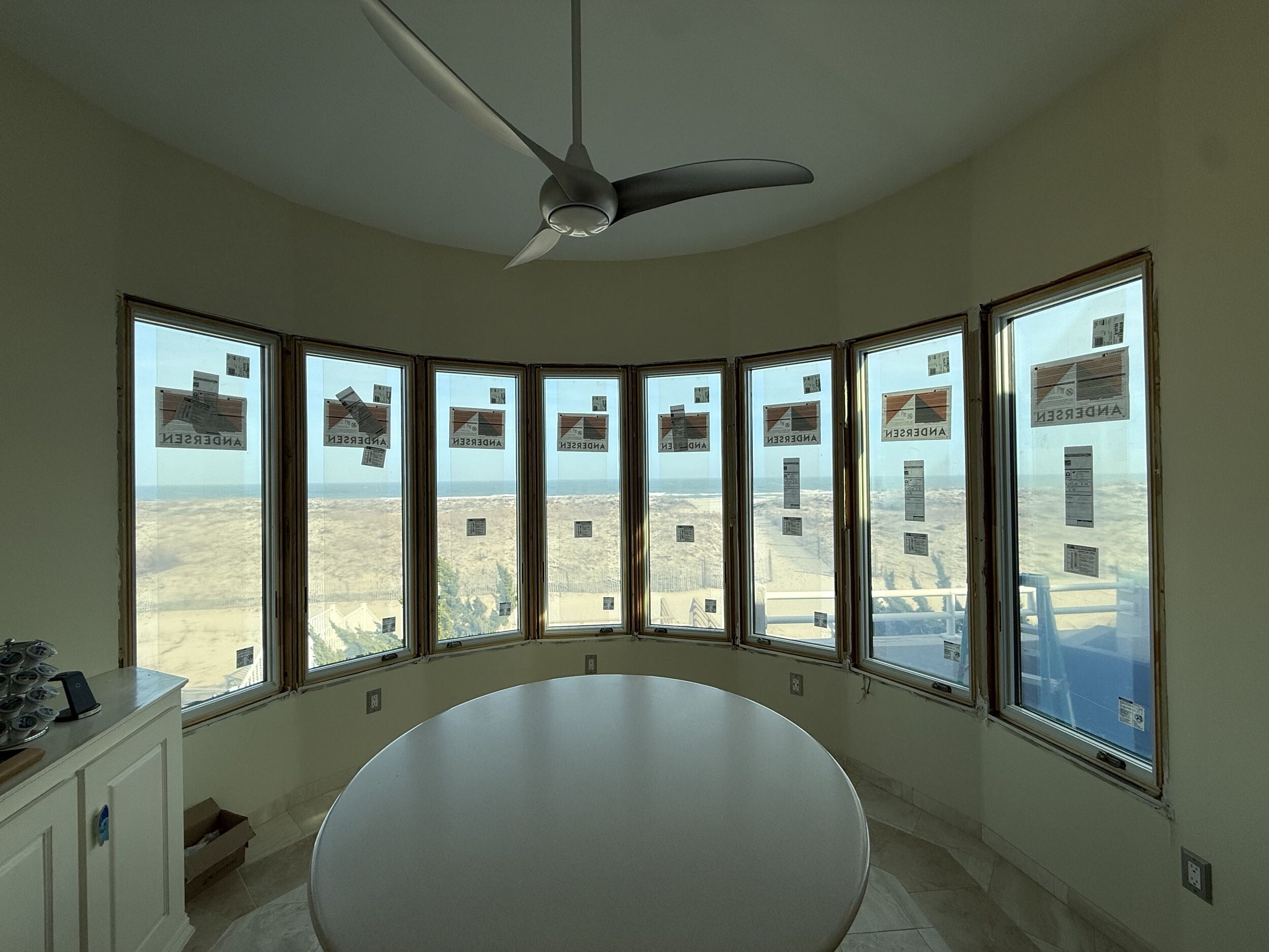
In places like Ocean City or the Jersey Shore, we often deal with rotting wood and water intrusion. If your window frame is soft to the touch or shows signs of mold, an insert window is just a "band-aid" on a bigger problem.
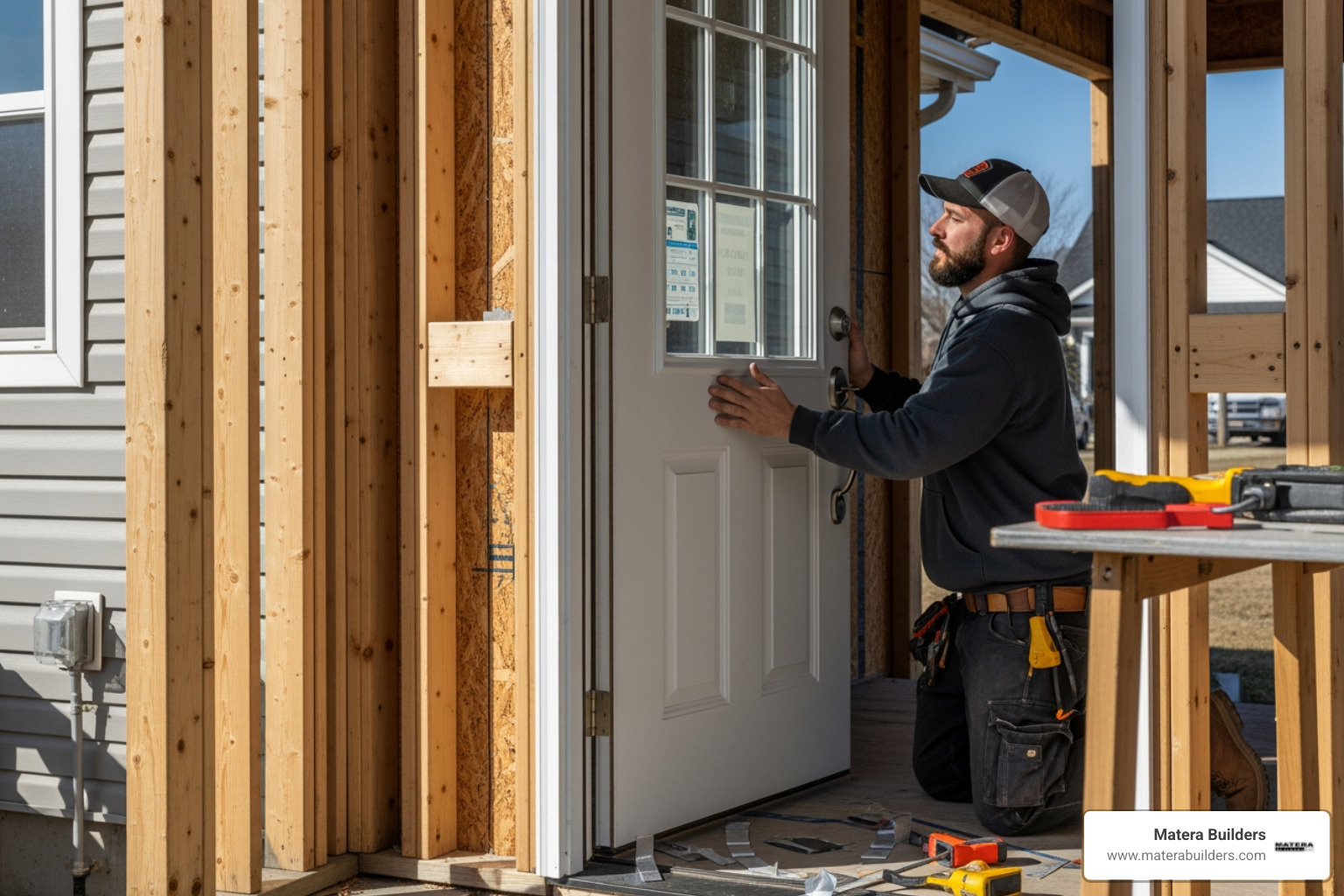
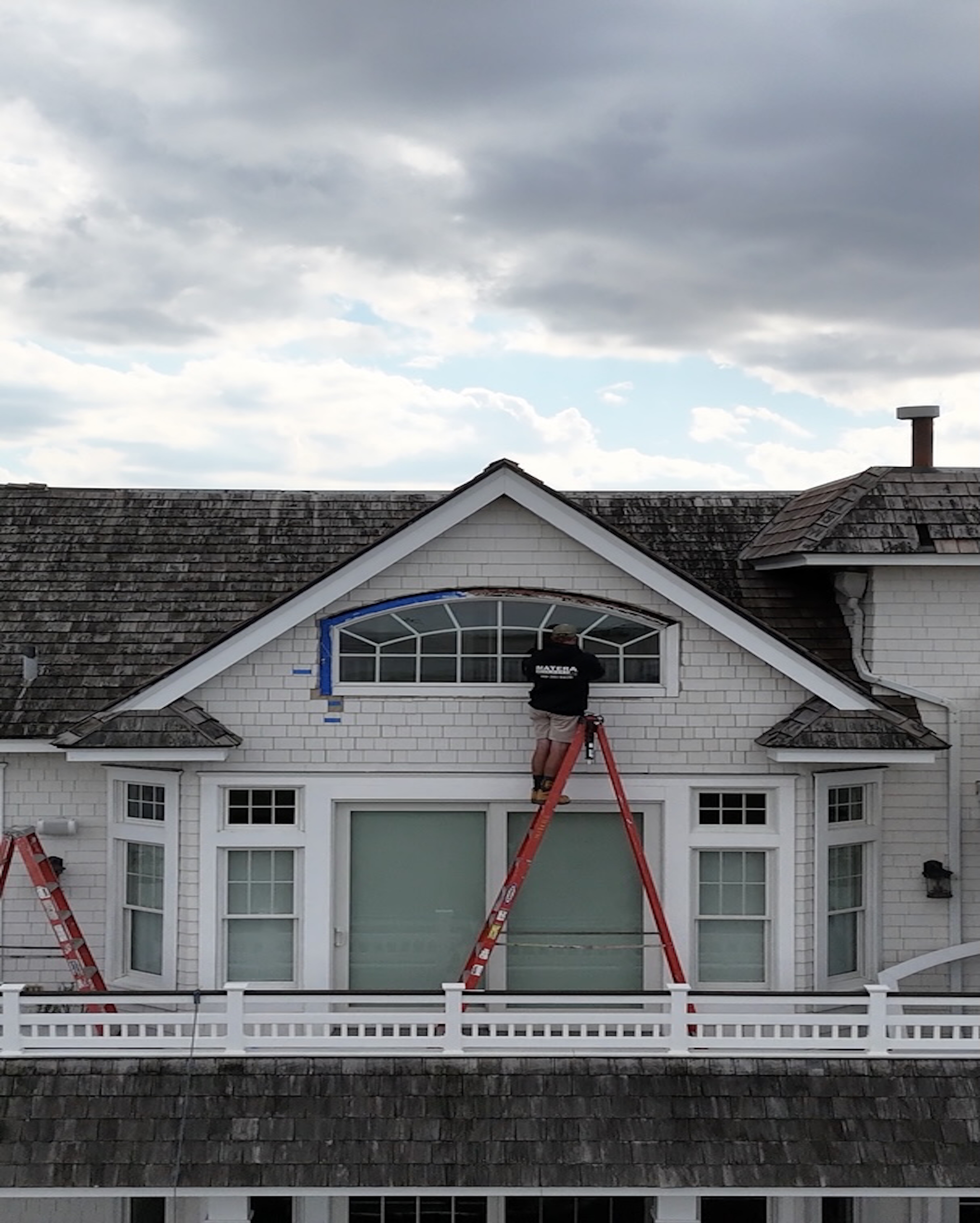
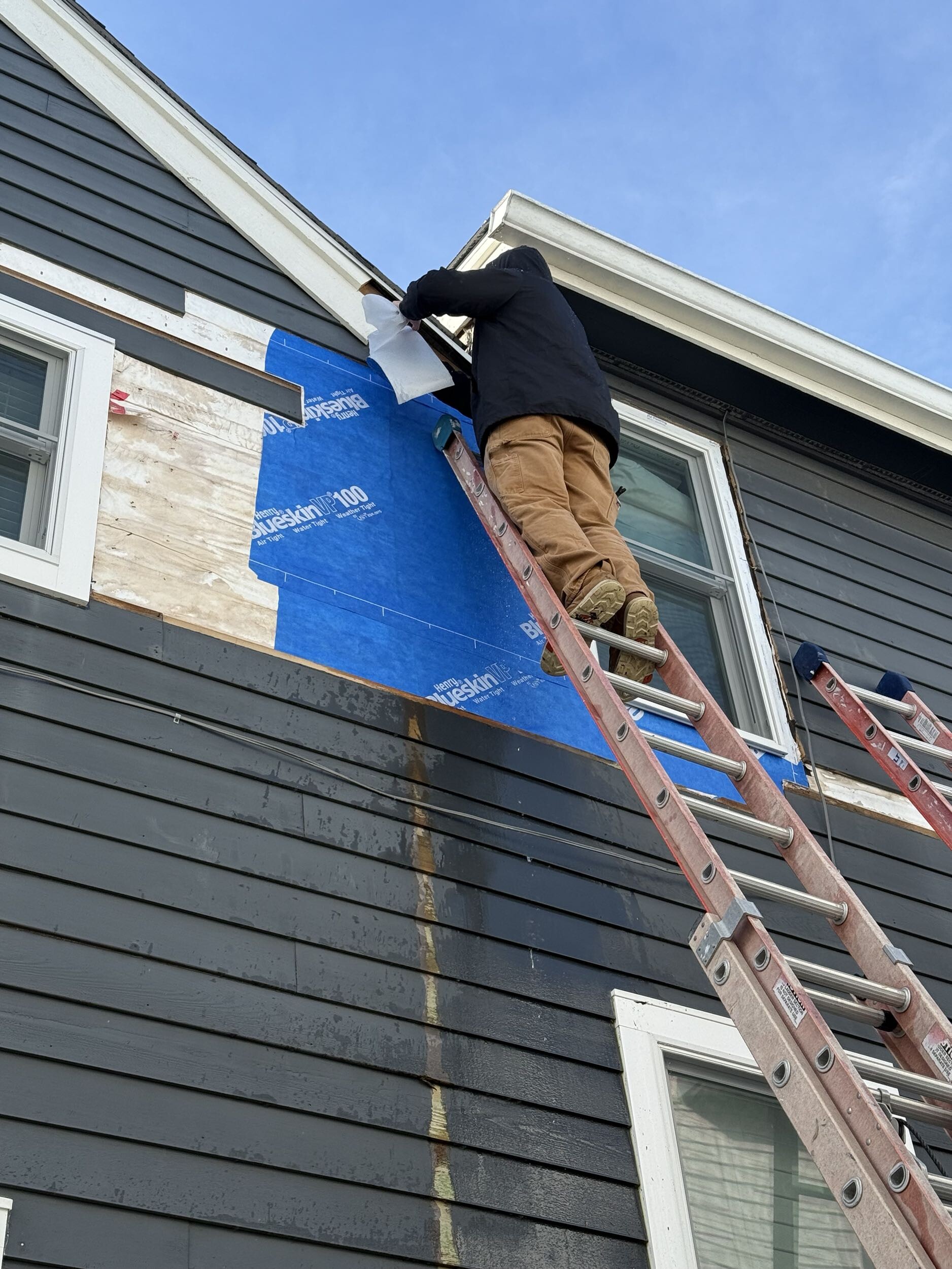
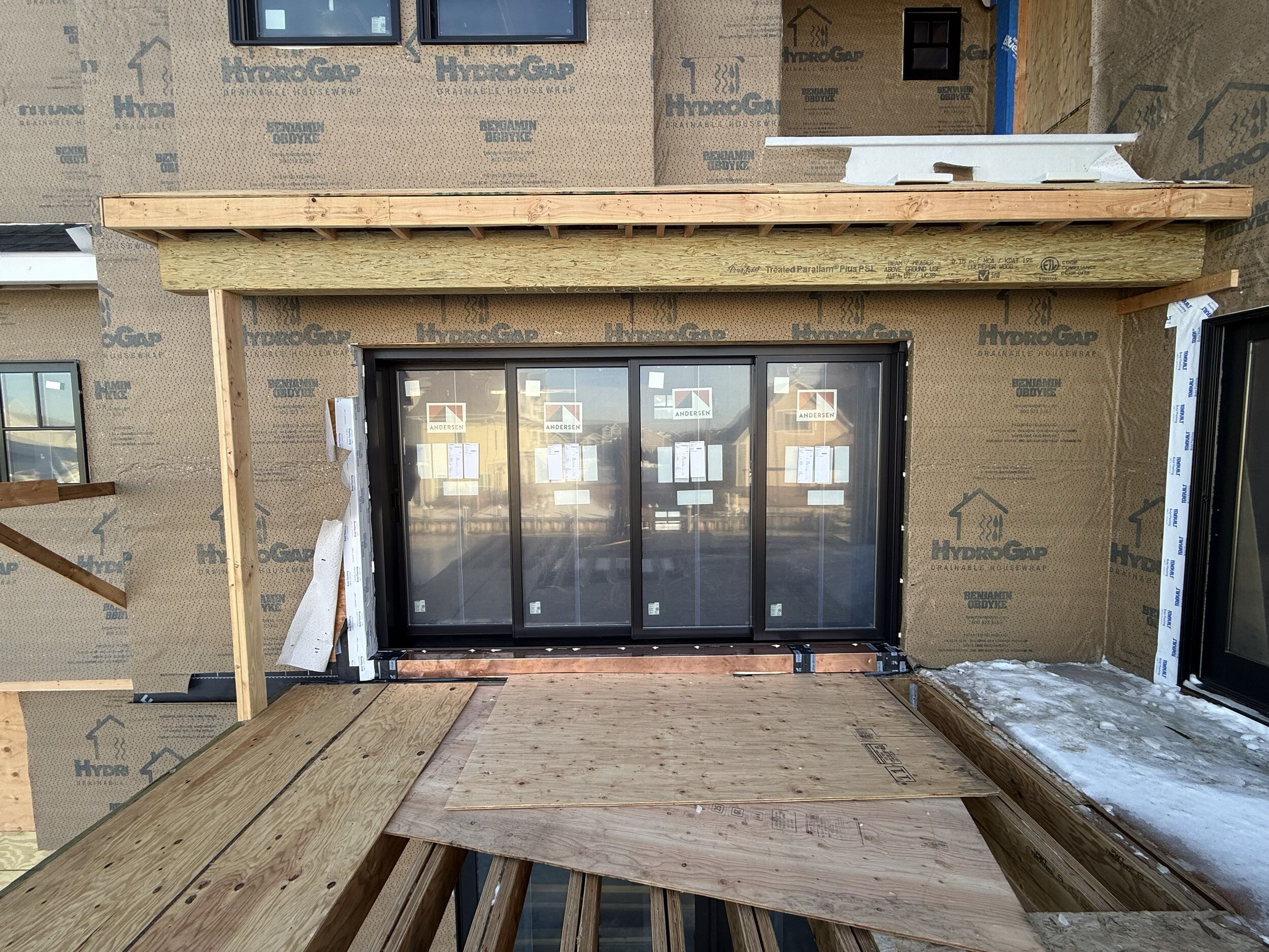
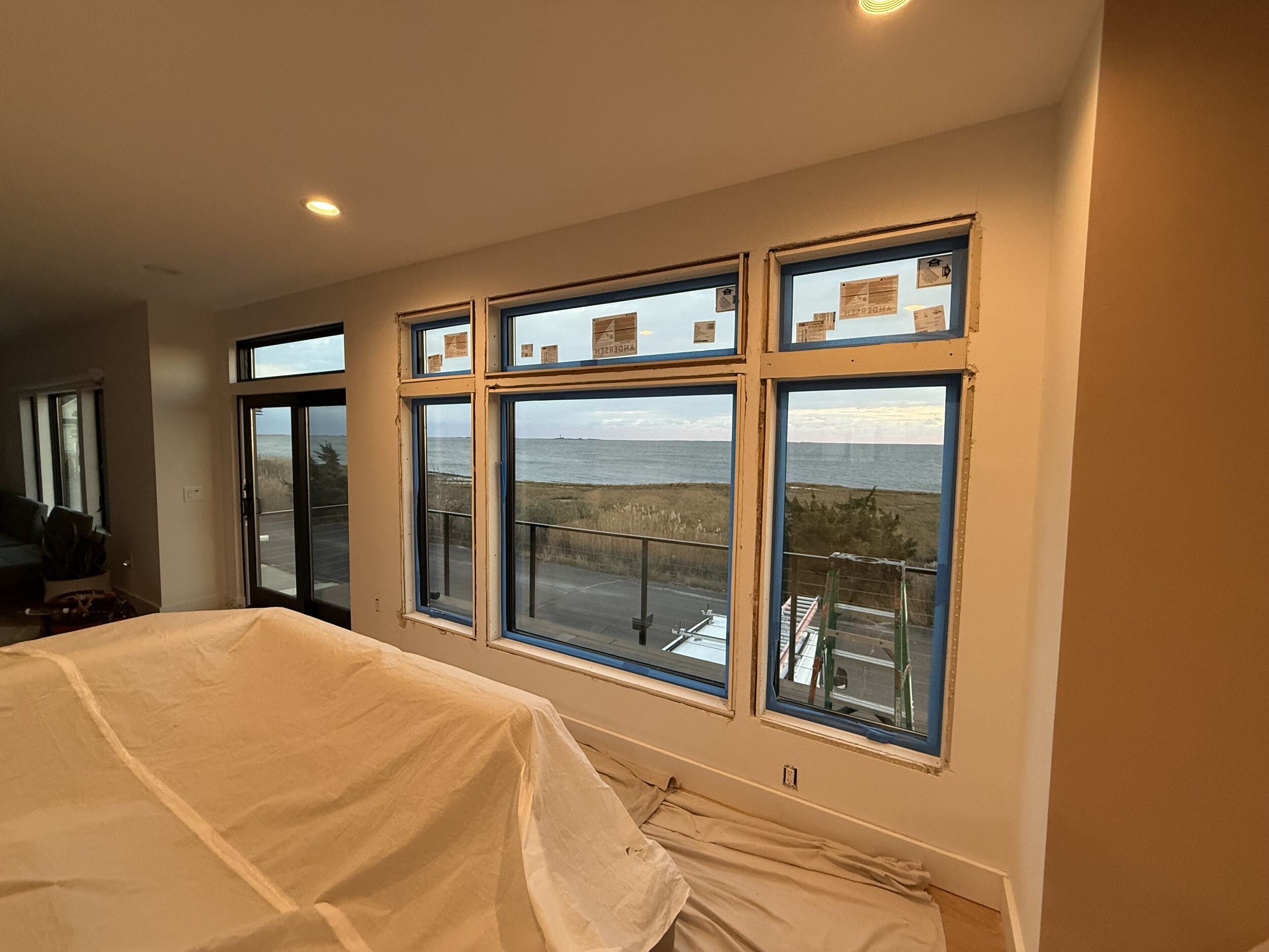
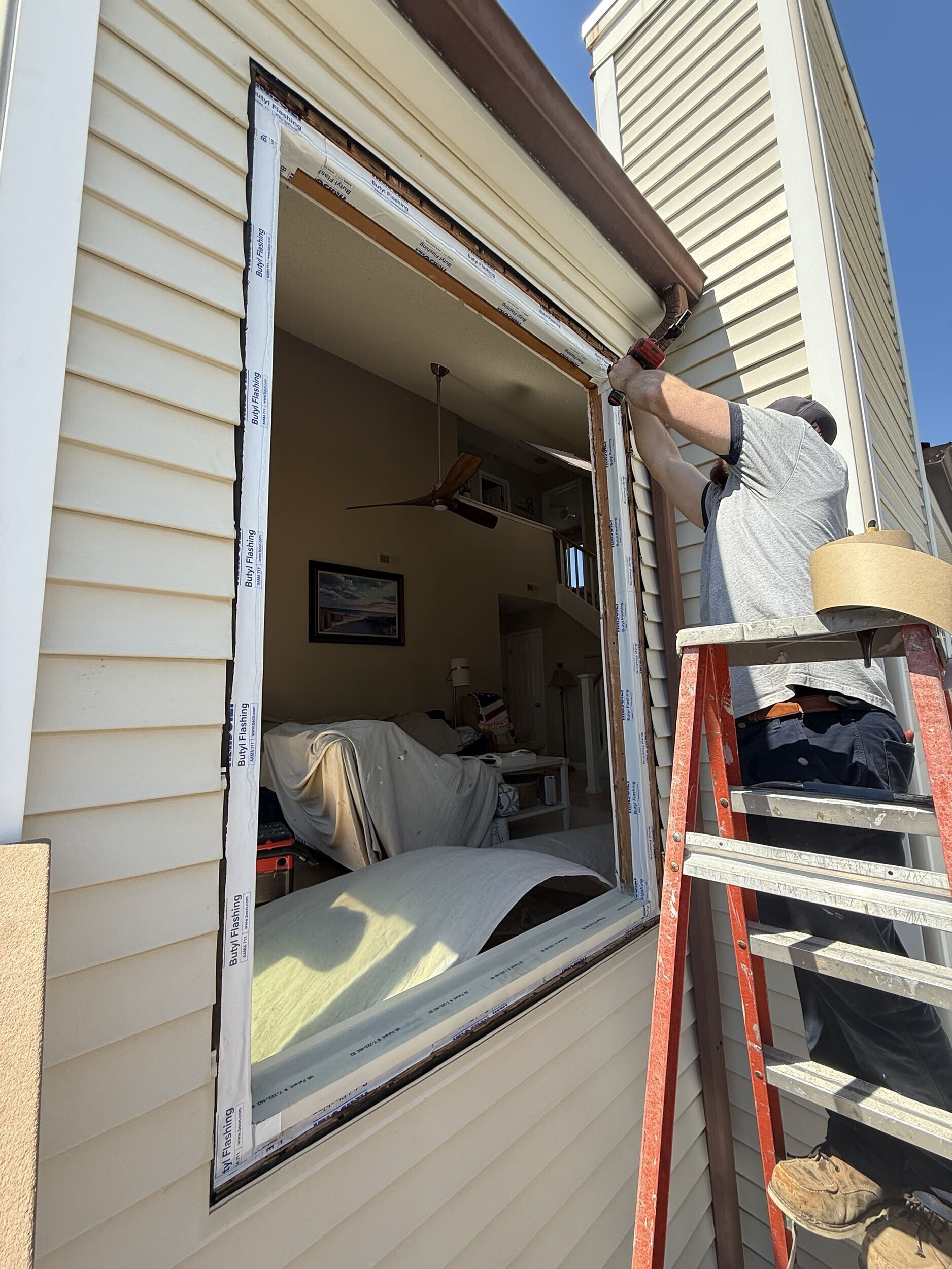
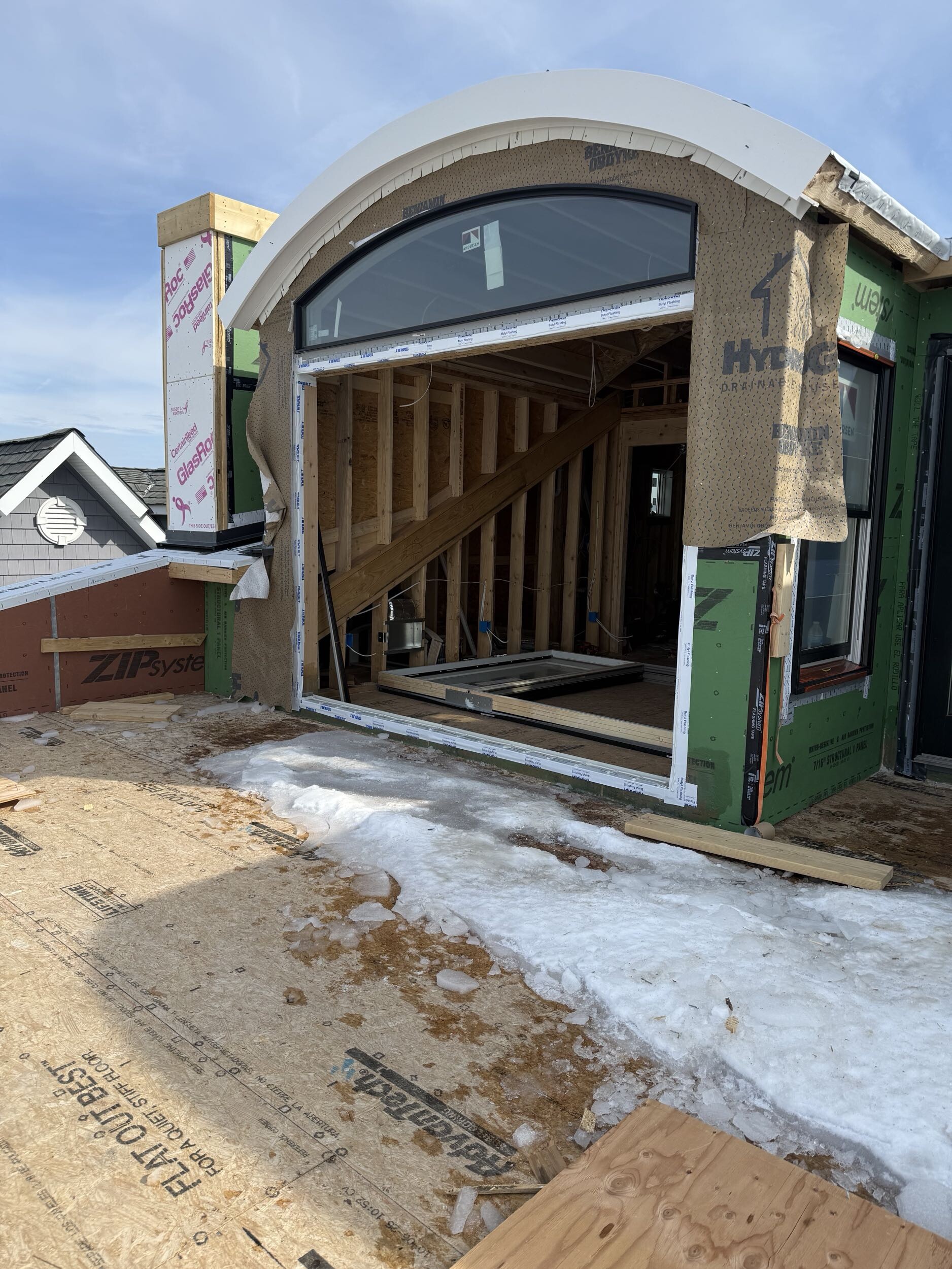
Full-frame replacement involves stripping the opening down to the structural studs. This allows us to inspect for hidden water damage and apply modern flashing membranes directly to the house wrap. While it is more work, installing a new construction window in an existing home is the only way to guarantee a 100% watertight seal against coastal storms.
Preparing and Measuring for a Perfect Fit
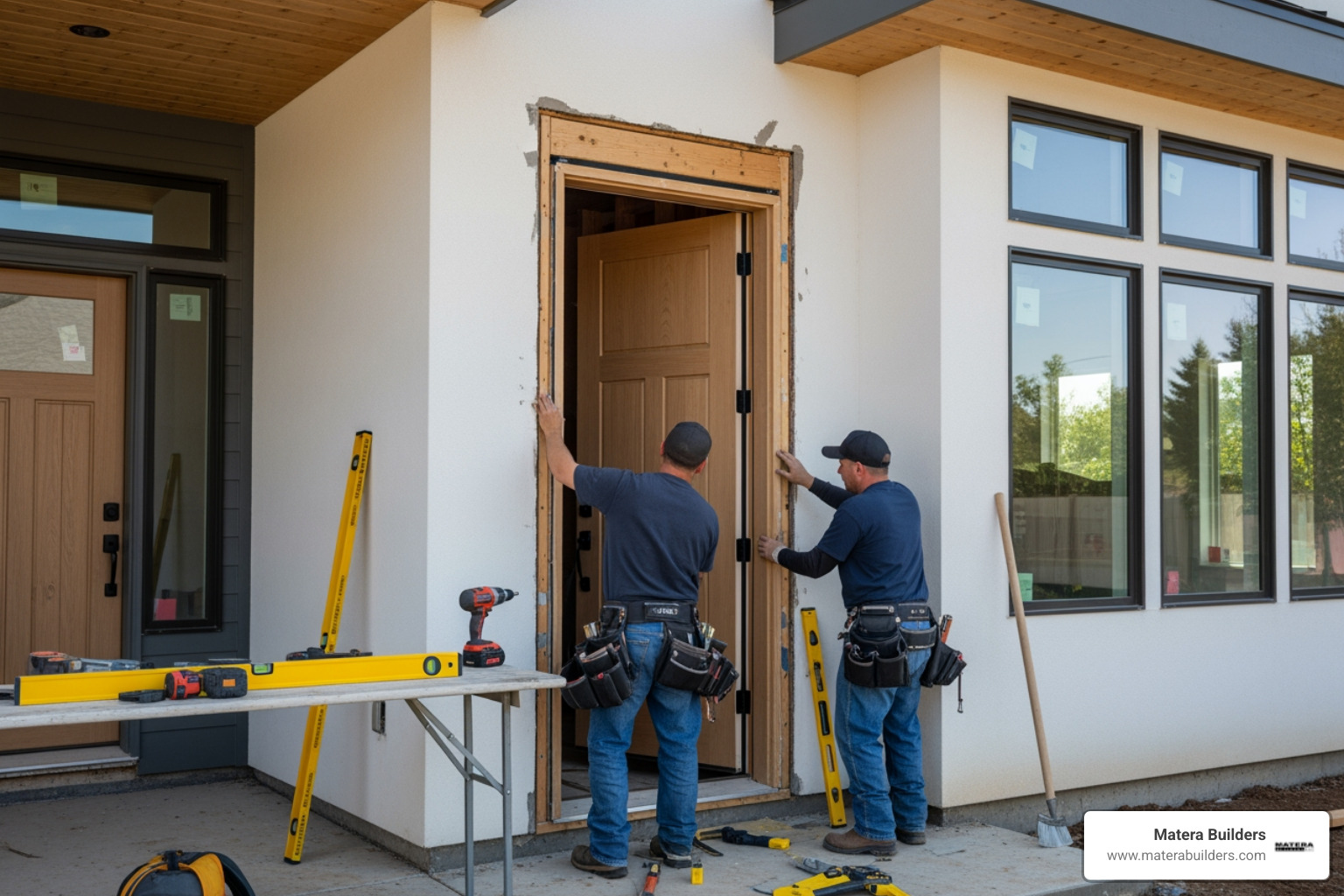
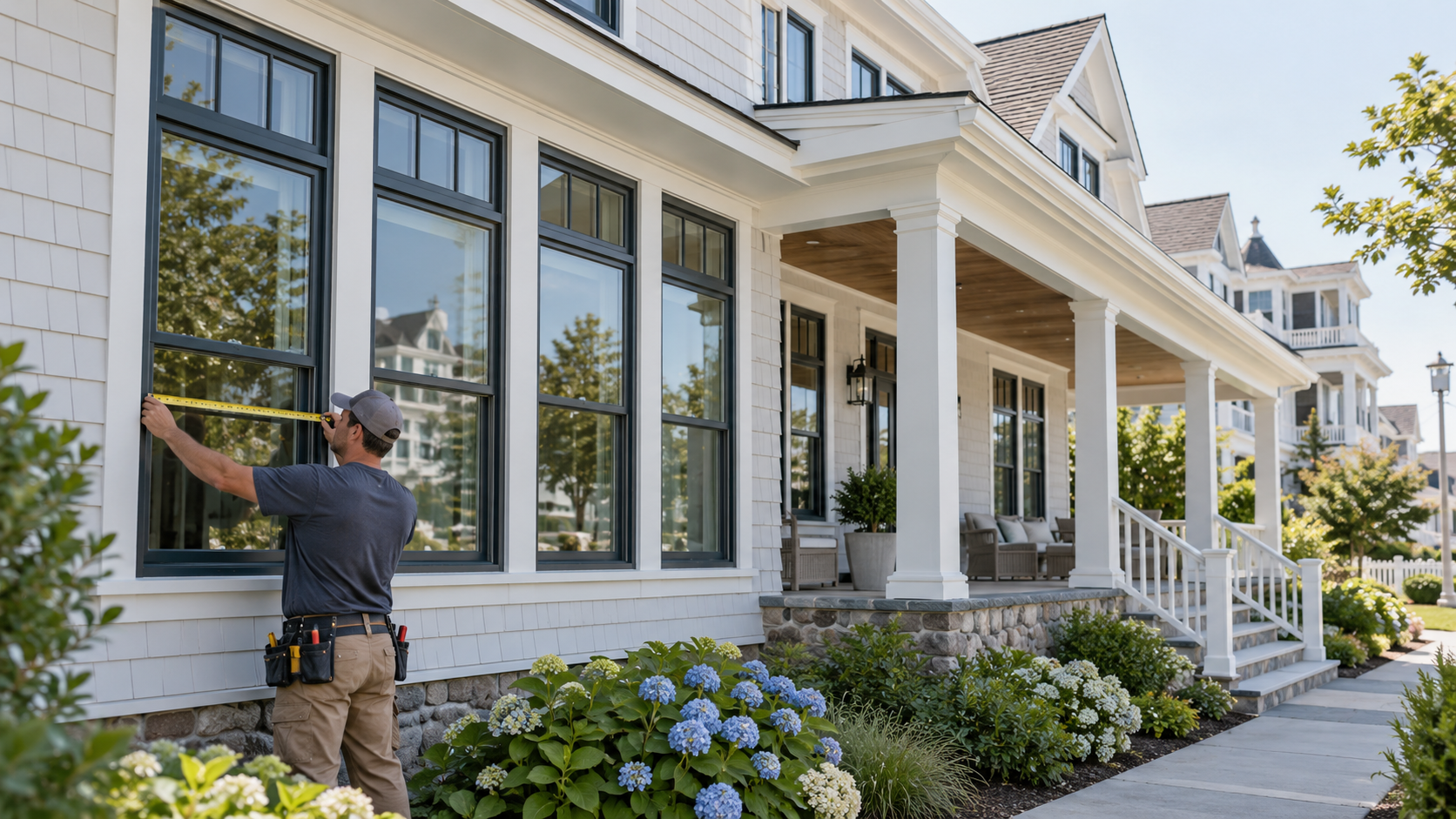
Precision is the most important part of fitting new windows. If your measurements are off by even a quarter-inch, the window might not fit, or worse, it might sit crooked and leak air.

To get an accurate measurement:
- Measure the Width: Measure the distance between the side jambs at the top, middle, and bottom. Record the smallest of the three numbers.
- Measure the Height: Measure from the high point of the sill to the top jamb at the left, center, and right. Again, use the smallest number.
- Check for Square: Measure the window diagonally from corner to corner. If the two diagonal numbers differ by more than 1/4 inch, the opening is out of square.
According to a guide on how to install replacement windows in 15 steps | Angi, you should always order the window based on the smallest dimensions to ensure it can be properly shimmed and leveled.
Essential Tools for Fitting New Windows
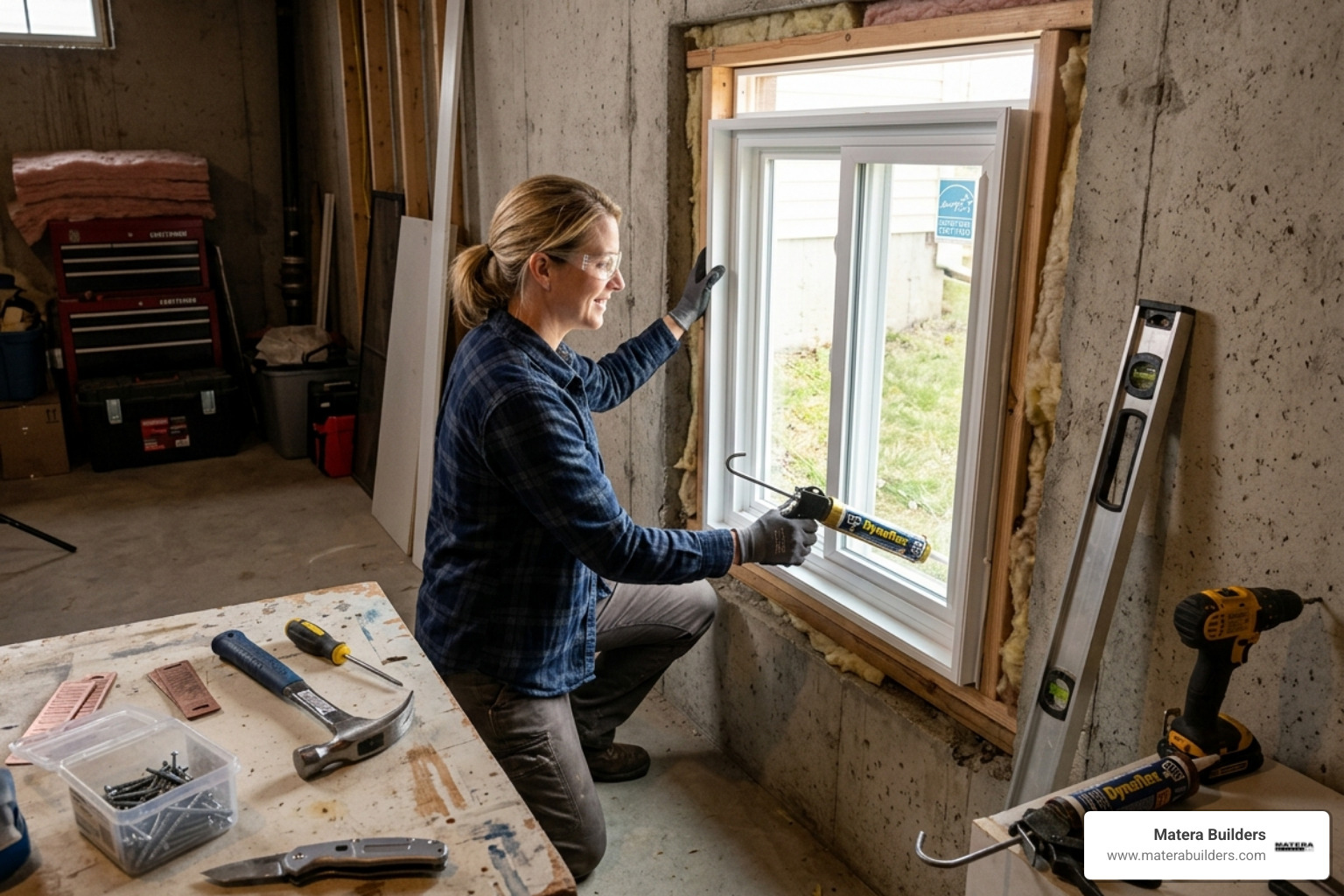
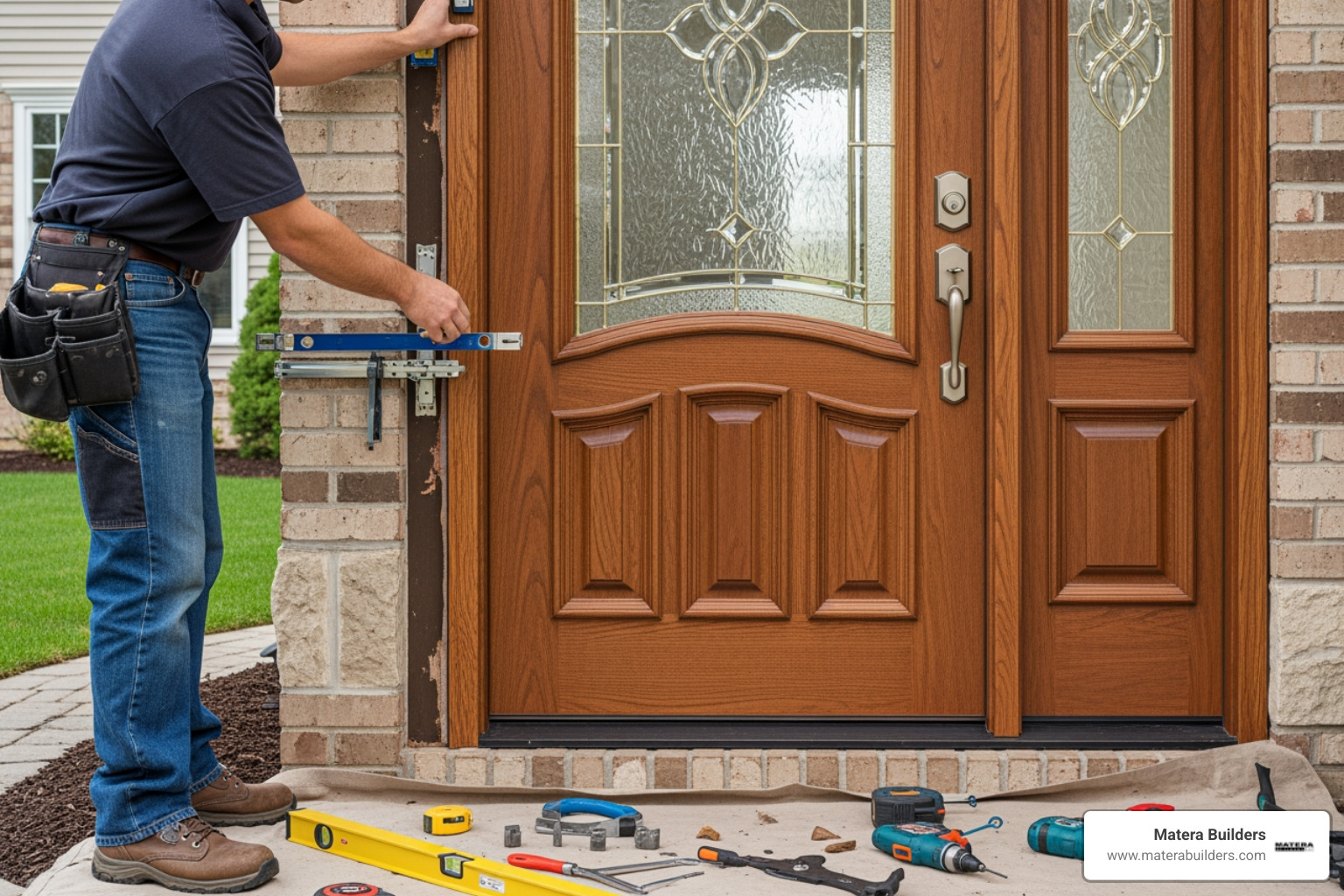
You cannot do this job with just a hammer and a screwdriver. To do it like a pro, you need a specific kit. The cost of putting in new windows includes these essential supplies:
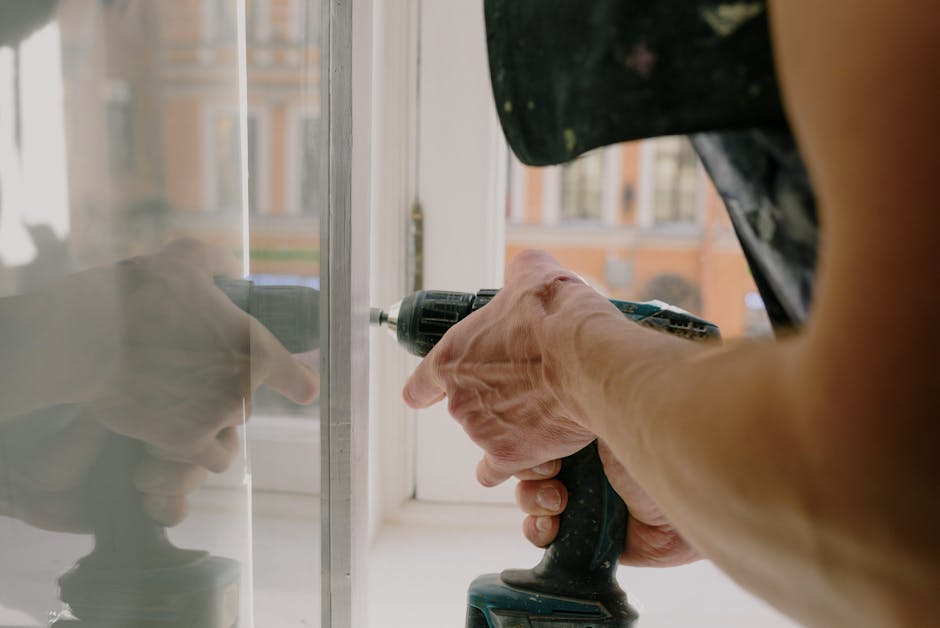
- Power Drill: For securing the window to the house frame.
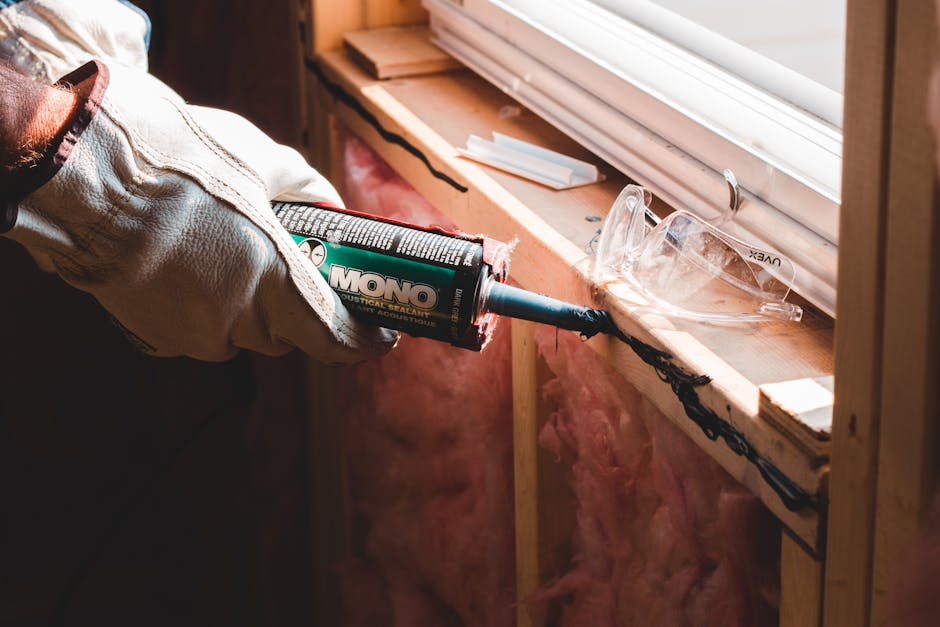
- Caulk Gun: To apply high-quality sealant (we prefer butyl or 100% silicone).
- Level: A 2-foot or 4-foot level to ensure the window isn't leaning.
- Wood Shims: Thin wedges used to "float" the window in the opening so it is perfectly straight.
- Flashing Tape: A sticky membrane that prevents water from seeping under the sill.
- Low-Expansion Foam: Specifically labeled for "Windows and Doors" so it doesn't bow the frame as it cures.
Safety and Lead Paint Precautions
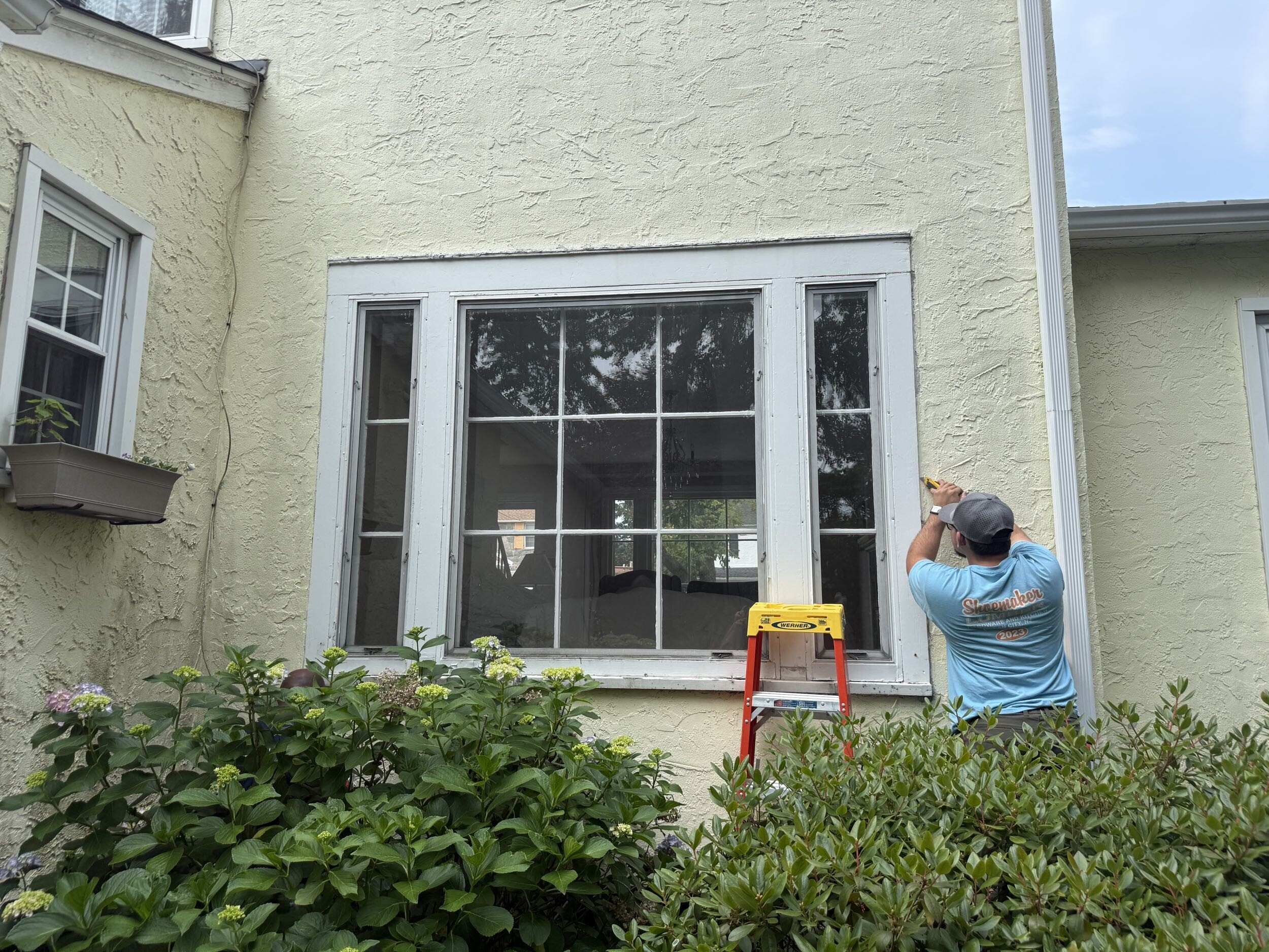
If your home was built before 1978, there is a high chance it contains lead-based paint. Sanding or prying at old window sills can release toxic lead dust into your home.
Under the EPA’s RRP (Renovation, Repair, and Painting) rule, professionals must follow specific containment steps. If you are doing this yourself, wear a P100 respirator and use plastic sheeting to catch all debris. As noted in installing replacement windows - fine homebuilding, proper disposal of old sashes is just as important as the installation itself.
Step-by-Step Guide to Installation
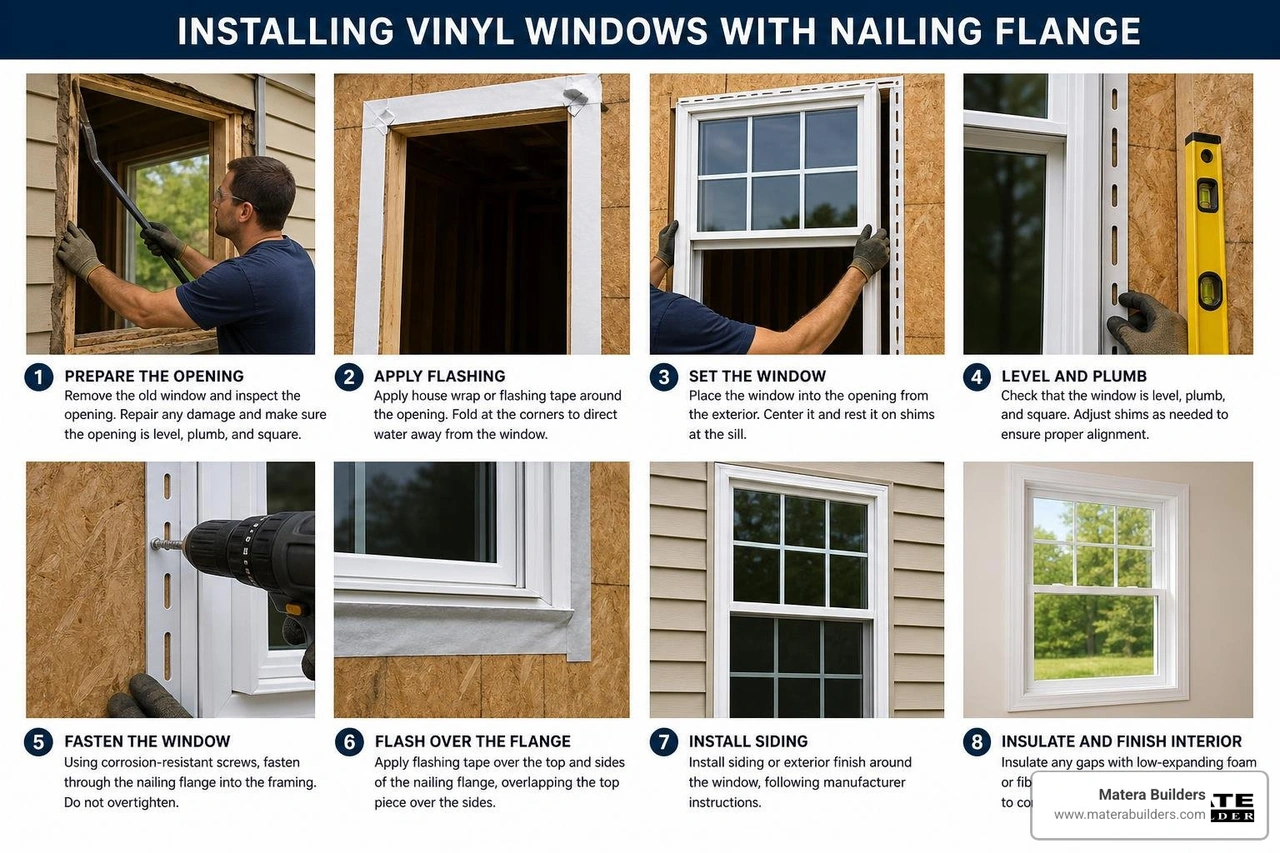
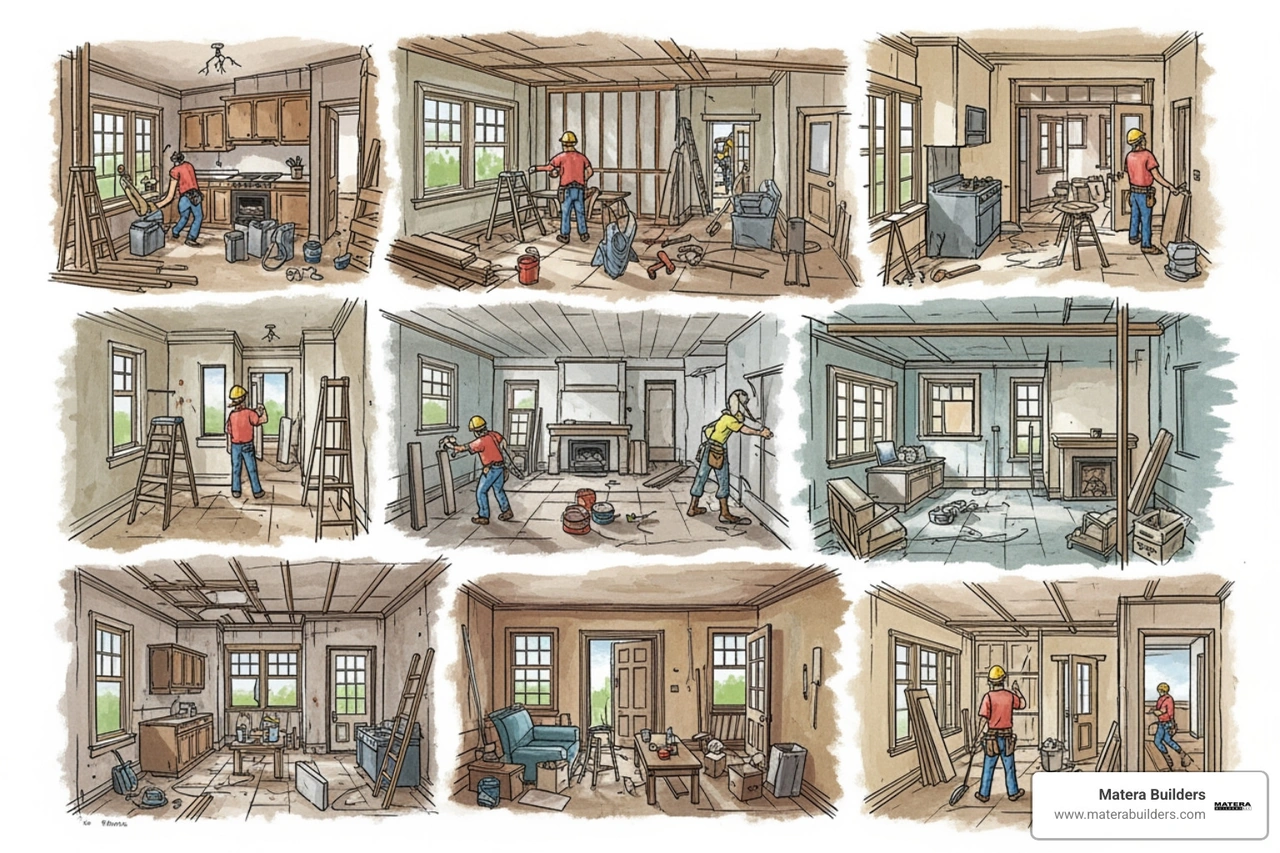
Once your new double glazed window arrives, it is time for the heavy lifting. Start by removing the old window sashes. If you have old-fashioned sash weights (the heavy metal logs inside the wall), cut the cords and let the weights drop, or better yet, remove the side panels and pull them out so you can fill that empty "weight pocket" with insulation.
Setting and Securing the Unit
Before you apply any glue or caulk, do a "dry-fit." Lift the window into the opening to make sure it fits with about a 1/8-inch to 1/4-inch gap around the edges.
Once you know it fits:
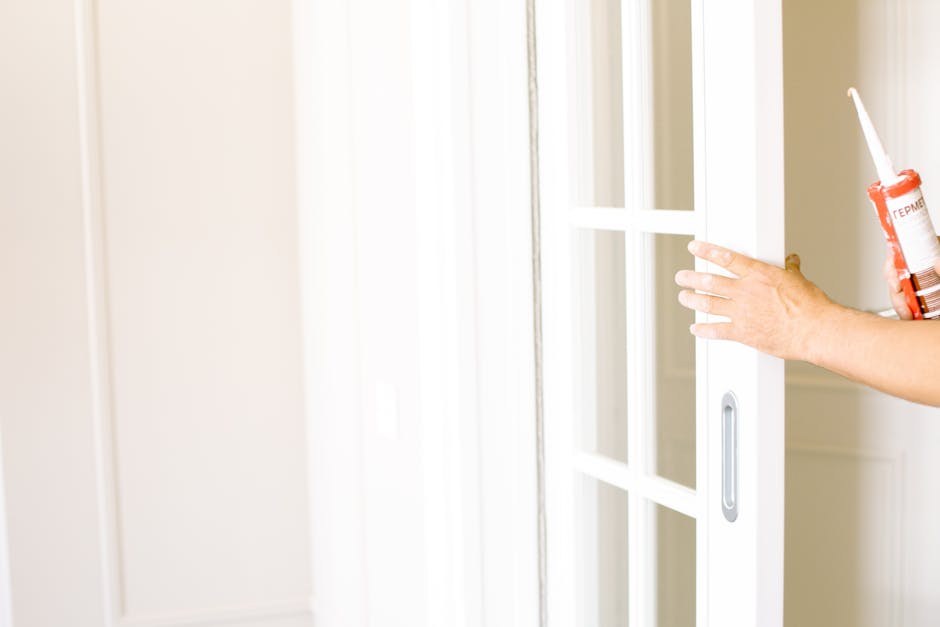
- Apply Caulk: Run a thick bead of caulk along the interior window stops.
- Set the Window: Place the bottom of the window on the sill first, then tilt the top into place.
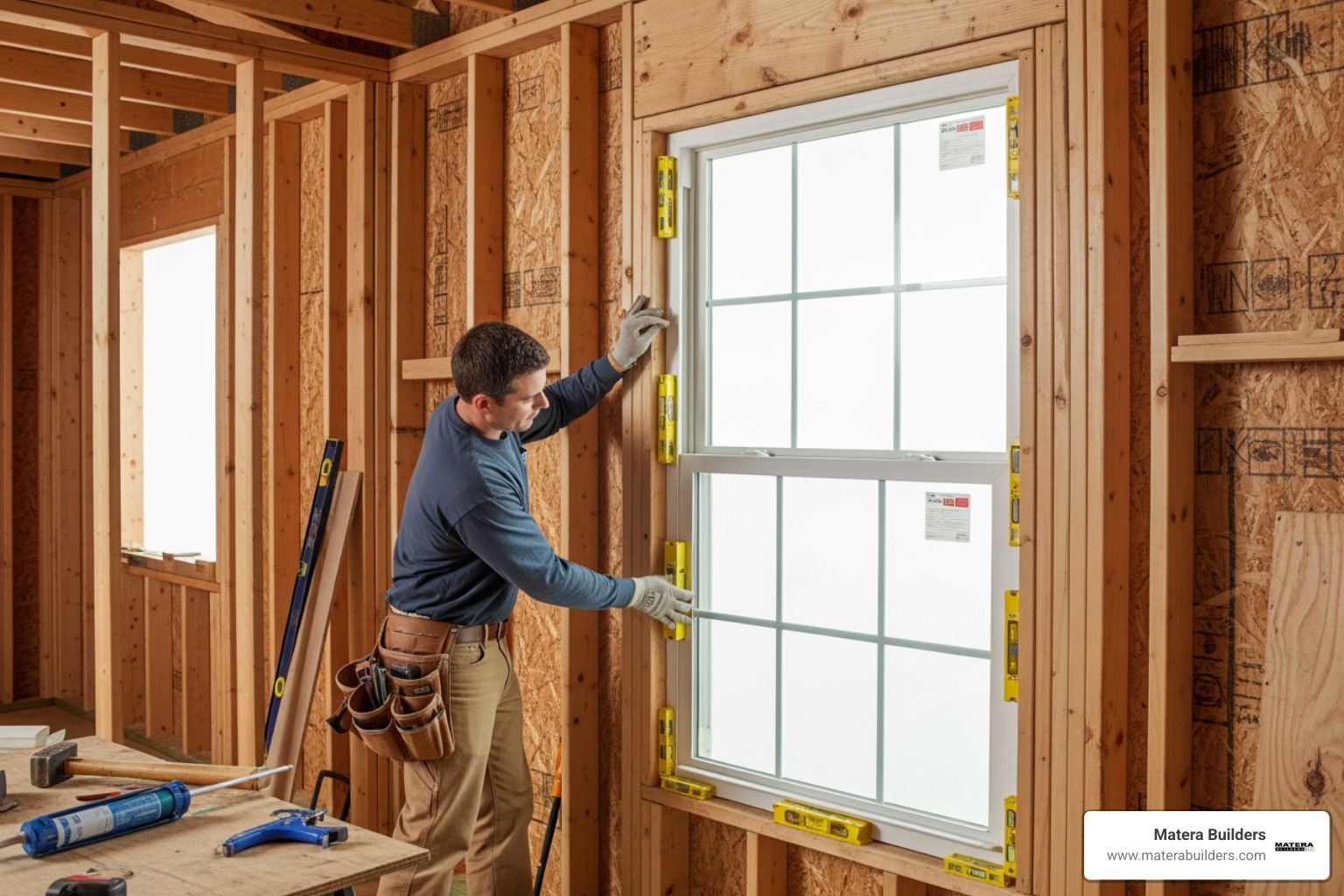
- Shim It: Slide wood shims between the window frame and the house framing. Place them near the screw holes.
- Check for Plumb, Level, and Square: Use your level to make sure the window isn't tilted forward or sideways. Measure the diagonals of the new window to ensure it hasn't been twisted during the process.
Most new window contractors will tell you that shimming is where the magic happens. It ensures the sashes slide smoothly and the locks line up perfectly.
Sealing for Energy Efficiency
Now that the window is screwed in, you need to stop the air from moving around it.
Use low-expansion spray foam in the gap between the window and the wall. Do not overfill it! If you put too much foam in, the pressure can actually bend the vinyl or wood frame, making the window impossible to open. On the outside, apply a clean bead of caulk where the window meets the exterior trim.
For the best results with energy efficient windows nj, use a "backer rod" (a foam rope) in large gaps before caulking. This gives the caulk a solid surface to stick to and prevents it from cracking over time.
Maximizing Performance and Home Value
Fitting new windows isn't just about looks. It's about ROI. High-performance windows can cut your heating and cooling costs by up to 25%. When shopping, look for the NFRC label.
Two numbers matter most:
- U-Factor: This tells you how well the window keeps heat inside. For New Jersey, you want a low U-factor (usually 0.30 or lower).
- SHGC (Solar Heat Gain Coefficient): This tells you how much heat from the sun gets through the glass. In our climate, a moderate SHGC helps warm the house in winter but keeps it cool in summer.
Investing in energy efficient window upgrades adds significant value to your home. According to how to install a replacement window - this old house, using quality materials like Andersen’s Fibrex can provide the strength of wood with the low maintenance of vinyl, which is a huge selling point in coastal markets.
Common Mistakes when Fitting New Windows
Even experienced DIYers make mistakes that can void a warranty.
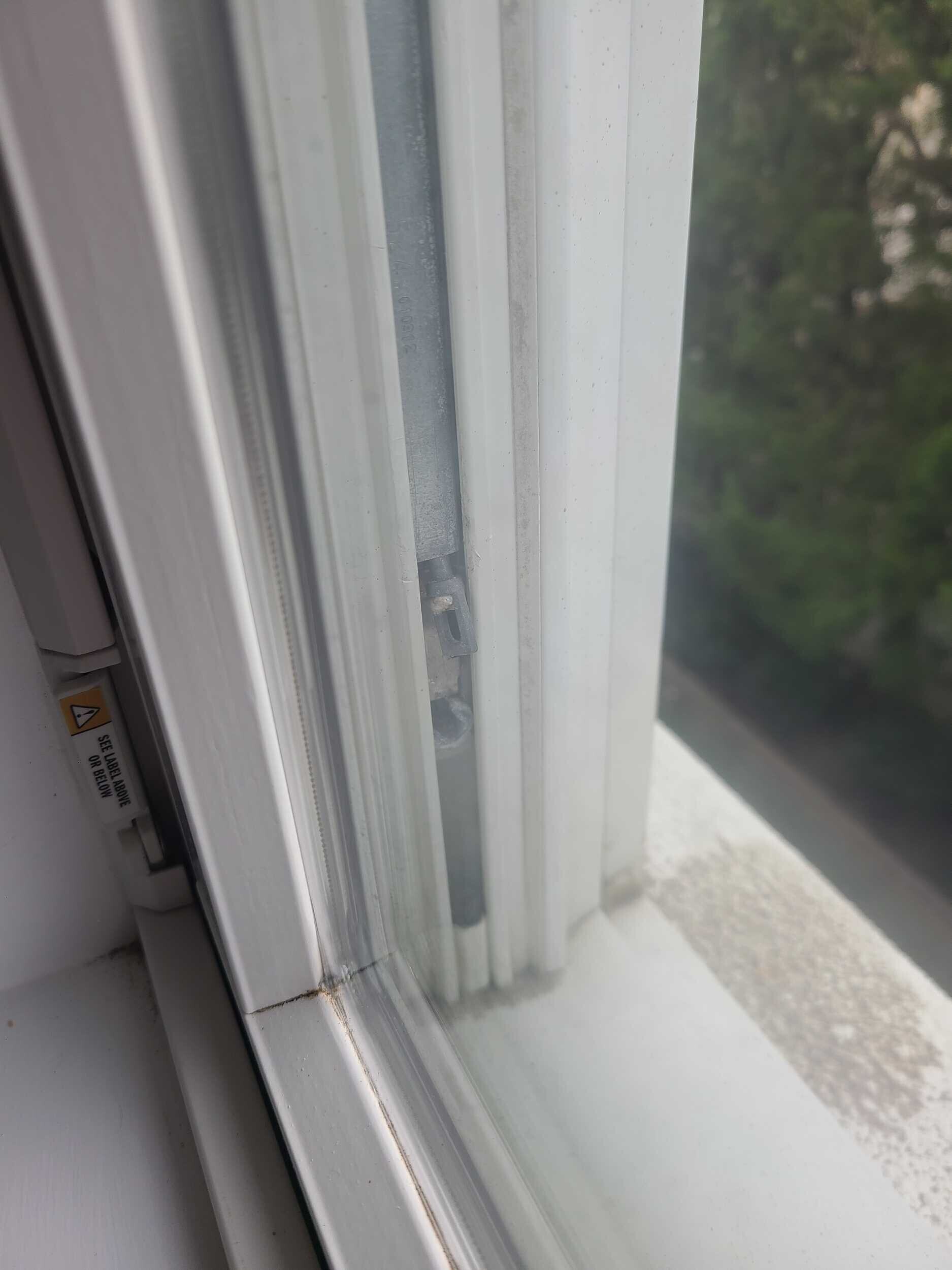
- Blocking Weep Holes: Most windows have small holes at the bottom to let water drain out. If you caulk over these, water will trap inside the frame and rot your walls.
- Over-Foaming: As mentioned, too much foam can warp the frame.
- Improper Flashing: Water flows downhill. Your flashing tape should always overlap like shingles on a roof so water stays on the outside.
The average cost of window replacement per window can skyrocket if you have to pay a pro to come back and fix a leaky DIY job.
Long-Term Maintenance and Care
Once your windows are in, they need a little love twice a year.
- Inspect the Caulk: Look for cracks or peeling. In the salt air of the Jersey Shore, caulk can dry out faster than inland.
- Lubricate Hardware: Use a dry silicone spray on the tracks and rollers. Avoid oil-based lubricants like WD-40, which attract dirt and salt.
- Clean the Tracks: Vacuum out sand and debris so the weep holes stay clear.
Checking the cost to put in a new window should also include the time you'll spend on these simple maintenance tasks to protect your investment.
Frequently Asked Questions about Fitting New Windows
Can I fit windows myself or should I hire a pro?
If you are handy and have a helper, an insert replacement is a manageable weekend project. However, if you have a multi-story home, rotted frames, or are dealing with lead paint, hiring a professional is much safer. A pro also ensures the manufacturer's warranty remains valid.
How long does it take to fit a new window?
A standard insert window takes about 1 to 2 hours. A full-frame replacement, which involves removing all the trim and siding around the window, usually takes 4 to 6 hours for a ground-level opening.
How do I choose the right energy-efficient glass for NJ?
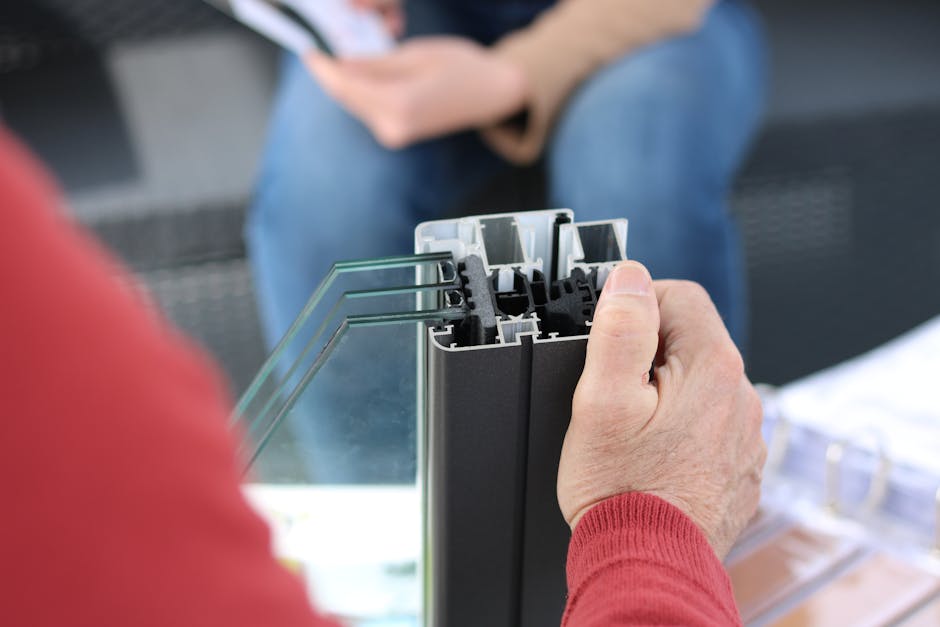
In New Jersey, look for Double-Pane or Triple-Pane glass with a Low-E coating. This coating reflects heat back to its source—keeping heat inside during winter and outside during summer. Argon gas fills between the panes provide an extra layer of insulation.
Conclusion
Fitting new windows is a journey that starts with a tape measure and ends with a more comfortable, valuable home. Whether you choose a simple pocket install or a complete full-frame overhaul, the quality of the installation is what determines if that window will last 5 years or 30 years.
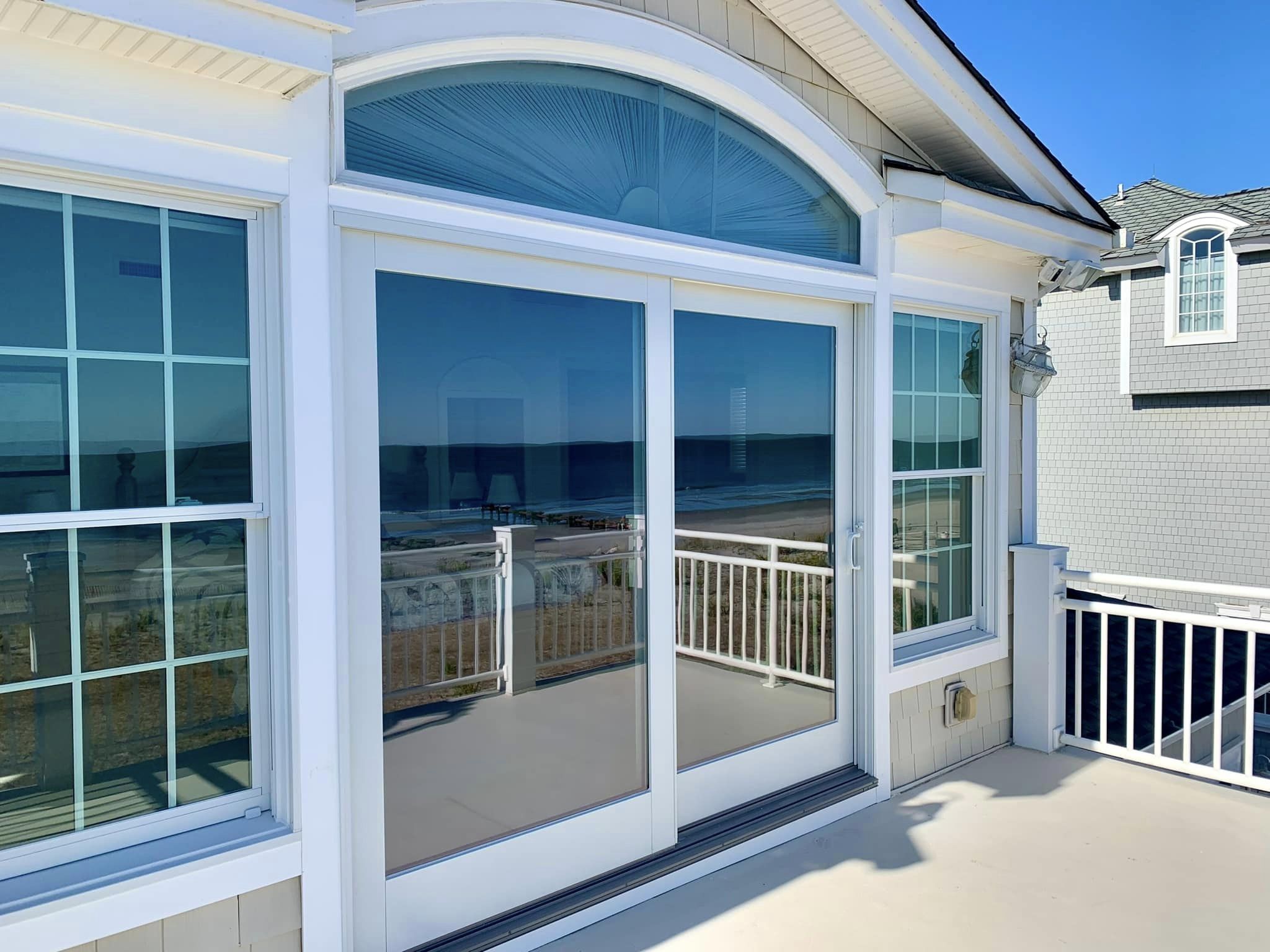
At Matera Builders, we believe in doing things the right way the first time. As an Andersen Elite Certified Contractor serving Ocean City, Avalon, Stone Harbor, and Sea Isle City since 1988, we specialize in Andersen windows with high-performance Fibrex material built to withstand the harsh salt air and humidity of the New Jersey coast.
If you are ready to stop the drafts and start saving on your energy bills, we are here to help. More info about Andersen Windows is just a click away, or reach out to us for a professional assessment of your home’s needs. Let's make sure your new windows are a perfect fit for your life at the shore.




.jpg)


.jpg)