


Why a Freestanding Tub Install in NJ Transforms Your Master Bath
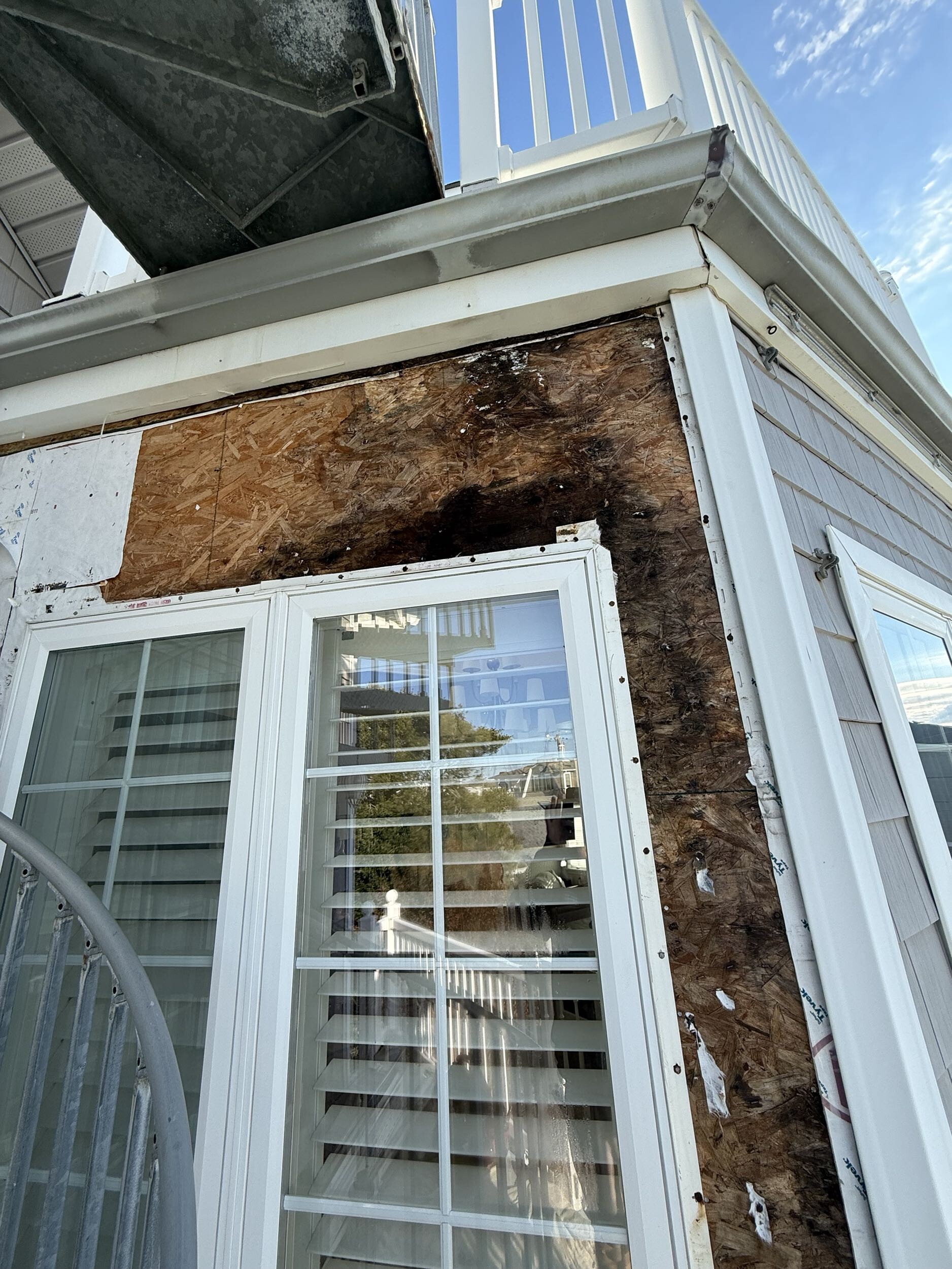
Moisture buildup, hidden leaks, and structural rot are major issues for New Jersey homeowners. When you plan a freestanding tub install in NJ, you must think about water management and floor strength. A leaking tub or poor ventilation can lead to rotting frames and water intrusion in your walls.
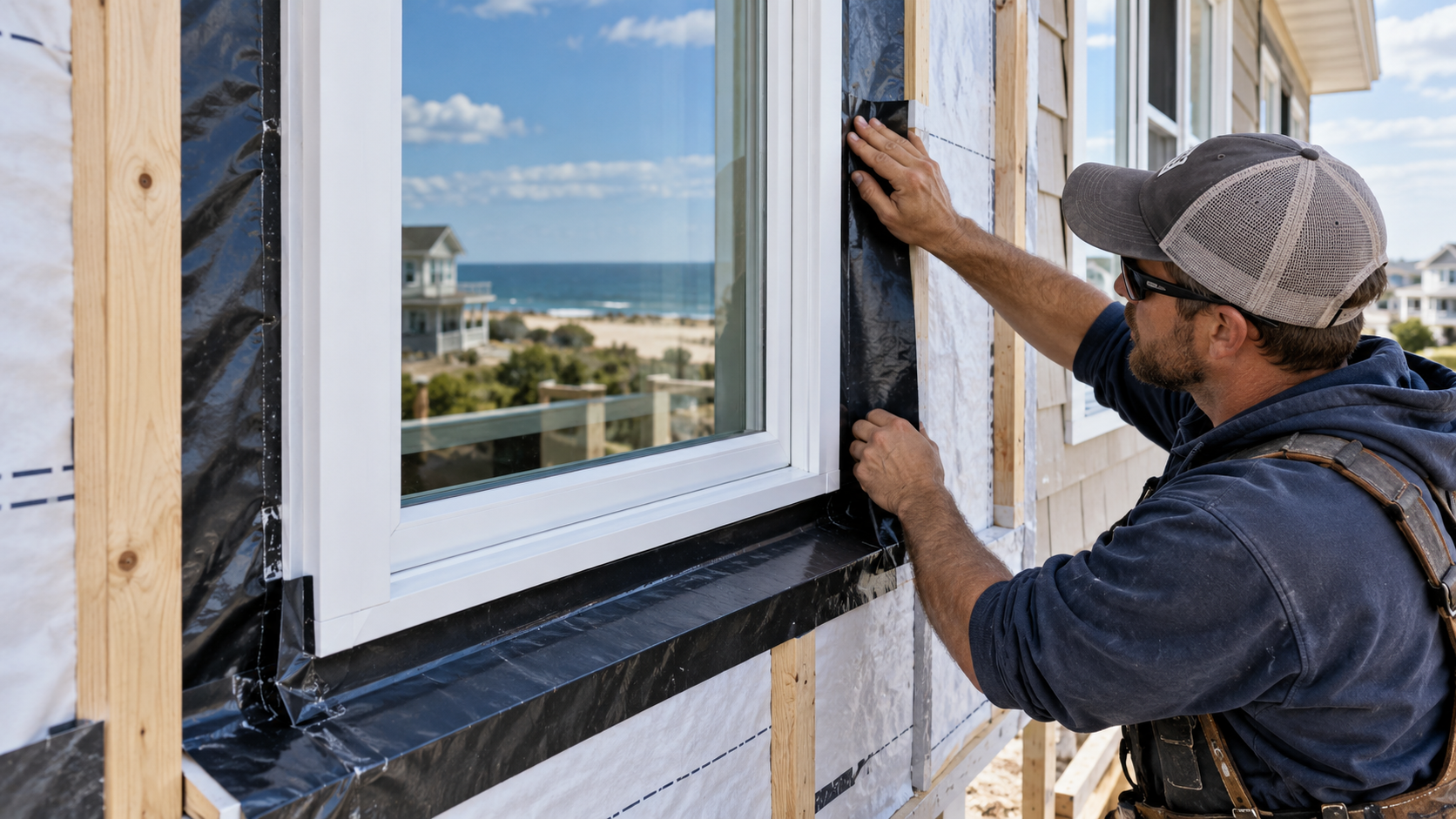
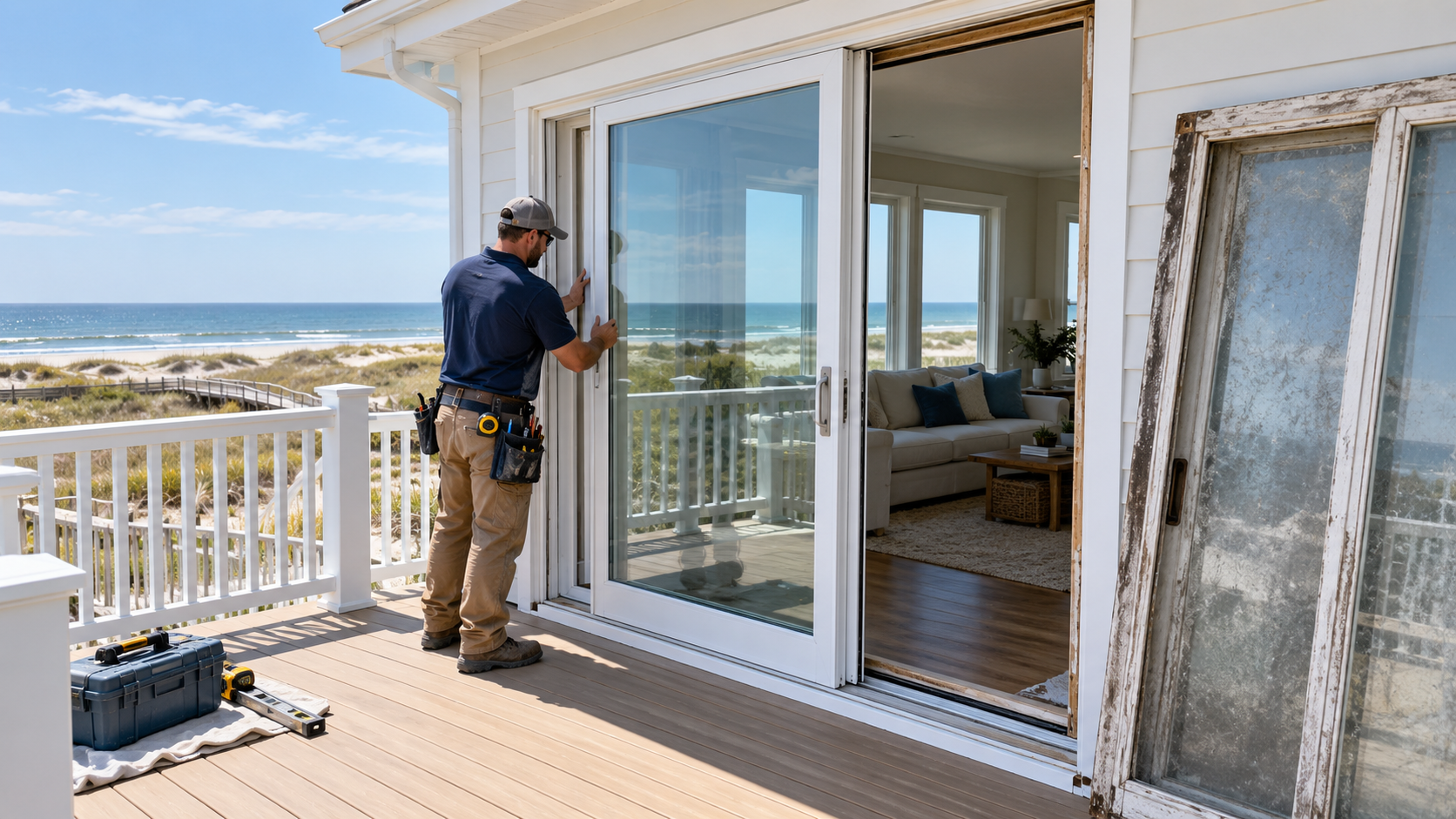
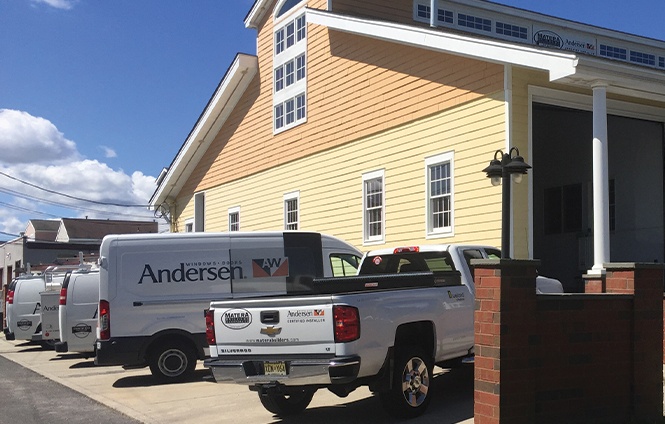
At Matera Builders, we specialize in high-performance exterior renovations like Andersen Windows installation and Andersen Doors replacement. But we also know how moisture affects your home from the inside out. Proper installation science prevents water damage, whether we are installing energy efficient windows or setting up a luxury master bath.
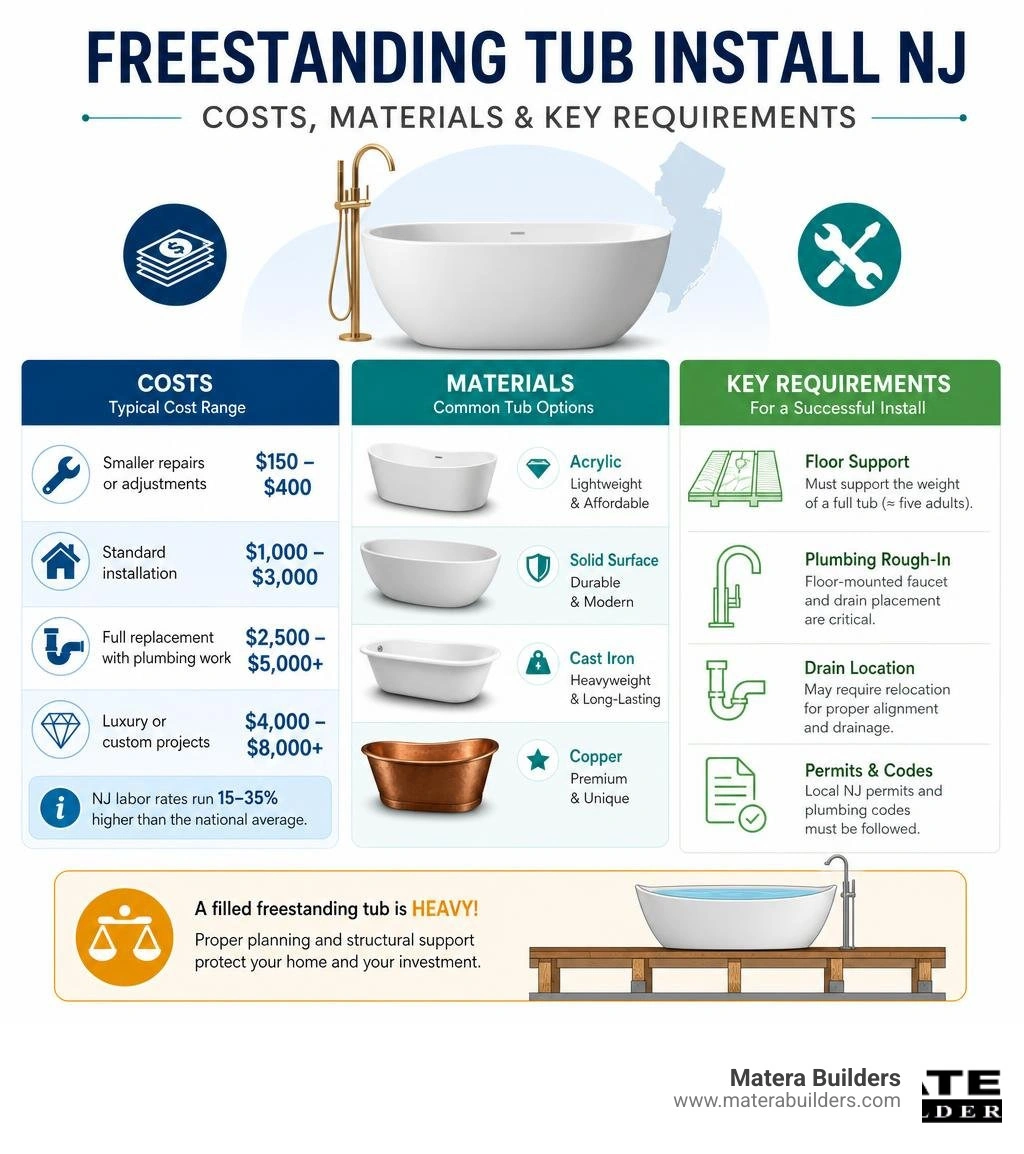
A freestanding tub install in NJ typically costs between $1,500 and $8,000+, depending on the tub material, plumbing work required, and whether your floor needs reinforcement.
Here is a quick breakdown of what to expect:
Project TypeTypical Cost RangeSmaller repairs or adjustments$150 - $400Standard installation$1,000 - $3,000Full replacement with plumbing work$2,500 - $5,000+Luxury or custom projects$4,000 - $8,000+
NJ labor rates run 15-35% higher than the national average. Older housing stock and local permit requirements are the main reasons why.
The tub itself is only part of the cost. The bigger expenses are usually the floor-mounted faucet rough-in, drain relocation, and any floor reinforcement needed to support a full tub of water.
A fully filled freestanding tub weighs roughly as much as five adults. That matters in older New Jersey homes where floor joists may not be built for that load.
This guide walks you through everything you need to know before committing to a freestanding tub project, from materials and plumbing requirements to what the installation process actually looks like on the ground.
I'm Mike Werner, CEO of Matera Builders. While our core specialty is high-performance exterior renovation, including coastal window replacement as a trusted window replacement contractor, our team has extensive experience guiding New Jersey homeowners through complex interior upgrades. This includes freestanding tub installs in NJ as part of full bathroom remodels. We know what hidden costs show up after demo day, and this guide is built around helping you avoid them.
Glossary for Freestanding tub install NJ:
What is a Freestanding Pedestal Tub and How Does It Differ?
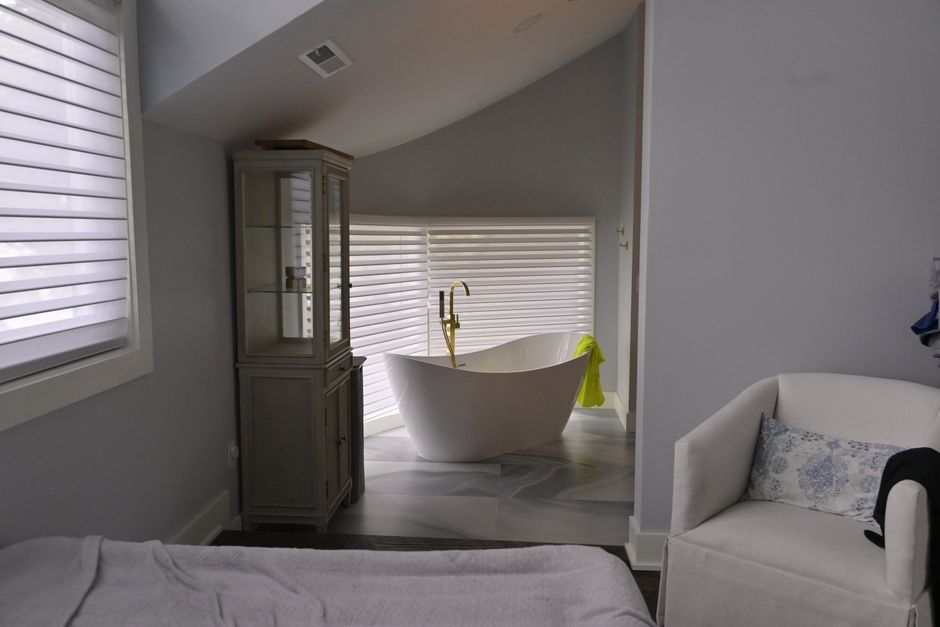
A freestanding pedestal tub is a self-contained bathtub finished on all sides. It sits directly on your bathroom floor rather than being built into a wall frame. This design gives the tub a sculptural, artistic look. It becomes the central focus of your master bathroom.
Unlike older clawfoot tubs that stand on small decorative metal feet, a pedestal tub rests on a solid base. This base hides the drain pipe and plumbing connections underneath. Because it has finished sides all the way around, you can place it anywhere in the room. This offers incredible flexibility for your bathroom layout.
Before you buy, it is important to understand the practical daily differences of this design. You can read more about these details in this guide on The Pros and Cons of Freestanding Bathtubs. While they look amazing, they require a different approach to plumbing and cleaning than traditional options.
Freestanding vs. Built-In Alcove Tubs
Standard built-in alcove tubs are tucked into a three-wall enclosure. They save space and make it easy to combine a shower and tub. However, alcove tubs require costly tile surrounds and waterproof wall barriers to prevent leaks.
Freestanding tubs do not require these surrounding tiled walls. However, they need much more physical floor space to look right. If you place a freestanding tub too close to a wall, cleaning behind it becomes a major headache.
If you are planning a complete update, we recommend pairing a freestanding tub with a separate walk-in shower. This is the most popular layout for modern primary suites. You can explore how these layouts fit together in our guide to Complete Bathroom Remodeling.
Planning Your Freestanding Tub Install NJ: Costs and Requirements
When planning a freestanding tub install in NJ, your budget must go beyond the price tag of the tub itself. While you can find basic acrylic tubs online for under $1,000, professional installation, plumbing modifications, and structural prep will add to the total.
In 2026, standard professional installation in New Jersey ranges from $1,000 to $3,000. If you are replacing an old alcove tub with a freestanding model, you will need to relocate the drain and water supply lines. This type of plumbing work typically pushes the project cost to $2,500 to $5,000 or more.
For a complete breakdown of national averages and how they compare to our local market, check out this resource on How Much Does It Cost to Install a Bathtub?. Local permit fees and strict municipal plumbing codes in coastal New Jersey can also affect your final budget.
Choosing the Right Location for Your Freestanding Tub Install NJ
The beauty of a freestanding tub is that it can go almost anywhere, but you must plan for proper clearance. You need to maintain at least 4 to 6 inches of open space between the tub and any surrounding walls. This gap prevents moisture from getting trapped against your drywall and gives you enough room to clean.

You also need to plan the entry side. We recommend keeping at least 24 inches of clear floor space on the side where you enter and exit the tub. If you are tight on space, check out our tips on Bathroom Renovations Near Me to see how to optimize your layout.
Plumbing and Structural Prep for a Freestanding Tub Install NJ
Preparing your floor and plumbing is the most critical step of the project. Traditional tubs run their plumbing inside the walls. A freestanding tub requires the water lines and drain to come directly up through the subfloor.
Before the tub arrives, your contractor must install a dedicated P-trap and rough-in drain. Many modern installations use an EZ-drop-in drain system. This system allows the plumber to secure the drain connection to the floor first, then lower the tub directly onto it. To see how this connection works in real time, you can watch this helpful video on How to Install a Freestanding Tub - YouTube .
Your floor must also be perfectly level. If your subfloor has settled or sloped over time, your contractor will need to level the surface before setting the tub.
Materials, Weight, and Faucet Options
The material you choose affects the look, heat retention, and total weight of your tub. Here is how the most common materials compare:
MaterialAverage CostWeight (Empty)Heat RetentionMaintenance RequiredAcrylic$800 - $2,50075 - 120 lbsGoodLow (Easy to clean)Cast Iron$1,500 - $4,000+300 - 500 lbsExcellentLow (Very durable)Stone Resin$2,500 - $5,000+250 - 400 lbsExcellentMedium (Needs gentle cleaners)
Comparing Acrylic, Cast Iron, and Stone Resin
Acrylic is the most popular choice for New Jersey homeowners. It is lightweight, which means you rarely need to reinforce your floor joists. It is also budget friendly and retains heat well.
Cast iron is incredibly durable and holds water temperature for a very long time. However, a cast iron tub filled with water can easily exceed 600 to 800 pounds. You must have a professional builder check your floor joists before choosing cast iron.
Stone resin offers a solid, natural stone look with a smooth finish. It is heavy, but it provides a luxury feel that is highly scratch resistant.
Faucet and Drain Configurations
You will also need to select a faucet style. Most freestanding tubs use a floor-mounted tub filler. This faucet stands on the floor next to the tub and requires plumbing lines to run through the subfloor.
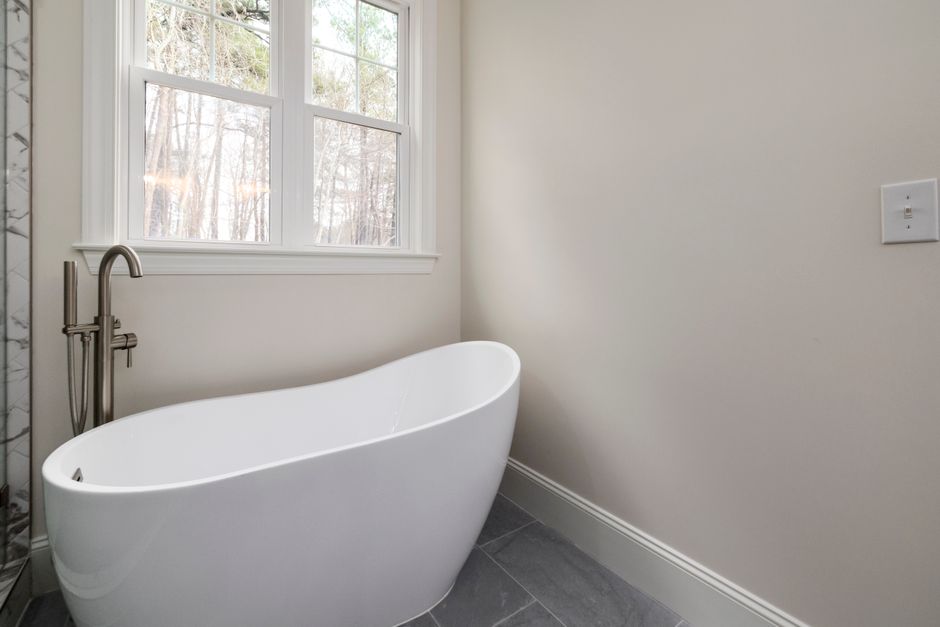
If your tub sits close to a wall, you might be able to use a wall-mounted faucet. This can save floor space, but it requires precise plumbing inside the wall before the drywall is finished.
Pros, Cons, and Resale Value in the New Jersey Market
Adding a freestanding tub is a great way to boost the luxury appeal of your home. In the competitive Jersey Shore real estate market, a spa-like master bath is a major selling point. Buyers love the high-end look of a standalone tub next to a modern tiled shower.
However, there are some trade-offs to keep in mind:
- Pros: Gorgeous visual centerpiece, flexible placement, deep soaking depth, and high buyer appeal.
- Cons: No built-in ledge for soap or shampoo, more difficult to clean around, higher installation costs, and harder to use for young kids.
When switching from a traditional setup, you will miss having a built-in ledge for your toiletries. You will need to plan for alternative storage like a small side table or a tub caddy to keep your essentials within reach.
If you are remodeling a primary bathroom, we believe the investment is highly worth it. To see how we integrate these luxury tubs into complete home updates, explore our Kitchen Bath Renovations page.
Frequently Asked Questions about Freestanding Tubs
How much clearance is needed around a freestanding tub?
You should leave at least 4 to 6 inches of space between the tub and any walls. This gap allows you to reach behind the tub to clean up dust and water splashes. It also ensures proper air circulation to prevent mold and mildew growth.
Do freestanding tubs require floor reinforcement?
It depends on the material. Lightweight acrylic tubs usually do not require extra support. However, heavy cast iron or stone resin tubs can weigh over 800 pounds when filled with water and an adult. In older Jersey Shore homes, we often need to sister the floor joists or add blocking to safely support this weight.
How long does the installation process take?
A basic, like-for-like swap where the plumbing is already in place can be completed in 1 to 2 days. If we need to open the floor, relocate the drain, run new water lines, and repair the flooring, the process typically takes 3 to 5 days. This timeline does not include any major tile work or wall repairs.
Conclusion
A freestanding pedestal tub is more than just a place to wash. It is a design statement that brings a luxury resort feel directly into your New Jersey home. While the plumbing and structural prep require professional expertise, the payoff in daily enjoyment and home resale value is unmatched.
At Matera Builders, At Matera Builders, Mike Werner and our team have been improving Jersey Shore homes since 1988. We handle the heavy lifting, precise plumbing, and structural checks so you can enjoy a beautiful, leak-free bathroom for decades to come.
Ready to transform your master bath? Visit our Matera Builders Services page to schedule your consultation today.





.jpg)
.jpg)