


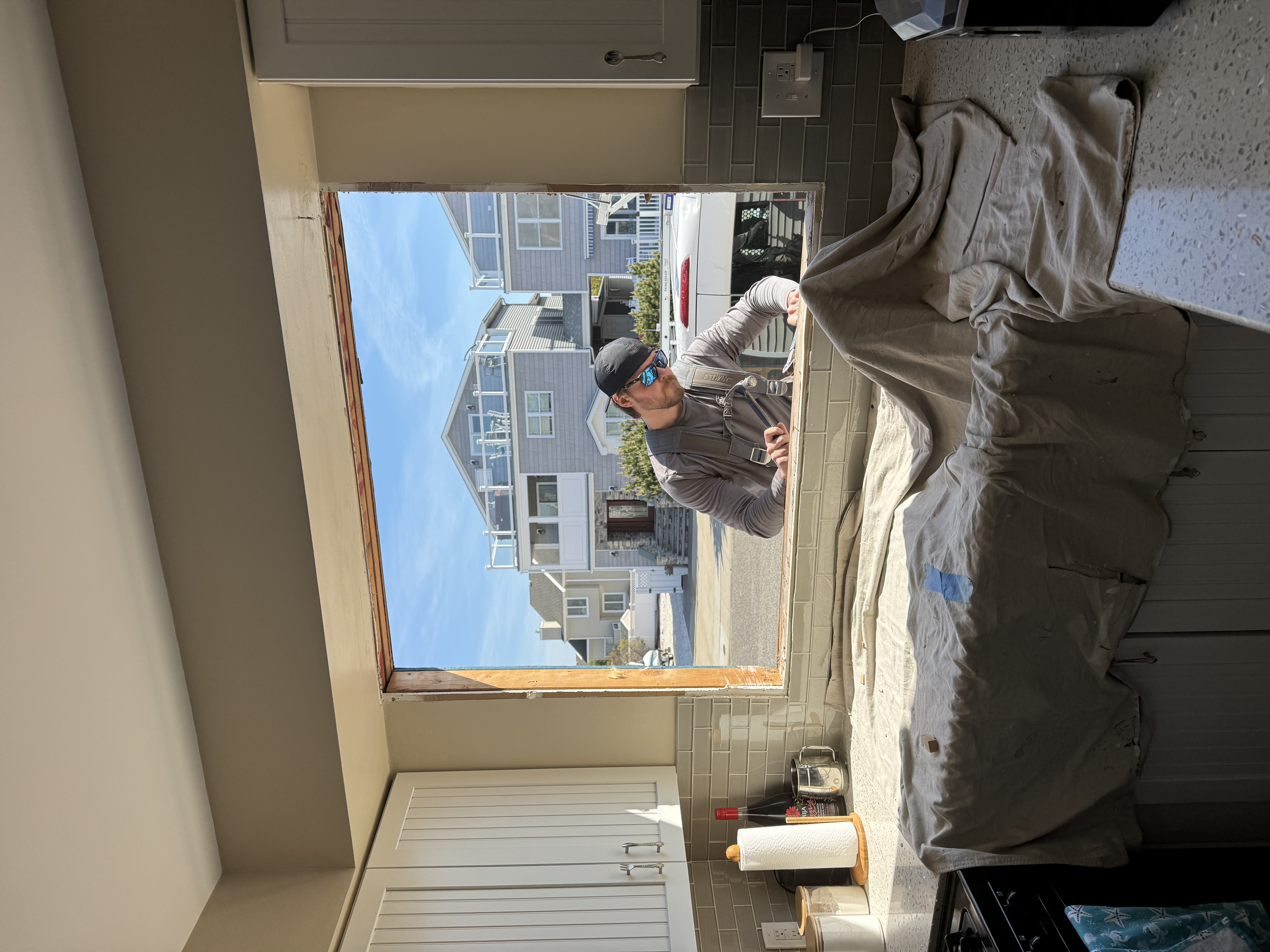
What You Need to Know Before Installing Bigger Windows in Your House
Installing bigger windows in a house is one of the most impactful renovations you can make. More light. Better views. Lower energy bills. And a home that simply feels larger and more open.
Here is a quick overview of what the process involves:
Step What's Involved Assess the wall Determine if it's load-bearing and what structural changes are needed Choose your enlargement type Cut-down (cheaper, no permit) or full enlargement (wider, requires permit)Pull permits Required any time you enlarge or modify the rough opening Demo and frame Remove existing window, adjust framing, install new header if needed Install the window Set, shim, seal, and flash the new unit Finish interior and exterior Drywall, trim, siding or brick repair, caulking
Costs typically range from $1,000 to $5,000+ per window, depending on wall type, window size, and how much structural work is involved.
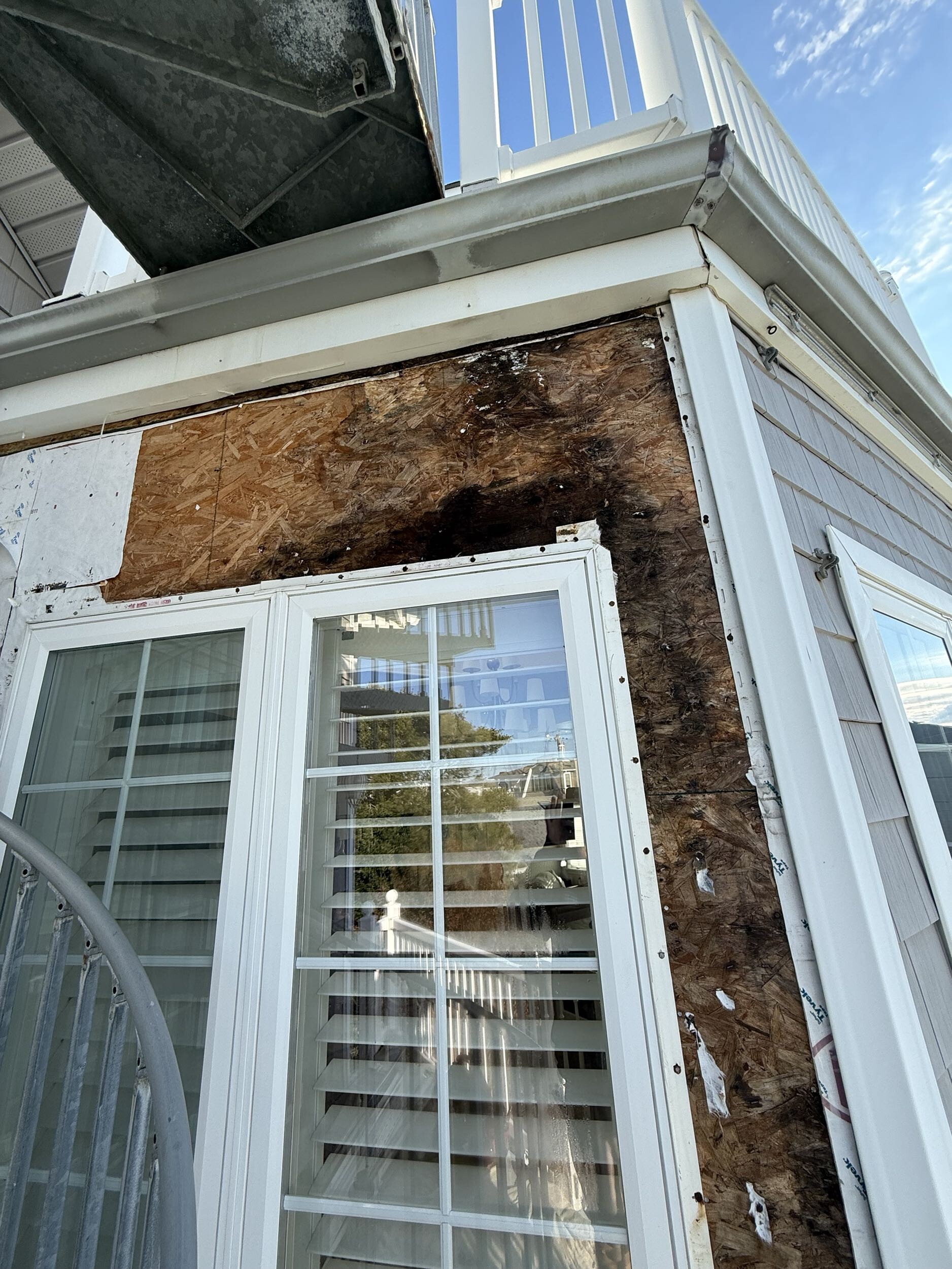
Enlarging a window sounds straightforward. But once you open a wall, especially in an older New Jersey home with brick veneer or plaster interiors, you can run into rotted framing, hidden plumbing, or structural surprises that change the scope quickly.
That is exactly what makes planning so important before the first brick comes out or the first stud gets cut.
I'm Mike Werner, CEO of Matera Builders, a premium exterior renovation contractor specializing in high-performance window installations along the Jersey Shore and coastal NJ markets. I have led countless installing bigger windows in house projects where salt air, moisture, and aging frames all factor into every product and installation decision we make. In the sections ahead, I will walk you through everything you need to know to plan your project with confidence.
Key installing bigger windows in house vocabulary:
- average cost of window replacement per window
- installing a new construction window in an existing home
- energy efficient windows nj
Why Installing Bigger Windows in House Projects Makes Sense
When we talk to homeowners in Ocean City and throughout the Jersey Shore, we often hear the same complaints. Rooms feel dark. Drafty old frames let in the cold winter wind. The beautiful coastal views are blocked by thick, outdated framing.
Upgrading your home by installing bigger windows in house walls solves these issues at once. It is not just about aesthetics. It is a major functional upgrade for your living space. Investing in Energy Efficient Window Upgrades ensures your home stays comfortable during hot summer days and freezing winter nights.
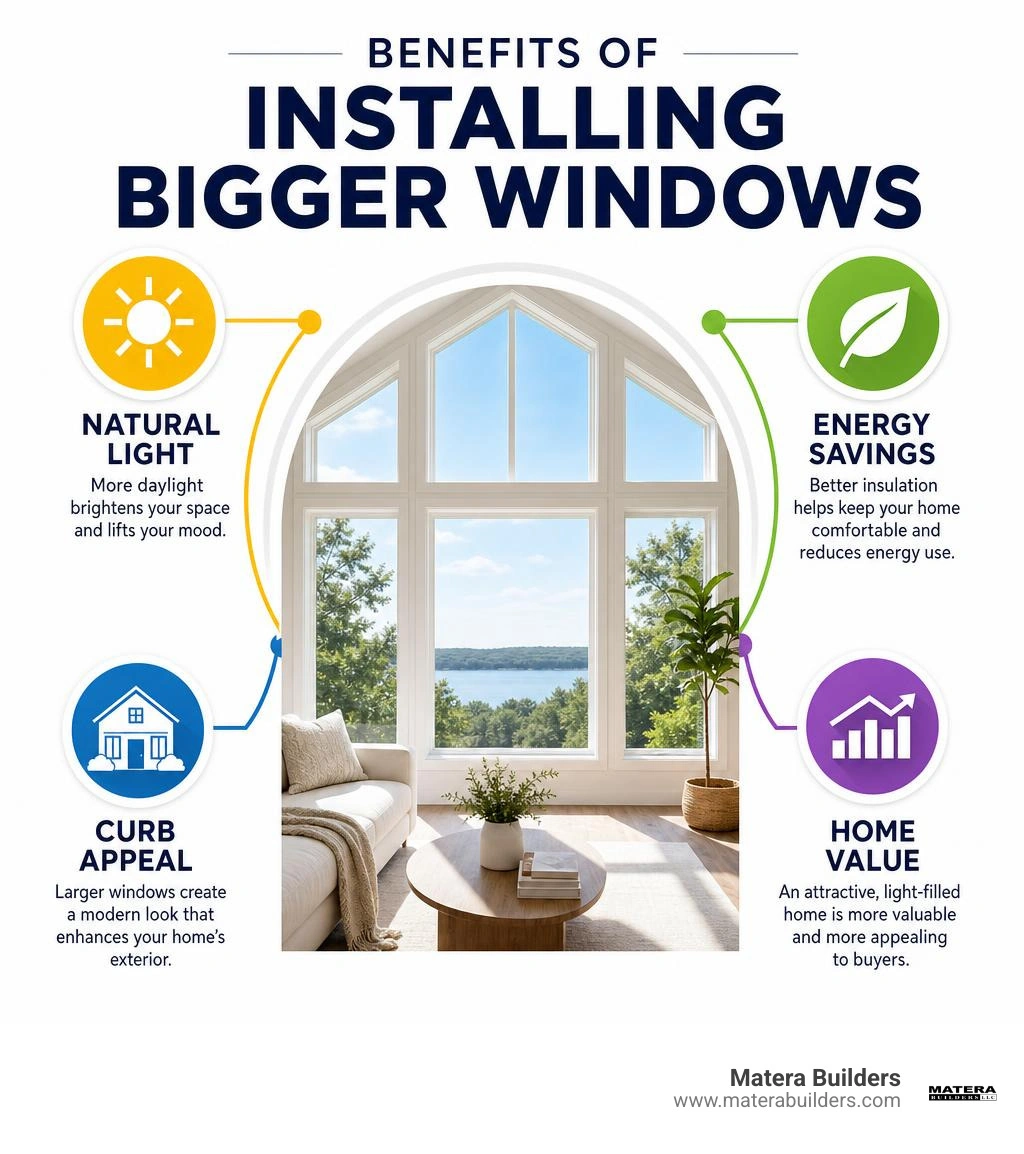
Boosting Natural Light and Views
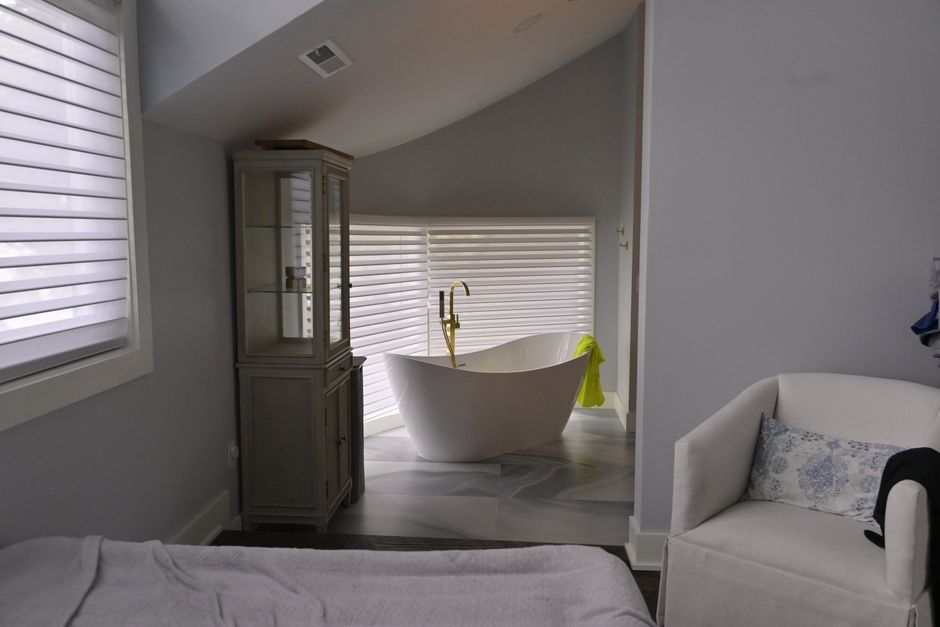
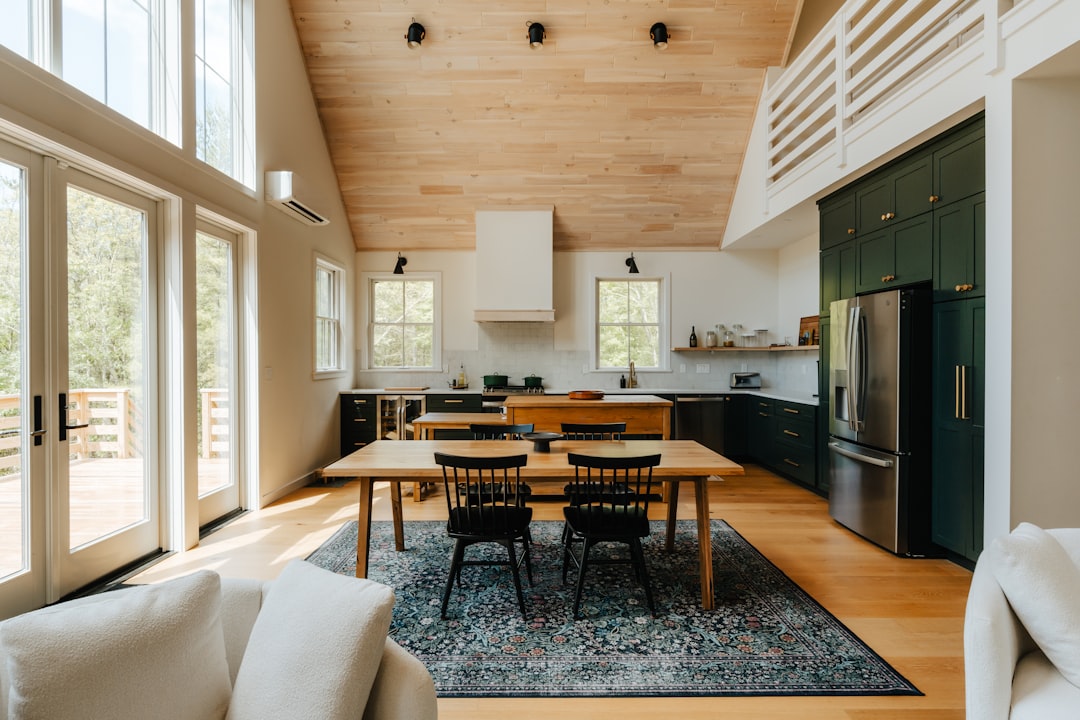
The psychological boost of natural light is real. Dark rooms feel cramped and gloomy. Larger windows let daylight flood your living areas. This makes your rooms feel much larger than they actually are.
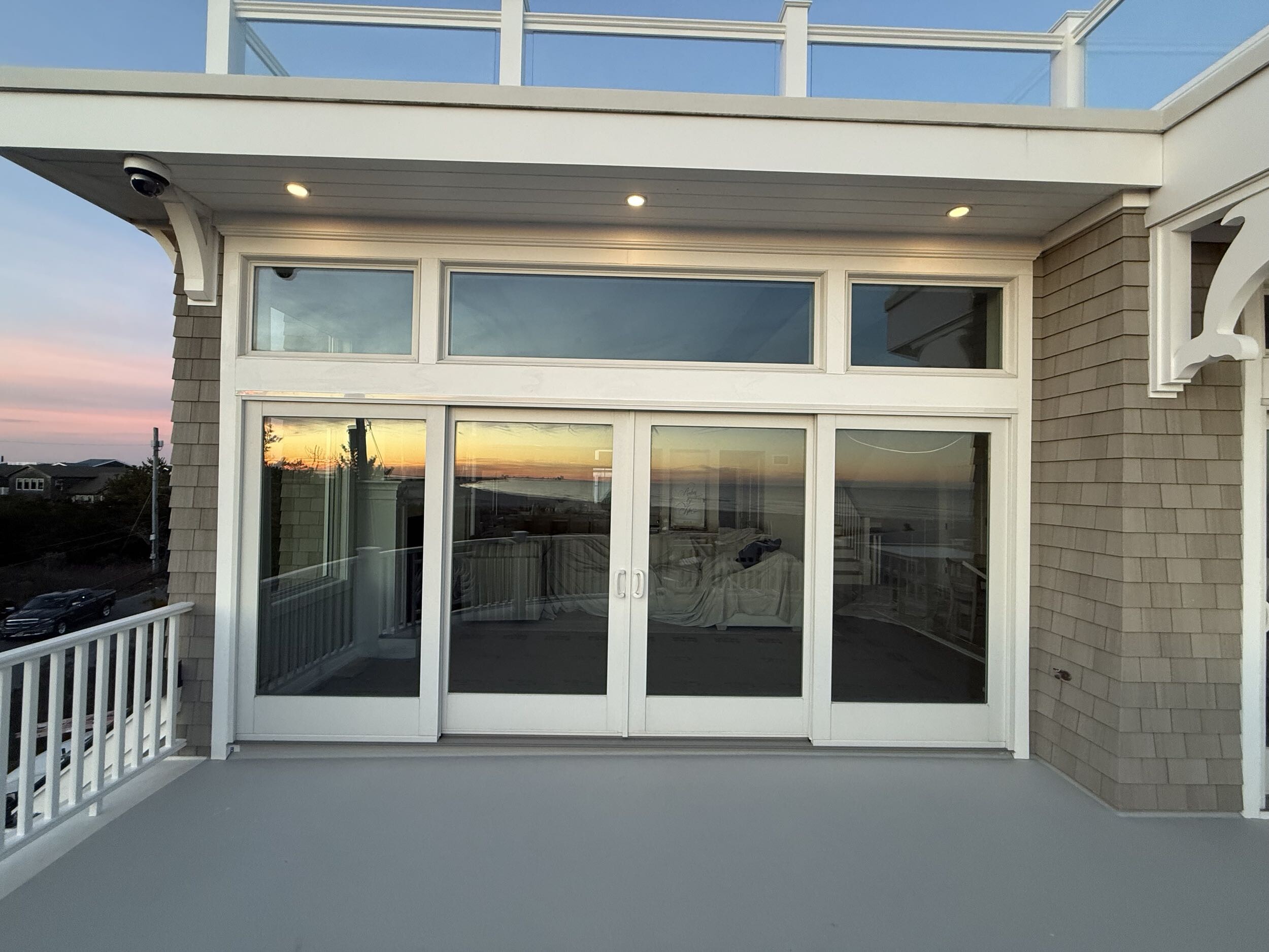
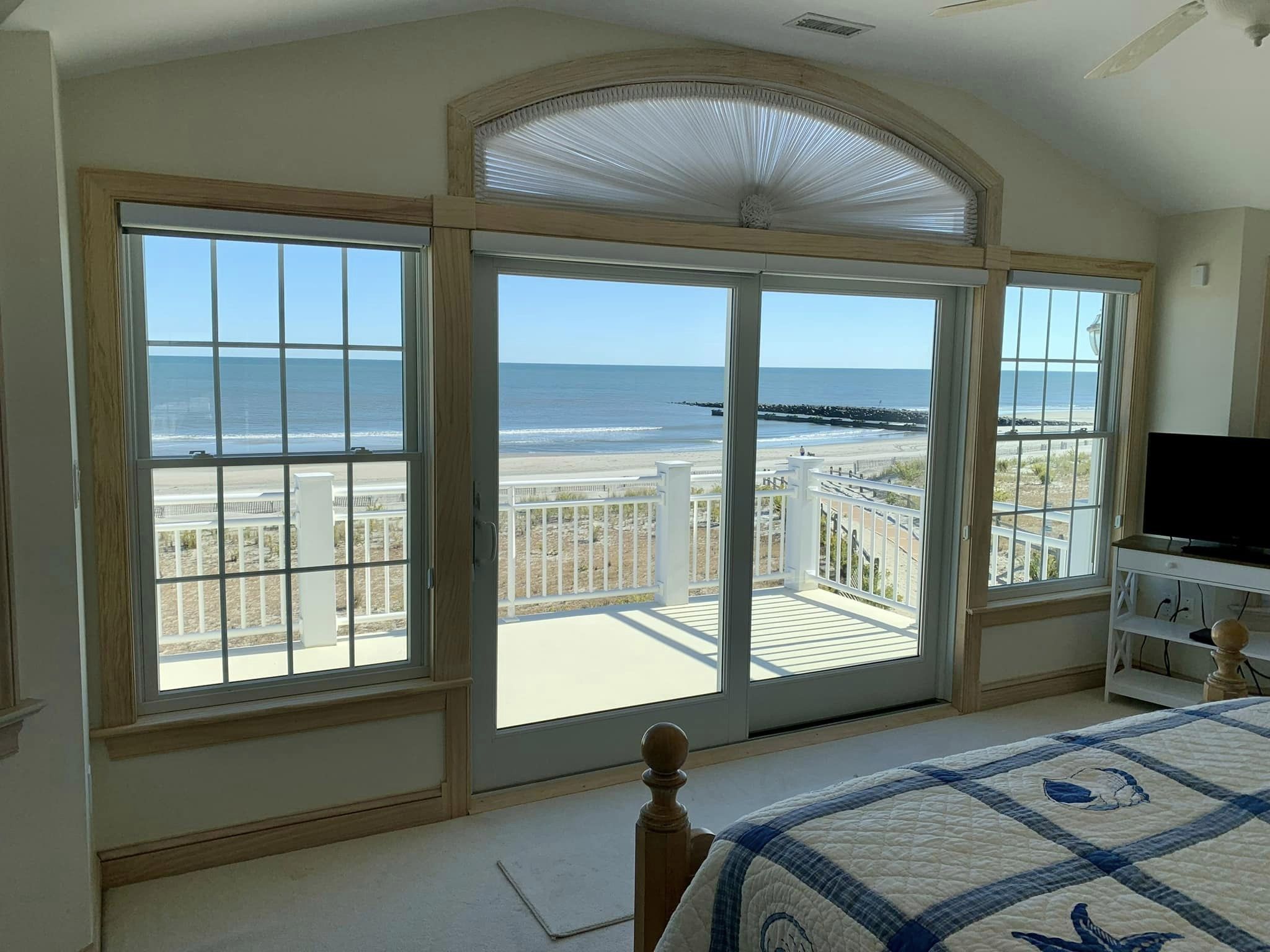
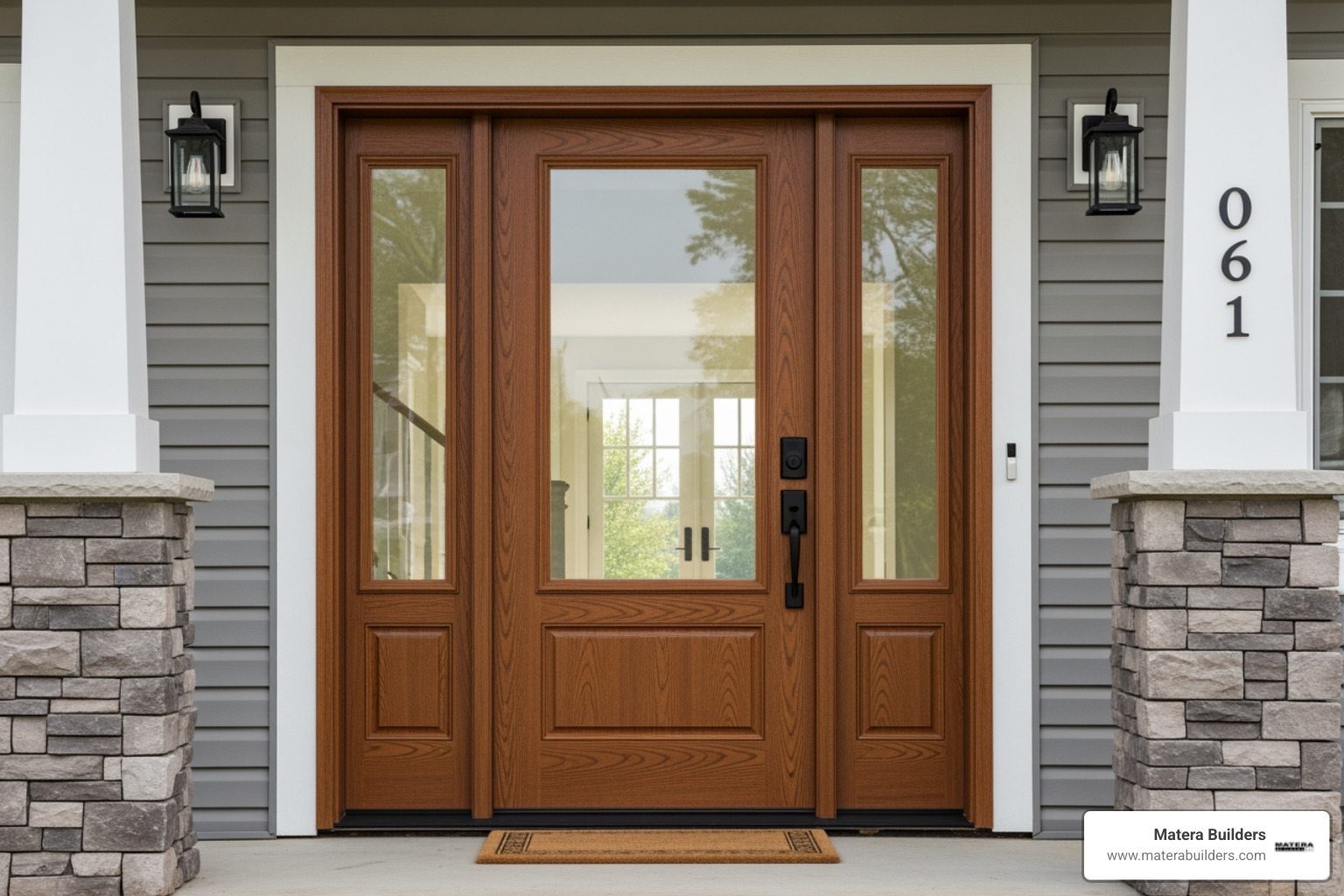
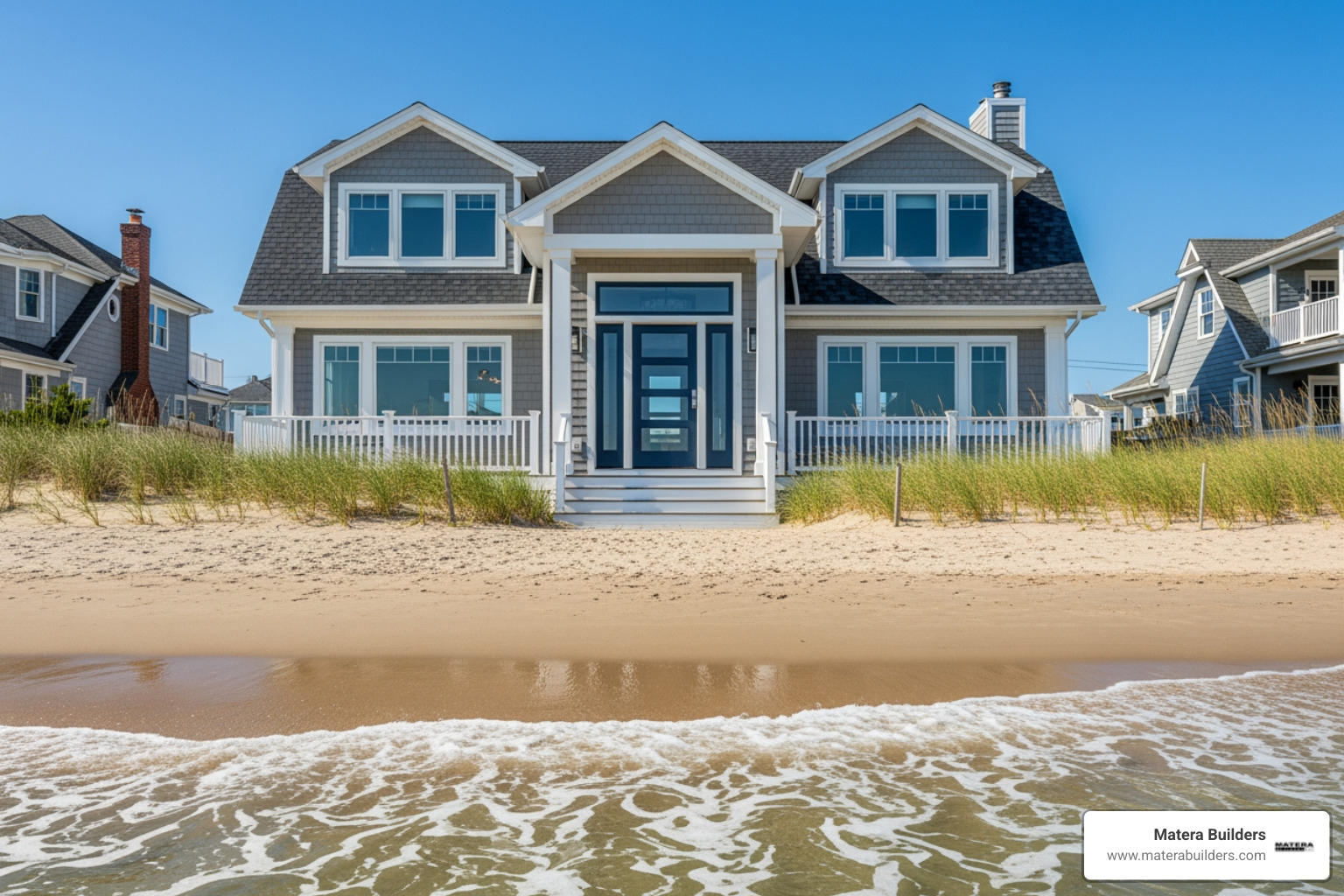
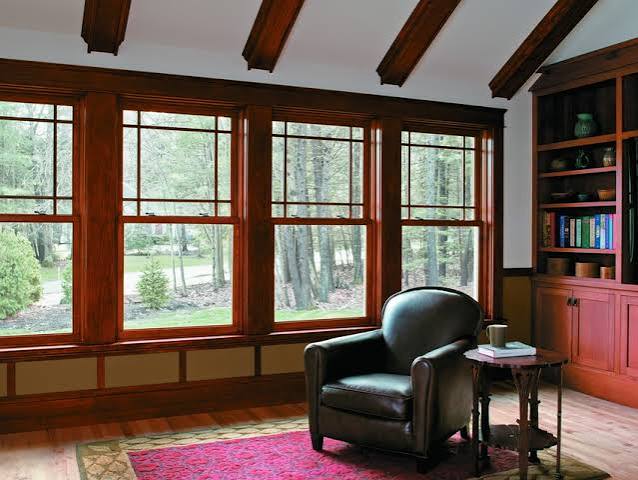
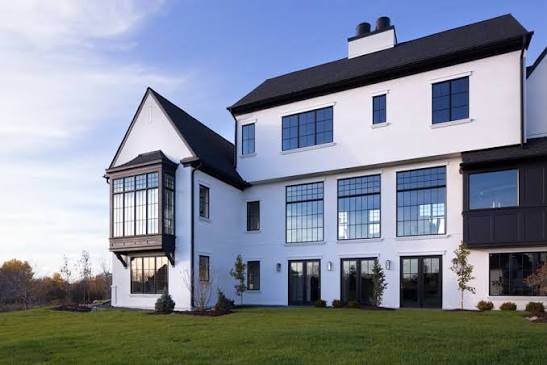
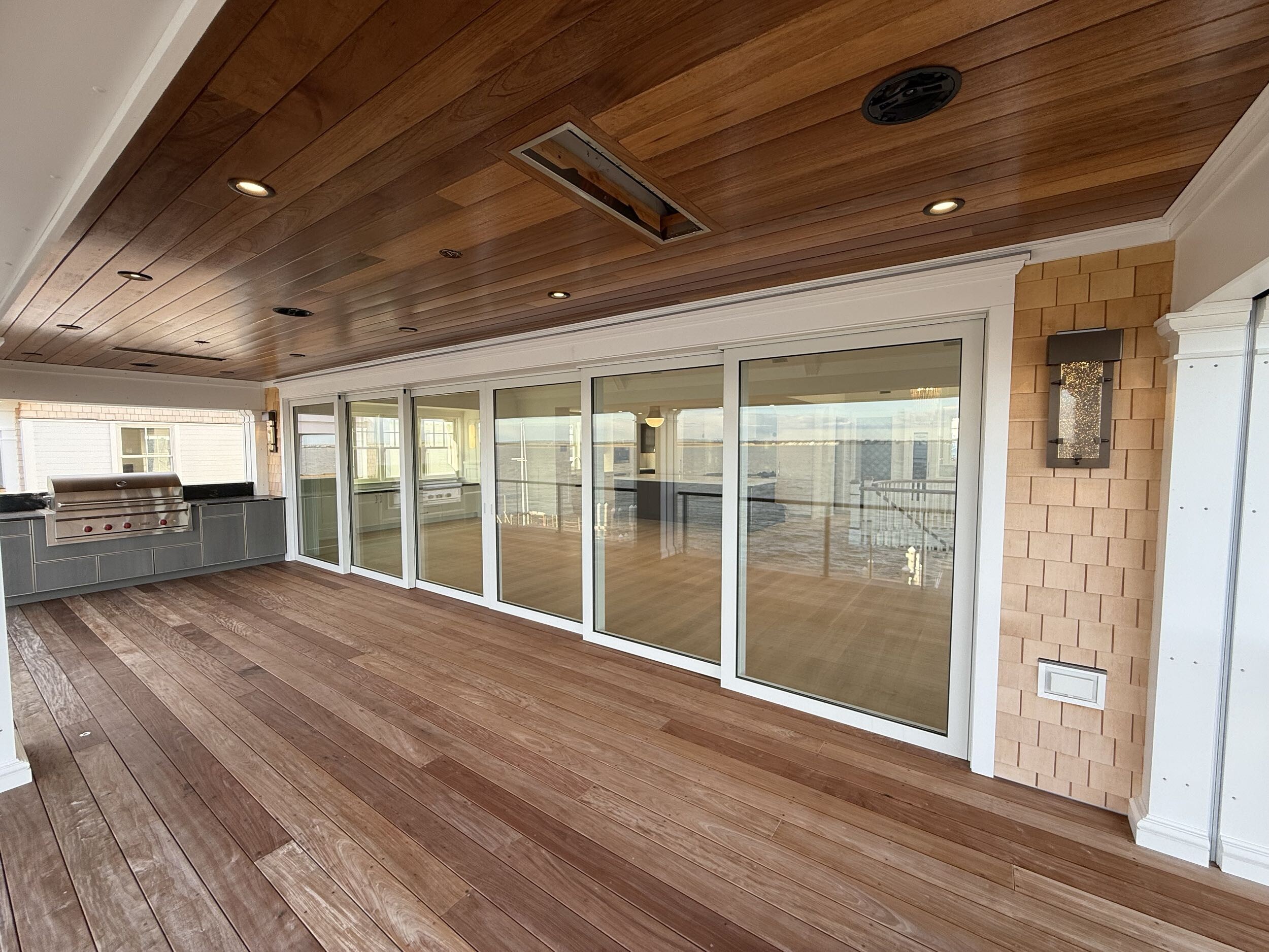
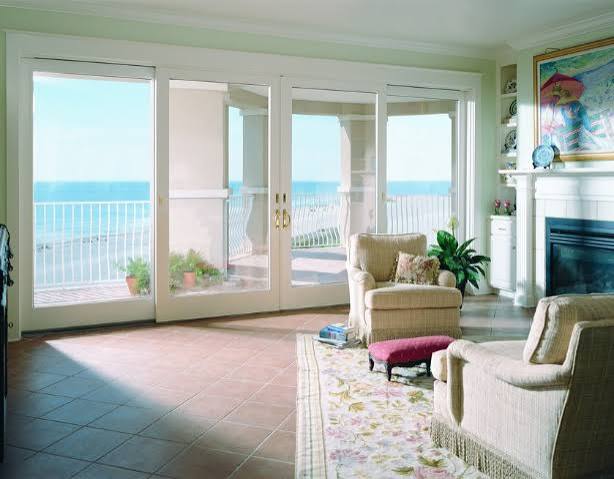
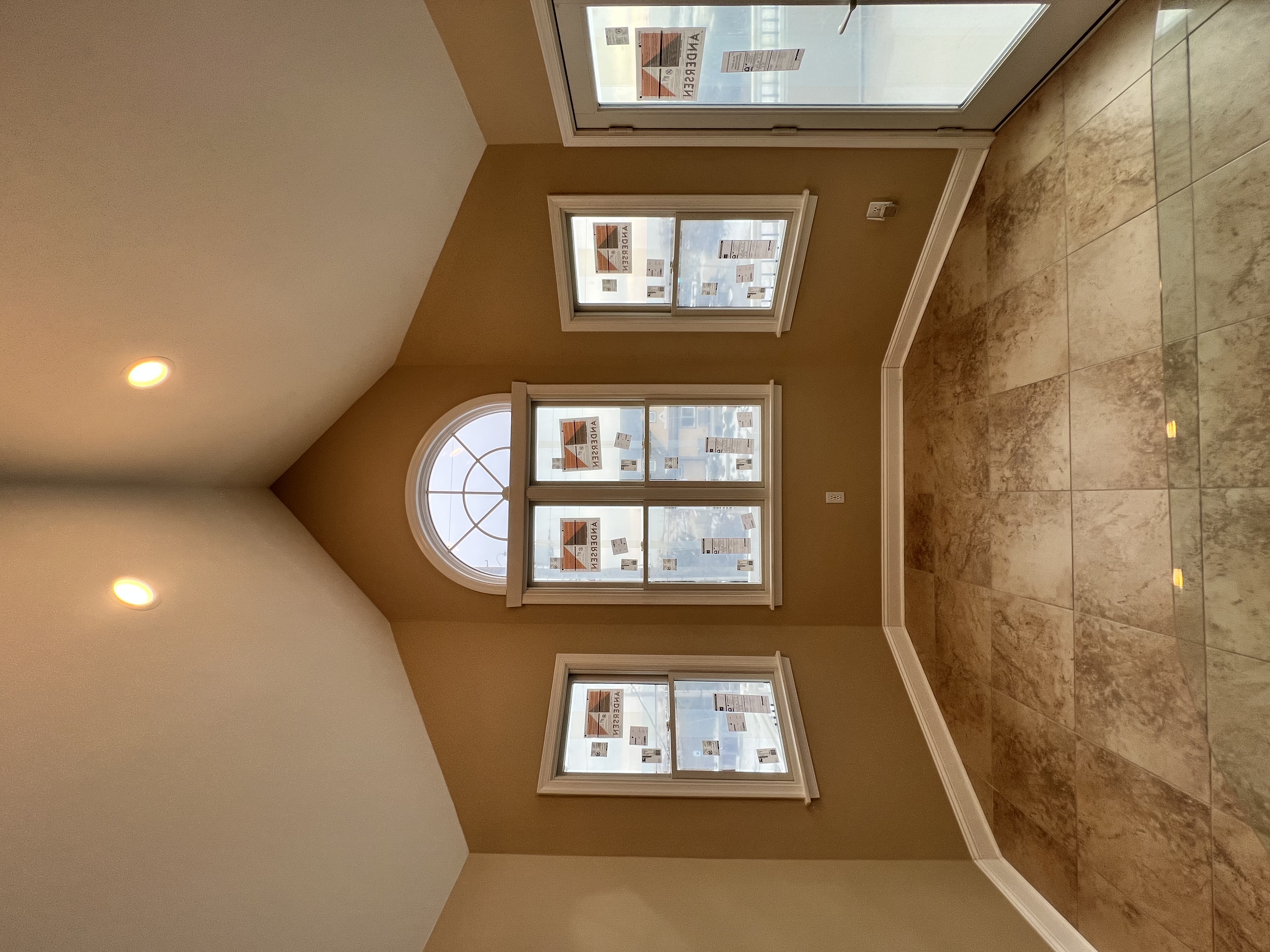
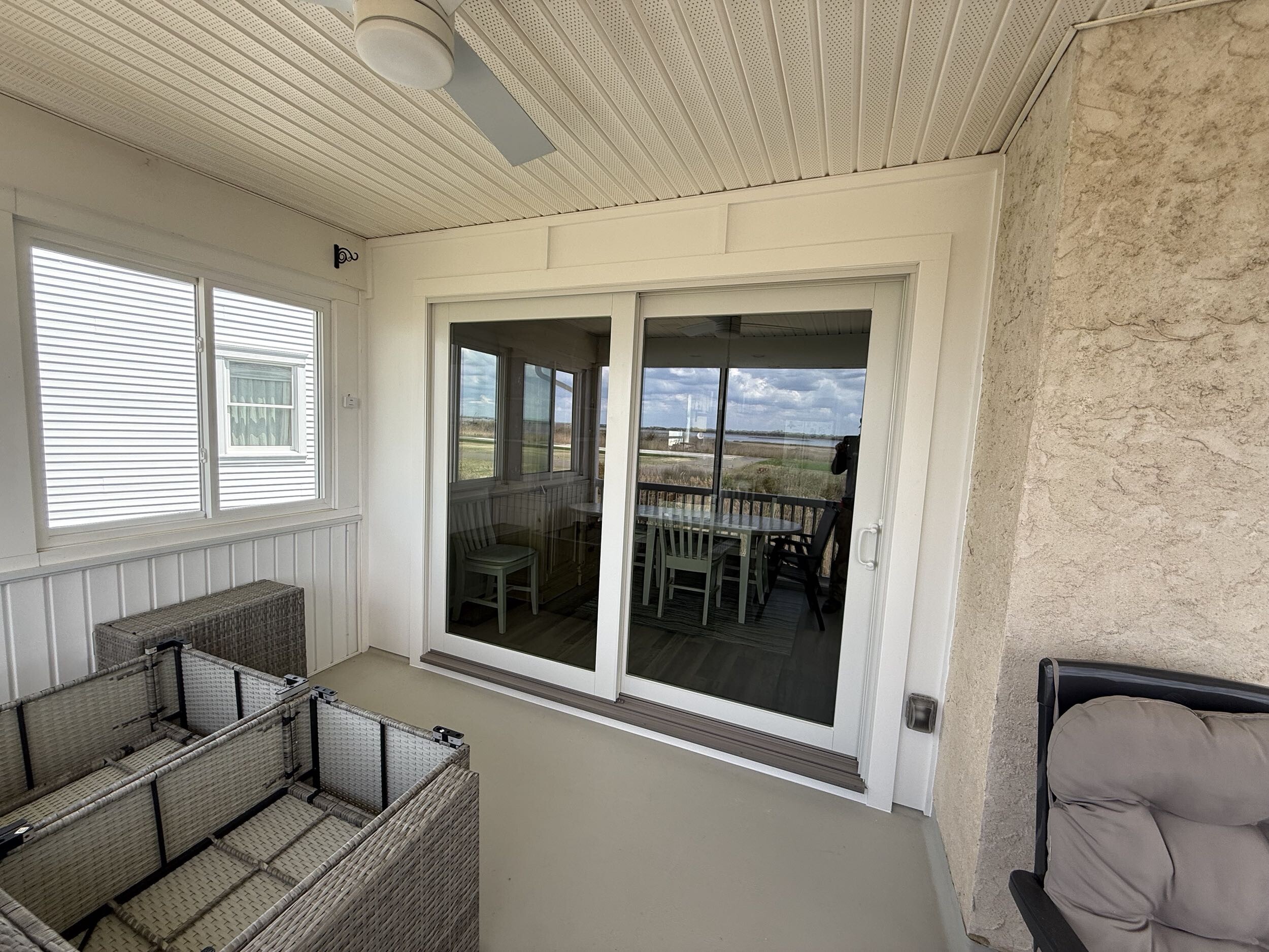
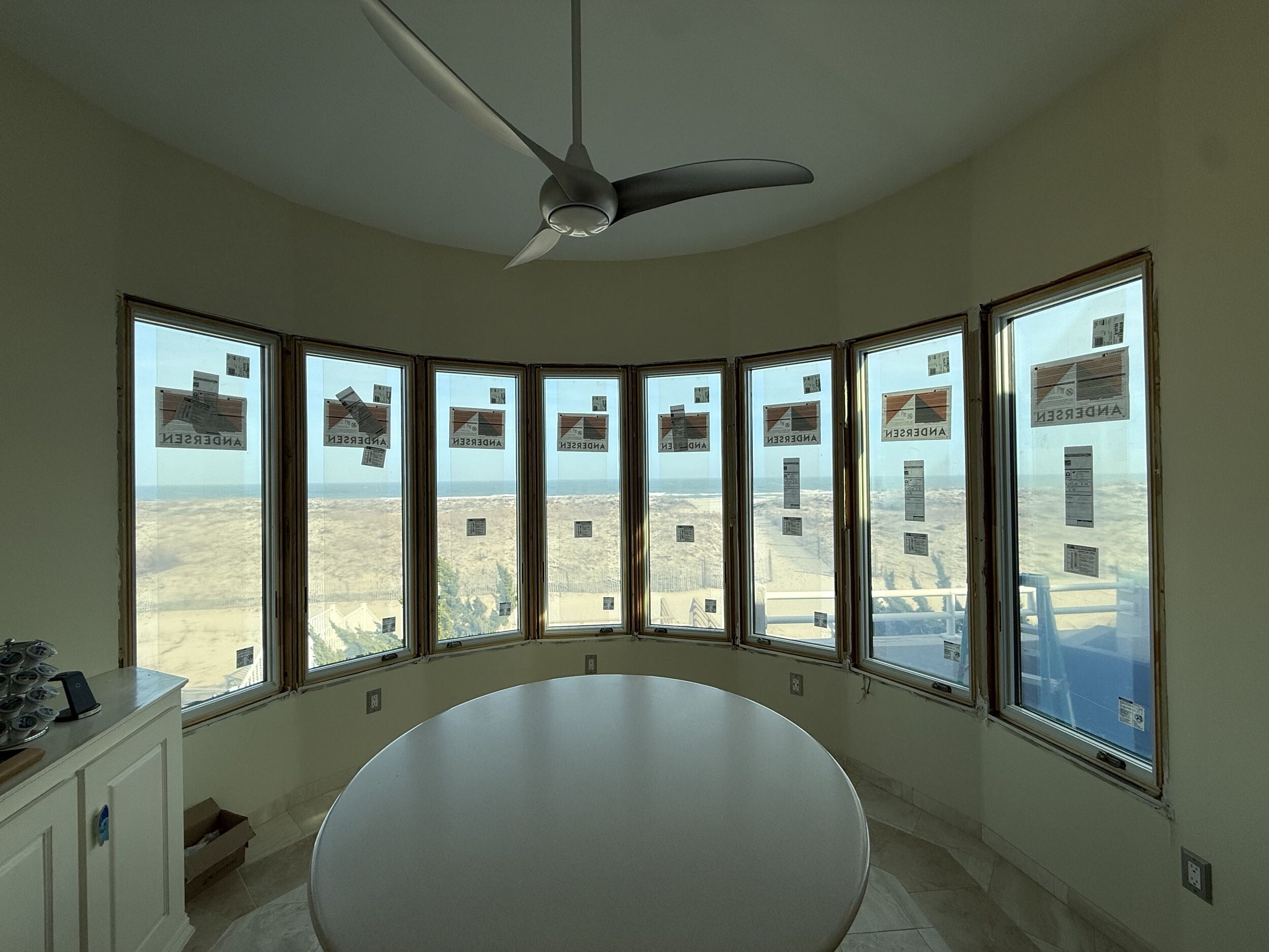
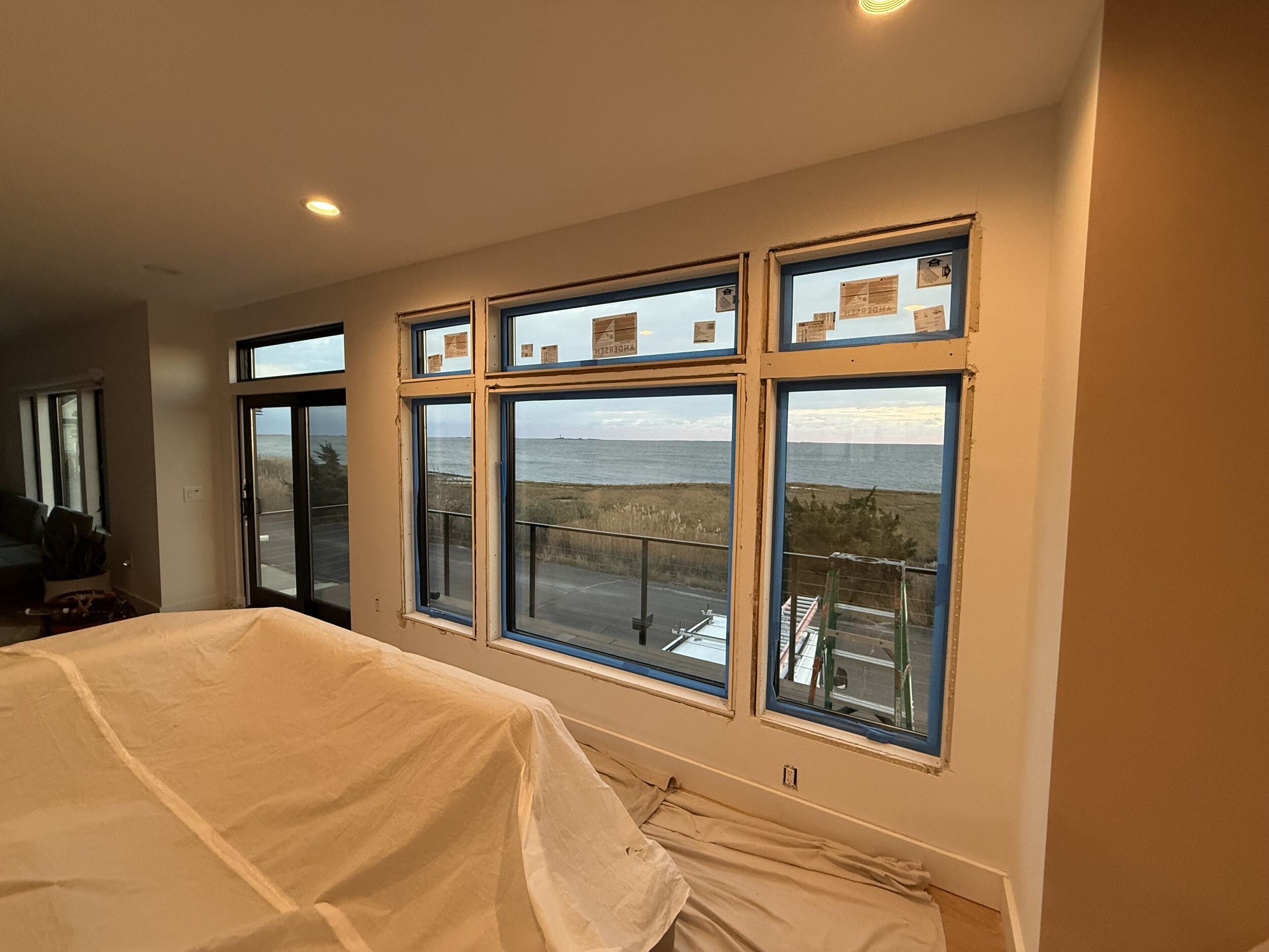
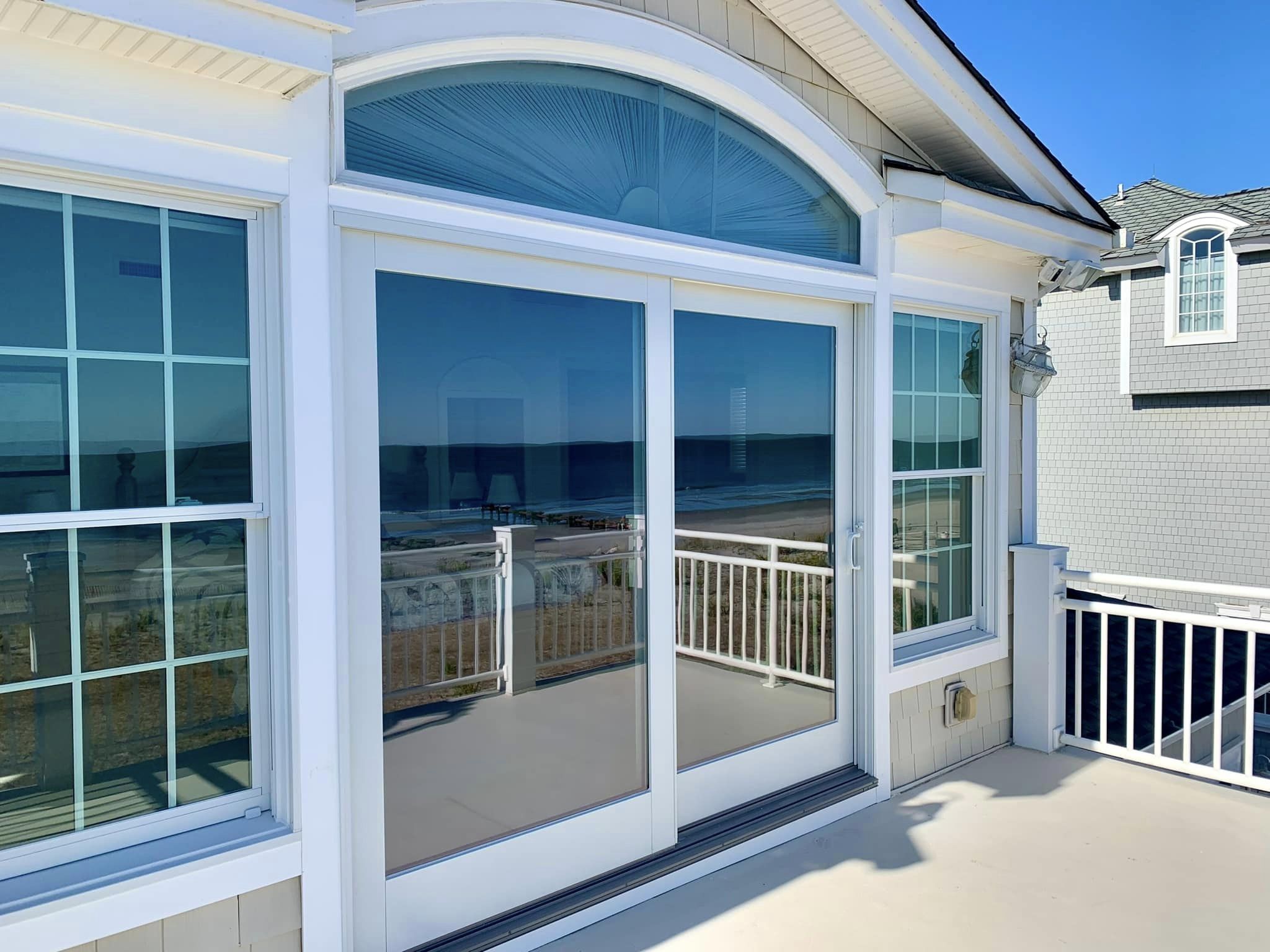
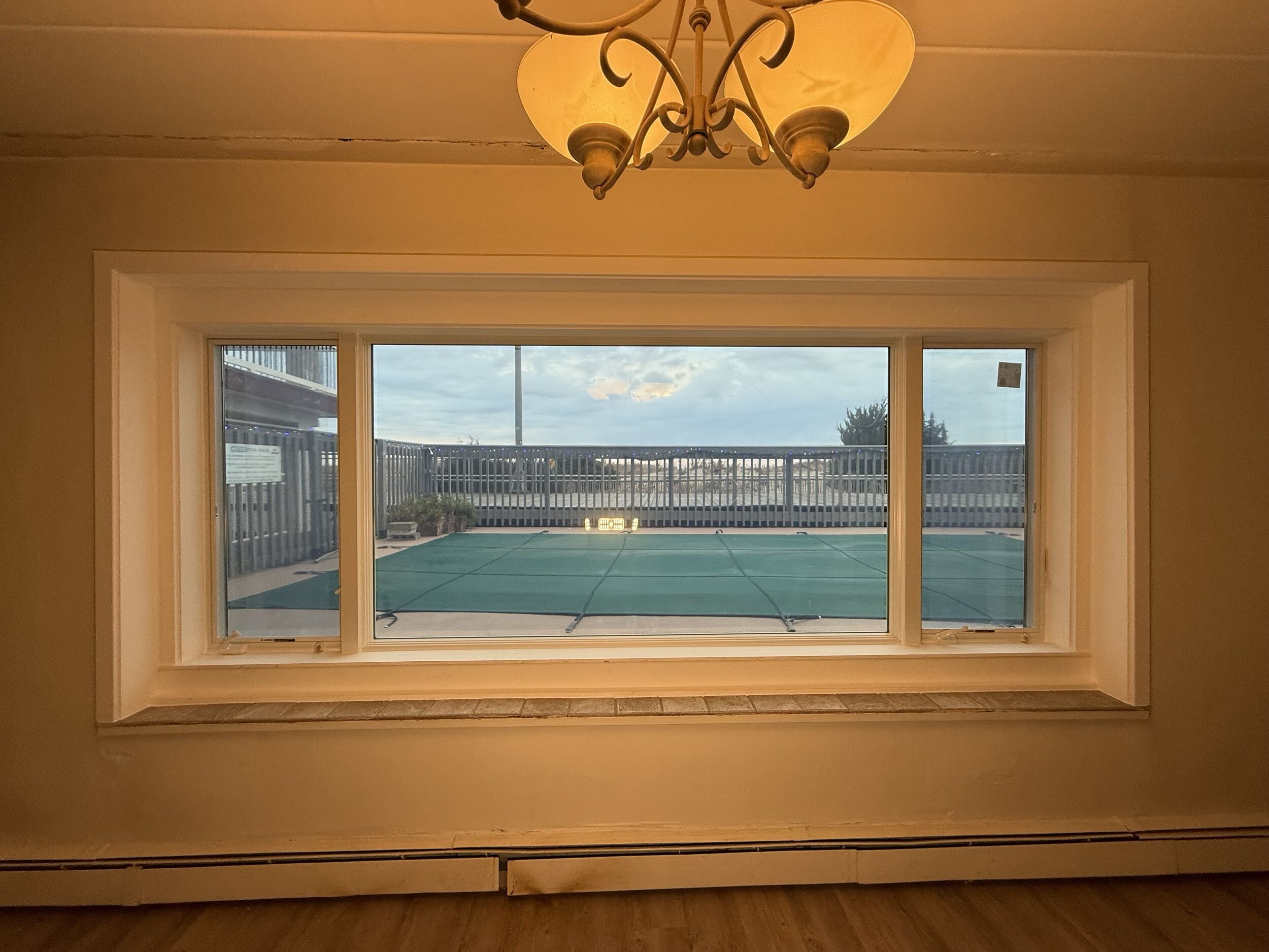
If you live near the water, a larger window lets you enjoy those coastal Jersey Shore views. It connects your indoor living space with the outdoors. You can also design your windows with custom configurations. For example, you can combine a large center picture window with operable side windows to get both beautiful views and excellent ventilation.
Planning Structural Changes for Installing Bigger Windows in House
You cannot simply cut a larger hole in a wall without planning. Your home relies on studs and headers to hold up the roof and upper floors. When you enlarge a window, you will likely need to modify these structural components.
If the wall is load-bearing, you must support the ceiling while you work. This requires building a temporary support wall inside the room. You will also need to install a larger header above the new window opening to distribute the weight of the house safely.
Because of these structural changes, you will need a building permit. If you are wondering about local rules, you can review the Do You Need a Permit for Windows? 50-State Replacement Guide (2026) | PermitDeck . In New Jersey, the Uniform Construction Code requires permits for any project that alters the structural framing of your home.
Types of Window Enlargements and Structural Impacts
Not all window enlargements are the same. The direction you expand the window determines the complexity of the framing work, the cost, and whether you need to touch the load-bearing header. When Fitting New Windows, we look at three primary methods.
The Cut-Down Method (Vertical Enlargement)
The cut-down method is the most affordable way to get bigger windows. This process involves expanding the window downward toward the floor.
Because you are only cutting downward, you do not need to touch the existing header above the window. The studs on the sides of the window remain in place. You only need to lower the window sill. This makes the project much less complex. It saves on labor costs and usually does not require a structural engineering plan.
Full Horizontal Enlargement
If you want a wider window, you must perform a full horizontal enlargement. This is a much more intensive process.
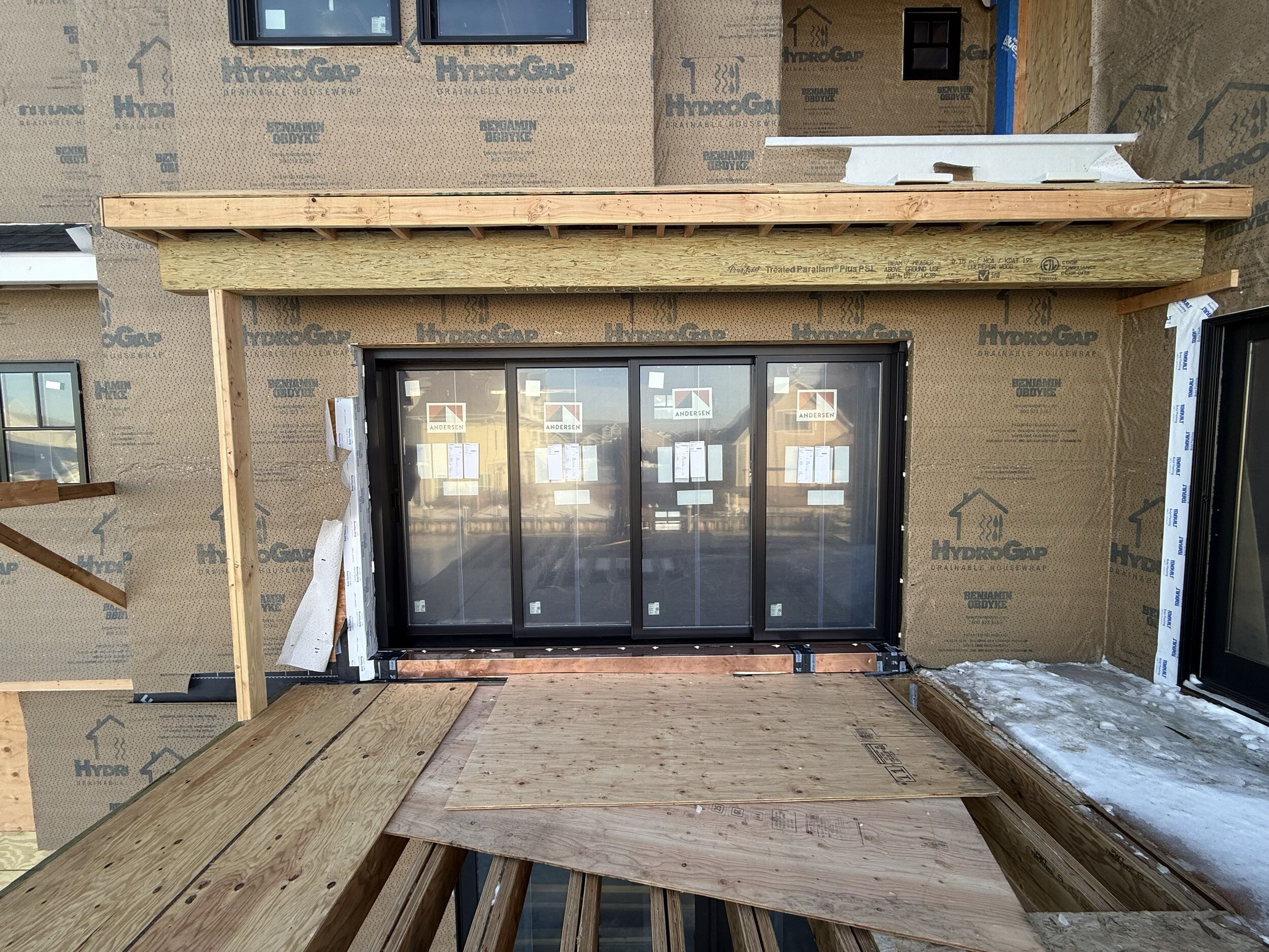
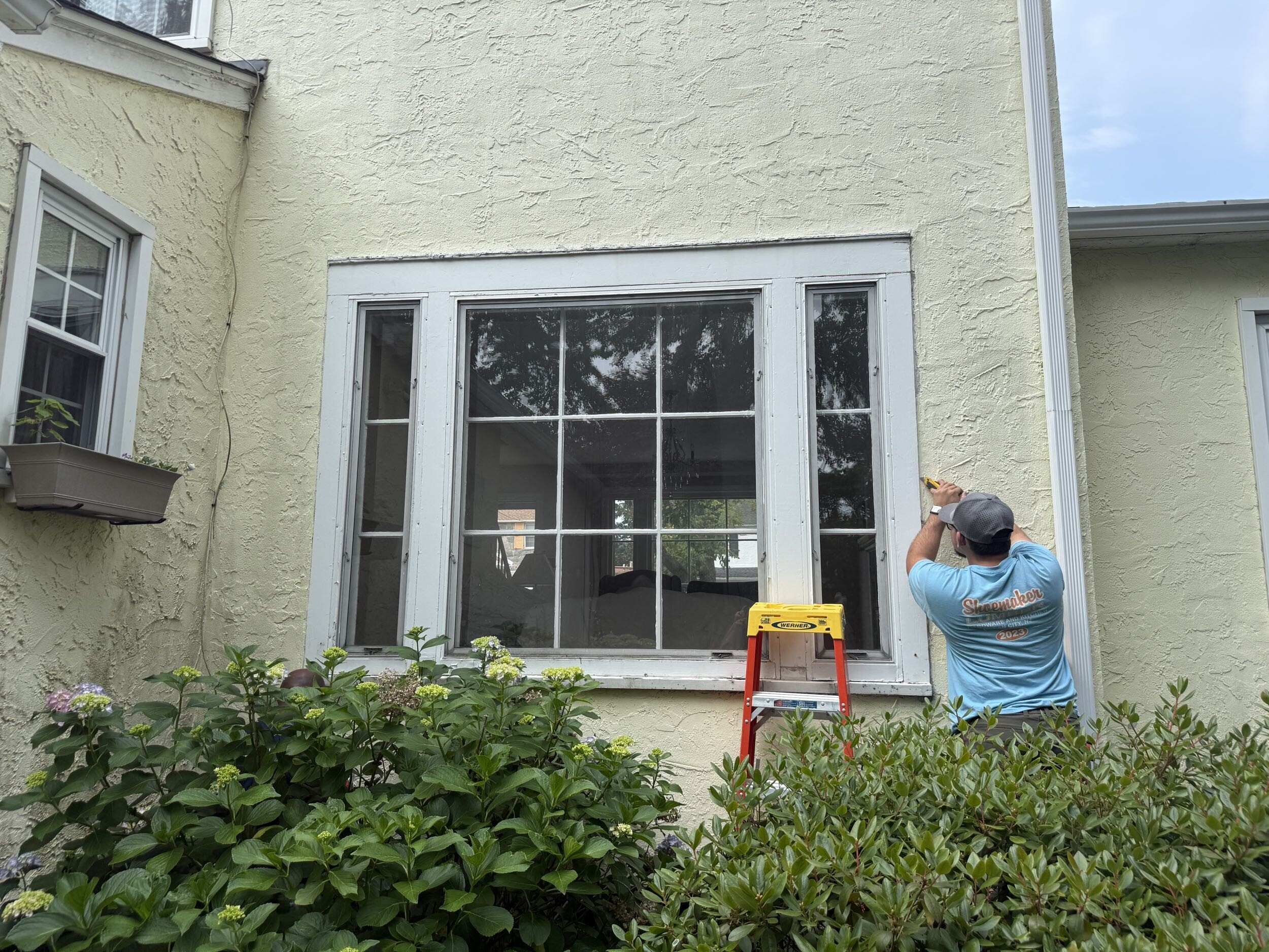
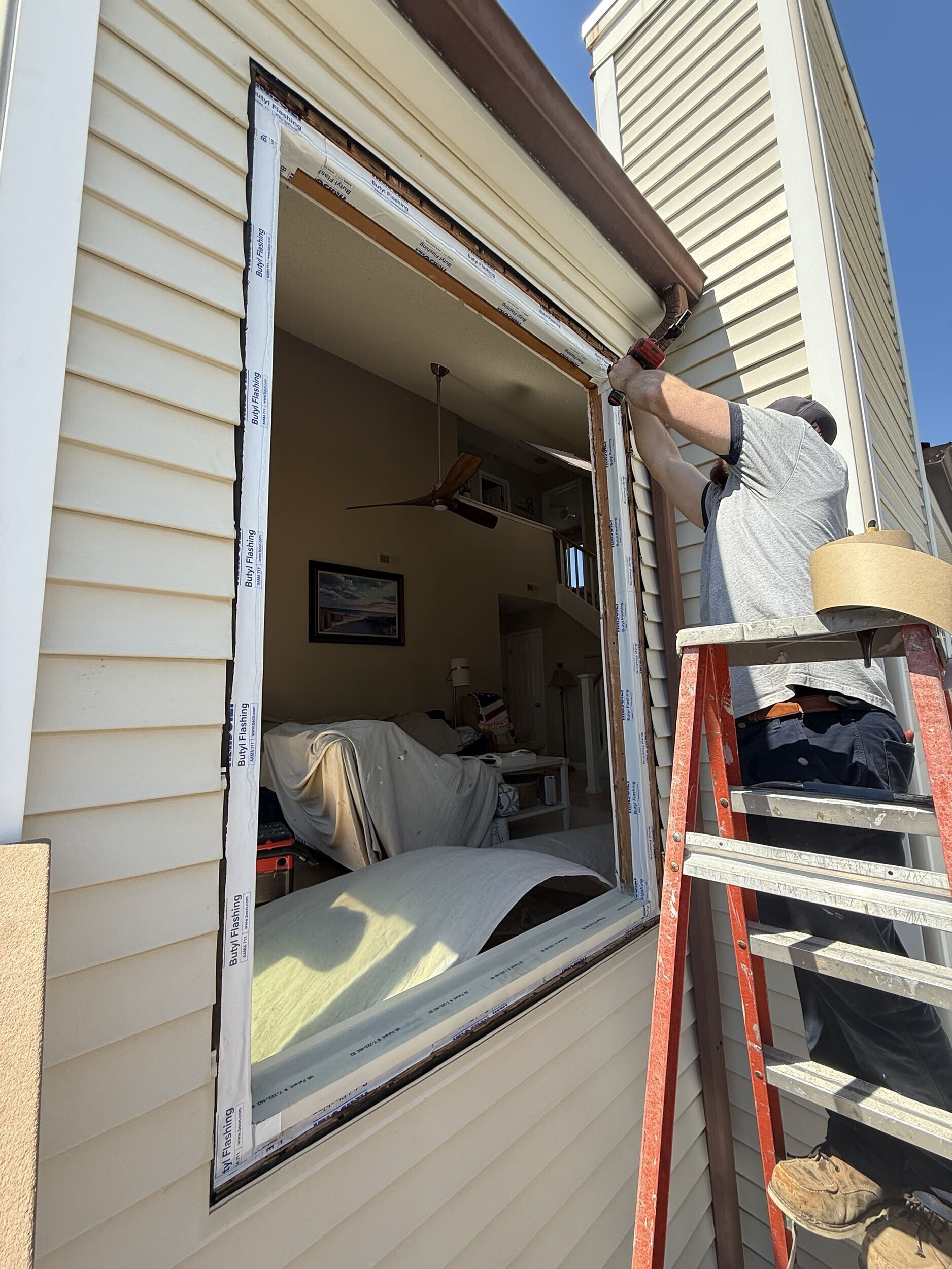
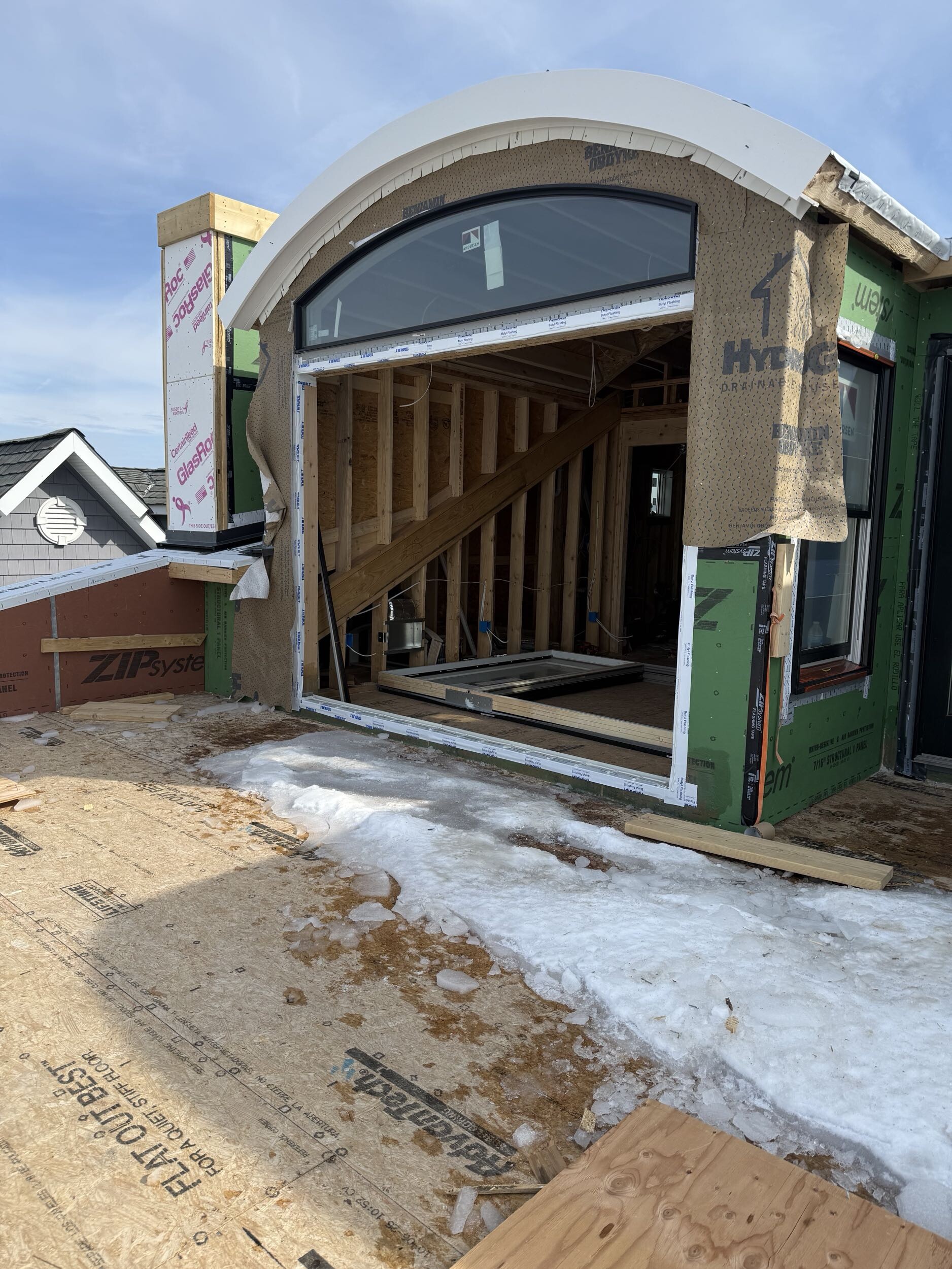
To make a window wider, you must cut into the studs on both sides of the existing opening. This means you must remove the old header and install a longer, stronger header to span the new, wider opening. This structural change requires careful calculation. For these projects, you will be Installing a New Construction Window in an Existing Home frame, which involves removing the siding or brick trim around the window to expose the framing.
Cost Breakdown and Budgeting Factors
Budgeting for a window enlargement project requires looking at more than just the price of the glass. You must factor in structural labor, permits, and finishing work.
Here is how the costs compare for different types of window enlargement projects:
Enlargement TypeTypical Labor CostTypical Window Unit CostTotal Estimated CostVertical Cut-Down$1,000$500 to $1,500$1,500 to $2,500Horizontal Widening (Wood Frame)$1,500 to $2,500$800 to $2,500$2,300 to $5,000Horizontal Widening (Brick Wall)$2,000 to $4,000$1,000 to $3,000$3,000 to $7,000+
Average Costs for Installing Bigger Windows in House
A standard window replacement where you do not change the size of the opening usually costs between $275 and $1,200 per window. However, when you enlarge the opening, the price increases due to the extra structural work.
The Cost of Putting in New Windows with enlarged openings typically starts around $1,500 and can easily exceed $5,000 per window for complex masonry walls. The window material also affects the price. For example, if you compare frame options, the Average Cost to Install Vinyl Windows is lower than the cost of premium fiberglass or Fibrex materials.
Hidden Costs and Finishing Work
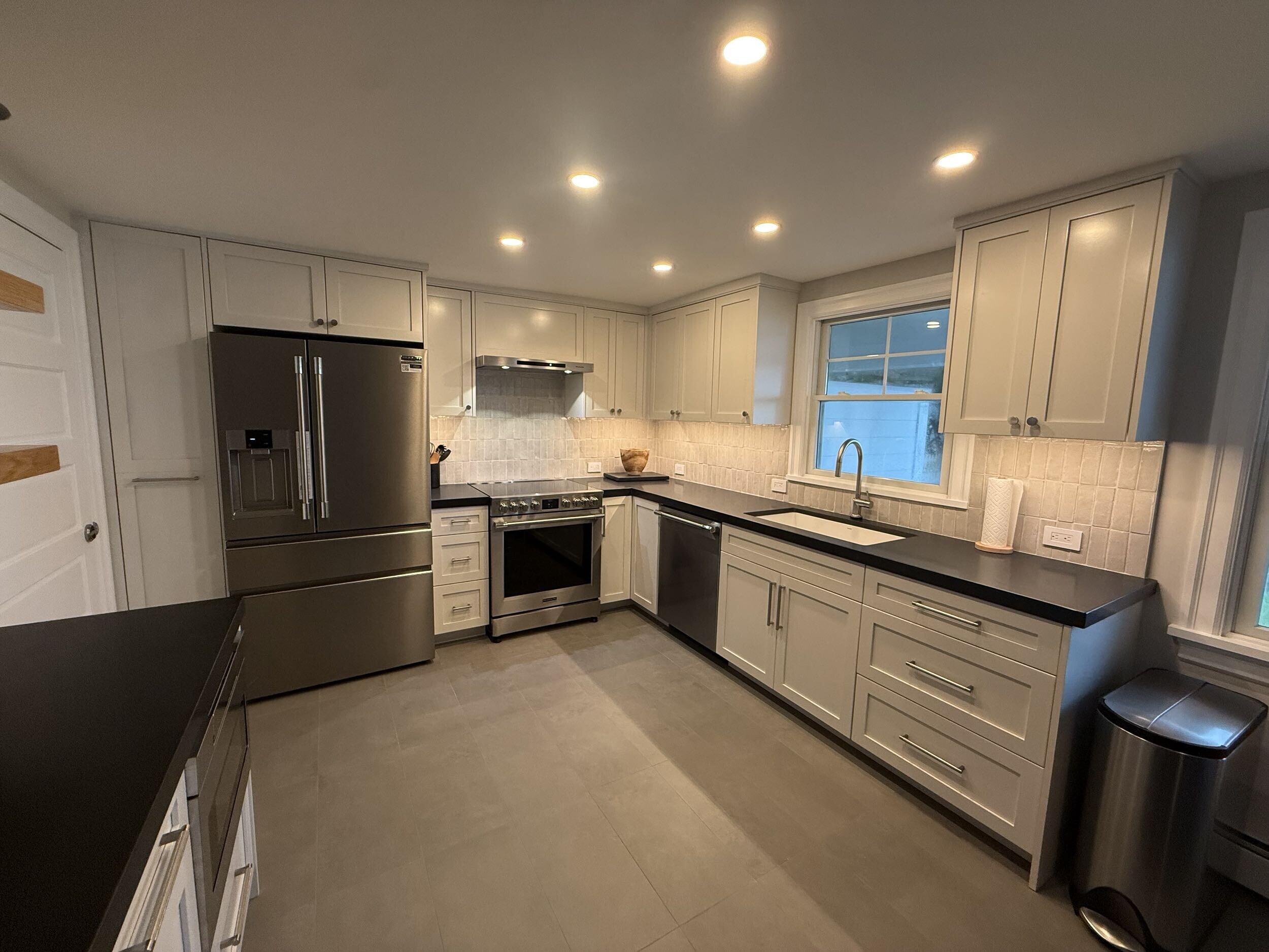
When you enlarge a window, the demolition work leaves a path of destruction on both the inside and outside of your home. You must budget for these finishing repairs:
- Drywall Repair: You will need to patch, tape, mud, and paint the drywall around the new interior frame.
- Exterior Siding or Brick Repair: Cutting the wall means you will need to patch the siding or cut and mortar new brick.
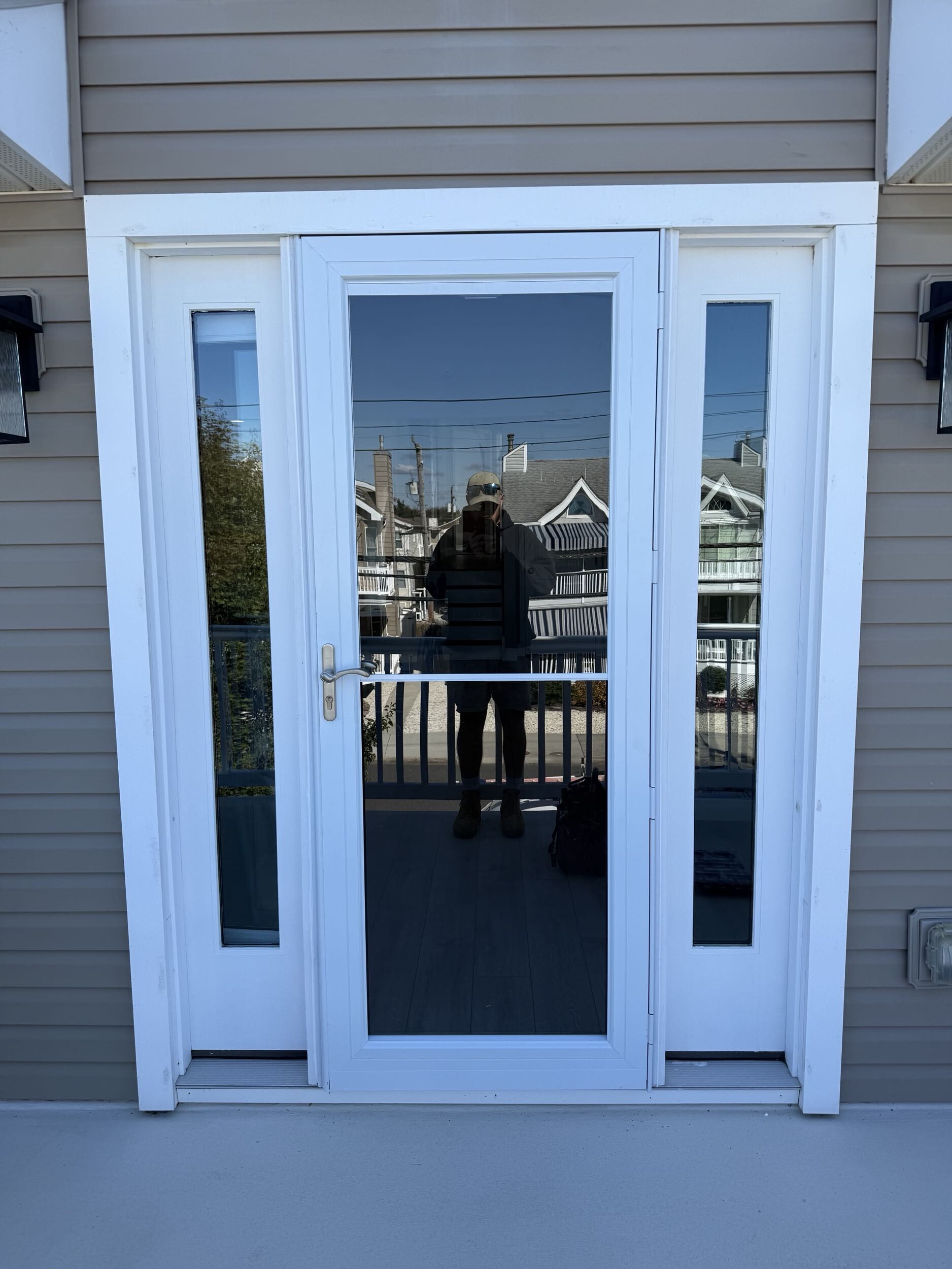
- Trim and Capping: New interior trim and exterior aluminum capping are required to seal the window and make it look complete.
- Rerouting Utilities: You might find electrical wires, plumbing pipes, or HVAC ducts inside the wall that must be moved by a licensed professional.
Upgrading to high-quality glass can prevent future energy loss. You can check the Cost to Install Double Pane Windows to see how modern glass technology saves you money over the long term.
Step-by-Step Process for Enlarging a Window Opening
Enlarging a window is a precise process. If you skip a step, you risk water leaks, structural sagging, or drafts.
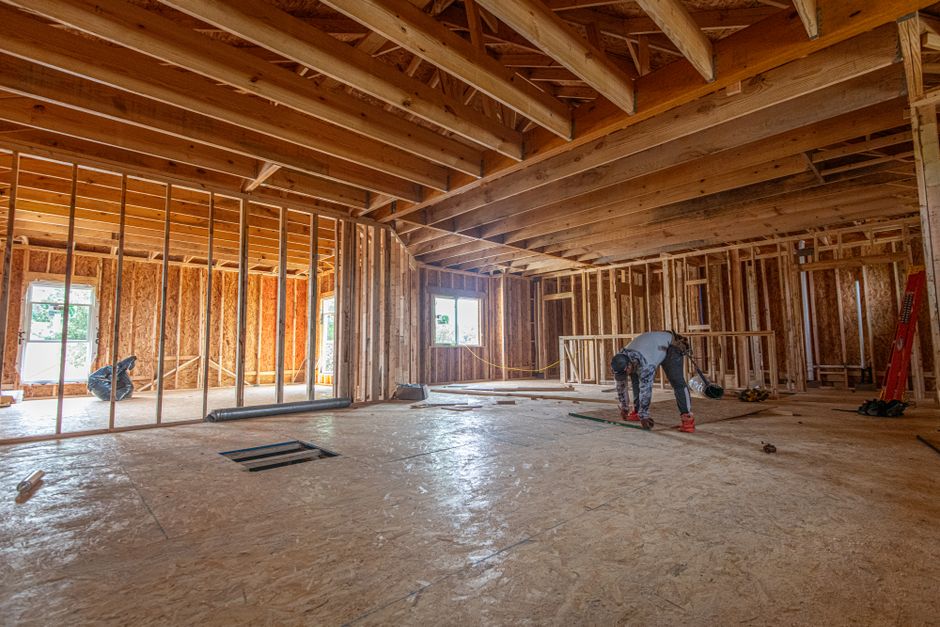
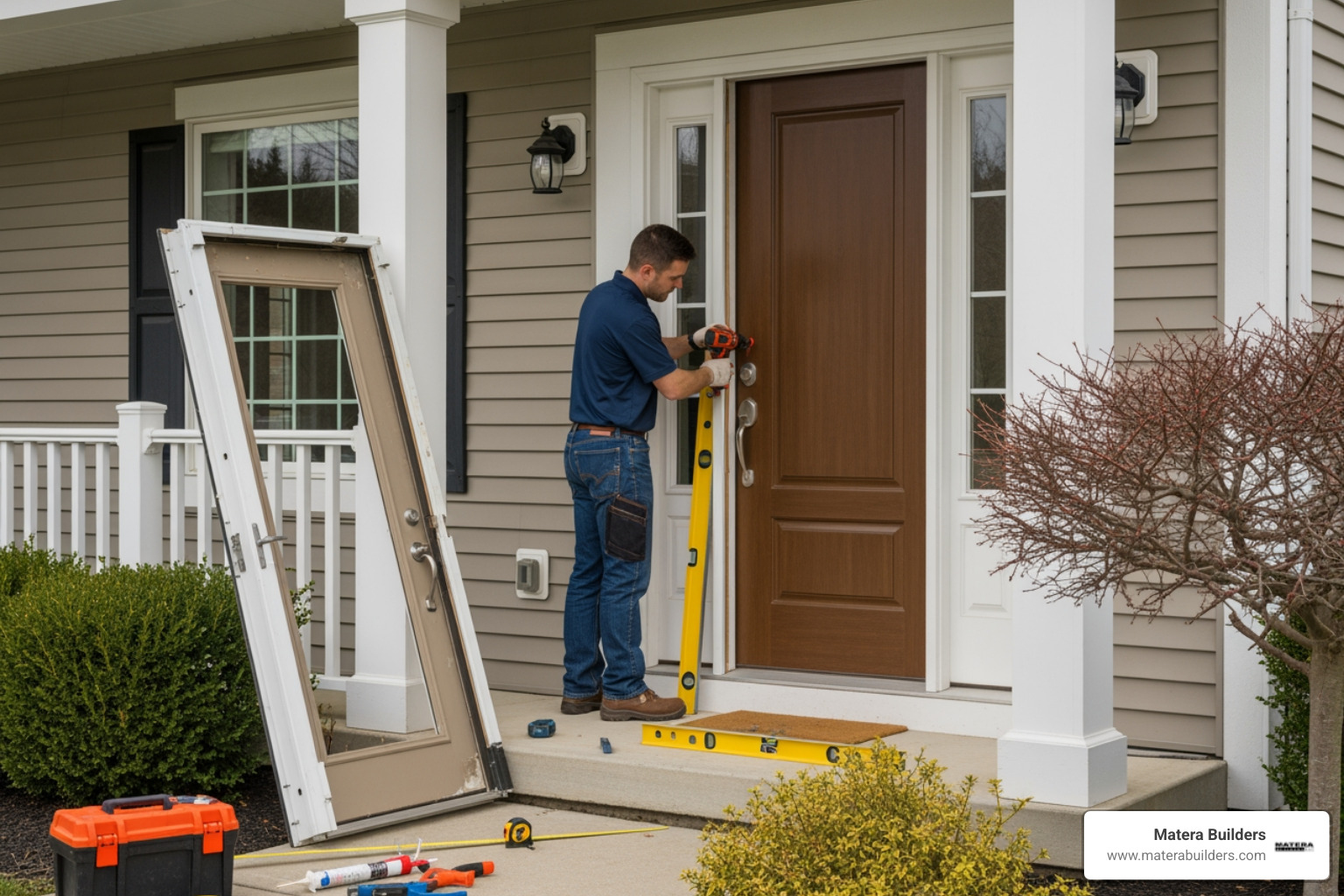
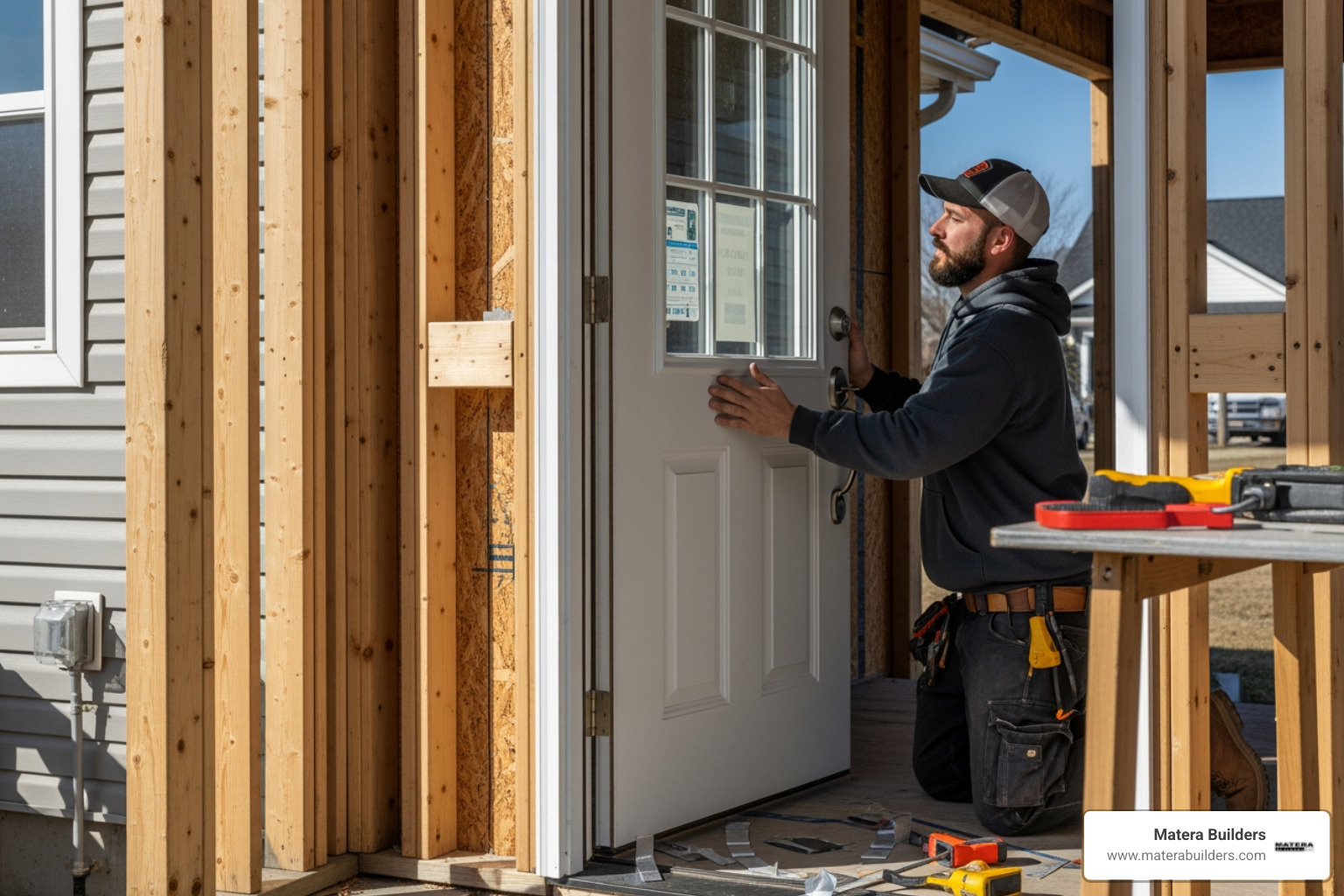
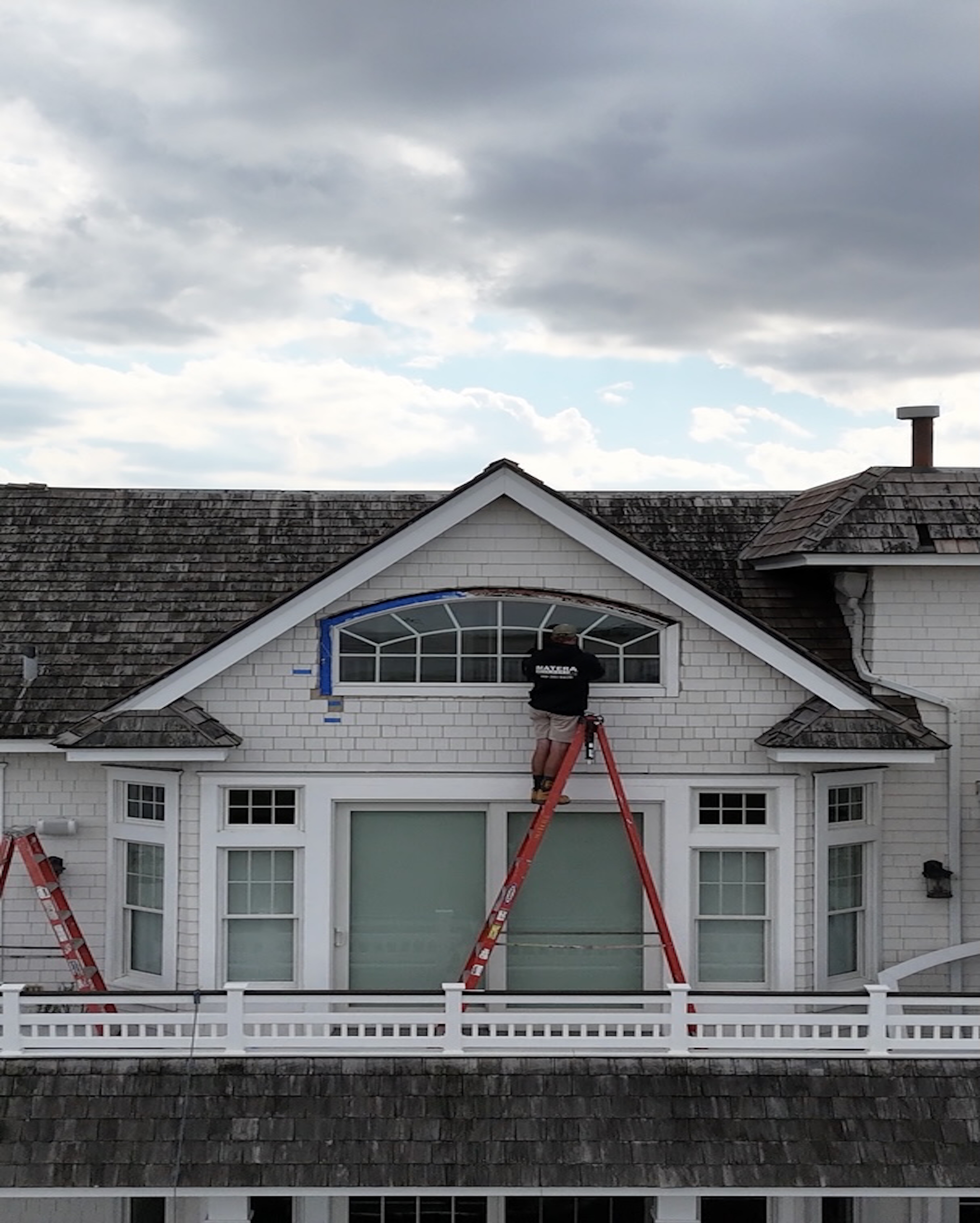
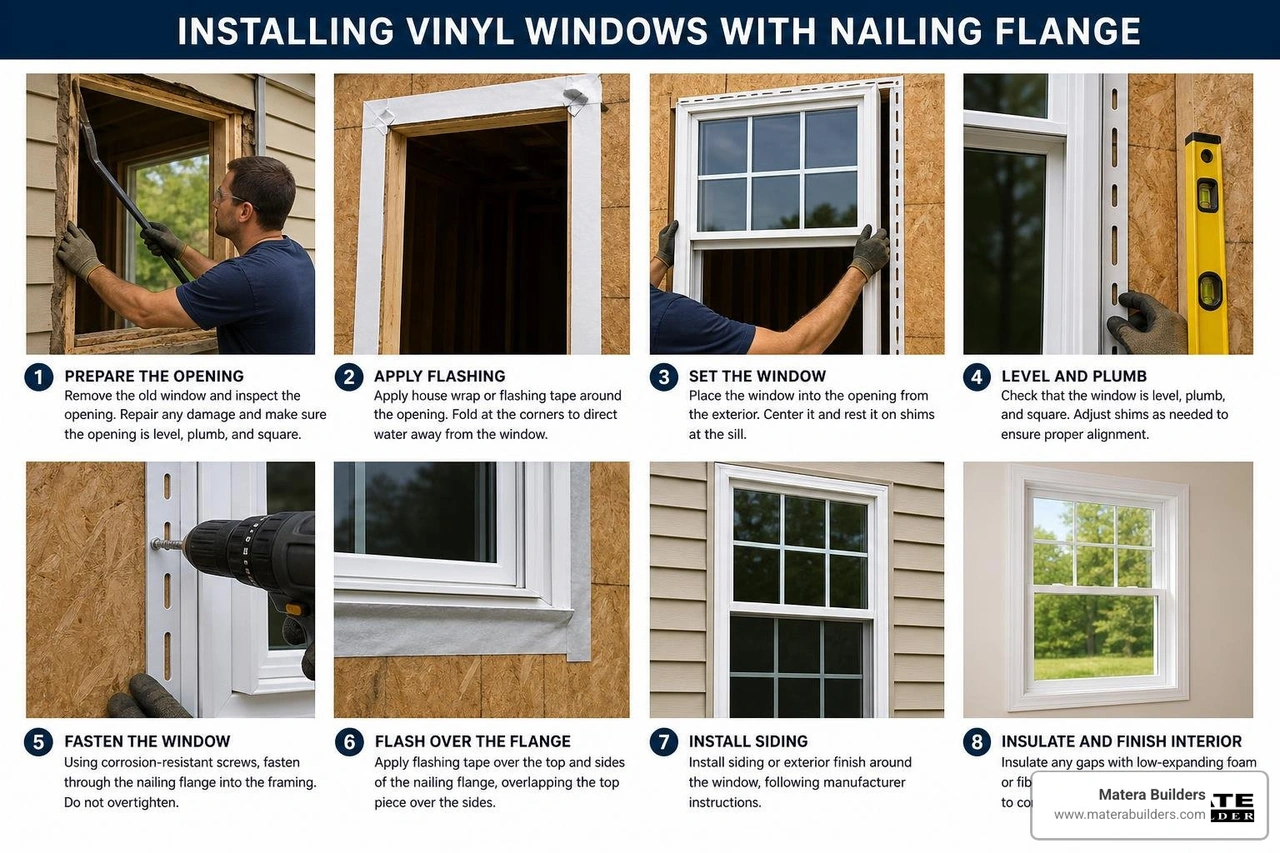
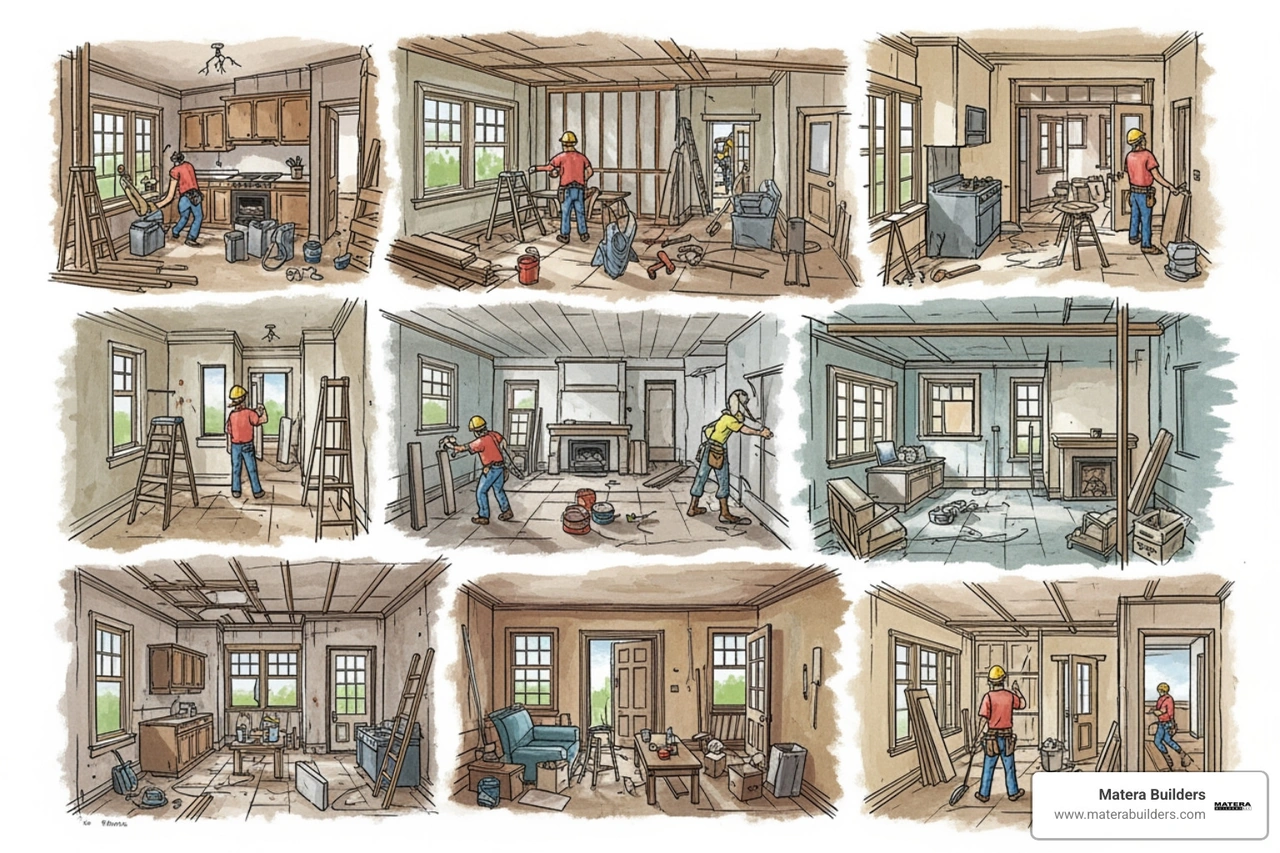
Here is how our team at Matera Builders handles the installation process:
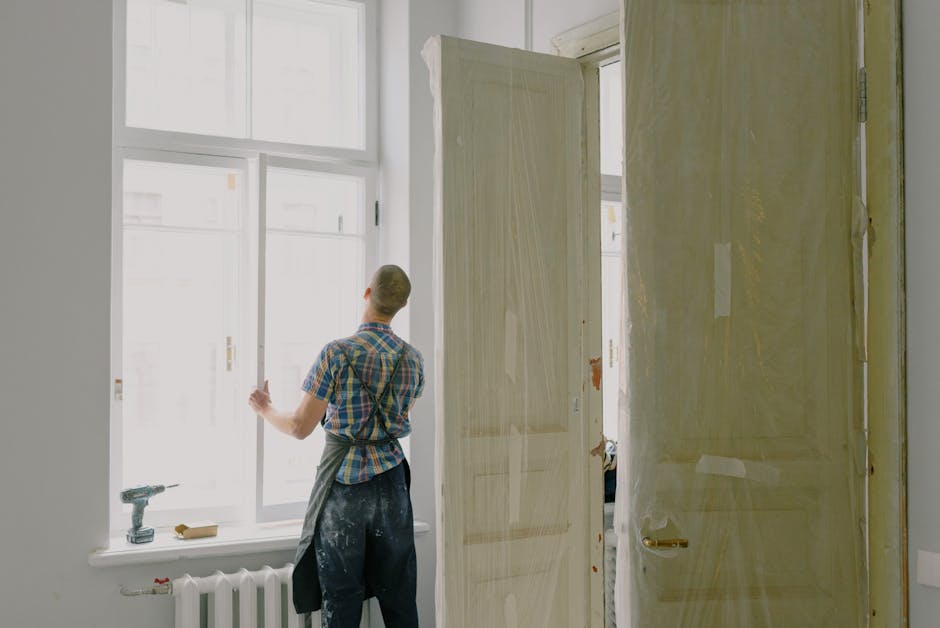
- Prepare the space: We set up tarps and plastic barriers to protect your furniture and floors from dust.
- Remove the old window: We carefully remove the existing window sash and frame.
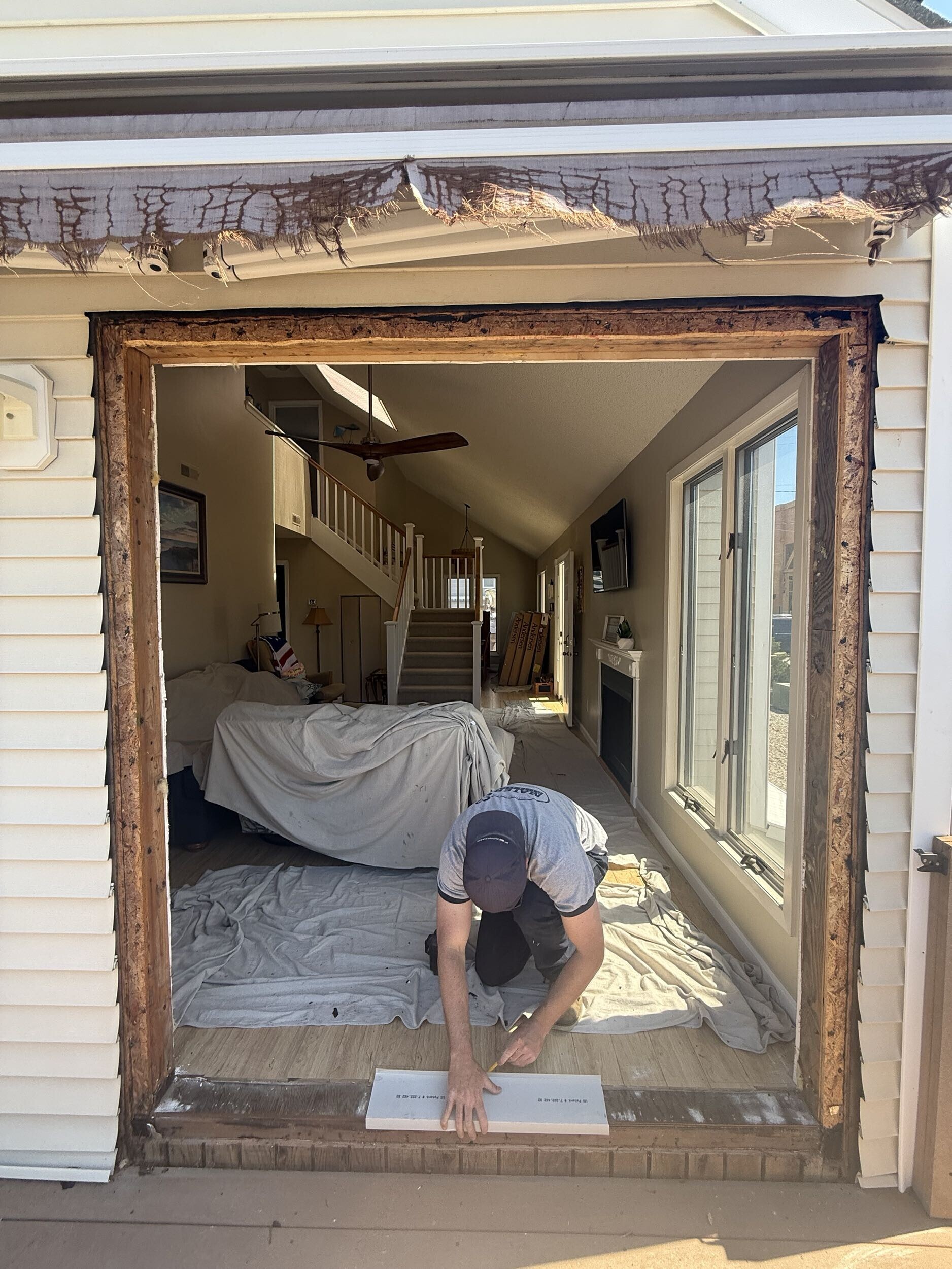
- Expose the framing: We remove the interior drywall and exterior siding around the window to see the studs.
- Build temporary support: If the wall is load-bearing, we build a temporary wall to hold up the ceiling.
- Cut the new opening: We cut the wall studs and exterior sheathing to the exact rough opening dimensions.
- Install the new header and framing: We install a new, properly sized header and add king studs and jack studs to support it.
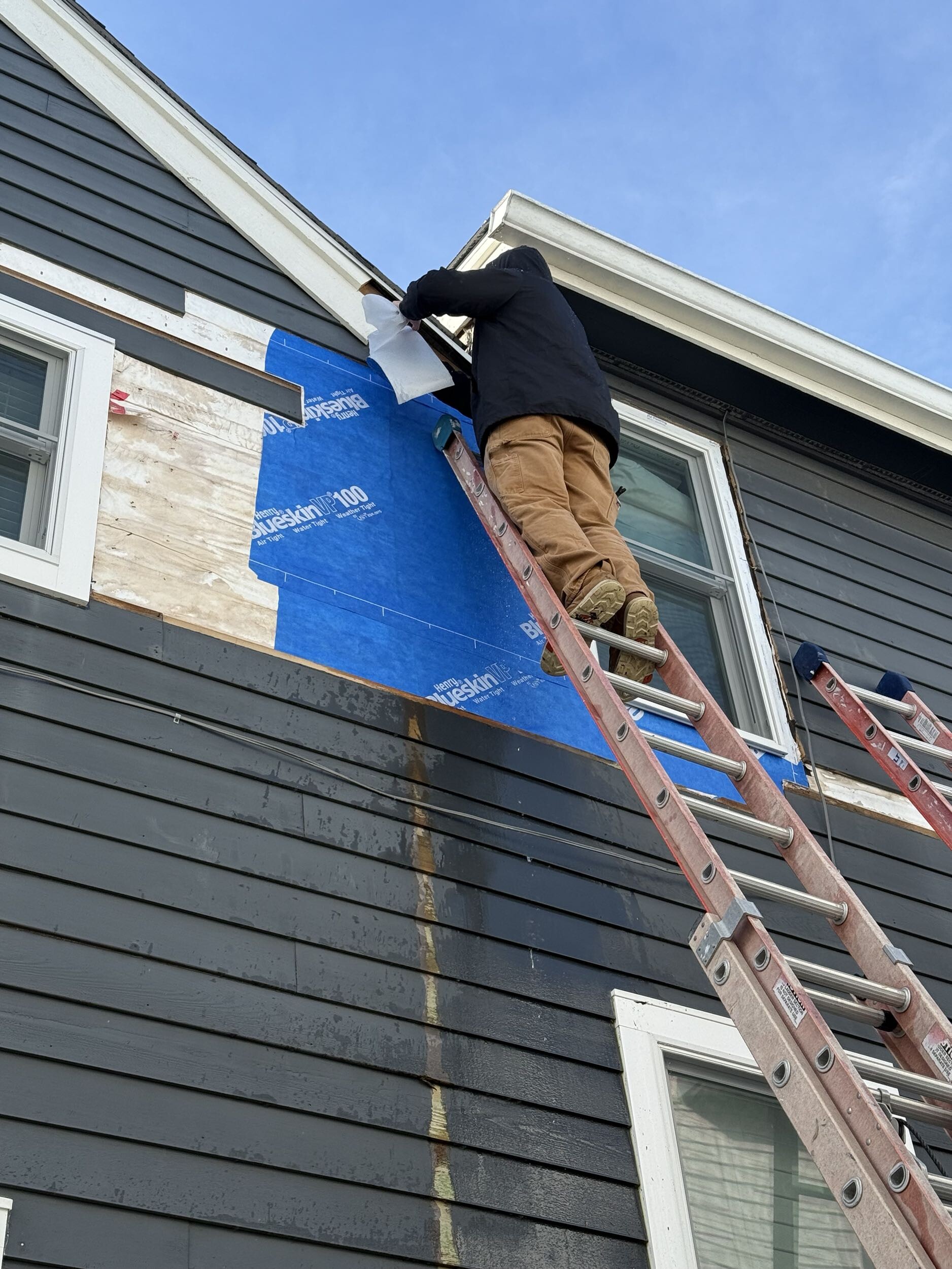
- Flash and weatherproof: We apply flexible flashing tape and build a sloped sill pan to keep water out. This is a critical step for preventing wood rot.
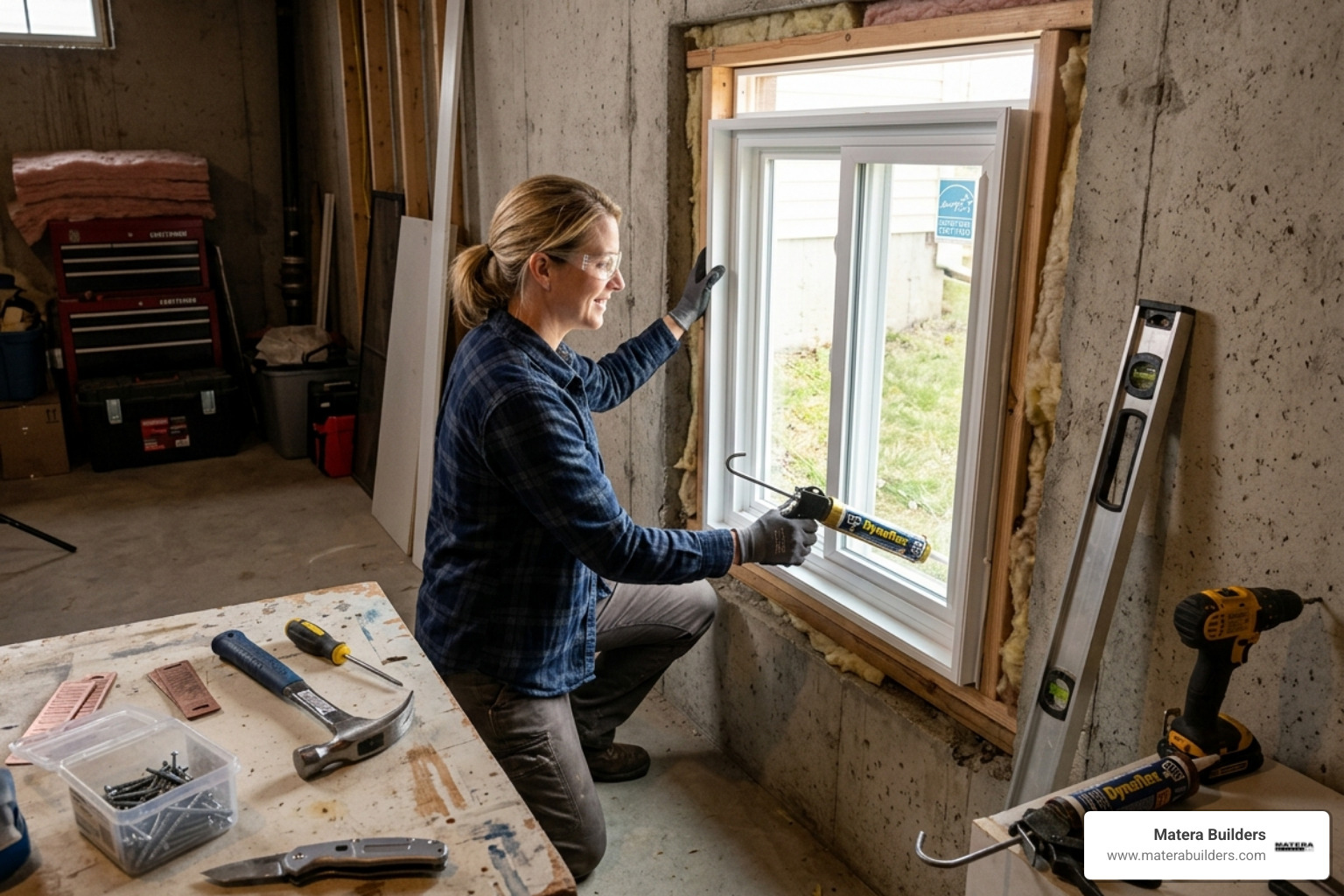
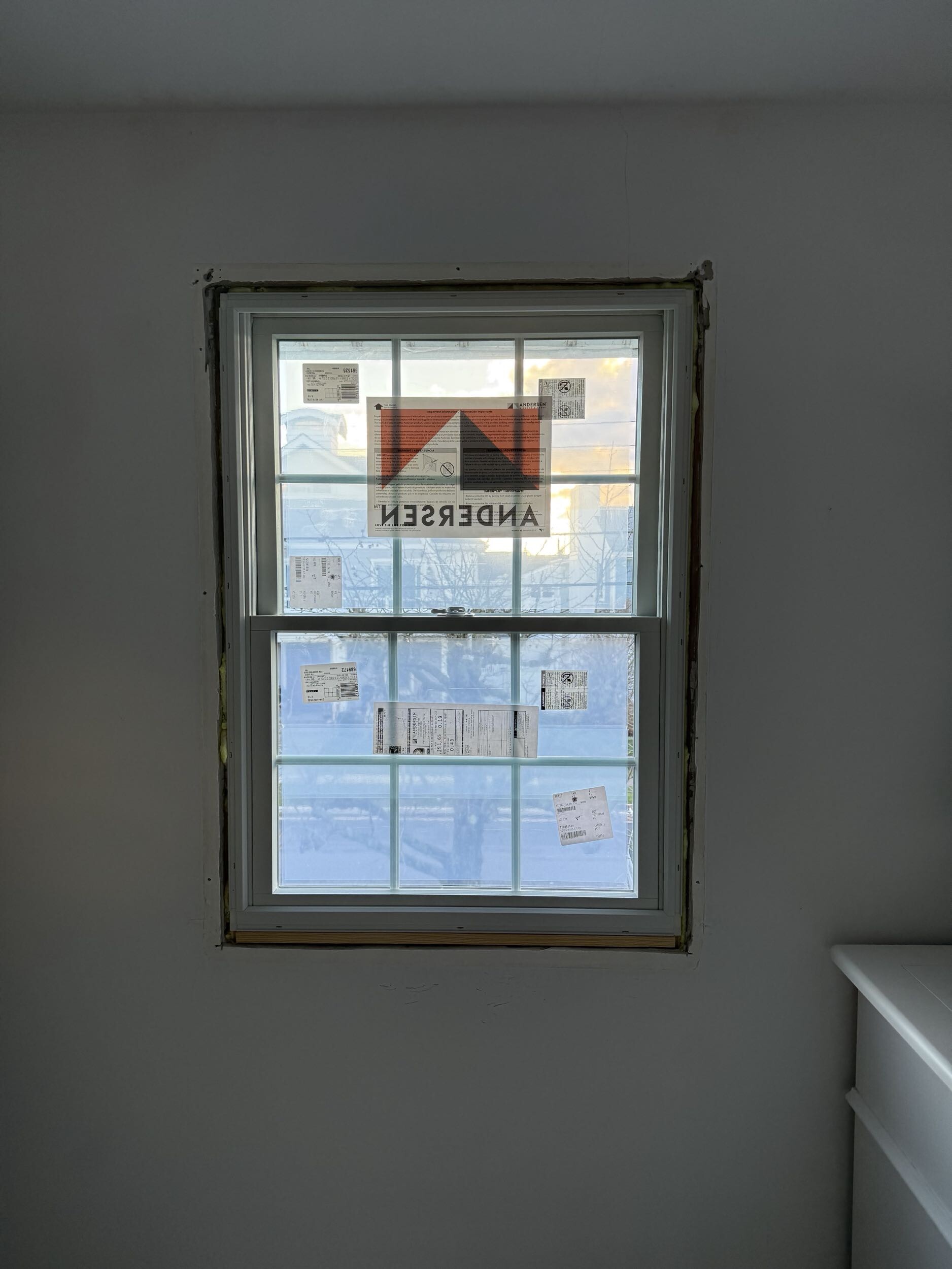
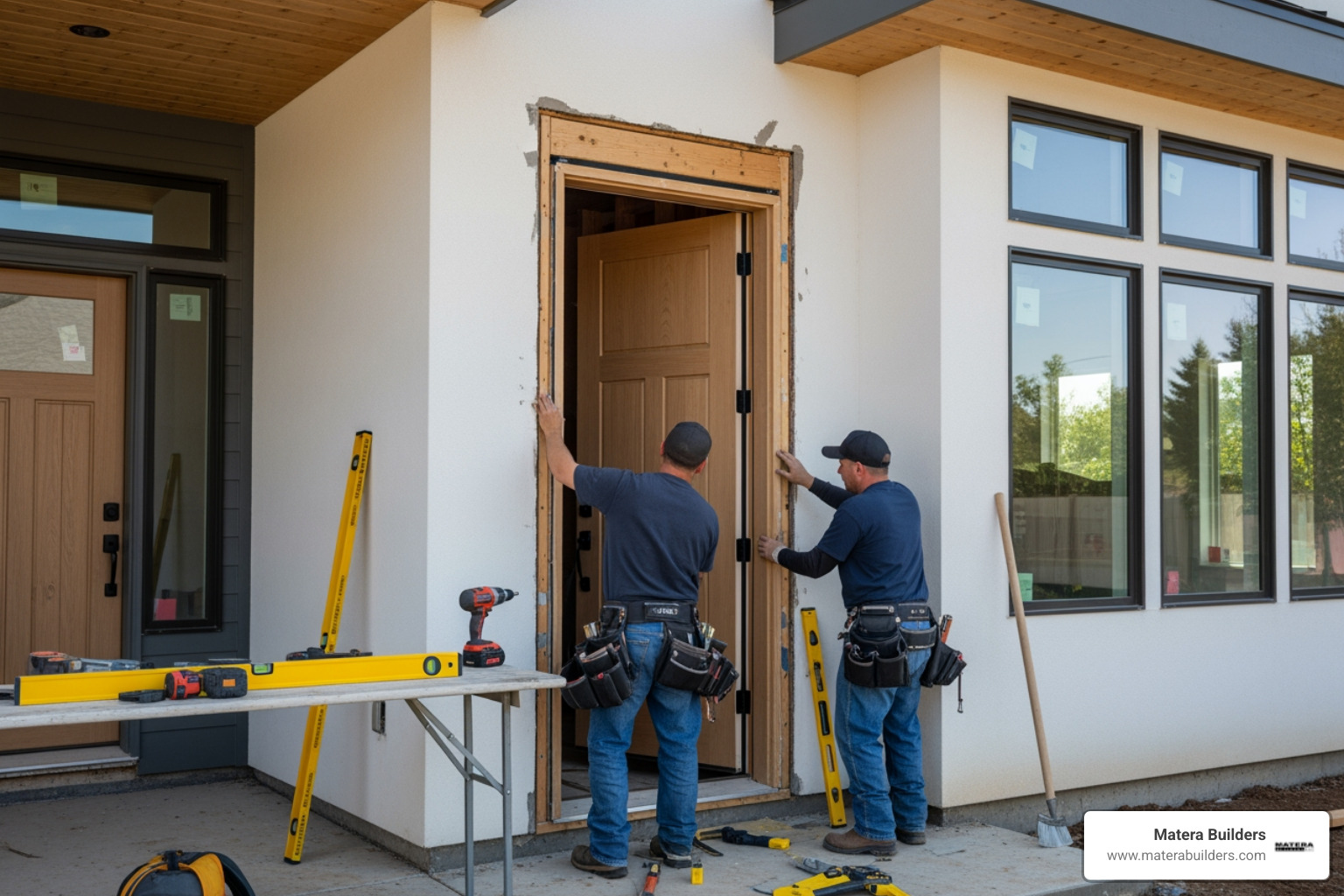
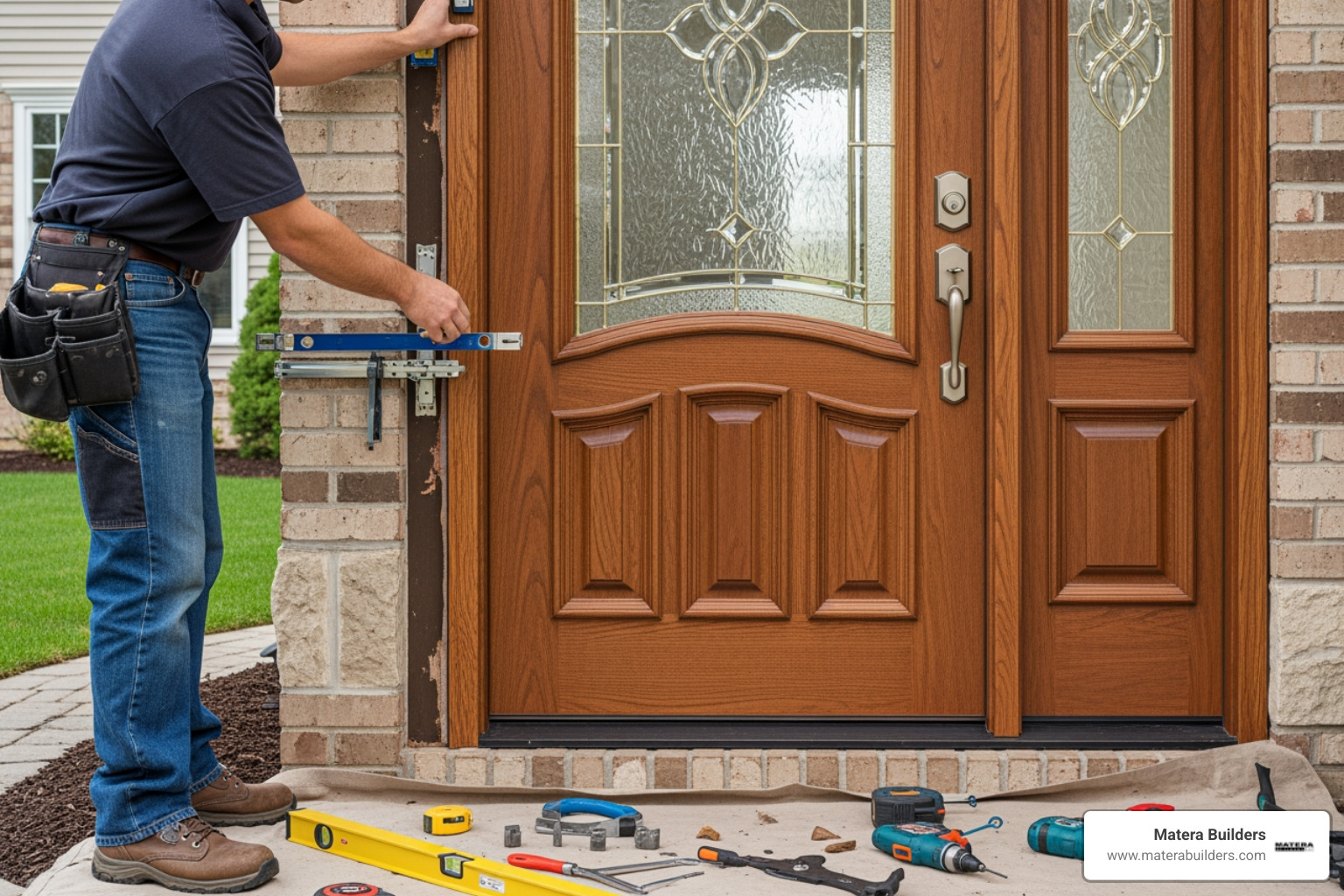
- Set the new window: We place the window in the opening, use shims to make sure it is perfectly level, plumb, and square, and secure it with screws.
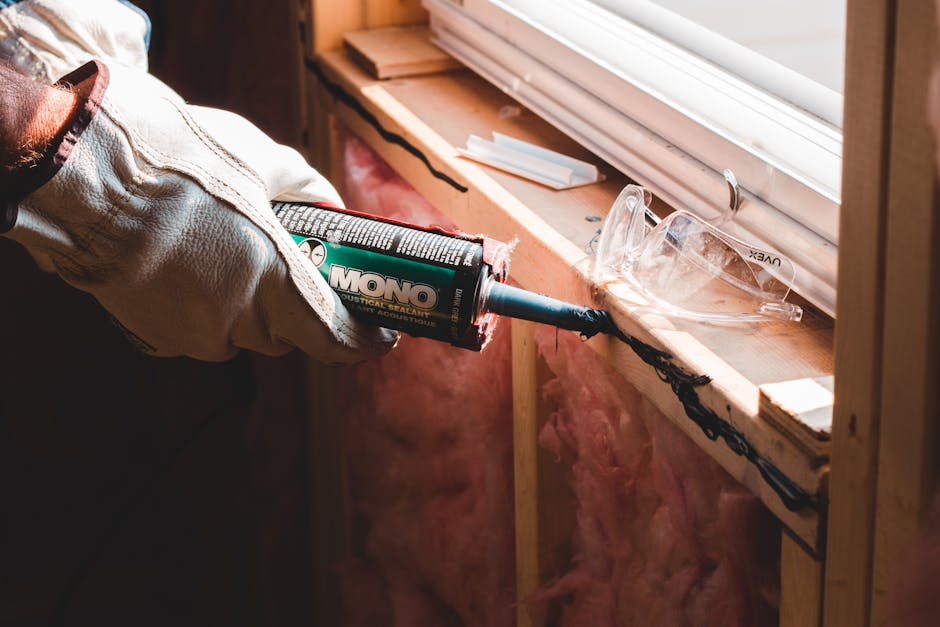
- Seal and insulate: We apply low-expansion polyurethane foam around the frame to block drafts.
- Finish the interior and exterior: We repair the drywall, install new trim, and patch the exterior siding or brick.
For more details on standard window installation steps, you can read the guide on How to Install a Replacement Window - This Old House .
Special Considerations for Brick and Masonry Homes
Working with brick is much more challenging than working with wood siding. If your home has a brick veneer, we must use an angle grinder with a diamond blade to cut the masonry cleanly.
When widening a window in a brick wall, we must install a new steel lintel above the opening to support the heavy bricks. We also take great care to save the bricks we remove. Matching old brick colors can be nearly impossible, so we clean and reuse the original bricks to patch the sides of the new window.
For a detailed look at this technical process, see the guide on how to Install a Replacement Window in a Brick House - Fine Homebuilding .
Choosing the Right Materials and Glass for Coastal Climates
If you live in Ocean City, Wildwood, or anywhere along the Jersey Shore, your windows face harsh conditions. Salt air, high humidity, and strong coastal winds will quickly destroy cheap materials.
Choosing the right frame and glass is essential for protecting your investment. You can read more about local options in our guide on Energy Efficient Windows NJ.
Frame Materials: Vinyl vs. Fibrex and Fiberglass
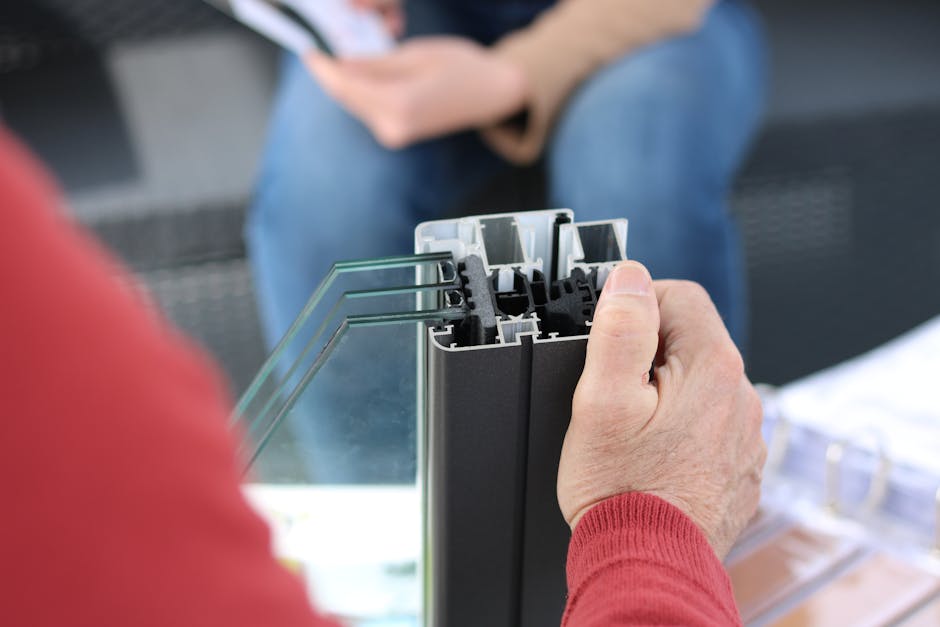
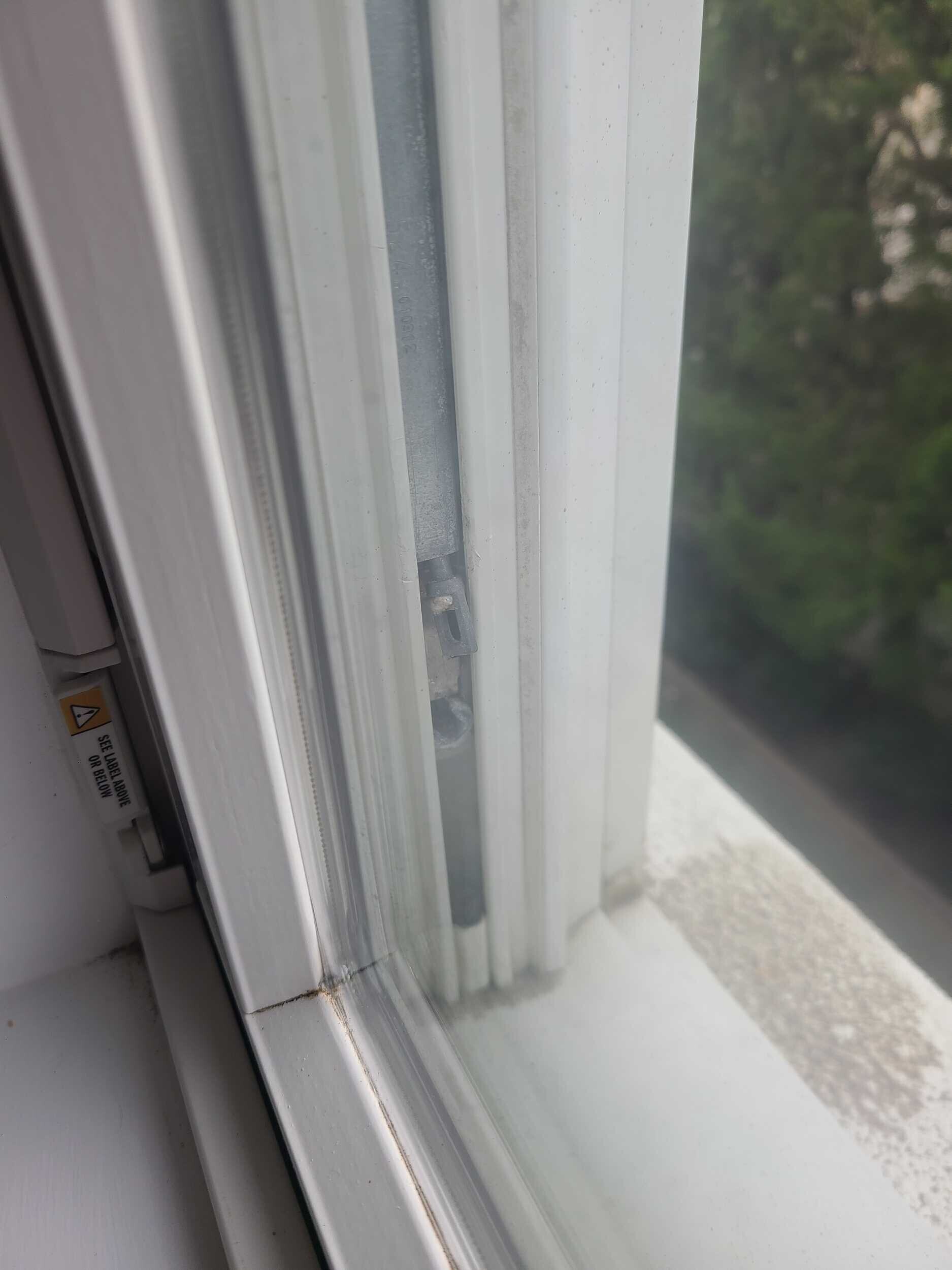
While cheap vinyl windows are common, they often struggle in coastal climates. Large vinyl windows can warp and expand when exposed to direct summer sun and high heat. This warping ruins the weather seal and makes the window hard to open.
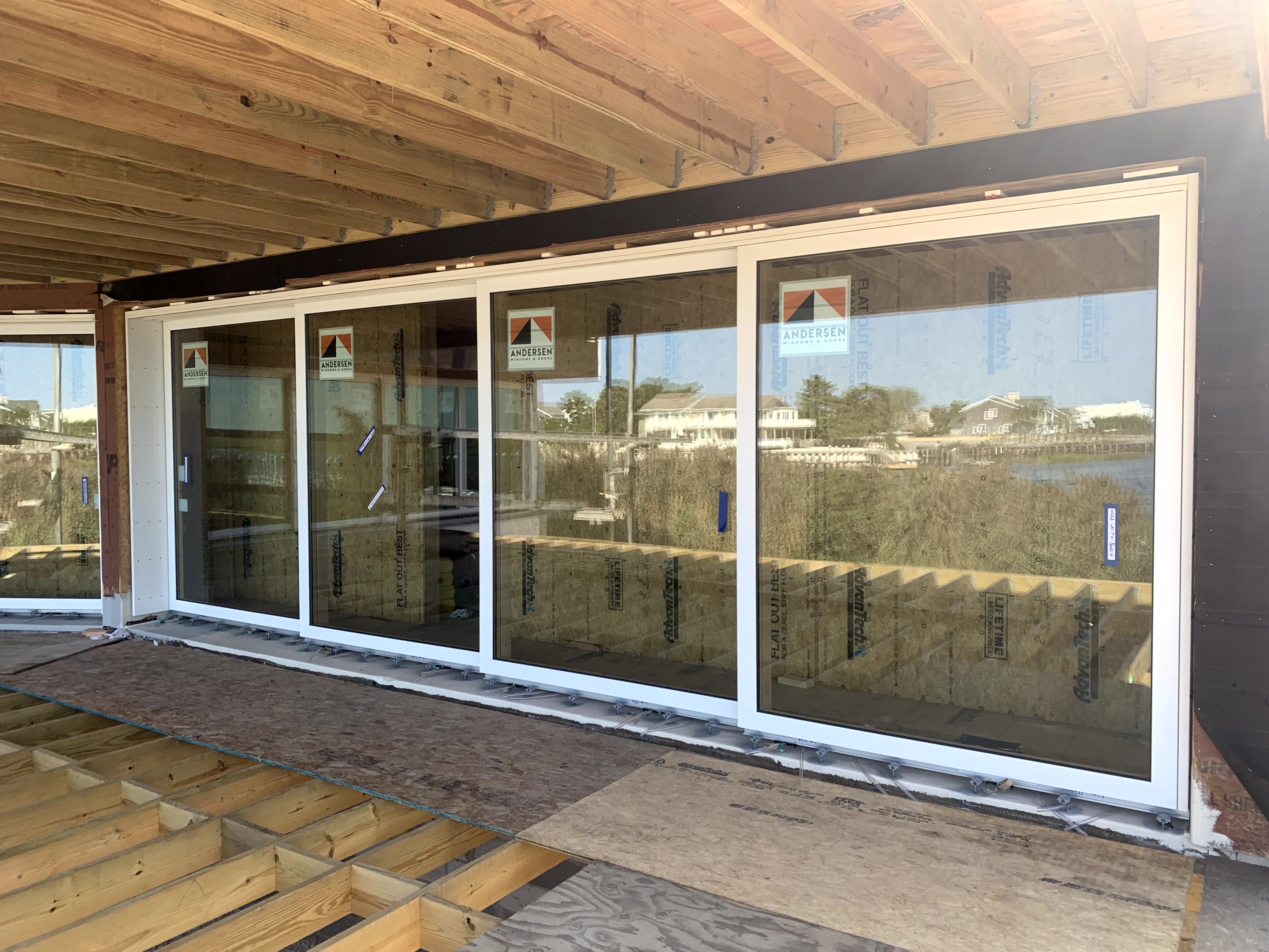
Fibrex composite material, used in Andersen windows, is twice as strong as vinyl. It handles extreme temperature swings without expanding or contracting. Fiberglass is another excellent, durable option.
When planning a custom project, selecting high-performance materials prevents frame failure. You can learn more about custom material choices in the Custom Window Replacement: The Complete 2026 Guide to Upgrading Your Home - Hyltoncastle .
Glass Options and Energy Performance
A larger window means more glass area, which can lead to more heat transfer if you choose the wrong glass.
For the best comfort, we recommend double-pane or triple-pane glass with Low-E coatings. These coatings reflect heat back to its source. This keeps your home cool in the summer and warm in the winter. If you want to maximize your energy savings, look into Installing Double Glazed Windows with argon gas fills to create an extra layer of insulation.
Frequently Asked Questions about Window Enlargement
Do I need a permit to install larger windows?
Yes. In New Jersey, any project that changes the size of a window opening or modifies the structural framing of a wall requires a building permit. This ensures that the new header is sized correctly to support the weight of your home safely.
How long does a window enlargement project take?
A typical window enlargement project takes about two to four days per window. This includes the demolition, framing, window installation, and the interior drywall and exterior trim repairs. Custom window manufacturing lead times can take six to twelve weeks, so it is important to plan ahead.
What is the difference between insert and full-frame replacement?
An insert replacement fits a new window inside the existing wood frame. This is only possible if your old frame is completely solid and you are keeping the exact same window size.
A full-frame replacement involves removing the entire old window, frame, and trim down to the rough opening. When you are enlarging a window, you must perform a full-frame replacement because the entire opening is being rebuilt.
Conclusion
Installing bigger windows in a house is a major upgrade that completely changes how you experience your home. By bringing in more natural light and opening up your views, you can make your living spaces feel brand new.
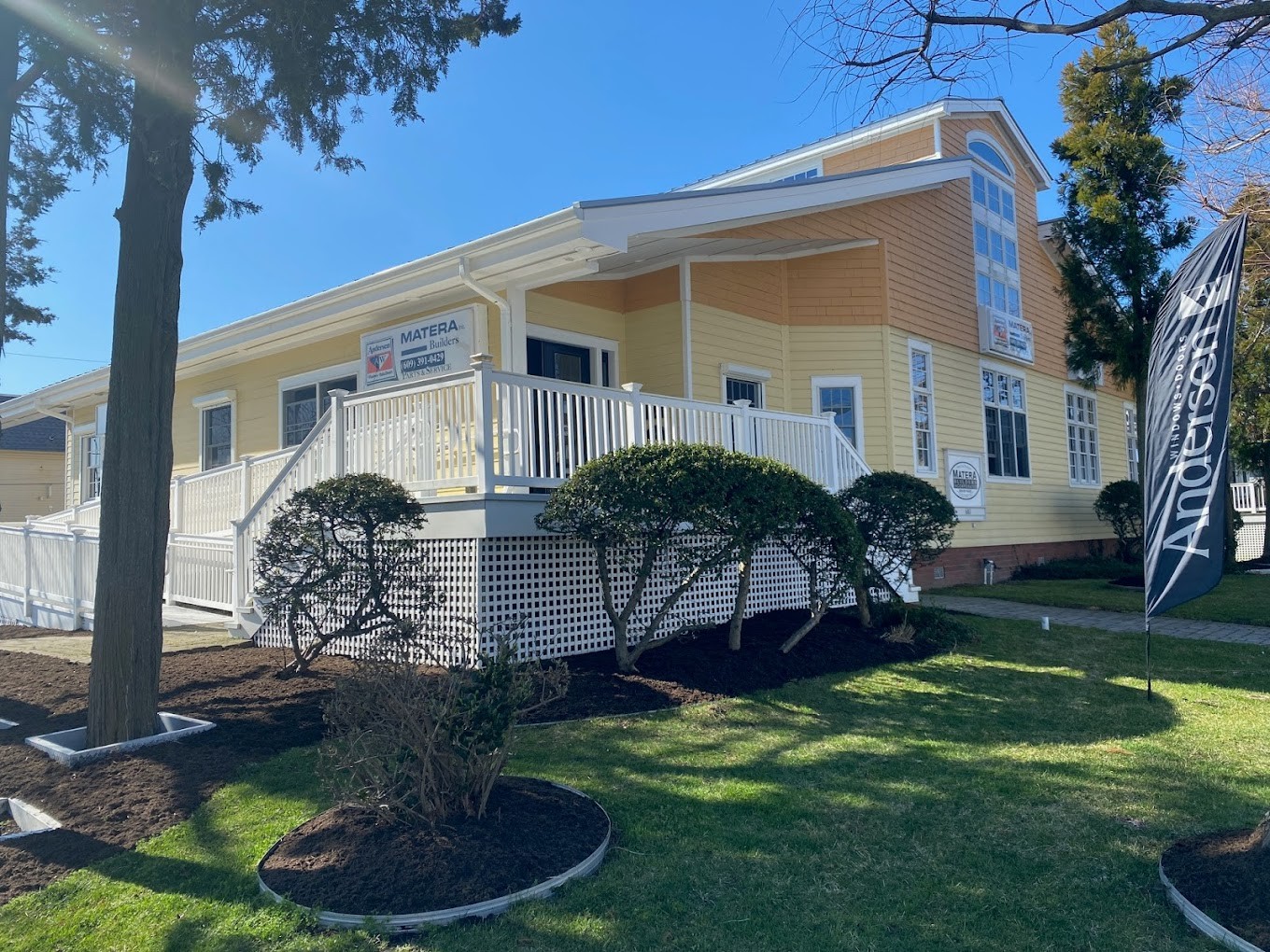
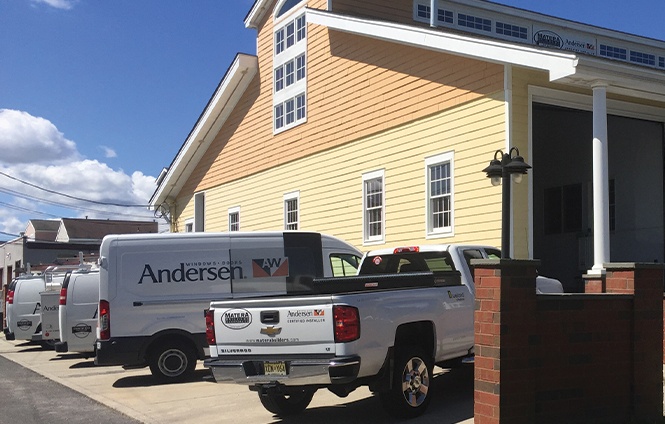
Because this project involves structural changes, weatherproofing, and precise framing, it is best to work with experienced professionals. At Matera Builders, Mike Werner and our team have brought local experience to every project along the Jersey Shore since 1988. As an Andersen Elite Certified Contractor, we understand how to protect your home from salt air, coastal winds, and water intrusion.
We stand behind our work with a strong Window Installation Warranty NJ to give you peace of mind. If you are ready to transform your home with beautiful, high-performance Andersen windows, we are here to help.
Get a consultation for Andersen Windows and Doors with Matera Builders today, and let us help you design the perfect view for your home.



.jpg)
.jpg)