


Why a Full House Renovation Is One of the Biggest Decisions a Homeowner Can Make
A full house renovation is exactly what it sounds like: a complete transformation of your home, from the structure and systems to the surfaces and finishes. If you're trying to decide whether to move forward, here's a quick overview of what to expect:
What is a full house renovation?
- A project that updates most or all of your home at once
- Includes structural work, systems upgrades (electrical, plumbing, HVAC), and cosmetic finishes
- Costs range from roughly $10 to $400+ per square foot depending on scope
- Whole-home projects typically run $150,000 to $300,000 or more for a full gut remodel
- Timeline: 6 to 10 months for finish-focused work, 12+ months for structural changes
- Always budget a 10-20% contingency fund on top of your total estimate
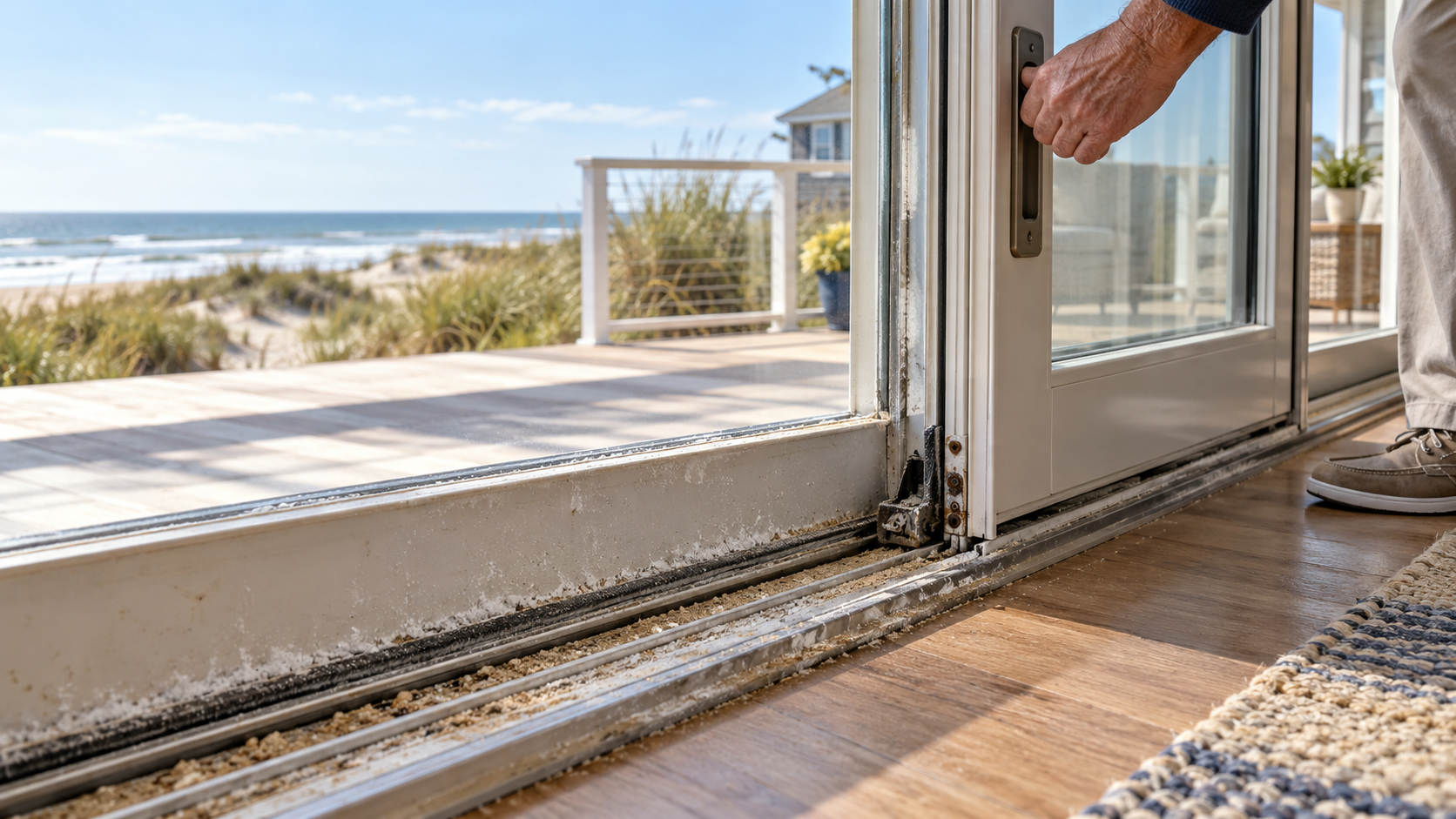
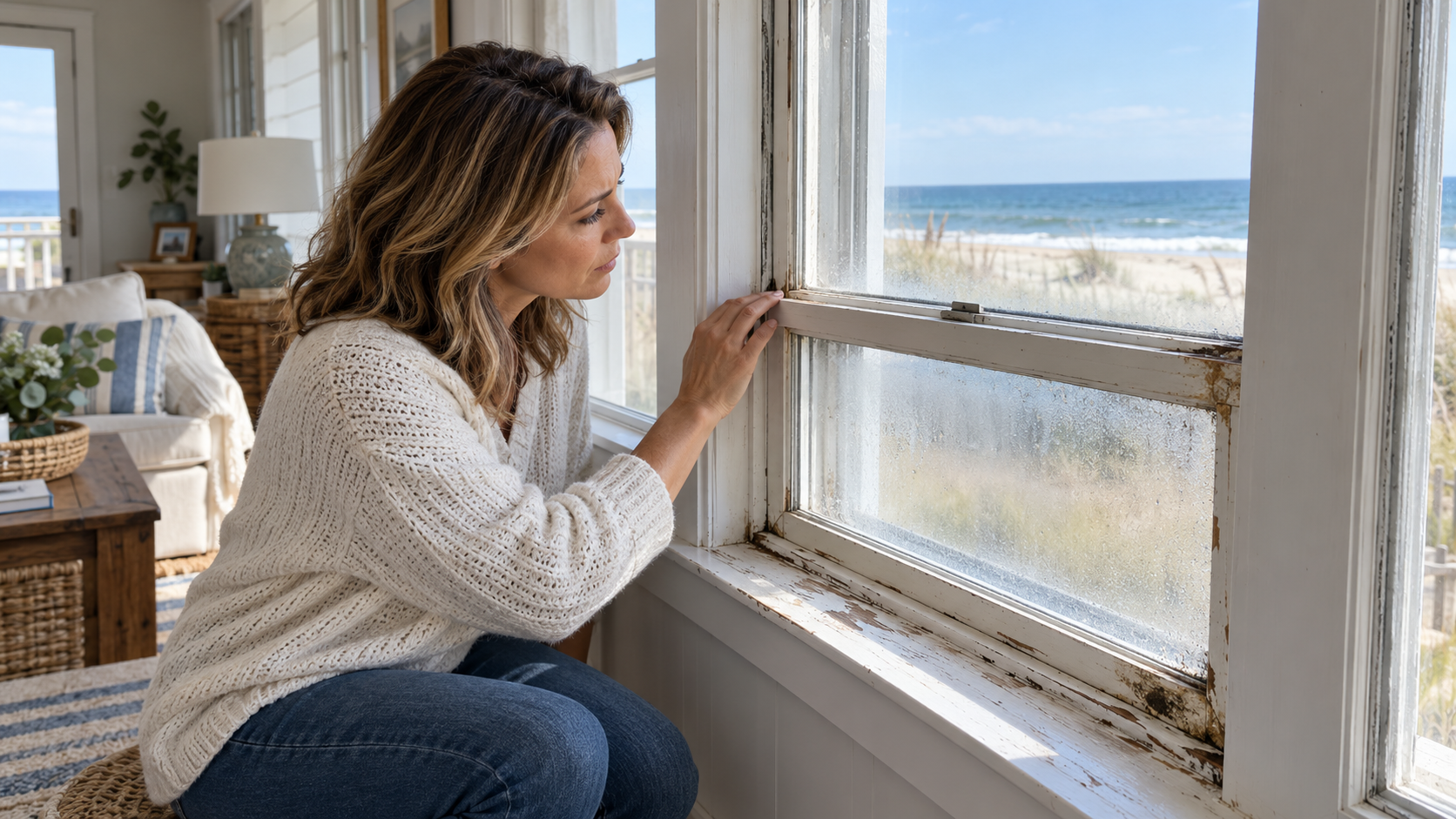
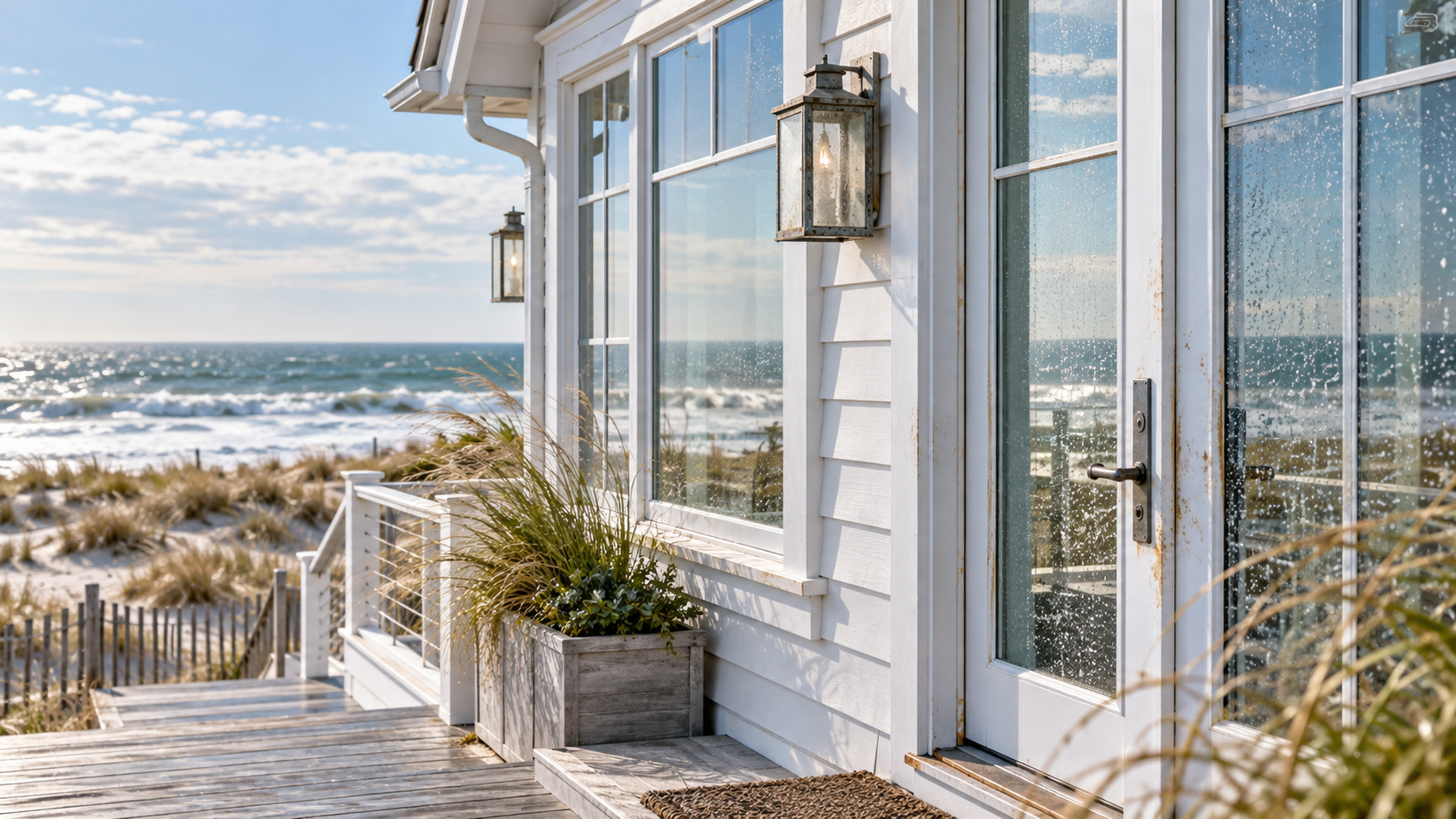
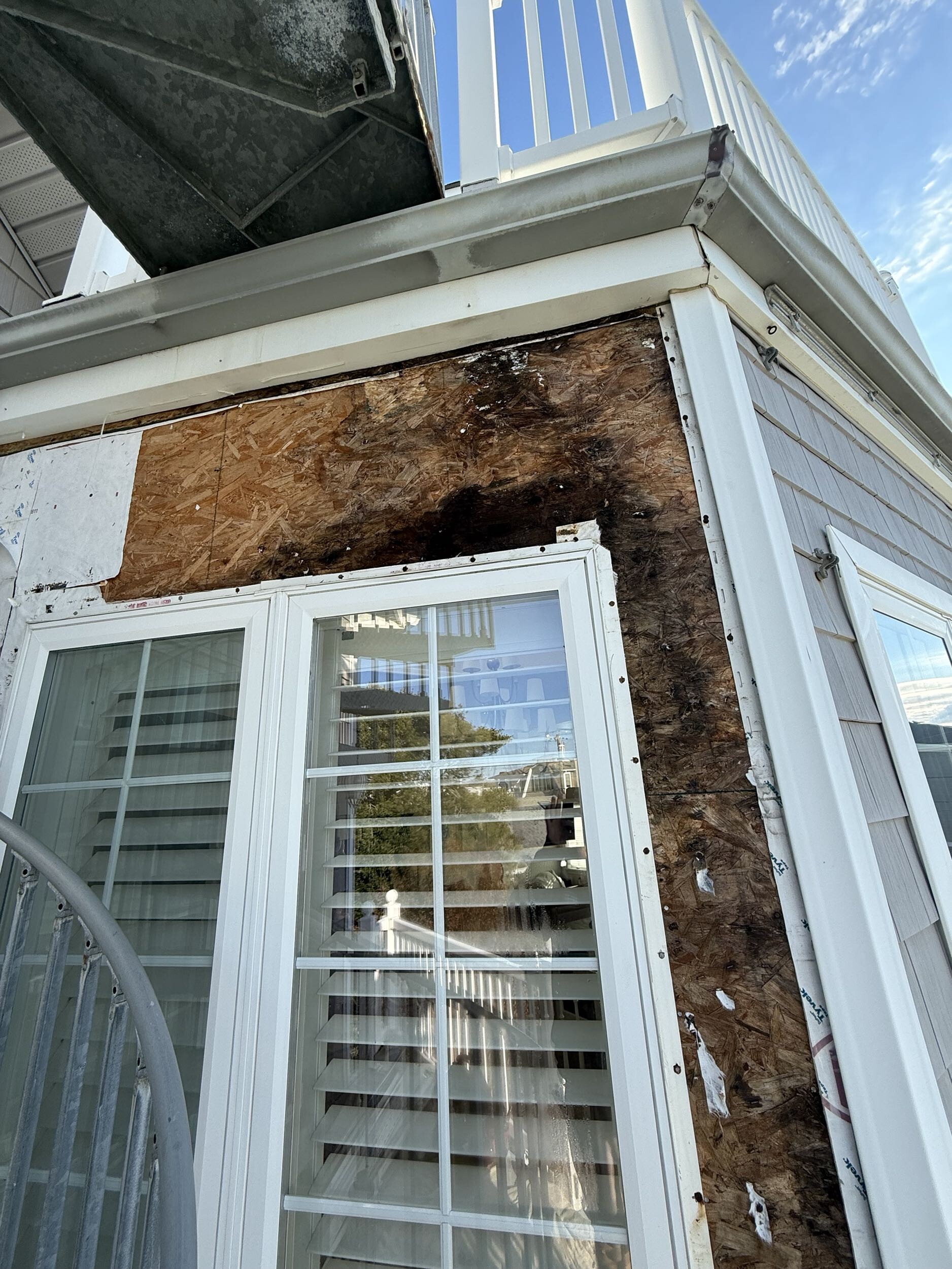
For New Jersey homeowners, especially along the Jersey Shore, the stakes are even higher. Salt air corrodes window frames. Moisture works into wall cavities. Drafts drive up energy bills. Rotting sills and outdated wiring are common in older coastal homes. A whole-home project is often the most practical way to fix all of it at once rather than patching problems room by room for years.
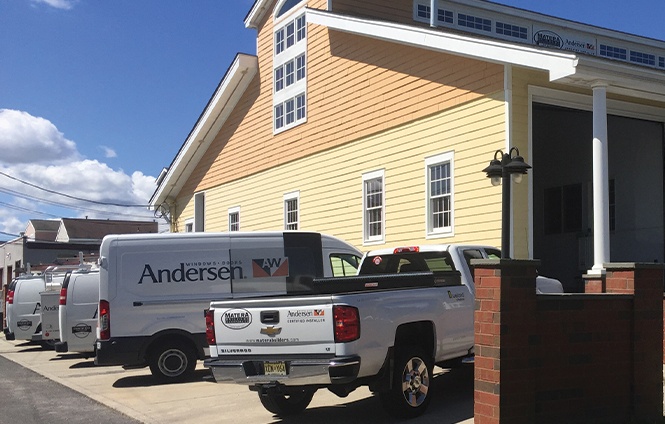
I'm Mike Werner, CEO of Matera Builders, and I've spent my career focused on high-performance exterior renovations in coastal markets where durability and precision installation are non-negotiable. I'll walk you through how to approach a full house renovation the right way, from budgeting and sequencing to choosing windows and doors that actually hold up to coastal conditions.
Discover more about full house renovation:
What a Full House Renovation Really Means
A full house renovation is not just repainting walls and swapping out a vanity. It usually means updating several parts of the home under one plan so the house works better as a whole.
That can include:
- Structural updates
- New electrical, plumbing, or HVAC
- Insulation and air sealing
- Window and door replacement
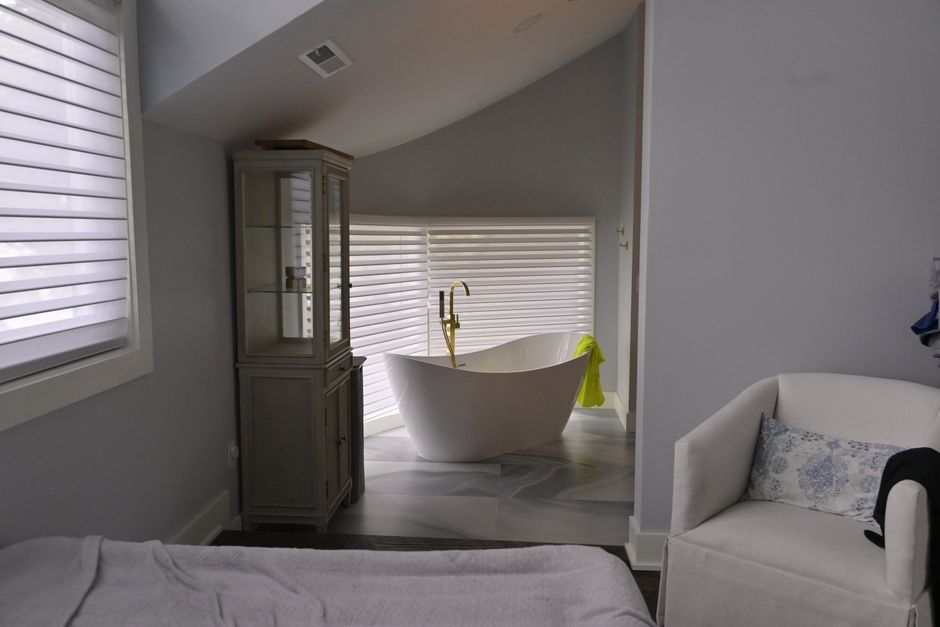
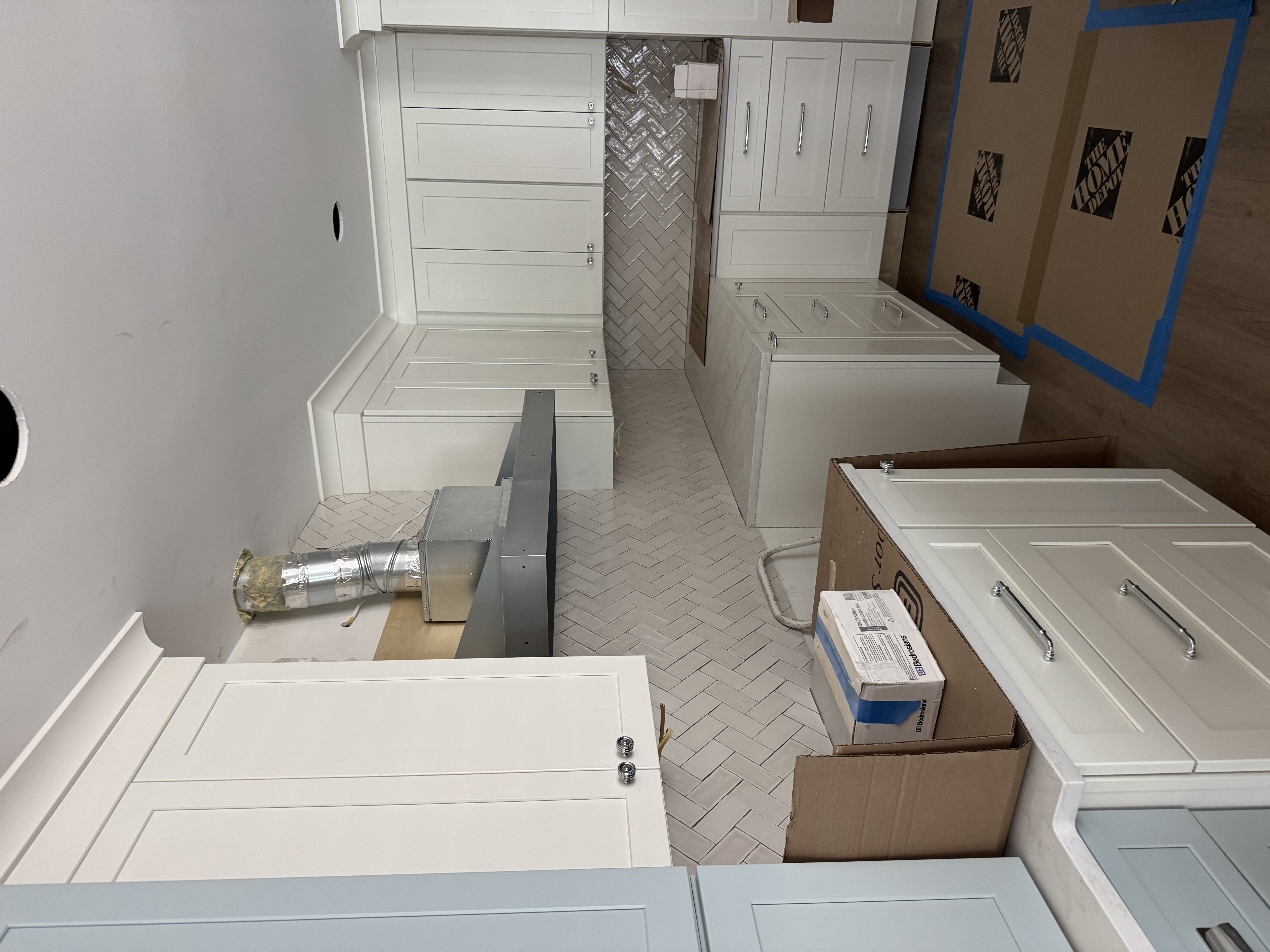
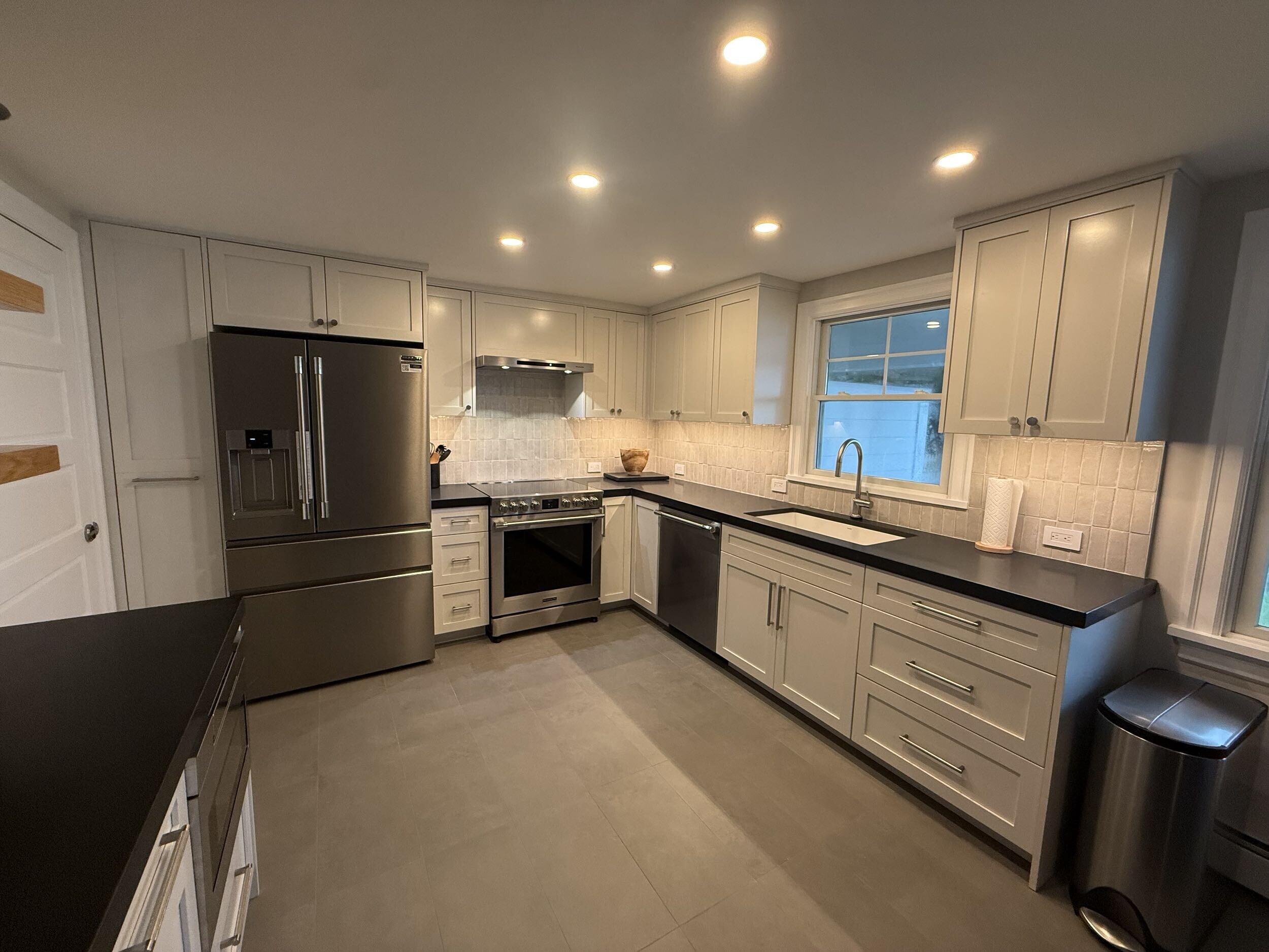
- New kitchens and baths
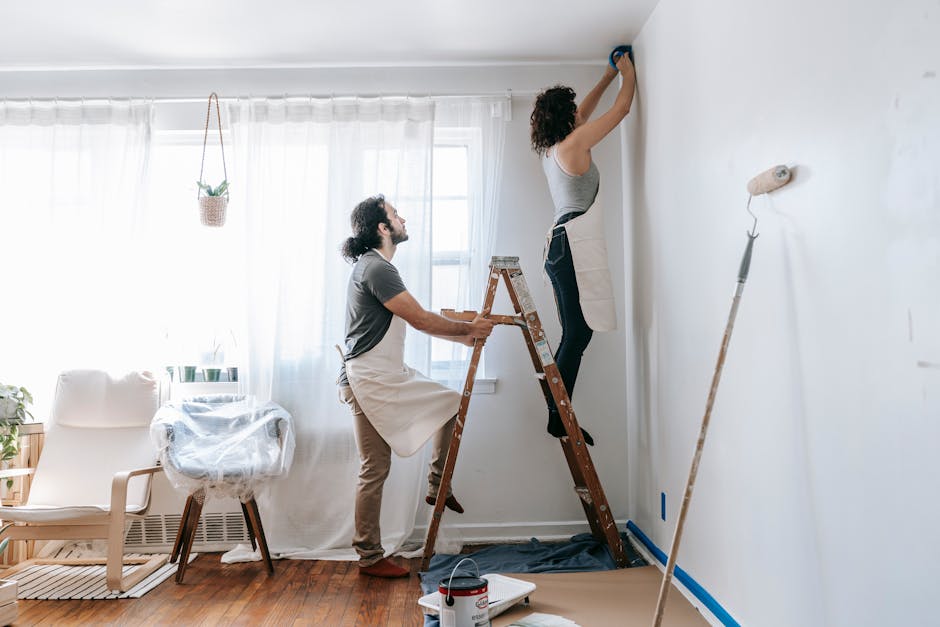
- Flooring, drywall, trim, and paint
- Layout changes for better flow
The smart place to start is with a design brief. We tell homeowners to make two lists:
- Must-haves
- Nice-to-haves
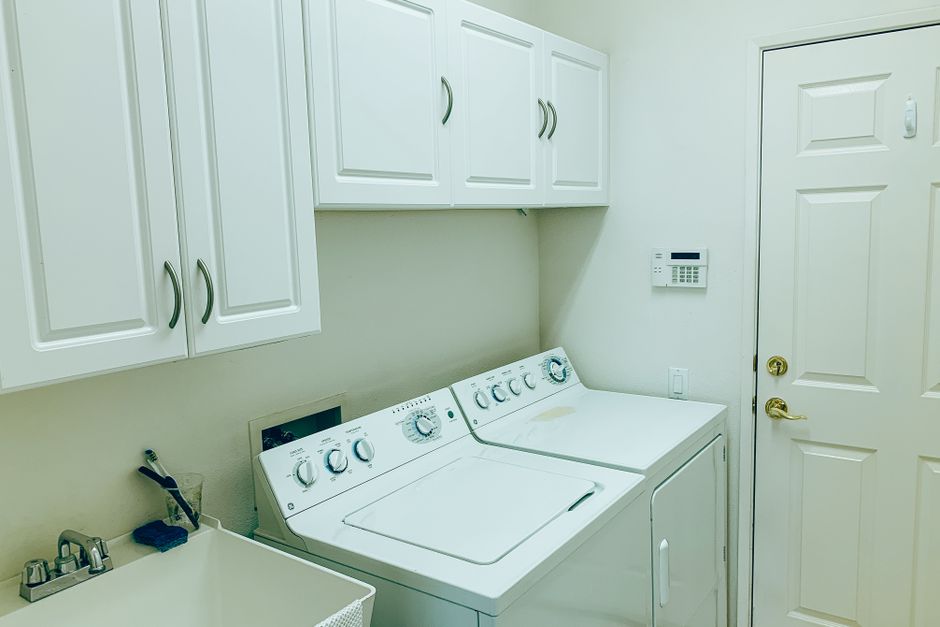
That simple step helps control budget creep. It also prevents the classic renovation disease: "While we're at it..." It starts with one wall and somehow ends with moving the laundry room.
How a full house renovation differs from room-by-room remodeling
Single-room remodels focus on one space. Whole-home work is broader and more connected.
With room-by-room remodeling, you might:
- Update a bathroom now
- Redo the kitchen two years later
- Replace windows someday after that
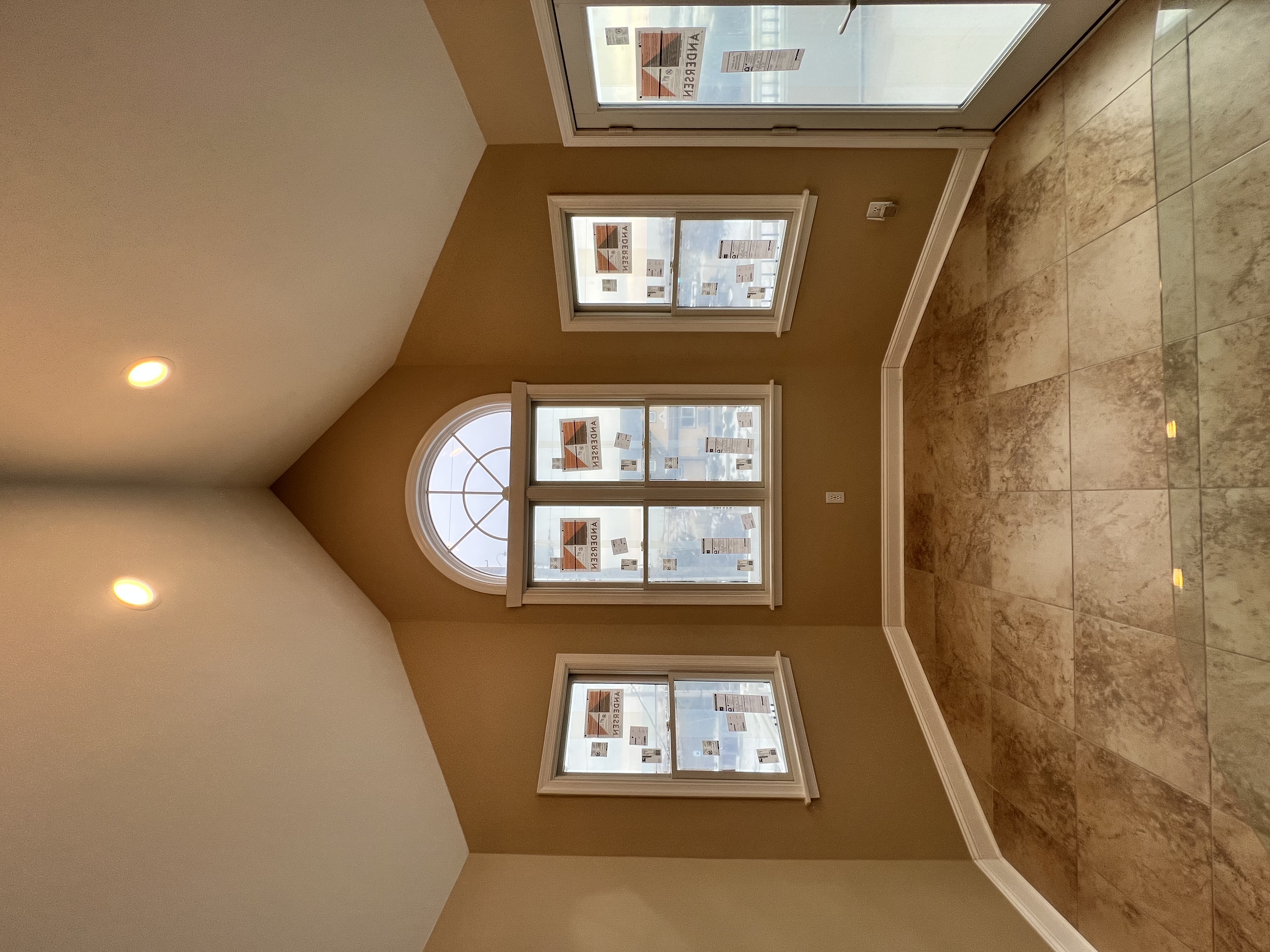
With a full house renovation, you plan the house together. That matters because systems overlap. If you're opening walls for wiring, that may be the right time to insulate. If you're replacing siding, it may also be the right time for a proper Andersen Windows installation and better flashing details.
A whole-home approach usually offers:
- Better design cohesion
- Fewer repeated labor costs
- Stronger performance upgrades
- Less chance of new work damaging old work
- Better flow from room to room
When a full house renovation makes more sense
A whole-home project often makes more sense when the home has several issues at once, especially in older New Jersey coastal housing stock.
Common reasons include:
- Outdated wiring
- Aging plumbing
- Poor insulation
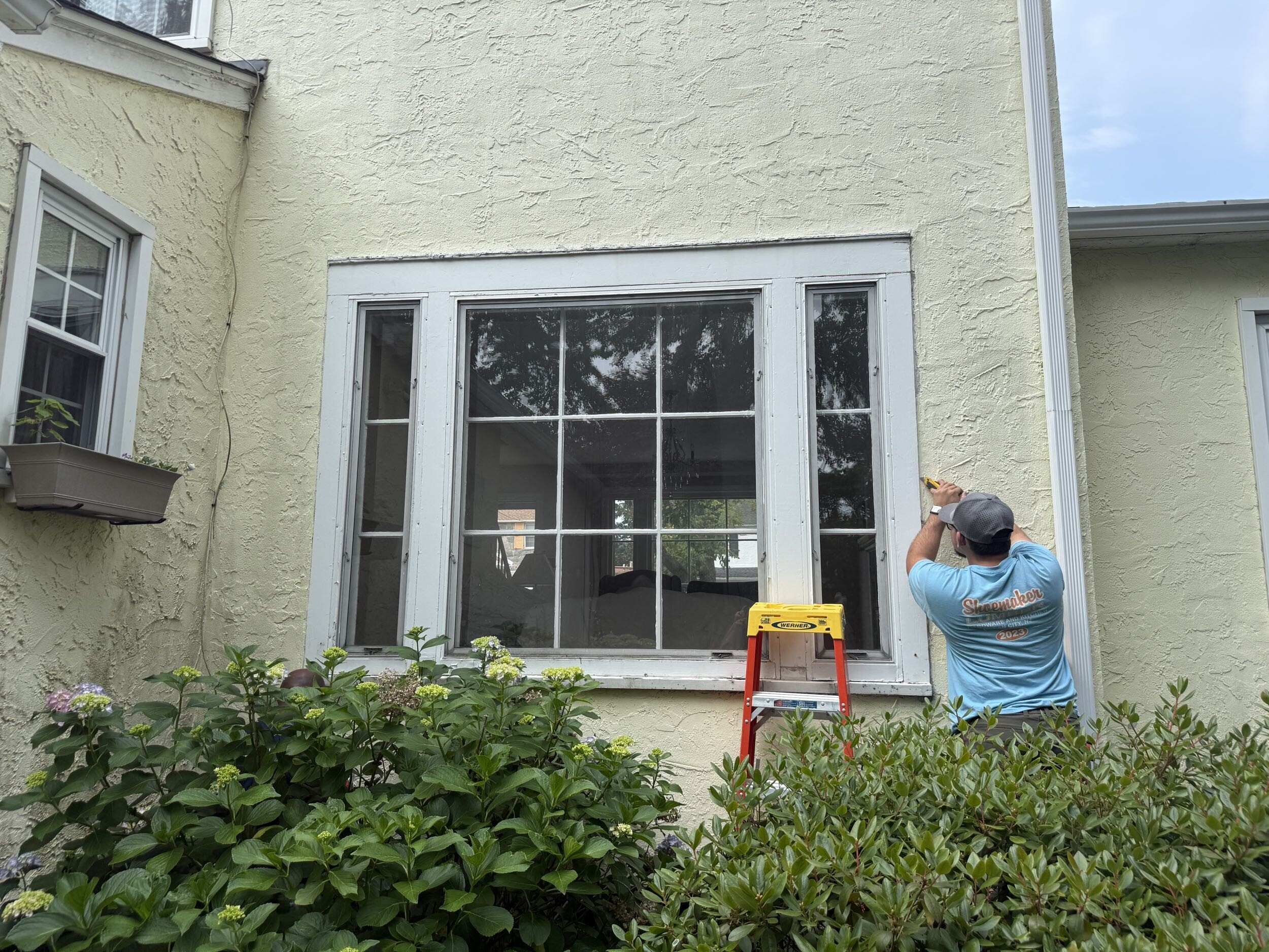
- Window leaks or rotted frames
- Inefficient layout
- Water intrusion
- Preparing for resale
- Long-term "forever home" planning
- Coastal wear from salt, humidity, and wind
If your house has cosmetic problems and system problems, patching one room at a time can become the expensive way to save money.
Full House Renovation Cost in 2026
Cost is the question everyone asks first, and for good reason.
Research for 2026 shows a wide range:
- Average whole-home remodel cost: about $48,600
- Common broad range: about $17,700 to $79,400
- Larger or more complex whole-home renovations: $150,000 to $300,000+
- Per-square-foot ranges: roughly $10 to $150 for lighter remodeling, and $100 to $400 for more substantial renovation work
Those numbers vary because "whole-home remodel" can mean very different things.
Scope Typical Cost Per Sq Ft Typical Budget Range Notes Cosmetic remodel$10 to $60Lower end of national ranges Paint, flooring, fixtures, surface updates Mid-range remodel$60 to $150Often six figures Kitchen, bath, systems, some layout work Gut renovation$100 to $400+$150,000 to $300,000+Major structural and system changes
Research also suggests:
- Labor often makes up 30% to 50% of the budget
- Materials often make up 25% to 40%
- Permit and inspection costs can be 5% to 10%
- A contingency fund should be 10% to 20%
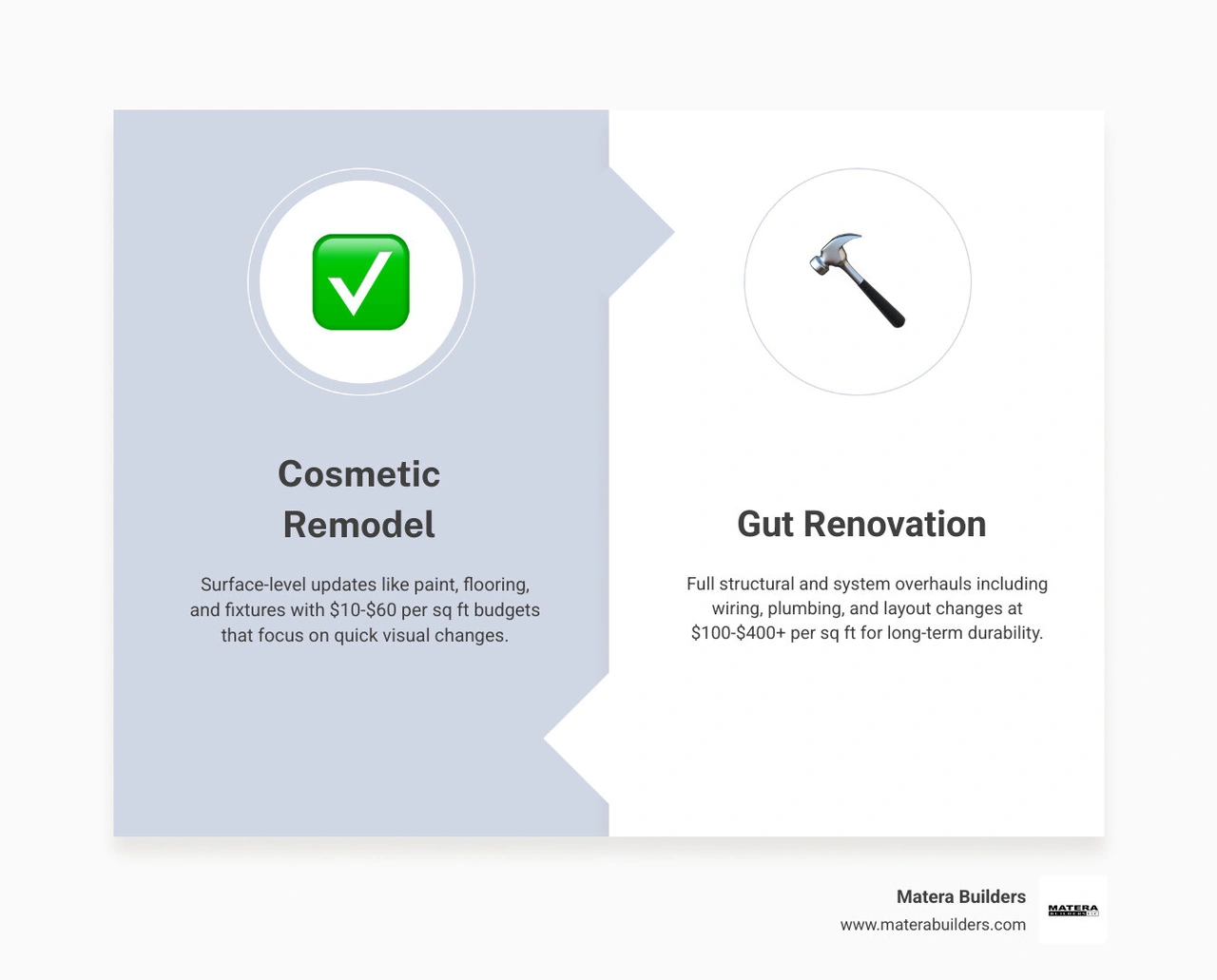
Full house renovation cost by scope
A cosmetic remodel is the least invasive. Think finishes, not major infrastructure.
A mid-range remodel may include:
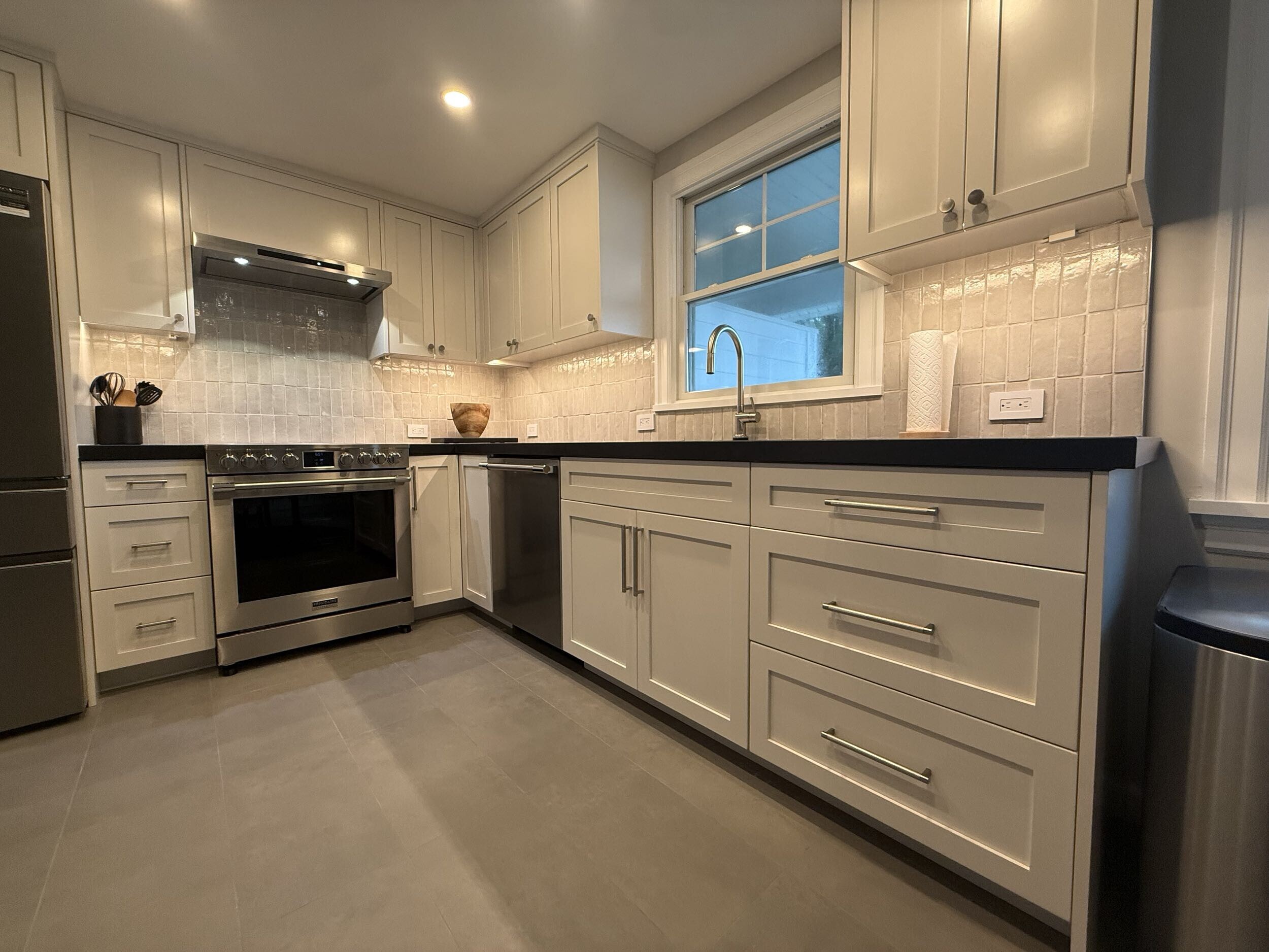
- Kitchen renovation
- One or more bathroom updates
- Flooring
- Drywall repairs
- Some electrical or plumbing updates
- Energy efficient windows
A gut remodel is much deeper. This may involve:
- Taking walls down to framing
- Reworking layout
- Replacing old wiring and plumbing
- HVAC replacement
- Structural reinforcement
- Full window and door replacement
- New insulation and moisture control layers
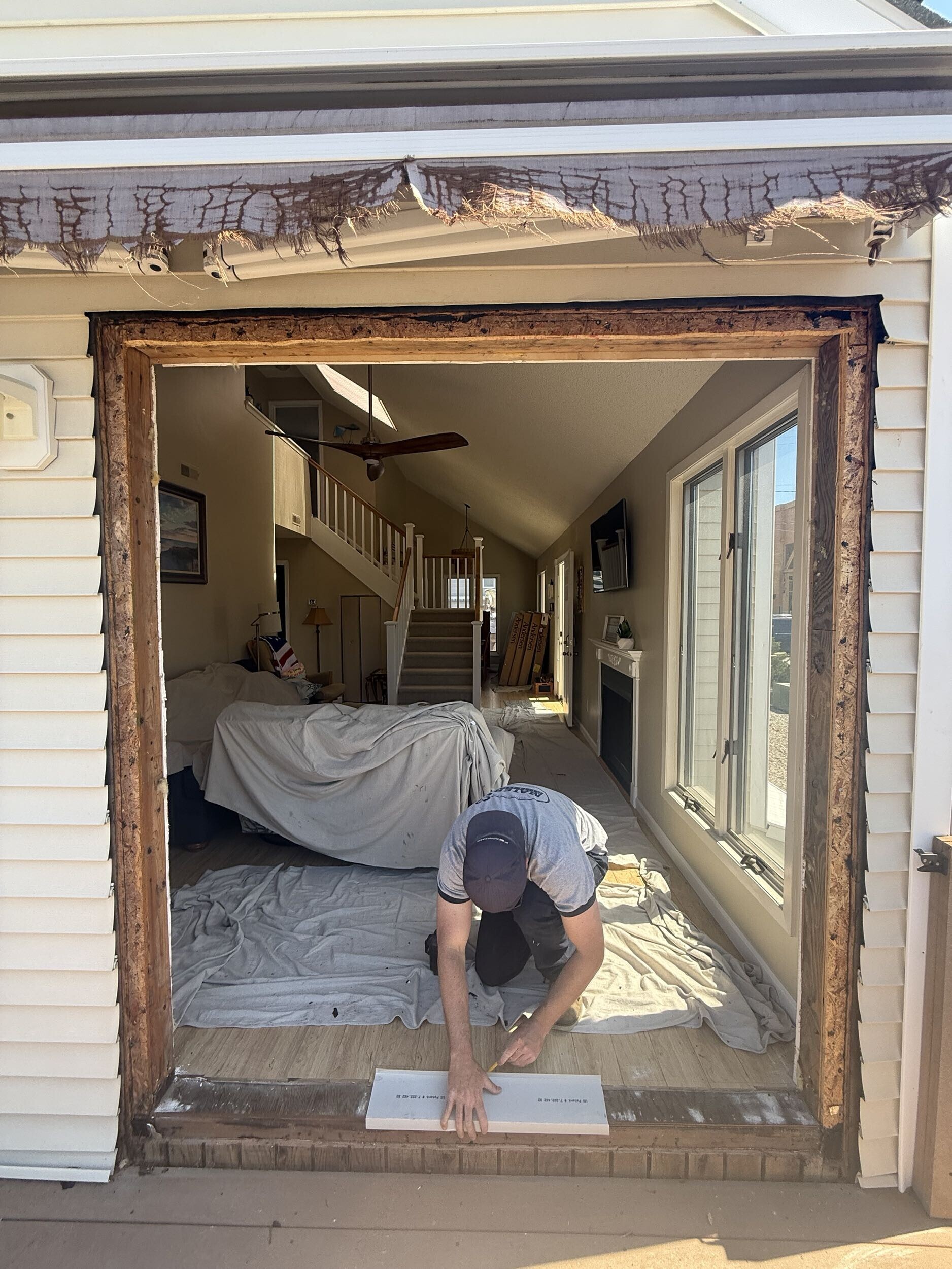
For coastal New Jersey homes, deeper scopes are common because hidden moisture damage and outdated assemblies show up once demolition starts.
Cost drivers that change the final price fast
The biggest cost drivers are usually:
- Home size
- Number of kitchens and bathrooms
- Layout changes
- Load-bearing wall work
- Electrical rewiring
- Plumbing relocation
- HVAC replacement
- Finish level
- Permit complexity
- Coastal code requirements
- Window and door scope
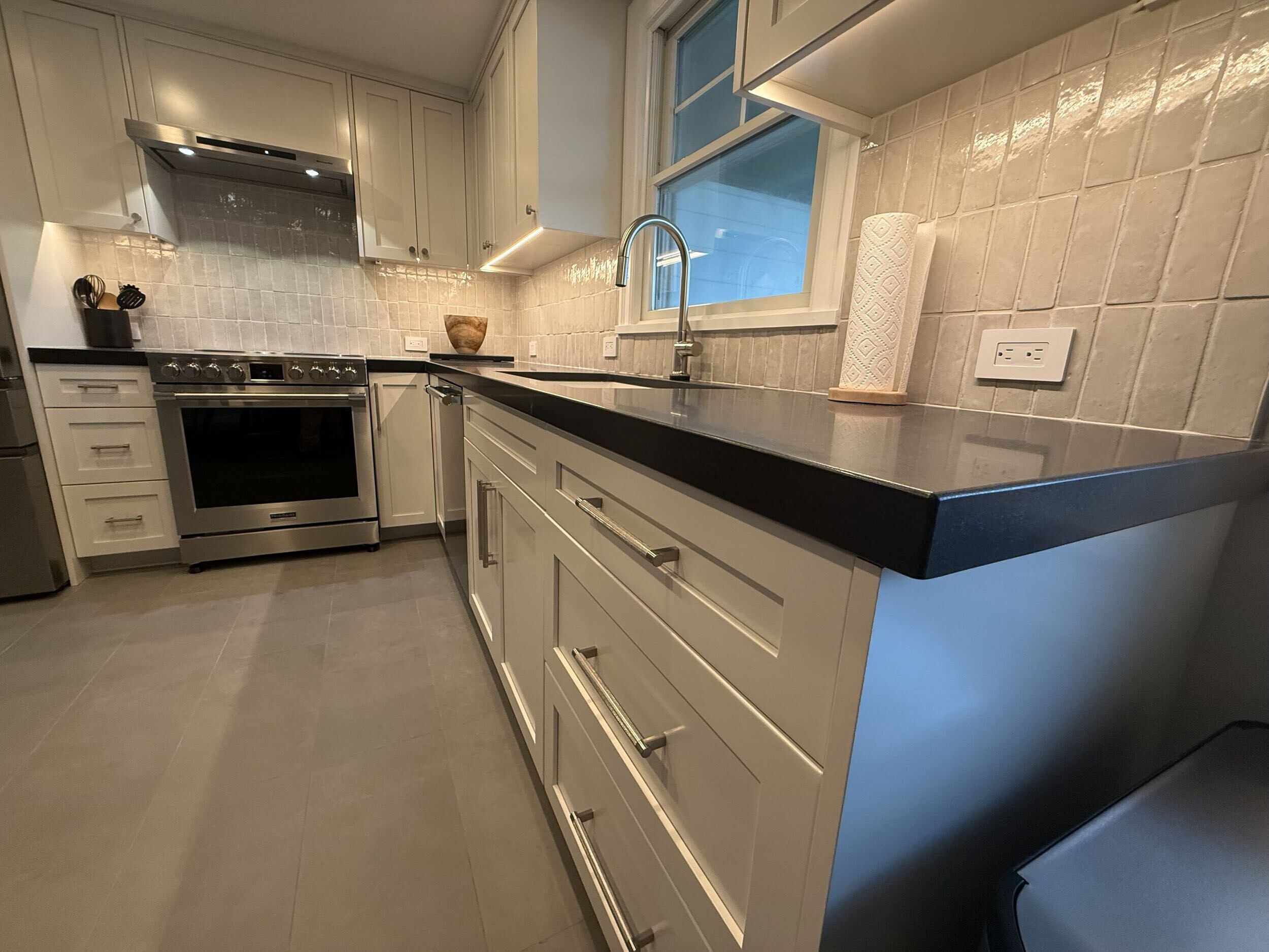
Kitchens and bathrooms are usually the most expensive rooms per square foot. Research shows kitchen remodels can range from about $23,000 for a smaller minor project to $100,000+ for a high-end redesign. Bathrooms commonly range from about $7,000 to $40,000 depending on size and finish level.
Hidden costs homeowners often miss
These are the costs that surprise people:
- Temporary housing
- Storage units
- Permit fees
- Inspection fees
- Asbestos testing
- Lead paint testing
- Drainage or structural surveys
- Drywall replacement
- Painting
- Appliance upgrades
- Furniture and window treatments after construction
Drywall work alone can add roughly $1.50 to $3.50 per square foot. Painting can add around $2 to $6 per square foot. None of that is glamorous, but all of it is real.
Why Windows and Doors Matter in Coastal Whole-Home Projects
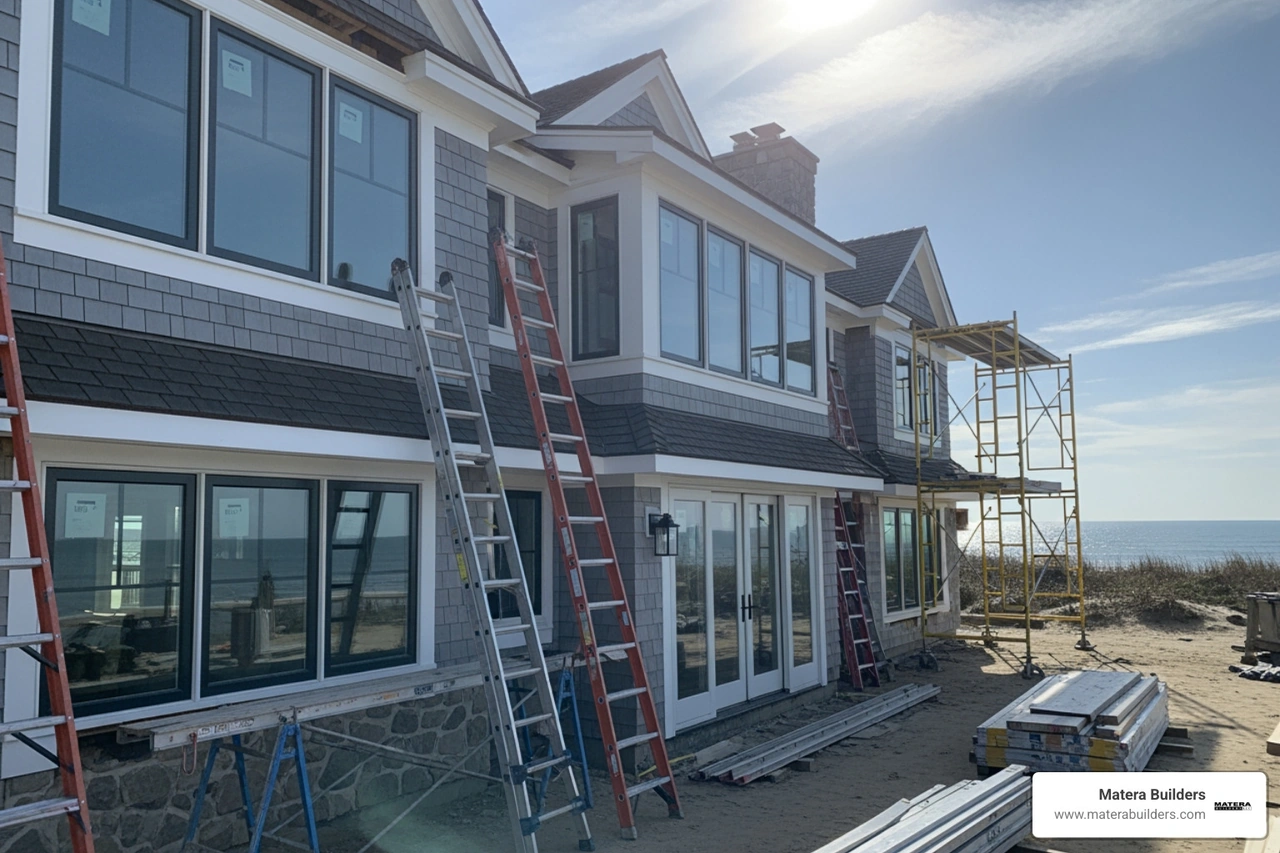
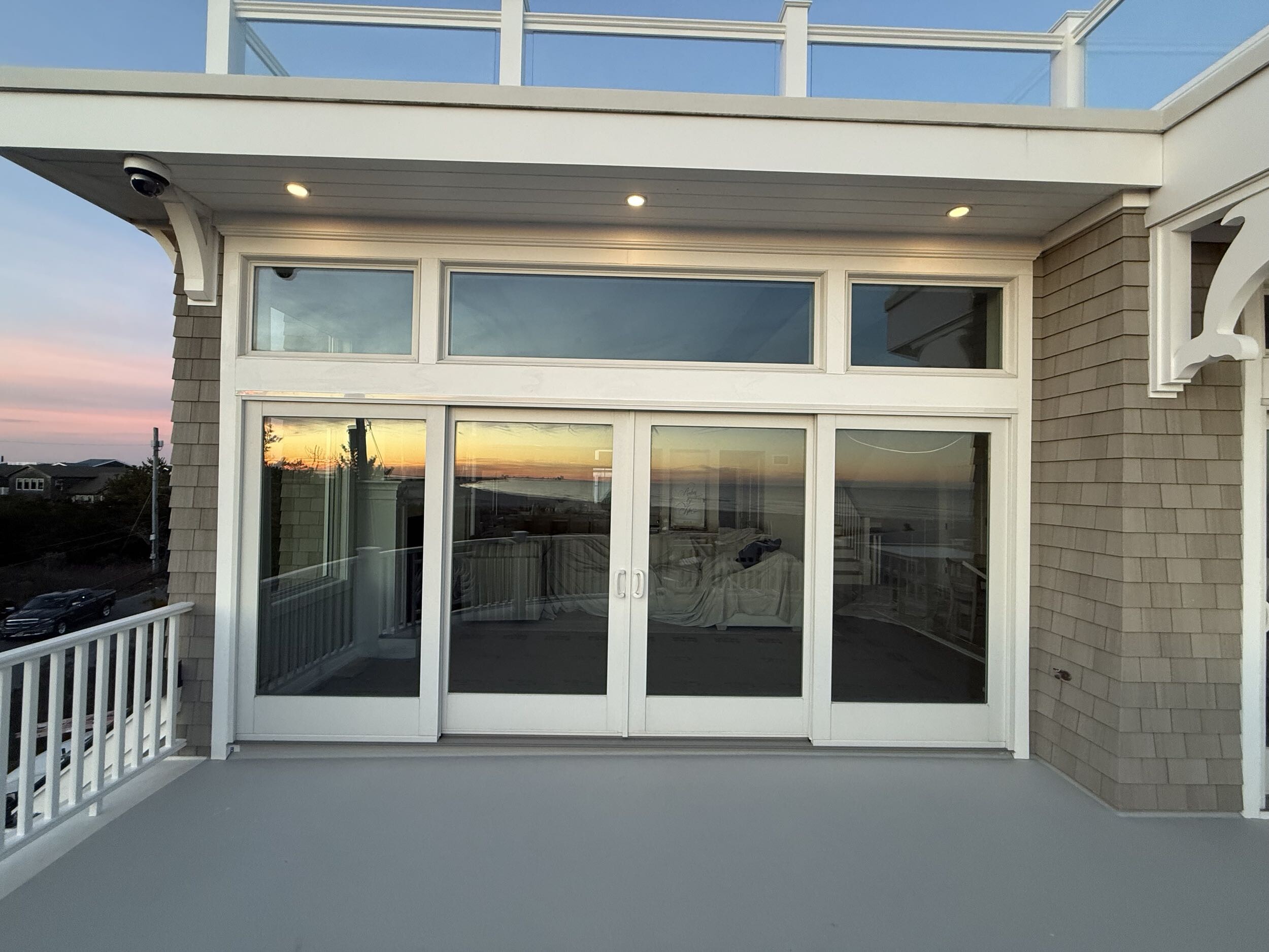
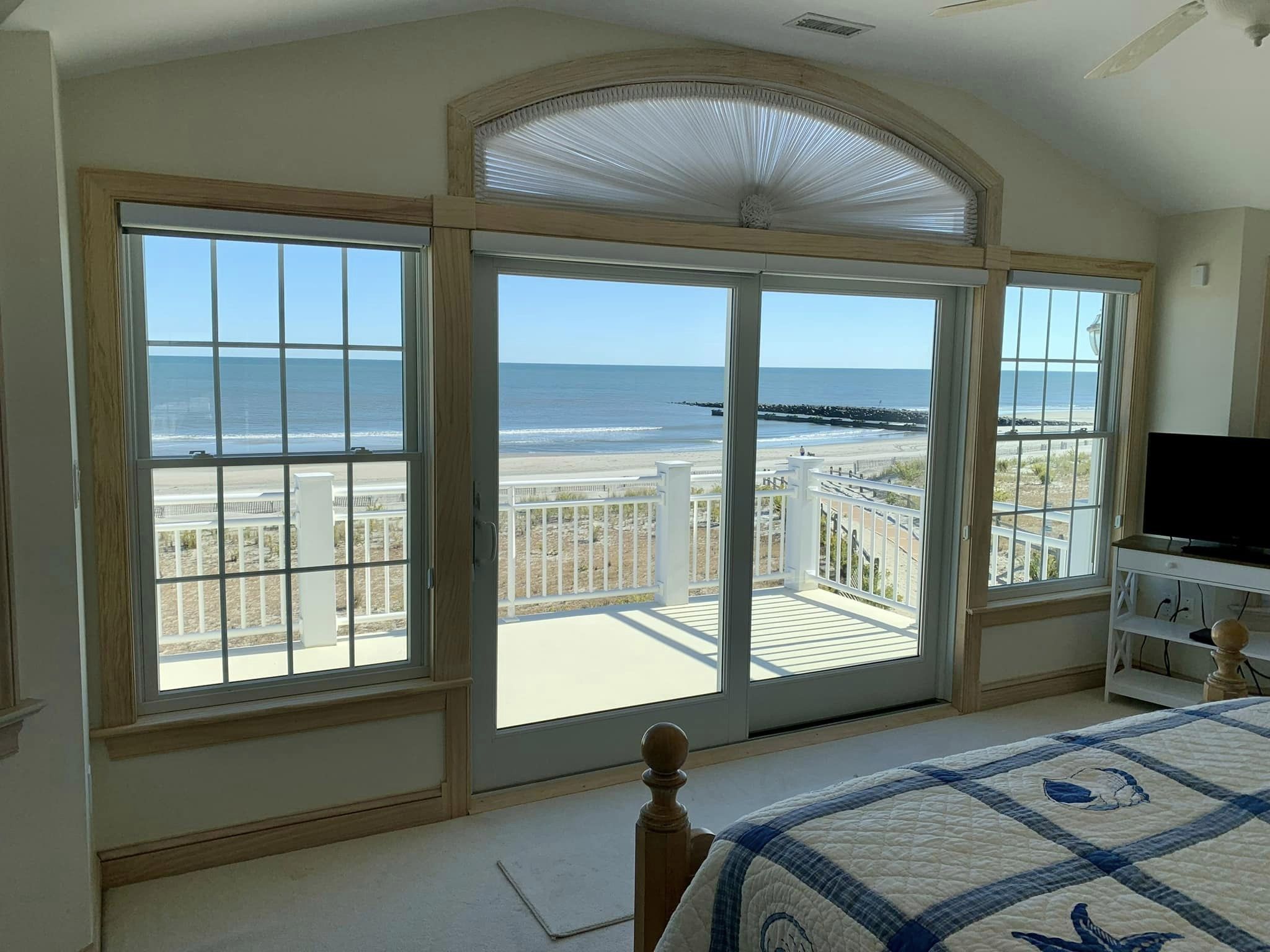
In a Jersey Shore renovation, windows and doors are not side notes. They are part of the home's defense system.
If your old openings leak air or water, your whole remodel suffers. Nice tile does not help much if the wall under the window is wet.
How windows affect comfort, energy use, and moisture control
Good windows improve more than appearance. They help with:
- Air leakage control
- Energy bills
- Indoor humidity balance
- Draft reduction
- UV control
- Noise reduction
- Condensation management
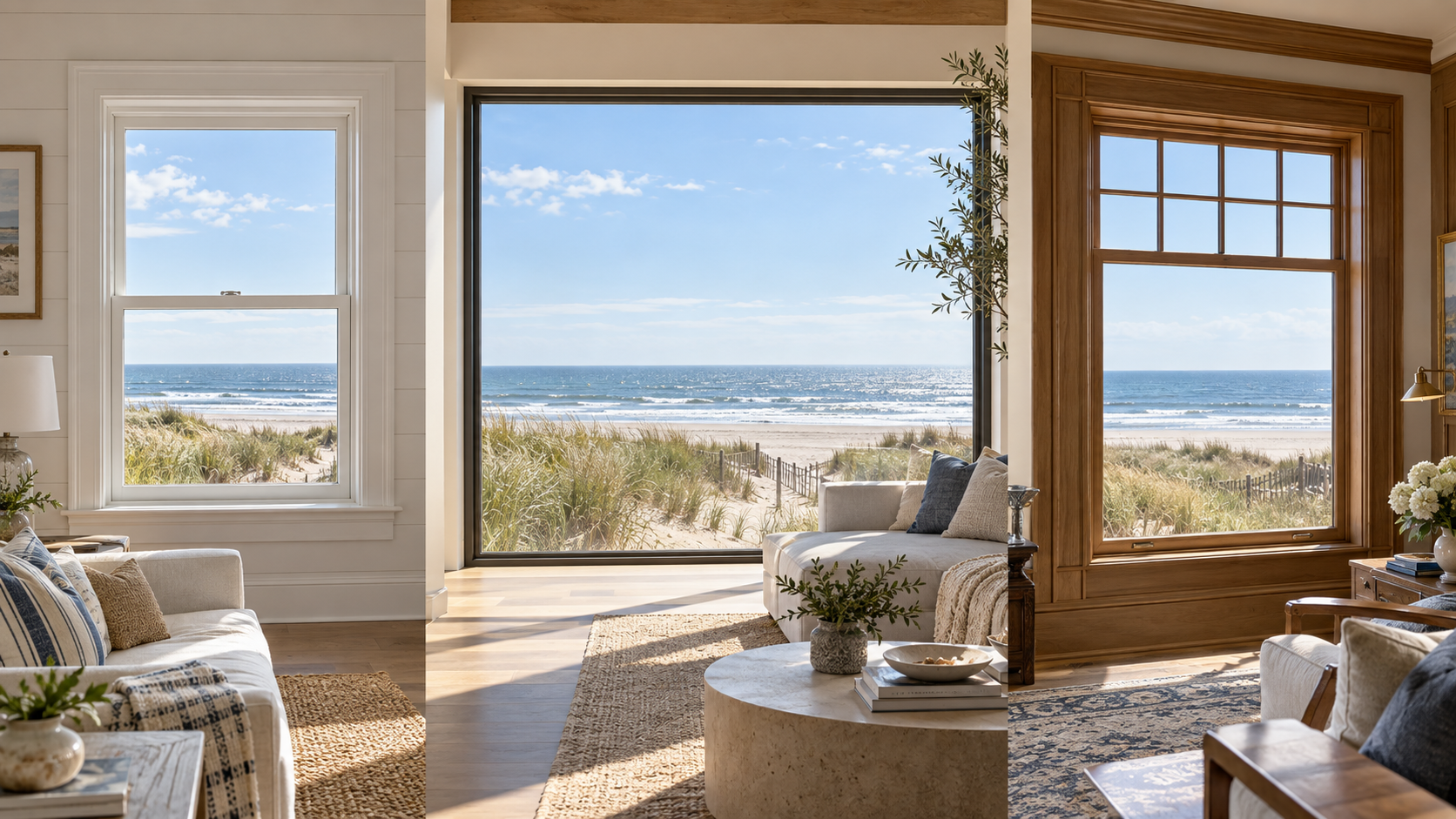
In coastal homes, this matters even more. Salt air, wind-driven rain, and humidity put pressure on weak assemblies. Proper energy efficient windows help stabilize indoor comfort and protect finishes you just paid to install.
Why installation matters as much as the product
This is where many projects go wrong.
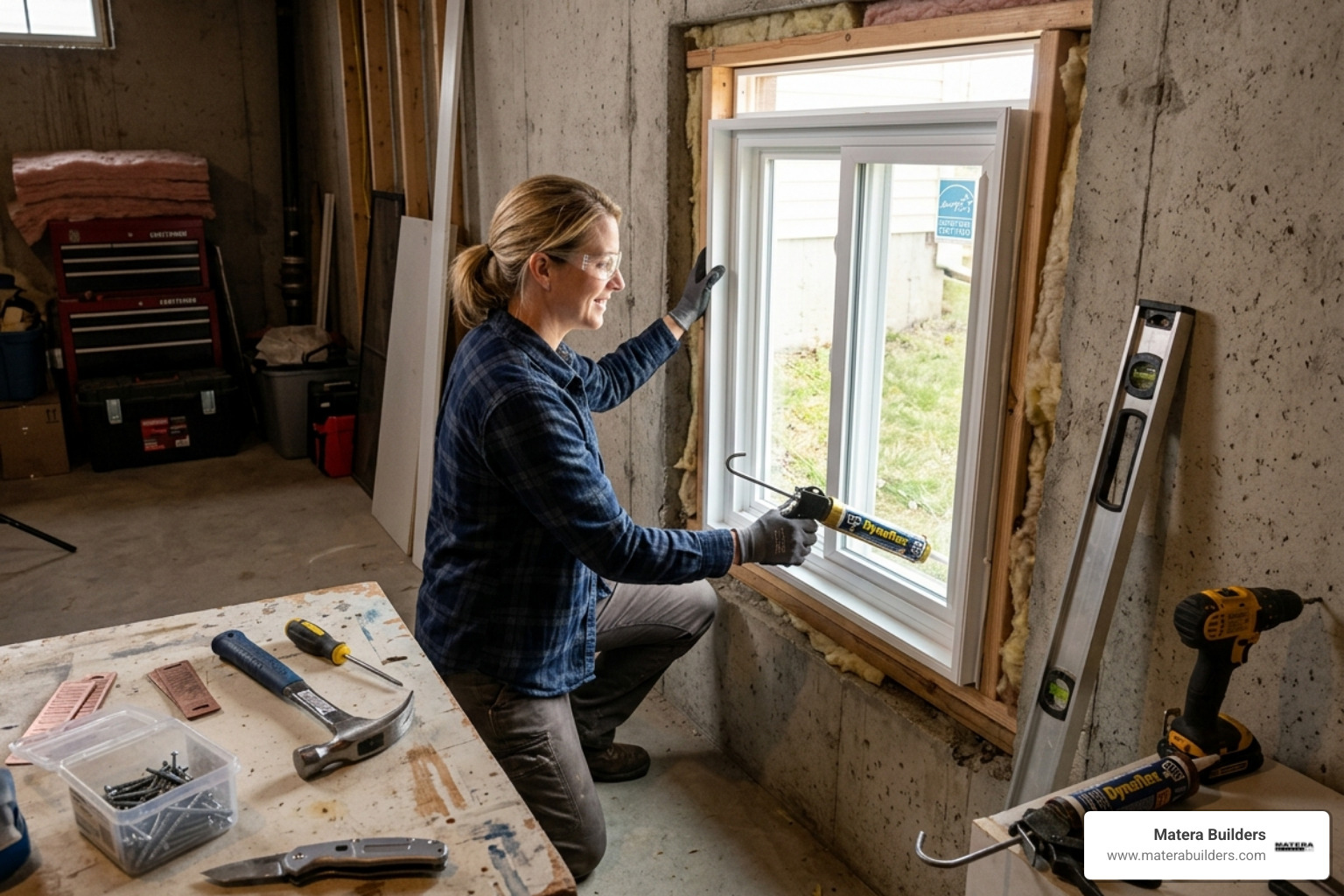
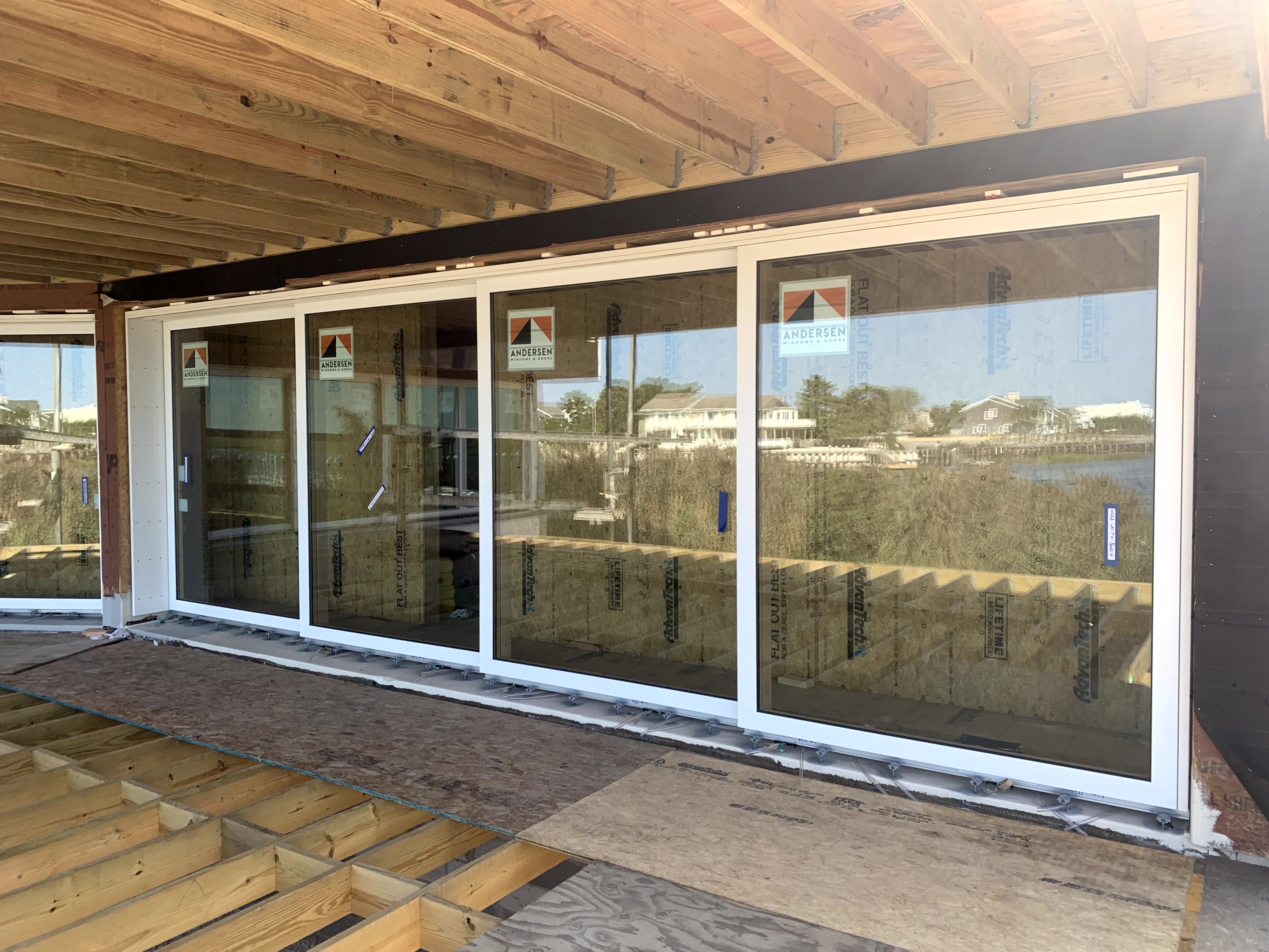
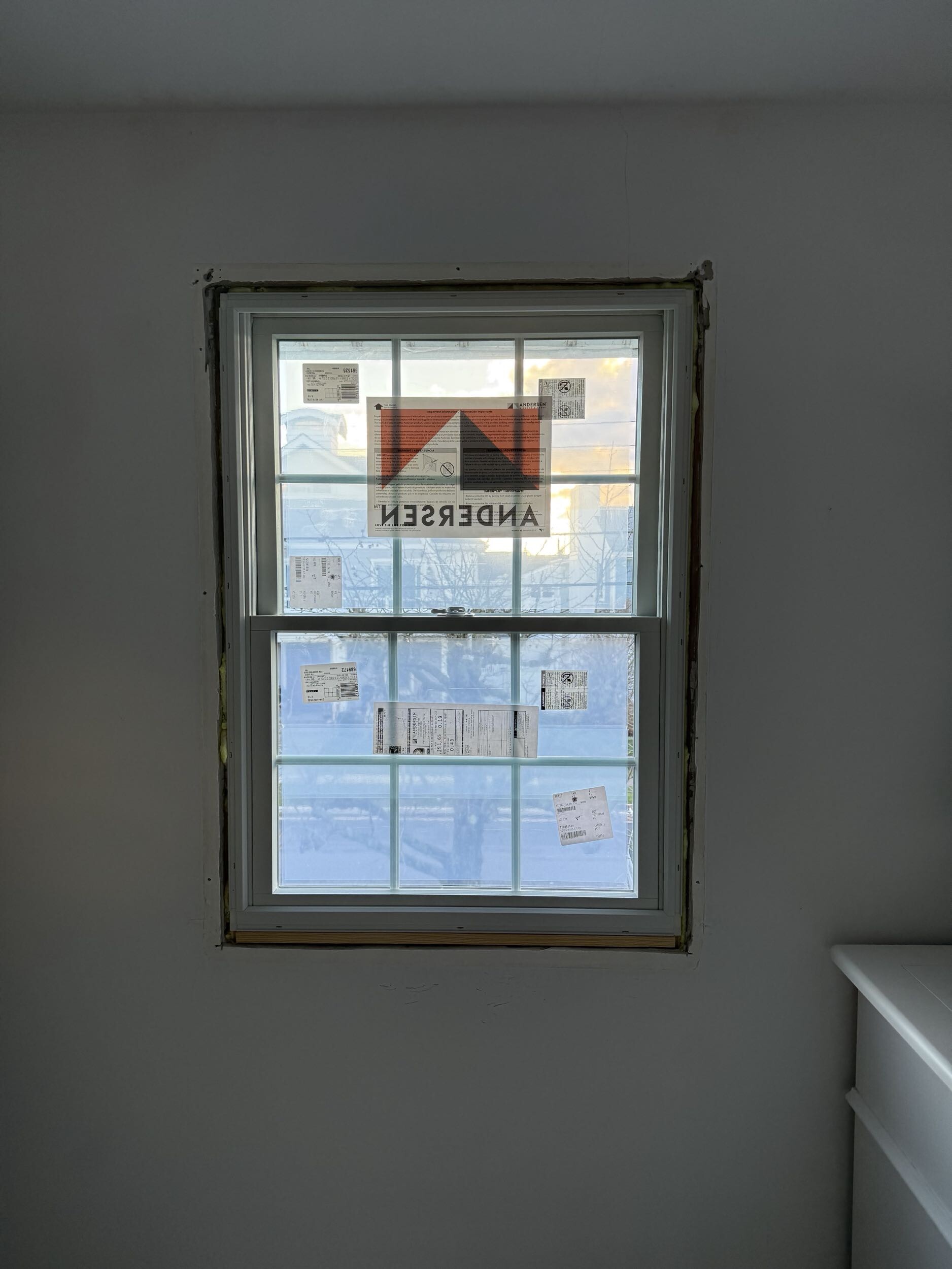
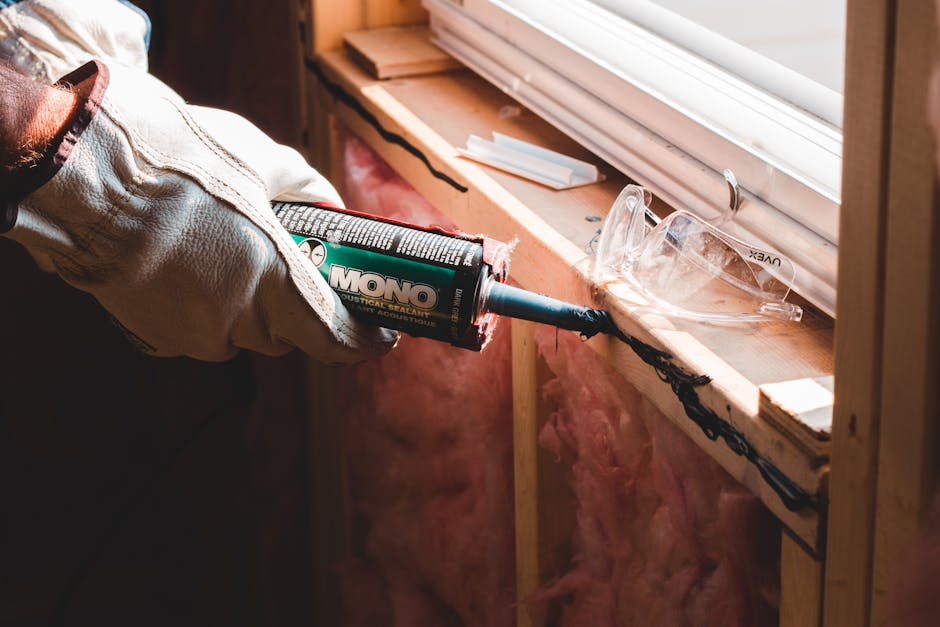
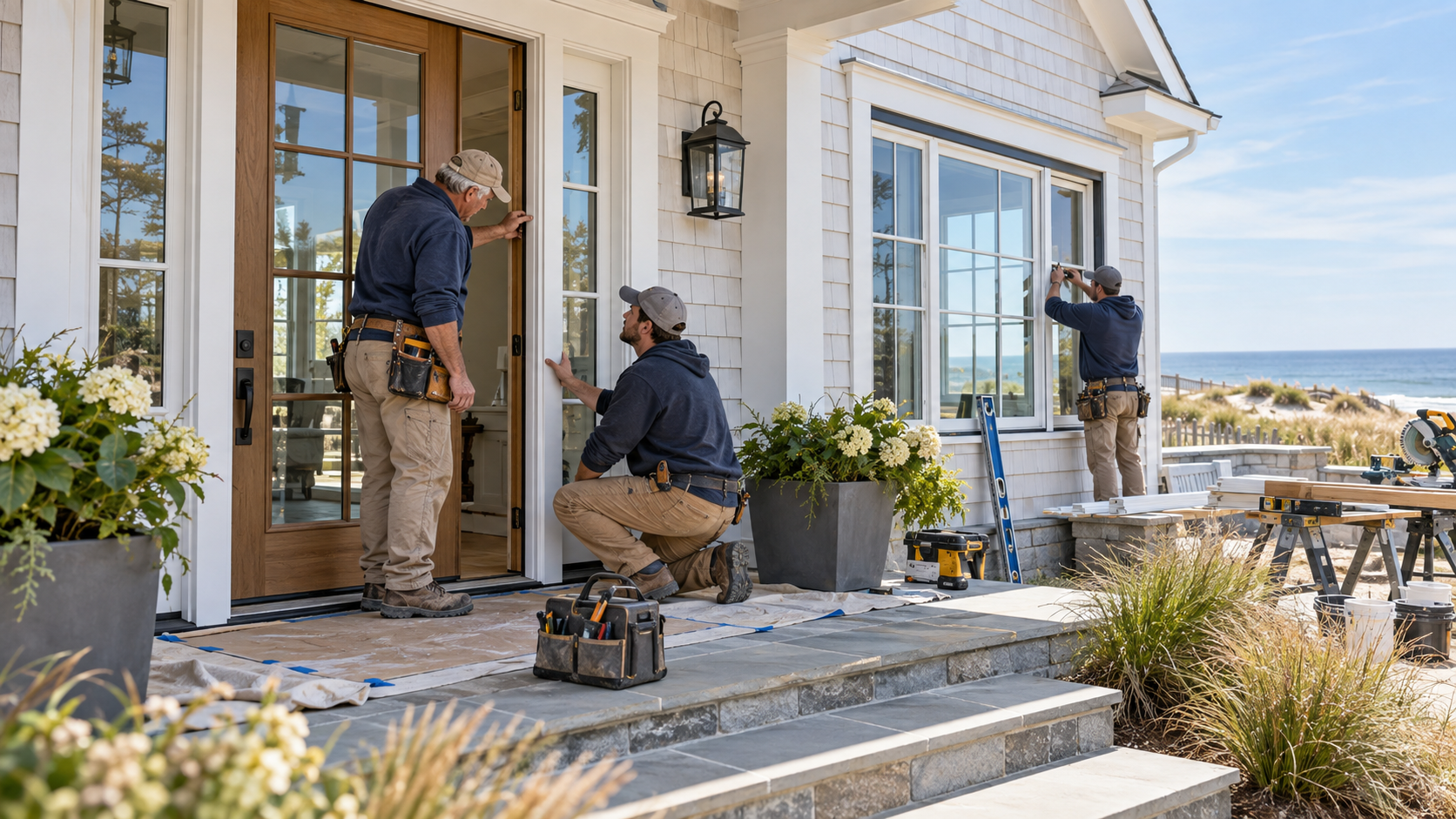
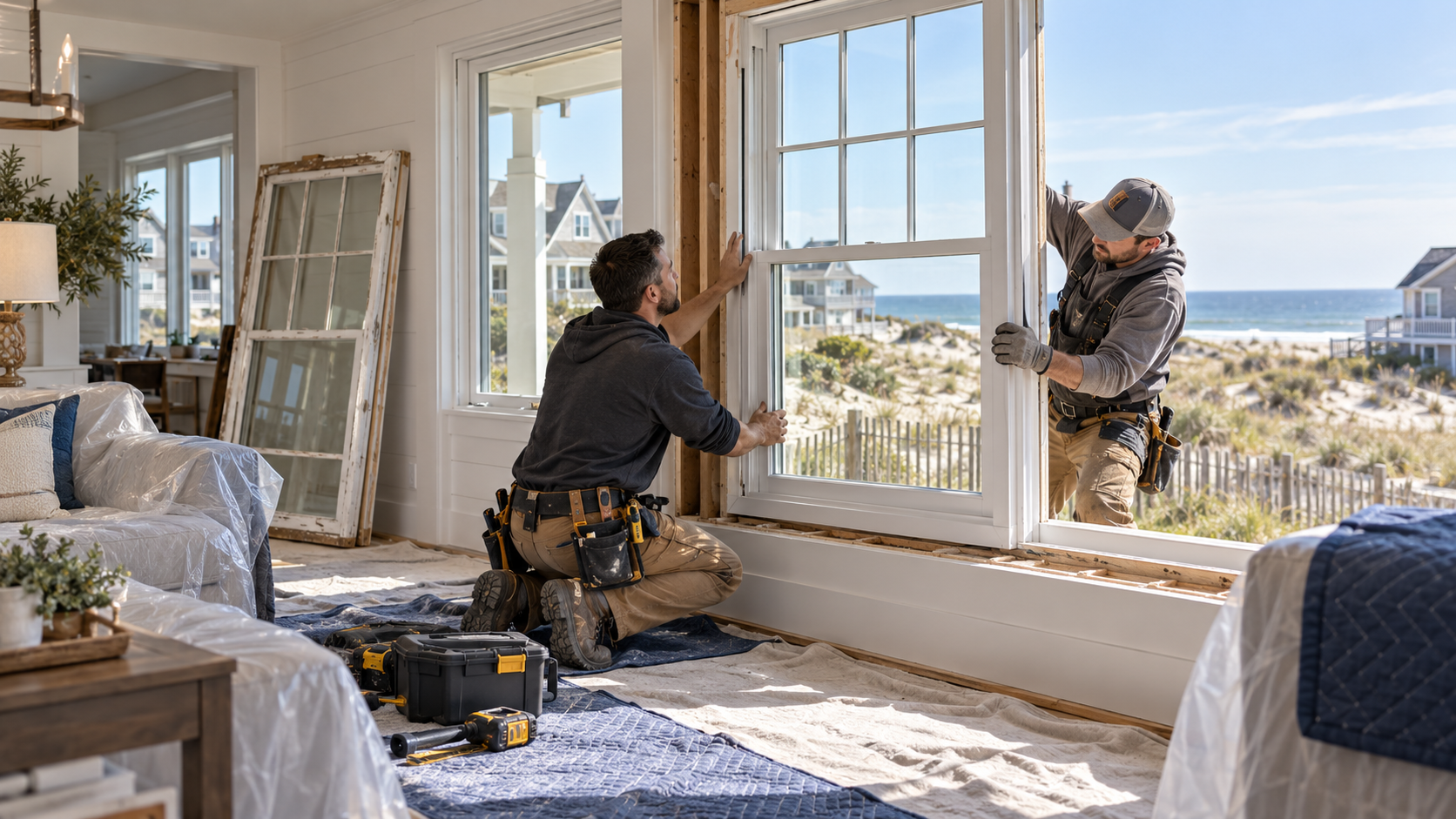
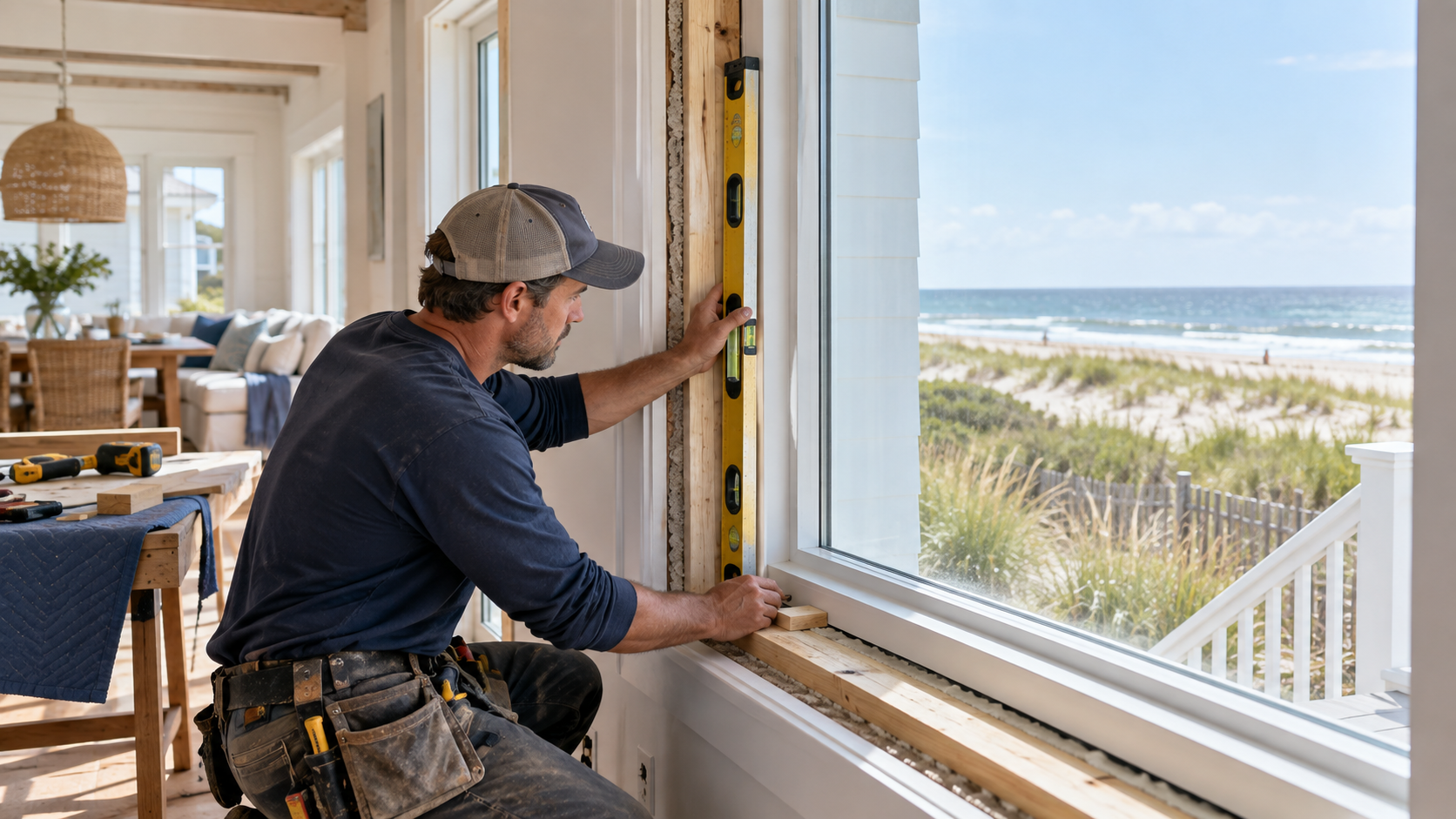
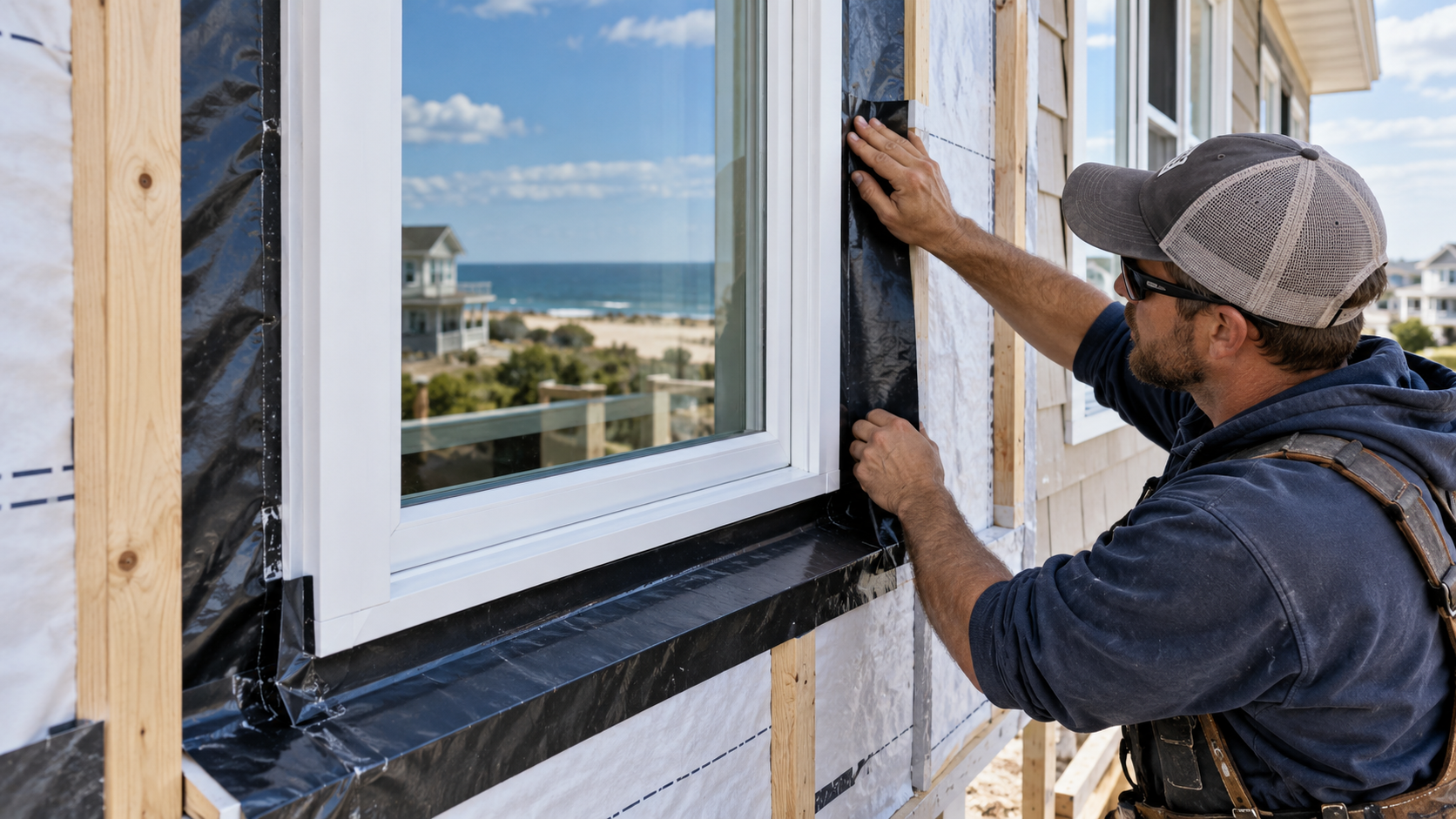
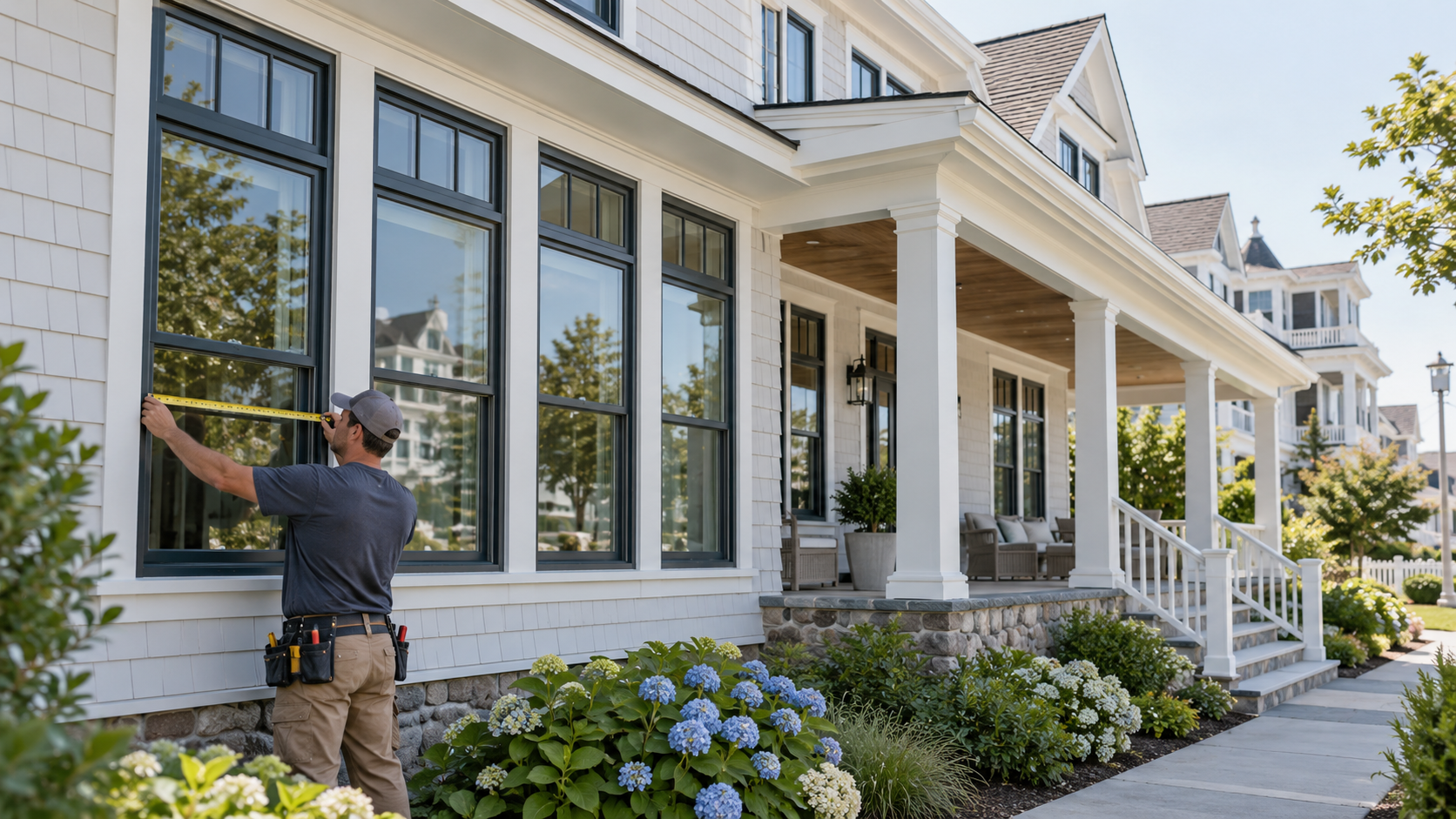
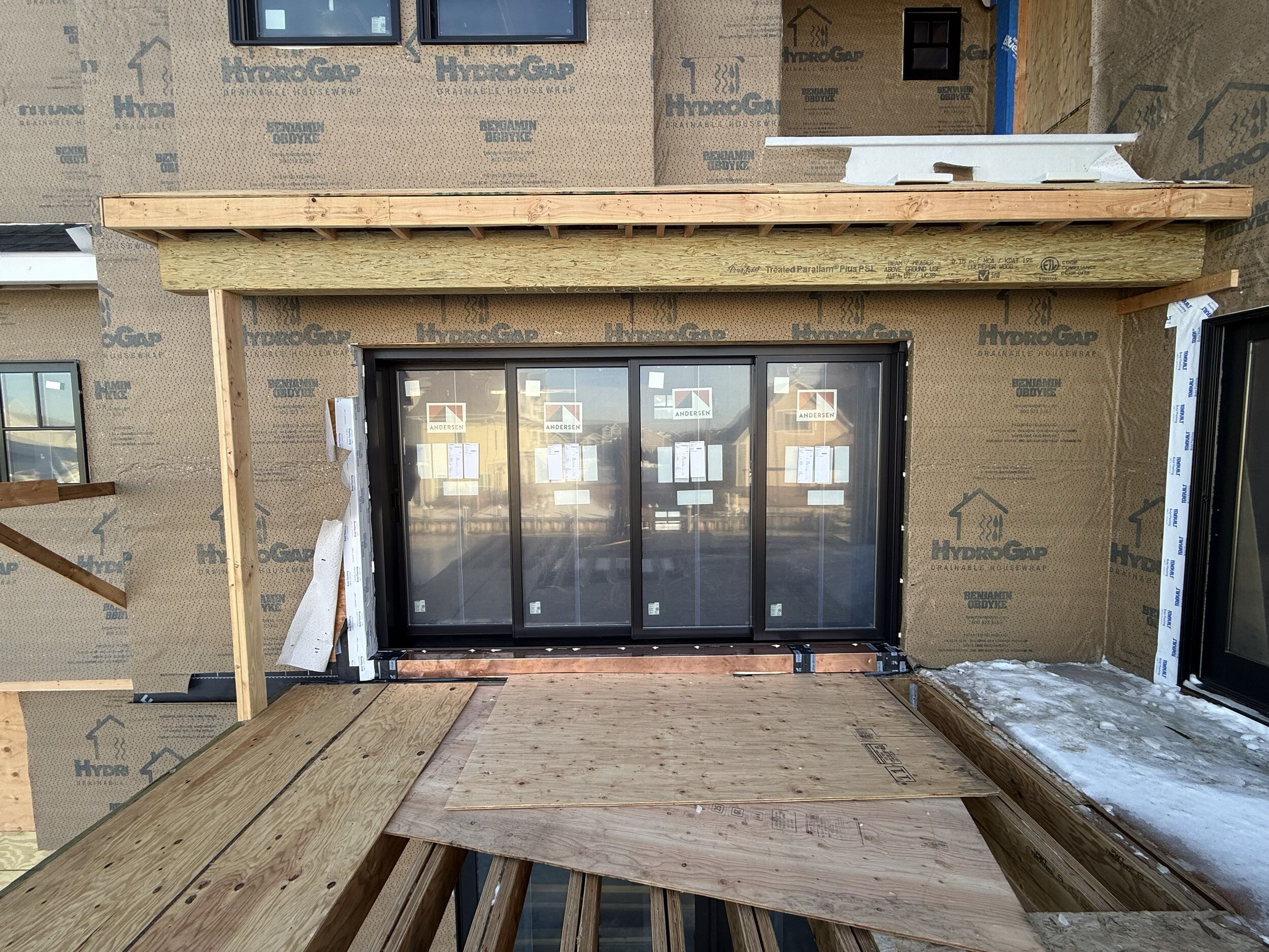
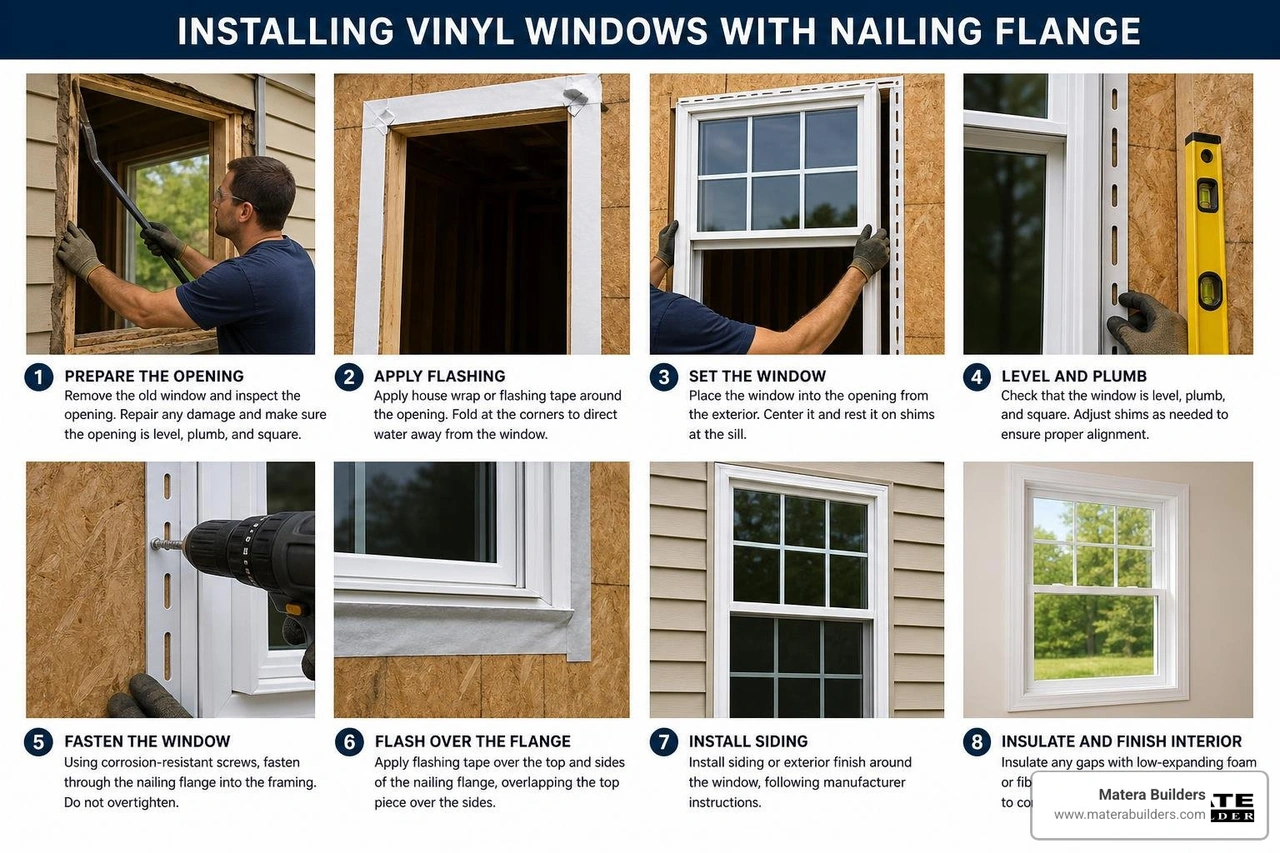
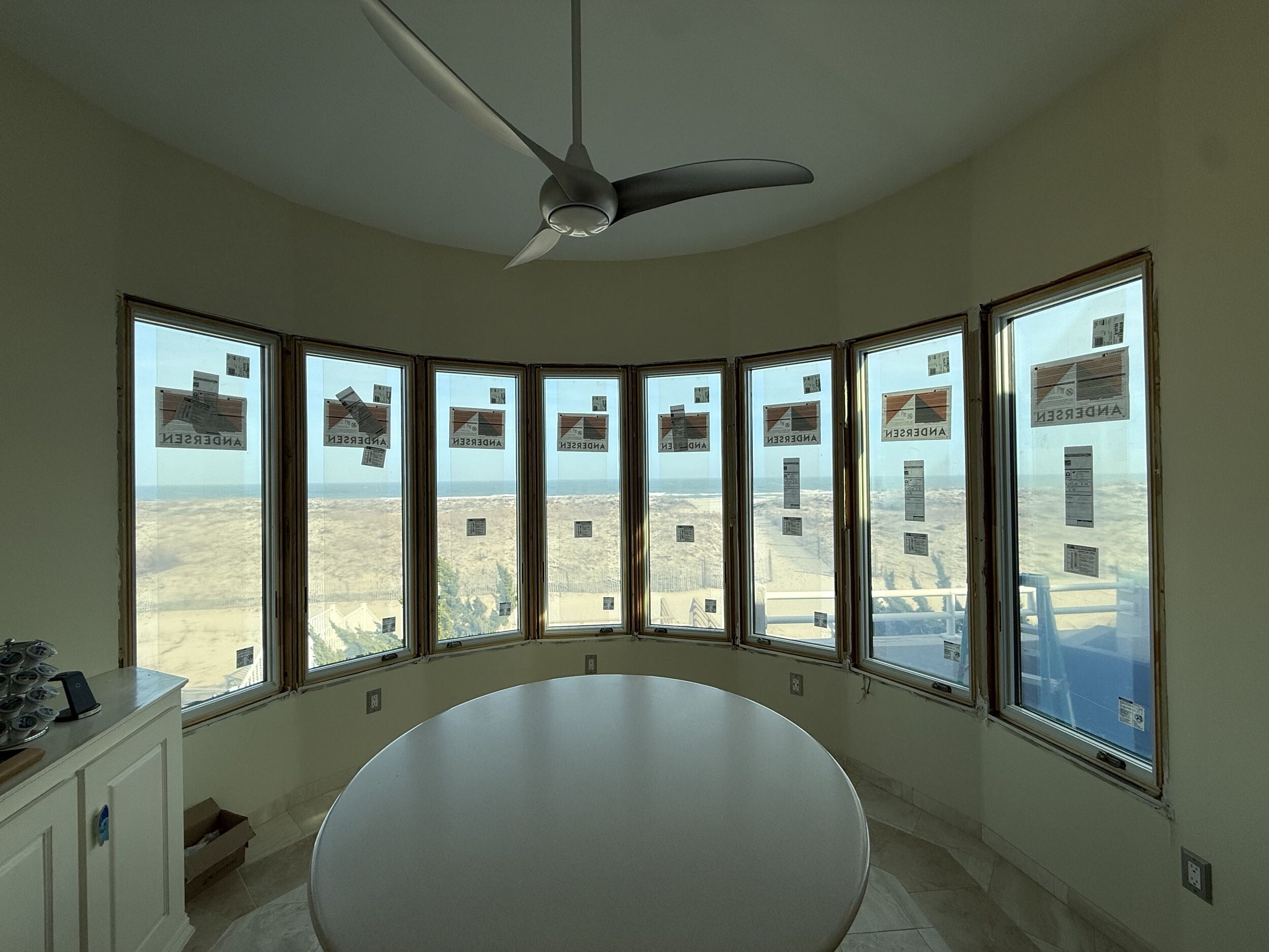
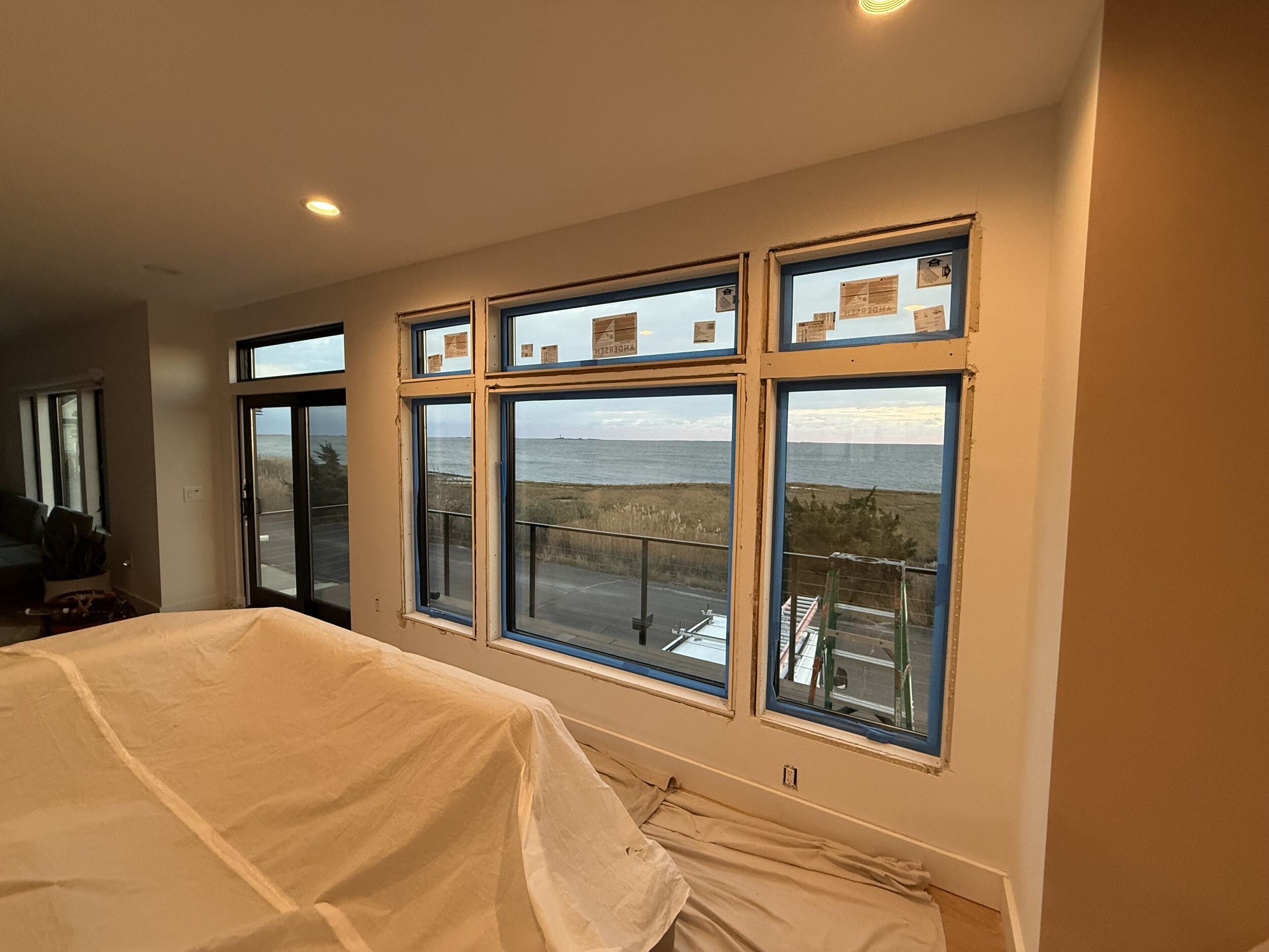
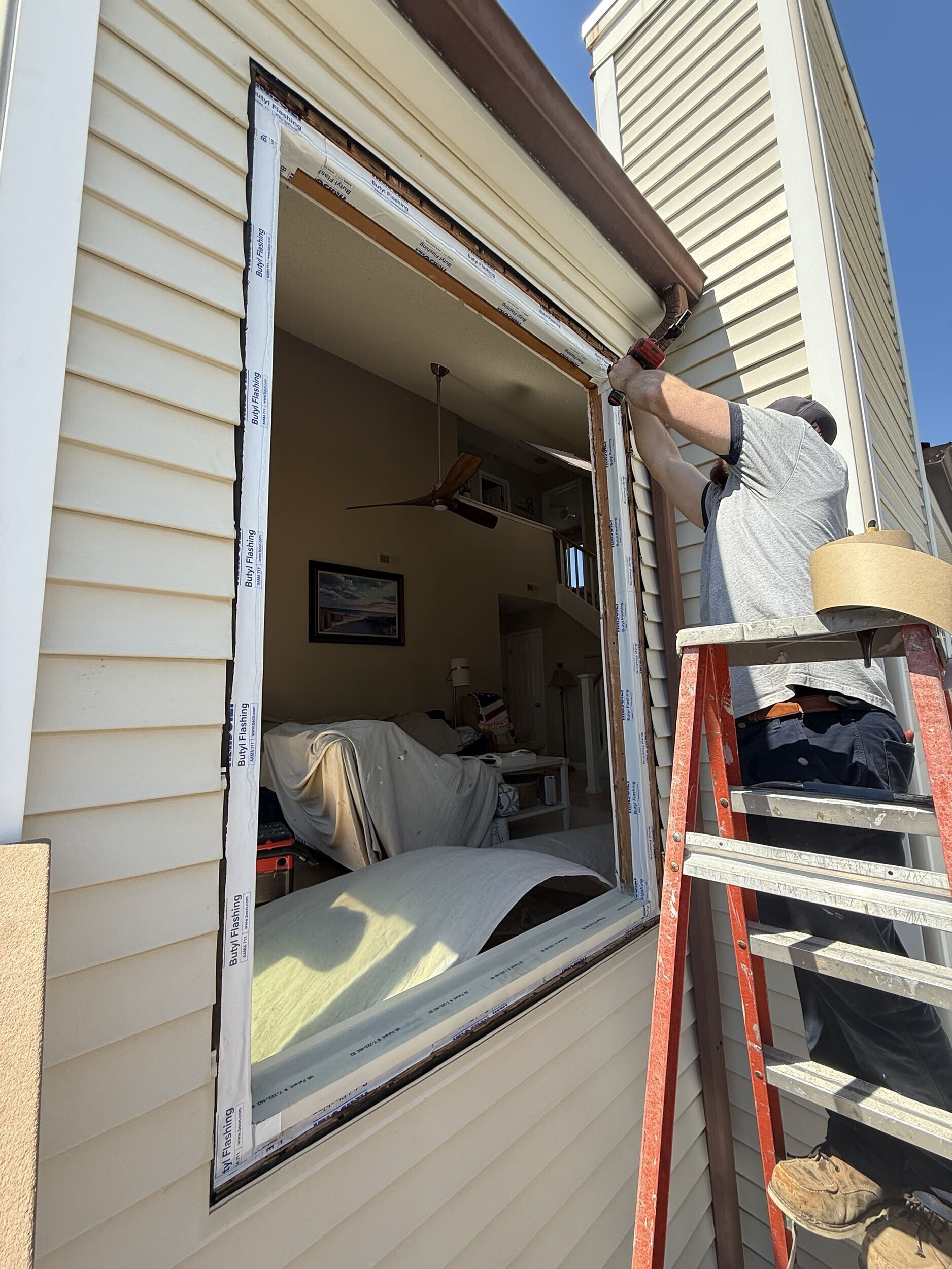
A quality unit can still fail if installed poorly. A proper Andersen Windows installation is about more than fitting a frame into a hole. It involves:
- Correct rough opening prep
- Flashing details
- Water management strategy
- Air sealing
- Sealant compatibility
- Proper shimming and fastening
- Integration with siding and trim
- Drainage plane continuity
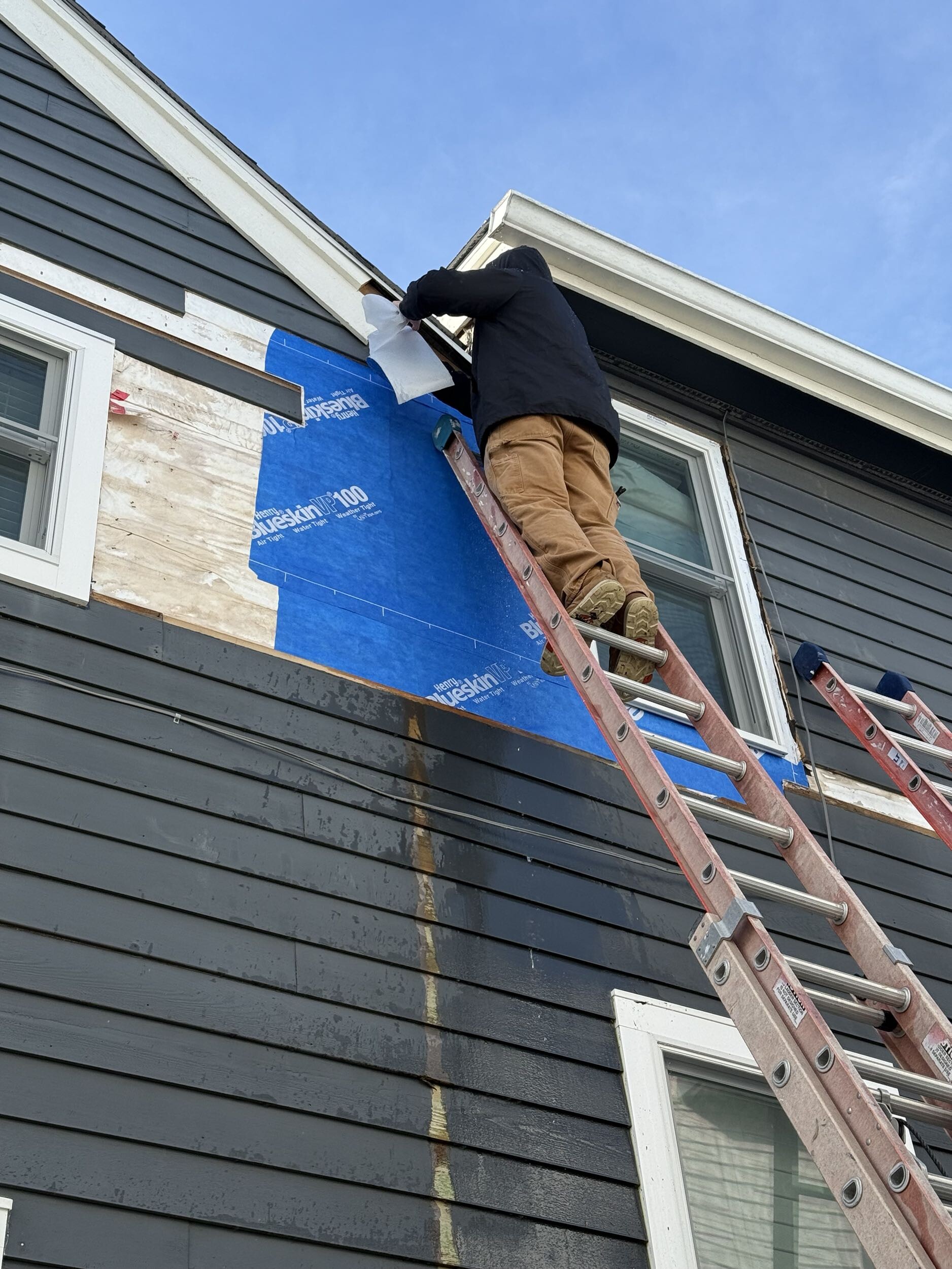
In coastal conditions, those details matter a lot. We approach coastal window replacement like part of the building envelope, not just a trim upgrade. That means thinking about bulk water, air movement, and long-term durability.
If you're comparing options, our interior and exterior renovation services and Andersen Windows and Doors work are built around that performance-first mindset.
Choosing the right exterior openings during a full house renovation
For New Jersey coastal homes, we generally want openings that offer:
- Strong weather resistance
- Low-maintenance materials
- Good thermal performance
- Corrosion resistance
- Better natural light
- Good ventilation options
- Style that fits the home
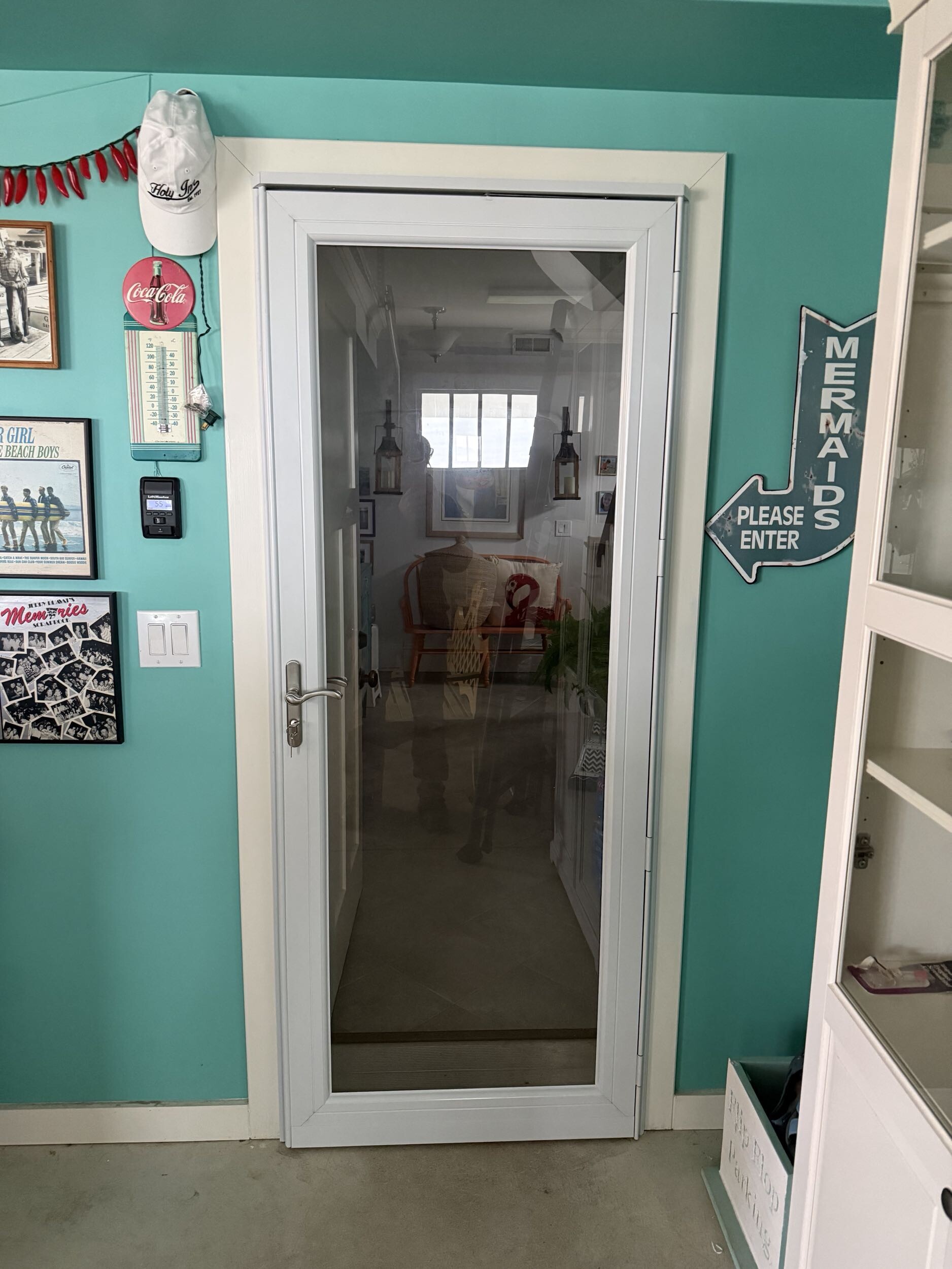
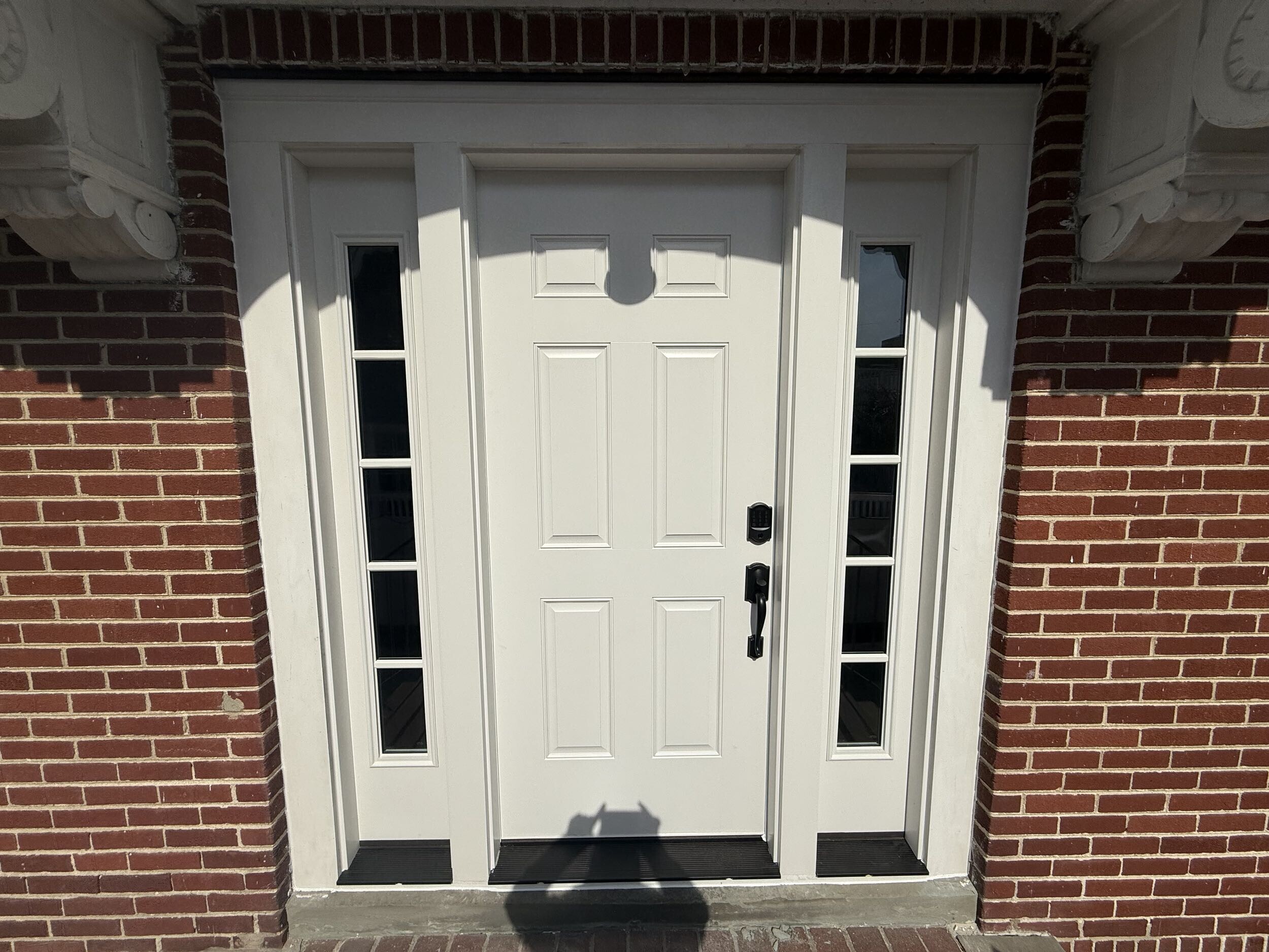
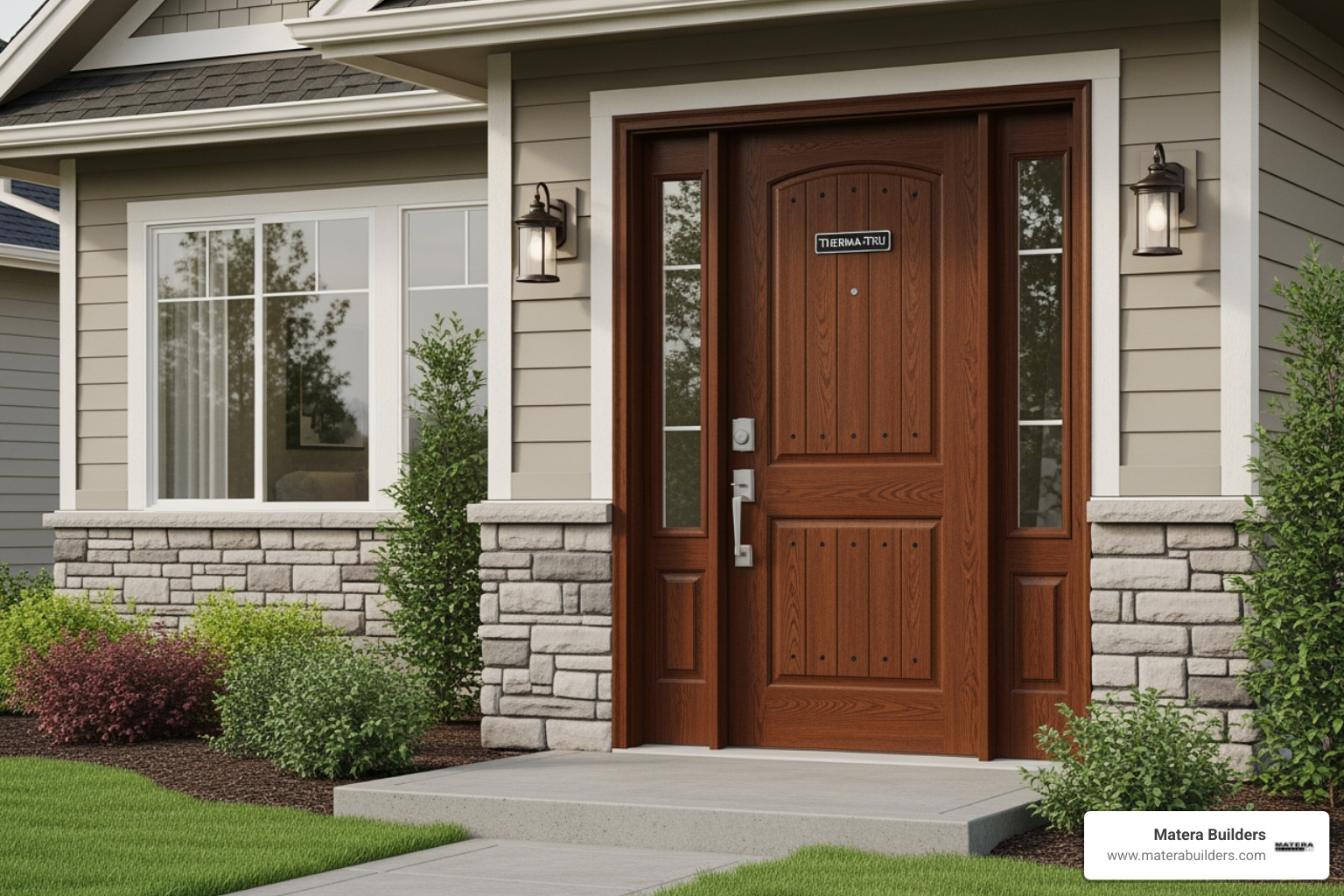
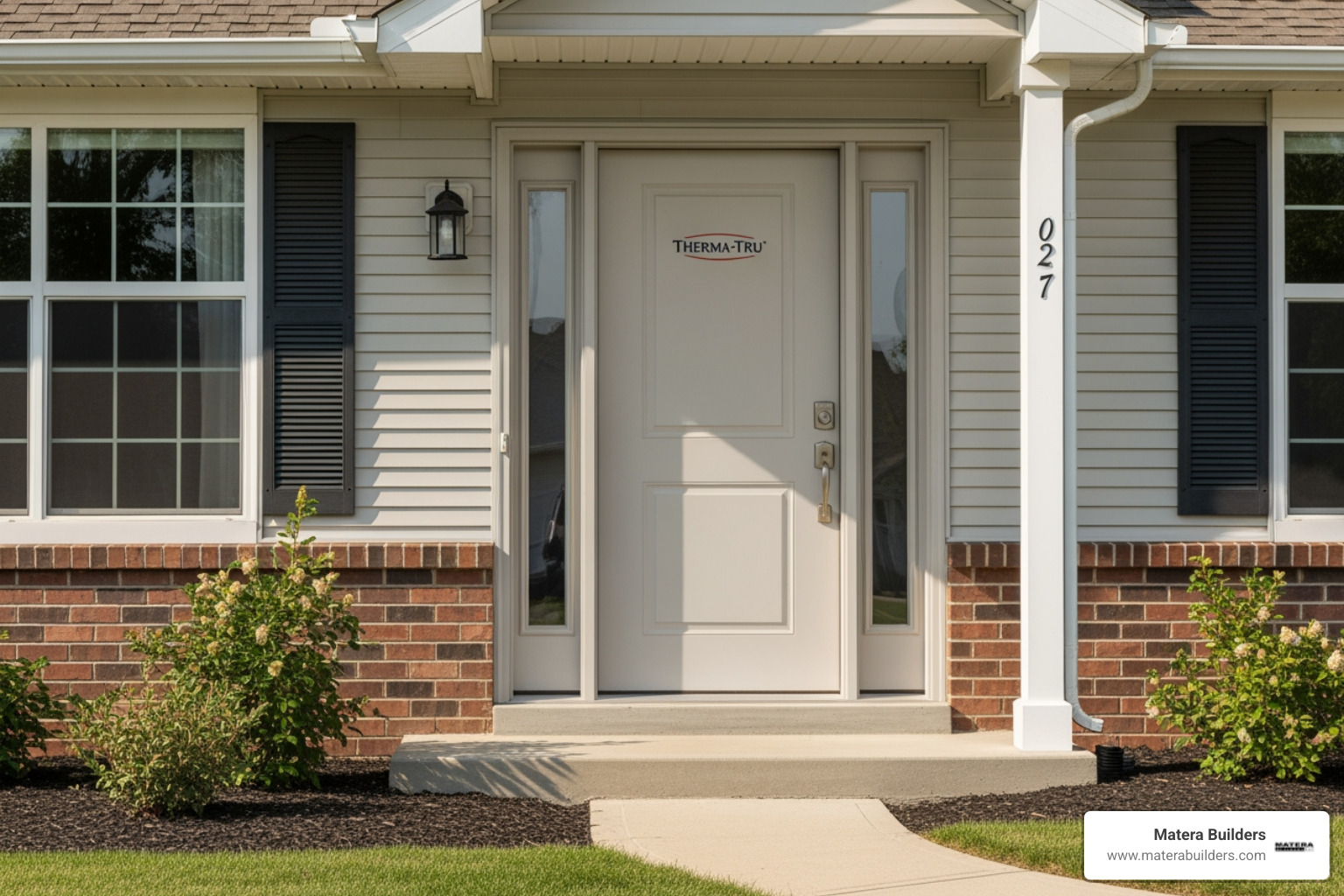
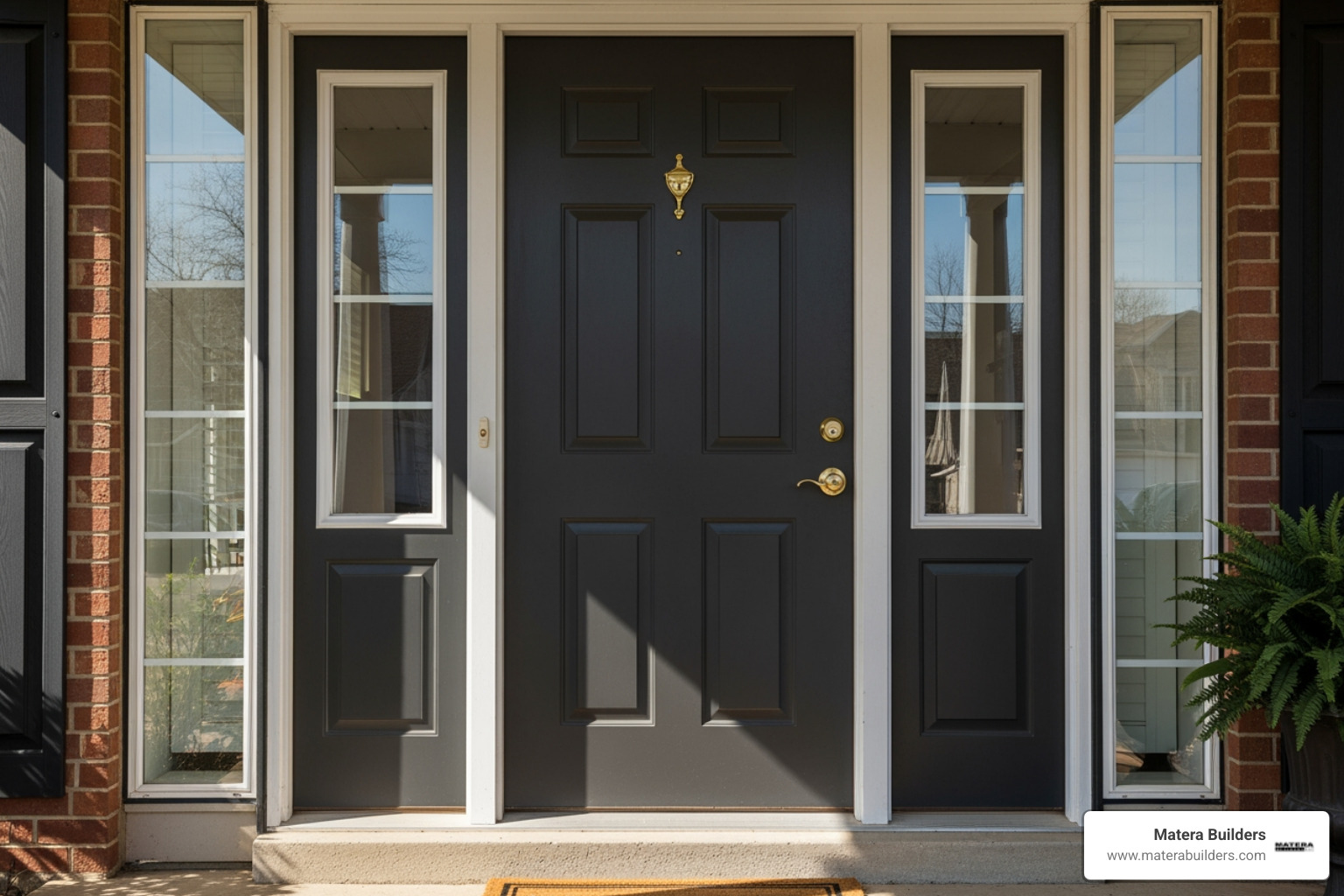
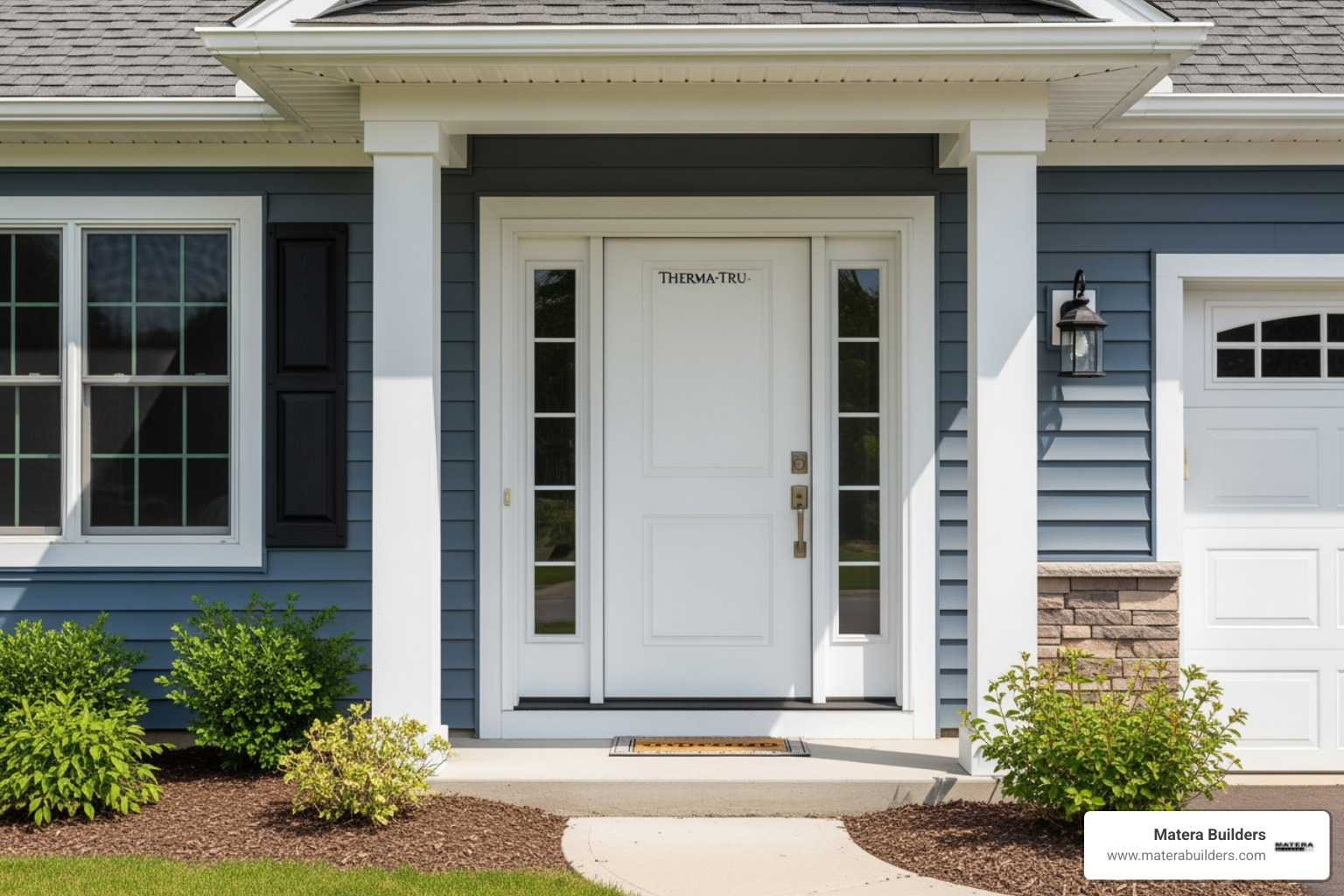
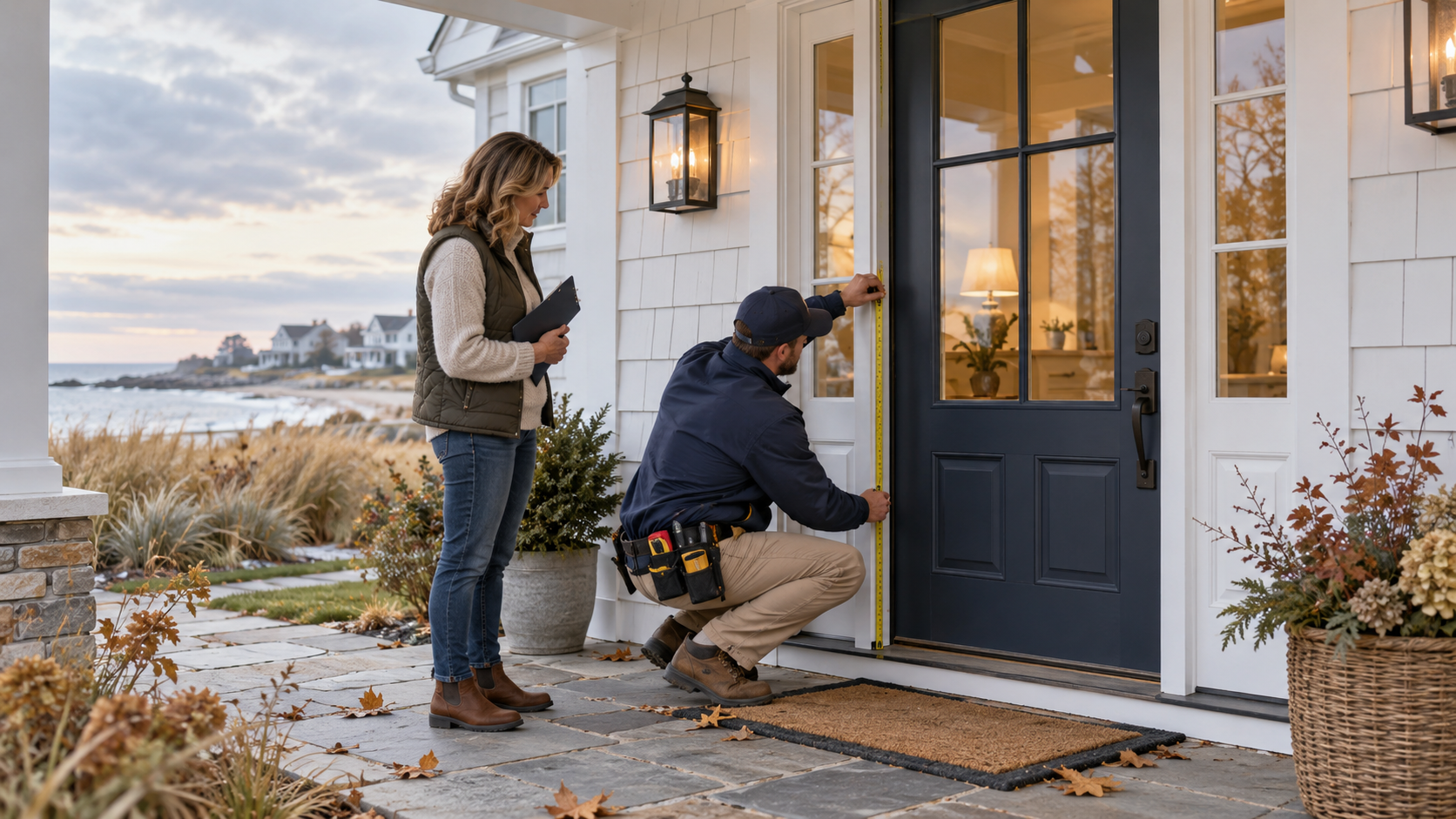
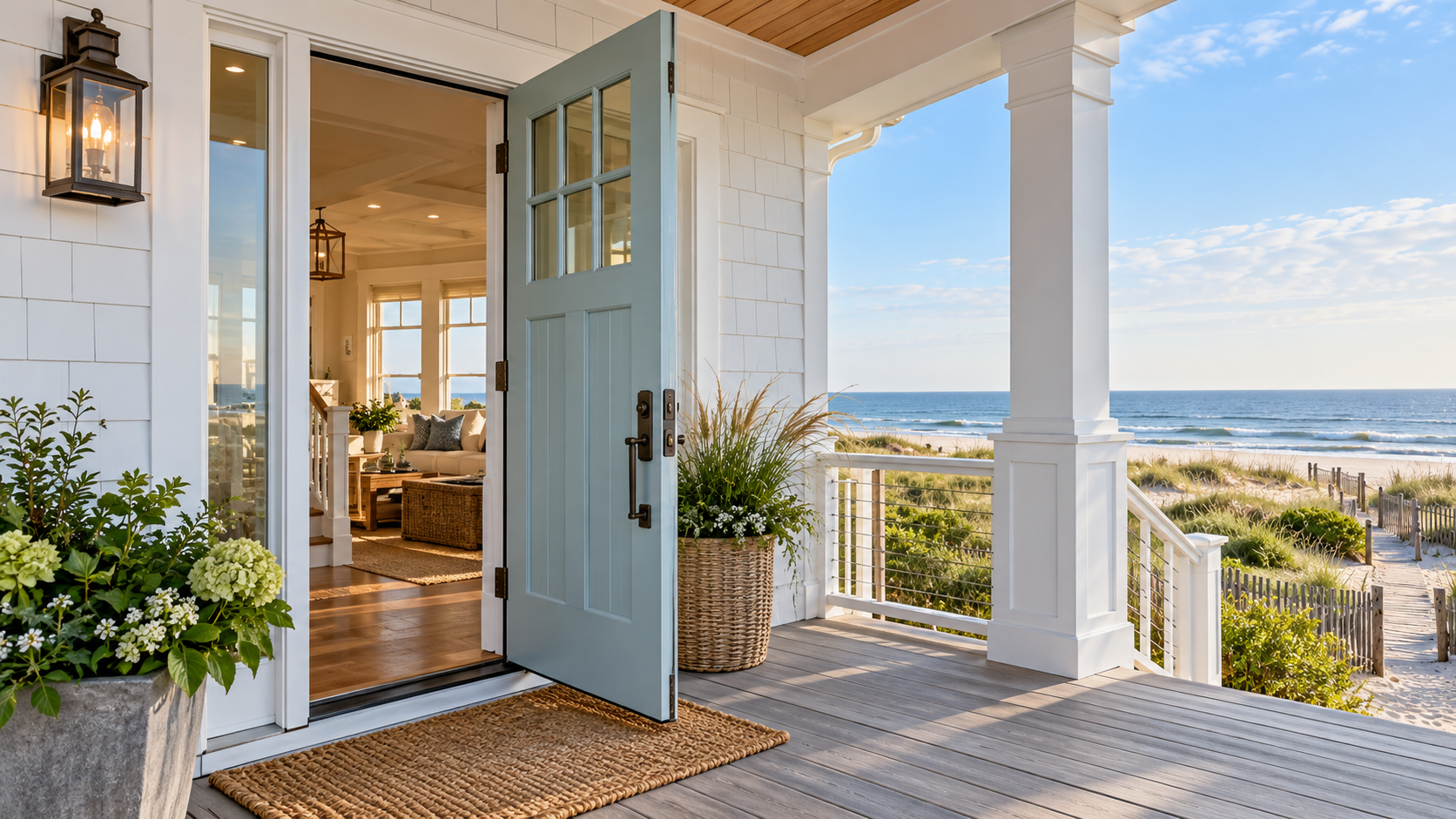
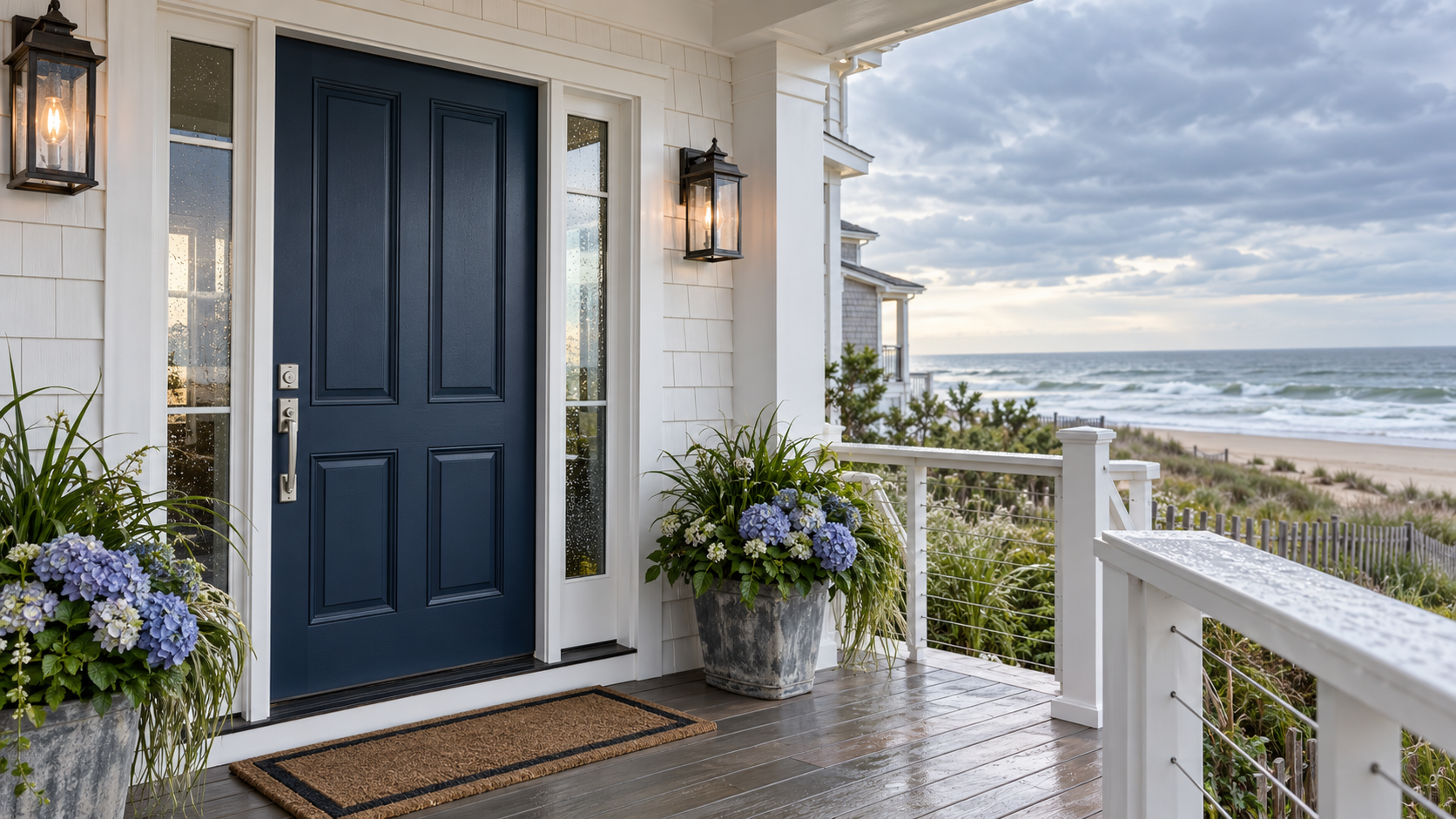
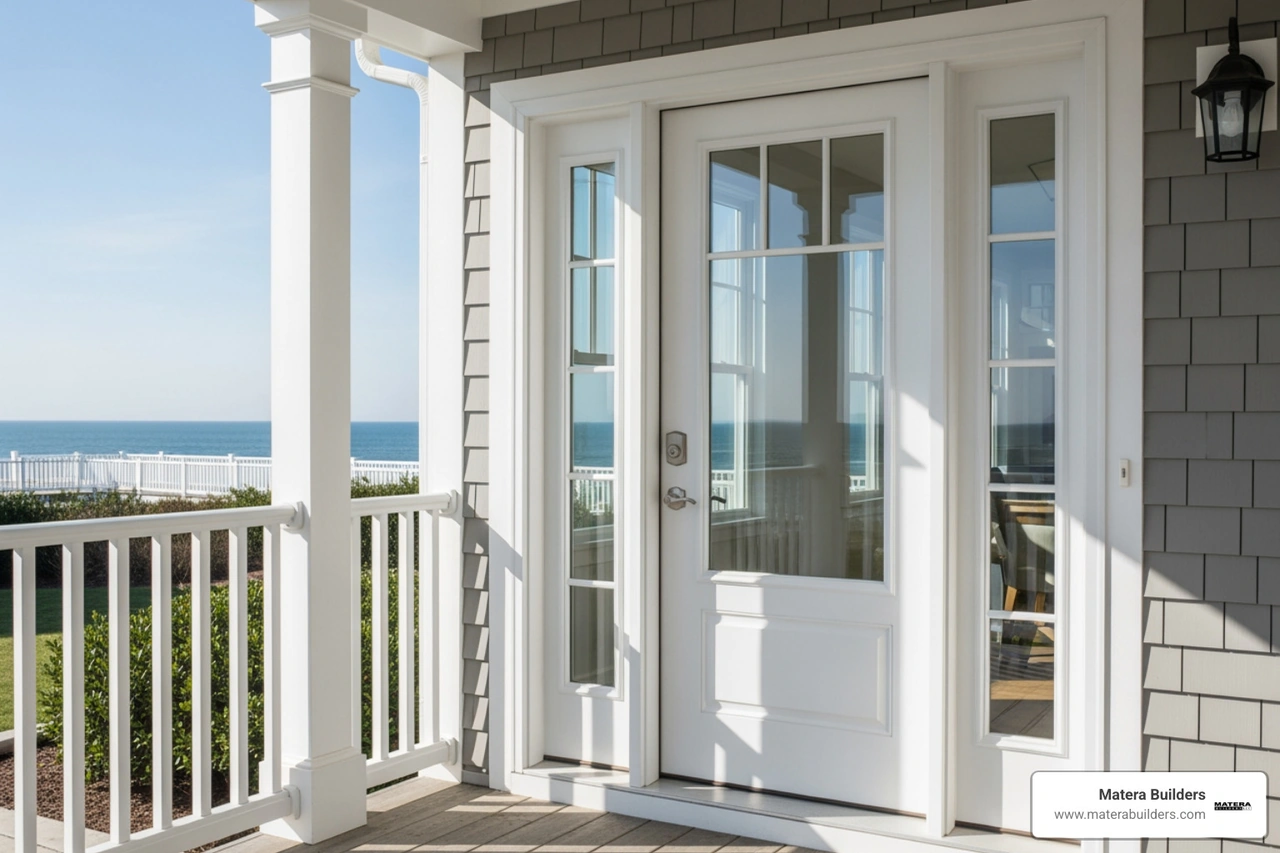
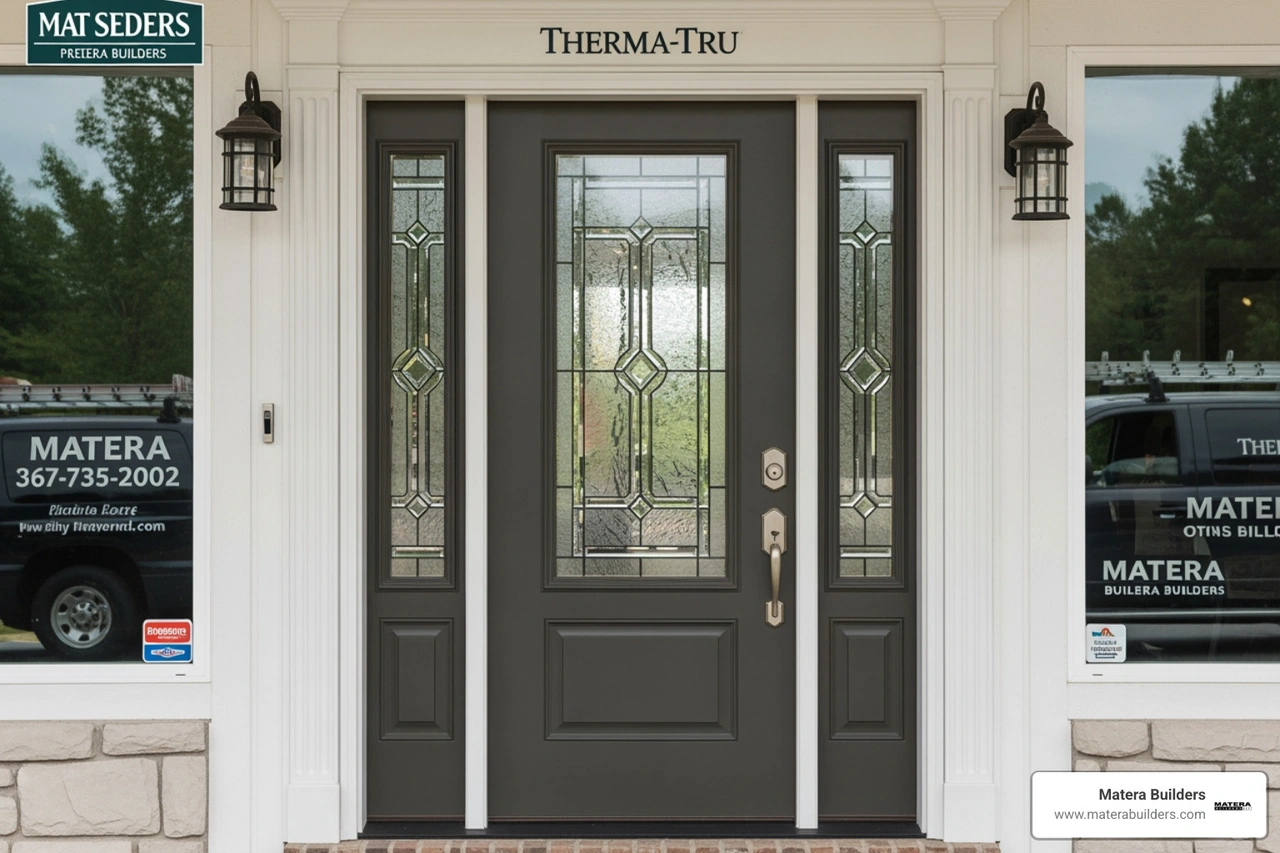
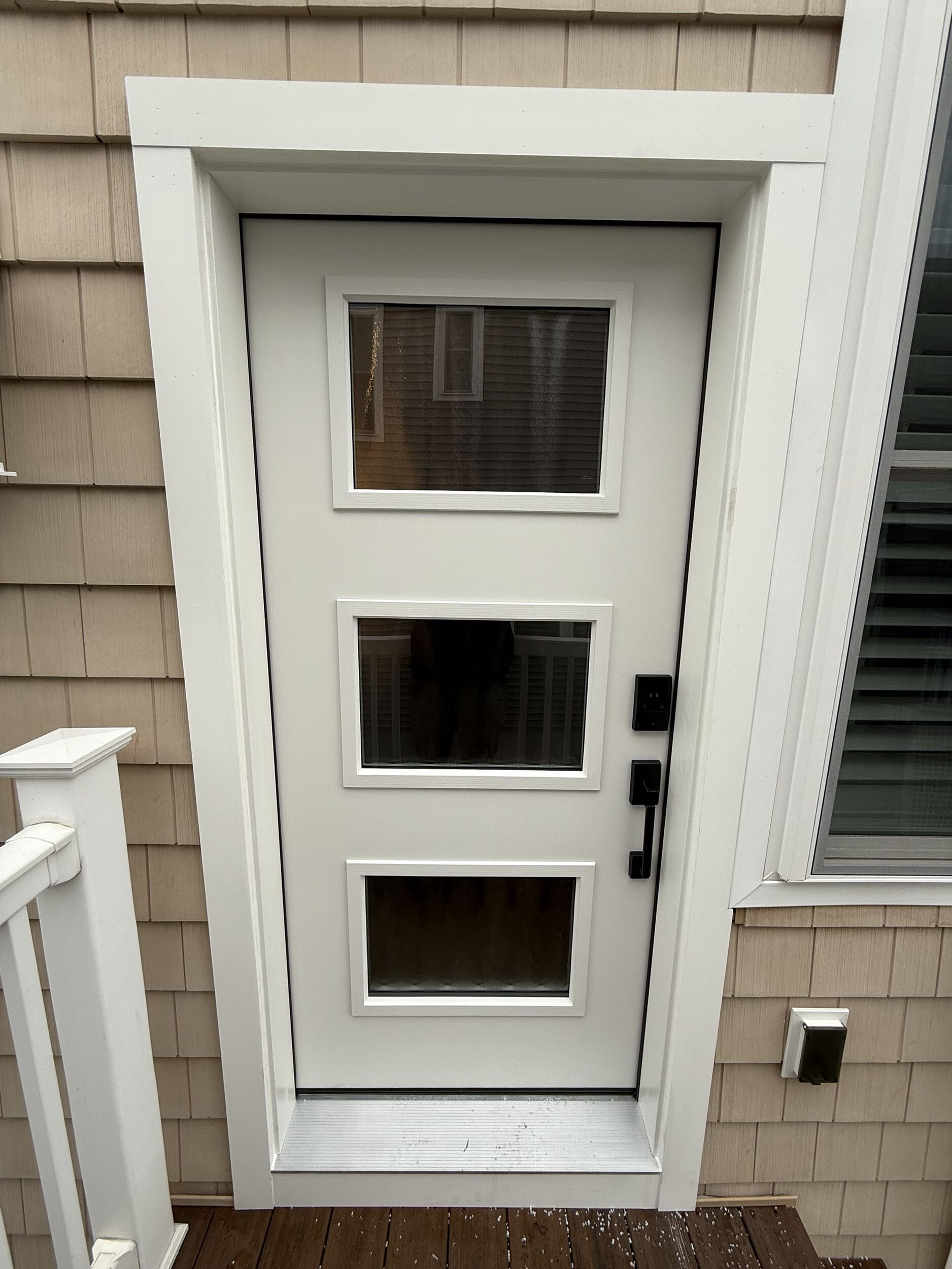
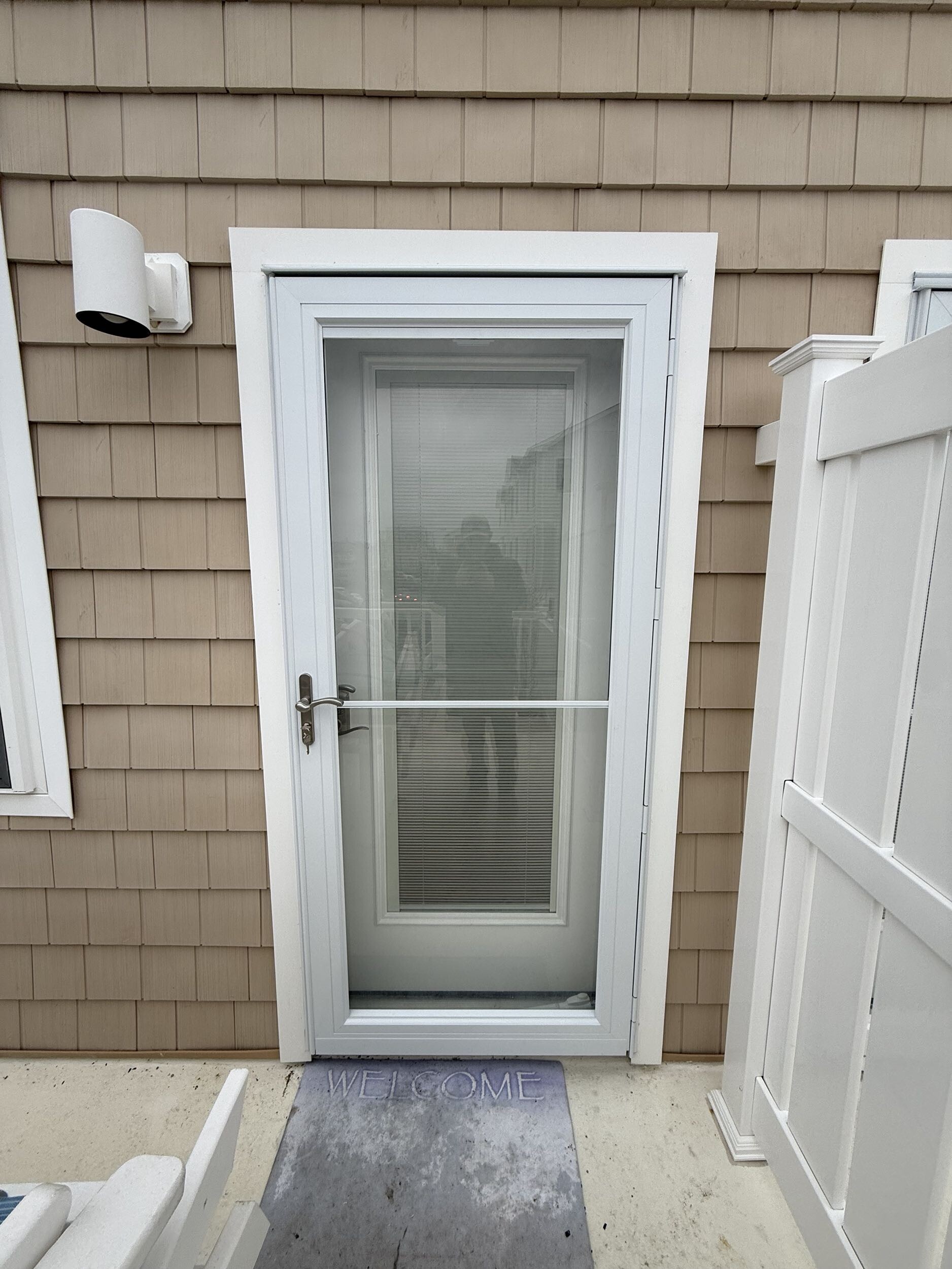
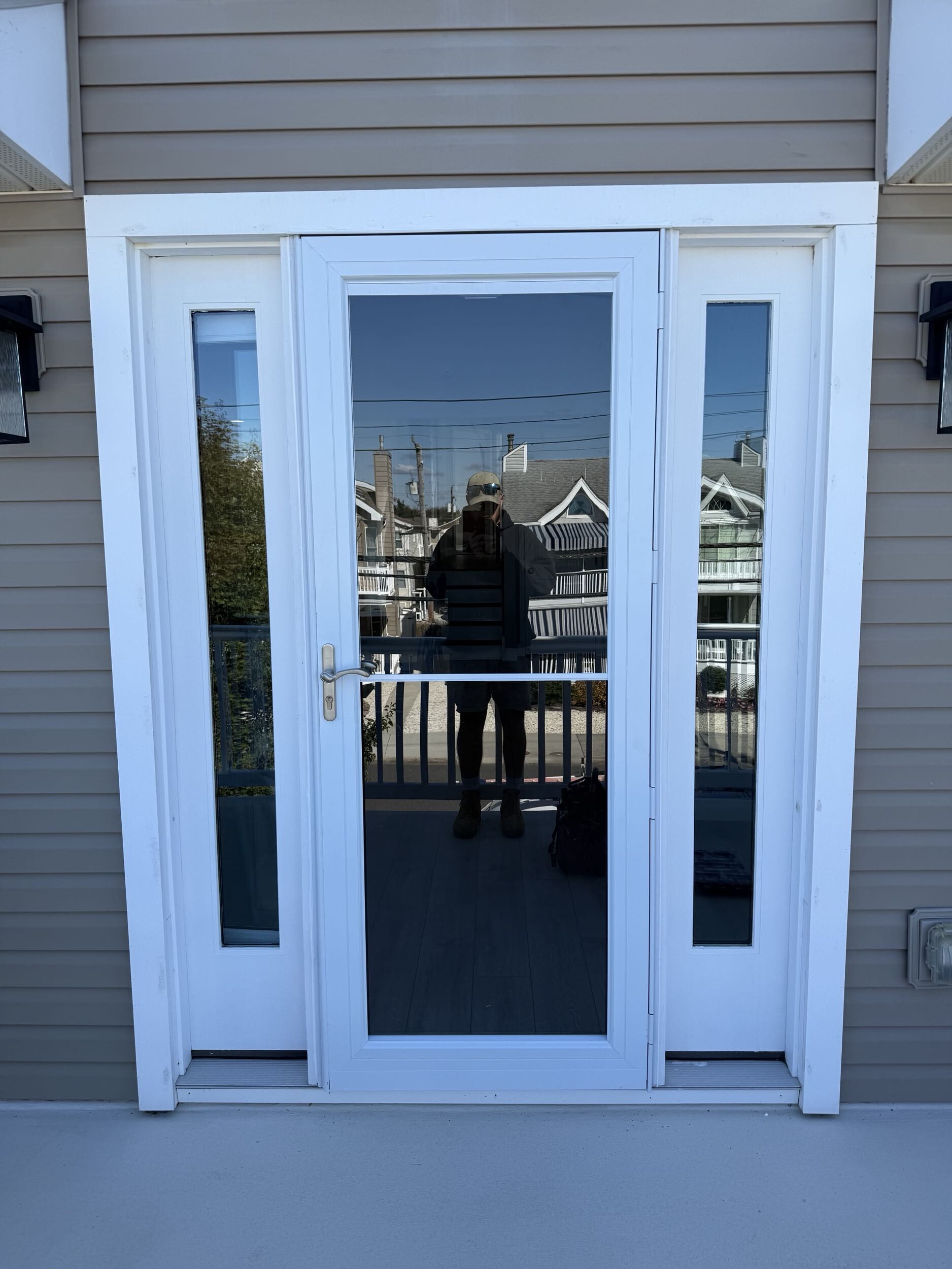
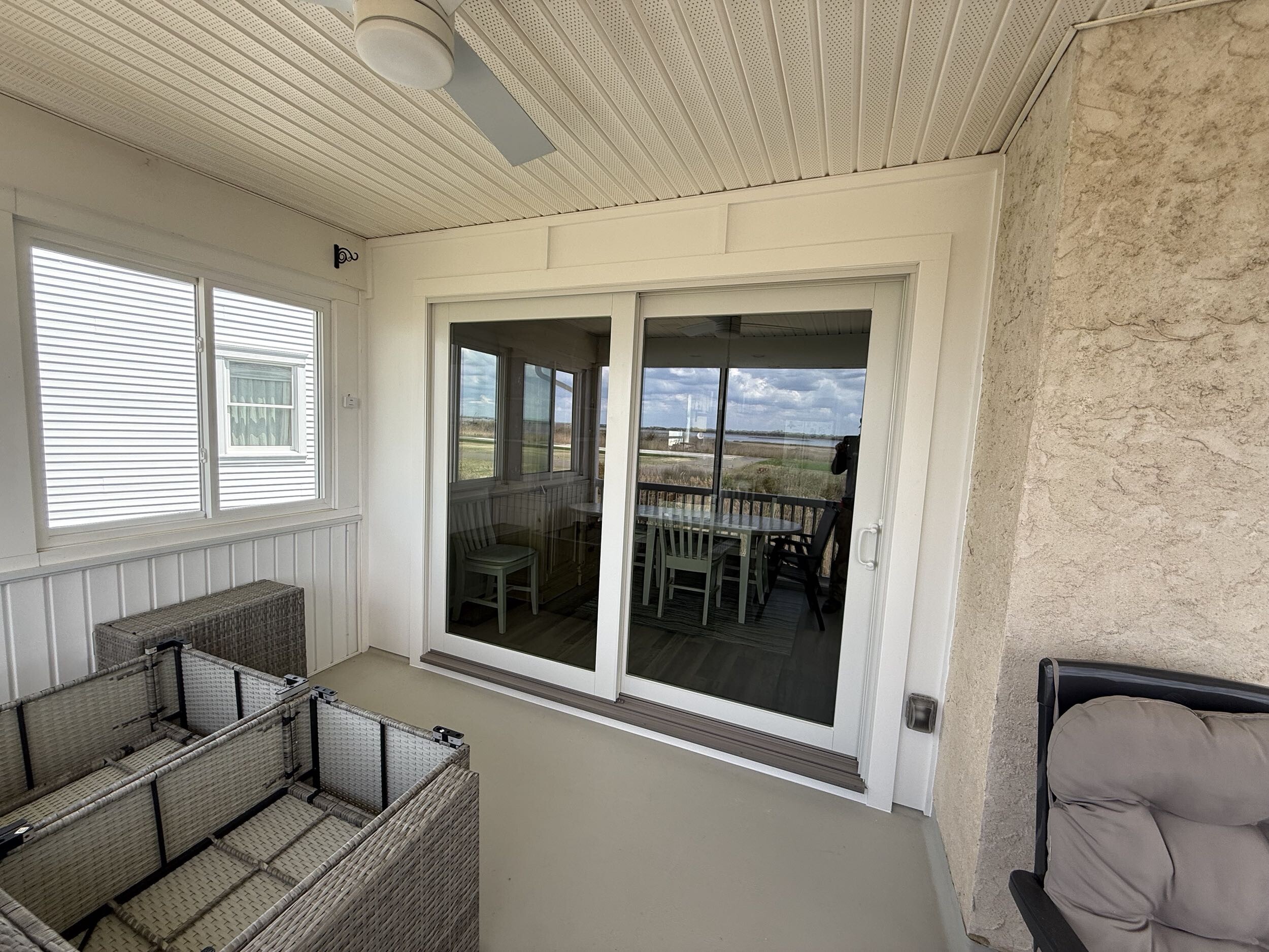
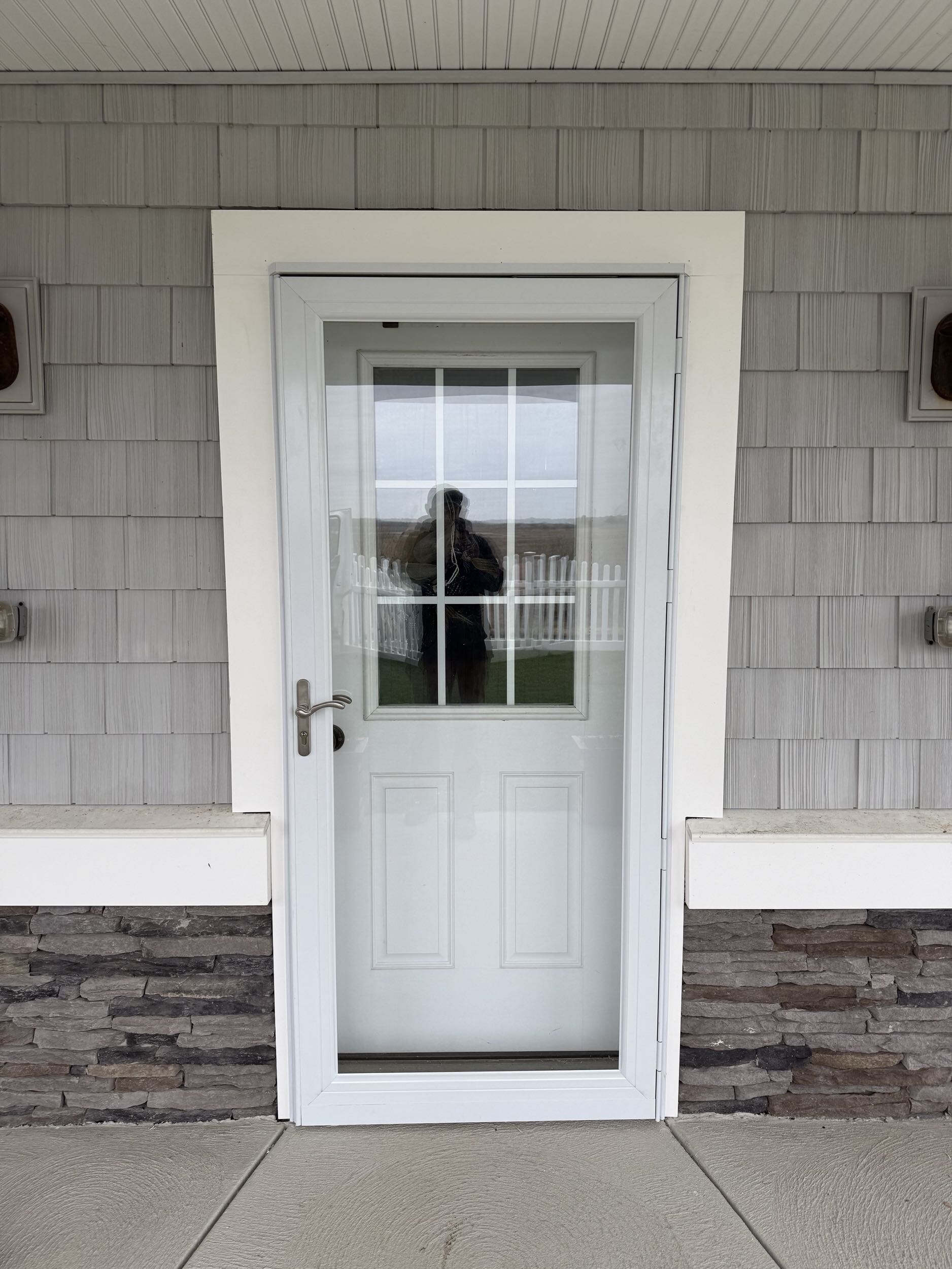
This is also a good time to think about entry systems. An Andersen Doors replacement or a Therma-Tru entry door upgrade can improve air sealing, curb appeal, and daily function in one move.
For layout and finish planning, see Home Remodel Designers Near Me.
The Right Order of Work for a Full House Renovation
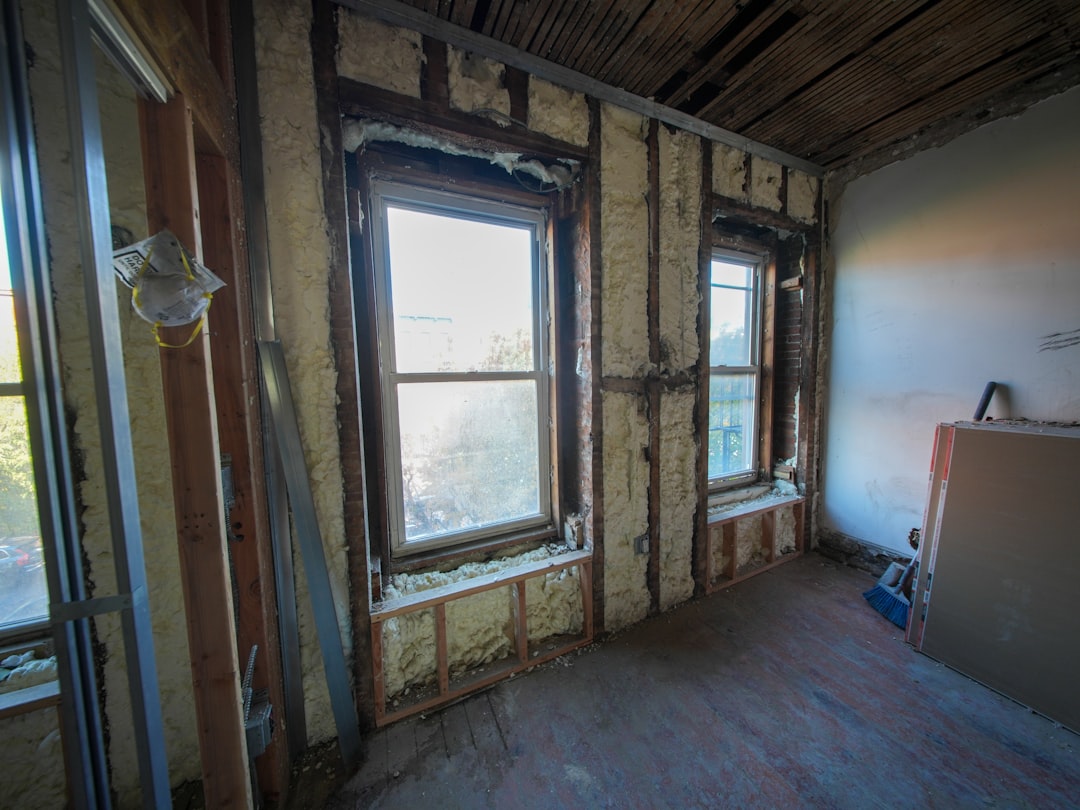
One of the biggest budget killers is doing work in the wrong order. You do not want to install finish flooring before messy overhead work. That is a fast path to regret.
Start with planning, surveys, permits, and safety checks
Before demolition, we recommend:
- Building survey or condition assessment
- Scope definition
- Permit review
- Zoning check
- Structural review if walls are moving
- Asbestos testing where needed
- Lead paint review for homes built before 1978
- Moisture and drainage investigation if signs of water intrusion exist
Research consistently points to asbestos and lead as important early checks. Asbestos may be found in older insulation, popcorn ceilings, some flooring, adhesives, pipe wrap, and siding products. Homes built before 1978 are at greater risk for lead-based paint.
The recommended construction sequence
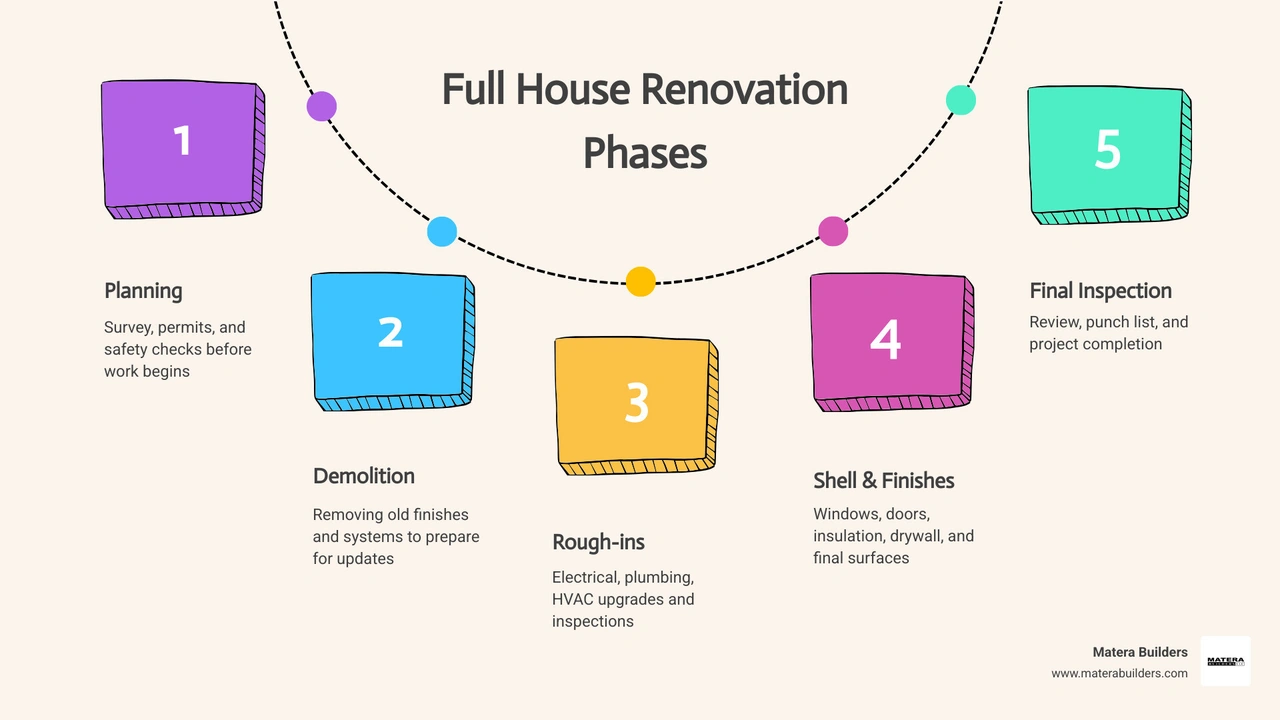
A typical full house renovation sequence looks like this:
- Planning and design
- Budgeting and selections
- Permits and approvals
- Demolition
- Structural framing and repairs
- Roof or exterior shell repairs if needed
- Window and door installation
- Plumbing rough-in
- Electrical rough-in
- HVAC rough-in
- Insulation and air sealing
- Inspections
- Drywall and interior wall finishes
- Flooring
- Cabinets and built-ins
- Interior trim and doors
- Painting
- Fixtures, appliances, and finish electrical/plumbing
- Punch list and final inspection
That order can shift slightly, but the big idea stays the same: build the shell, update the guts, then do the pretty stuff.
When to install windows, entry doors, and exterior systems
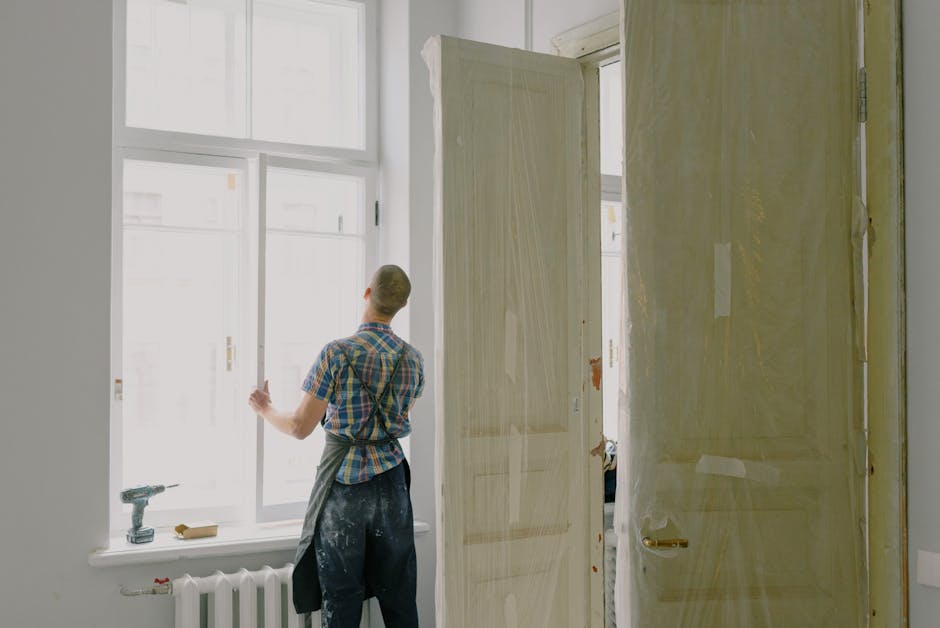
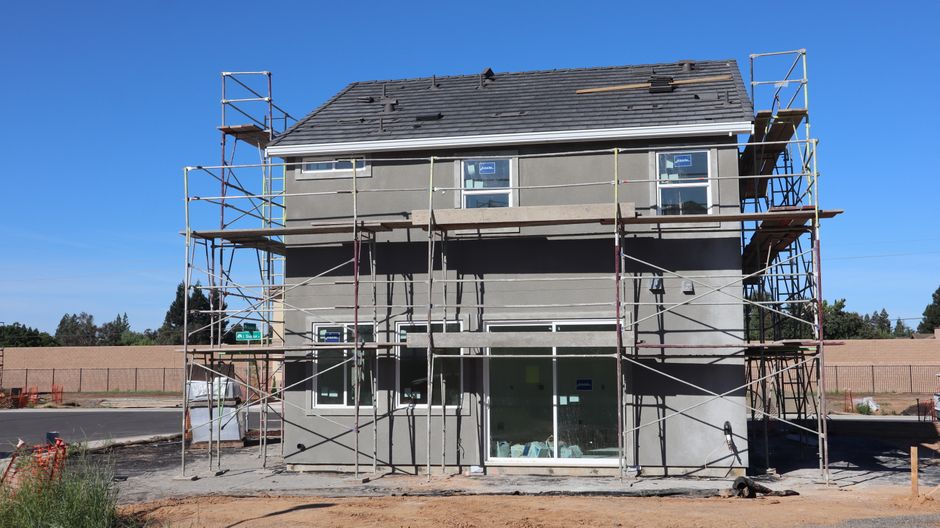
In many whole-home projects, we like windows and exterior doors installed after structural repairs and before interior finishes. Why?
Because you want a weather-tight shell as early as practical.
That helps protect:
- Framing
- Insulation
- Drywall
- Flooring
- Cabinets
- Trim
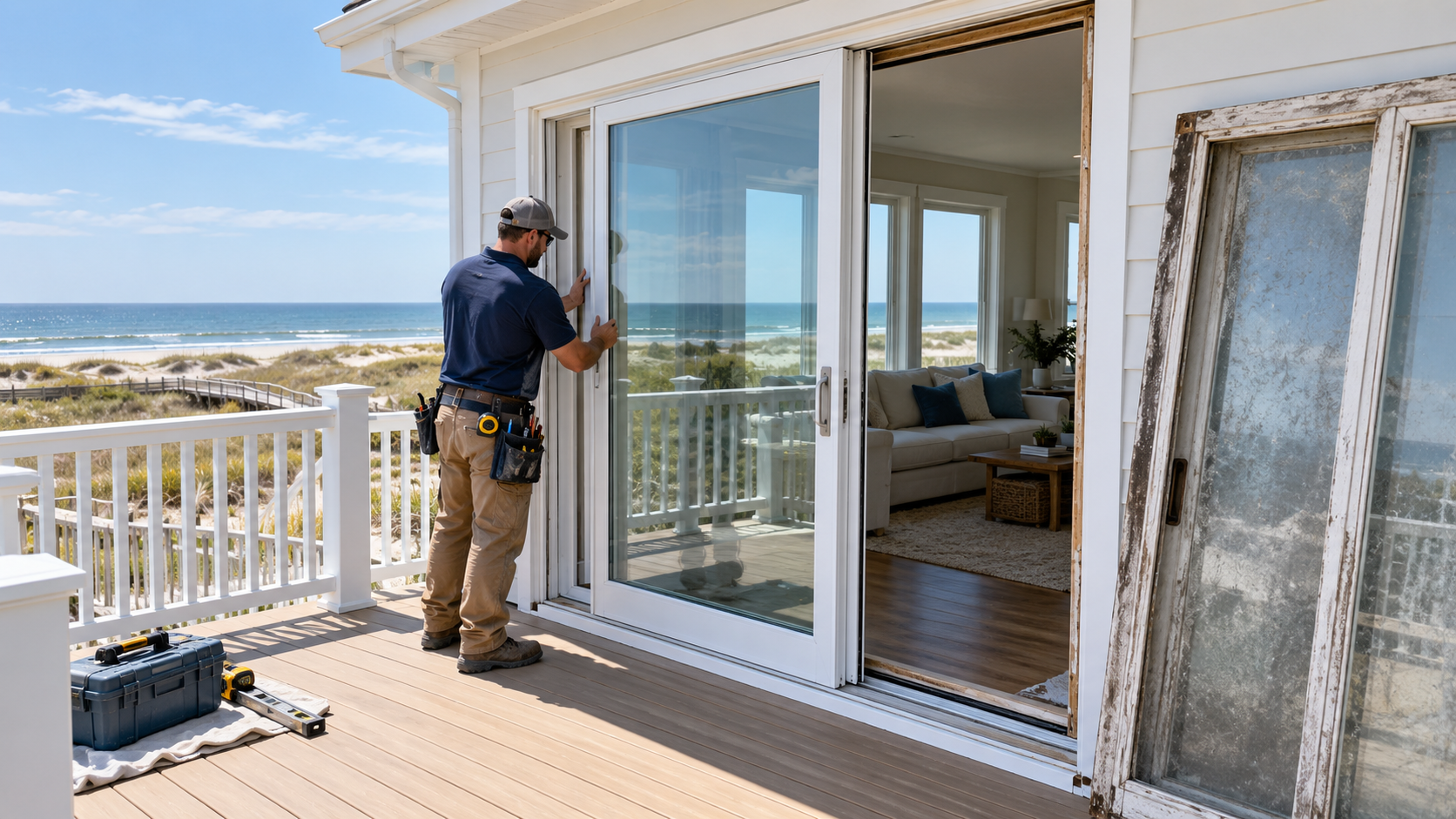
A skilled window replacement contractor also coordinates flashing, trim, and siding tie-ins so the whole assembly works together.
Permits, Contractor Selection, and Budget-Smart Decisions
Permits and zoning rules to check before work starts
In New Jersey, permits are commonly needed for:
- Structural changes
- Electrical work
- Plumbing work
- HVAC work
- Window or door work, depending on scope and municipality
- Additions and major exterior changes
You may also need to check:
- Zoning setbacks
- Flood zone requirements
- Historic district restrictions
- Coastal or storm-related code requirements
For a New Jersey-specific cost and planning reference, see this full home renovation cost guide in New Jersey (2026).
How to choose the right contractor for a whole-home job
A whole-home remodel needs more than a decent quote. It needs coordination.
When hiring, look for:
- Proper licensing and insurance
- Experience with whole-home scope
- Clear written proposals
- Detailed allowances and exclusions
- Realistic timeline
- Communication process
- Change order procedure
- Milestone-based payment schedule
- Experience with coastal building conditions
At Matera Builders, our work has been shaped by renovation experience since 1988, certified installation standards, and a simple goal: clear communication and no mystery math.
How to save money and avoid costly mistakes
The cheapest renovation is usually not the one with the lowest bid. It is the one with the fewest bad surprises.
Smart ways to save:
- Keep the existing layout when possible
- Avoid moving plumbing unless necessary
- Use midrange finishes in most spaces
- Spend strategically on high-impact items
- Finalize selections early
- Compare bids side by side
- Phase the project if a full gut is not required
- Keep a 10% to 20% contingency
- Do not make late changes once work starts
A few budget-saving moves that often help:
- Refinish usable floors instead of replacing all of them
- Reface or repaint some millwork if structurally sound
- Mix premium finishes in focal areas with simpler materials elsewhere
- Upgrade windows and doors during related exterior work
- Address moisture issues before cosmetic work
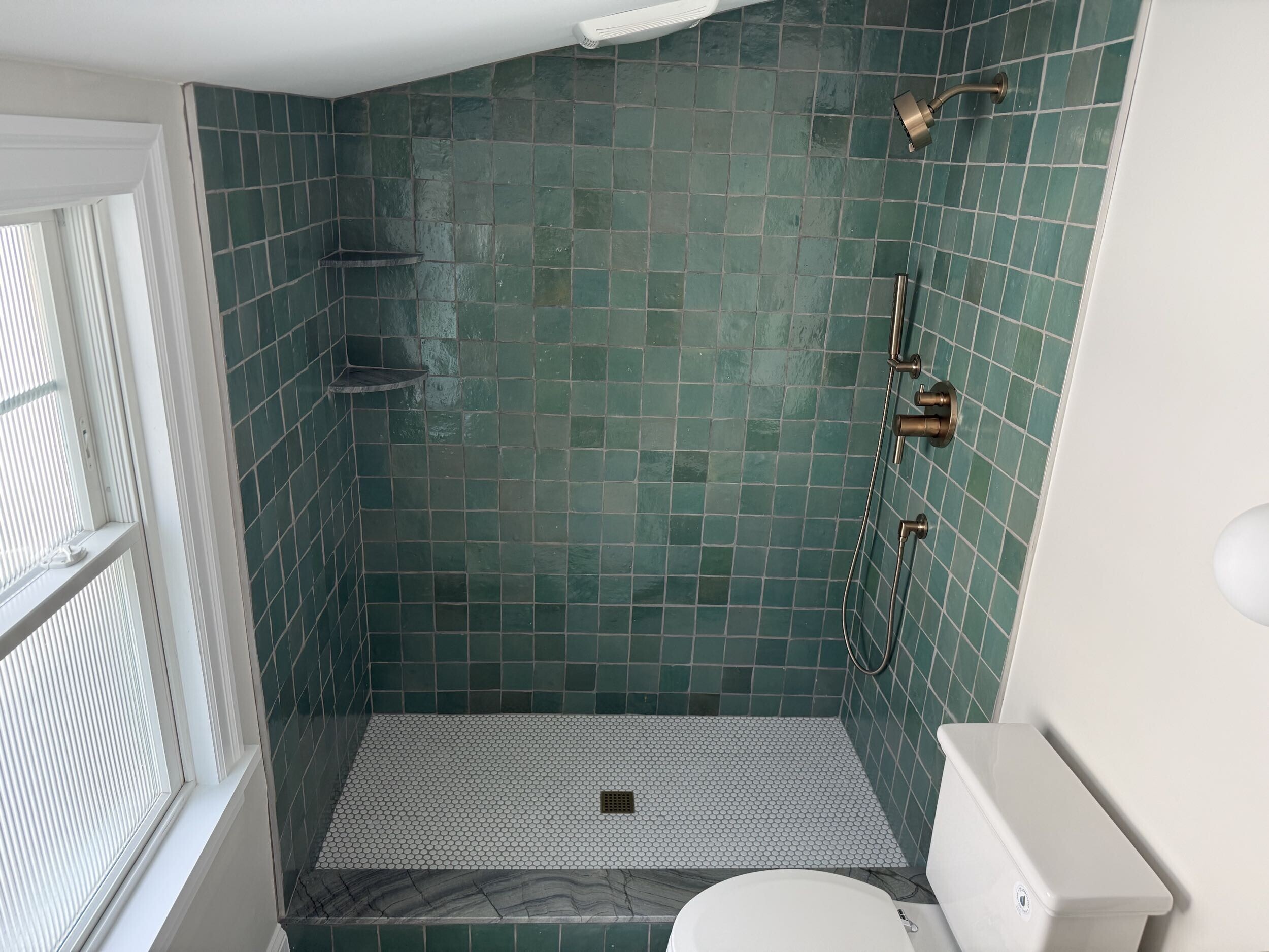
For bathroom planning ideas, see Bathroom Renovations Near Me and Bathroom Shower Remodel. If your project includes a shower conversion, Walk In Shower Installation NJ is also useful.
Resale Value, ROI, and Long-Term Performance
A full house renovation is partly about enjoyment and partly about value. Usually both.
Which upgrades usually return the most value
Research consistently shows strong return from:
- Kitchens
- Bathrooms
- Entry doors
- Exterior upgrades
- HVAC and efficiency improvements
- Curb appeal work
Typical ROI ranges from the research:
- Kitchen remodel: about 60% to 80%
- Midrange bathroom remodel: about 50% to 70%
- Curb appeal upgrades: about 70% to 90% in some cases
Exterior elements matter because buyers notice them first. A new front door, strong siding details, and modern windows improve both appearance and performance.
If you are planning a kitchen or bath as part of your whole-home scope, our kitchen and bath renovations page is a good next step.
How coastal durability protects long-term value
In coastal New Jersey, durability is value.
Features that help protect long-term performance include:
- Rot-resistant components
- Better moisture control
- Proper flashing and drainage details
- Corrosion-resistant hardware
- Low-maintenance exterior materials
- Storm-ready doors and windows
- Better air sealing and insulation
This is where product quality and installation quality meet. The right energy efficient windows installed the right way can reduce drafts, improve comfort, and help protect interior finishes from moisture swings.
When a full house renovation is worth it
A full renovation usually makes sense when:
- You plan to stay long term
- The layout no longer works
- Major systems are outdated
- You want to fix recurring moisture or comfort issues
- Buying a different house would cost more than improving this one
The "30% rule" from the research is a useful gut check. Many homeowners try to keep the renovation budget around 30% of the home's current market value. It is not a law, but it is a decent reality check for ROI planning.
Frequently Asked Questions About Full House Renovation
How long does a full house renovation usually take?
A finish-focused whole-home project may take about 6 to 10 months. If structural changes are involved, 12 months or more is common. Permit delays, material lead times, and hidden site conditions can stretch that.
Can you live in the house during a full renovation?
Sometimes, but not always wisely.
You may be dealing with:
- Dust
- Noise
- Limited bathroom access
- No working kitchen
- Safety hazards
- Interrupted HVAC service
Some families phase work and stay in the house. Others move out temporarily during demolition and rough-ins. If your project is extensive, temporary housing can actually reduce stress and speed up production.
How do homeowners pay for a whole-home remodel?
Common funding options include:
- Cash savings
- Home equity loan
- Home equity line of credit
- Renovation loan
- Other financing arranged through your lender
No matter how you fund it, keep a separate contingency reserve. Surprises behind old walls are common. They do not care about your spreadsheet.
Conclusion
A full house renovation is a big project, but it gets a lot easier when you plan around performance, not just finishes. For Jersey Shore homes, that means looking closely at moisture control, air sealing, coastal durability, and smart sequencing from the start.
At Matera Builders, we help New Jersey homeowners think through the whole picture, especially when windows, doors, exterior openings, and envelope upgrades play a major role in the project. If you are weighing a full remodel, exterior upgrade, or targeted coastal window replacement, we can help you assess what makes sense and what can wait.
You can also explore new addition and renovation project ideas and learn more about our services.
If you want a practical next step, reach out for a consultation. We will look at your home, your goals, and your budget, then help you build a plan that makes sense for the way you live now and for the years ahead.





.jpg)
.jpg)