

Why Easy Basement Finishing Is One of the Smartest Home Improvements You Can Make
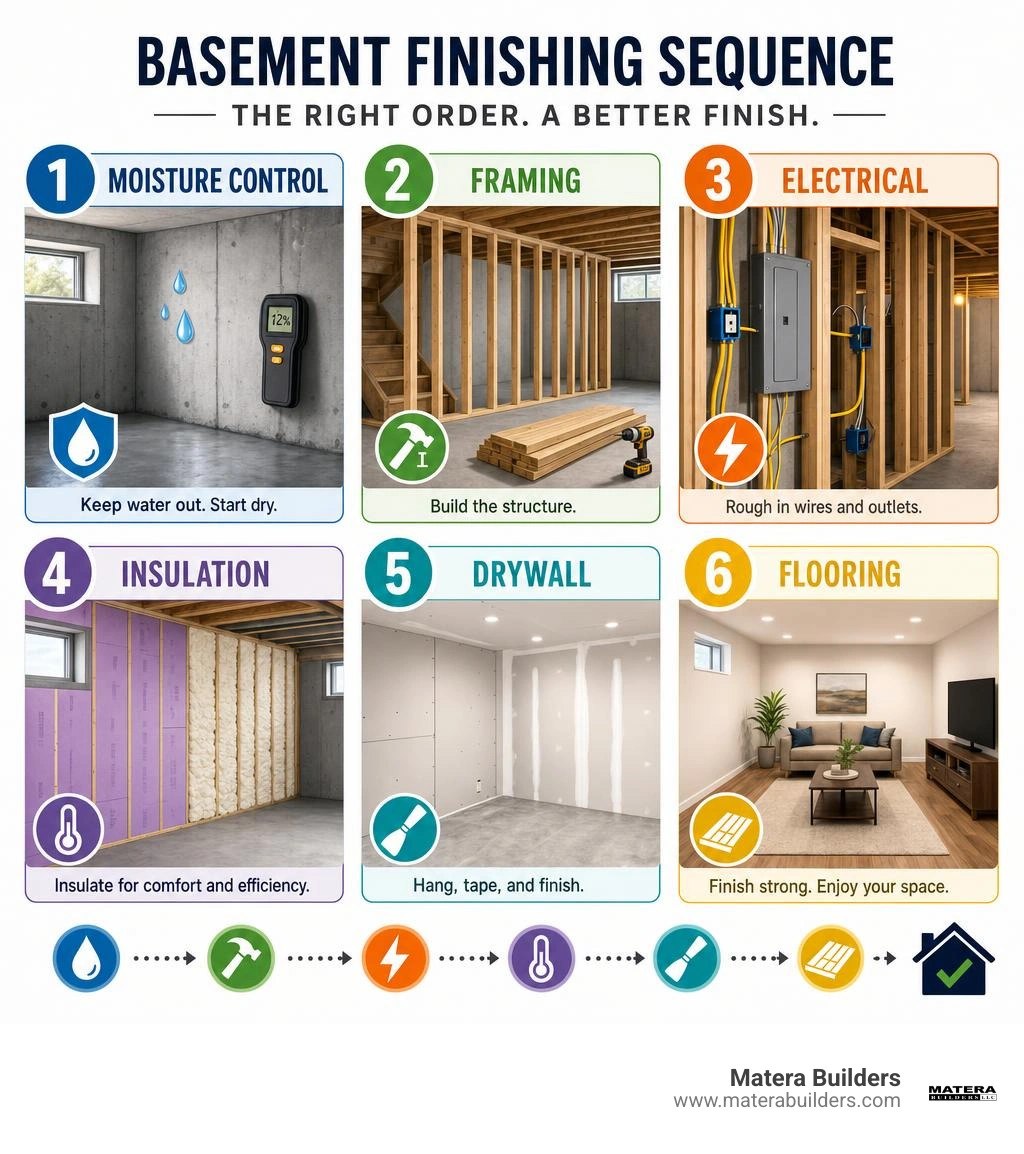
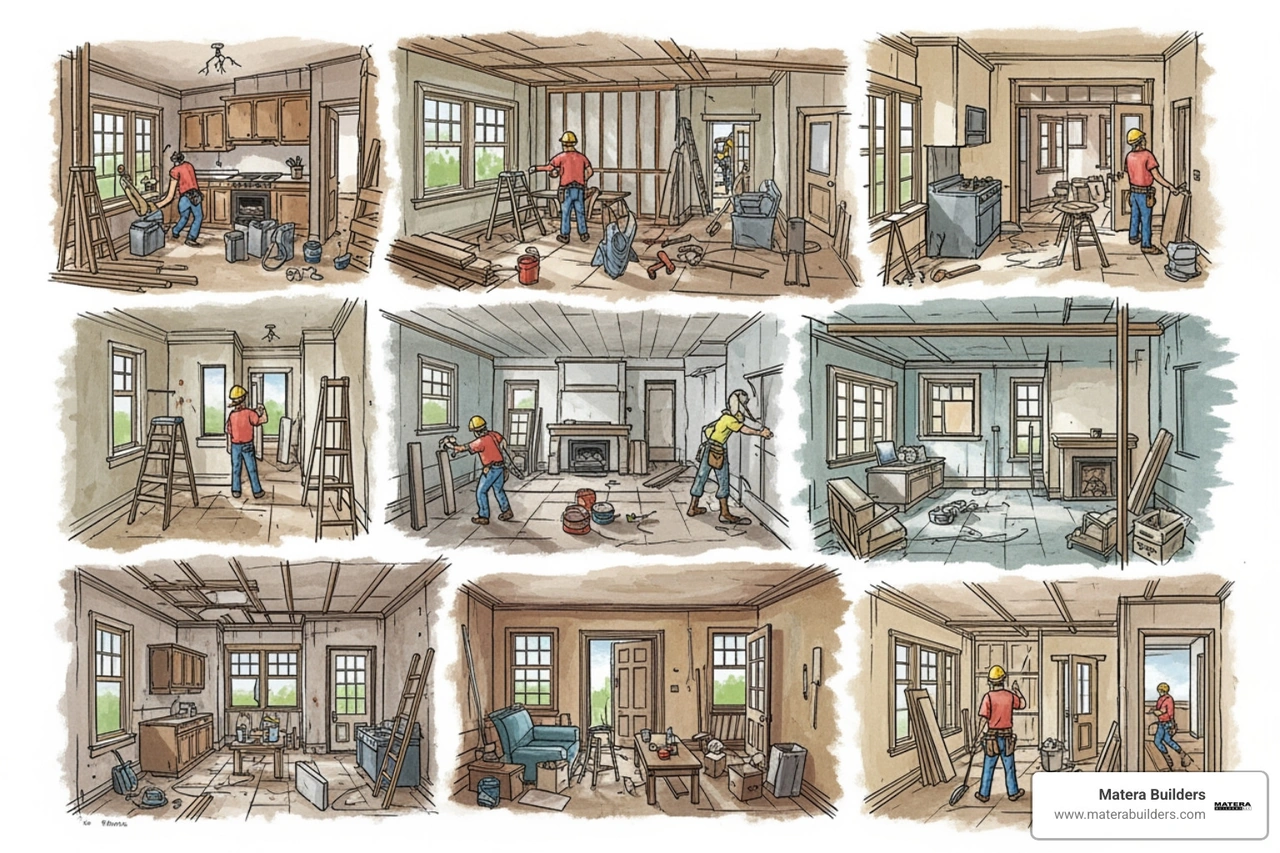
Easy basement finishing starts with a clear sequence: control moisture first, then frame, insulate, rough in electrical and plumbing, hang drywall, and finish floors and ceilings.
Here is a quick overview of the core steps:
- Test for moisture - Check walls and floor for water intrusion or condensation before anything else
- Waterproof and seal - Apply block sealer, rigid foam insulation, and a vapor barrier
- Pull permits - Submit your floor plan and get approval before any work begins
- Frame walls - Use pressure-treated bottom plates on concrete; frame at 16" on center
- Rough in systems - Run electrical, plumbing, and HVAC before closing walls
- Insulate - Use rigid foam or spray foam for below-grade walls
- Hang drywall and finish - Tape, mud, paint, and install flooring last
Most homeowners spend between $25 and $50 per square foot to finish a basement. A typical 1,000 square foot project runs $25,000 to $50,000, and a properly permitted finish can recover roughly 67% of the project cost at resale according to the 2025 NAR Remodeling Impact Report.
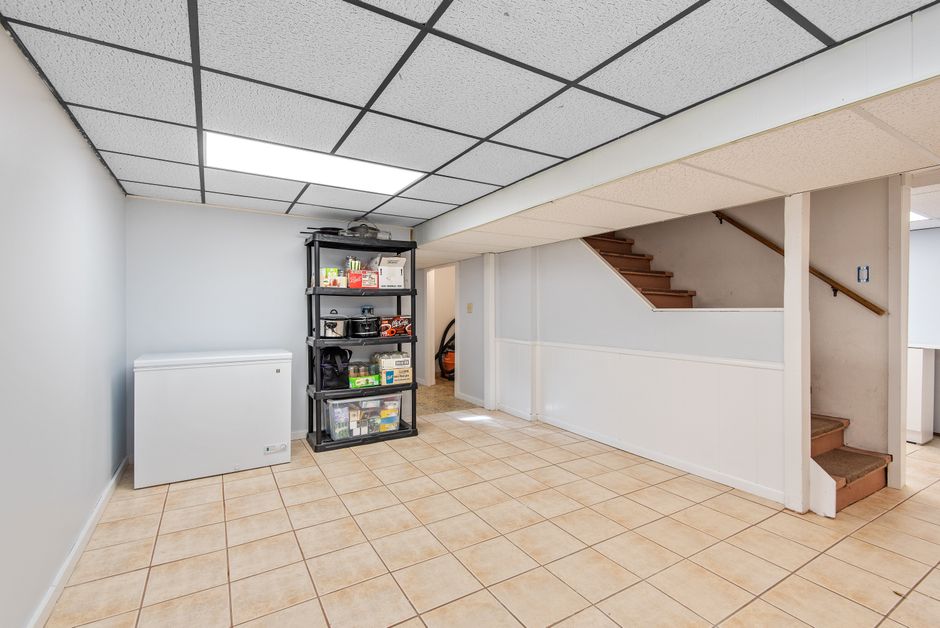
Finishing a basement sounds straightforward. But it is one of the most commonly botched home projects. Basements come with real challenges that above-grade rooms simply do not have: moisture seeping through concrete, limited natural light, low ceilings, building code requirements for egress and fire safety, and a tangle of mechanical systems running through the space.
Skip a step, or take them out of order, and you are looking at mold behind drywall, a failed inspection, or expensive rework. The sequence matters more than the speed.
I'm Mike Werner, CEO of Matera Builders, and my background in high-performance moisture control and exterior building systems in coastal NJ markets gives me a practical edge when it comes to easy basement finishing in humid, demanding environments. In this guide, I'll walk you through every phase so you can avoid the most common mistakes and get your basement finished the right way.
Quick look at easy basement finishing:
Crucial First Steps: Moisture Control and Waterproofing
Before you buy a single piece of wood or drive a single nail, you must deal with moisture. Concrete is porous. It acts like a hard sponge. If you have damp soil outside your foundation, that water will eventually travel right through your concrete walls and floor.
In coastal New Jersey, high water tables and salt air humidity make moisture control even more critical. If you ignore water issues, your new drywall will rot, your framing will warp, and mold will take over. This turns your investment into a safety hazard.
To check for moisture, tape a two-foot square of clear plastic wrap to your bare concrete floor and walls. Seal all the edges with duct tape. Leave it there for 48 hours. If you see water droplets on the underside of the plastic, water is seeping in from the outside. If you see droplets on the top side of the plastic, your basement air is too humid.
If you have active leaks or pooling water, you must solve these issues before finishing. Sometimes, you can fix water problems by cleaning your gutters and grading the dirt away from your home. Other times, you may need to install interior drainage systems or a sump pump. For a deeper look at moisture science and vapor control, read How to Finish a Basement: The Complete 2026 Guide.
Once your basement is dry, you should seal the block walls. Apply a heavy coat of block sealer paint. This sandy paint fills the pores in the concrete. Next, apply rigid foam insulation panels directly to the walls. Do not use fiberglass batts against concrete. Fiberglass holds onto moisture and loses its insulating power when wet. Rigid foam panels block air infiltration and keep the wood framing from touching cold, damp concrete.
Navigating Building Codes and Egress Requirements
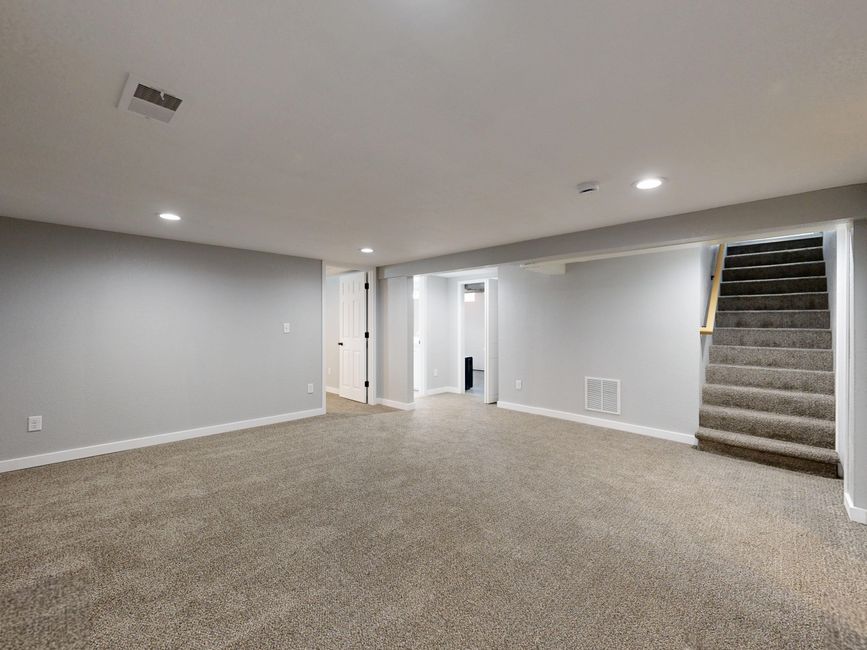
You cannot skip the building permit. It might seem easier to work without one, but a permitted finish adds 65 to 80 percent of its cost to your resale value. If you try to sell a home with an unpermitted basement, buyers will walk away. Worse, local code enforcement can force you to tear down your new walls.
The International Residential Code (IRC) has strict rules for habitable basement spaces. First, pay attention to ceiling height. Per IRC R305.1, you must have a minimum ceiling height of 7 feet. If your ceiling is lower, the space cannot legally be counted as finished living area.
Second, if you plan to build a basement bedroom, you must install an egress window. This is a non-negotiable safety rule. The window must have a minimum opening of 5.7 square feet. This ensures a firefighter wearing full gear can get inside, and your family can get out during an emergency.
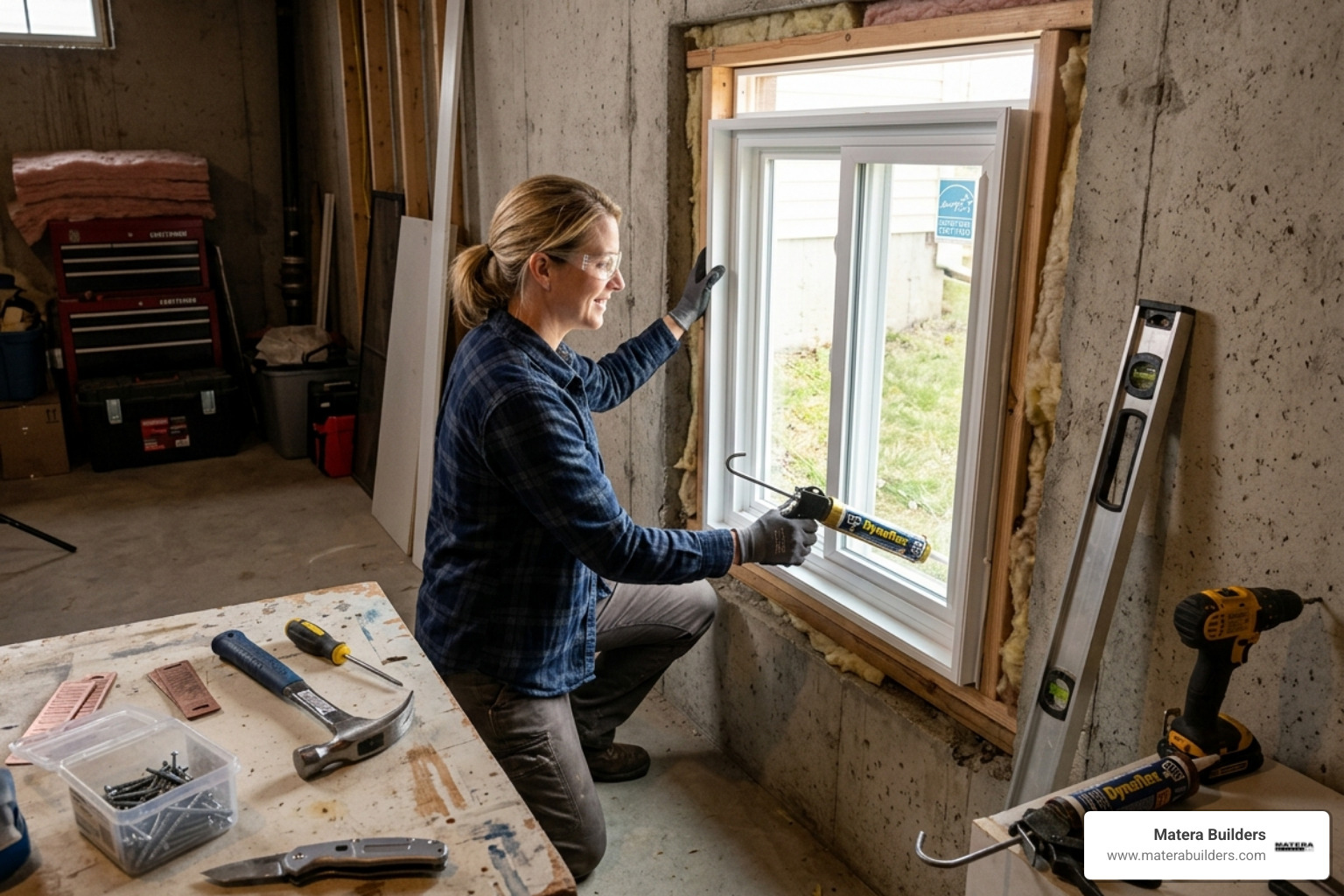
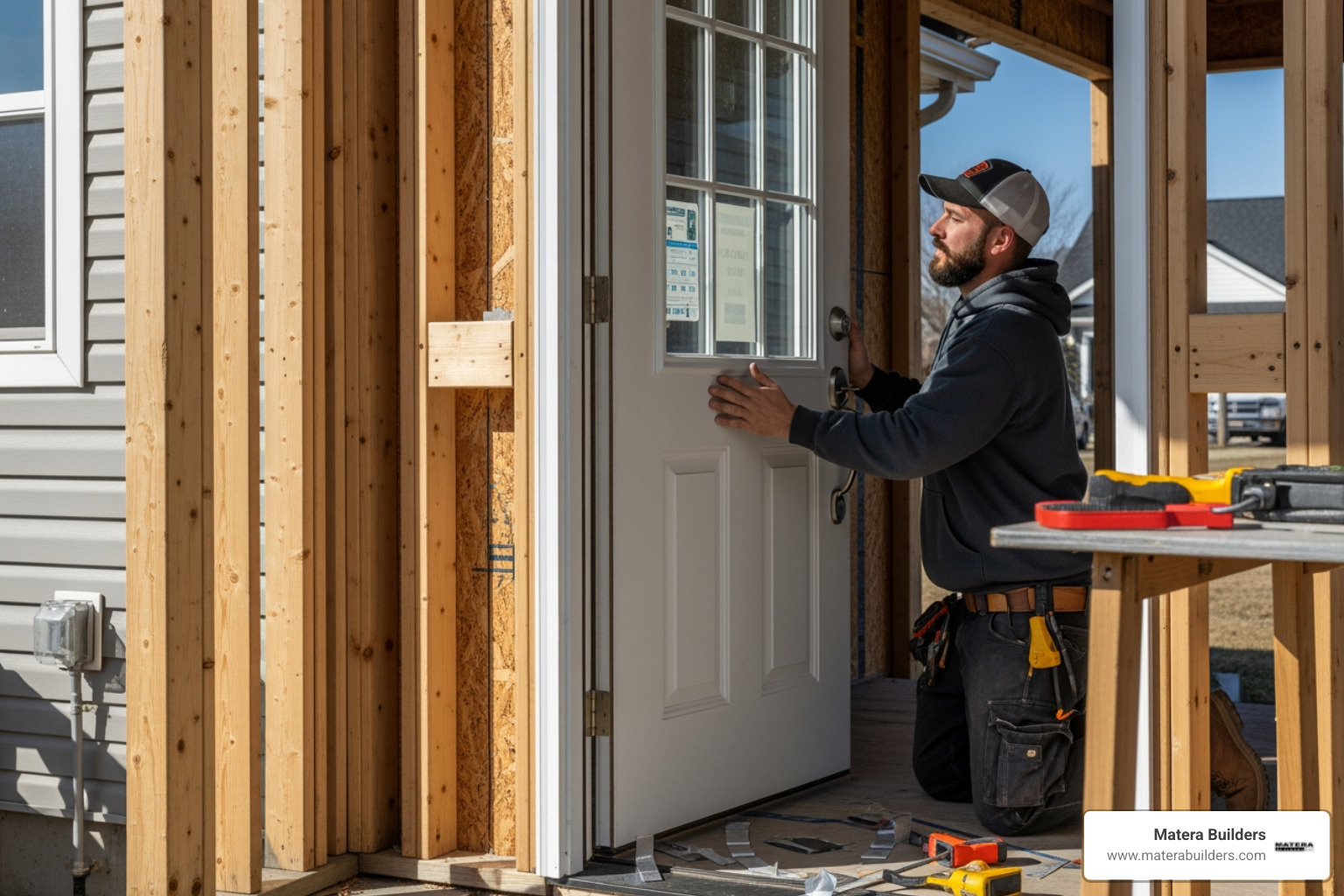
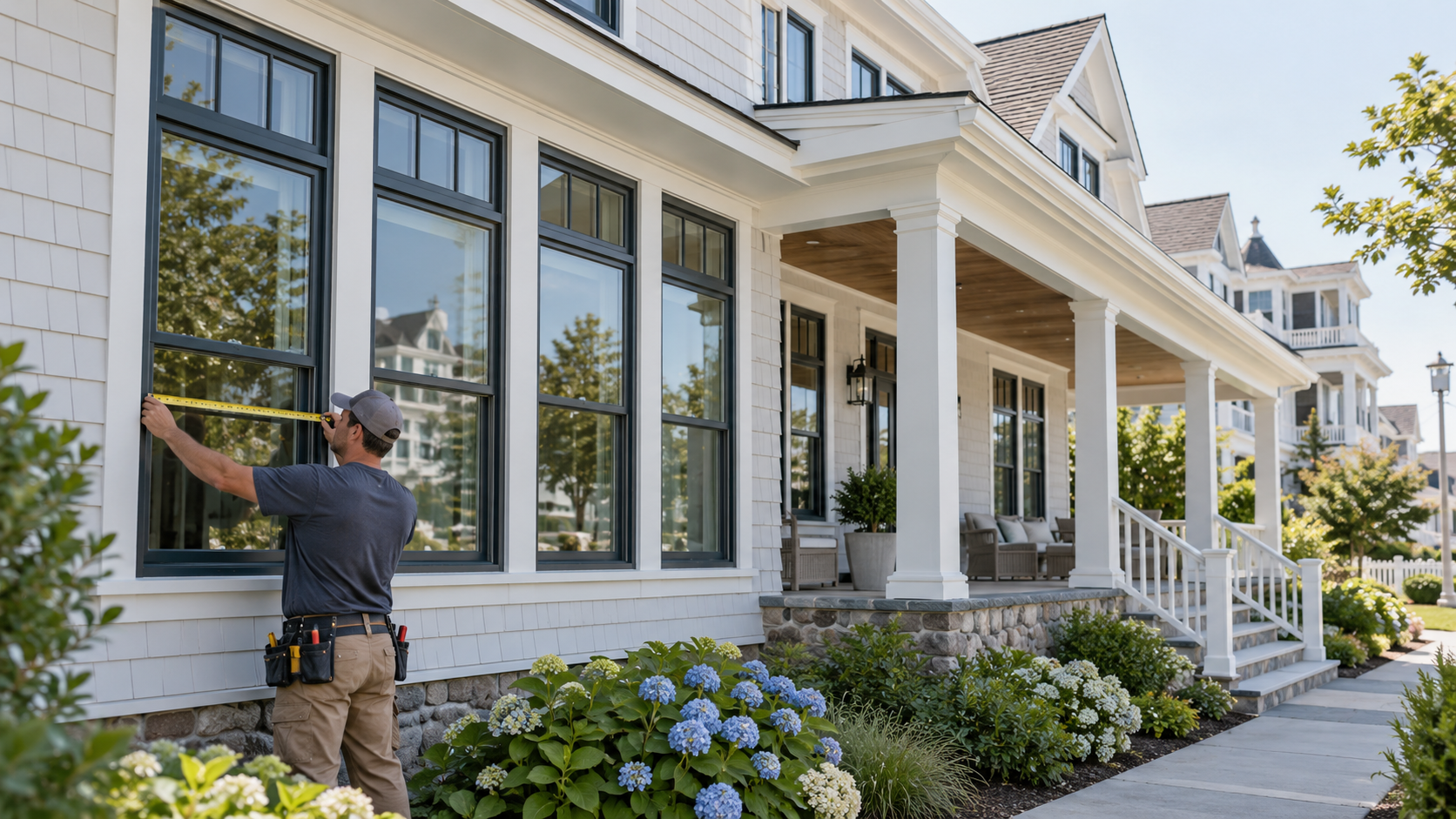
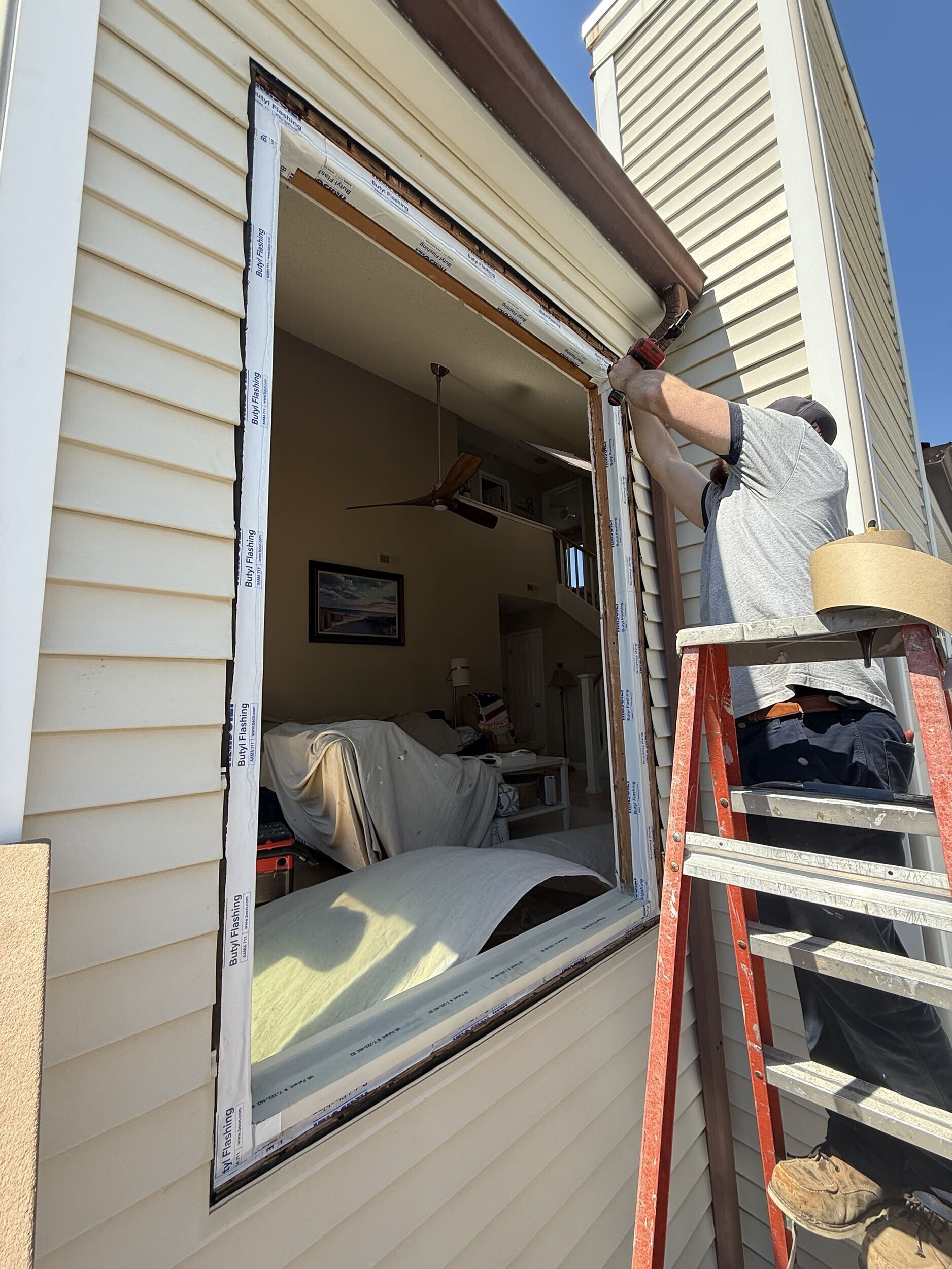
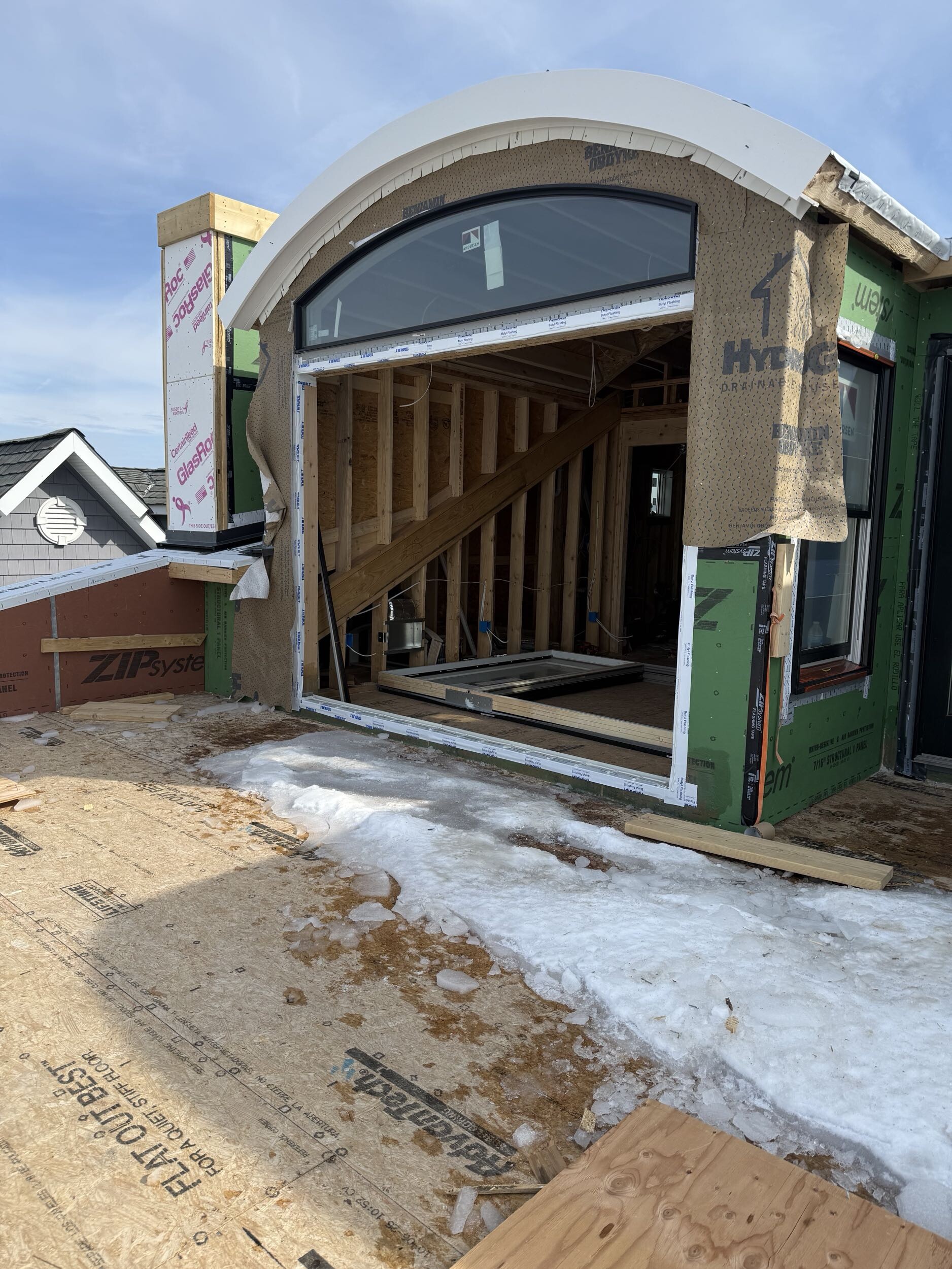
Installing an egress window in a concrete basement wall is a difficult job. It requires cutting through solid concrete and digging a window well with proper drainage. For this step, you will want a professional window replacement contractor.
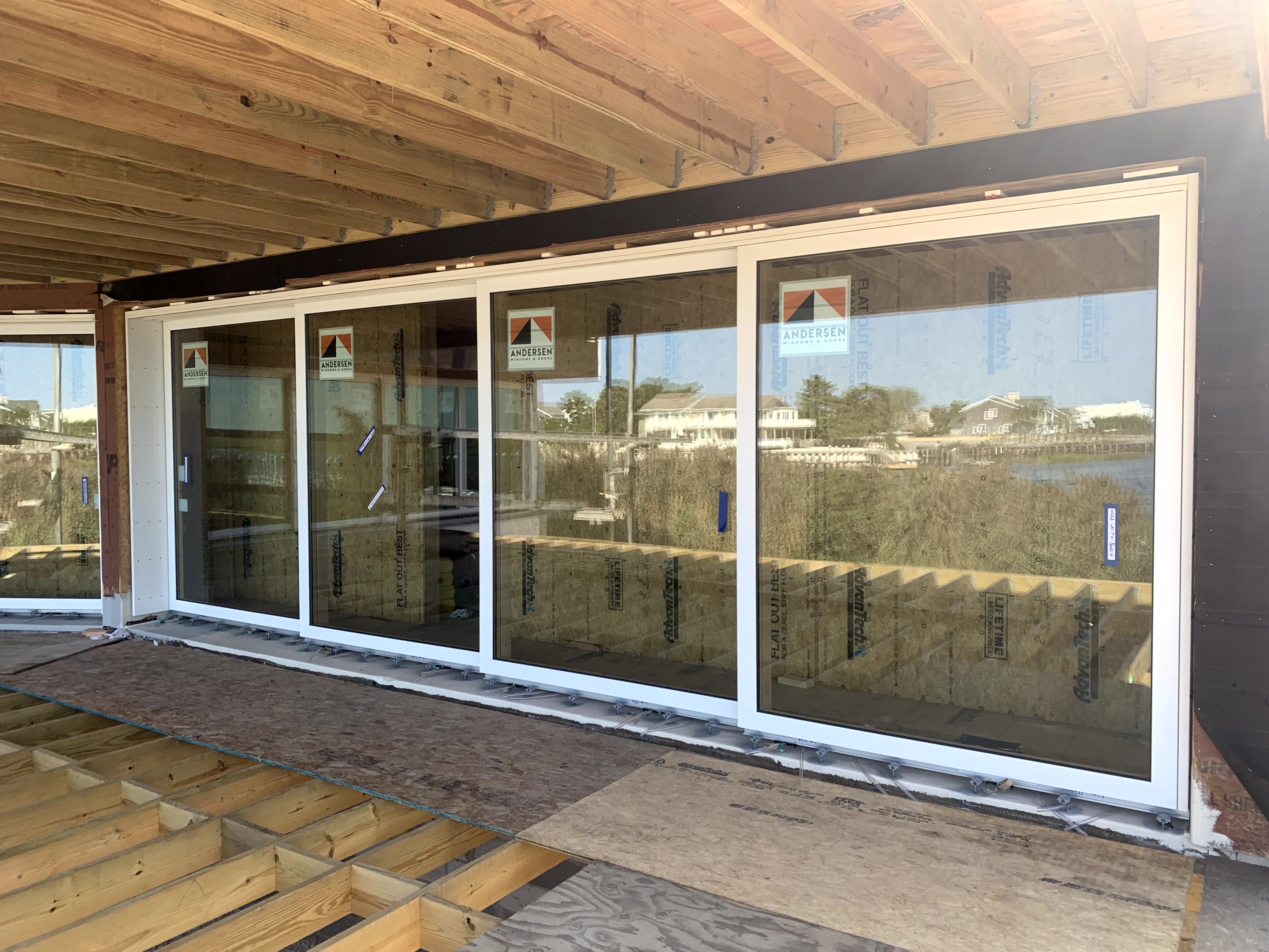
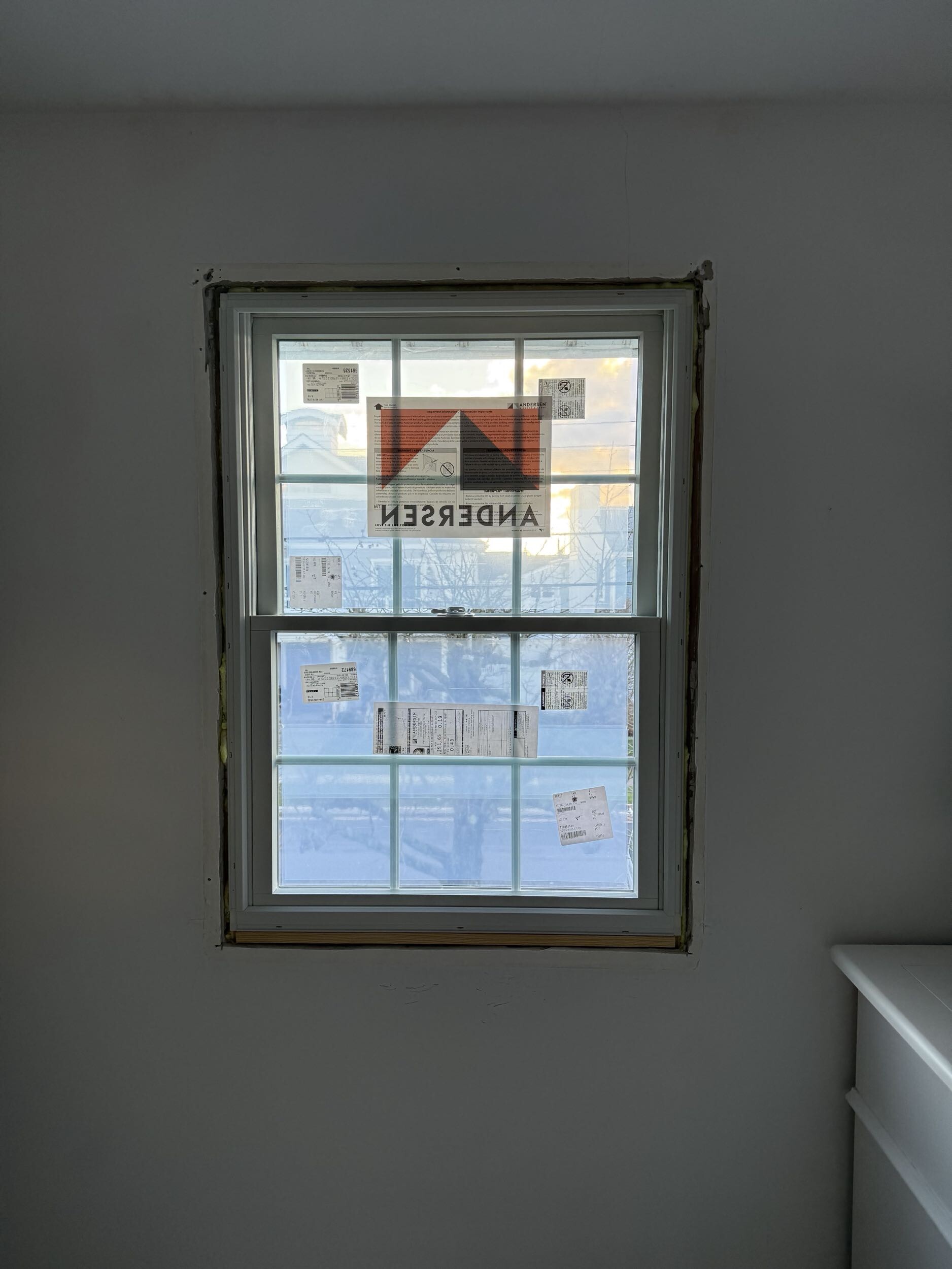
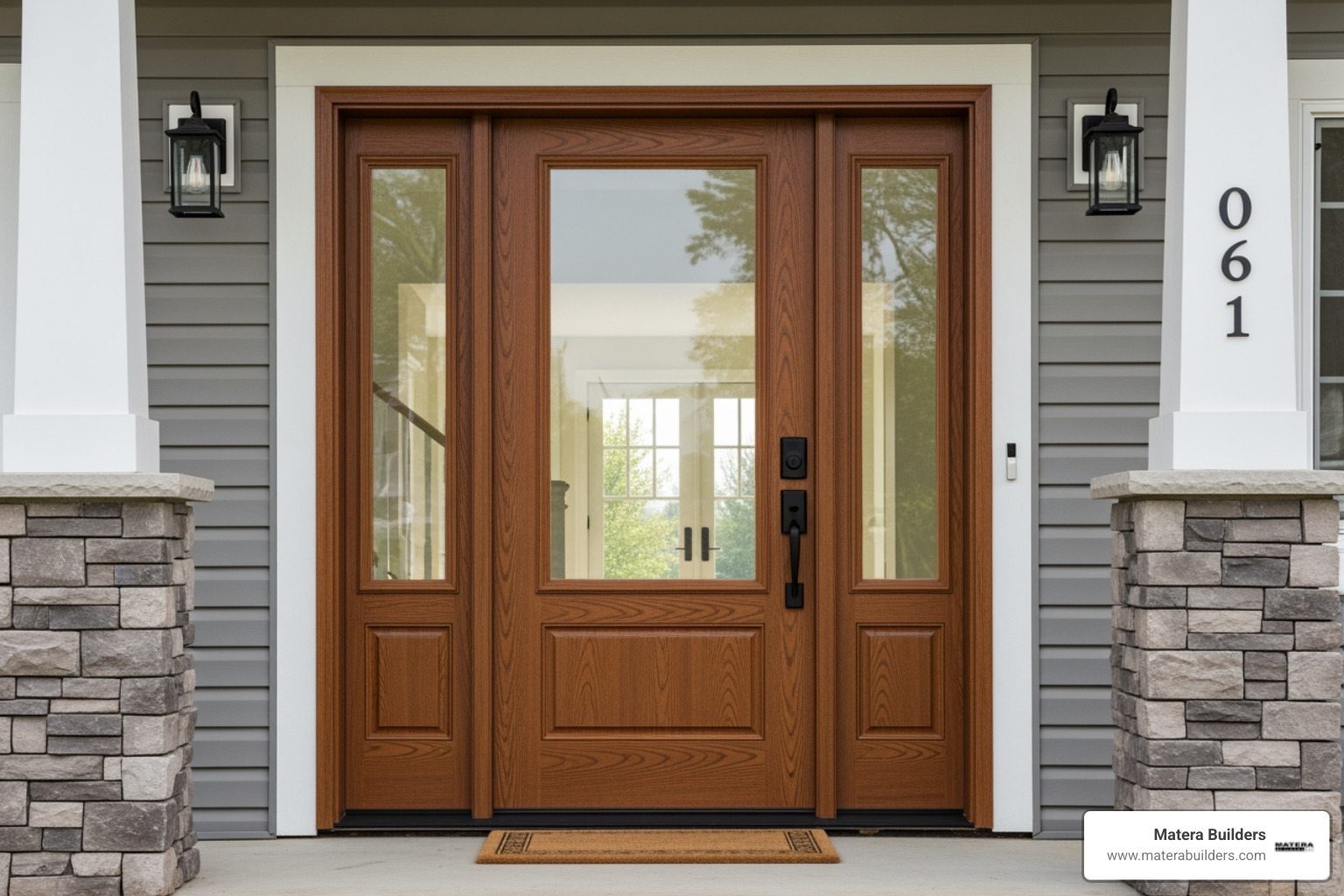
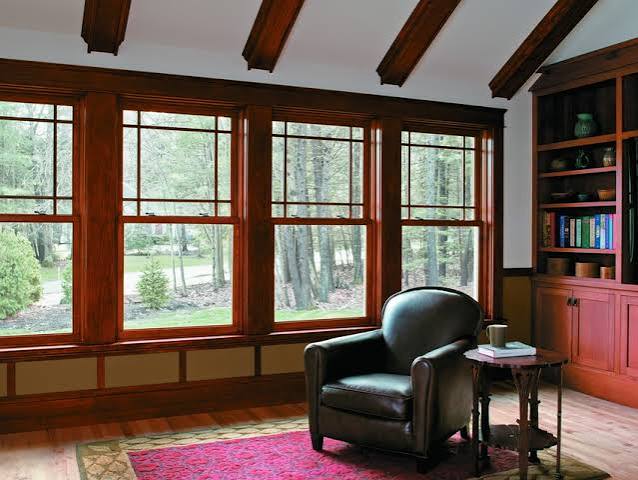
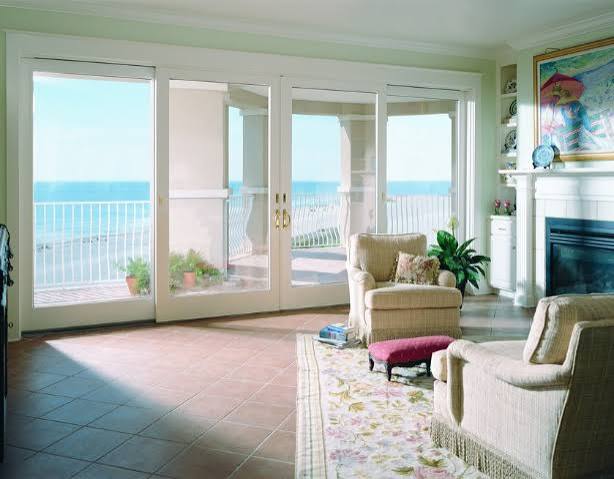
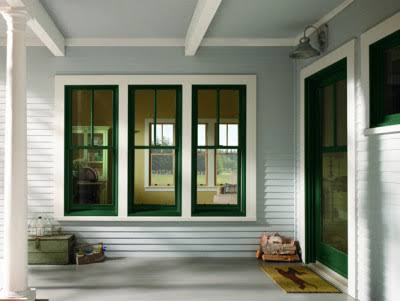
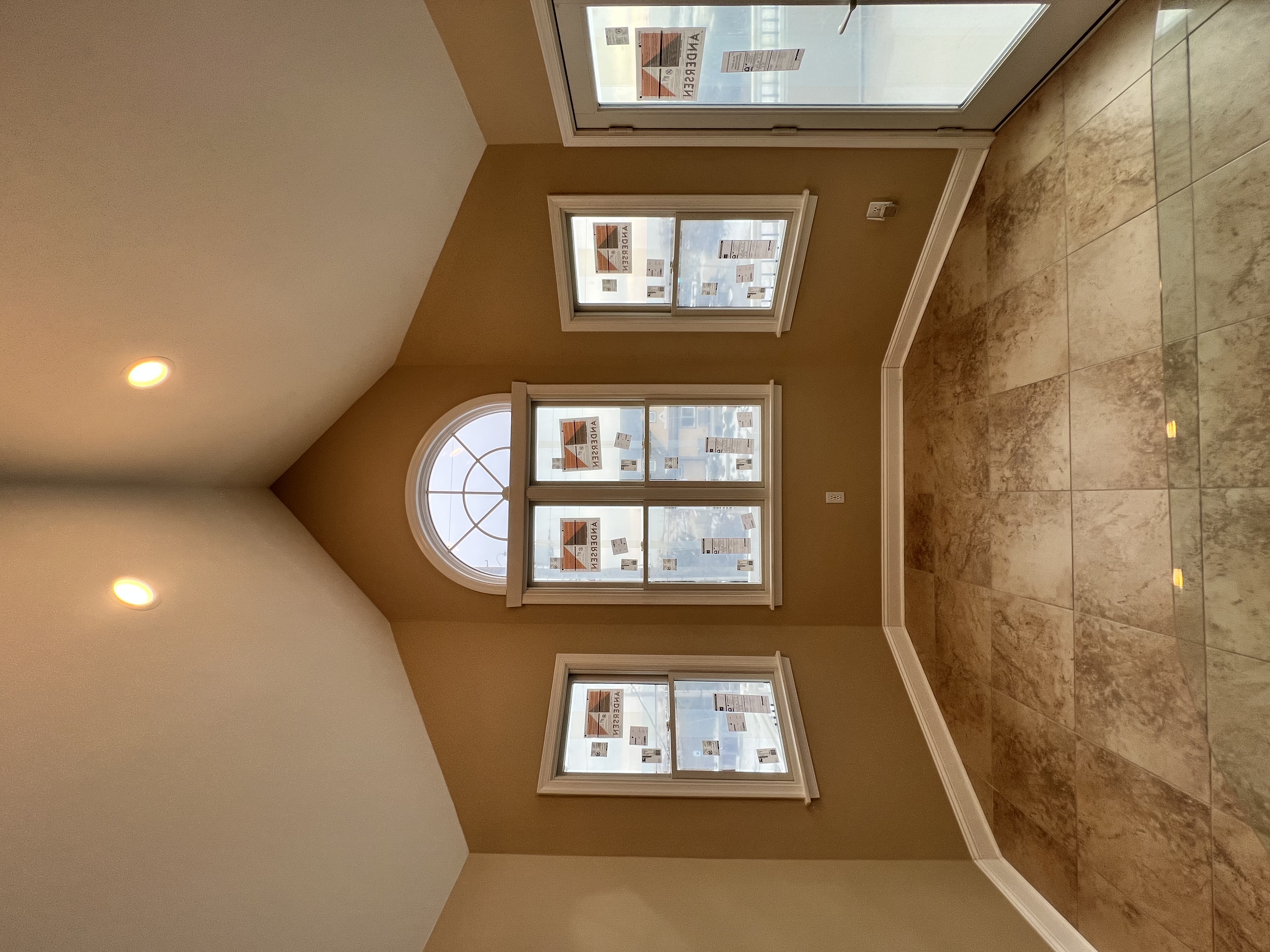
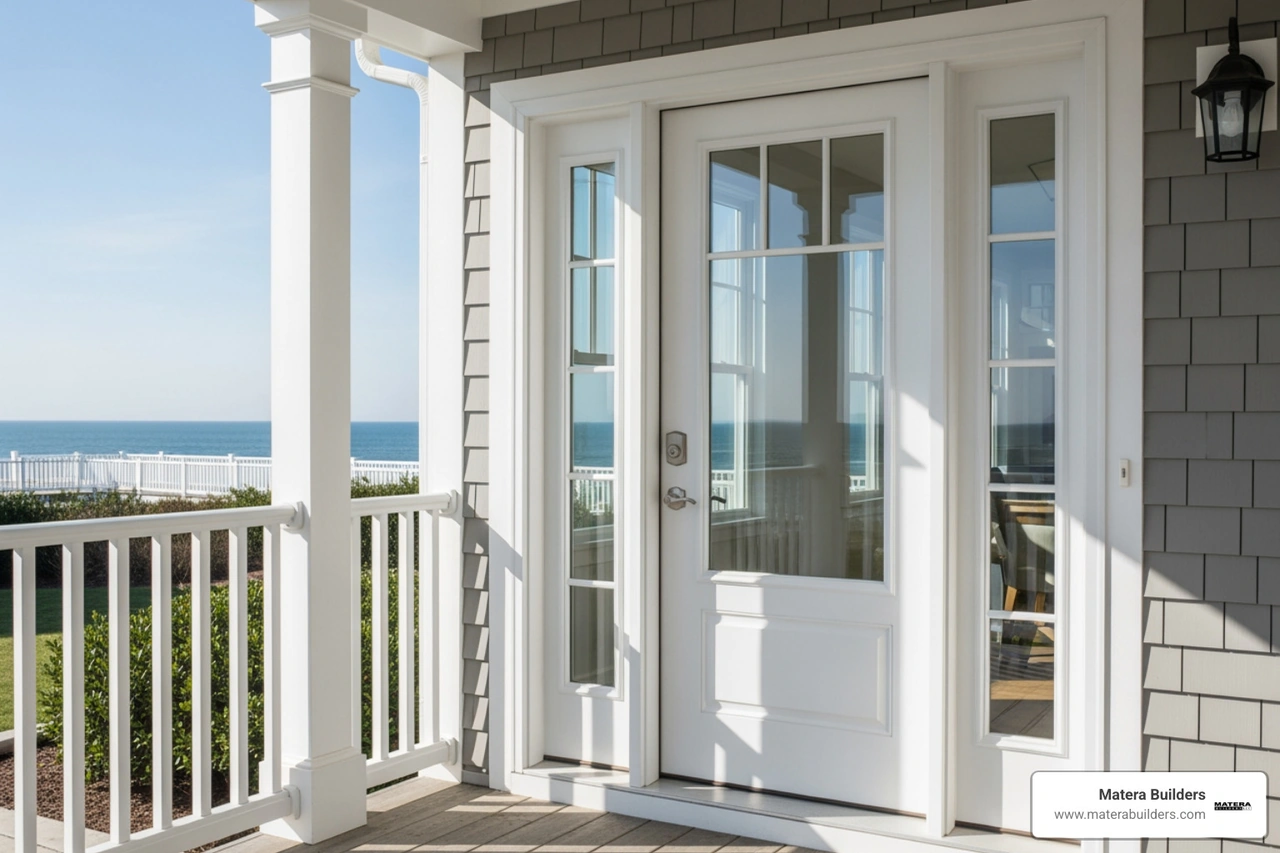
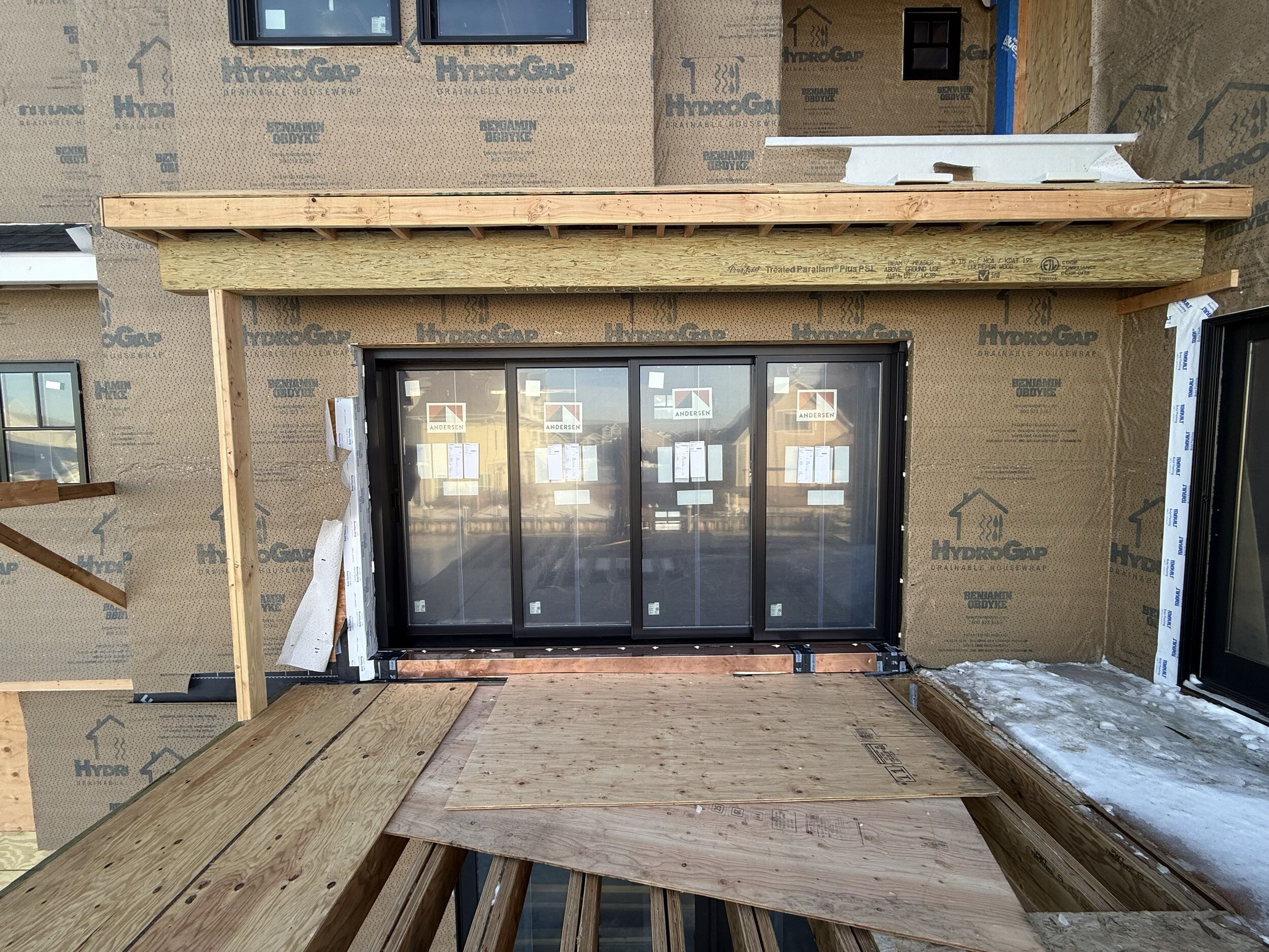
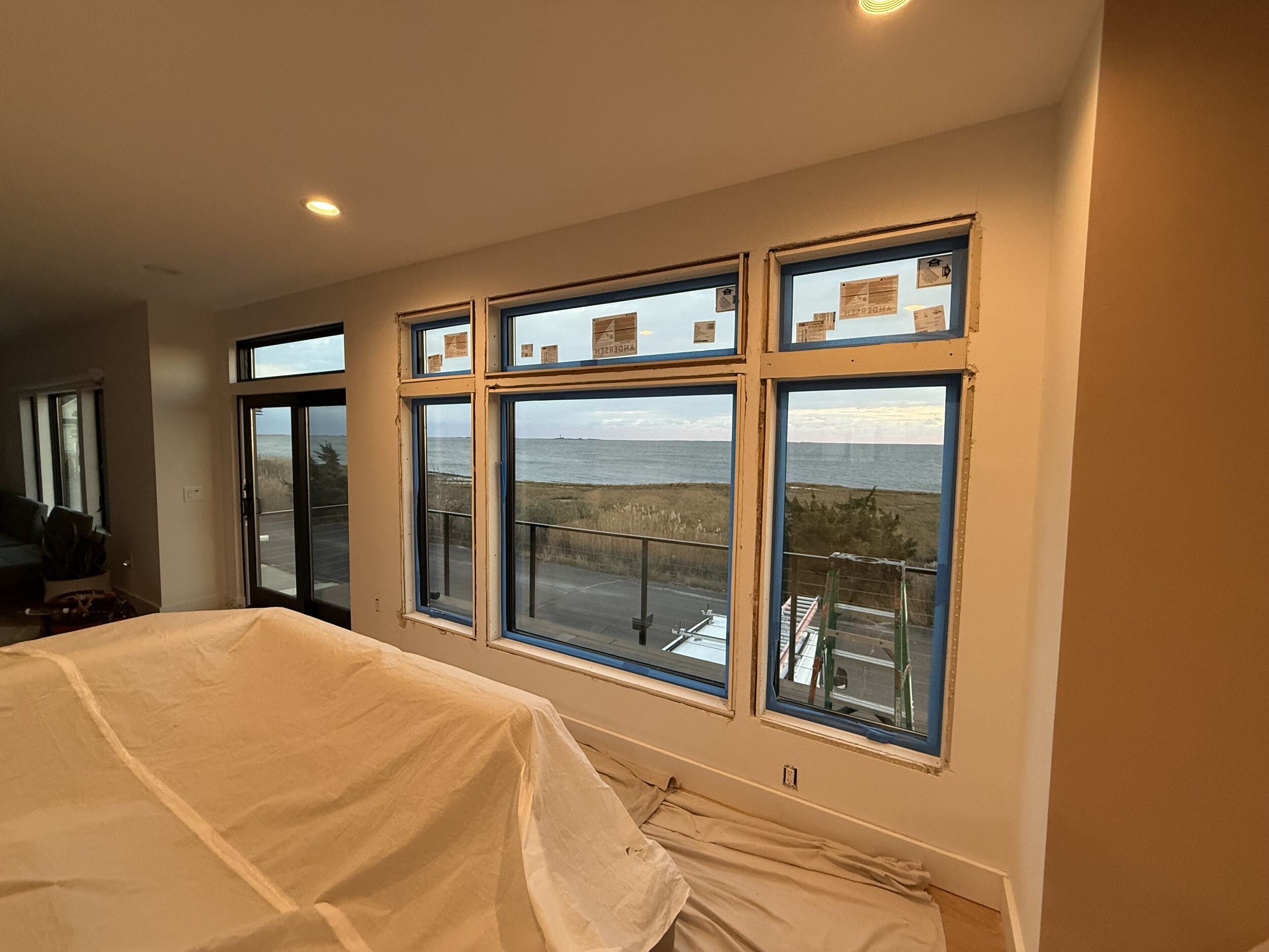
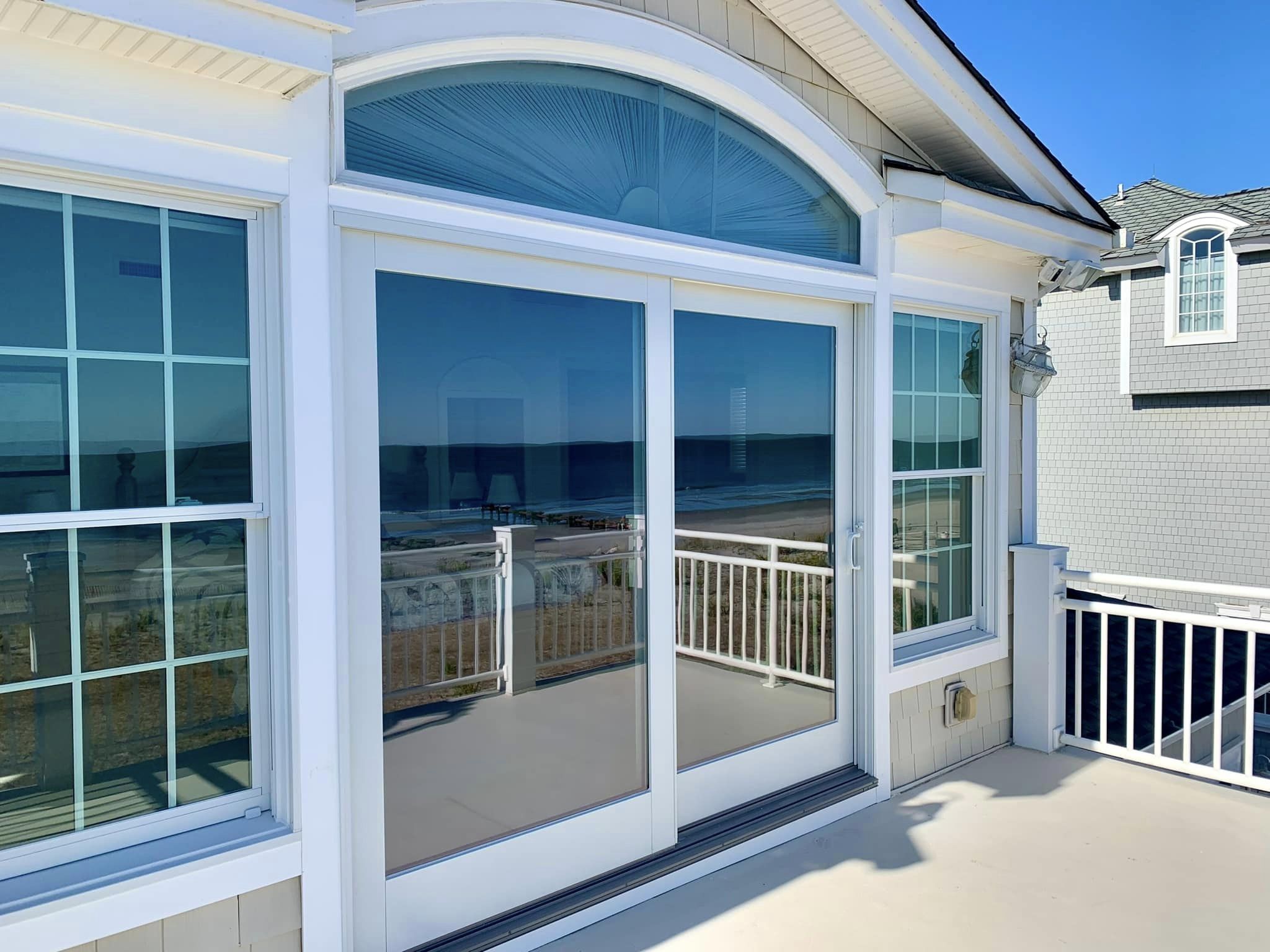
In coastal NJ areas like Ocean City, salt air can destroy cheap window frames. We recommend using premium, high-performance windows like Andersen Windows. Their Fibrex composite material stands up to coastal humidity and salt spray without rotting or warping. You can explore your options on our Andersen Windows and Doors page.
To help plan your budget around these structural requirements, check out the Free Basement Calculator 2026 — Full Cost Breakdown.
Smart Planning for Easy Basement Finishing
A successful basement finish depends on proper sequencing. You must run all your utility lines before you insulate and hang drywall. This includes electrical wiring, plumbing lines, and heating vents.
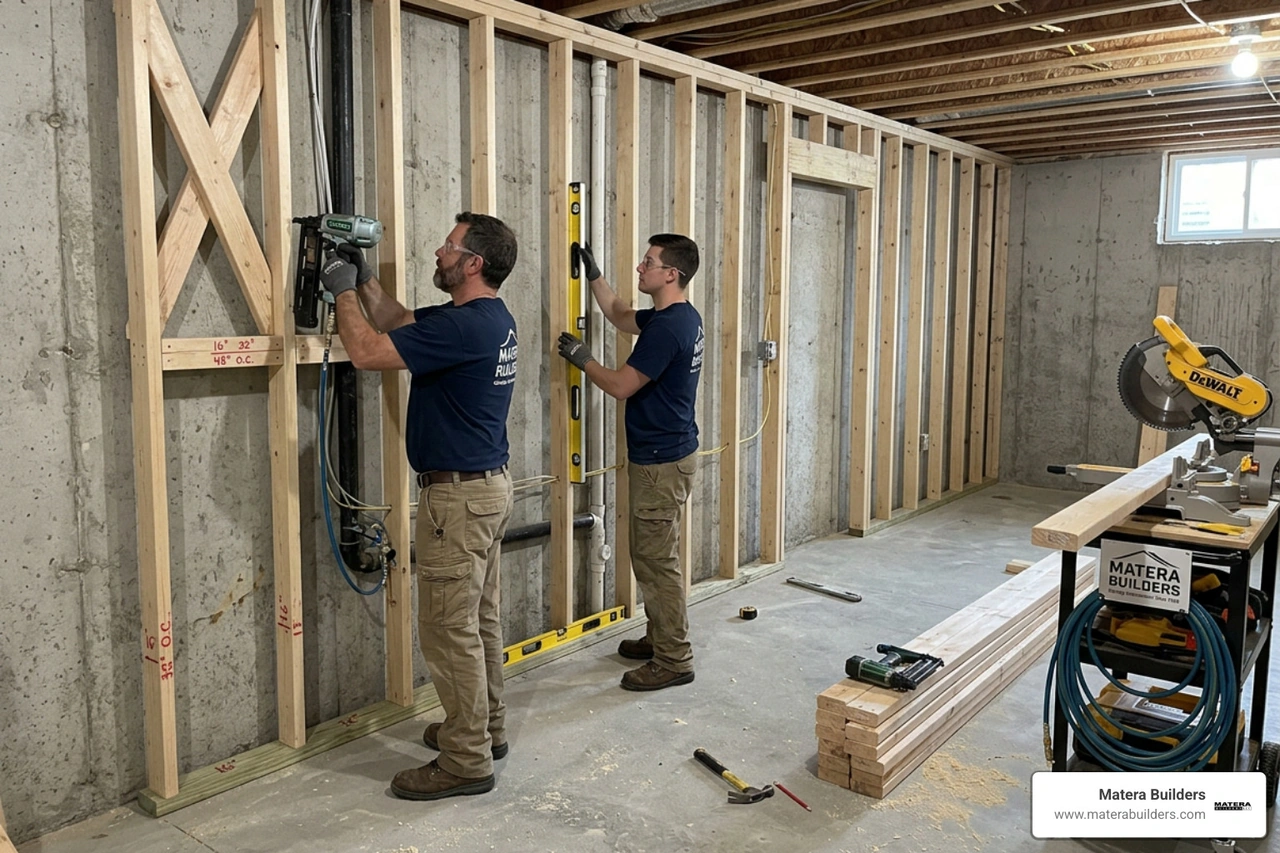
When you frame the walls, use pressure-treated 2x4 lumber for the bottom plate. The bottom plate sits directly on the concrete floor, which can draw up moisture. Regular wood will rot here, but pressure-treated wood is treated with chemicals to resist decay.
For the wall studs, frame them at 16 inches on center. Some builders use 24-inch spacing to save money, but 16-inch spacing keeps your drywall much flatter and stronger.
An easy framing trick is to attach your top plate to the ceiling joists first. Then, secure your pressure-treated bottom plate to the concrete floor using concrete anchors. After that, you can cut each stud to fit and toe-nail them into place. This is much easier than building a heavy wall on the ground and trying to lift it into place against low ceiling joists.
For electrical work, the National Electrical Code (NEC) requires outlets to be spaced no more than 12 feet apart. If you plan to add a bathroom, you must plan your plumbing early. Adding a bathroom typically costs between $10,000 and $25,000. The cost depends on whether you have to break through concrete to lay drain lines or install an ejector pump to push waste upward.
Here is a breakdown of typical basement finishing costs in 2026:
Finish LevelAverage Cost Per Square FootTypical 1,000 Sq. Ft. Total CostFeatures IncludedBasic / Budget$15 to $25$15,000 to $25,000Exposed painted ceiling, basic lighting, open layout, no bathroomMid-Range$25 to $50$25,000 to $50,000Drywall ceiling, LVP flooring, half bathroom, basic storageHigh-End / Luxury$50 to $75+$50,000 to $80,000+Full bathroom, wet bar, home theater wiring, custom trim
For more cost details, you can read about the Basement Finishing Cost in 2026: What to Expect | Cost to Renovate or check out this Basement Finishing Cost 2026: Full Guide | Ecostify.
Budget-Friendly Materials for Easy Basement Finishing Walls and Floors
You do not have to spend a fortune to get a beautiful finished basement. You just need to choose materials that handle basement conditions without failing.
For flooring, Luxury Vinyl Plank (LVP) is the best choice. It looks like real hardwood but is made of 100% waterproof vinyl. If your basement ever gets a minor leak, you can pull up LVP, dry the floor, and lay the same planks right back down. Hardwood or carpet would be ruined.
For walls, instead of traditional wood studs and fiberglass, you can use specialized panels. These panels combine insulation and wall framing into one step. To learn more about these systems, visit Insulated Basement Wall Panels | Interior Insulated Panels.
If you want to save money on the ceiling, consider leaving your ceiling joists exposed. You can paint the joists, pipes, and wires a solid flat black or bright white. This industrial look is very popular. It saves you the cost of drywall and keeps all your plumbing and electrical systems fully accessible if you ever need to make repairs.
What to DIY vs. Hire Out for Easy Basement Finishing
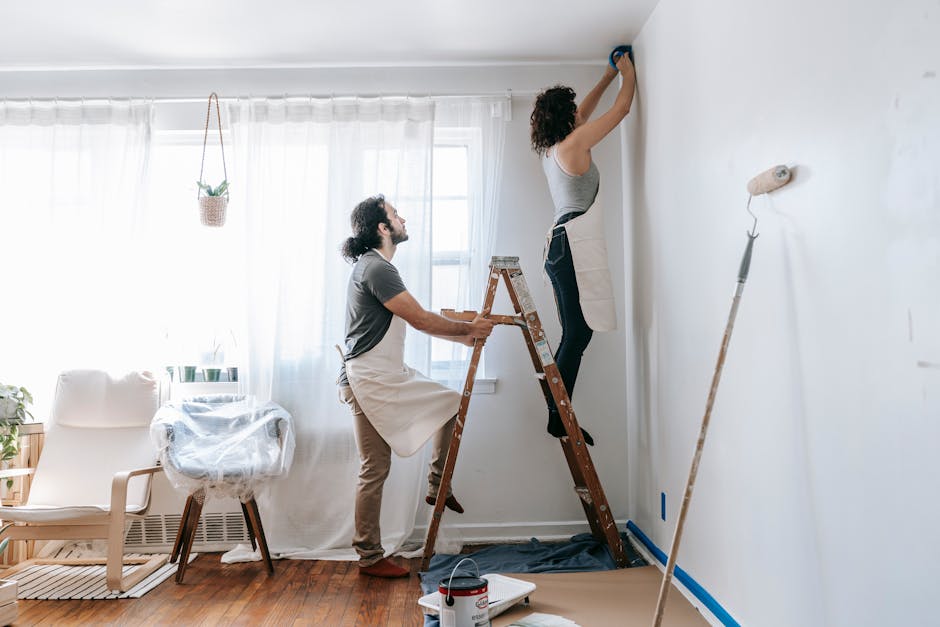
Finishing a basement is a massive project. Doing some of the work yourself can save you thousands of dollars, but trying to do everything can lead to burnout.
What you can easily DIY:
- Applying concrete sealer and gluing rigid foam panels to the walls
- Framing straight walls using a nail gun
- Hanging drywall panels (though you might want to hire a pro to tape and mud them)
- Installing LVP flooring
- Painting the walls, trim, and exposed ceiling
What you should hire out:
- Egress window installation: Cutting concrete foundation walls requires heavy machinery and structural knowledge. A mistake here can damage your home's foundation.
- Electrical connections: While you can run wires through studs yourself, a licensed electrician should make the final connections to your main breaker panel to prevent fire hazards.
- Complex plumbing: If you need to cut into your concrete slab to install bathroom drain lines, hire a professional plumber.
To see a complete walkthrough of a basement project from start to finish, watch this helpful video: How to Finish a Basement From Start to Finish! (DIY ... - YouTube.
If you live in South Jersey and want professional help, it is best to work with a licensed, local contractor who understands coastal building challenges and moisture control.
Frequently Asked Questions About Basement Renovations
How much does it cost to finish a 1,000 square foot basement in 2026?
In 2026, most homeowners spend between $25,000 and $55,000 to finish a 1,000 square foot basement. A basic, open-concept layout with painted ceilings will cost closer to $25,000. Adding a full bathroom, a wet bar, or separate rooms will push the cost closer to $55,000 or even $80,000.
Do I need a permit to finish my basement?
Yes. You always need a permit to finish a basement if you are adding walls, running new electrical lines, or adding plumbing. A permit ensures your project meets safety codes for egress, ventilation, and fire blocking. It also protects your home's resale value.
What is the best flooring for a damp basement?
Luxury Vinyl Plank (LVP) is the best flooring for basements. It is durable, budget-friendly, and 100% waterproof. Unlike carpet or engineered wood, LVP will not harbor mold or warp if it gets wet.
Conclusion
Finishing your basement does not have to be an overwhelming process. By following a strict sequence, addressing moisture first, and planning your layout around local building codes, you can create a beautiful new living space that adds real value to your home.
If you live in New Jersey or along the Jersey Shore, coastal humidity and high water tables require special attention. Using the right moisture-resistant materials and high-performance exterior products is key to a long-lasting finish.
At Matera Builders, we've brought home improvement experience to every project since 1988. Whether you need a professional assessment of your basement or want to upgrade your basement windows with high-performance Andersen products, we are here to help. Contact us today through the Matera Builders Home Page to schedule a consultation.



.jpg)
.jpg)