


Why Energy Star Windows in NJ Can Cut Your Energy Bills Fast
If you're a New Jersey homeowner dealing with drafts, rising utility bills, or rotting window frames eaten away by salt air, Energy Star windows NJ upgrades are one of the most direct ways to fix the problem and access real financial incentives.
Here's a quick answer to what most NJ homeowners want to know:
- Average energy bill savings: Up to 13% nationwide; about $236/year in the Mid-Atlantic region.
- Federal tax credit available: 30% of product cost, up to $600 for Energy Star Most Efficient windows.
- NJ climate zone: Northern zone for most of New Jersey.
- Key ratings to look for: U-factor 0.22 or lower; SHGC 0.40 or lower.
- Where to find rebates: NJ Clean Energy Program and the ENERGY STAR Rebate Finder.
Windows are not a small problem. Heat gain and heat loss through windows account for 25 to 30 percent of a home's heating and cooling energy use. In coastal New Jersey, that number compounds fast when salt air corrodes frames and gaps form around aging sills.
The good news: certified Energy Star windows aren't just about comfort. They unlock federal tax credits, state rebates, and long-term ROI that make the upgrade worth doing now.
I'm Mike Werner, Owner and CEO of Matera Builders, a premium exterior renovation contractor specializing in high-performance window and door replacements across New Jersey's coastal and residential markets. I've led installations designed specifically for the durability and efficiency demands that Energy Star windows in NJ require, from salt-air resistance to proper flashing and air sealing. Let's walk through everything you need to know to make a smart, well-informed decision.

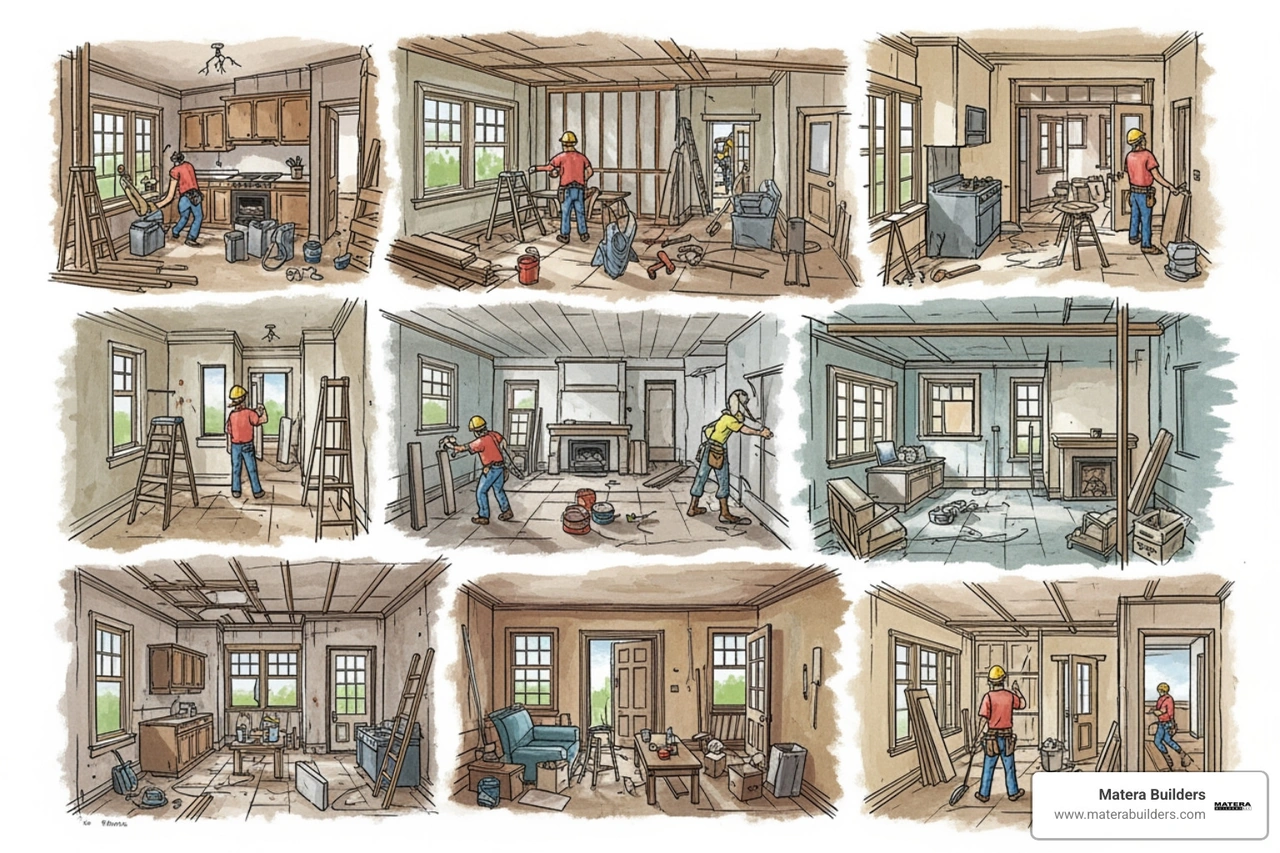
Simple guide to Energy star windows NJ:
What Are Energy Star Windows NJ Homeowners Need?
When you shop for new windows, you will see the blue Energy Star label everywhere. But what does it actually mean for your home?
Standard windows are often just two pieces of glass in a basic frame. They do not do much to block the heat or the cold. Energy Star certified windows are different. They are tested and approved by the government to meet strict energy guidelines.
To understand how they work, you need to know two main terms:
- U-factor: This measures how well the window keeps heat inside your house. Lower numbers mean the window insulates better. For New Jersey winters, you want a very low U-factor.
- Solar Heat Gain Coefficient (SHGC): This measures how much heat from the sun gets through the glass. A lower number blocks more heat. This keeps your home cooler during hot Jersey Shore summers.
Every certified window has a label from the National Fenestration Rating Council (NFRC). This label is like the nutrition facts on a food box. It tells you exactly how the window performs.
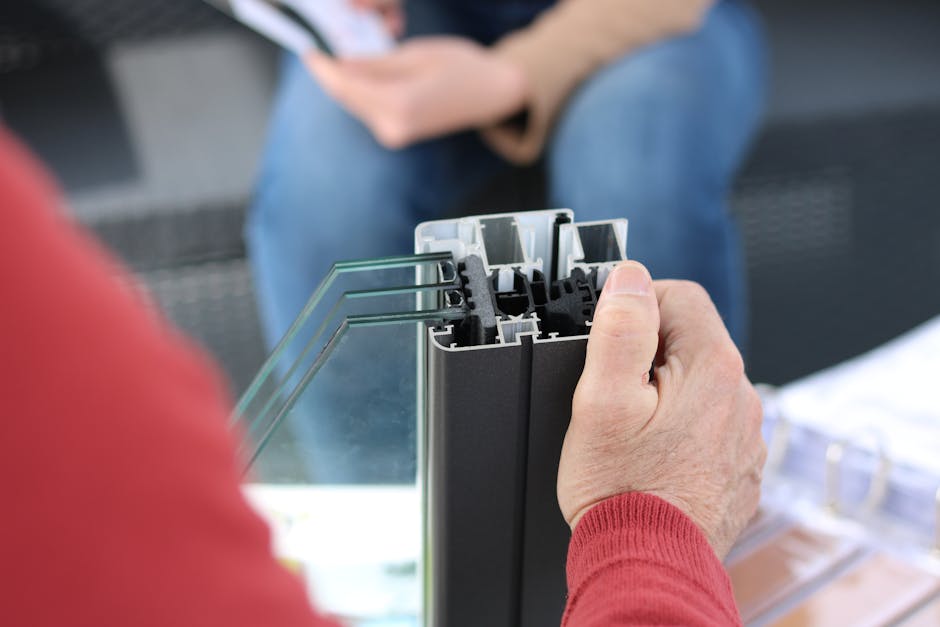
Standard double-pane windows allow about 75 percent of the sun's heat into your home. Energy Star windows use special features to stop this heat transfer. They have double or triple panes of glass. The space between the glass is filled with safe gases like argon. This gas acts like a thick blanket that blocks cold drafts.
The glass itself has a microscopic metal coating called Low-E glass. This coating reflects heat back to its source. In the winter, it keeps your furnace heat inside. In the summer, it bounces the hot sun away.
If you want to learn more about how these parts work together, read our guide on Energy Efficient Windows NJ. You can also look at the official requirements on the Residential Windows, Doors, & Skylights | ENERGY STAR website.
Climate Zones and Financial Incentives for NJ Homeowners
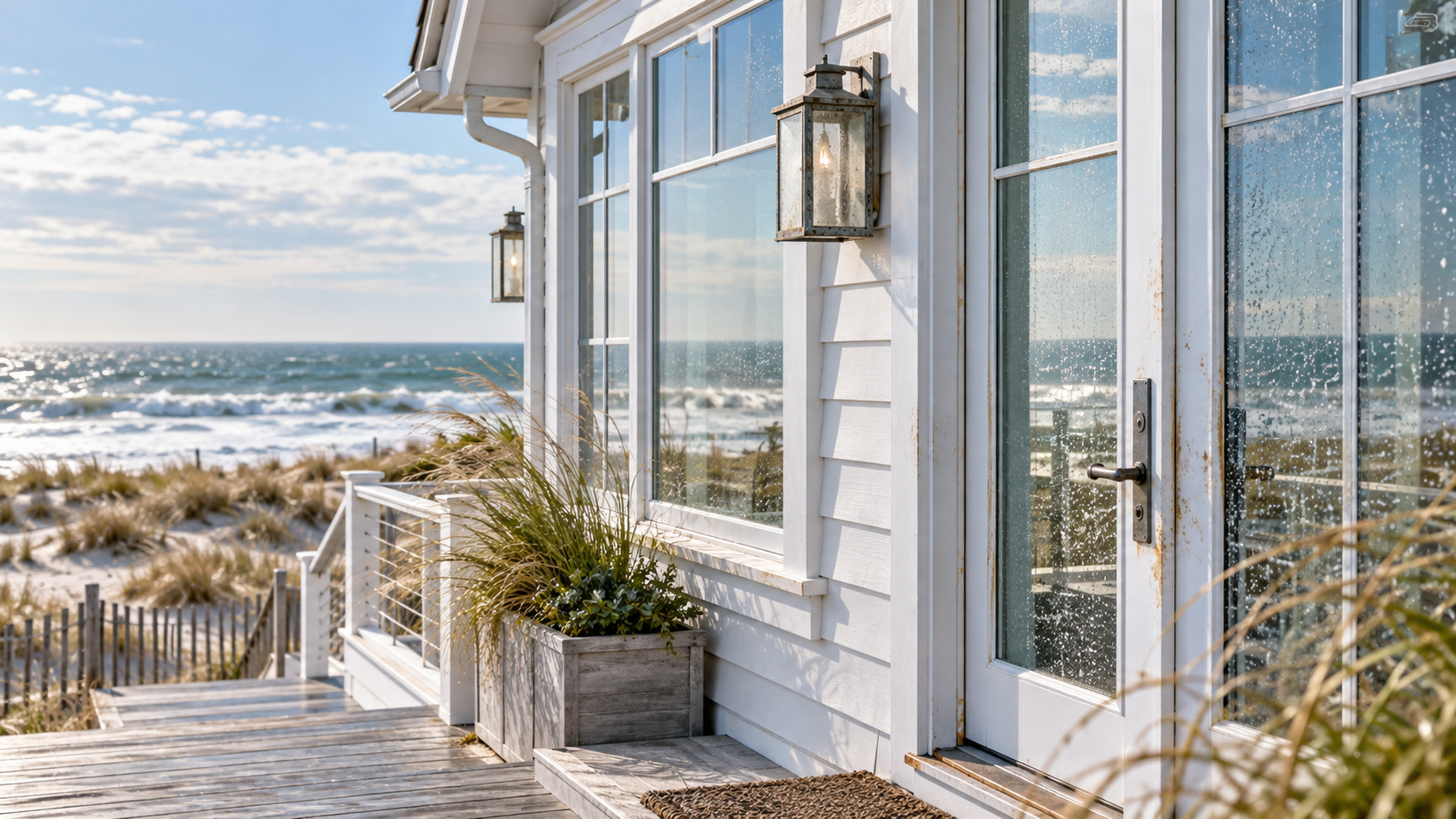
New Jersey has unique weather. We get freezing winters and hot, humid summers. If you live near Ocean City or the Jersey Shore, you also have to deal with heavy winds and salty air.
The Energy Star program divides the country into climate zones. Most of New Jersey falls into the Northern climate zone. This means our windows need to focus heavily on keeping heat inside during the winter.
To get the best performance, your windows should meet these specifications:
- Northern NJ: U-factor 0.22 or lower; any SHGC. The main focus is winter heat retention.
- Southern and coastal NJ: U-factor 0.22 or lower; SHGC 0.40 or lower. The main focus is balancing winter warmth with summer solar heat blocking.
Upgrading to these windows is a smart financial move. As of June 2026, you can use the federal 25C tax credit. This credit lets you claim 30 percent of the product cost back on your taxes. You can get up to $600 per year specifically for windows.
To qualify for this tax credit, the windows must meet the Energy Star Most Efficient criteria. You can read the full details on the Windows & Skylights Tax Credit | ENERGY STAR page.
On top of federal tax credits, the NJ Clean Energy Program offers local rebates. These incentives help lower the upfront Cost of Putting in New Windows.
How to Choose and Verify Your Energy Efficient Windows
When you walk into a home improvement store, choosing a window can feel overwhelming. Many brands claim to be energy efficient, but you must verify those claims yourself.
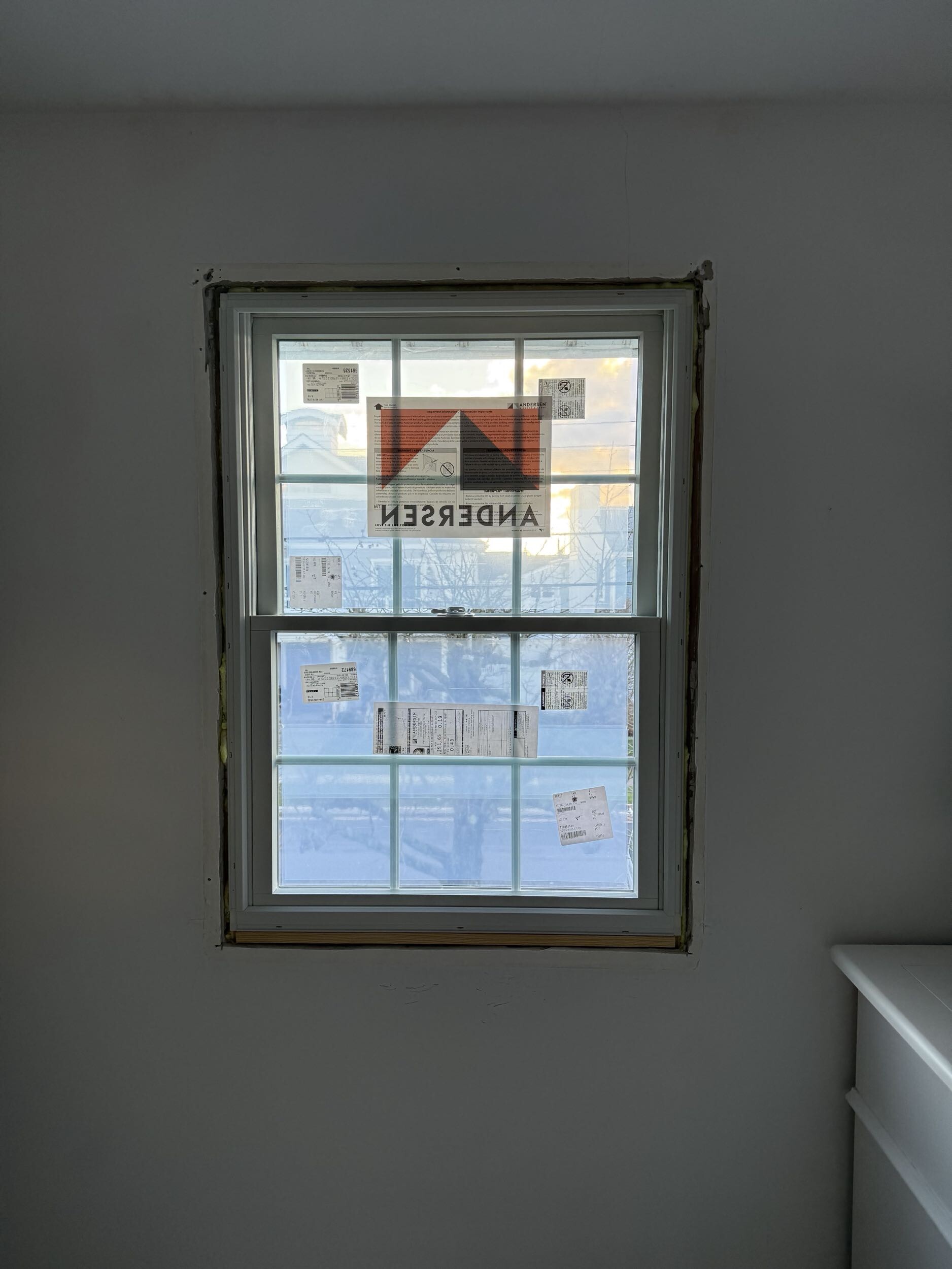
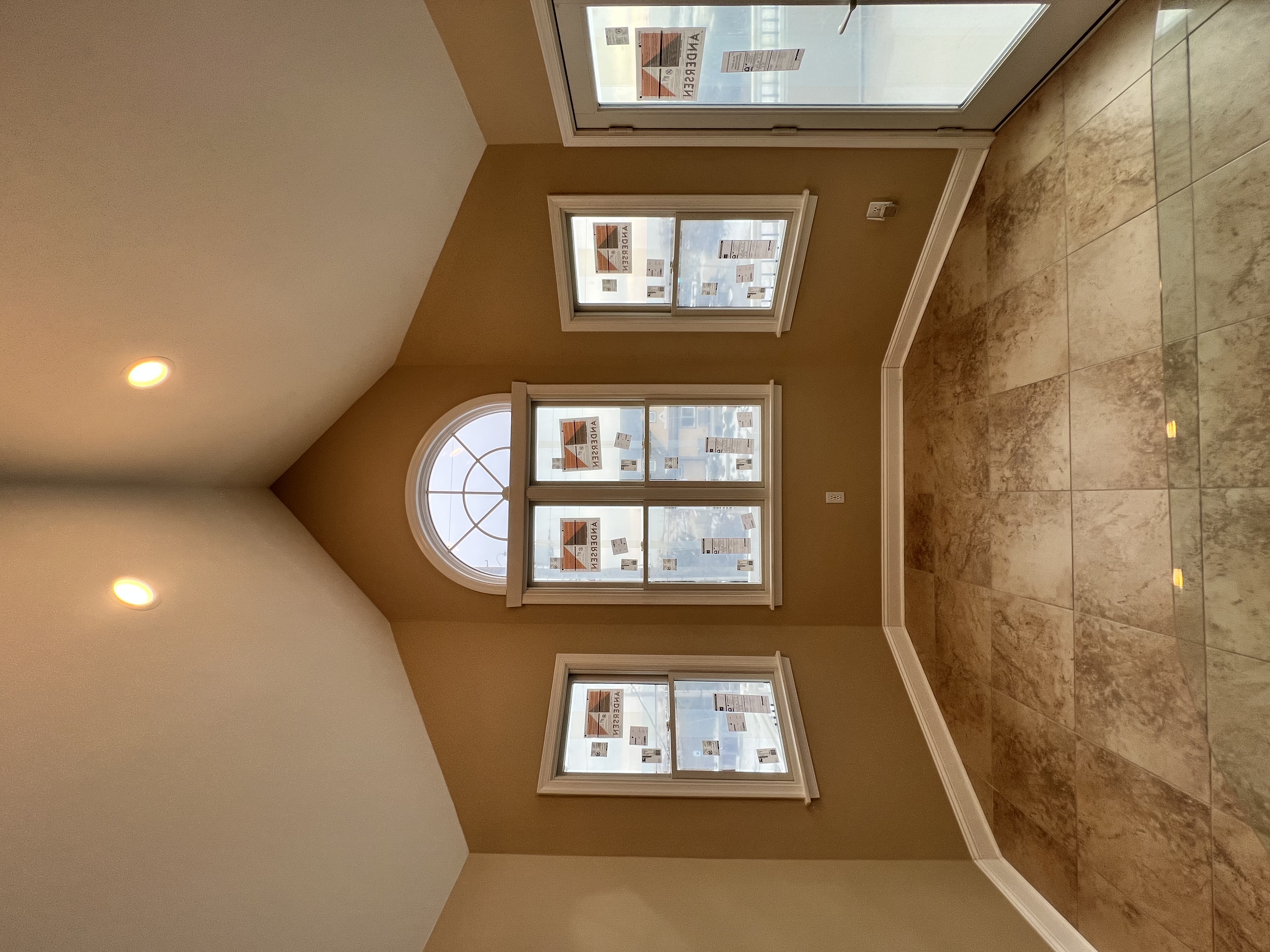
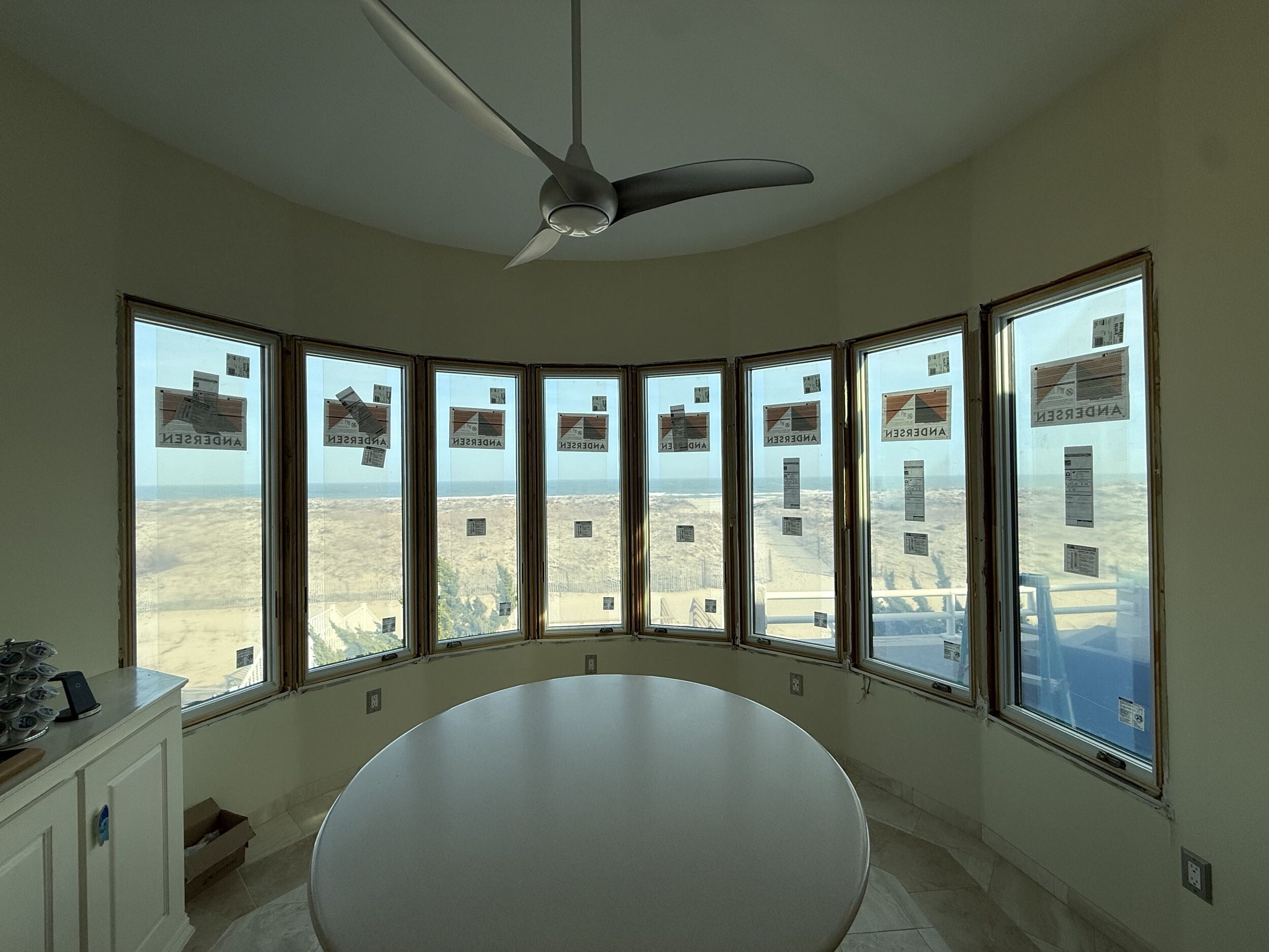
The easiest way to verify a window is to look for the physical NFRC label stuck to the glass. Do not just trust a salesperson or a sign on the shelf. You want to see the actual ratings printed on the label.
If you are trying to decide between full window replacement and storm windows, you should look at your budget and your current frames. If your wood frames are rotting from coastal salt air, storm windows will not save them. You will need a full replacement. But if your frames are in perfect shape, adding a low-E storm window can be a great, budget-friendly alternative.
To help you decide which path is right for your home, review our breakdown of Energy Efficient Window Upgrades. You can also compare your options directly using the High Performing Windows or Storm Windows | ENERGY STAR guide.
Verifying the Label for Energy Star windows NJ
To make sure your new windows are truly certified for New Jersey, follow these steps:
- Find the NFRC Label: Look for the square sticker on the window glass.
- Check the Climate Map: The sticker will show a map of the United States. Make sure the Northern zone is highlighted or listed as certified.
- Locate the CPD Number: This is the Certified Product Directory number. It is a unique code that proves the window was independently tested.
- Verify Online: You can type this number into the NFRC online database to confirm the window's ratings before you buy.
Frame Materials for Coastal Window Replacement
The material of your window frame plays a huge role in both energy savings and durability. This is especially true if you live near the ocean.
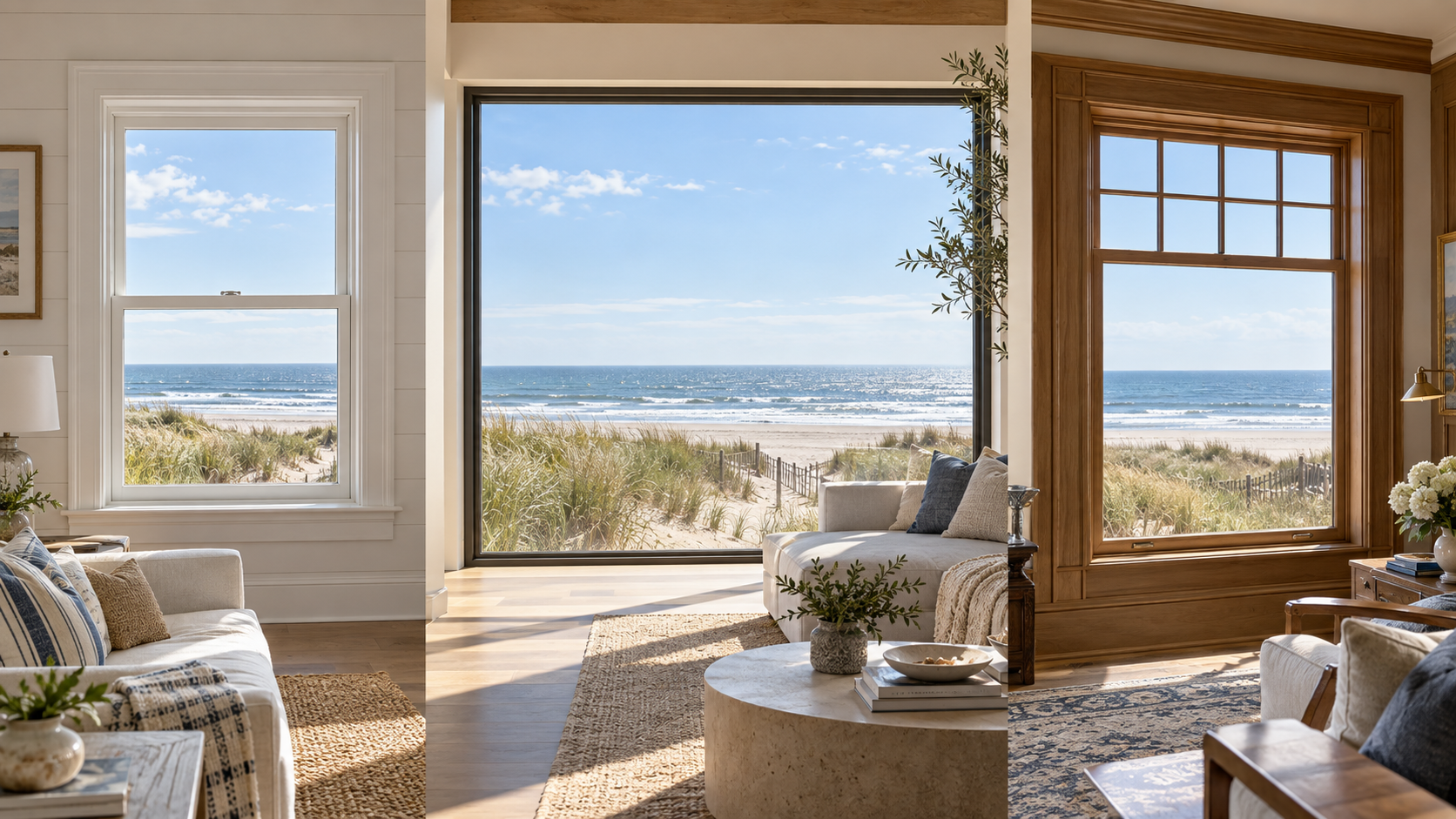
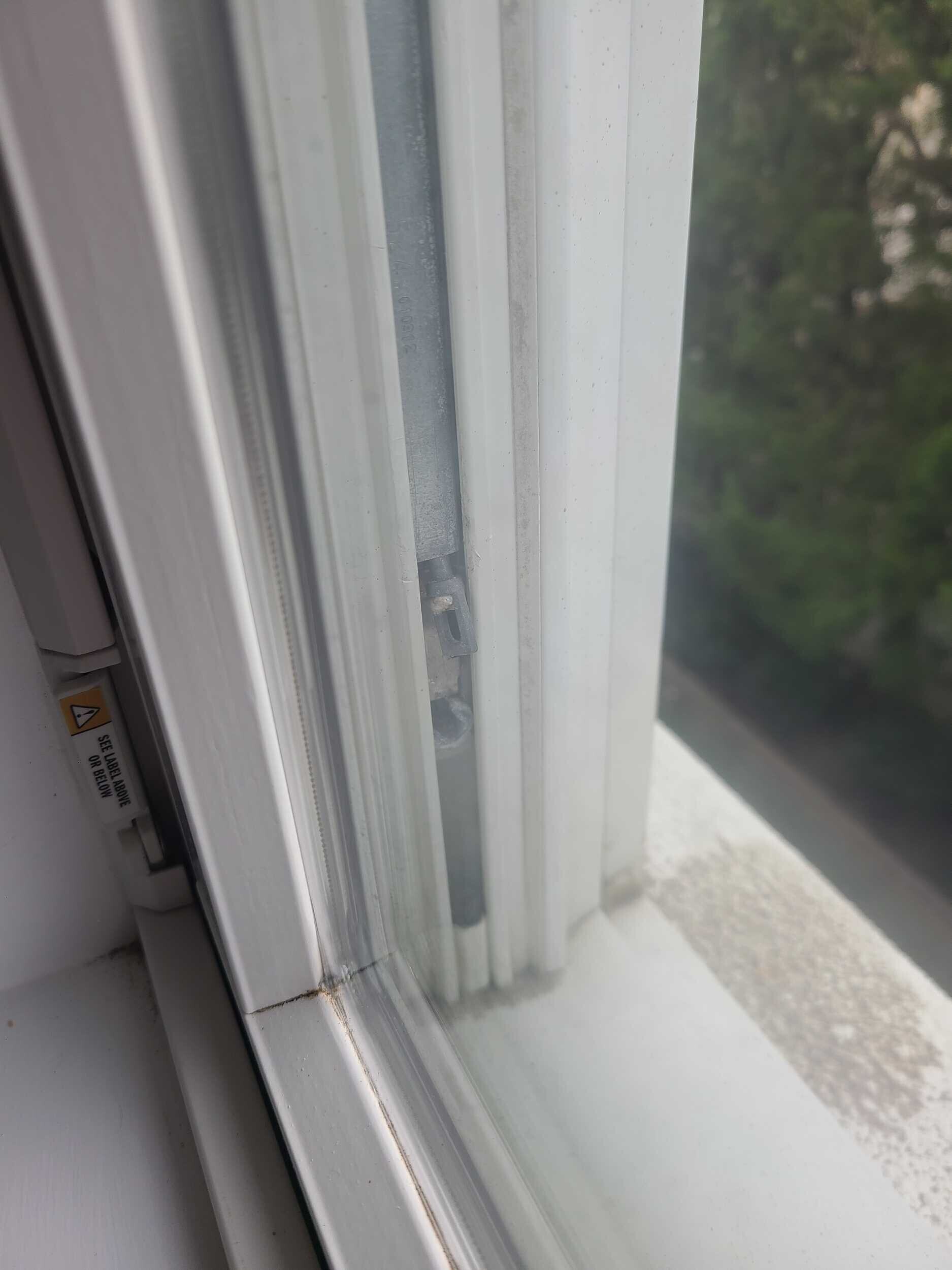
- Vinyl: Vinyl frames are affordable and resist moisture. However, cheap vinyl can expand and contract in extreme temperatures. This can cause the seals to fail over time.
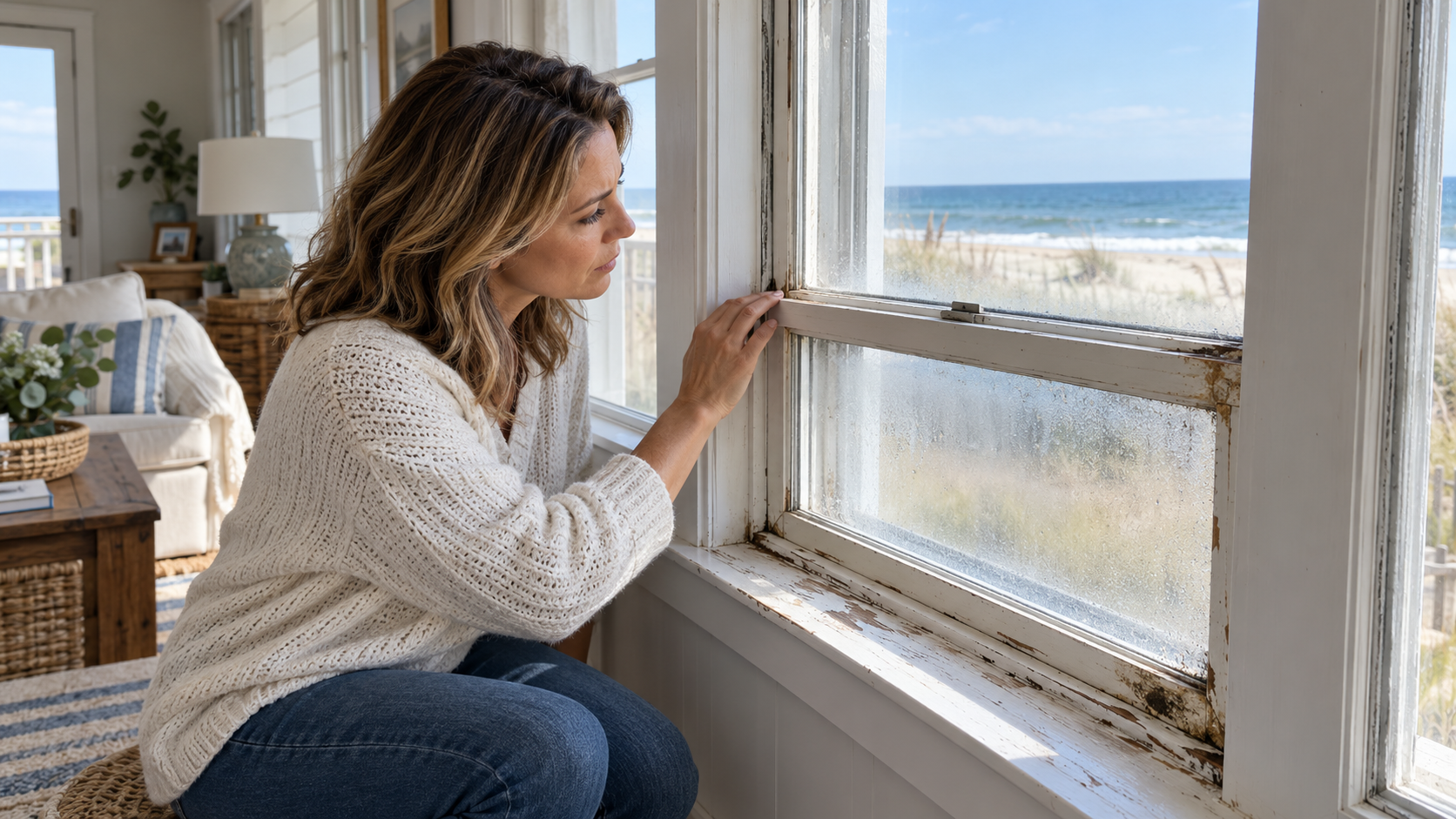
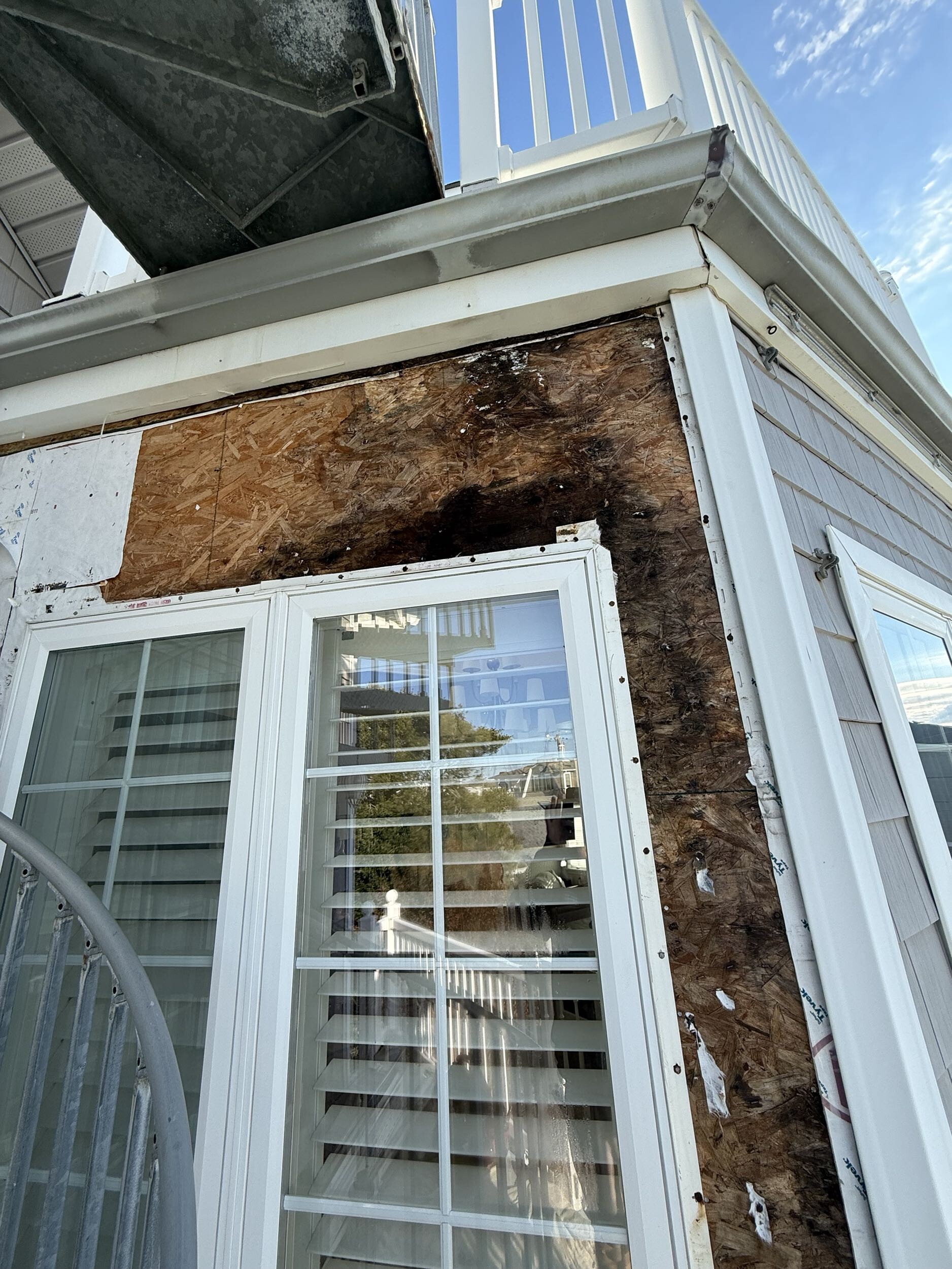
- Wood: Wood offers excellent insulation and a classic look. But wood requires constant painting and maintenance. In coastal NJ, salt air and humidity can rot wood frames very quickly.
- Fibrex: This is a composite material made of wood fiber and thermoplastic polymer. It is twice as strong as vinyl and does not rot, warp, or corrode. It is the perfect choice for a coastal window replacement.
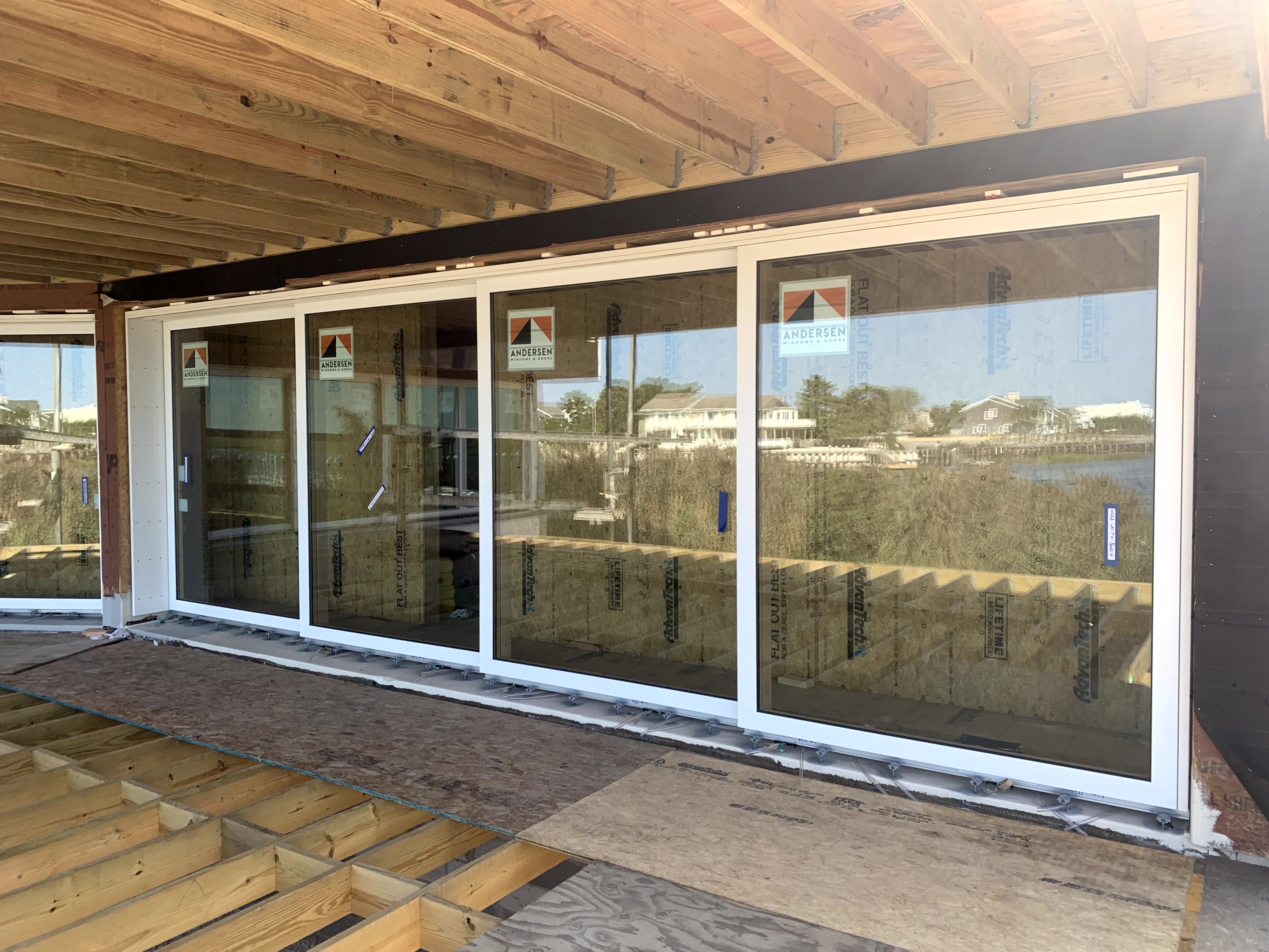
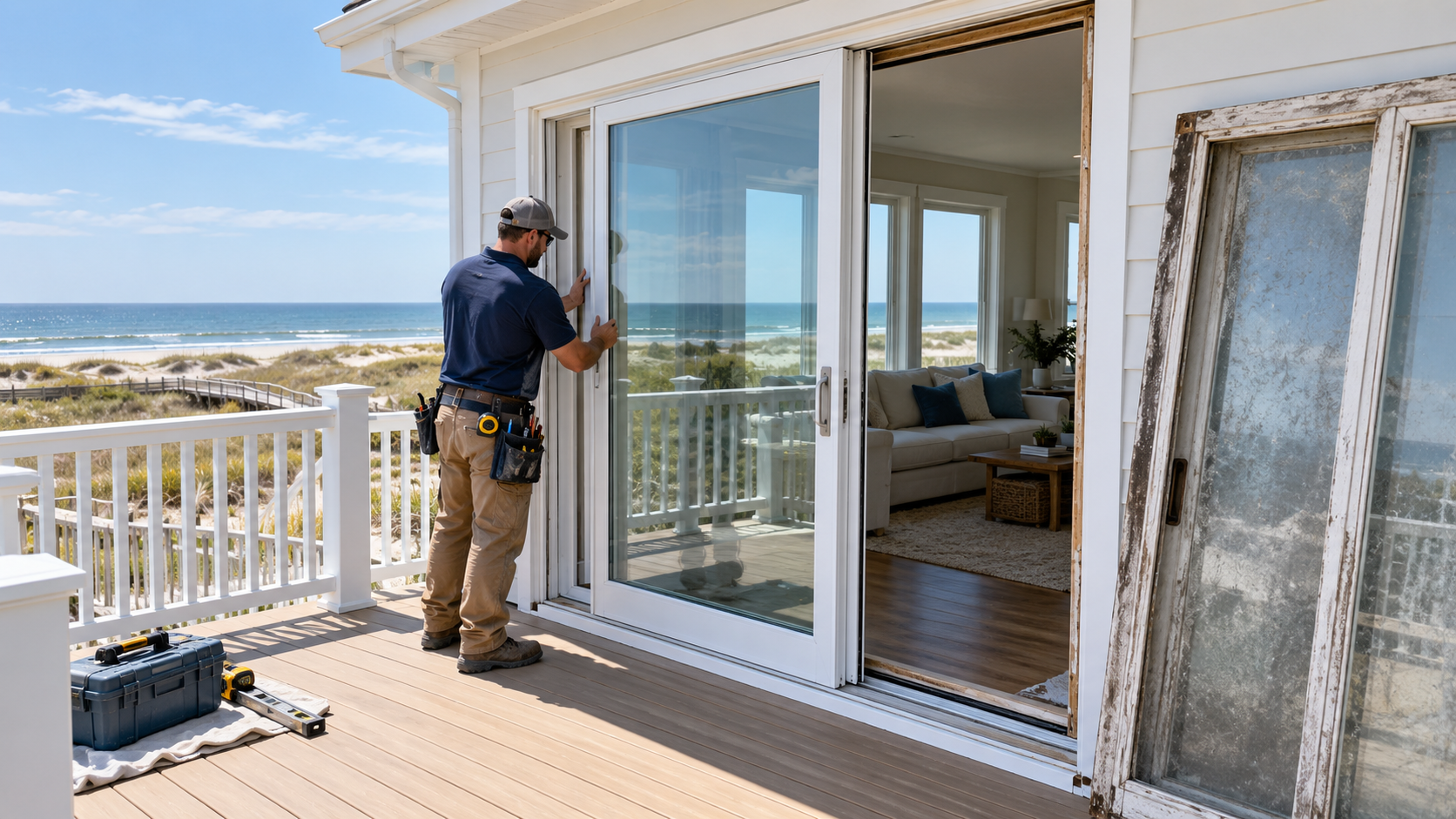
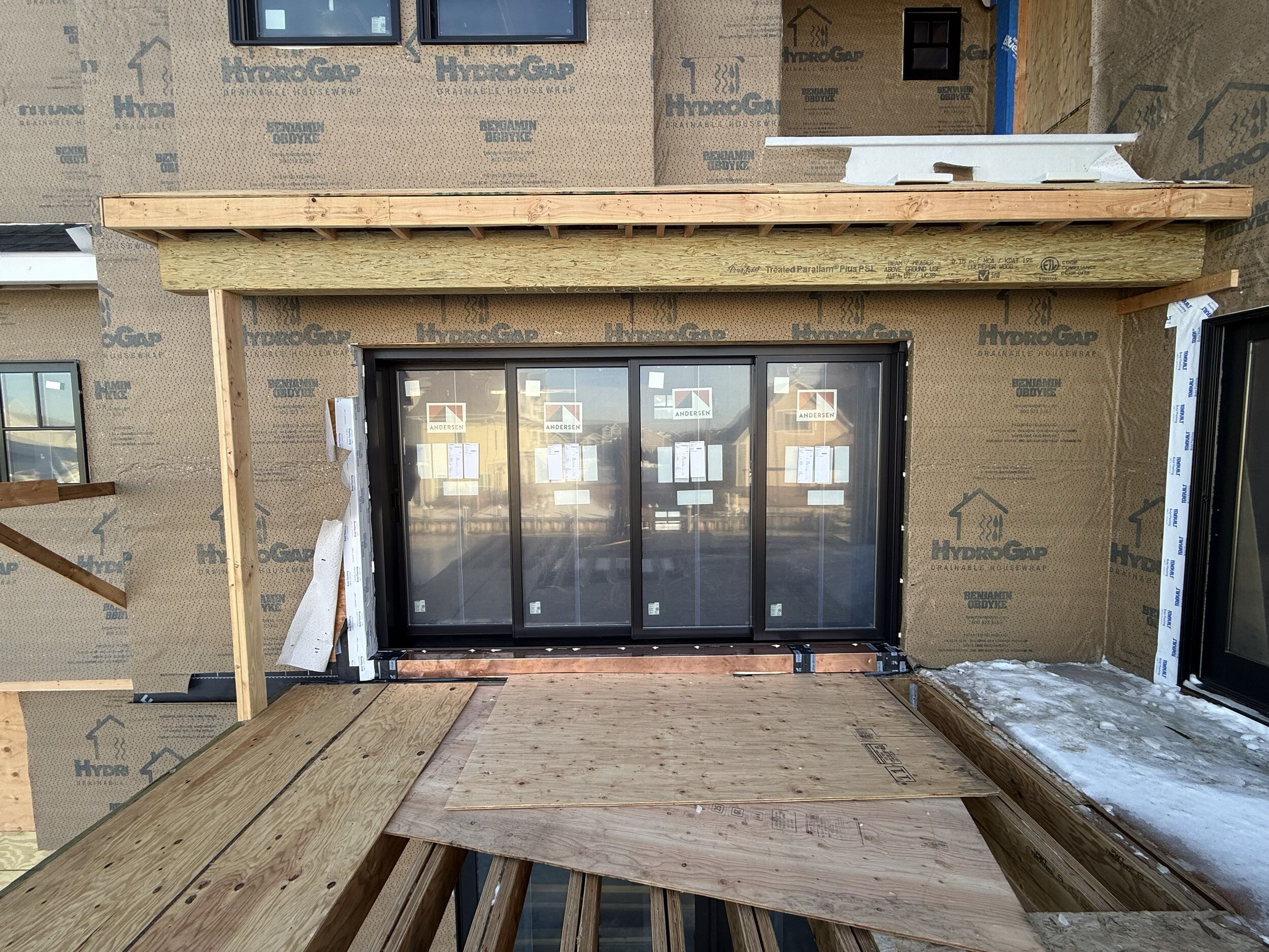
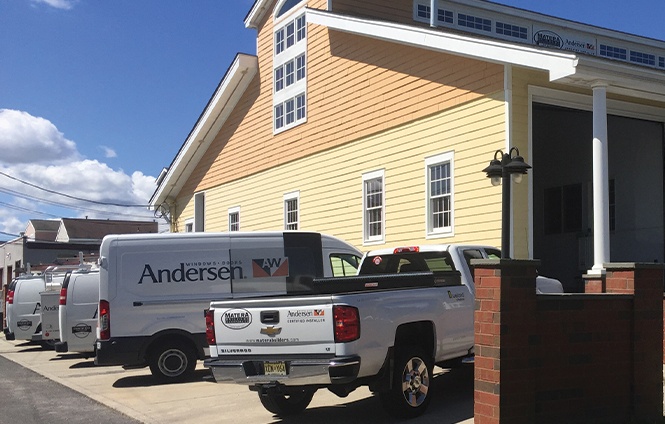
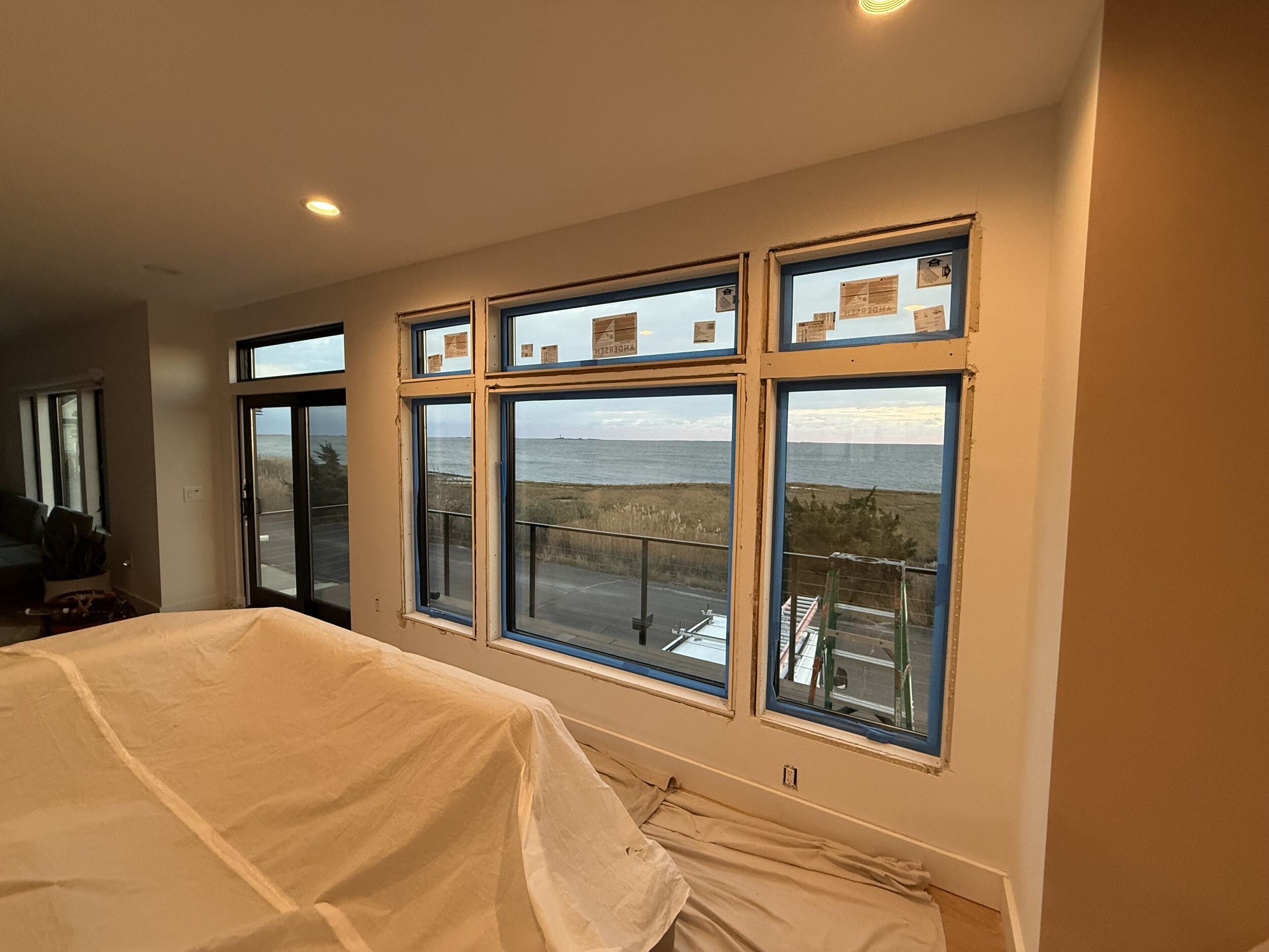
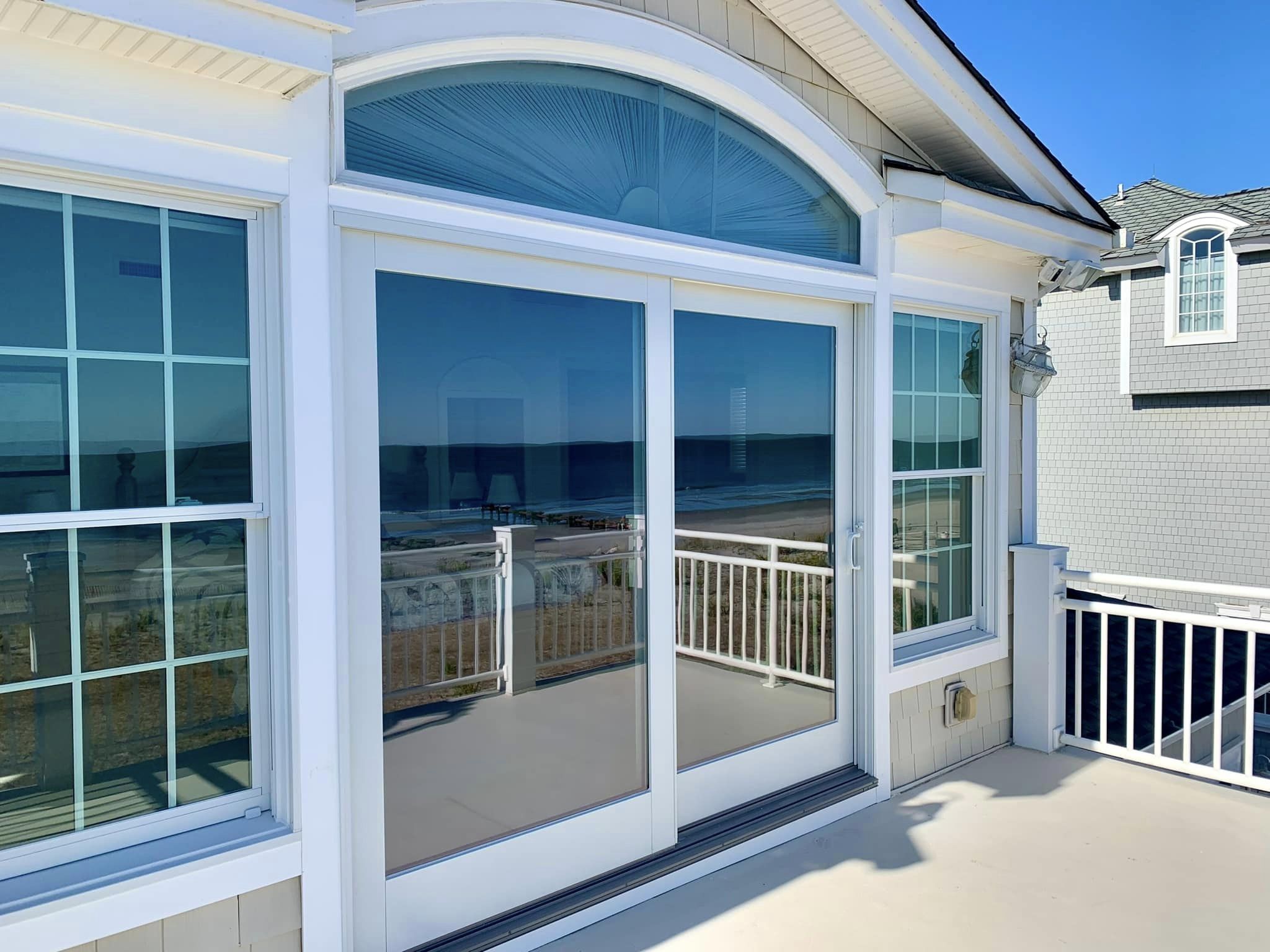
At Matera Builders, we highly recommend Fibrex frames for our clients. When we perform an Andersen Windows installation, we know our clients are getting a frame that will stand up to harsh coastal storms without losing its energy efficiency.
Why Professional Installation Dictates Real-World Savings
You can buy the most expensive, highly rated window on the market, but if it is installed poorly, you will still lose money.
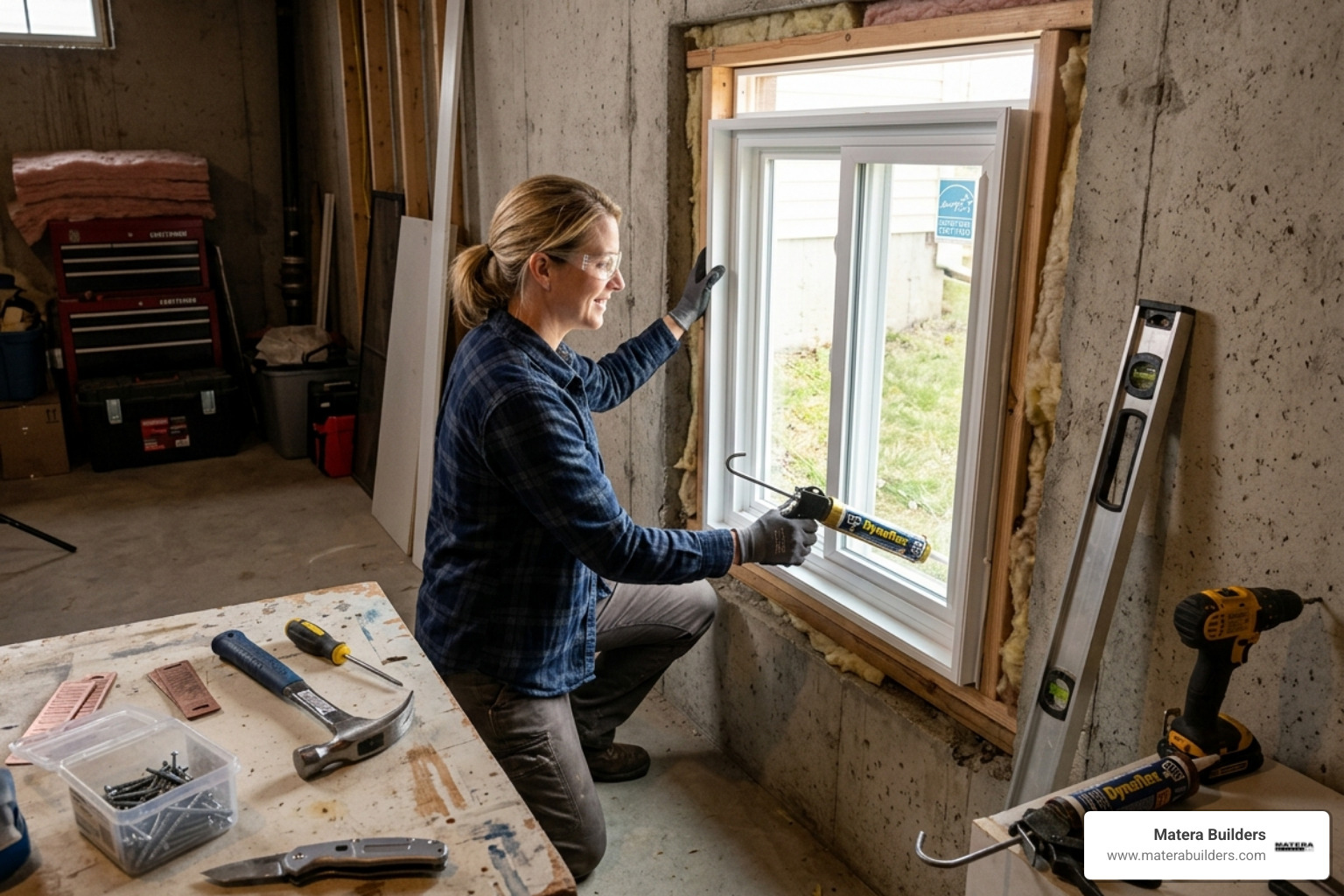
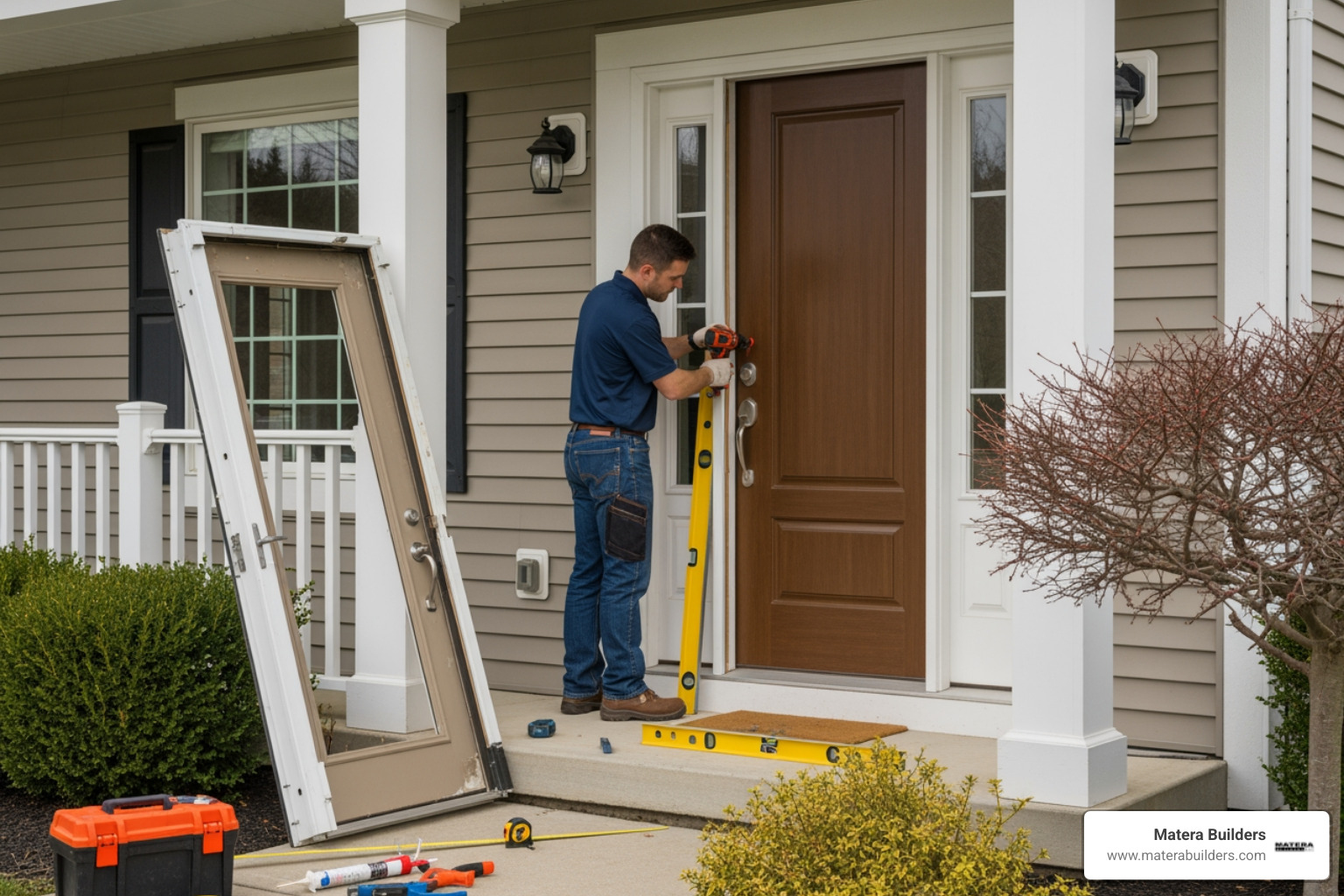
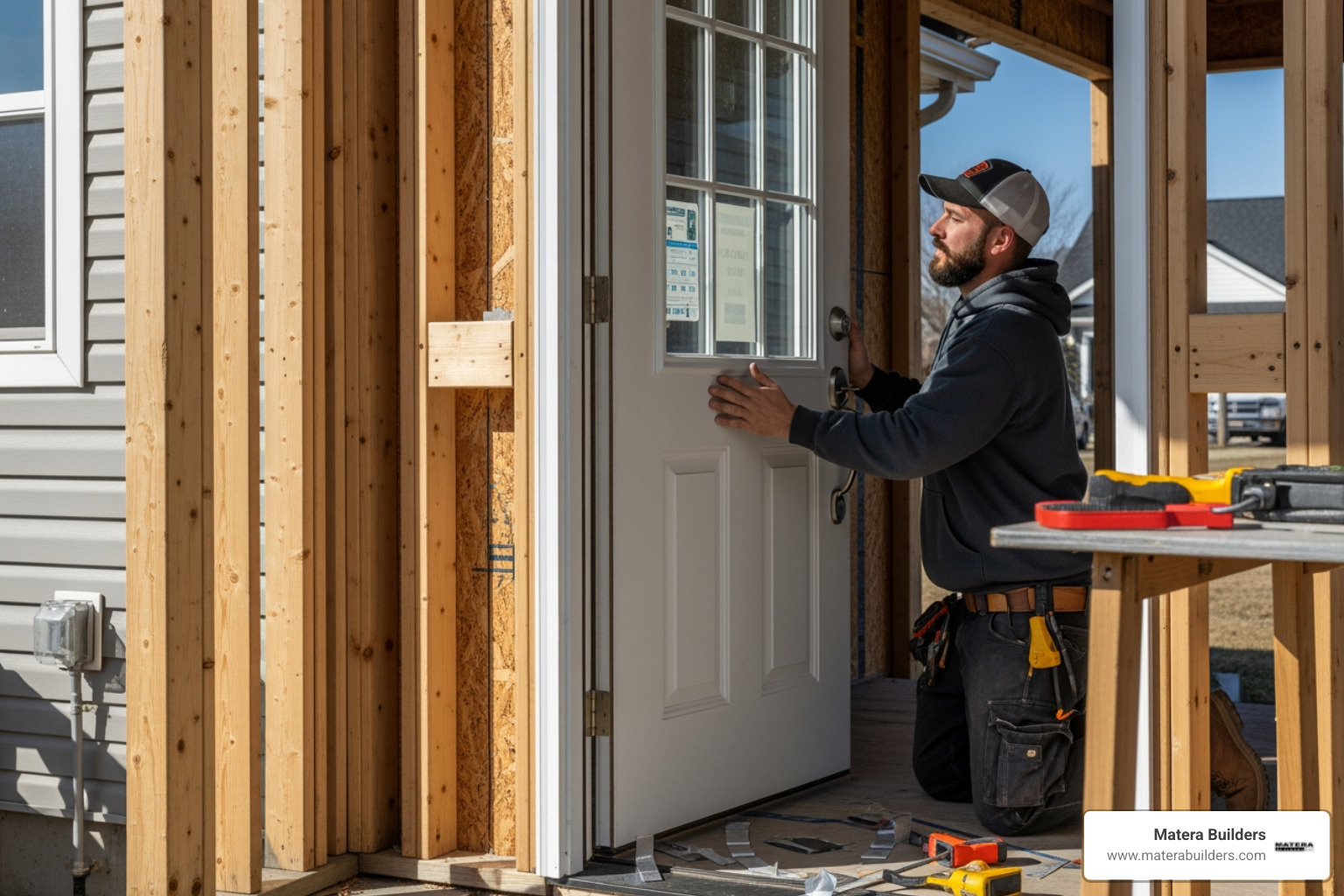
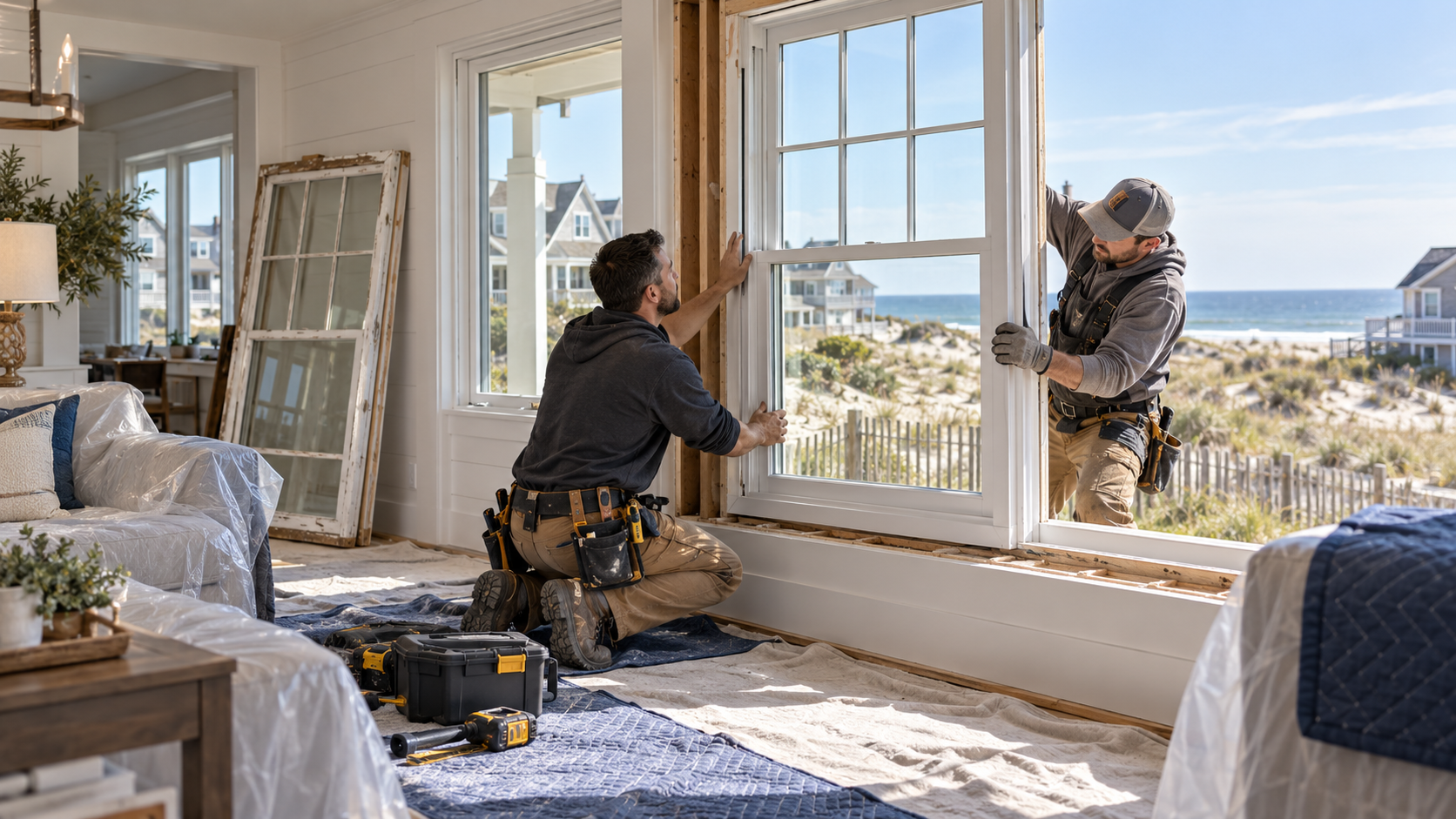
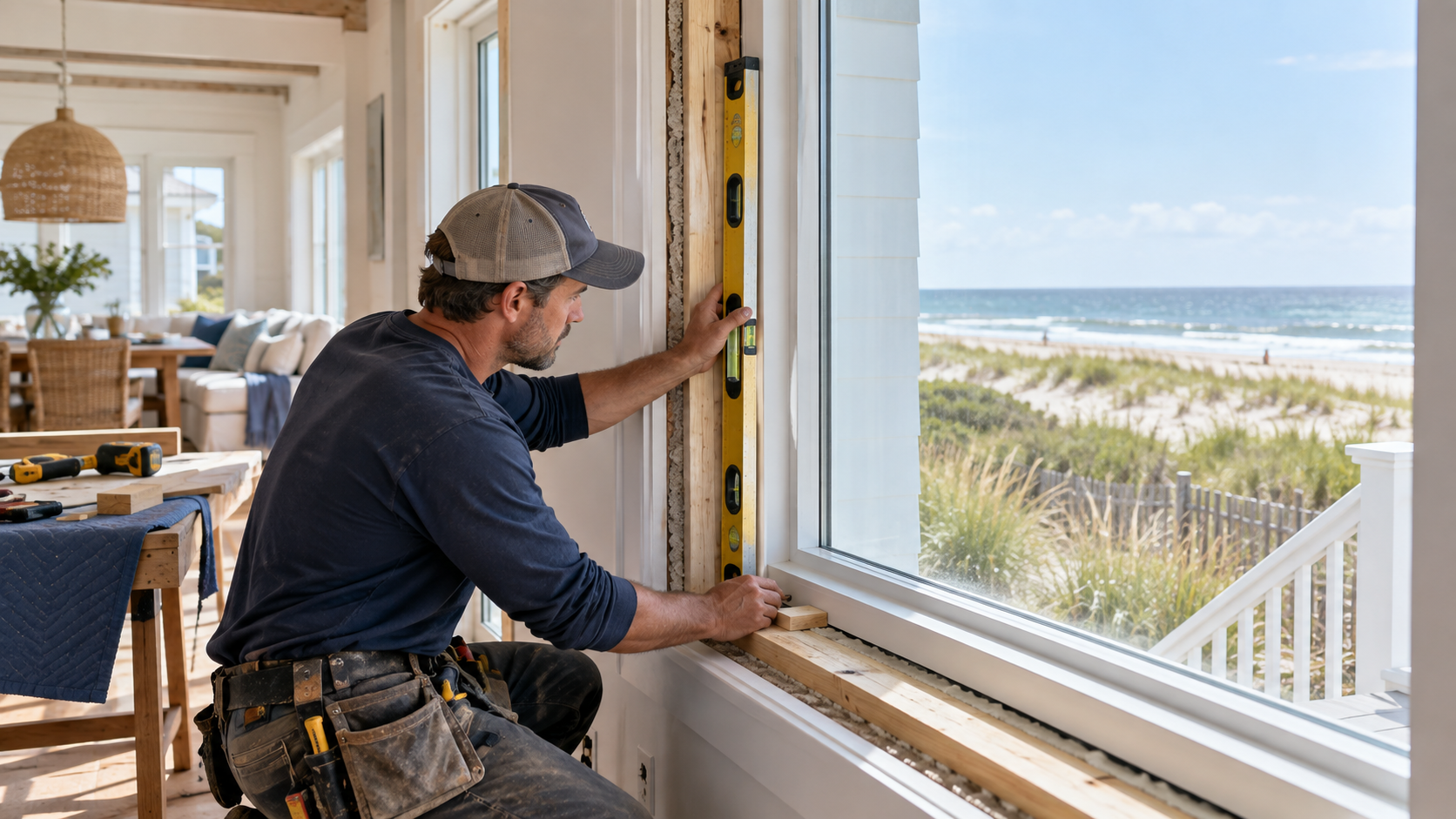
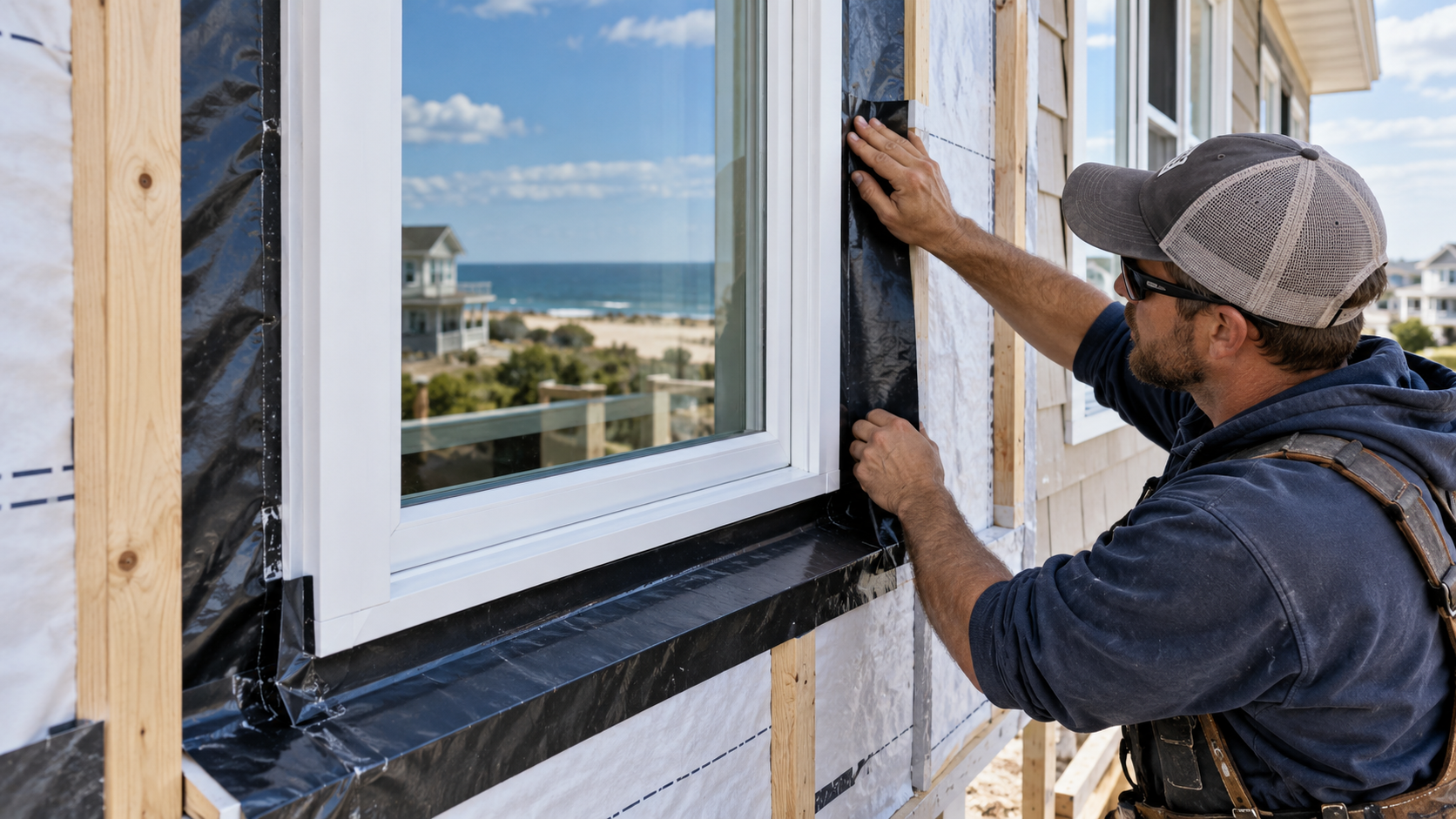
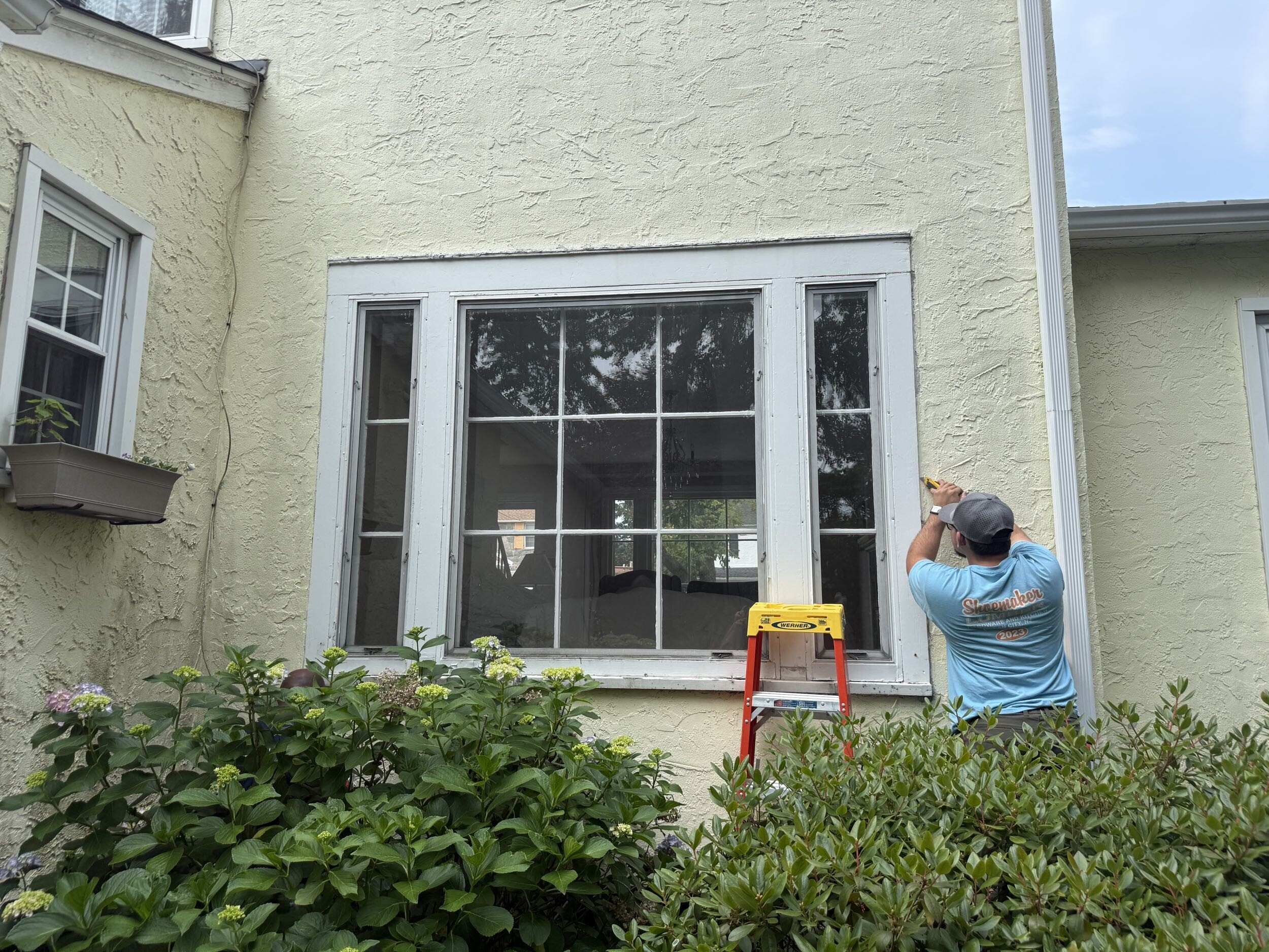
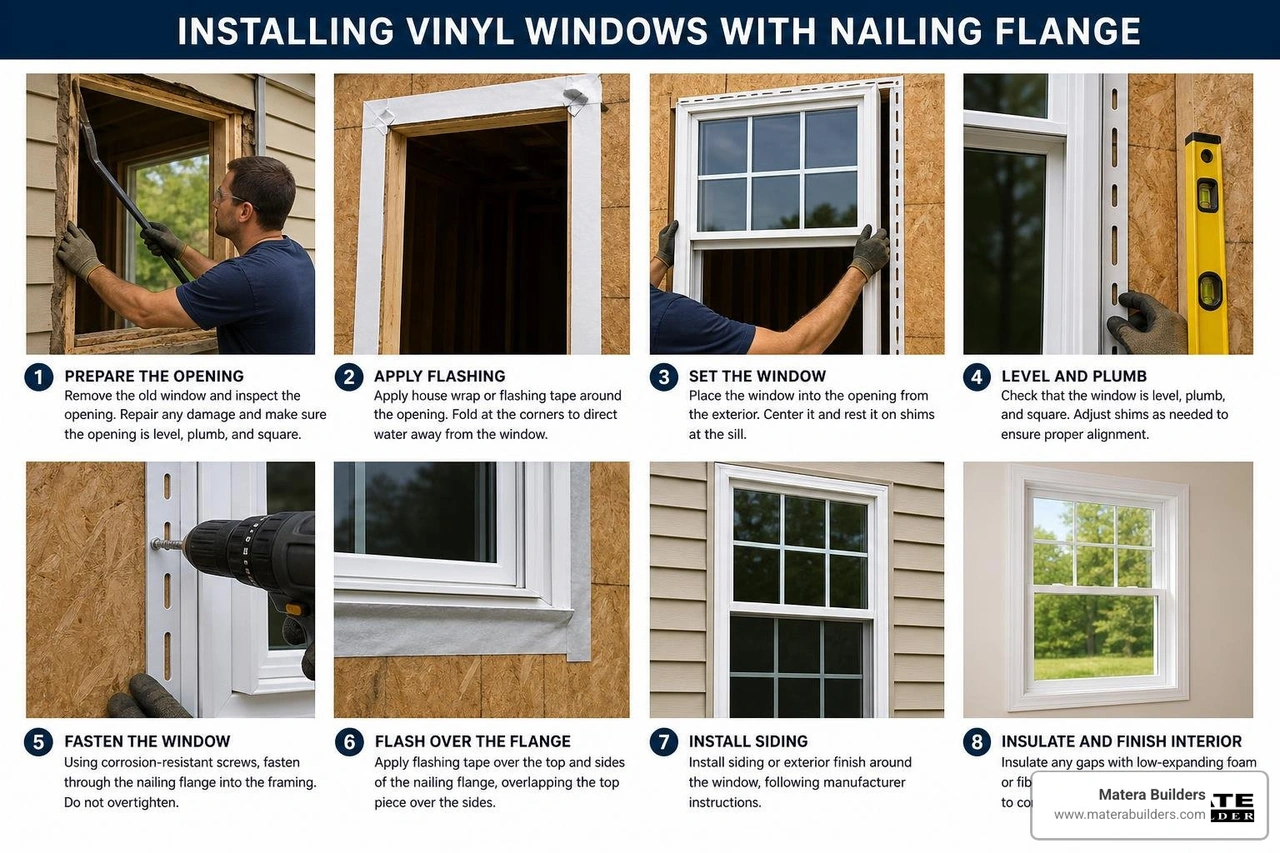
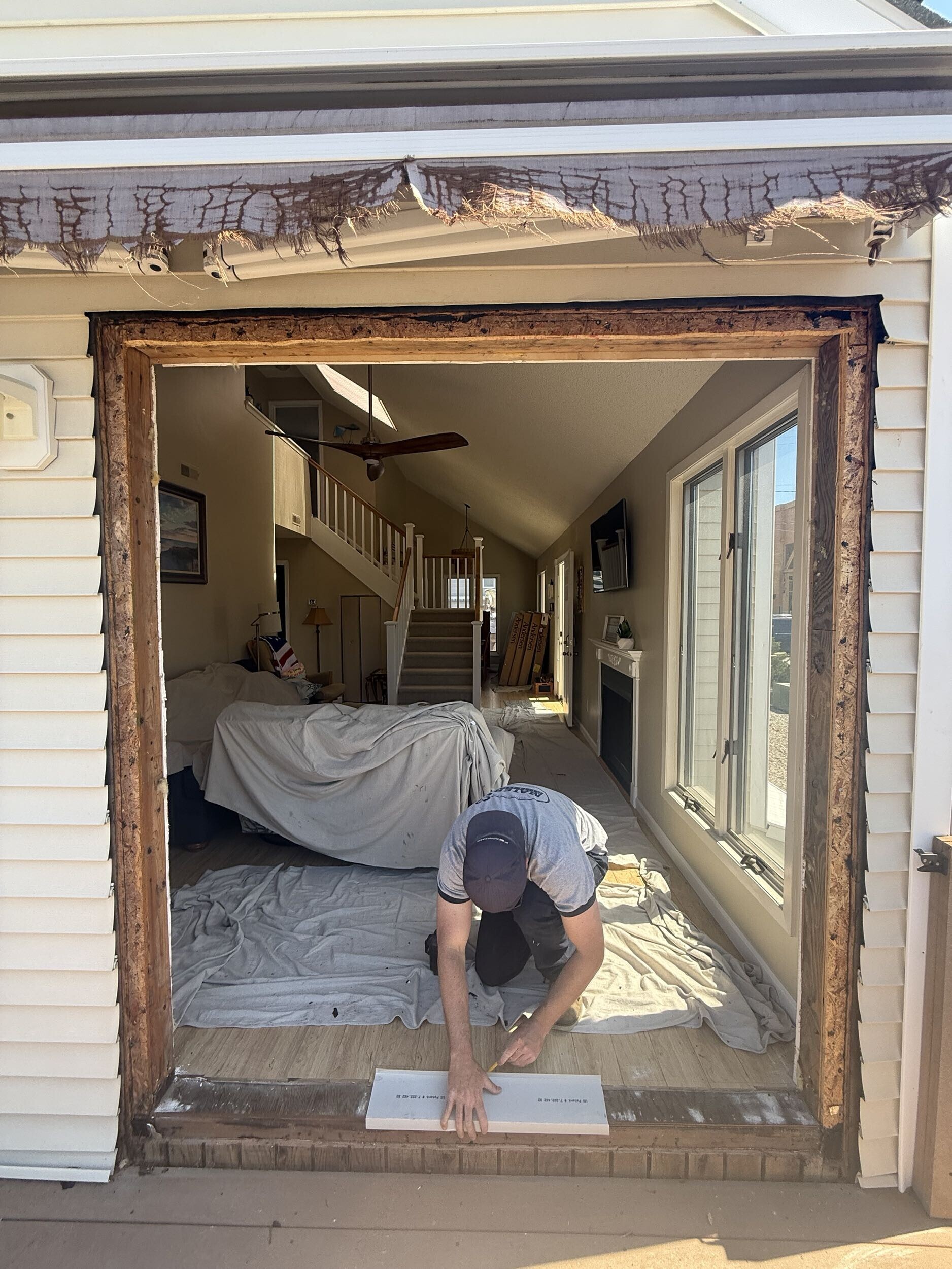
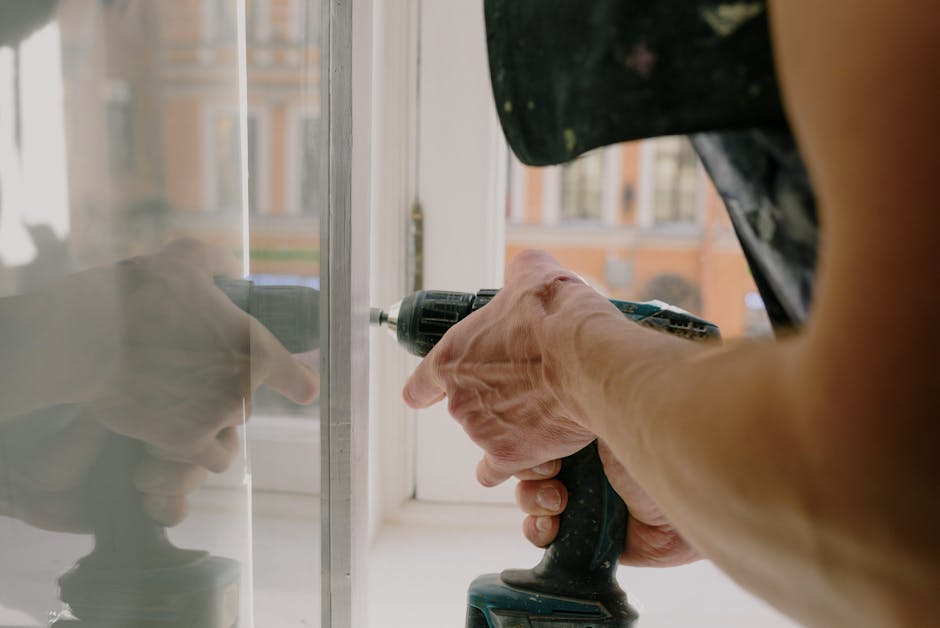
Installation is a science. A window must be perfectly level, plumb, and square. If it is off by even a fraction of an inch, tiny gaps will form. These gaps let air leak inside.
Proper installation requires several steps:
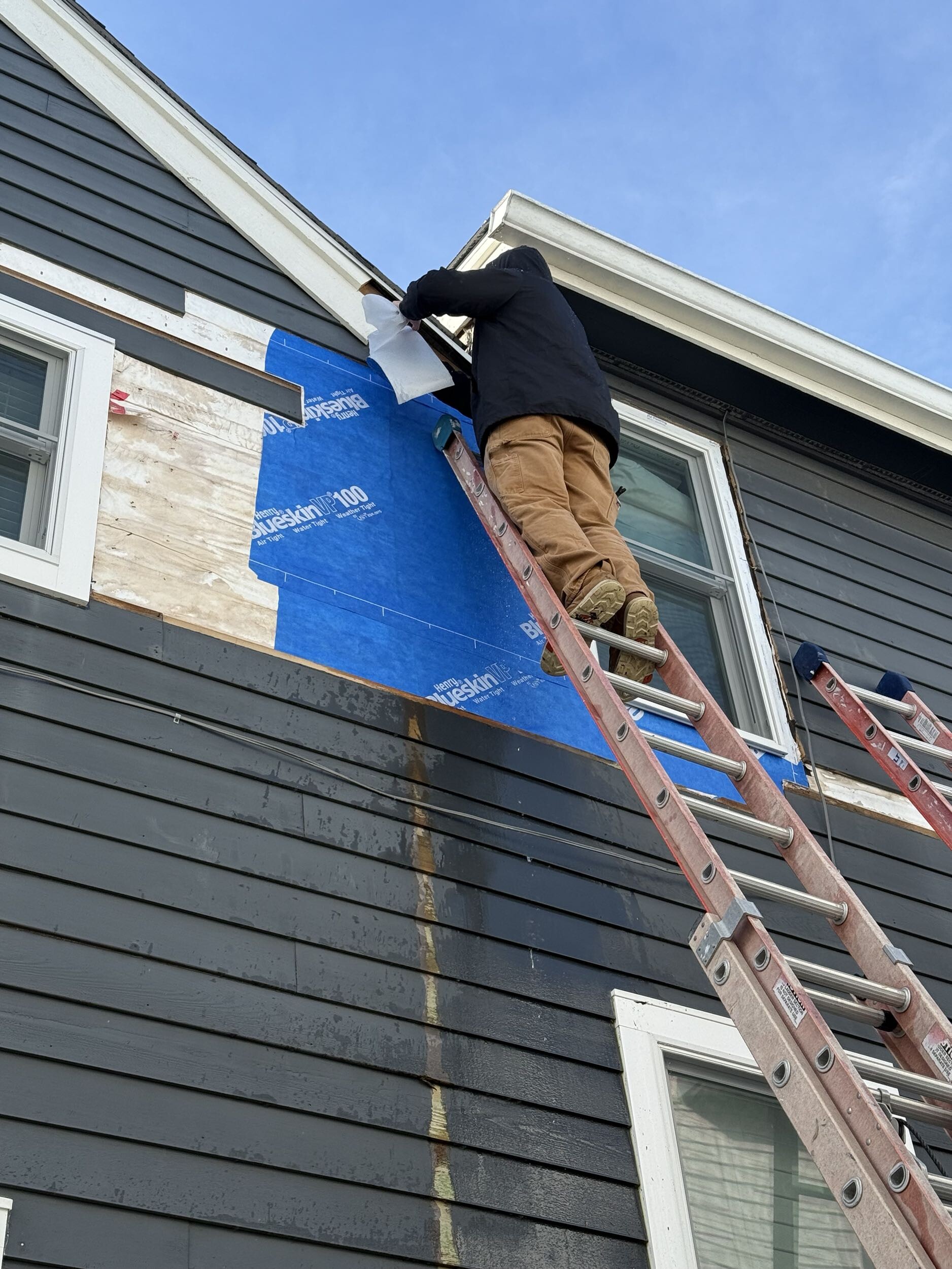
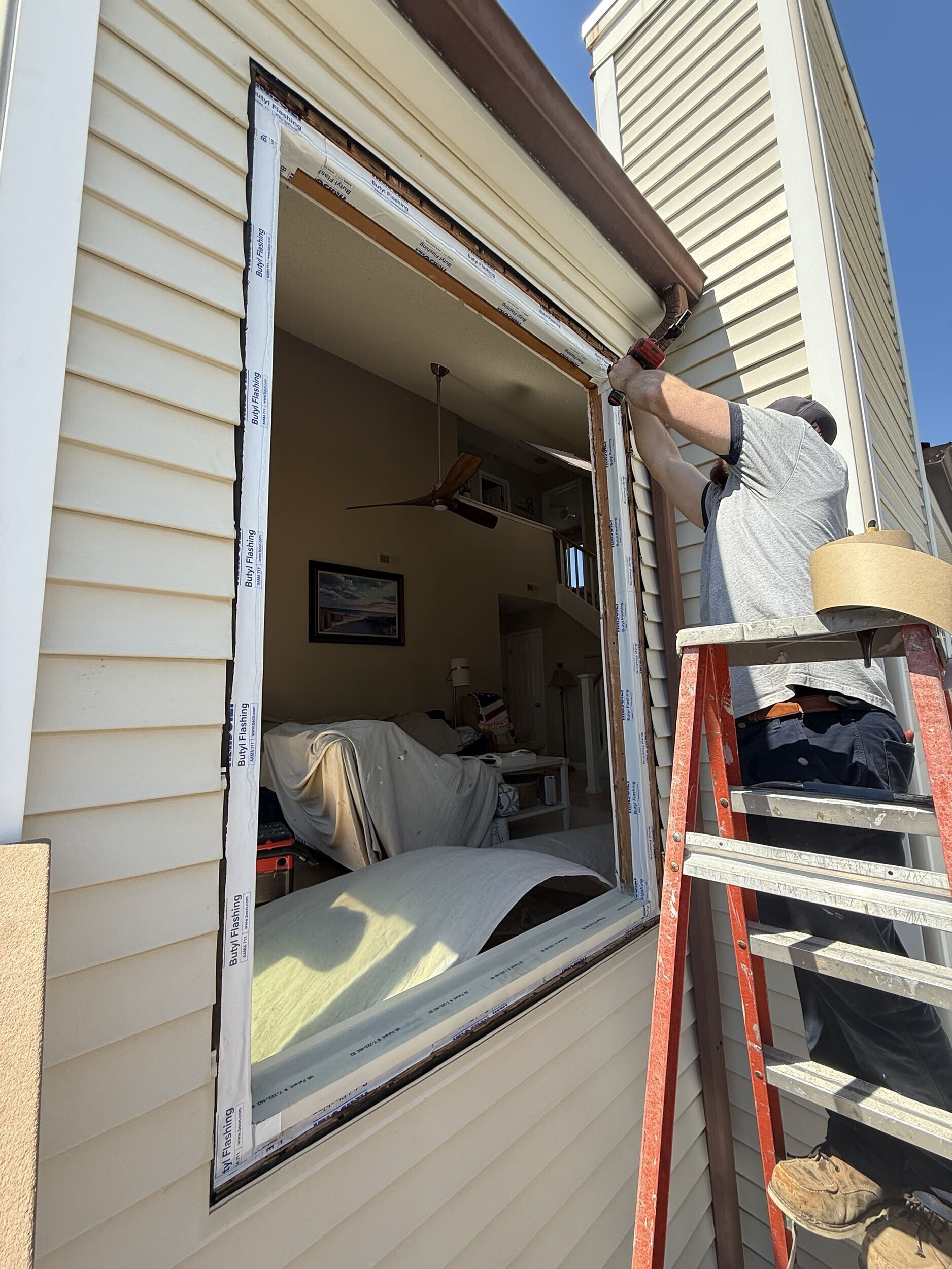
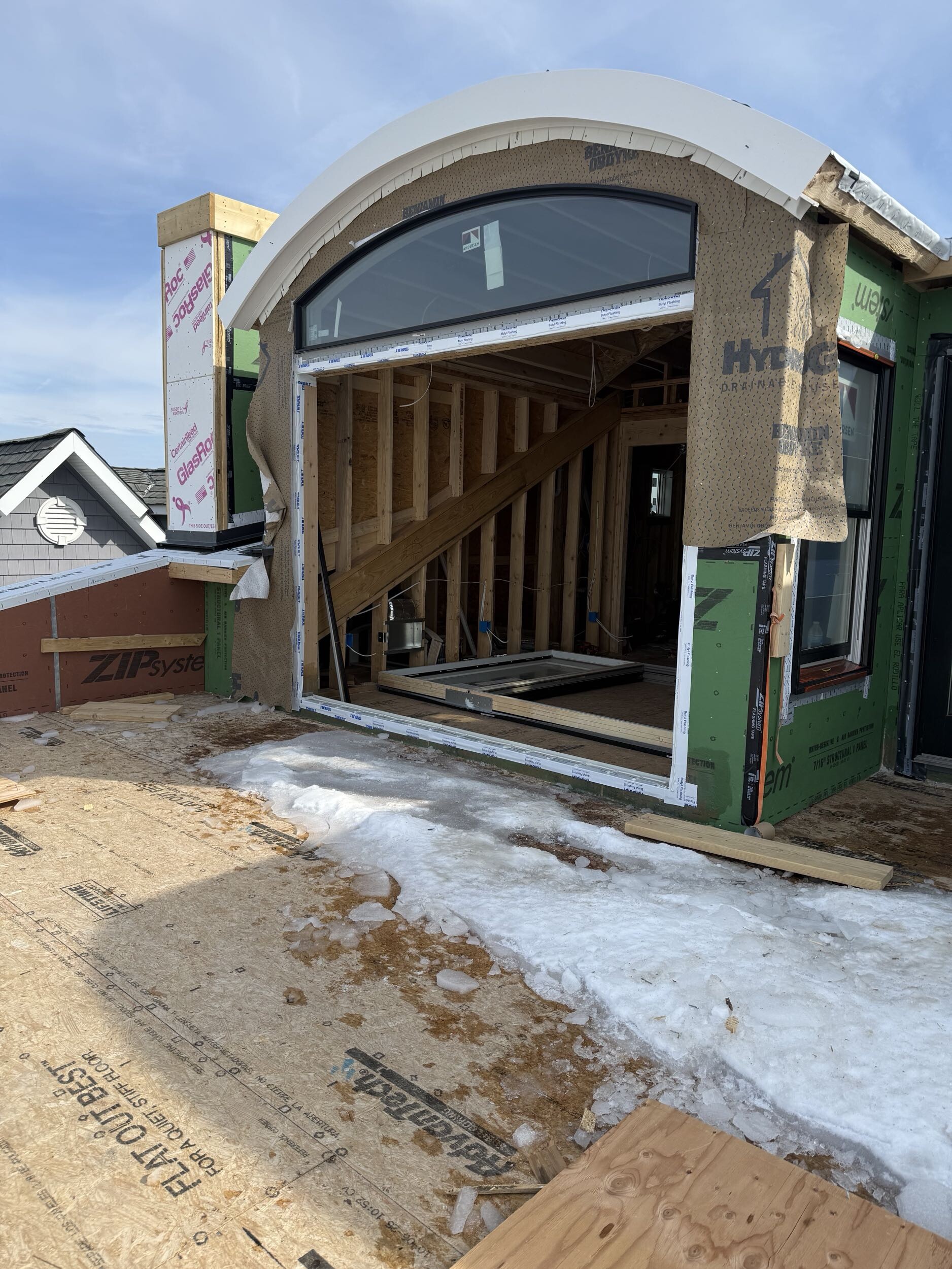
- Flashing: This is a waterproof barrier installed around the window frame. It directs rainwater away from your walls. Without proper flashing, coastal storms will push water inside your home, causing mold and rot.
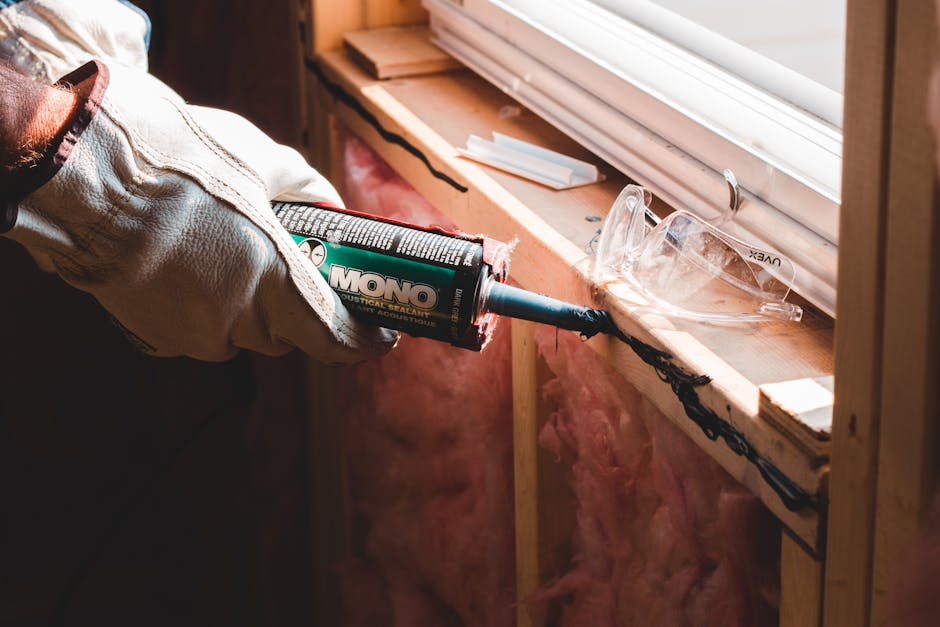
- Air Sealing: We use low-expansion foam to fill the empty spaces between the window frame and your home's rough opening. This stops cold drafts from entering.
- ASTM E 2112 Standards: This is the professional standard for installing windows. Following these rules ensures the window performs exactly like it did in the factory tests.
If a window is not installed correctly, the manufacturer can void your warranty. That means if the glass cracks or the seal fails, you have to pay for the replacement yourself.
At Matera Builders, we do not cut corners. Mike Werner sets precision standards for every project. We make sure your windows are sealed tightly against the harsh New Jersey weather.

To learn more about why professional work is so important, check out our guide on Professional Window Installers NJ.
Finding a Certified Window Replacement Contractor
When you are ready to hire a window replacement contractor, do your homework. Look for a team with deep local experience. A contractor from inland may not understand how to protect a home from salt air and coastal winds.
Always ask these questions before hiring:
- Are your installers certified by the manufacturer?
- Do you have experience with coastal weather challenges?
- Can you provide local references in the Ocean City or Jersey Shore area?
Working with a certified team ensures your warranty remains valid and your home stays dry. You can read more about our local services on the Window Replacement Services New Jersey page.
The Cost of Installing Energy Star windows NJ
The cost of your project will depend on the size of your home, the frame materials, and the number of windows you replace.
Generally, you will pay for two things: the window itself and the labor to install it. Buying your windows in bulk can help reduce the per-window installation cost.
While the upfront cost of premium windows is higher, the long-term ROI is excellent. You will save money on your monthly energy bills immediately. Plus, high-quality windows can increase your home's resale value by up to 10 percent.
For a detailed breakdown of pricing, read our article on the Average Cost of Window Replacement Per Window.
Frequently Asked Questions about Energy Efficient Windows
Here are some of the most common questions we hear from New Jersey homeowners.
How much money do Energy Star windows save in New Jersey?
On average, upgrading to Energy Star certified windows can lower your heating and cooling bills by up to 13 percent. In the Mid-Atlantic region, which includes New Jersey, this adds up to about $236 in savings every single year when replacing old single-pane windows.
Can I install storm windows instead of replacing my windows?
Yes, if your existing window frames are structurally sound. Installing low-E storm windows can save you about 20 percent on your heating and cooling bills. They are highly cost-effective and typically pay for themselves in about three years. You can search for certified options on the ENERGY STAR Certified Storm Windows | EPA ENERGY STAR directory.
What is the difference between U-factor and SHGC?
U-factor measures how well the window keeps heat from escaping your home. SHGC measures how well the window blocks heat from the sun. In New Jersey, you want a very low U-factor to handle our freezing winters, and a moderate-to-low SHGC to keep summer cooling costs down.
Conclusion
Upgrading your home with Energy Star windows NJ is one of the best investments you can make. You will stop drafty air from ruining your comfort, protect your home from coastal storm damage, and lower your energy bills month after month.
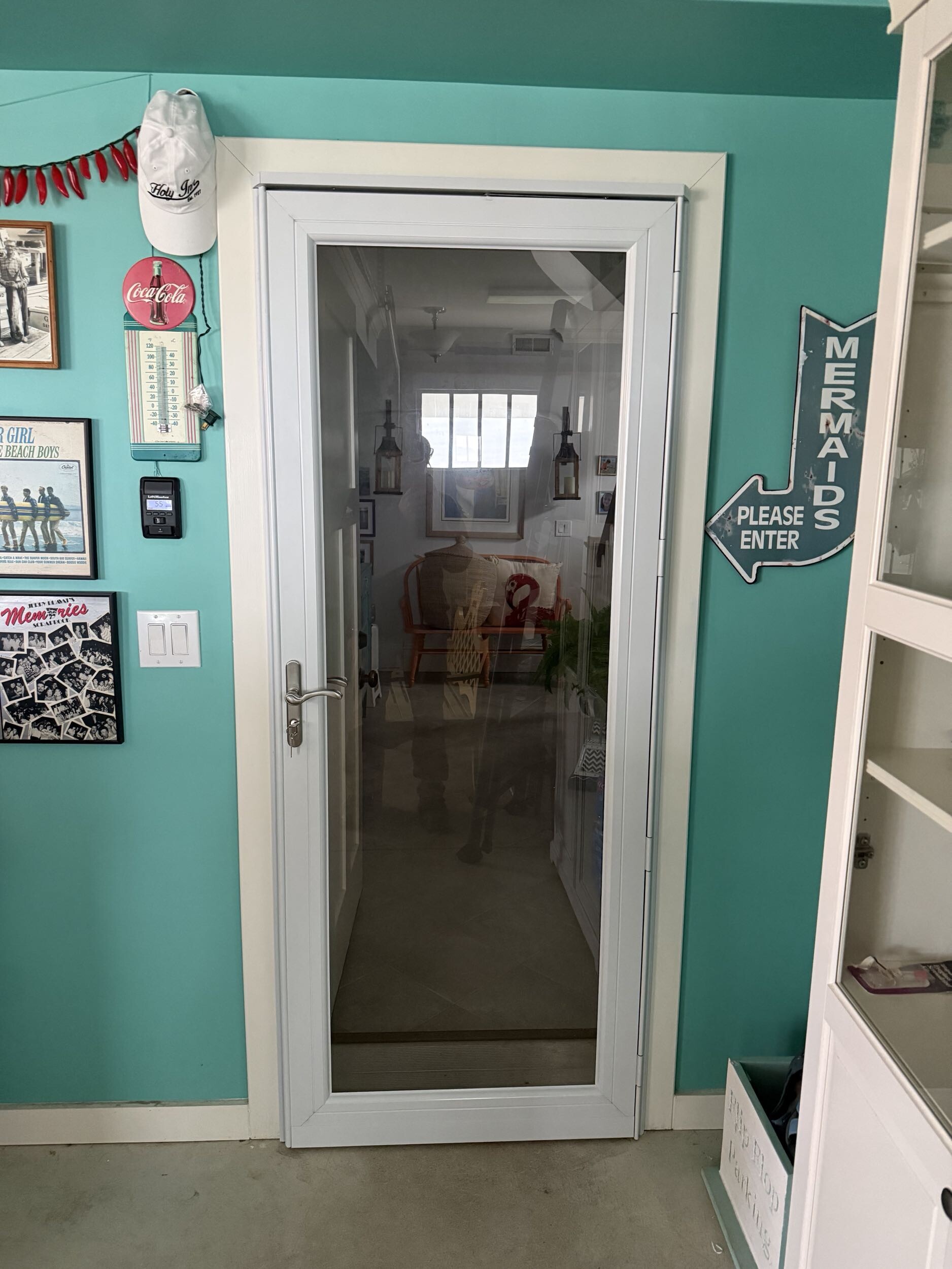
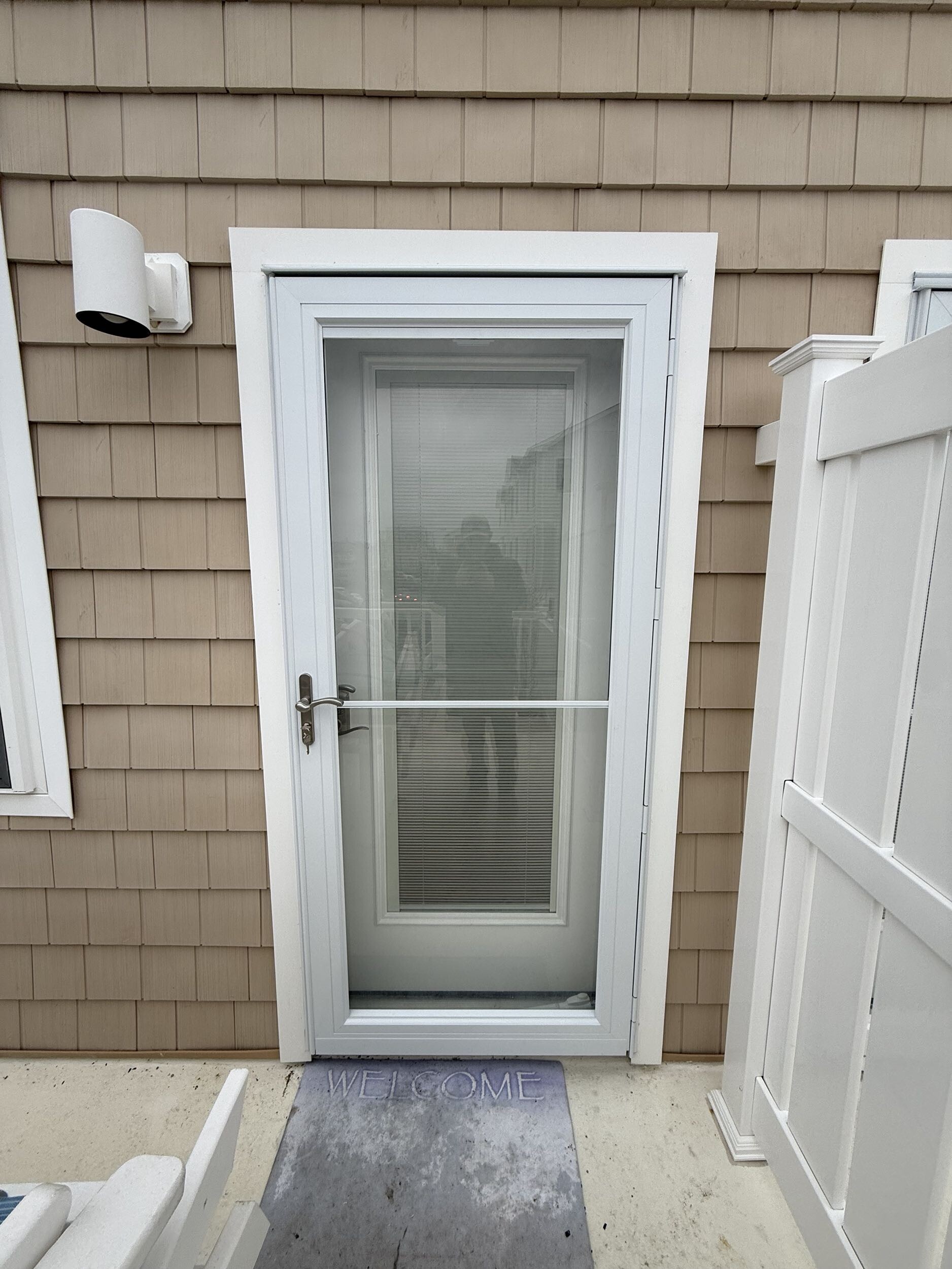
At Matera Builders, we have over 37 years of experience helping homeowners in Ocean City and across the Jersey Shore. Mike Werner and our certified team are dedicated to trust, transparency, and flawless craftsmanship. Whether you need an Andersen Windows installation or a complete Andersen Doors replacement, we are here to help.
Ready to make your home more comfortable and energy efficient? Visit our Services page today to schedule your professional home assessment.



.jpg)
.jpg)