


A Cracked Window Pane Is Costing You More Than You Think
Installing new glass in a window is one of the most practical home repairs you can tackle — but only if you know what you're dealing with first.
Here's a quick answer if your window glass is broken or fogged:
- Identify your glass type — single pane or insulated glass unit (IGU)
- Remove the old glass — pry off glazing strips, beads, or putty depending on your frame
- Measure accurately — height, width, and thickness of the opening
- Order replacement glass — specify type, coatings, and gas fill for IGUs
- Install the new glass — dry fit first, apply sealant, secure with glazing strips or points
- Seal and finish — clean up silicone, allow full cure time before operating the window
DIY glass replacement can cost as little as $48–$75 in materials. Professional installation for a double-pane window typically runs $600–$1,200.
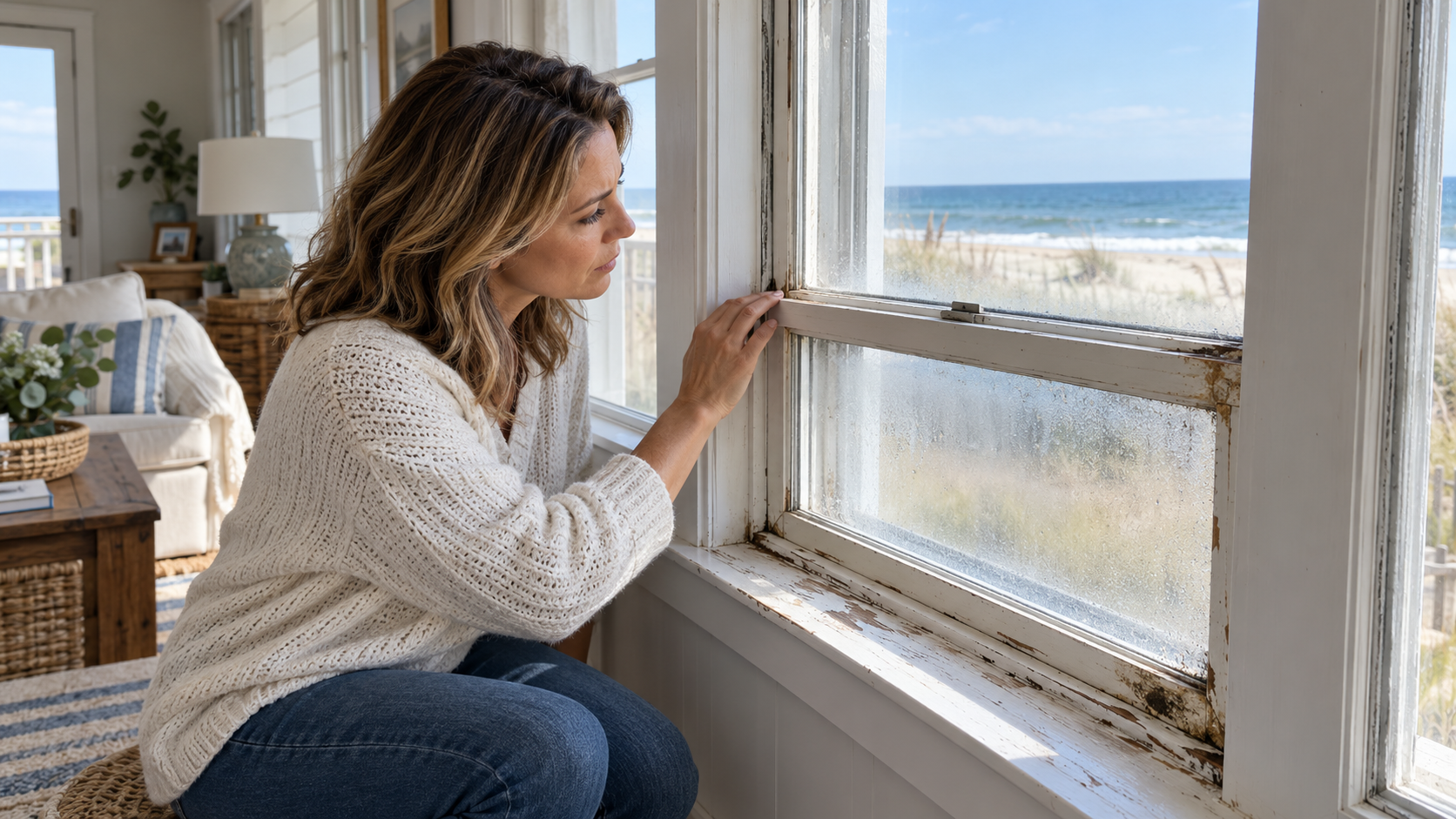
A cracked or fogged window pane is more than an eyesore. In a coastal New Jersey home, a failed window seal lets in salt air, moisture, and drafts. Your energy bills climb. Water works its way into the frame. Left alone, the damage spreads.
The good news: in many cases, you don't need to replace the entire window. Replacing just the glass — or the full insulated glass unit — is often enough.
But the process is different depending on your glass type, frame material, and where the window sits in your home. This guide walks you through all of it.
I'm Mike Werner, CEO of Matera Builders, an Andersen Elite Certified Contractor serving Ocean City, Avalon, Stone Harbor, and Sea Isle City since 1988. I've overseen countless window glass replacements from single-pane wood frames to modern insulated glass units in the Jersey Shore's high-wind, high-humidity conditions, and that coastal experience shapes every recommendation in this guide.

Installing new glass in window basics:
- average cost to replace a window pane
- cost to put in a new window
- installing a new construction window in an existing home
Understanding Your Window Glass Options
Before you order materials, you must know what kind of glass is currently in your frame. Putting the wrong type of glass in a window can compromise your home's safety and energy efficiency.
If you want to maximize your utility savings, choosing Energy Efficient Windows NJ is the smartest move for our humid coastal climate. Let's look at the main glass options you will encounter.
Single Pane vs. Insulated Glass Units (IGUs)
Older homes in Ocean City NJ and the surrounding Jersey Shore often have single-pane windows. These consist of a single sheet of glass held in place by metal glazing points and putty. They offer very little insulation against the cold winter winds or the hot summer sun.
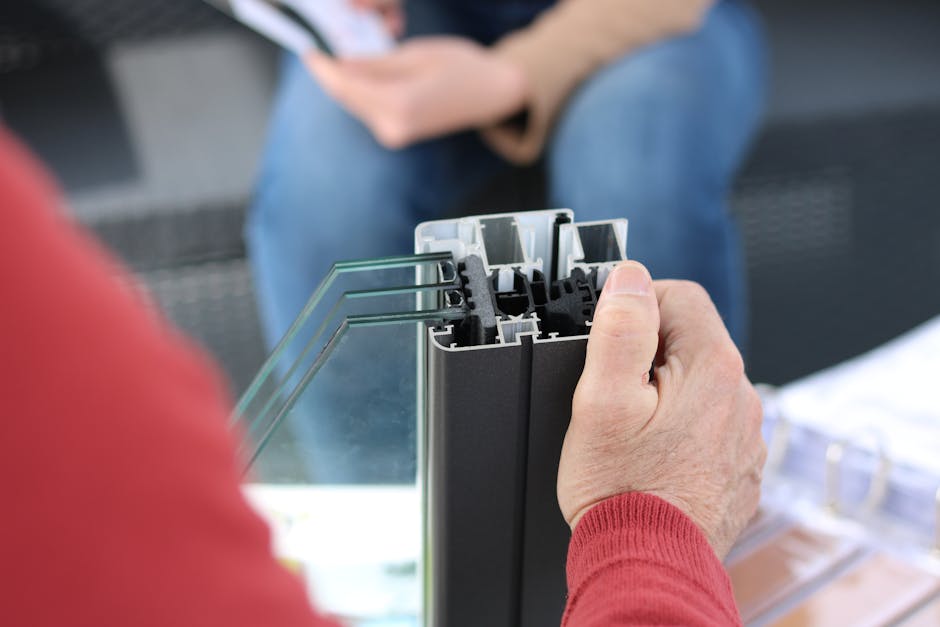
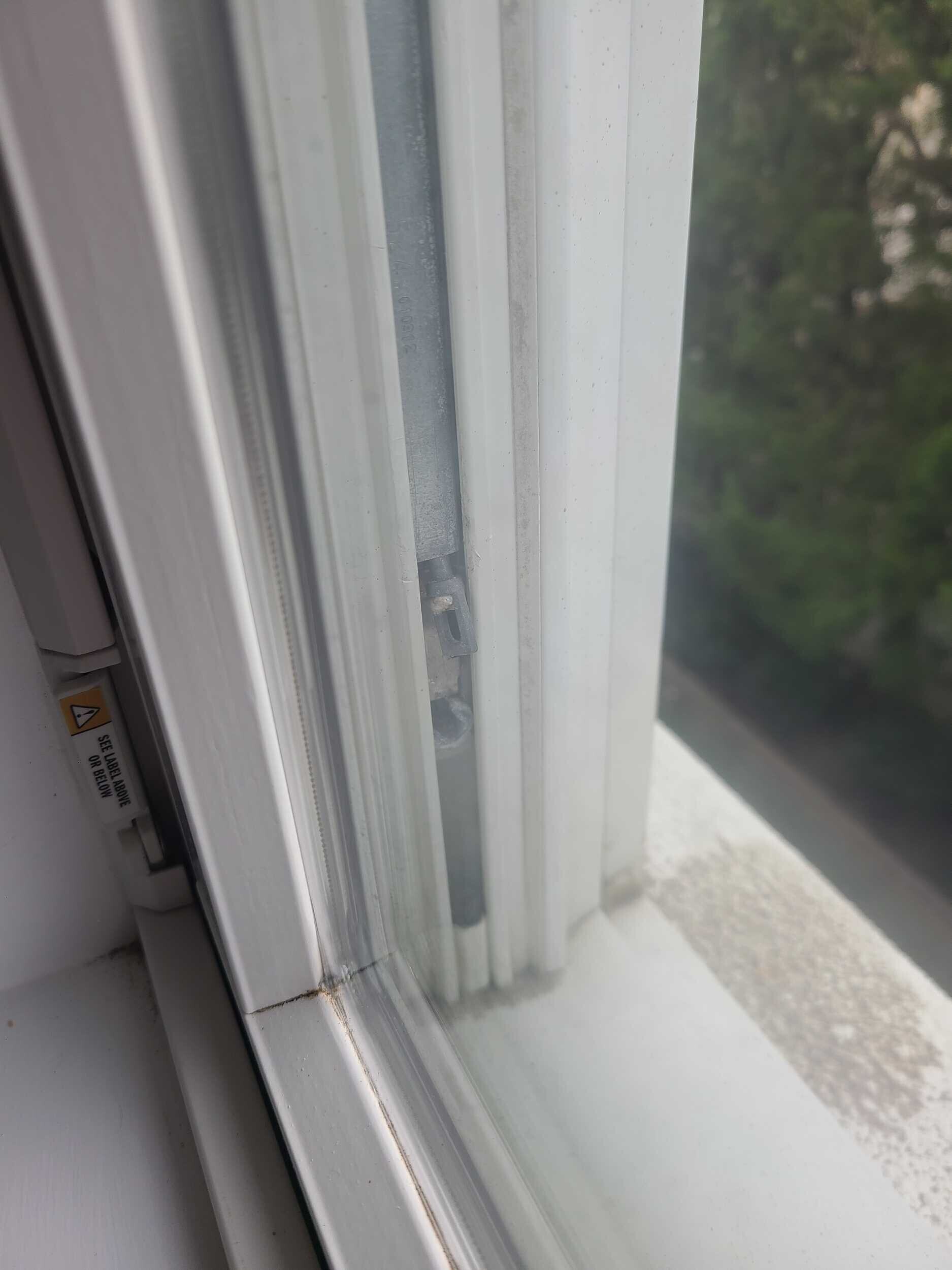
Modern homes use a New Double Glazed Window setup. These are also called Insulated Glass Units (IGUs). An IGU consists of two or more panes of glass separated by a spacer. The spacer is a sealed pocket filled with air or an inert gas like argon.
When a seal fails on an IGU, moist salt air gets inside. This causes condensation and fogged glass. You cannot simply wipe this fog away. You must replace the entire IGU to restore the window's clarity and energy performance. If you are dealing with this issue, Installing Double Glazed Windows as a complete sealed unit is the only permanent fix.
When to Choose Tempered Glass for Safety
Tempered glass is a type of safety glass. It is processed by controlled thermal or chemical treatments to increase its strength. When tempered glass breaks, it does not shatter into dangerous, sharp shards. Instead, it crumbles into small, relatively harmless pebble-like pieces.
Building codes in New Jersey are very strict about where you must use safety glass. You generally need tempered glass if the window is:
- Within 24 inches of a door.
- Less than 18 inches from the floor.
- Located in a bathroom or near a wet area like a tub or shower.
- Located in a high-traffic area where someone could slip and fall into it.
For coastal window replacement projects, using tempered glass is often a necessity to meet local codes and withstand high winds. Always check your local building codes before ordering.
How to Measure and Order Replacement Glass

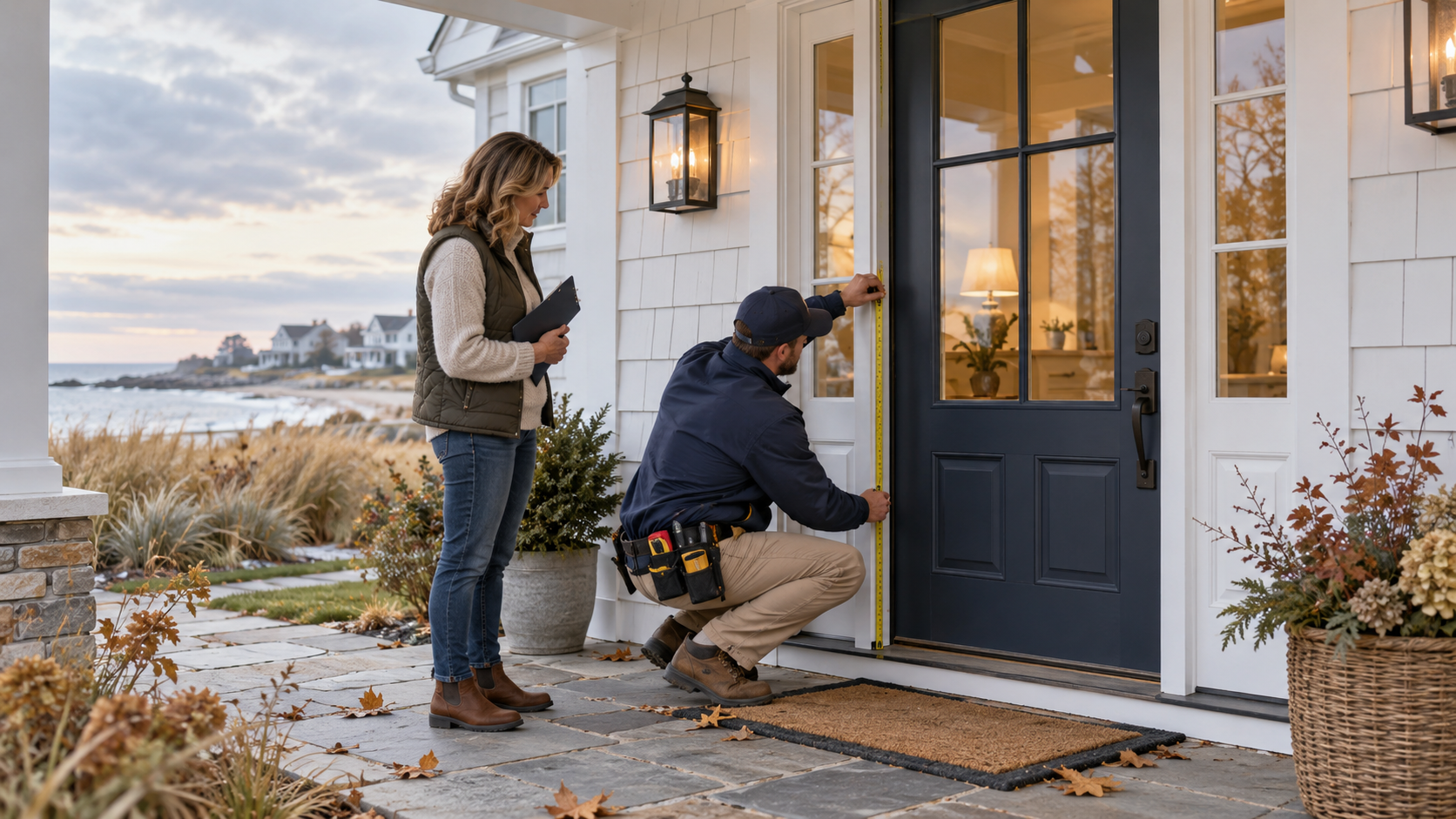
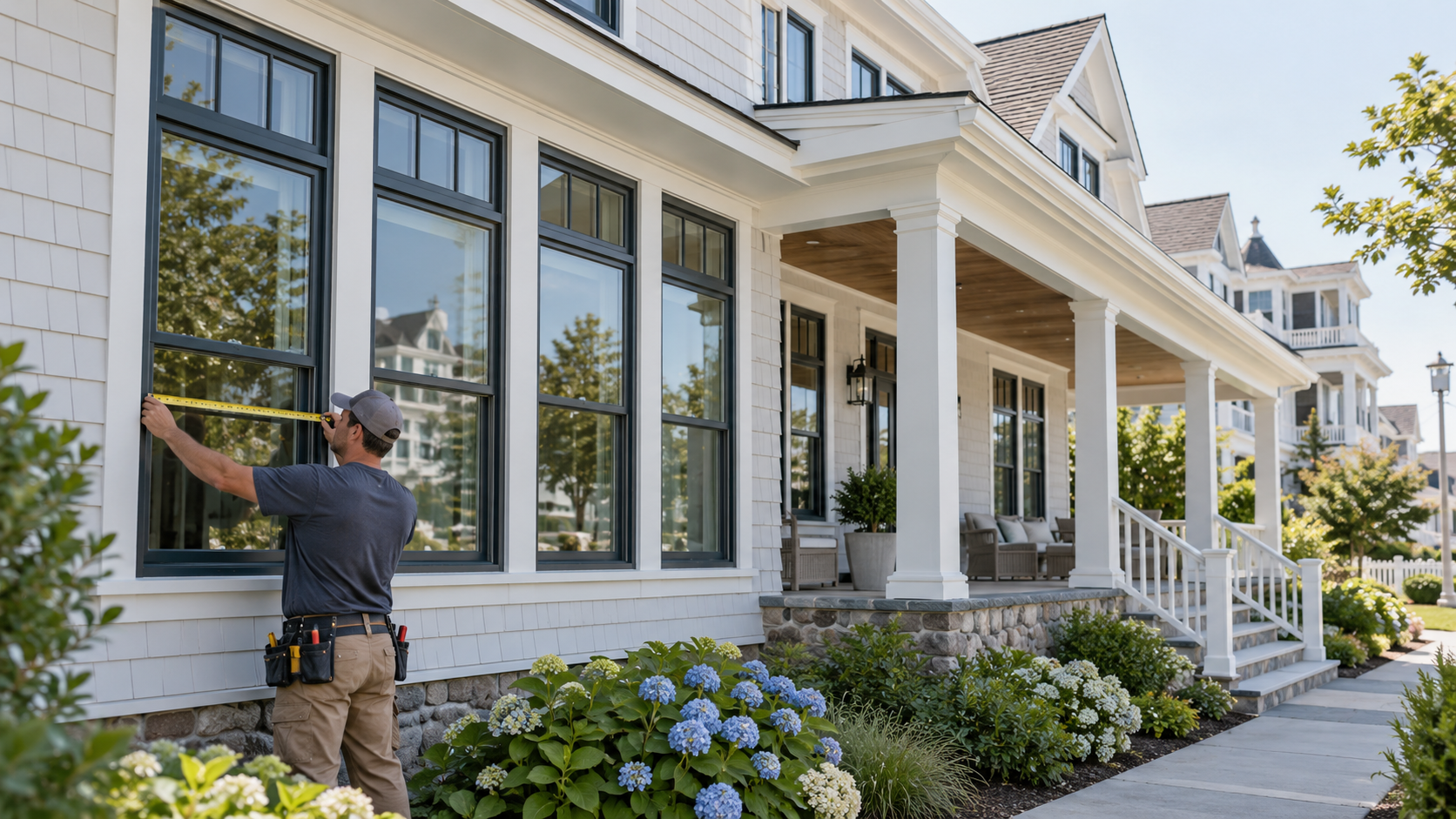
Getting exact measurements is the most critical step of this project. If your replacement glass is even slightly too large, it will not fit. If it is too small, it will leak air and water.
For more information on when to repair or replace, you can consult the U.S. Department of Energy: Update or Replace Windows guide.
Step-by-Step Guide to Measuring for Installing New Glass in Window
To get the most accurate measurements, we recommend removing the window sash from the frame. This allows you to lay it flat on a work table. If you are working on a double-hung window, you can learn more about how the system fits together by reading our guide on Double Hung Window Install.
Follow these steps to measure:
- Measure the width: Measure the opening inside the frame where the glass sits. Take three measurements: one at the top, one at the middle, and one at the bottom. Use the smallest measurement.
- Measure the height: Measure from the top inside edge to the bottom inside edge. Take three measurements: left, center, and right. Use the smallest measurement.
- Subtract for expansion: Subtract 1/16 inch to 1/8 inch from both your final width and height measurements. This provides clearance for the glass to expand and contract as temperatures change along the Jersey Shore.
- Measure the thickness: If you have a single pane, measure the glass thickness (usually 3/32 inch or 1/8 inch). If you are replacing an IGU, you must measure the overall thickness of the entire double-pane unit. This includes both sheets of glass and the spacer between them. Common IGU thicknesses are 1/2 inch, 5/8 inch, or 3/4 inch.
Specifying Coatings, Spacers, and Gas Fills
When you order your replacement glass from a local supplier, you will need to specify a few key options to match your existing windows:
- Low-E Coatings: Low-Emissivity (Low-E) coatings reflect infrared and ultraviolet light. This keeps your home cooler in the summer and warmer in the winter. You can identify if your current glass has a Low-E coating by holding a flashlight up to it. If the reflection has a slight green or blue tint, it likely has a coating.
- Spacers: Note the color and material of the spacer between the panes (usually silver or black aluminum).
- Gas Fill: Specify if the unit should be filled with argon gas. Argon is denser than air and significantly improves the thermal performance of energy-efficient windows.
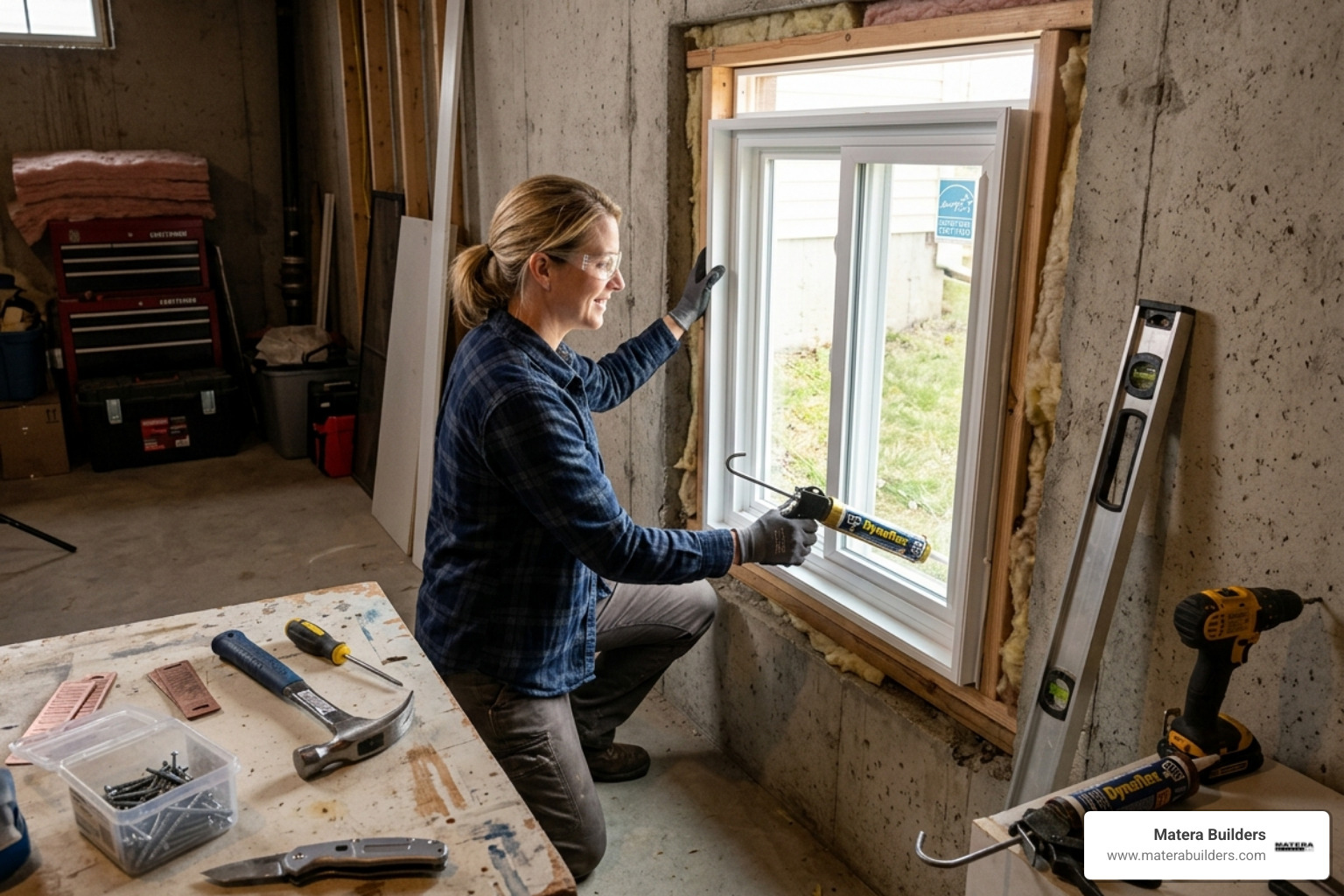
Step-by-Step Guide to Installing New Glass in Window
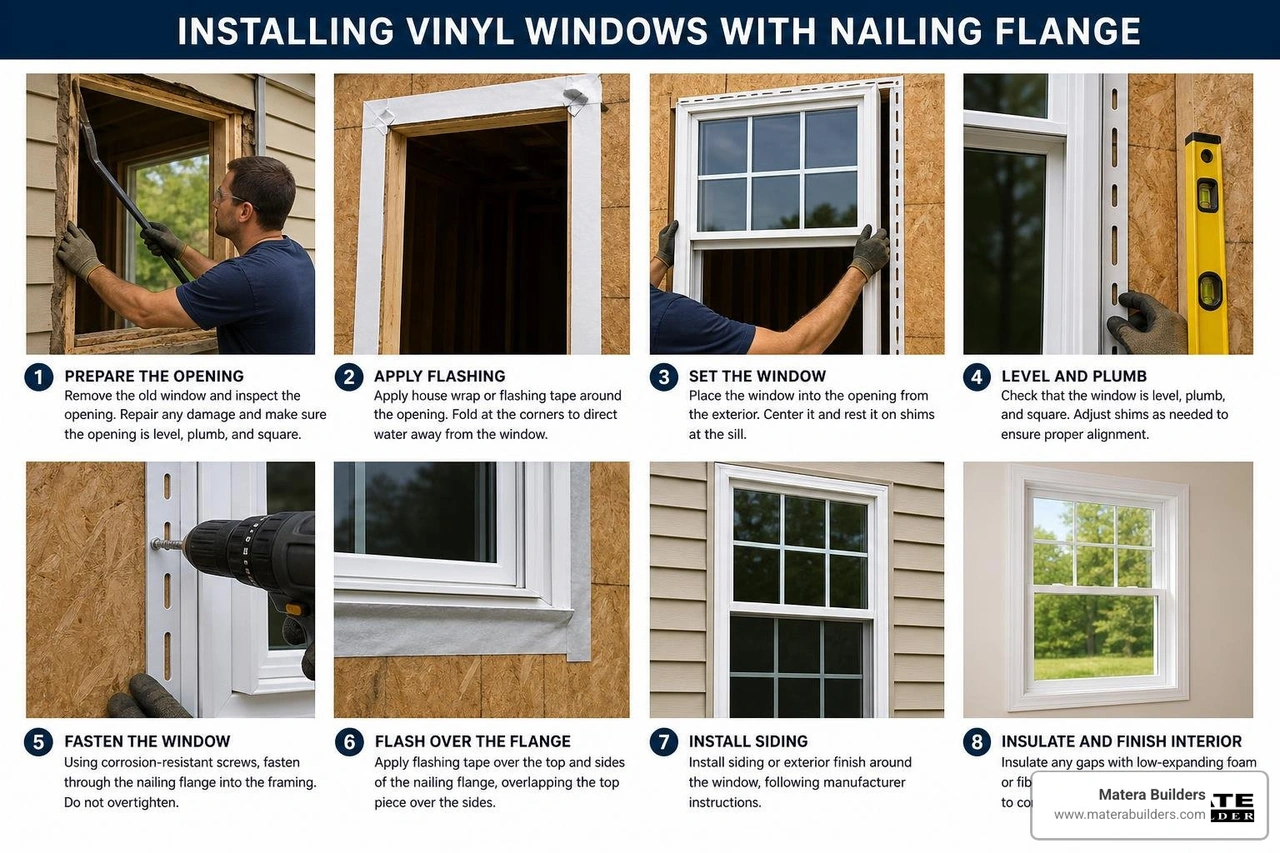
Once your new glass arrives, it is time to begin the installation. If you are unfamiliar with the structure of window frames, you may also want to read about Fitting New Windows to understand how sashes secure into a wall.
Tools and Materials Needed for DIY Glass Replacement
Make sure you have all your tools gathered before you start. Working with glass requires proper safety gear to prevent injuries.
- Cut-resistant work gloves
- Safety glasses or goggles
- Heavy-duty painter's tape
- Putty knife or 5-in-1 tool
- Razor scraper or utility knife
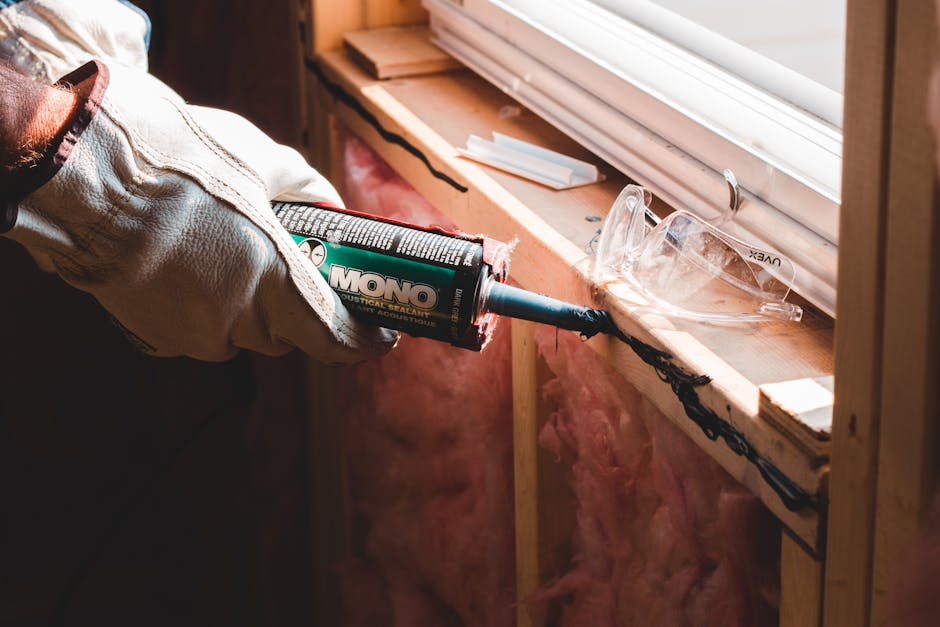
- High-quality window silicone sealant
- Suction cups (highly recommended for larger IGUs)
- Glazing points (for wood frames) or replacement glazing beads (for vinyl/aluminum)
- Heat gun (optional, for softening old wood putty)
Removing Old Glass and Glazing from Wood, Vinyl, and Aluminum Frames
The removal process depends entirely on what your window frames are made of:
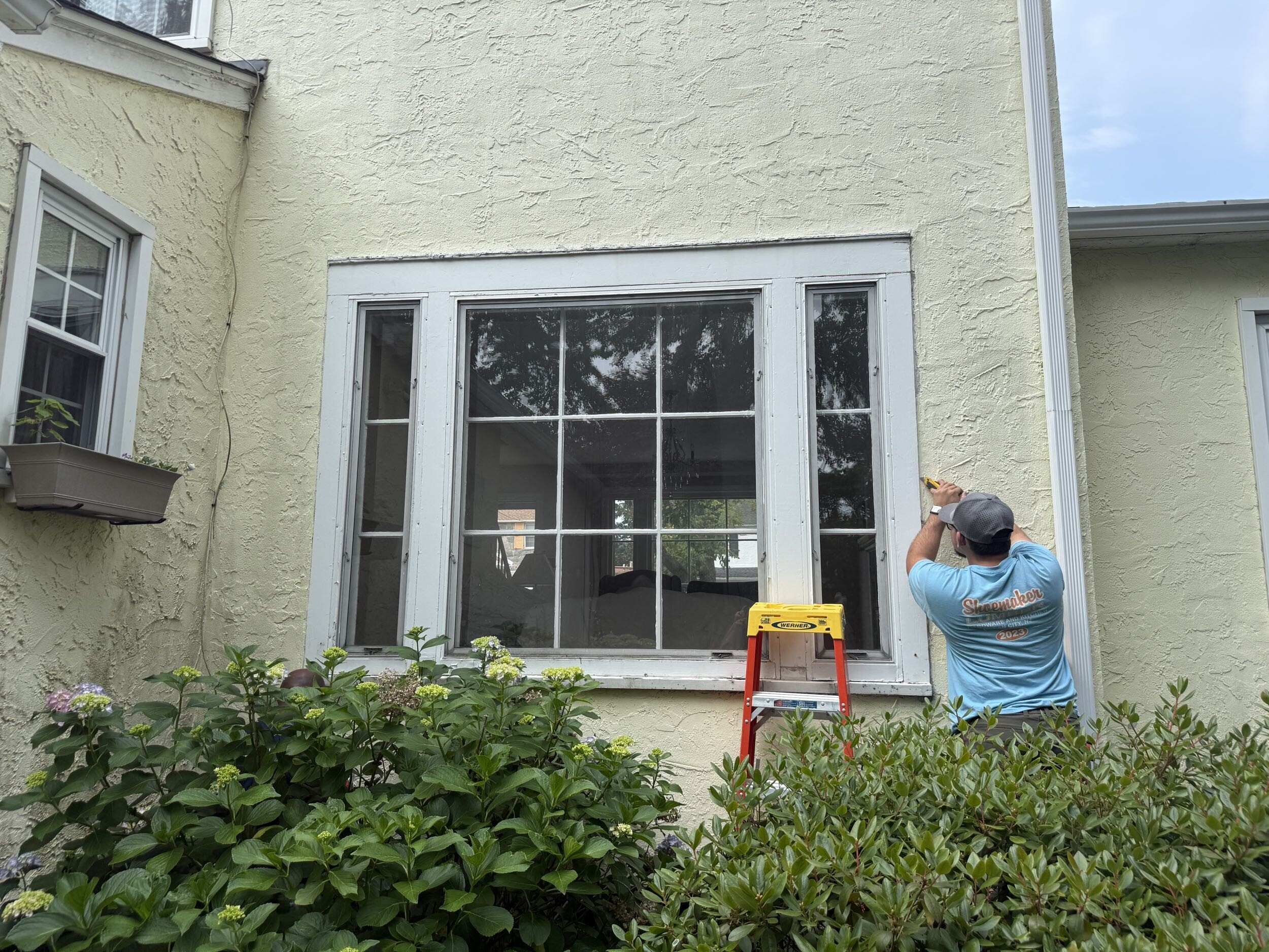
- Wood Frames: Apply painter's tape in an "X" shape across the broken glass to keep it from shattering further. Carefully remove the broken shards while wearing heavy gloves. Use a putty knife or a heat gun to soften and scrape away the old, hardened glazing compound. Be careful not to scorch the wood. Remove the old metal glazing points. Sand the frame channel smooth and wipe it clean.
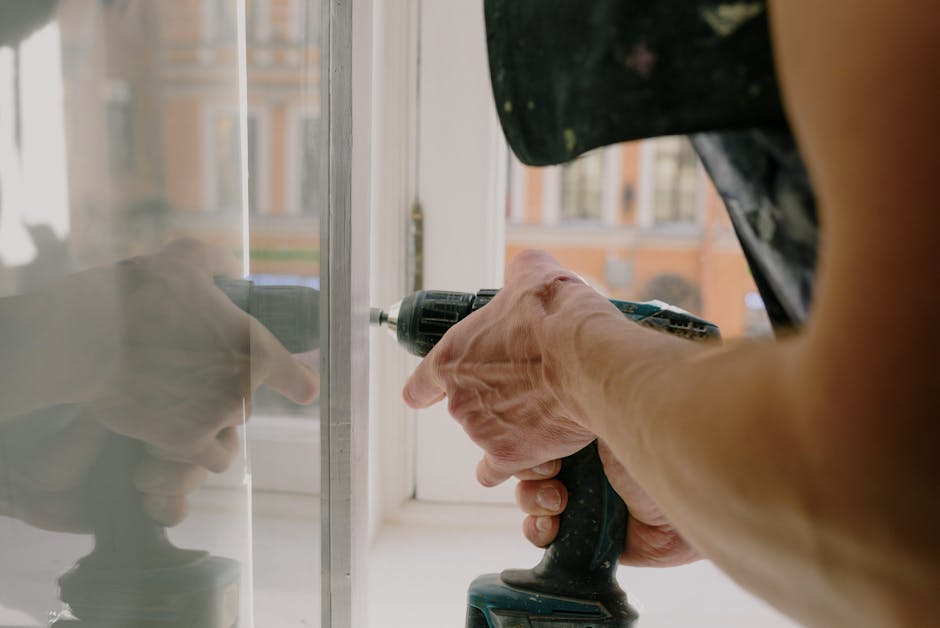
- Vinyl Frames: Vinyl windows use snap-in plastic glazing strips (also called glazing beads) to hold the IGU in place. Insert a stiff putty knife into the seam between the bead and the frame. Gently pry the bead out. Start in the middle of the strip and work your way to the corners. Once the beads are removed, cut through the silicone adhesive backing behind the glass with a utility knife to release the unit.
- Aluminum Frames: Similar to vinyl, aluminum frames often use vinyl or rubber glazing stops. Pry these stops out carefully. If the stops are dry and brittle from salt air exposure, you may need to order replacement stops along with your glass.
After removing the old glass, you must clean the frame channel thoroughly. Use a scraper to remove all traces of old silicone, putty, or tape. Wipe the channel down with isopropyl alcohol to ensure the new sealant adheres properly. If you want to see how this fits into the broader picture of window maintenance, check out our guide on Fitting New Windows.
Installing New Glass in Window Frames Safely
- Dry Fit the Glass: Before applying any adhesive, place the new glass pane or IGU into the frame. Ensure it fits comfortably with a small gap around all edges. If it is too tight, do not force it, as the pressure can crack the glass.
- Apply Silicone Bedding: Remove the glass. Apply a continuous 1/4-inch bead of high-quality exterior silicone sealant along the inner lip of the frame channel.
- Set the Glass: Carefully lower the new glass into the frame. If you are installing a heavy IGU, use suction cups to maintain control. Press the glass gently but firmly into the silicone bead until it is fully seated.
- Secure the Pane:
- For wood frames, tap new metal glazing points into the frame every 4 to 6 inches using the flat edge of a putty knife. Apply new glazing putty over the points, smoothing it at an angle to shed water.
- For vinyl and aluminum frames, snap the plastic or rubber glazing beads back into their channels. You should hear them click securely into place.
- Clean and Cure: Wipe away any excess silicone that squeezed out during installation. Allow the sealant or glazing compound to cure completely. Putty can take up to seven days to fully dry, while silicone typically cures within 24 hours. Keep the window closed and still during this time.
DIY Glass Replacement vs. Hiring a Professional
Replacing window glass yourself can save you money, but it is not always the best choice for every homeowner or every window. Below is a comparison to help you decide.
Factor DIY Glass Replacement Professional Installation Average Cost$48 – $75 (Single IGU)$600 – $1,200 (Double-Pane)Time Investment2 – 4 hours per window1 – 2 hours (handled by crew)Difficulty Level Moderate to High Low (for homeowner)Tools Required Specialty tools needed None Warranty None on installation Typically covered by labor warranty Risk of Glass Breakage High None (covered by contractor)
To understand the full financial picture, read our detailed breakdowns on the average cost to replace a window pane and the overall cost to put in a new window.
Cost Breakdown of DIY vs. Professional Window Repair
If you choose the DIY route, your primary costs are the replacement glass itself and any tools you do not already own. A standard double-pane IGU often costs under $100 from a local supplier.
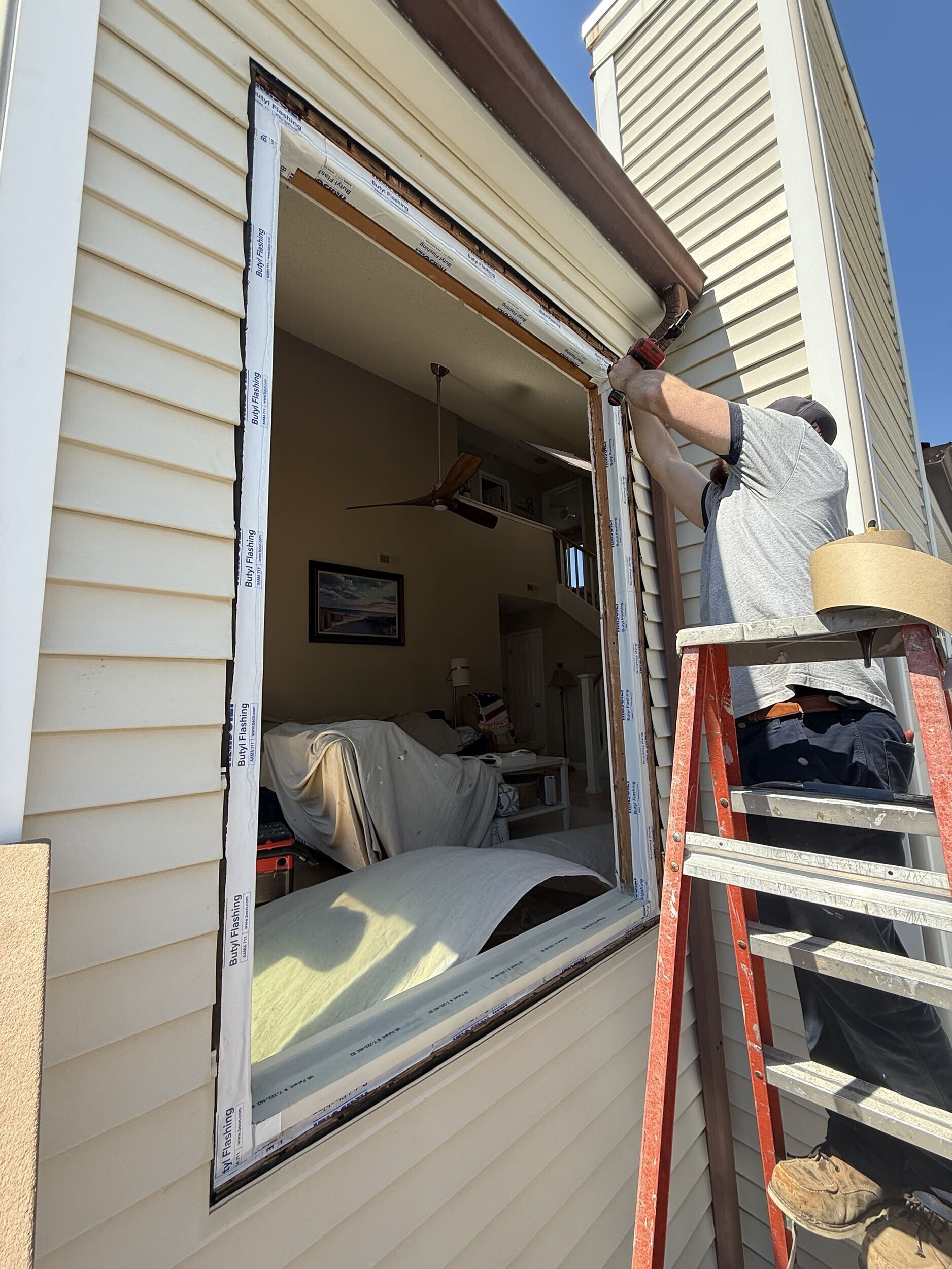
When you hire Professional Window Installers NJ, you are paying for labor, trip fees, cleanup, and peace of mind. While the upfront cost is higher, professionals carry insurance. If they break the glass during installation, they replace it at no cost to you.
Why Coastal Homes Benefit from Professional Window Replacement
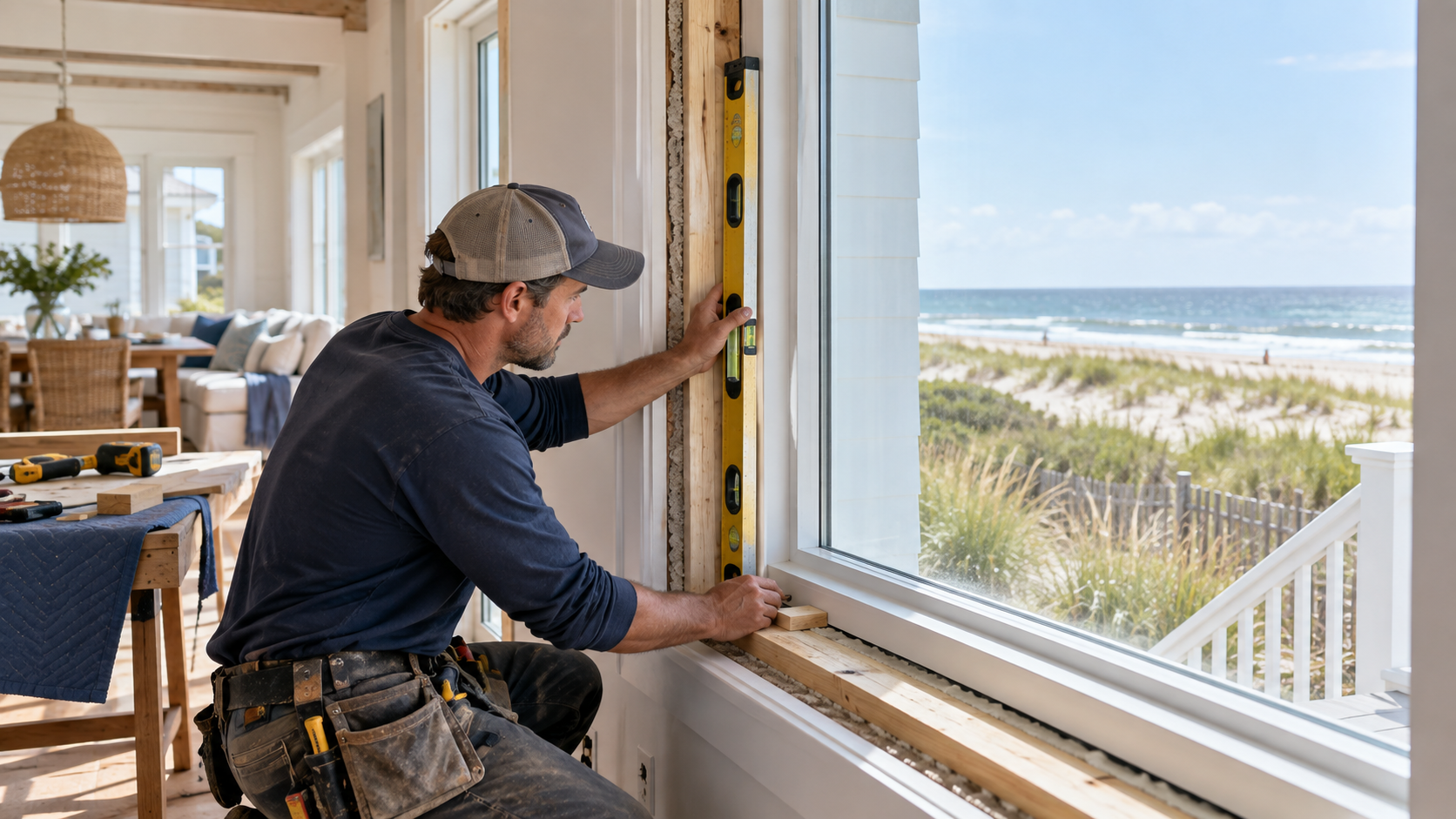
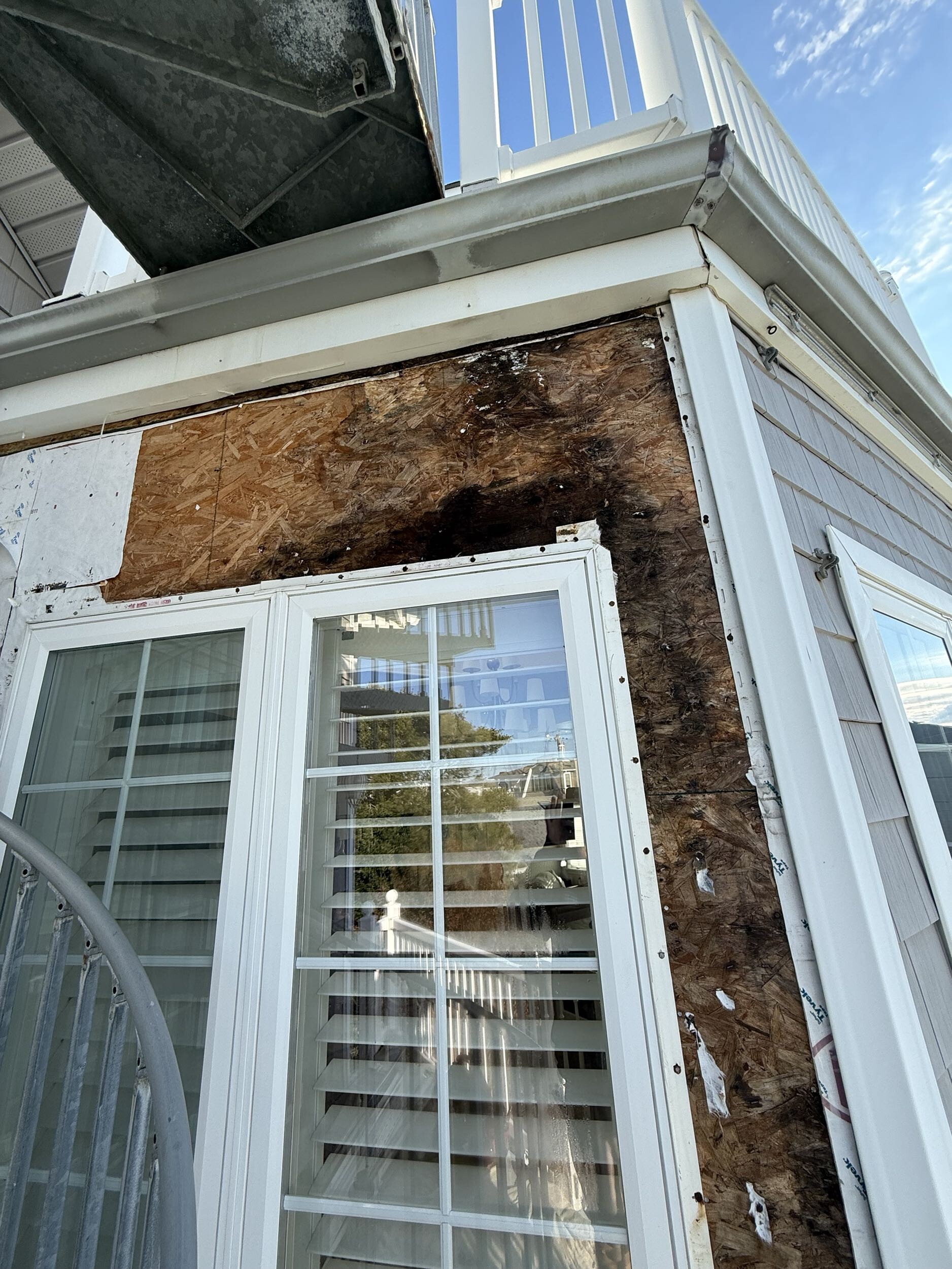
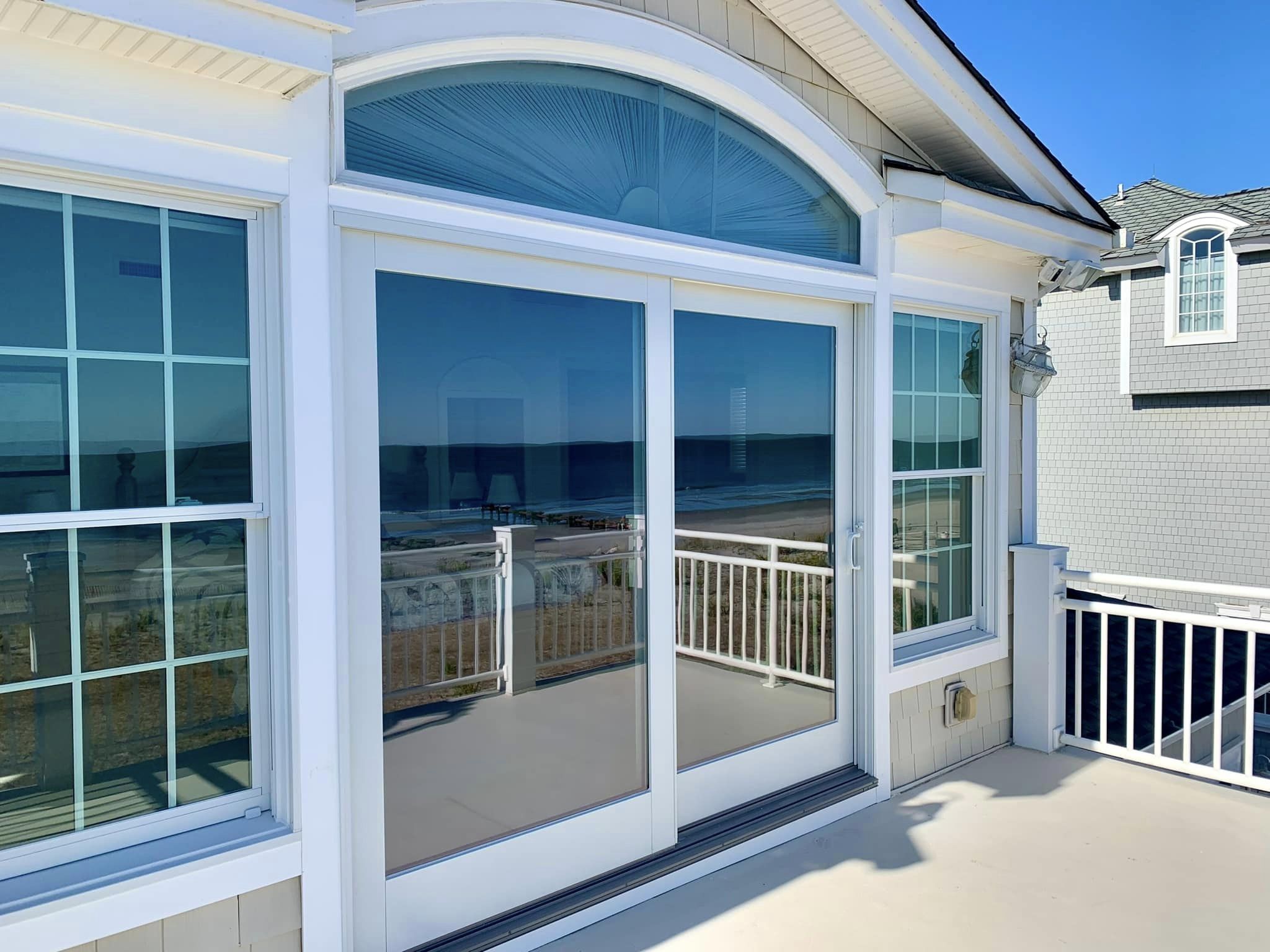
In coastal areas like Ocean City NJ, windows face extreme conditions. High winds, heavy rain, and corrosive salt air will quickly expose any mistakes made during a DIY installation. A poorly sealed window will allow moisture to bypass the frame, leading to hidden wood rot inside your walls.
Furthermore, many modern high-performance windows use advanced engineered materials. Andersen's wood-clad and composite product lines, for example, combine the warmth of wood interiors with exteriors built to resist salt air and moisture. Working with these materials requires specialized training.
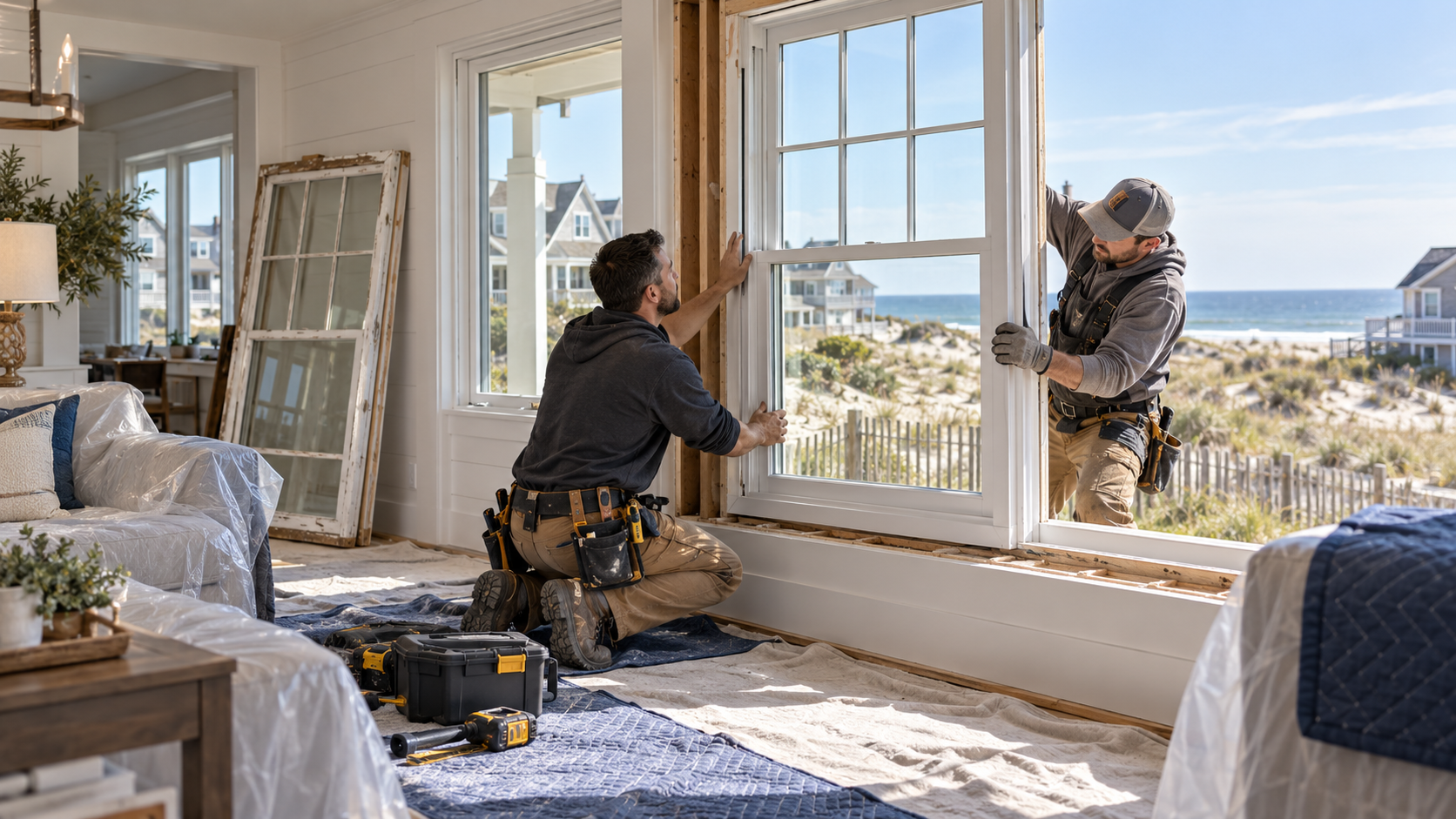
Hiring a certified window replacement contractor ensures your new windows are installed to withstand coastal storms while keeping your home airtight.
Frequently Asked Questions About Window Glass Replacement
Can you replace just one pane of a double-pane window?
No. You cannot replace only one pane of an IGU. Double-pane windows are manufactured as a single, sealed unit. The space between the panes is filled with insulating gas and sealed at the factory.
If one pane breaks, the seal is destroyed, and the insulating gas escapes. Trying to cut and replace just one pane is impossible for a DIYer and is not offered by professional glass shops. You must replace the entire IGU.
How long does it take for window glazing compound to dry?
Traditional oil-based glazing putty used on wood windows takes a long time to cure. It can take anywhere from 7 to 14 days to dry enough for painting, depending on the temperature and humidity.
Do not paint the putty until a thin skin has formed over the surface. If you use modern acrylic latex glazing compounds, they can often be painted within 24 hours.
Will DIY glass replacement void my window warranty?
Yes, in many cases. Most major window manufacturers, including Andersen, offer extensive warranties on their glass and frames. However, these warranties often require that any repairs or replacements be performed by certified installers.
If you install the glass yourself and the seal fails a year later, the manufacturer may refuse to cover the replacement cost.
Conclusion
Installing new glass in a window is a great way to save money and improve your home's comfort, but coastal homes require extra care. Salt spray, high humidity, and coastal winds will quickly find any gaps in a DIY repair.
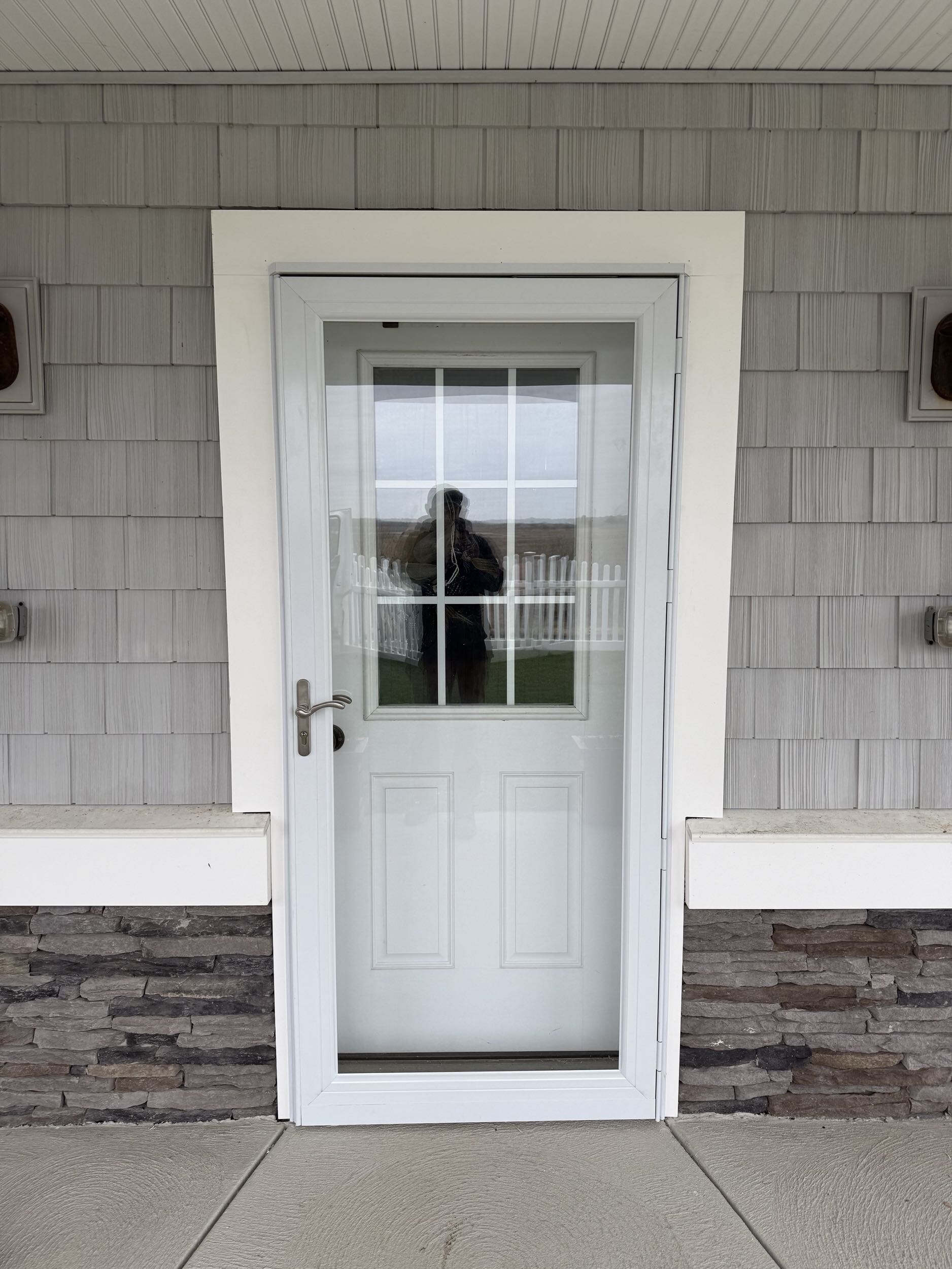
If you are dealing with drafty, fogged, or damaged windows on the Jersey Shore, let the experts handle it. At Matera Builders, Mike Werner and our team of certified installers specialize in premium installations. We are proud to offer Andersen Windows installation and Andersen Doors replacement services designed to stand up to the toughest coastal weather.
Skip the stress of handling broken glass and ensuring a perfect seal. Schedule a professional window assessment with Matera Builders today to protect your home for years to come.







.jpg)

.jpg)