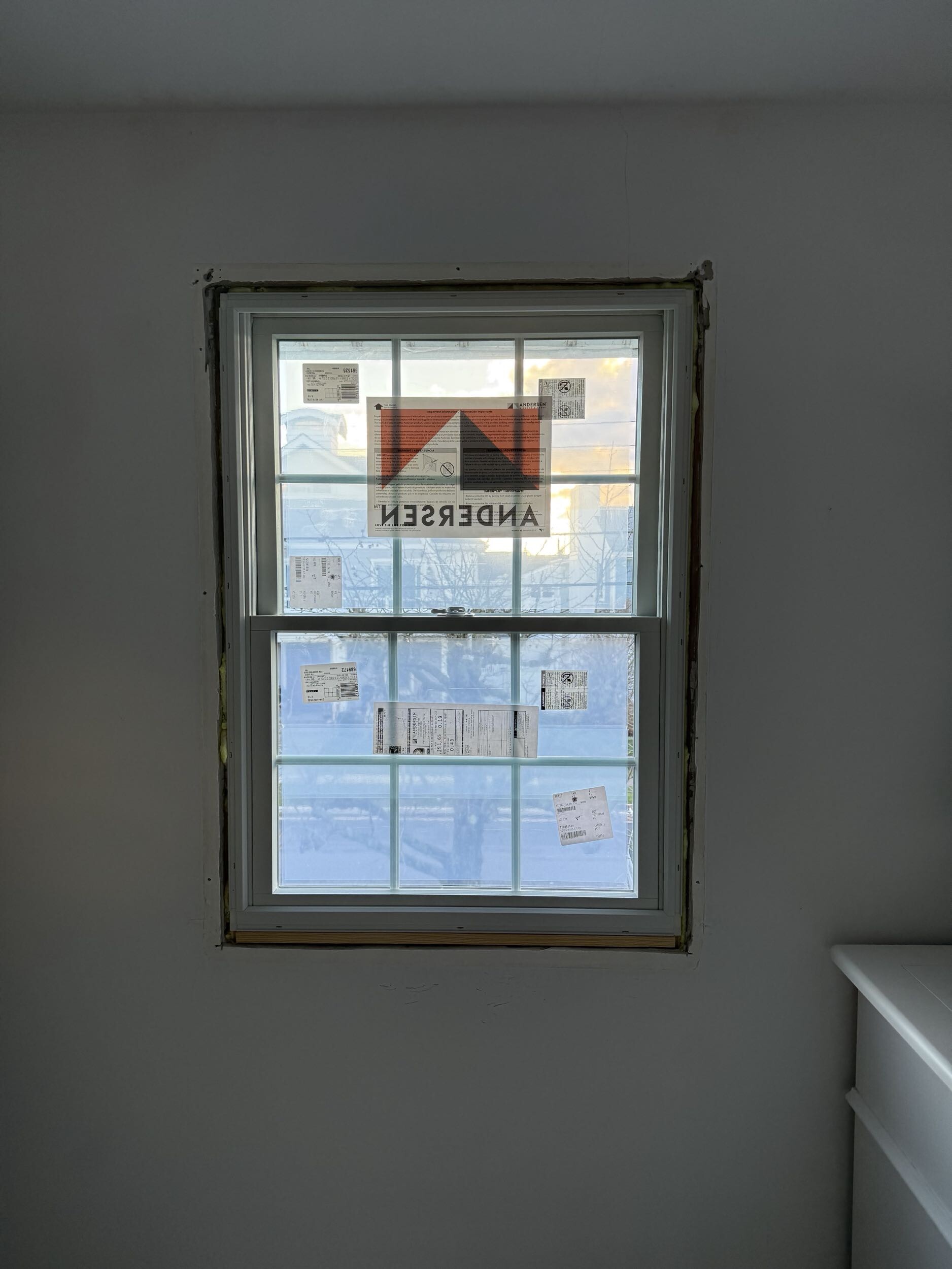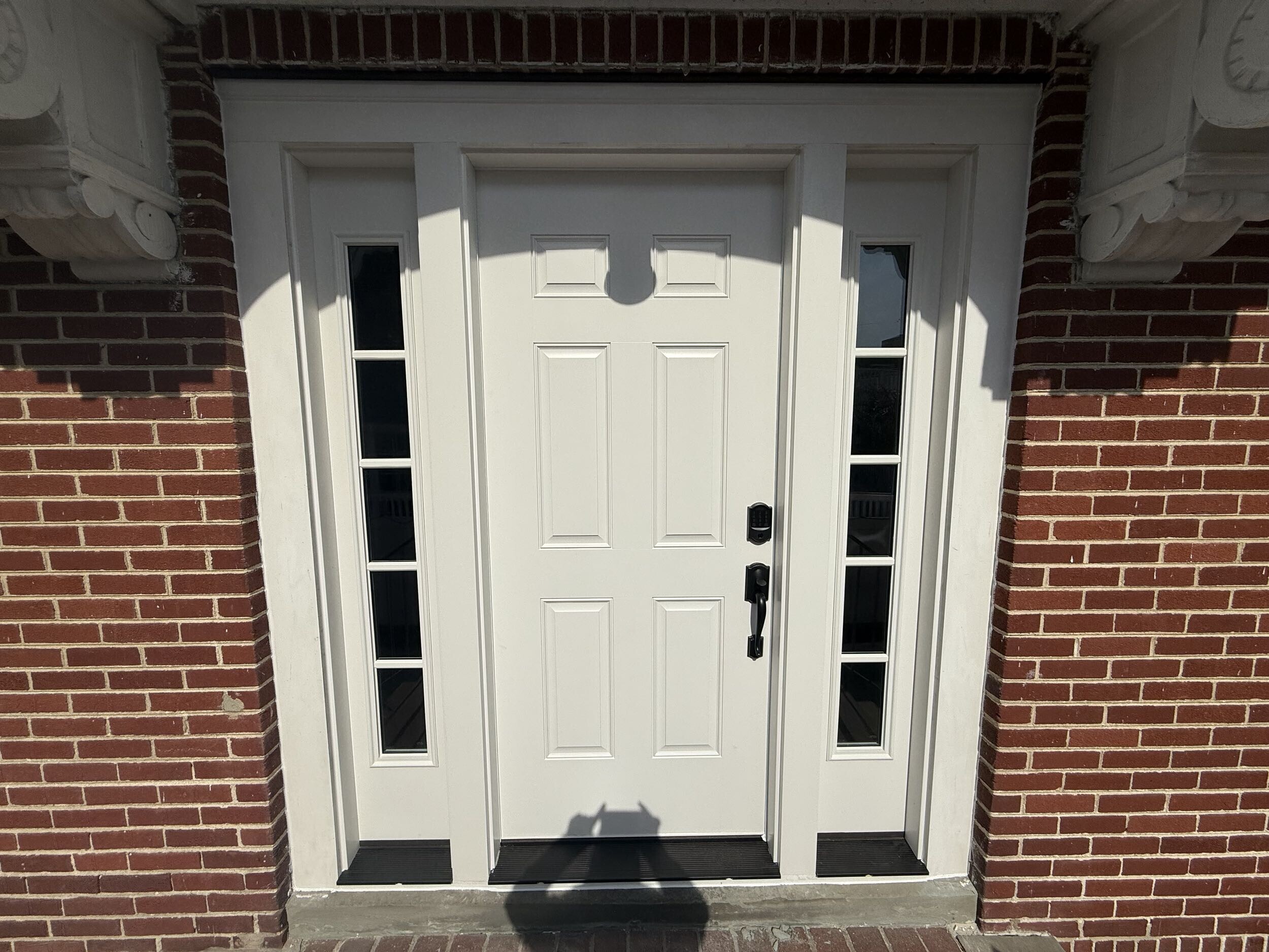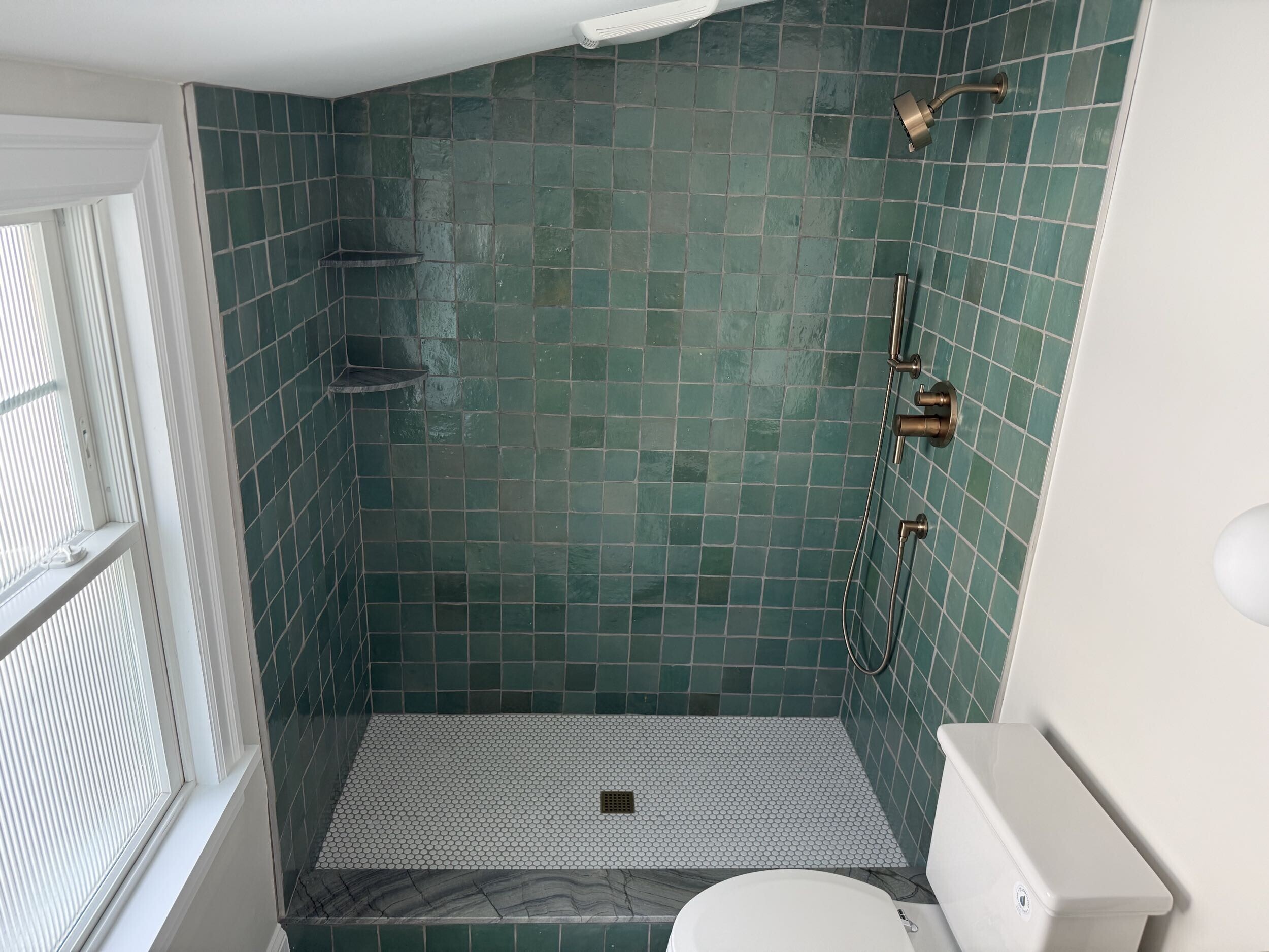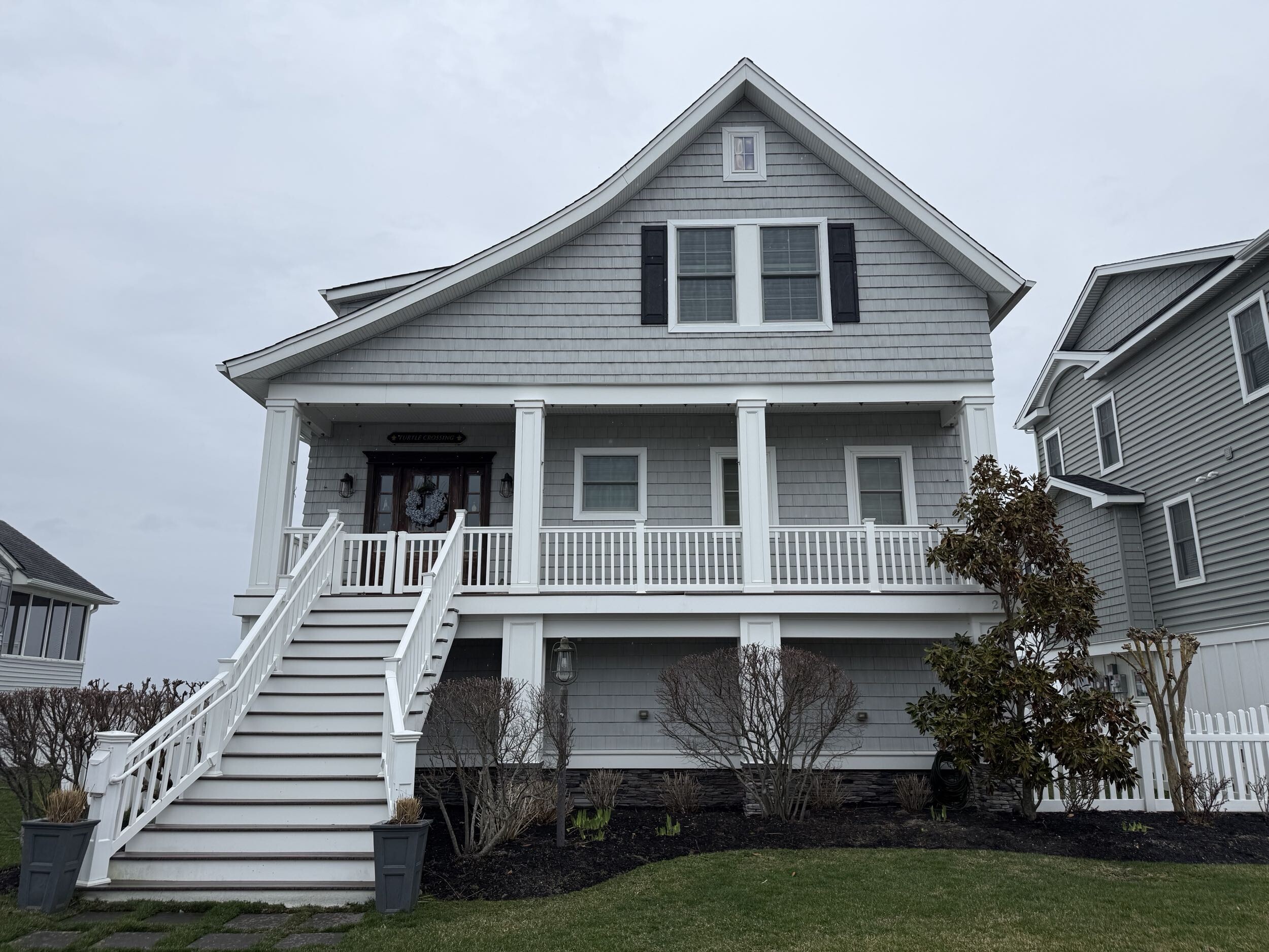



Why Getting Replacement Windows Installed Right Makes All the Difference
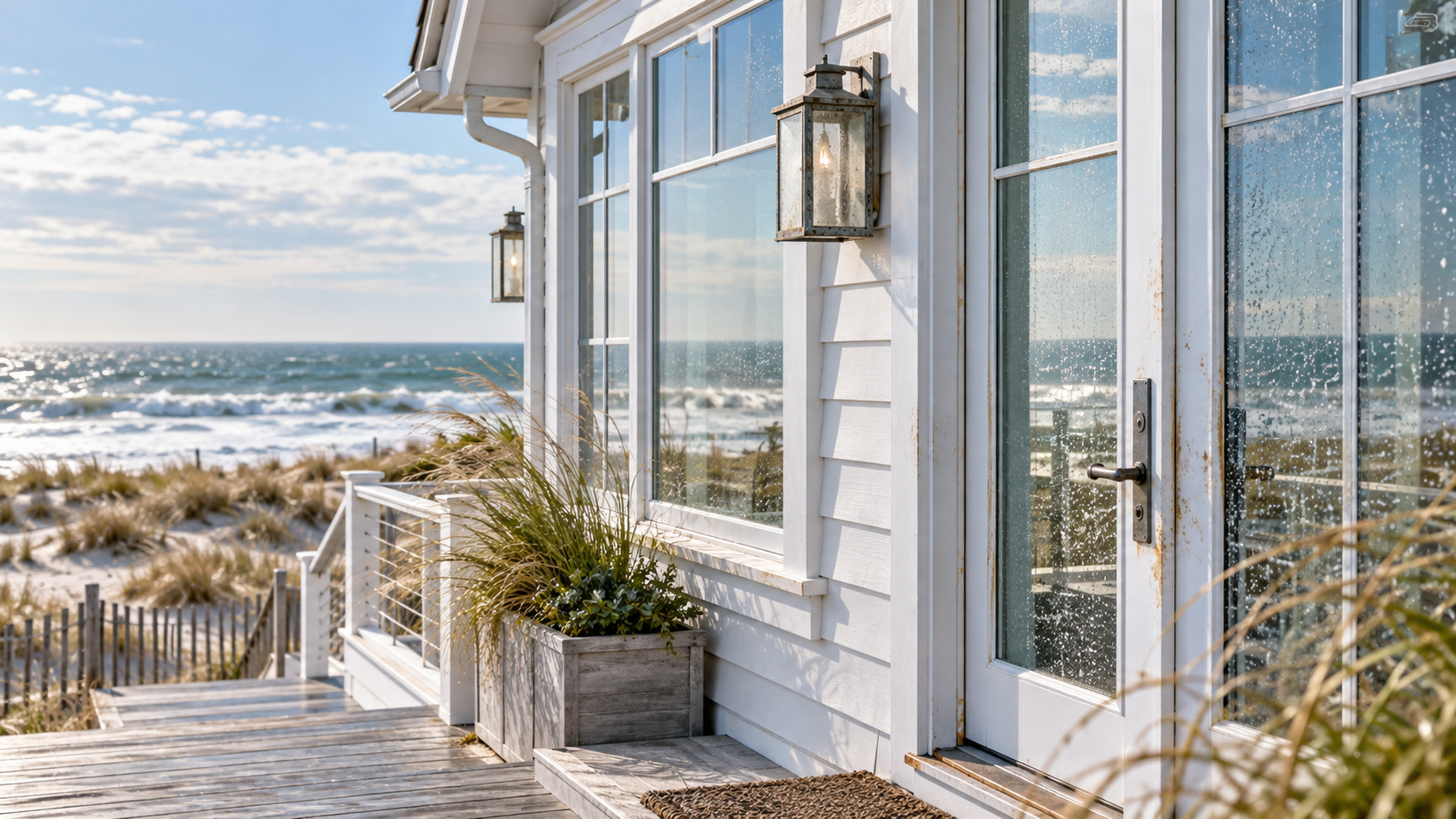
Replacement windows installed correctly can cut your heating and cooling costs by up to 15% and protect your home from drafts, water intrusion, and the kind of salt air damage that accelerates wear on the Jersey Shore.
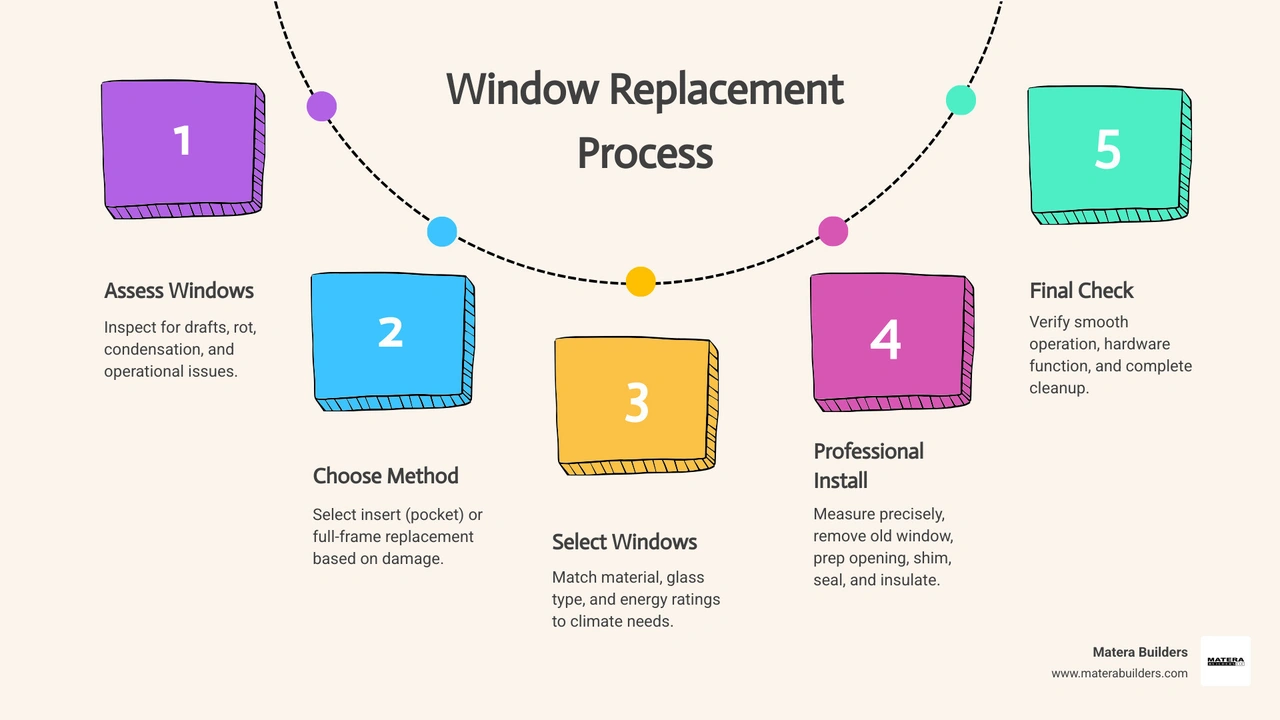
Here is a quick overview of what the installation process involves:
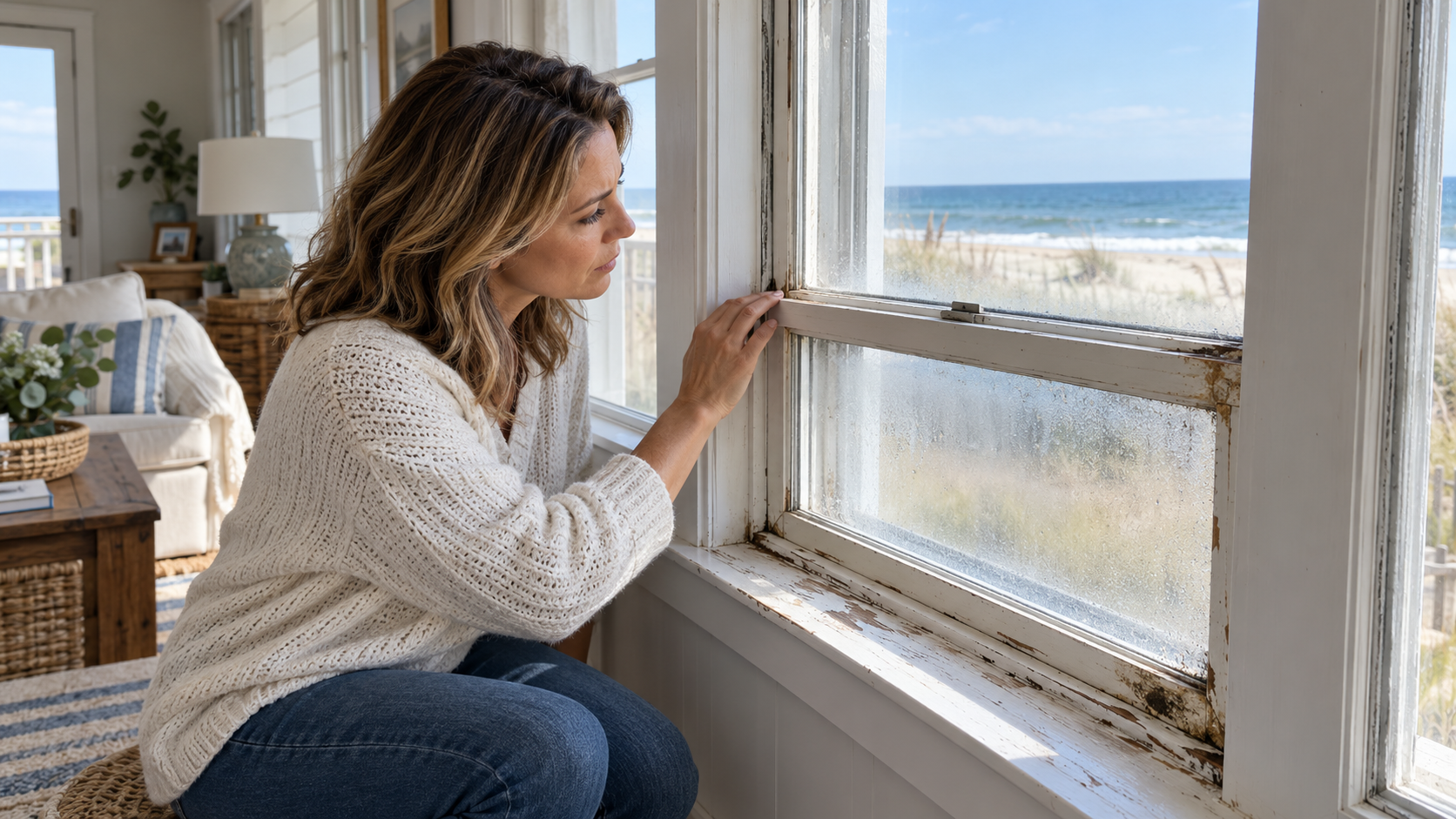
- Assess your windows - Look for drafts, rot, condensation between panes, or difficulty opening and closing
- Choose your installation method - Insert (pocket) replacement or full-frame replacement
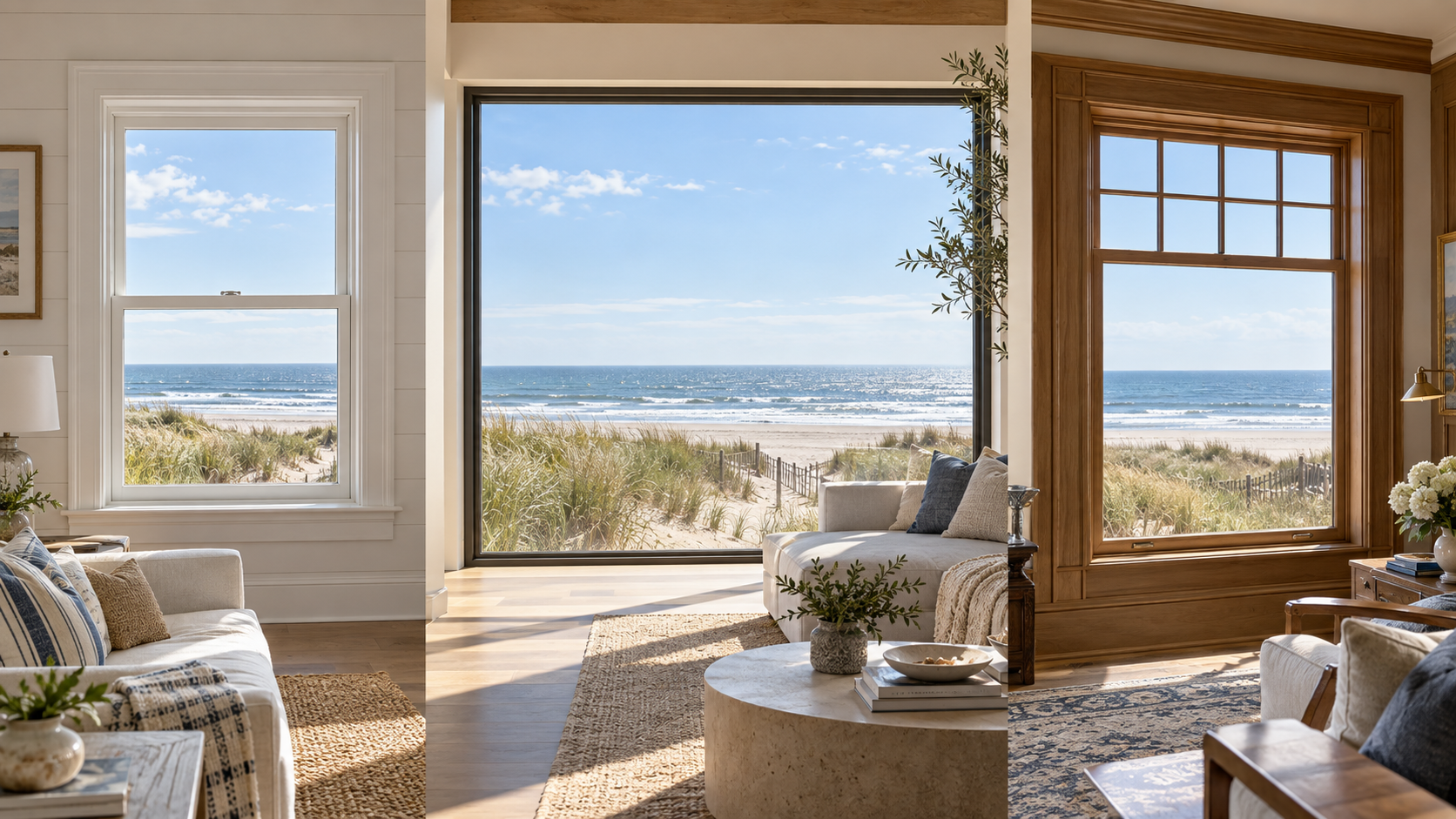
- Select your window - Match material, glass type, and energy ratings to your climate
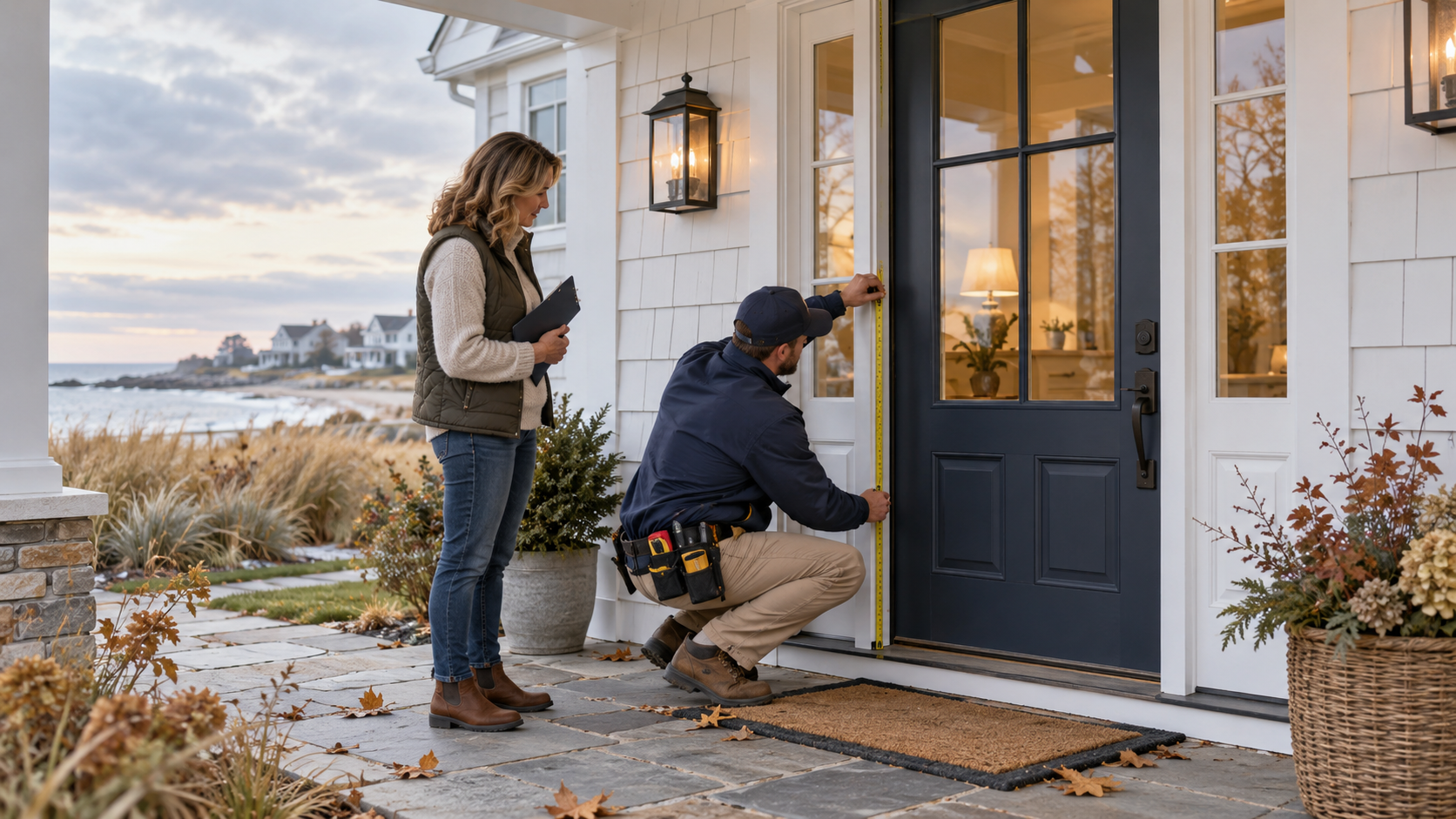
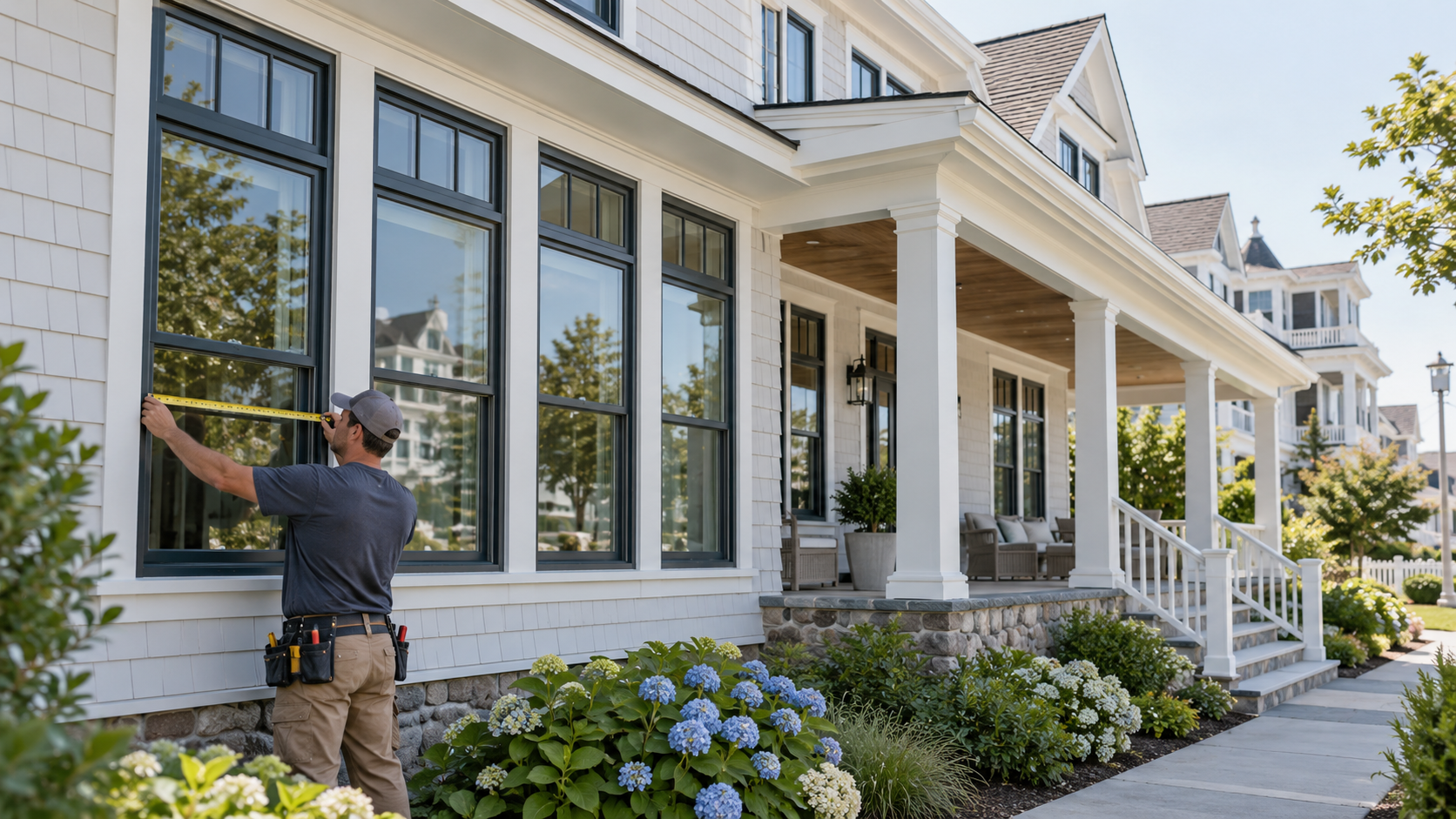
- Professional installation - Measure, remove old window, prep the opening, shim, seal, insulate, and trim
- Final walkthrough - Verify operation, hardware, and cleanup before the crew leaves
Windows account for 25% to 30% of your home's heating and cooling energy loss. That number gets worse when frames are rotting, seals are broken, or salt air has corroded the hardware. In coastal markets like New Jersey, the stakes are higher than most homeowners realize.
A poorly installed window is not just an energy problem. It is a water problem, a structural problem, and eventually a very expensive problem.
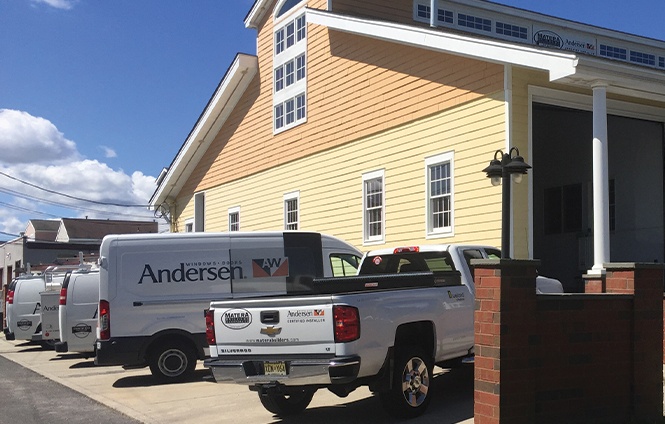
I'm Mike Werner, CEO of Matera Builders, a premium exterior renovation contractor serving the Jersey Shore since 1988, with deep experience managing replacement window installations in coastal and high-humidity markets.
Replacement windows installed helpful reading:
- energy efficient windows nj
- how to replace mobile home windows with vinyl siding
- installing a new construction window in an existing home
When to Get Replacement Windows Installed
Knowing exactly when to invest in new windows can save you thousands in avoided structural repairs. Many homeowners in Ocean City or the Jersey Shore wait until a pane shatters or the frame literally falls apart. By then, the damage has often spread to the wall studs and insulation.
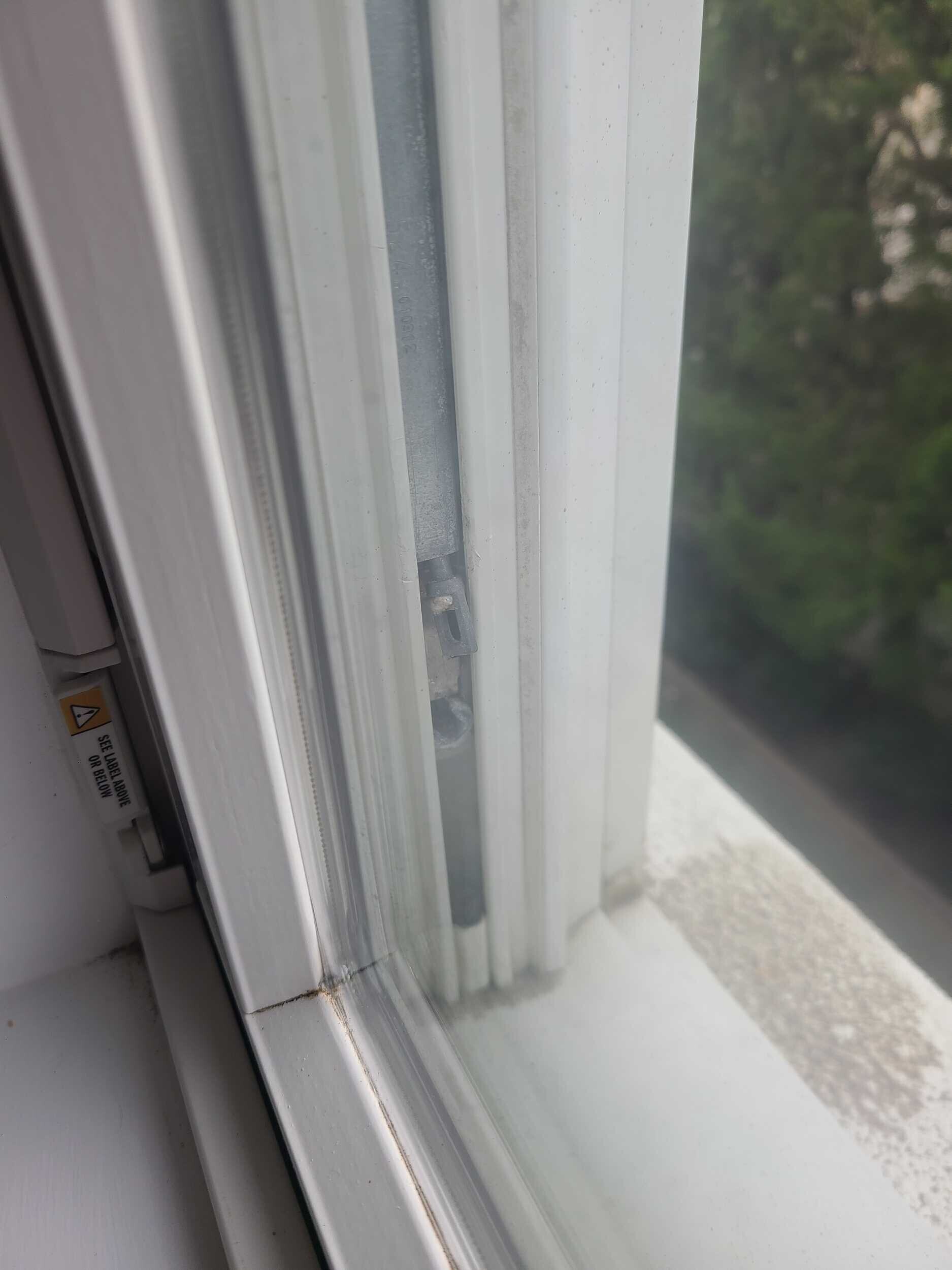
The most common sign is a spike in your energy bills. If your HVAC system is working overtime but the house still feels drafty, your windows are likely the culprit. You can often feel air moving near the edges of the frame on a windy day. Another red flag is condensation trapped between the glass panes. This means the seal has failed, and the insulating gas has escaped. Once that seal is gone, the window is just a piece of glass with no thermal protection.
We also see many homes where the windows are simply stuck. If you have to fight with a window to open it, or if it won't stay up on its own, it is a safety hazard. In an emergency, every second counts. If you are noticing these issues, it is time to look into Window Replacement Services New Jersey.
Signs of Coastal Wear and Tear
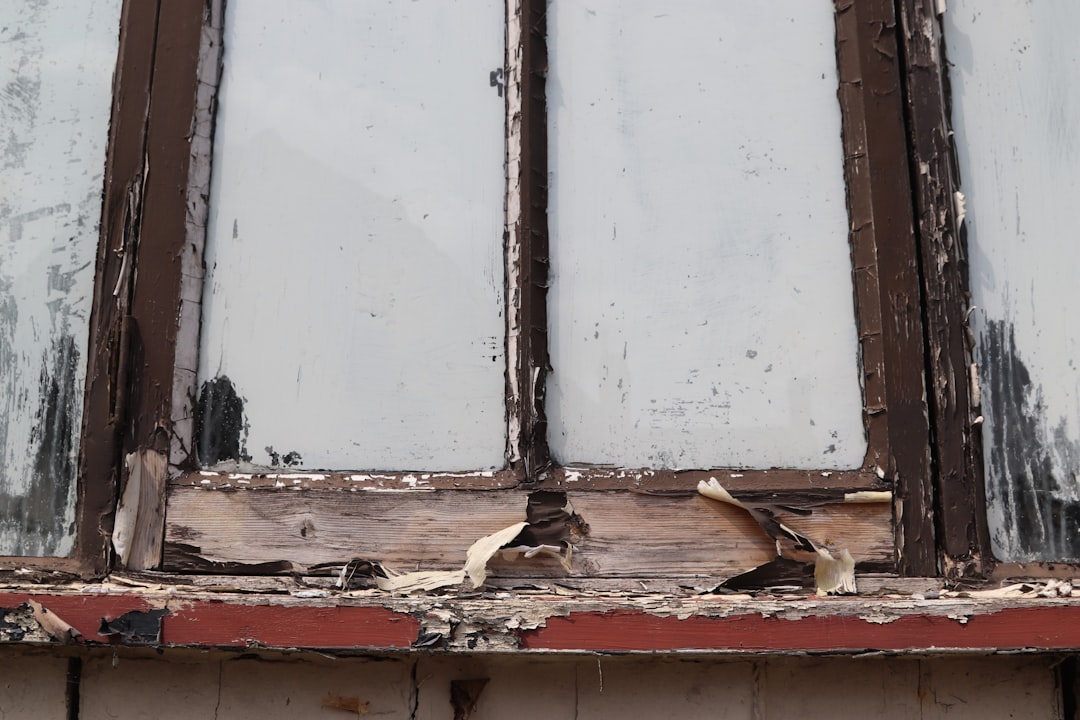
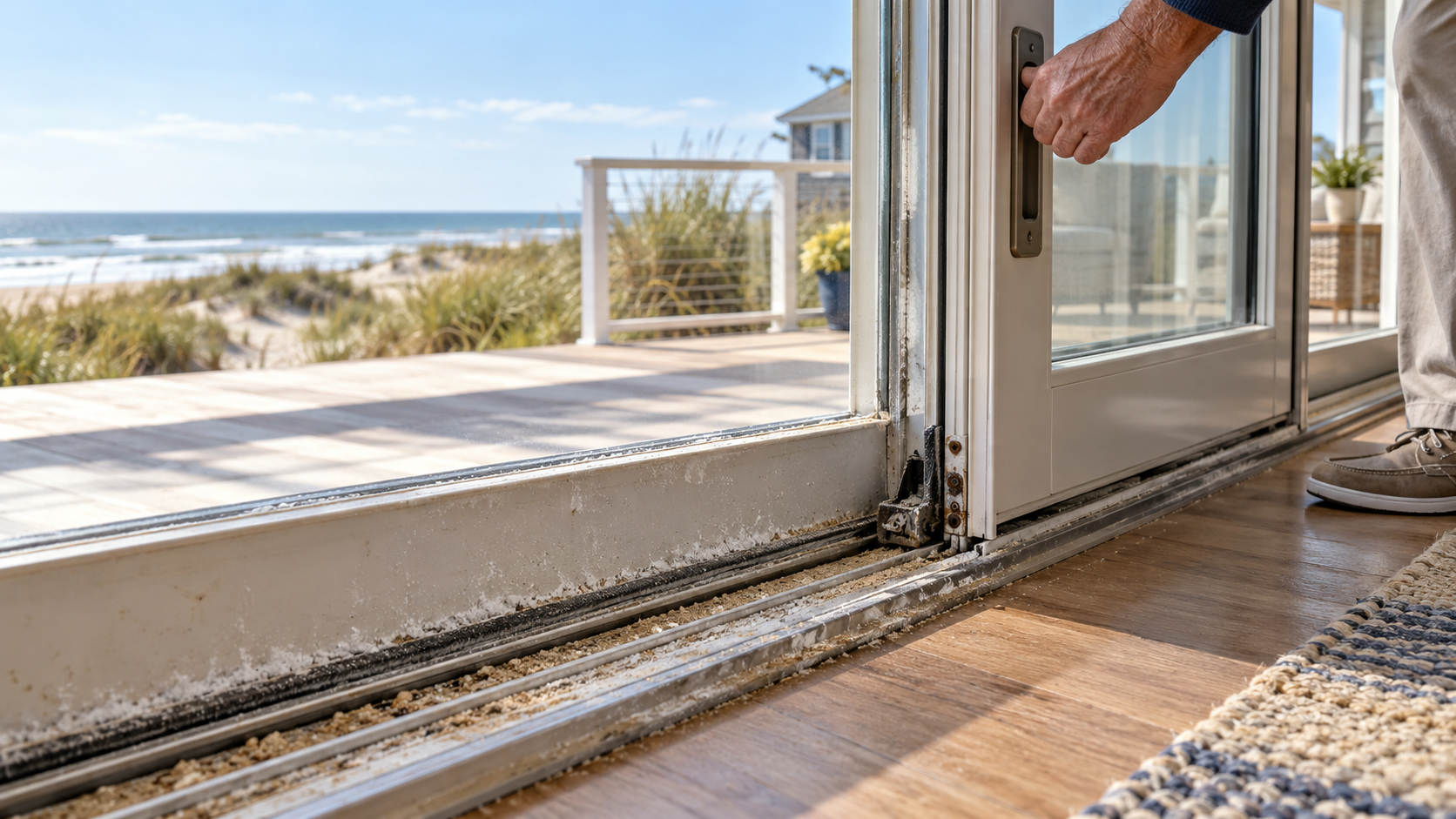
Living near the water in NJ is beautiful, but it is brutal on building materials. Salt air is a natural corrosive. It eats through cheap metal hardware and causes wood frames to swell, warp, and rot much faster than they would inland.
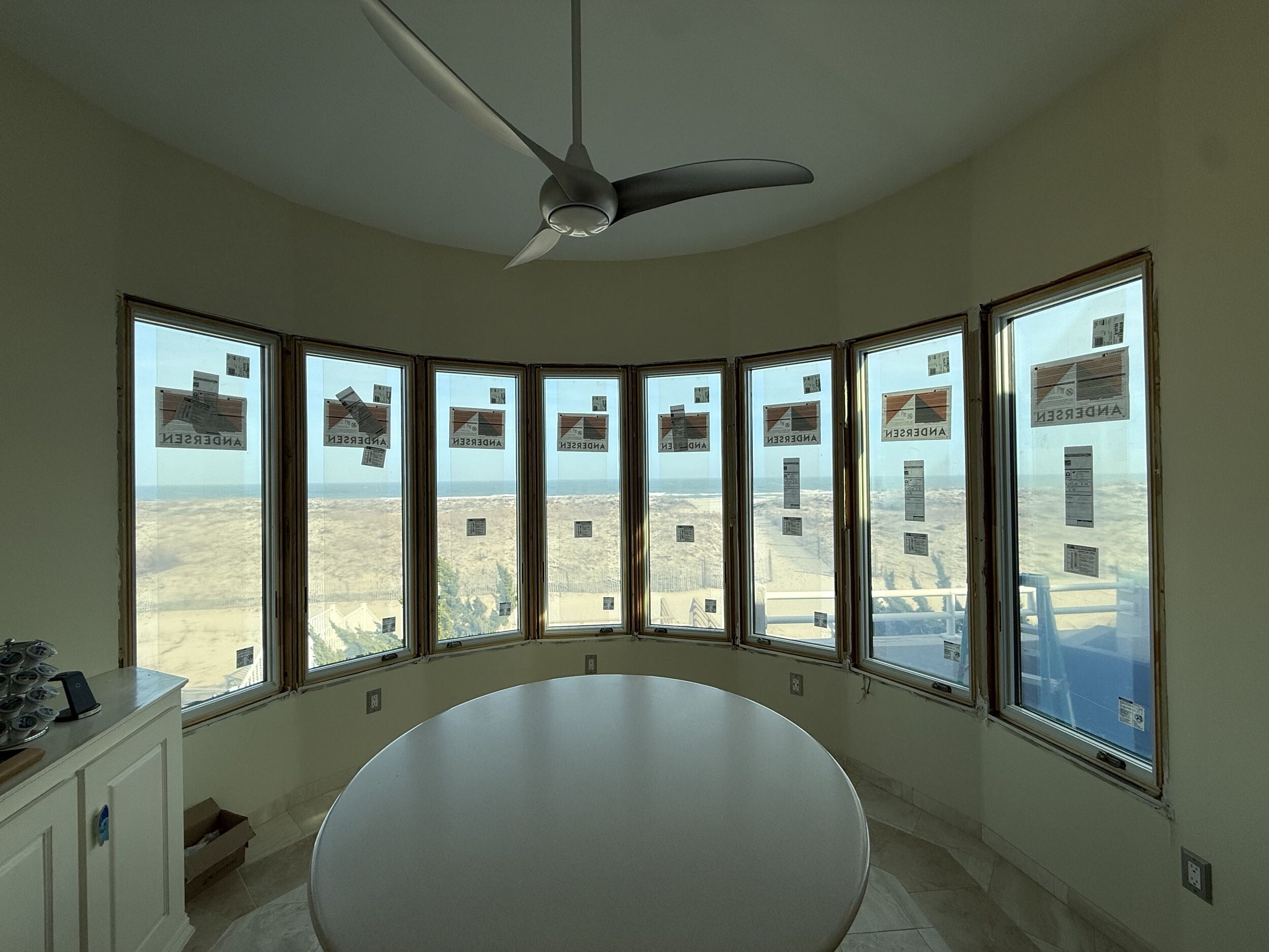
Since 1988, we have seen vinyl windows that have warped under the intense summer sun and salt spray. When the frame warps, the window no longer fits the opening perfectly. This creates gaps that let in humid air and pests. If your hardware looks pitted or rusty, or if the wood feels soft to the touch, you need Energy Efficient Windows NJ designed specifically for coastal durability. High-performance materials like Andersen's Fibrex are built to handle these exact conditions without peeling or corroding.
Safety and Structural Concerns
Beyond energy loss, old windows can be dangerous. If your home was built before 1978, there is a high chance the window trim contains lead-based paint. Disturbing these windows during a DIY project can release toxic dust into your home. Professional installers are trained to handle Complete Window and Frame Replacement | Building America Solution Center safely.
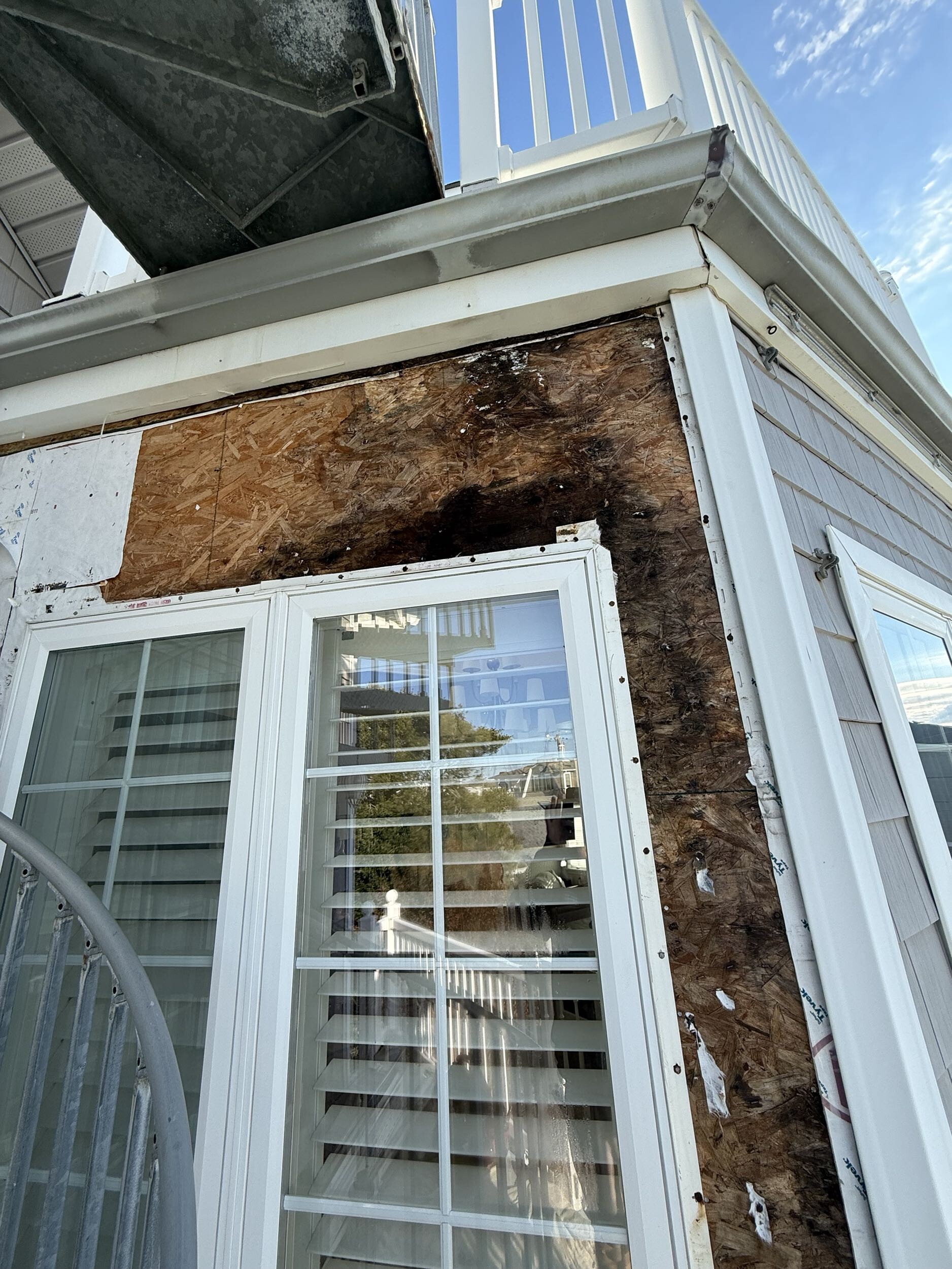
Structural damage is another major concern. If water has been leaking through a window for years, it can rot the "rough opening" (the wooden frame inside your wall). If we find rot during an installation, we don't just cover it up. We fix the underlying structure so your new window has a solid foundation. A window is only as strong as the wall holding it.
Choosing the Right Installation Method
There are two main ways to have replacement windows installed. Choosing the wrong one can lead to a messy project or a window that doesn't perform as expected.
Benefits of Having Insert Replacement Windows Installed
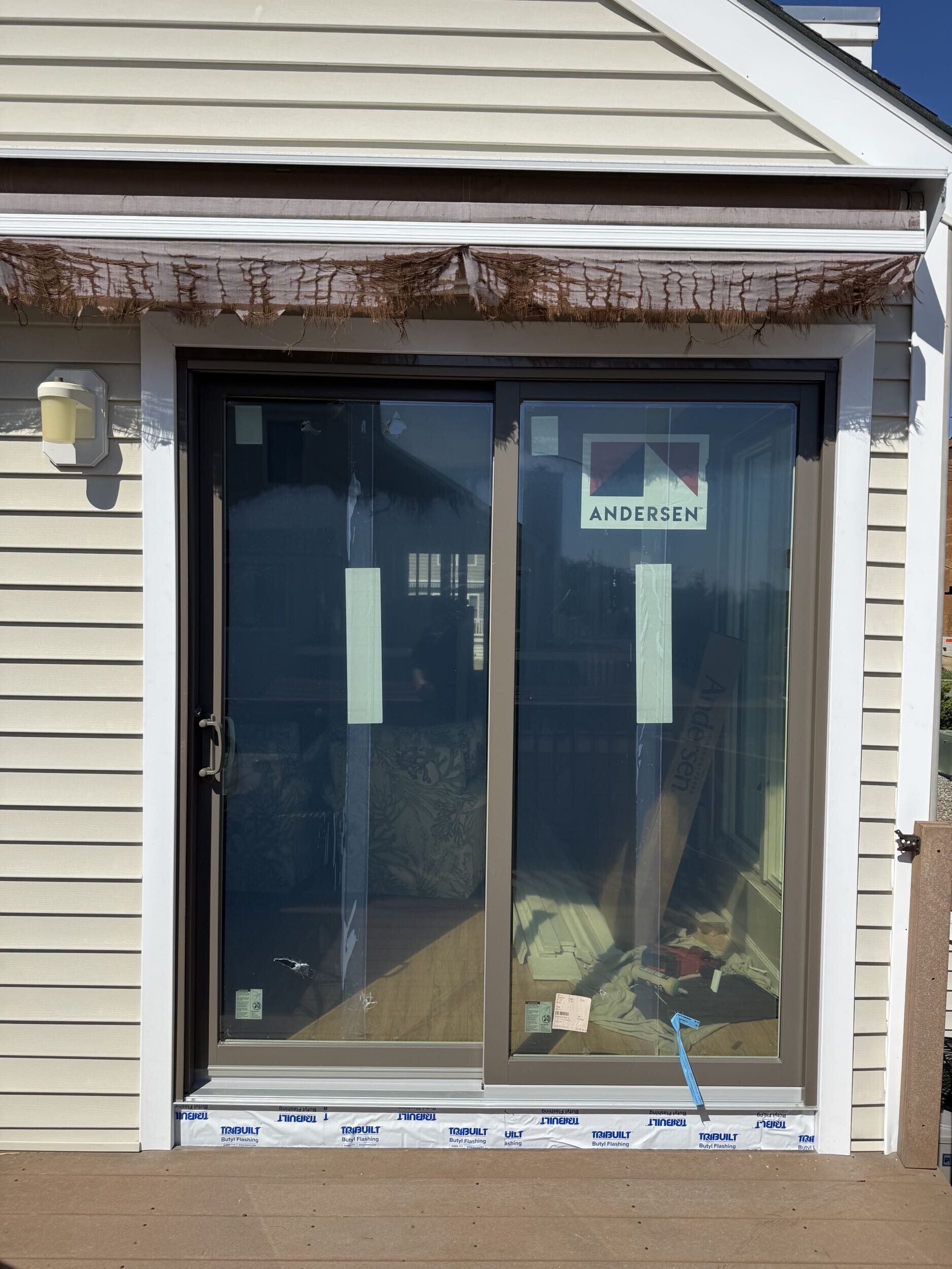
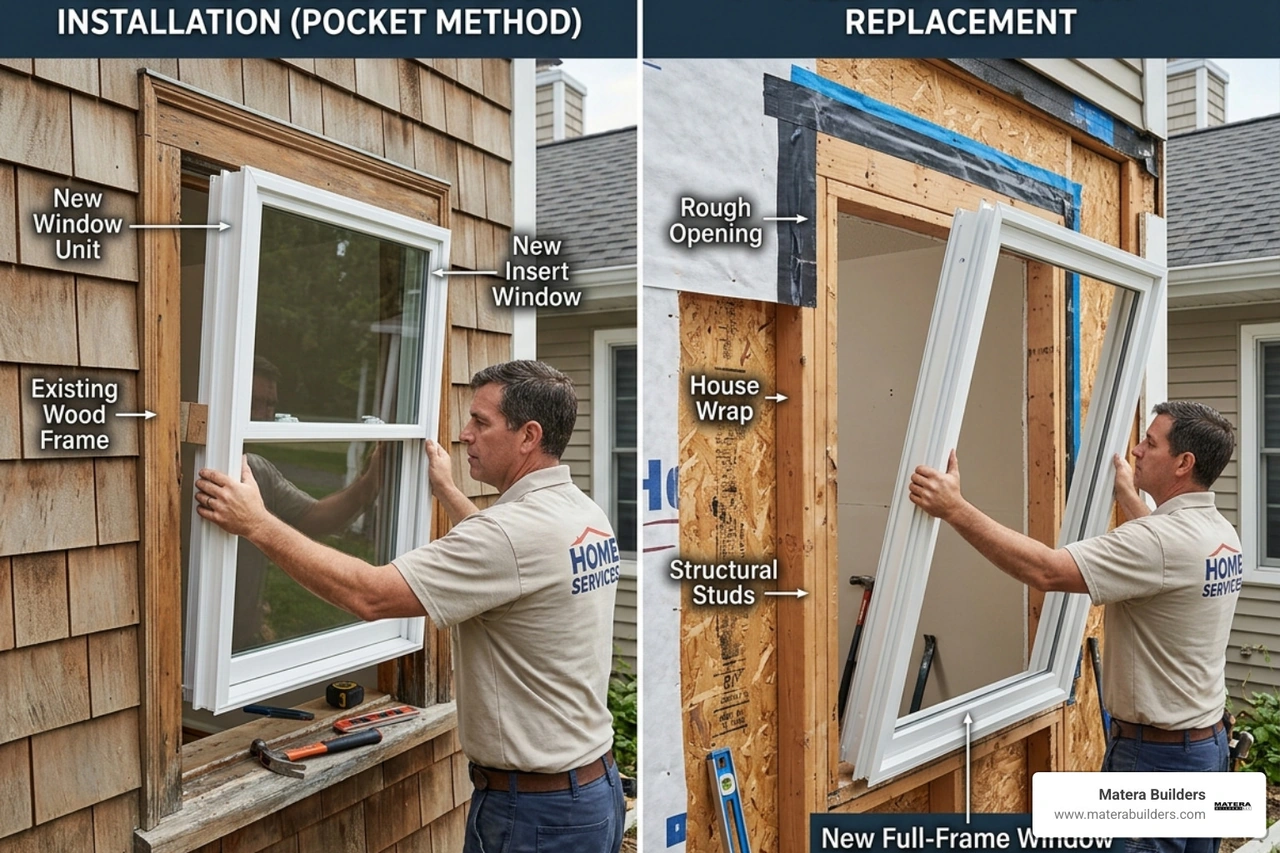
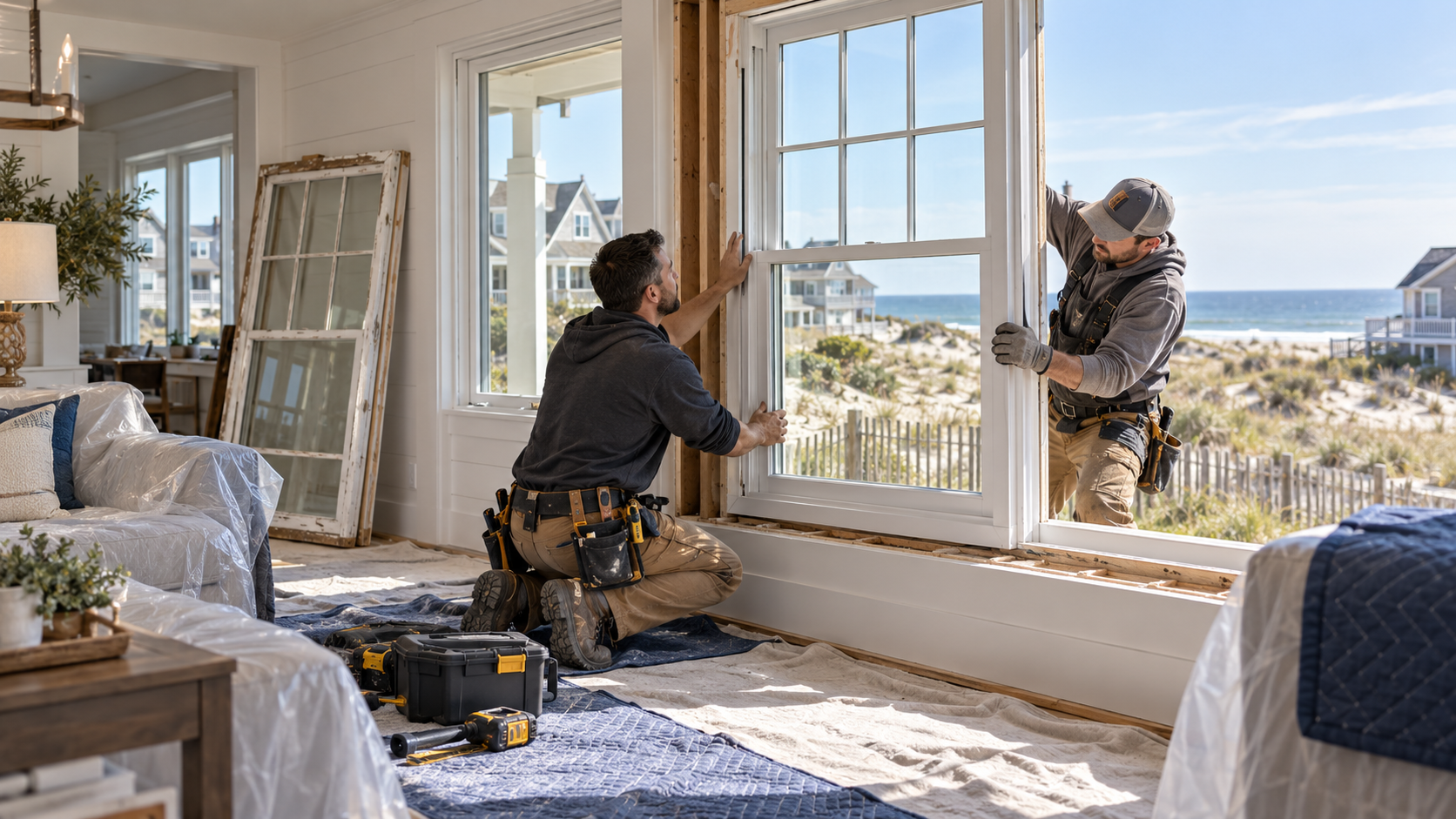
An insert replacement, often called a "pocket window," is the most common choice when your existing window frames are still structurally sound. In this method, we remove the old sashes and hardware but leave the original frame and interior trim in place. The new window unit is slid into the existing "pocket."
The biggest benefit here is that we don't have to disturb your interior walls or exterior siding. If you have beautiful, historic trim in an older Jersey Shore home, this preserves that architectural character. It is also a faster process, often taking only about an hour per window. You can learn more about the technical side of this in our guide on Installing Double Glazed Windows.
When Full-Frame Replacement is Necessary
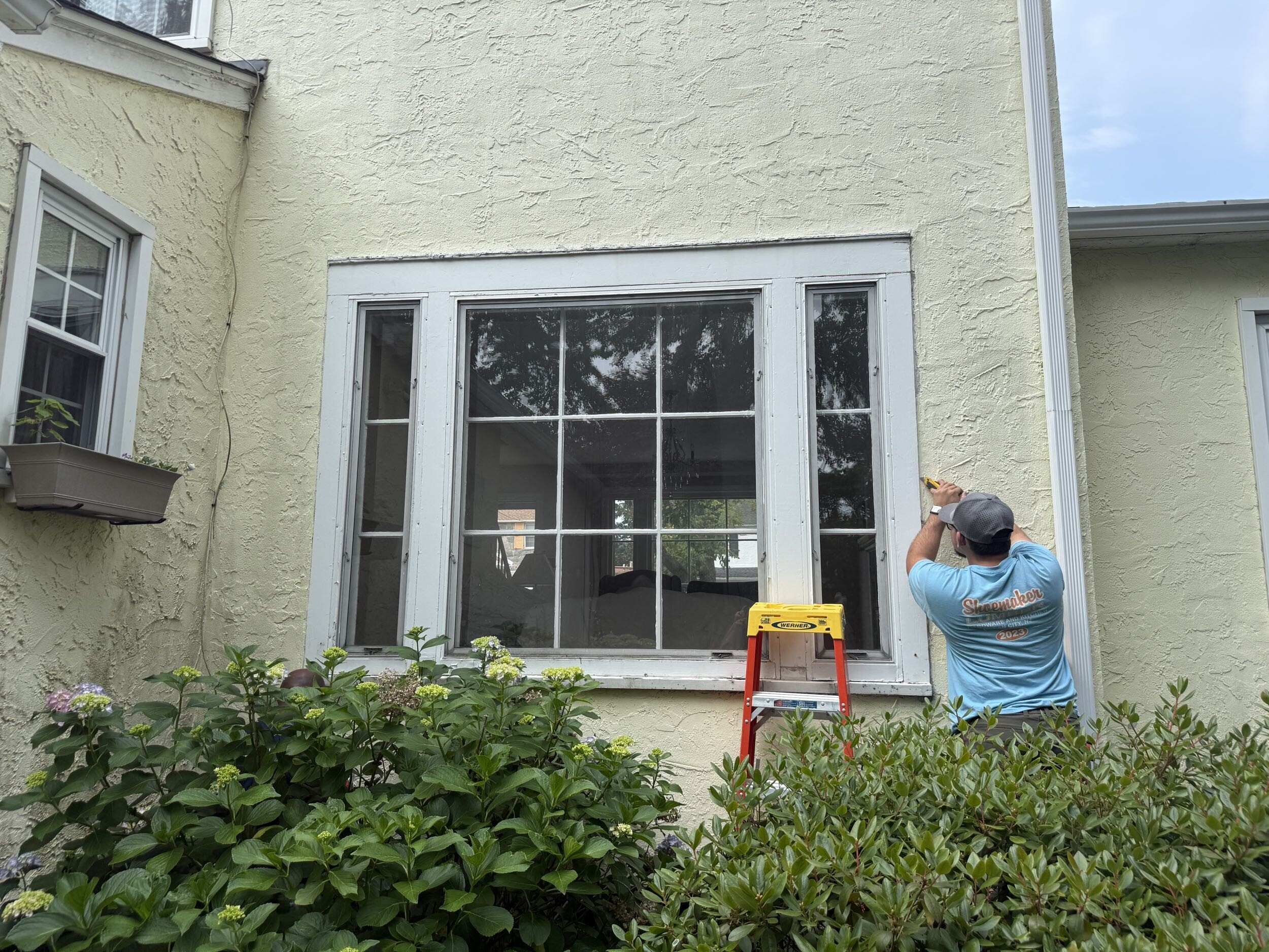
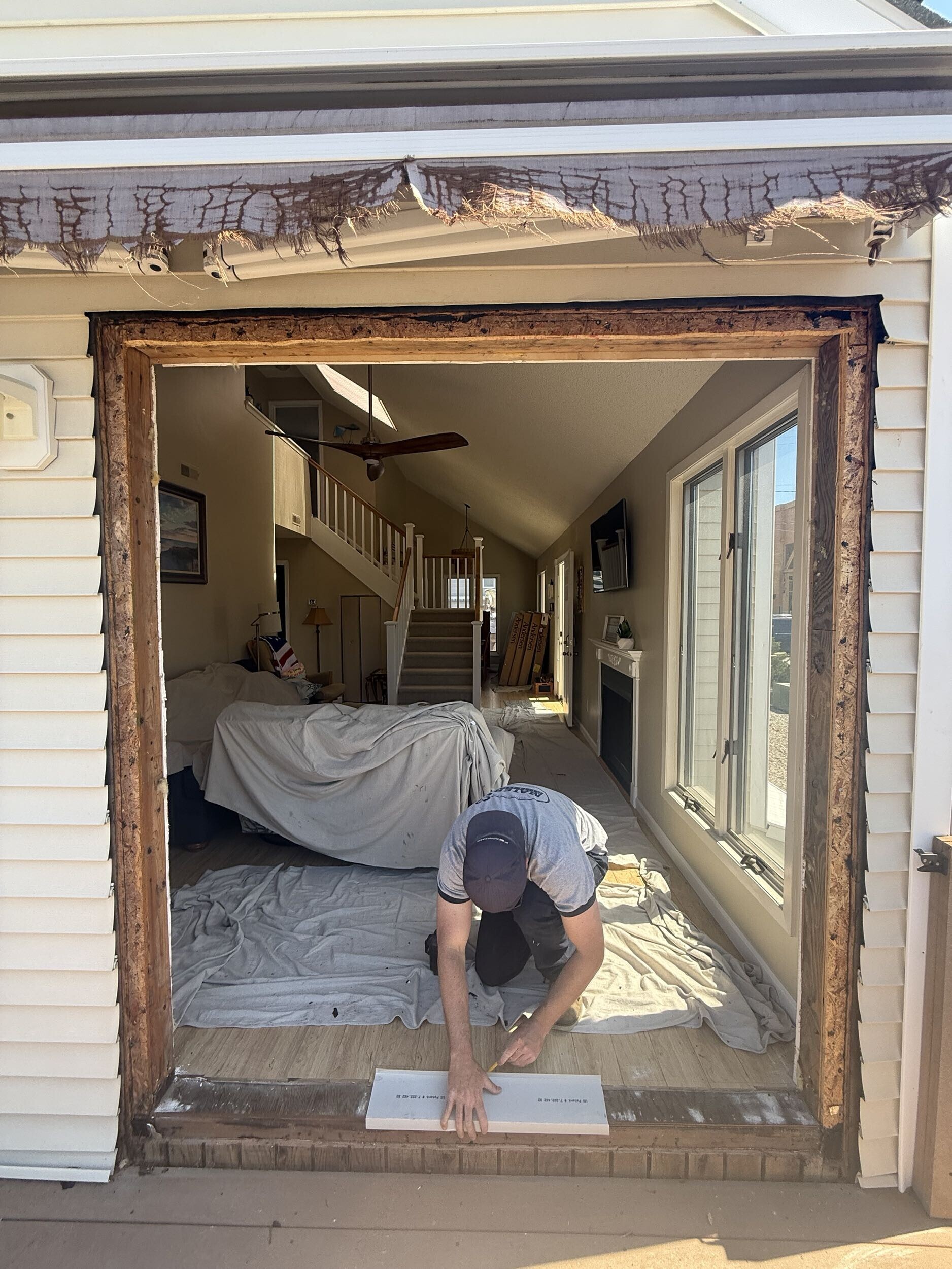
If the existing frame is rotted, out of square, or if you want to change the size of the window, you need a full-frame replacement. This involves removing everything—the sashes, the frame, the casing, and the trim—down to the rough opening in the wall.
This is a more intrusive and expensive option, but it is the only way to ensure a perfect seal if the original structure is damaged. It also allows us to inspect the wall for hidden rot or mold. When we do a full-frame job, we can also update the flashing and insulation around the window to modern standards. For more on budgeting for this, check the Cost to Put in a New Window.
The Professional Installation Process
A great window will fail if it is installed poorly. We follow a strict 13-step protocol similar to the standards outlined by Window Replacement in 13 Steps - This Old House.
Preparing Your Home to Have Replacement Windows Installed
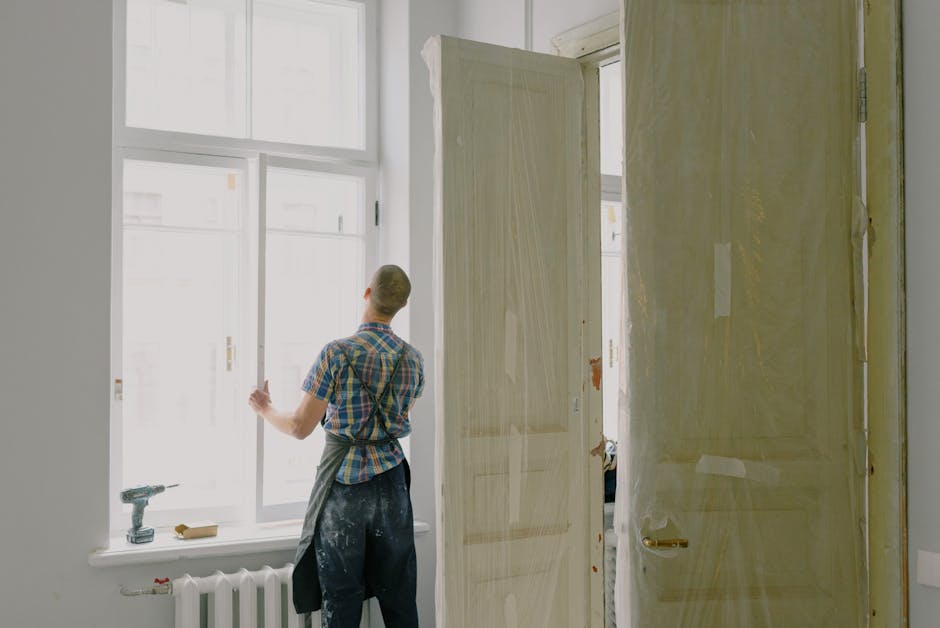
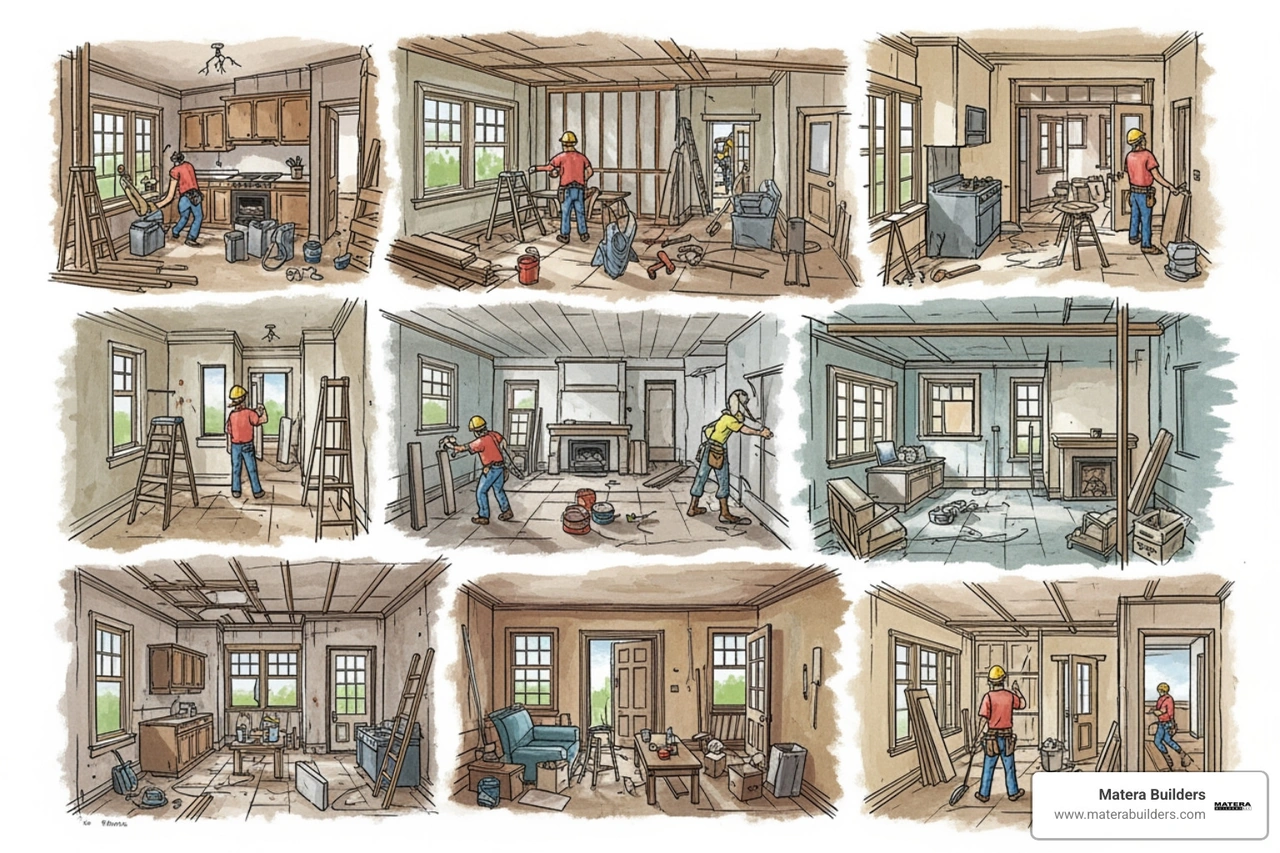
Before our crew arrives, we ask homeowners to do a few simple things. Move furniture at least three feet away from the windows. Remove any curtains, blinds, or window sensors. It is also a good idea to keep pets and children in a separate area of the house for safety.
Once we arrive, we treat your home with respect. We use drop cloths both inside and outside to catch any dust or debris. We treat every home like it is our own, ensuring that the job site is cleaner when we leave than when we started. This level of care is what you should expect from New Window Contractors.
Step-by-Step Installation Standards
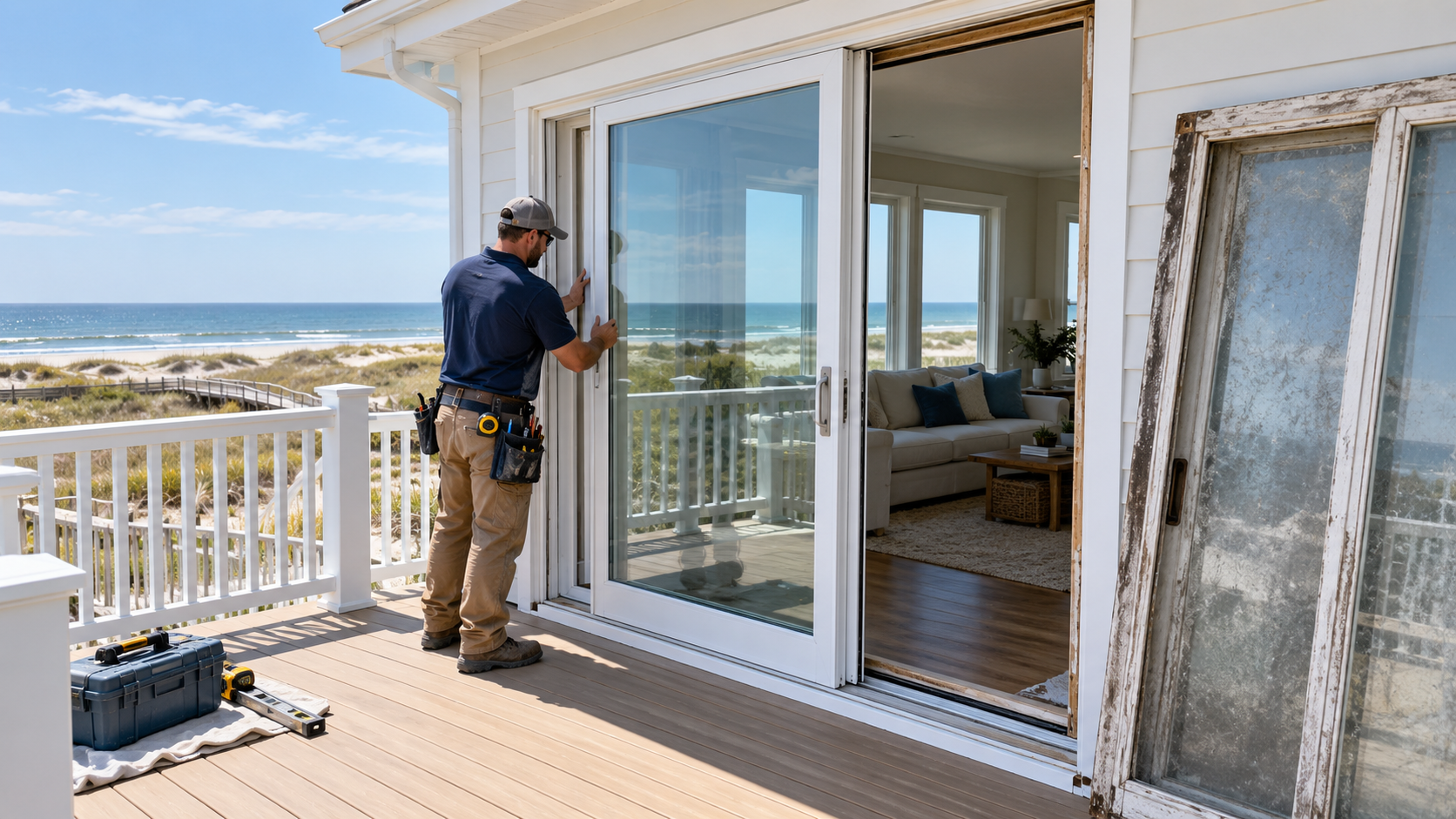
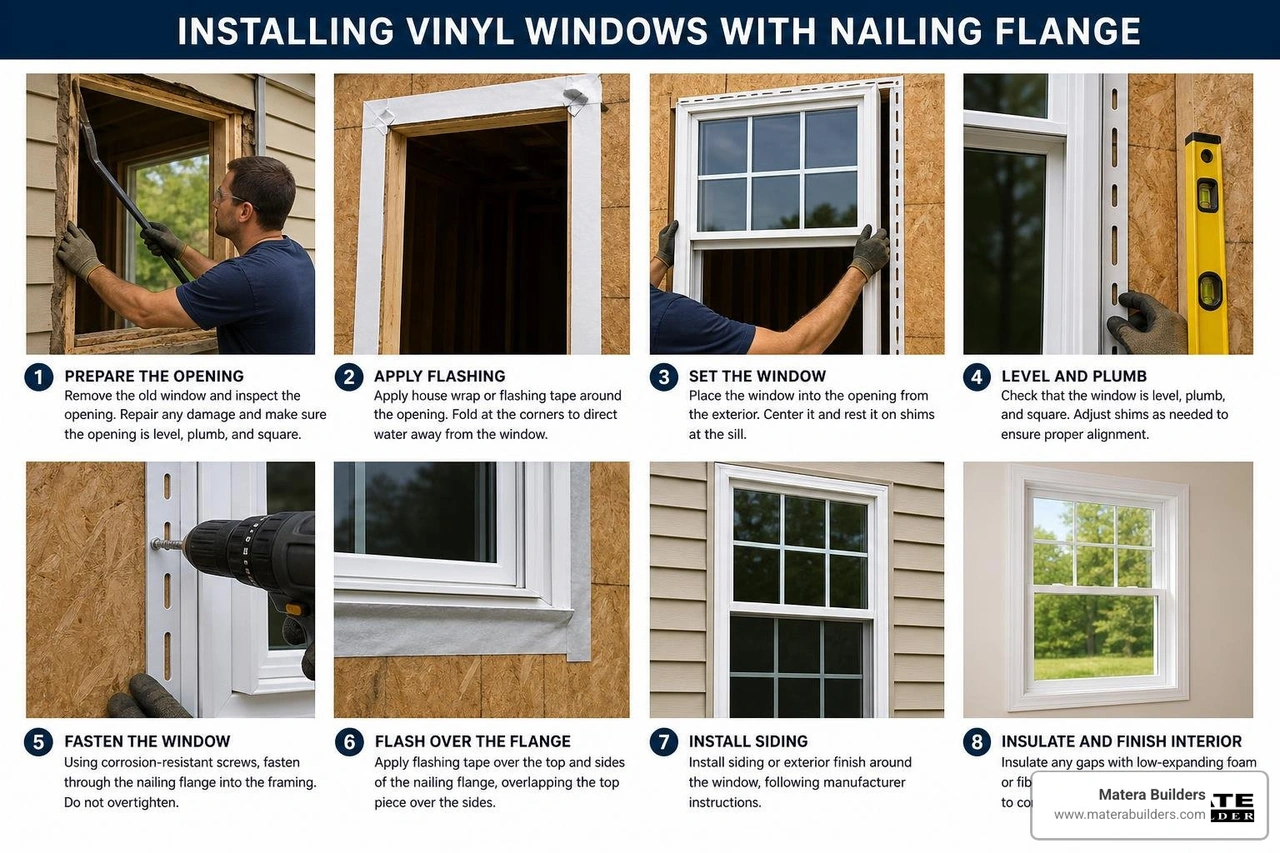
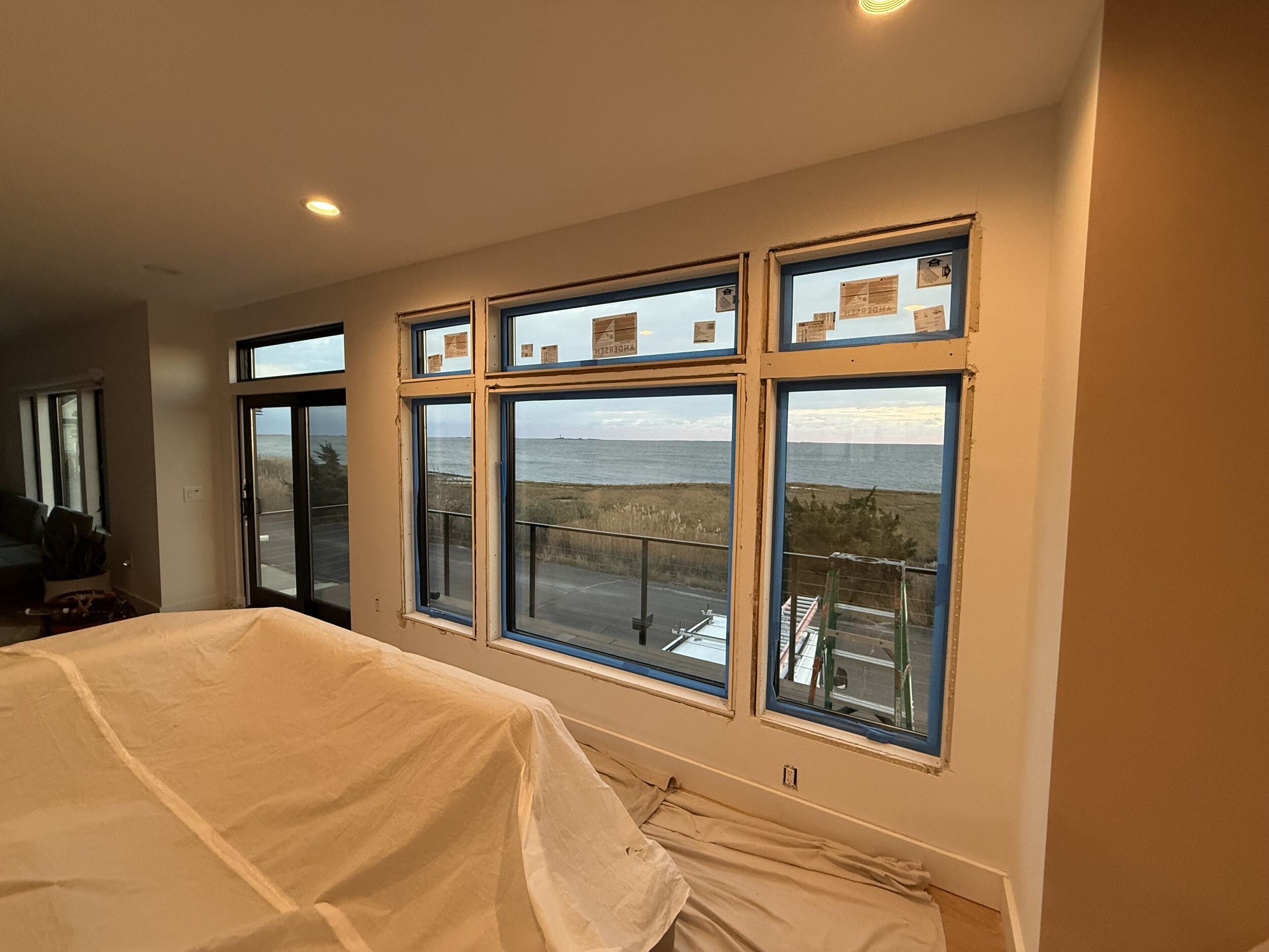
The actual installation is a precise science. First, we remove the old window carefully to avoid damaging the surrounding wall. We then clean the opening and inspect it for any structural issues.
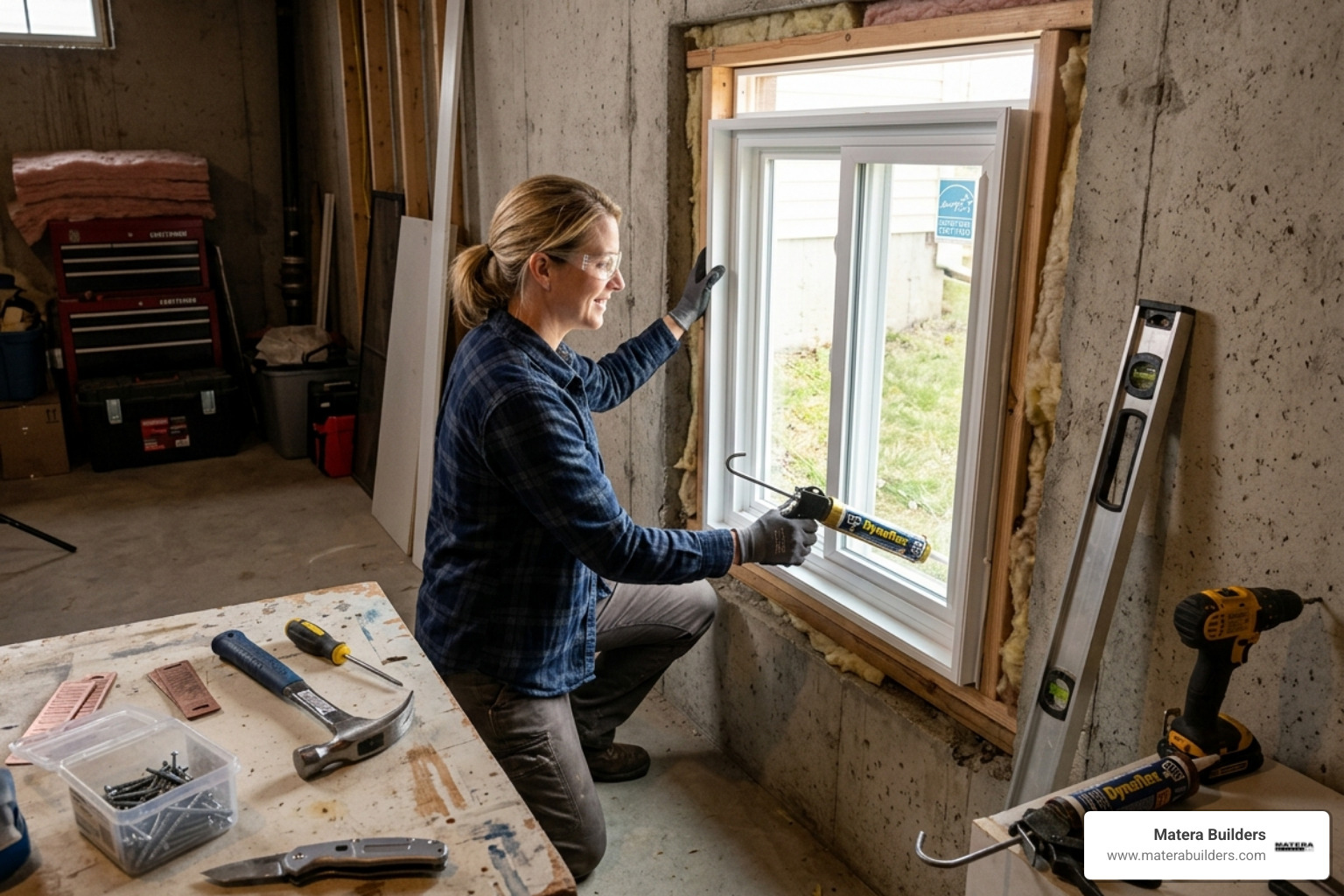
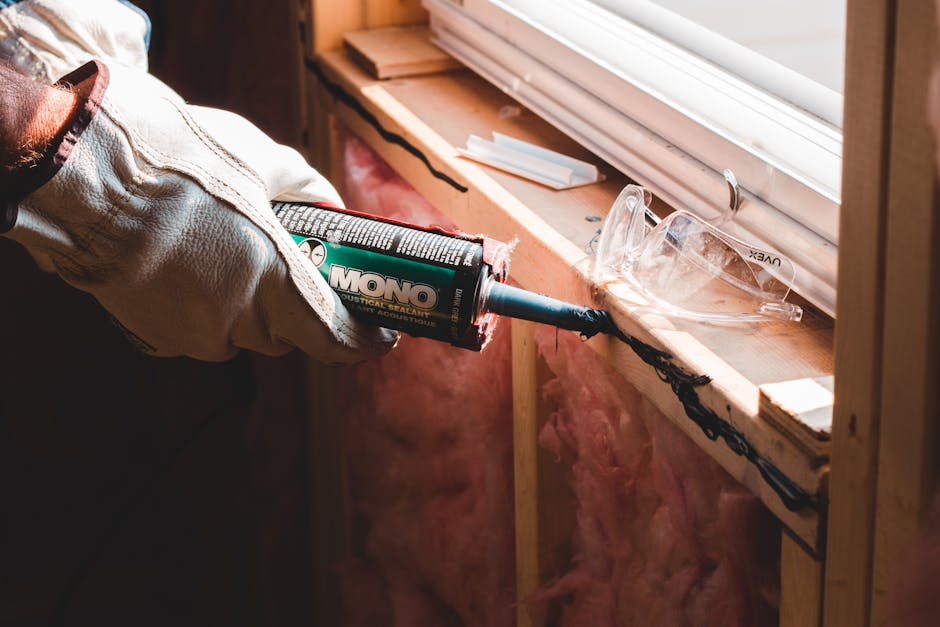
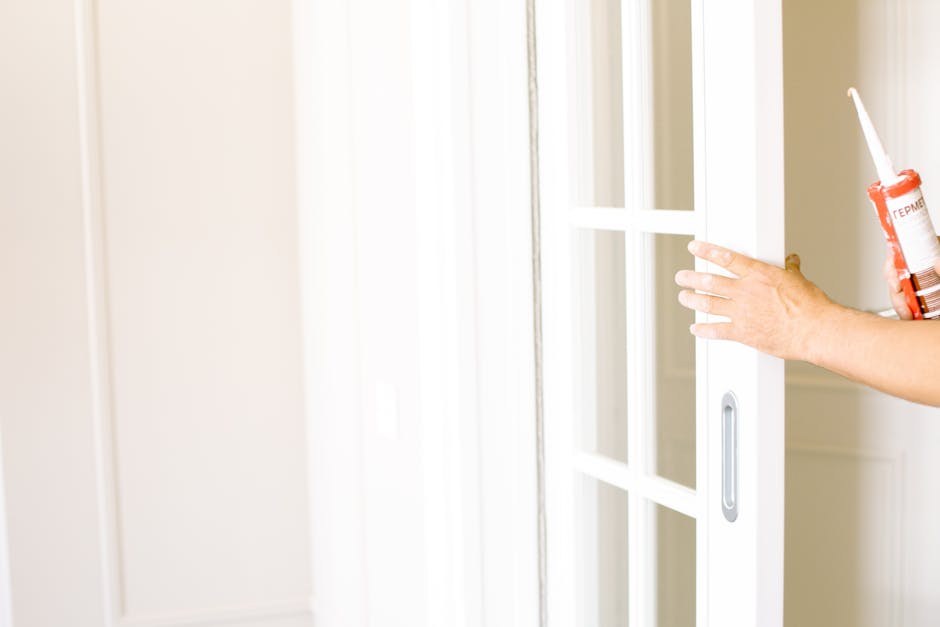
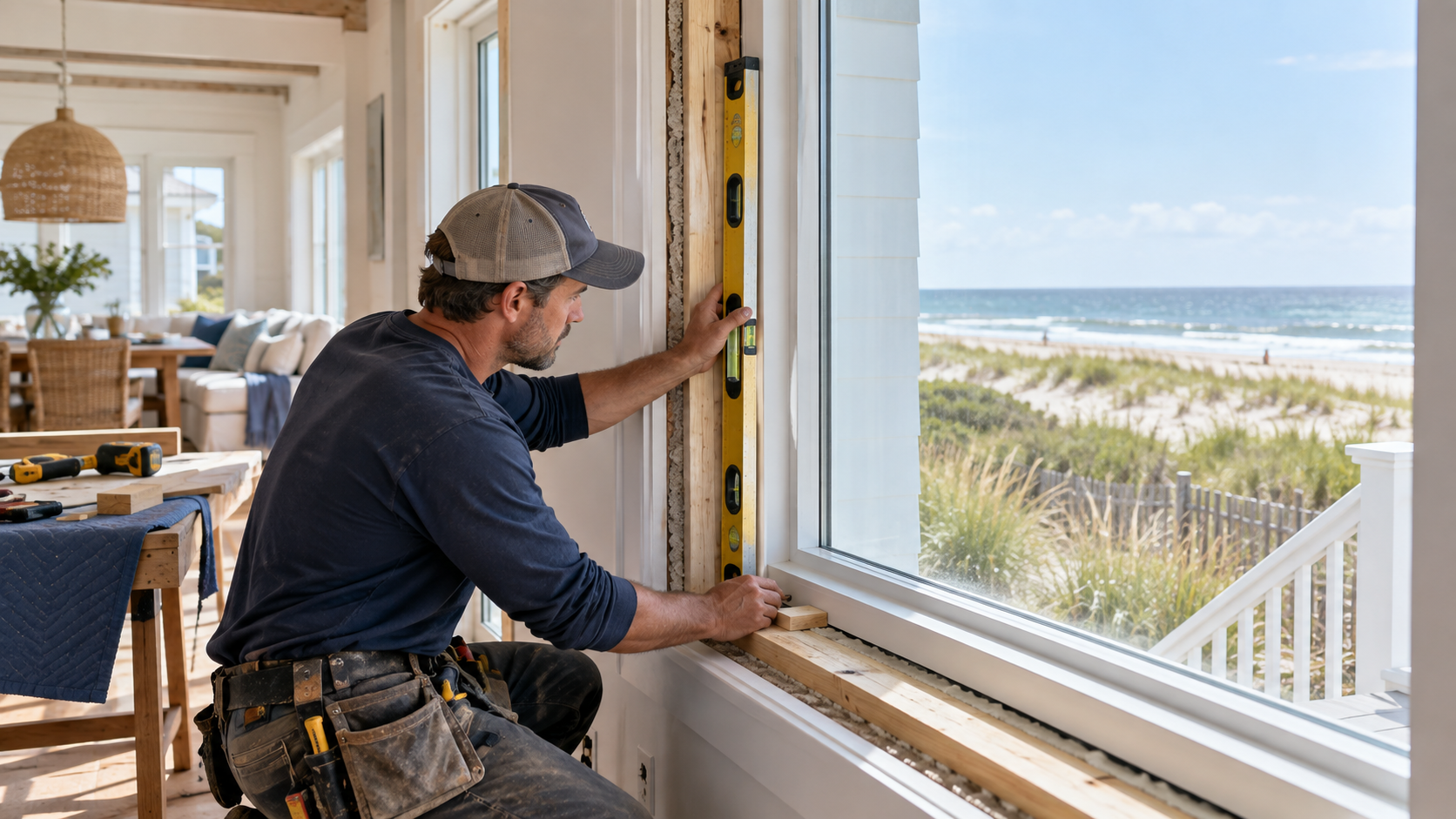
Next comes shimming. We place waterproof shims to ensure the new window is perfectly level, square, and plumb. If a window is even slightly tilted, the sashes won't slide correctly, and the locks won't line up. After the window is secured, we use minimally-expanding foam to fill the gaps between the window and the wall. This foam is critical for stopping air leaks, but it must be the right type so it doesn't bow the frame. Finally, we apply high-quality elastomeric caulk to the exterior to keep water out. For a deeper look at this process, see our article on Double Hung Window Install.
Energy Efficiency and Coastal Durability
Energy standards are stricter than ever. To get the best ROI, you need to understand the labels on your windows.
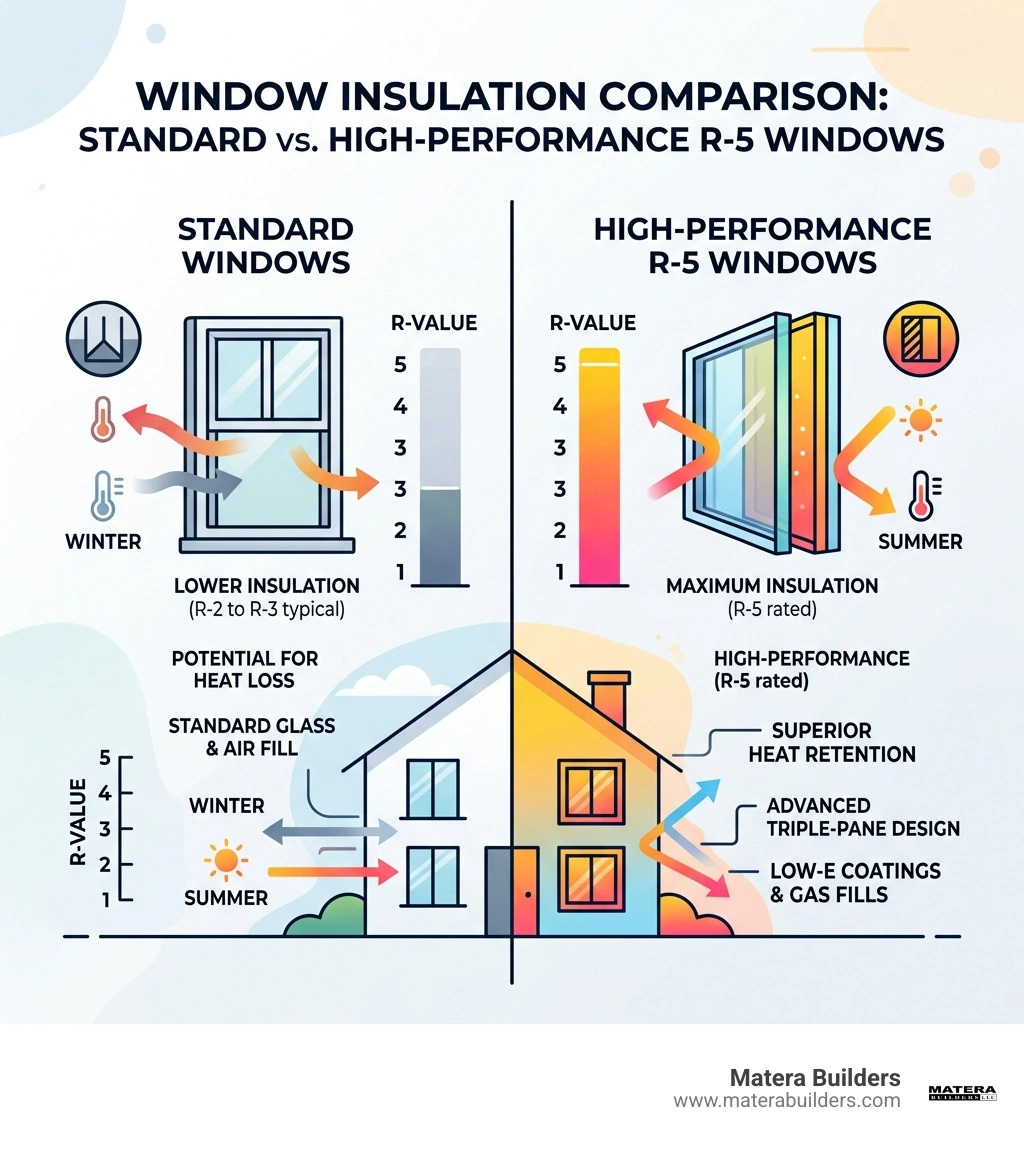
- U-Factor: This measures how well a window keeps heat inside. A lower number is better. For NJ, look for a U-factor of 0.30 or lower.
- SHGC (Solar Heat Gain Coefficient): This measures how much heat from the sun comes through the glass. In our hot Jersey Shore summers, a lower SHGC helps keep your cooling bills down.
Maximizing ROI with High-Performance Glass
Modern windows use Low-E (low-emissivity) coatings. These are microscopic layers of metal on the glass that reflect heat while letting light through. In the winter, they keep your furnace heat inside. In the summer, they bounce the sun's heat away.
We also use gas fills, usually Argon or Krypton, between the panes. These gases are denser than air and provide much better insulation. High-performance windows can save you 7% to 15% on your utility bills annually. You can see a breakdown of these savings in our post on the Cost of Putting in New Windows.
Why Professional Sealing Matters
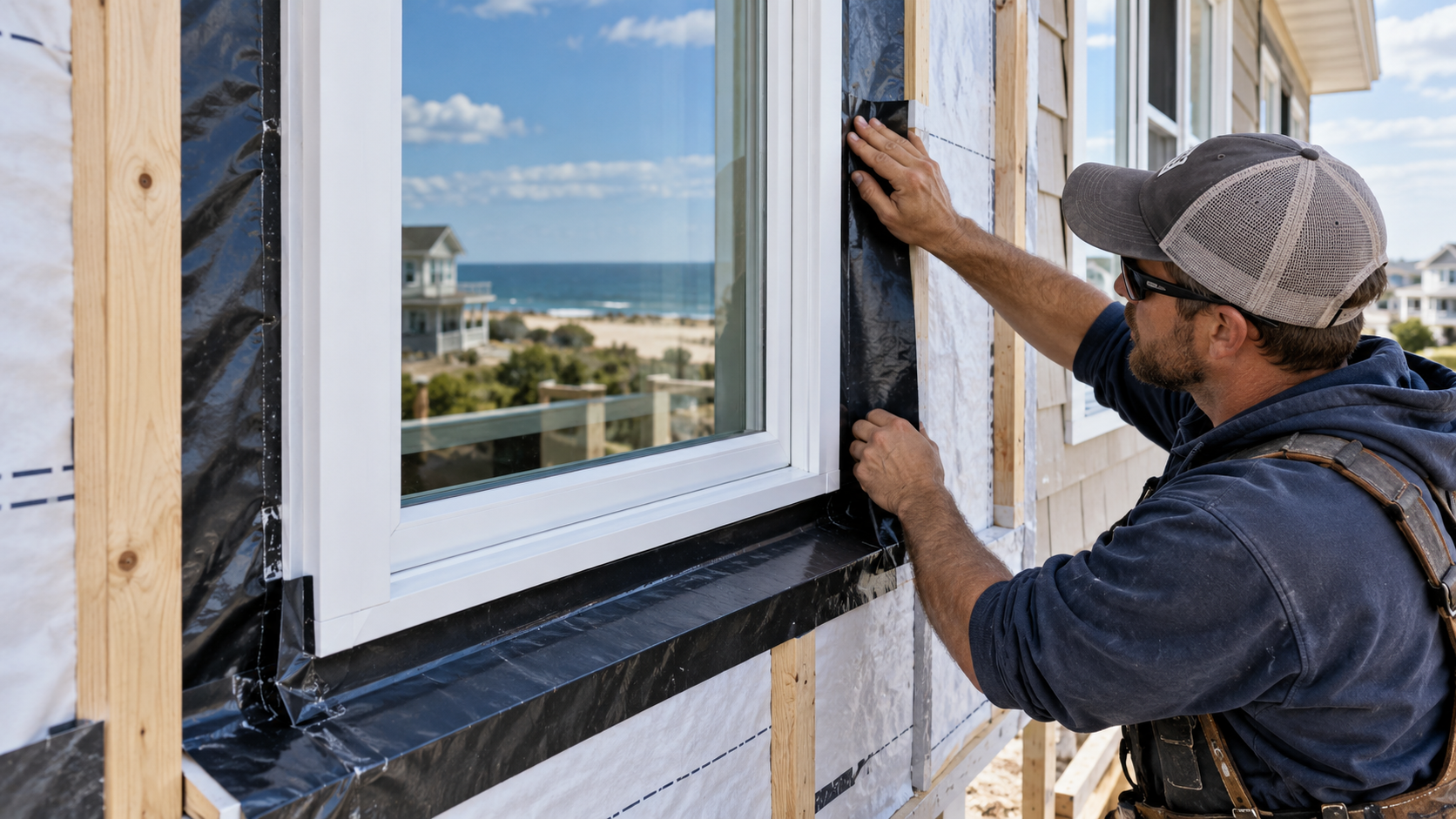
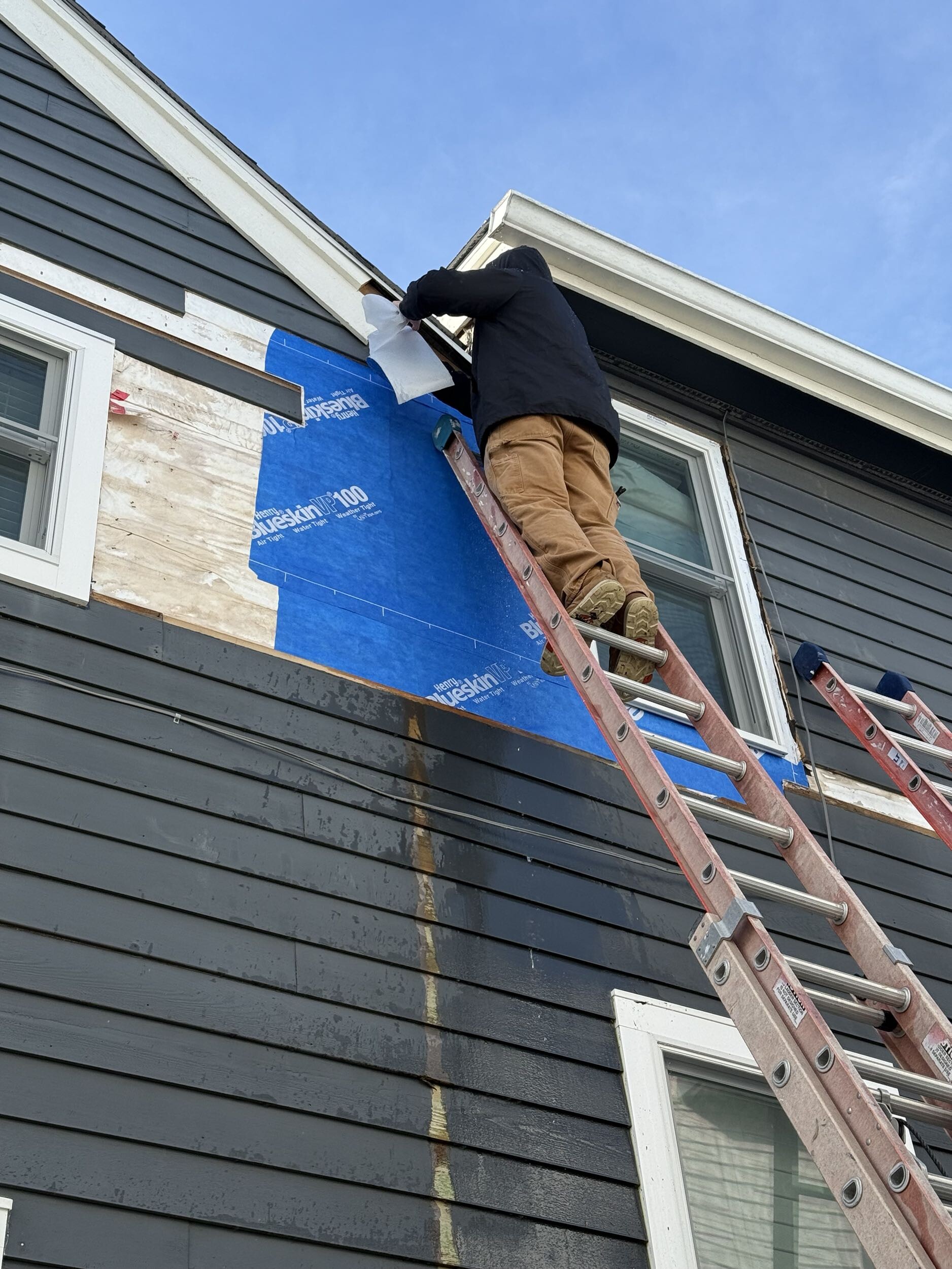
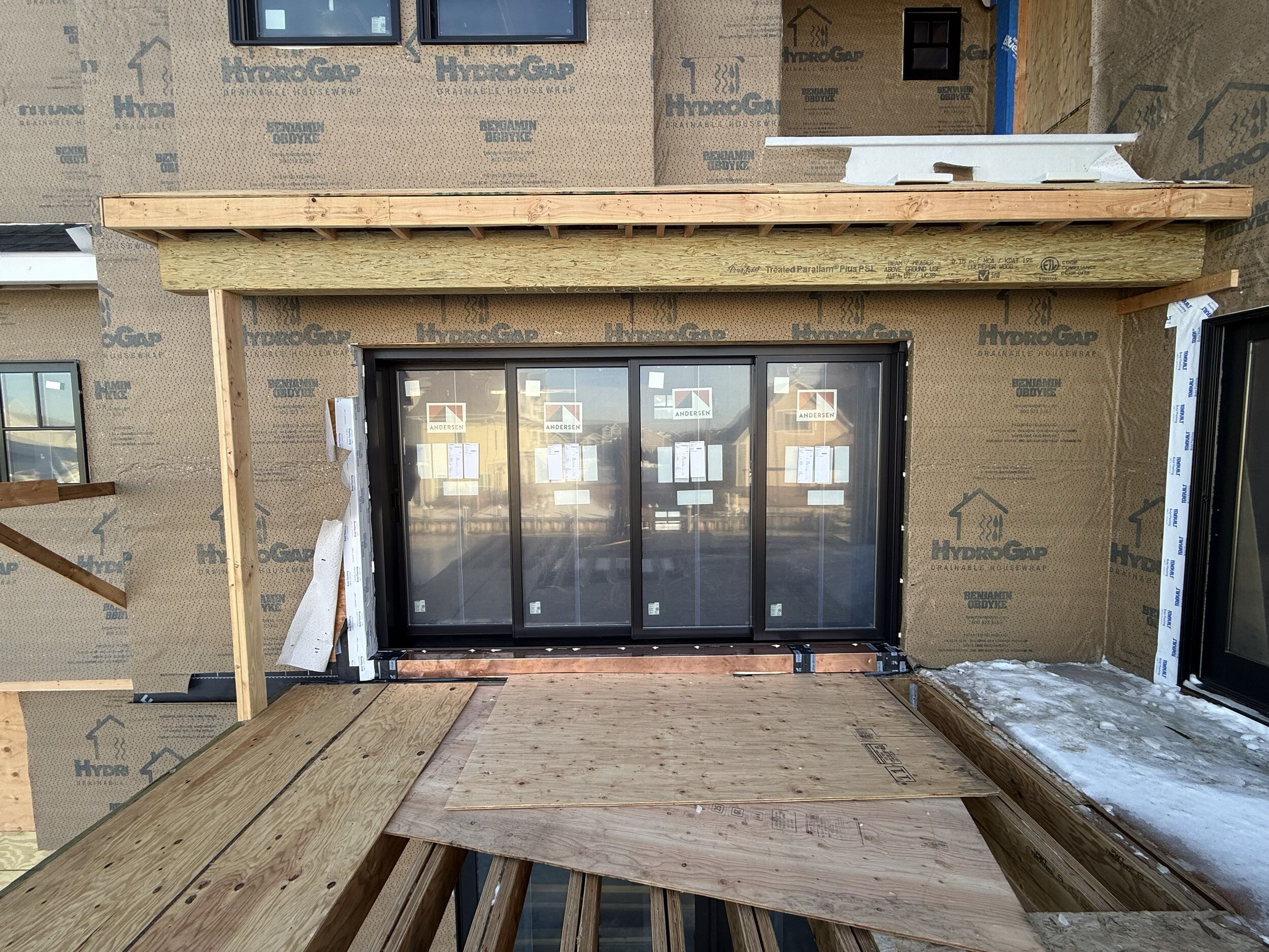
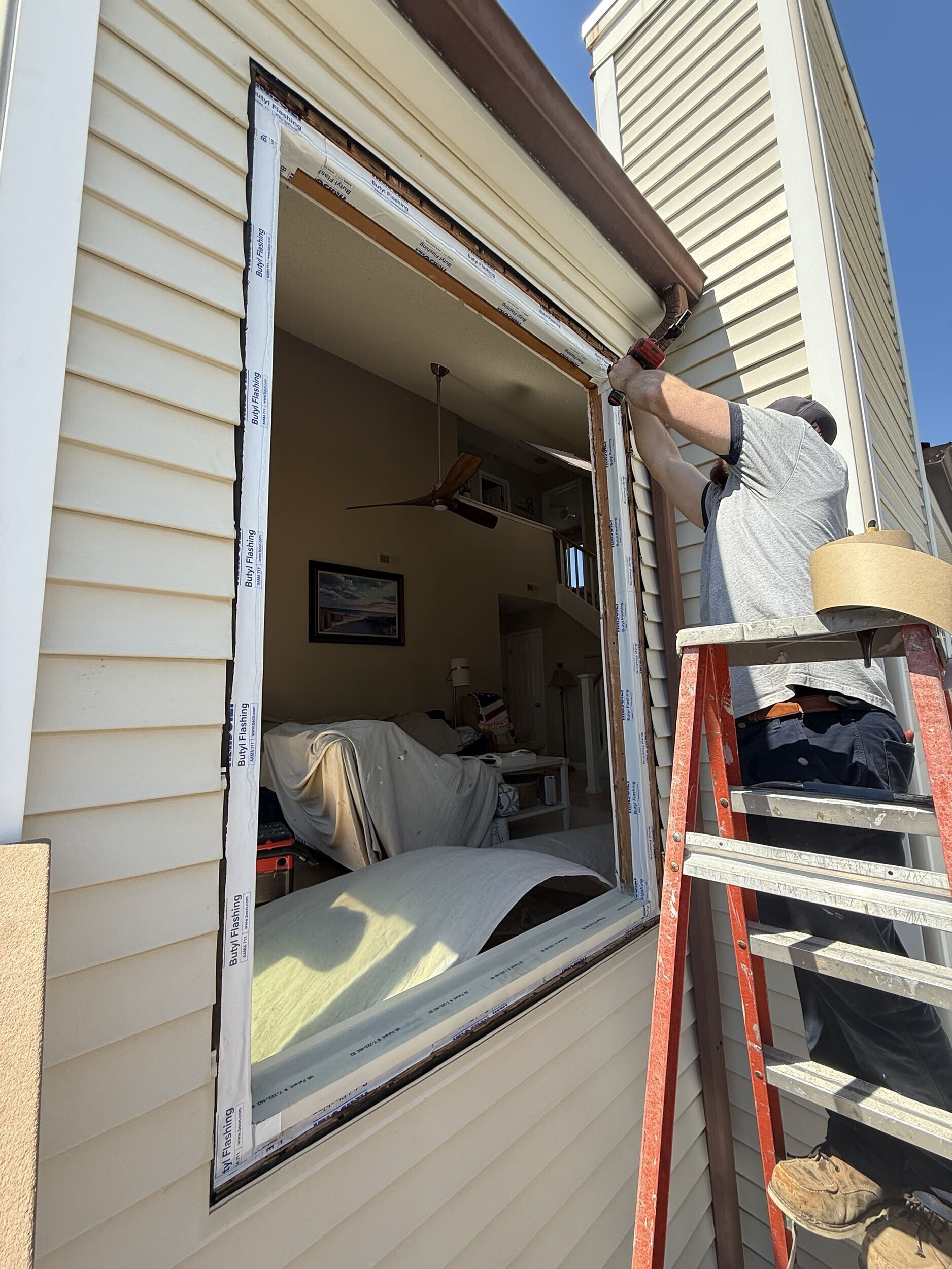
The most common failure point in a window is the flashing. Flashing is the material used to direct water away from the window and the wall. If the flashing is installed incorrectly, water will get behind your siding and rot your house from the inside out.
We use a "shingle-lapping" technique where each layer of flashing and building wrap overlaps the one below it. This ensures that gravity pulls water down and out, never in. This is especially vital when Installing a New Construction Window in an Existing Home. We also ensure that "weep holes" in the window frame are never blocked by caulk, allowing the window to drain properly.
Frequently Asked Questions
How long does it take to replace a window?
For a standard house with 10 to 15 windows, a professional crew can usually finish the job in one to two days. An insert installation takes about an hour per window, while a full-frame replacement takes 4 to 6 hours per window. Windows on upper floors or those requiring scaffolding will take longer.
What is the typical cost for window installation?
Pricing depends on the material (vinyl vs. wood vs. composite), the size of the window, and the installation method. On average, high-performance wood or composite insert windows cost between $800 and $1,500 per unit installed. Full-frame replacements are higher due to the extra labor and trim work. You can find more details on Cost to Install Double Pane Windows.
Can I install replacement windows myself?
While you can buy windows at a big-box store, DIY installation is risky. Most manufacturer warranties, including Andersen's, require professional installation to remain valid. If you make a mistake with the flashing or shimming, you could end up with water damage that costs far more to fix than what you saved on labor. You also need specialized tools like a miter saw, a professional-grade caulk gun, and a brake for bending aluminum trim.
Conclusion
Getting replacement windows installed is one of the most important investments you can make in your home. It improves your comfort, slashes your energy bills, and protects your property value. But remember: a window is only as good as the person who installs it.
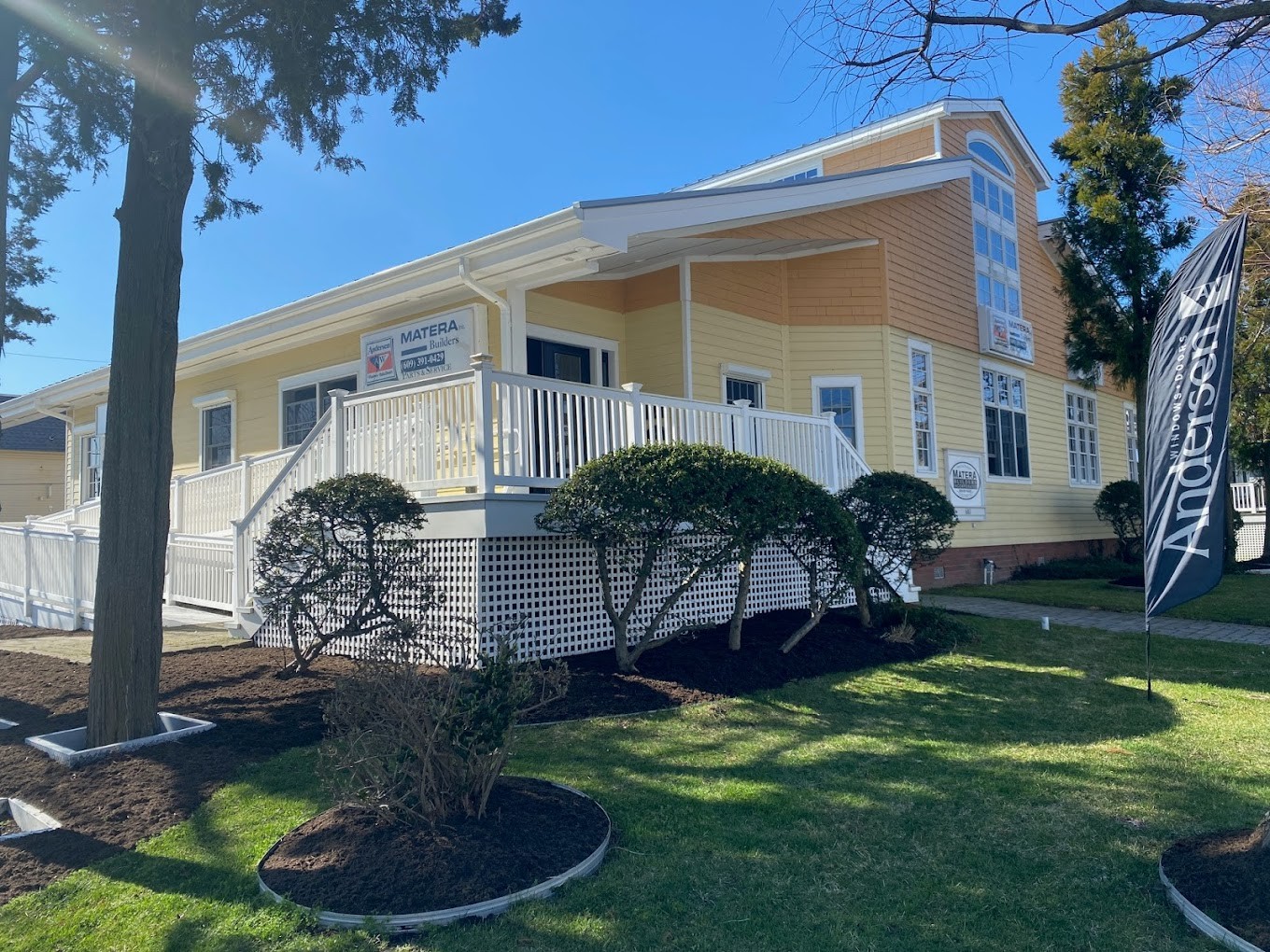
At Matera Builders, Mike Werner and our team, an Andersen Elite Certified Contractor, have brought local experience to every project since 1988.We know the specific challenges of the Jersey Shore climate, and we use that knowledge to ensure your Andersen Windows perform perfectly for decades. We don't believe in high-pressure sales just honest, transparent craftsmanship.
Ready to see the difference that professional installation makes? Schedule your Andersen window assessment with us today and let's make your home more comfortable and efficient for years to come.





.jpg)
.jpg)